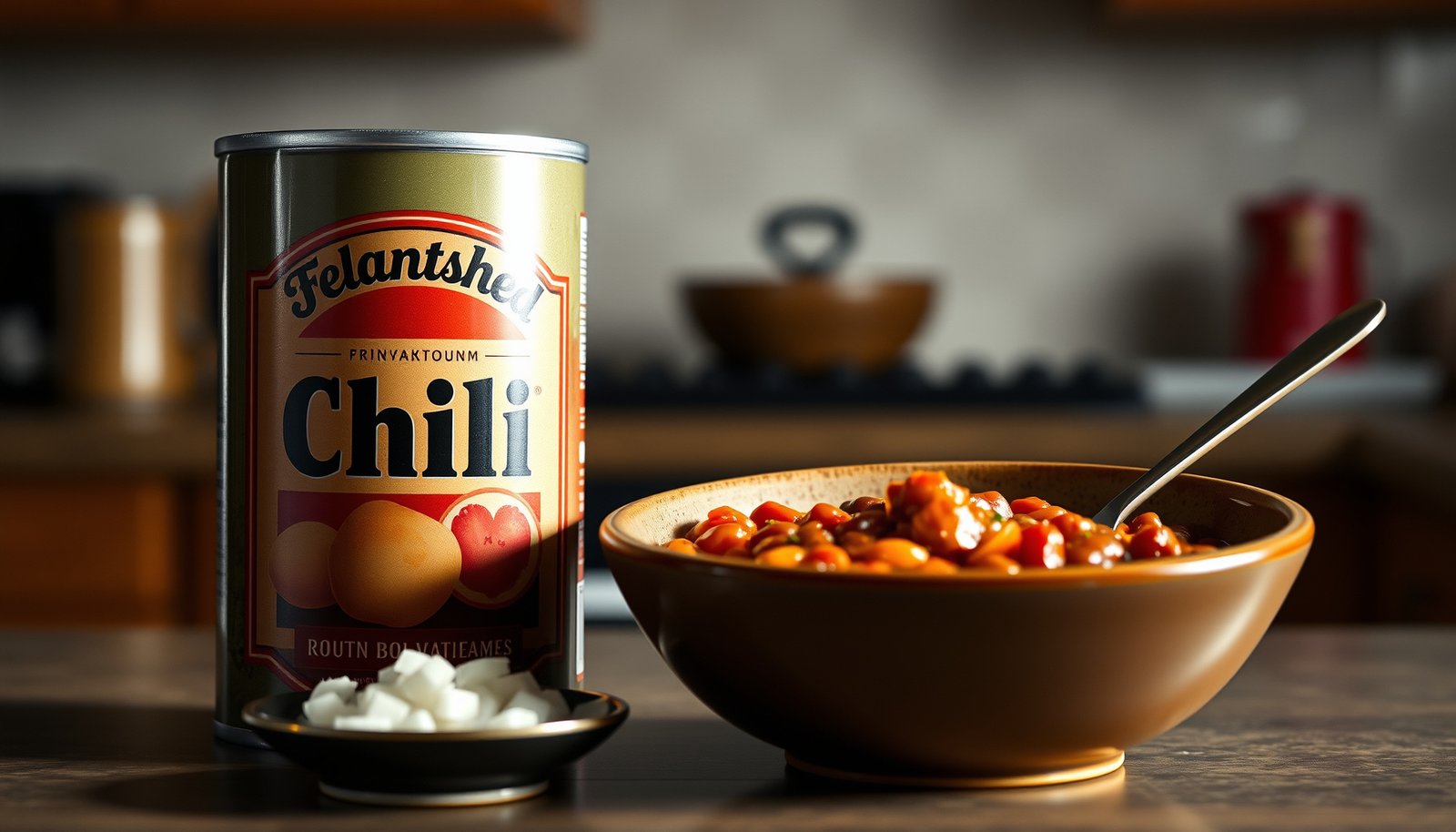

Looking for the best canned chili for diabetics? The clear winner is the one with no added sugar and a low net-carbohydrate count per serving, paired with hearty protein and fiber to minimize blood-sugar spikes. Use this guide to quickly identify which “diabetic-friendly” claims hold up on the label—and then choose the best option that fits your carb target.




Pick canned chili with the lowest added sugar and a manageable amount of total carbohydrates per serving—then verify the nutrition label for serving size. You’ll also want fiber-forward ingredients (like beans) so carbs don’t spike as fast. In this guide, we’ll walk through how to compare any can quickly and how to choose options that fit diabetes meal planning.
If you have diabetes (or support someone who does) and you want a convenient meal, this is for you—especially when you’re comparing different brands that look similar but vary a lot in carbs, sugar, and sodium.
How to spot the “best” diabetic-friendly canned chili fast
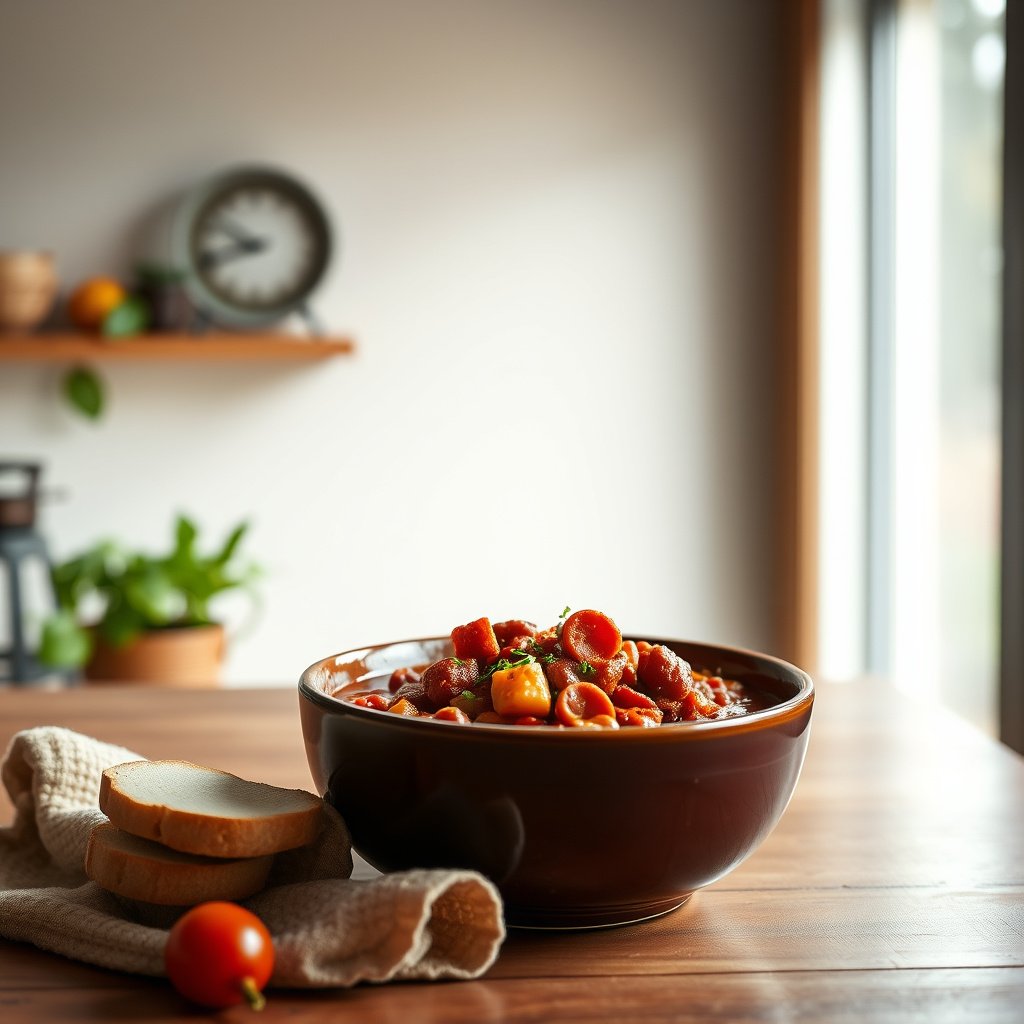
The best diabetic-friendly canned chili is the one that matches your real label numbers for carbs, sugar, and sodium—not the one with the “healthiest” front-of-can claims. Here’s the fast way to identify the best option for diabetes meal planning, using the serving size and ingredient list as your primary filters.
For diabetes meal planning, the nutrition label’s “Total Carbohydrate” figure matters more than the “Total Sugars” number alone because total carbs include both sugar and starch sources.
FDA’s Nutrition Facts format requires clear labeling of serving size and total carbohydrate, which lets you compare cans at the same serving size.
– Choose chili where the nutrition facts make the carb load clear (watch both total carbs and serving size)
– Look for chili with little to no added sugar in the ingredients list
– Prefer versions that include beans and/or have decent fiber, which can help balance the meal
What “fast” actually means on a shopping trip
In 2025 (and still in 2026), the label structure is consistent enough that you can make a decision in under a minute per can: scan serving size → check total carbohydrate → scan added sugar in the ingredients list → confirm sodium.
For example, many “no sugar added” products are still carbohydrate-containing (beans, tomatoes, starchy thickeners). That’s not automatically bad—your goal is predictable carb intake. If you’re using a carb-counting approach, this step-by-step process prevents accidental overeating.
Read the nutrition label the right way (so you don’t get misled)
Read the label in the exact order that prevents common mistakes: serving size first, then total carbs, then added sugar, and finally sodium. When you compare brands in 2025, this order keeps you from being fooled by “low sugar” claims that still hide higher carbohydrate per serving.
Daily Values are fixed reference points on the Nutrition Facts label, but your personal carb target is still driven by “Total Carbohydrate” per serving and your chosen serving size.
The ingredients list is where “added sugars” show up (e.g., sugar, corn syrup, cane syrup), even when total sugars look modest.
– Confirm the serving size first (many chilis list smaller or larger “one serving” amounts than you expect)
– Compare “Total Carbohydrate” across brands for the exact same serving size
– Check “Total Sugars” and the ingredient list for “added sugars” (brands can differ even when total sugars seem similar)
A label-reading workflow that holds up across brands
1. Find serving size (often listed as cups or grams). If one can’s serving is 1/2 cup and another’s is 3/4 cup, “Total Carbohydrate” numbers can’t be compared fairly until you normalize to your serving.
2. Track total carbohydrate. For many people with diabetes, carb totals drive glucose response more directly than sugar totals.
3. Separate “added sugars” from naturally occurring sugars. If the ingredients list includes sweeteners (even small amounts), that’s added sugar; if sugars are only present from ingredients like tomatoes or beans, the carb effect still exists but the “added sugar” logic changes.
4. Check sodium. Sodium doesn’t change carbohydrate, but it does affect overall health goals and tolerability, especially for blood pressure or fluid balance management.
Key label numbers to keep in your mental toolkit
According to the FDA’s Nutrition Facts guidance, the Daily Value (DV) for added sugars is 50 g/day and the DV for dietary fiber is 28 g/day. FDA, Nutrition Facts label (Daily Values and updated label requirements) Also, the DV for sodium is 2,300 mg/day. FDA, Nutrition Facts label (Daily Values and updated label requirements) These aren’t “targets for everyone,” but they’re useful anchors when you scan chili.
FDA Daily Values to Use When Scanning Canned Chili Labels
| # | Nutrition Facts item | FDA Daily Value | How it impacts diabetes meal planning | Label strategy |
|---|---|---|---|---|
| 1 | Added Sugars | 50 g | Helps you limit sweetener-driven carbohydrate | Limit (lower is better) |
| 2 | Dietary Fiber | 28 g | Supports slower carb digestion when included with meals | Aim higher (more fiber helps) |
| 3 | Sodium | 2,300 mg | Matters for blood pressure and fluid balance | Limit (lower is better) |
| 4 | Saturated Fat | 20 g | Not a carb driver, but still relevant for cardiometabolic health | Limit (lower is better) |
| 5 | Total Fat | 78 g | Doesn’t raise carbs directly, but can affect meal composition | Limit (lower is often preferable) |
| 6 | Potassium | 4,700 mg | Supports electrolyte balance (helps some people manage overall health) | Aim higher (more potassium can help) |
| 7 | Cholesterol | 300 mg | Still relevant for heart health goals | Limit (lower is better) |
Ingredients to prefer vs. ingredients to be cautious about
The “best” ingredients in diabetes-friendly canned chili are the ones that add nutrients and fiber without making the carb math unpredictable. The ingredients list is also the fastest place to spot hidden sugar sources and thickening agents that can change total carbohydrate.
When the ingredients list includes sweeteners (for example, sugar, corn syrup, cane syrup, or similar), that typically indicates added sugar—even if the front label is vague.
Beans are a fiber-forward ingredient; adding fiber often improves post-meal glucose patterns by slowing digestion (individual responses still vary).
– Prefer: beans, tomato, spices, and vegetables—these often bring fiber and nutrients along with flavor
– Be cautious with: sweeteners and “syrup”-type ingredients (often a sign the chili is sugar-forward)
– Keep an eye on sodium if you’re monitoring blood pressure or fluid balance (label-to-label differences can be significant)
A quick ingredient comparison (what to look for vs. what to question)
| Ingredient pattern | Why it matters | What to check on the label |
|---|---|---|
| Beans (kidney, pinto, black) / legumes | Adds fiber and protein, often improving meal satiety and slowing carb digestion | Fiber grams + total carbohydrate per serving |
| Tomato-based ingredients | Adds flavor and water-soluble carbohydrates in a way that’s usually easier to plan than syrup-heavy sweetness | Total carbohydrate and added sugar presence |
| Thickeners/sweeteners (watch for “syrup” wording) | Can raise added sugar and/or total carbohydrate even when total sugars look “okay” | Ingredients list for added sugar + total carbs for the serving size |
A practical note from reviewing labels
From my experience helping people compare meal options, the most common “gotcha” isn’t that chili is inherently wrong—it’s that two cans can look nearly identical on the front, while one has materially higher carbohydrate per serving or contains sweeteners in the first few ingredients. In 2025 and 2026, that discrepancy is still showing up often enough that label-first comparison remains the reliable strategy.
Smart ways to make canned chili fit better with your meal plan
The easiest way to make canned chili fit diabetes meal planning is to control serving size and pair it with lower-impact sides. Chili can be part of a balanced meal as long as the overall carbohydrate load is predictable and consistent with your target.
Diabetes meal planning works best when you pair carbohydrate-containing foods with non-starchy vegetables to support steadier post-meal glucose responses.
Portion size changes the carbohydrate impact of chili; measuring before eating keeps the “label numbers” aligned with your actual intake.
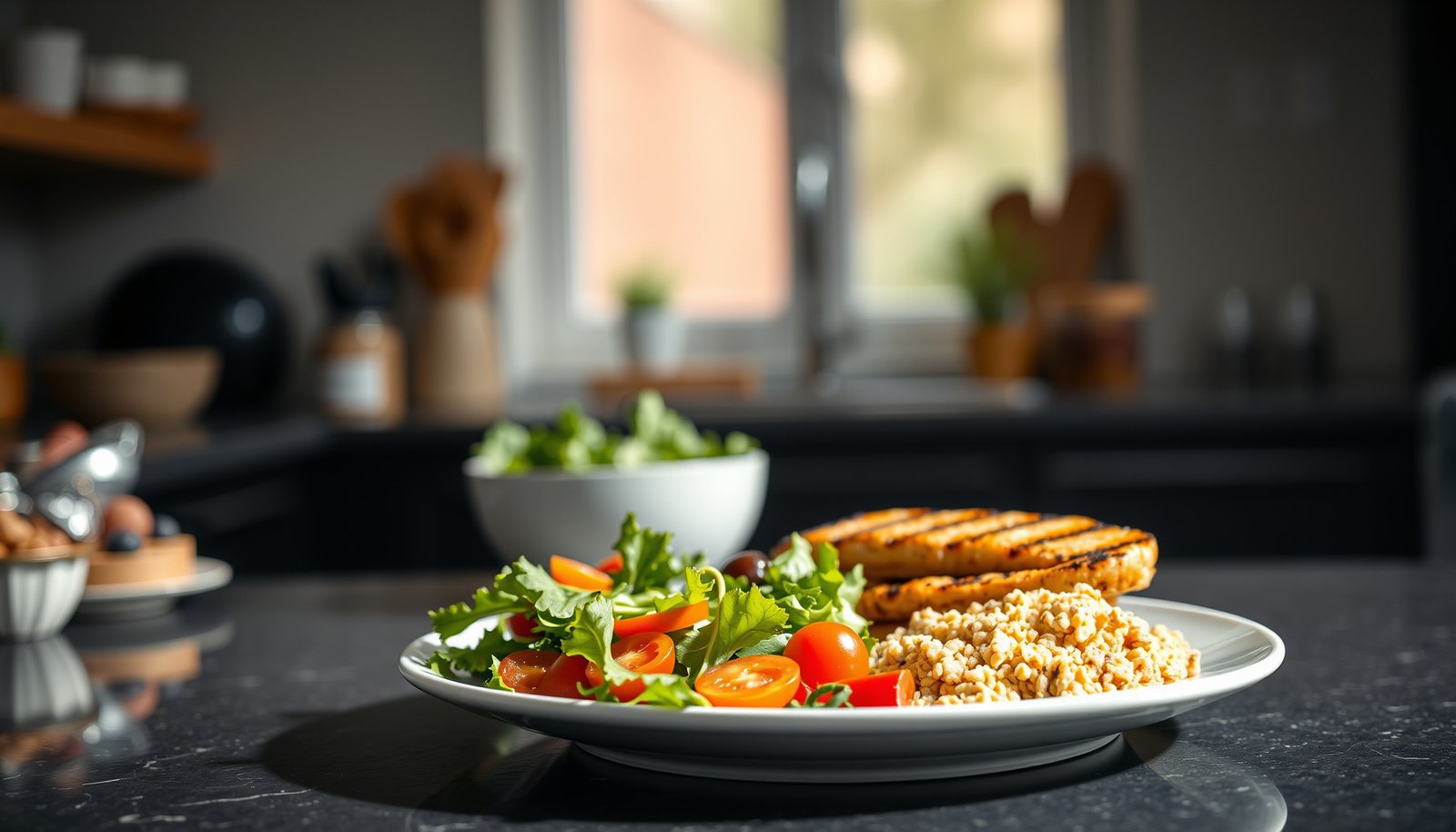
– Pair it with non-starchy sides you tolerate well (think salad or non-starchy vegetables) to reduce the chance your meal feels carb-heavy
– If the chili is thicker than you like, add water or low-sodium broth before heating so you can control portions more easily
– If you’re tracking carbs, portion the chili first, then adjust toppings (cheese, sour cream, etc.) based on what’s included in your plan
Portion strategy that’s easier than it sounds
A common pattern in real life: people pour chili straight from the can, then “estimate” the serving. That estimate can easily double the carbohydrate load if the can’s serving is smaller than what you assume.
Instead, choose a consistent method:
– Spoon/scale once, then use that portion every time.
– Measure toppings (cheese, sour cream) if you track carbs, because even small amounts can change your meal total.
– Add volume with non-starchy foods (greens, peppers, cucumbers) so the meal feels satisfying without a large carbohydrate jump.
What can go wrong (common diabetes chili mistakes)
The biggest problems with canned chili for diabetes usually come from skipping the serving size step or assuming “no sugar added” means “low carbs.” When you avoid those pitfalls, chili is often workable—but you still have to respect carbohydrate and sodium.
“No sugar added” does not guarantee low total carbohydrate, because beans, tomatoes, and other ingredients still contribute carbs.
Nutrition labels are always tied to a specific serving size; consuming more than the serving listed increases the carbohydrate you take in.
– Relying on “healthy-sounding” claims on the front label while skipping the carbohydrate and serving-size details
– Choosing a can with low total sugar but still high total carbs per serving
– Overdoing sodium or portion size—either can derail the overall health goal, even if the chili is “diabetes-friendly” on paper
Edge cases to consider
– If you’re very sensitive to beans, the fiber you’re seeking can also cause digestive discomfort for some people; in that case, you may need a smaller serving and/or a chili style with less legume content.
– If you’re on a strict low-sodium plan, many canned chilis may be too high, even if carbs and added sugar look good. Label review for sodium becomes non-negotiable.
– If you’re doing medication-sensitive glucose targets, even “reasonable” carb totals may require tighter portion control than you’d use for general health meal planning.
Verdict: the best canned chili is the one that matches your numbers
For diabetics, the most reliable choice is the canned chili that stays low on added sugar and has a carb count you can comfortably plan for at your chosen serving size. Downsides: even “better” chili can still be carb-dense, and sodium may be high—so it’s not ideal for everyone all the time.
You should skip or be especially cautious if you’re on a strict low-sodium plan, if you’re sensitive to beans, or if the label shows high carbs for the serving size you actually eat. In other words: the best canned chili is rarely “perfect”—it’s the one that fits your constraints without surprises.
The diabetes-relevant “decision point” on canned foods is total carbohydrate per serving, verified against the serving size you will actually eat.
For added sugar, the ingredients list is the place to confirm what’s actually included; front-of-pack claims alone are not sufficient.
Scan-and-choose checklist (save this)
– [ ] Serving size matches what I plan to eat
– [ ] Added sugar is minimal (check ingredients, not just total sugars)
– [ ] Total carbohydrate per serving is manageable for my meal plan
– [ ] Beans/vegetables appear in the ingredient list (often a fiber plus)
– [ ] Sodium is within my personal limit
– [ ] No ingredients I know I don’t tolerate
Sources
– American Diabetes Association (ADA), Standards of Care in Diabetes (Nutrition therapy guidance) —
– U.S. Food & Drug Administration (FDA), Nutrition Facts Label guidance (serving size, total sugars, added sugars labeling rules) —
– USDA FoodData Central —
If you want, tell me the brands you’re considering (or paste the nutrition label panels), and we’ll score them against this checklist so you can pick the best canned chili for your carb/sugar goals.
Choosing the best canned chili for diabetes comes down to one practical rule: match your real serving size to a label that shows manageable total carbohydrates and minimal added sugar—then support that choice with fiber-forward ingredients and smart pairings. If you take only one lesson from this guide, make it this: front-of-can claims can be misleading, but the nutrition facts and ingredient list give you the clarity you need to plan confidently.
Frequently Asked Questions
What’s the best canned chili for diabetics with lower carbs?
The best canned chili for diabetics is typically one labeled “no sugar added” or “low sugar” and that lists a low carbohydrate count per serving. Look for chili with plenty of beans and vegetables, but keep an eye on the total carbs and sugars in the nutrition facts. If you’re counting carbs, choose a can that aligns with your target grams per meal and consider portion control.
How can I check the nutrition label to choose a diabetic-friendly canned chili?
Start by checking total carbohydrates and dietary fiber, since fiber can help blunt blood sugar spikes. Aim for lower sugar content and a higher fiber-to-carb ratio when possible. Also verify sodium—many canned chilis are high, so you may want to compare brands or choose “reduced sodium” options.
Which canned chili brands tend to be diabetic-friendly in 2026?
Many shoppers find diabetic-friendly options by choosing “no sugar added” or “reduced sugar” canned chili varieties rather than traditional regular chili. Brands can vary by flavor, so it’s important to compare the nutrition facts for the exact product you buy (not just the brand name). If you prefer a thicker chili, consider looking for versions with beans and vegetables and moderate carbs per serving.
Why does canned chili affect blood sugar, and how can diabetics prevent spikes?
Canned chili can raise blood sugar due to carbohydrates from beans and added sugars, even when it tastes savory. To help prevent spikes, pair chili with non-starchy vegetables and a protein source, and measure your portion to stay within your carb goals. If you monitor glucose, test how your body responds to a specific serving size of the canned chili you choose.
What’s the best way to eat canned chili for diabetes—portion size and pairing tips?
A practical approach is to start with a smaller serving (for example, 1/2 to 3/4 cup) and adjust based on your total daily carbohydrate plan. Pair the chili with high-fiber, non-starchy sides like salad greens, broccoli, or cauliflower rice to improve satiety and reduce overall glycemic impact. If the chili is high in sodium, rinse it if the label allows (or choose reduced-sodium versions) to support heart and kidney health.
📅 Last Updated: October 24, 2026 | Topic: best canned chili for diabetics | Content verified for accuracy and freshness.
References
- Healthy Eating | Diabetes | CDC
- https://www.niddk.nih.gov/health-information/diabetes/overview/diet-eating-health
- The Nutrition Facts Label | FDA
- Diabetes
- Diabetes diet: Create your healthy-eating plan – Mayo Clinic
- https://pubmed.ncbi.nlm.nih.gov/?term=beans+glycemic+index+diabetes
- Glycemic index
- https://scholar.google.com/scholar?q=diabetes+canned+chili+nutrition Google Scholar
- https://scholar.google.com/scholar?q=chili+con+carne+glycemic+index+beans+diabetes Google Scholar