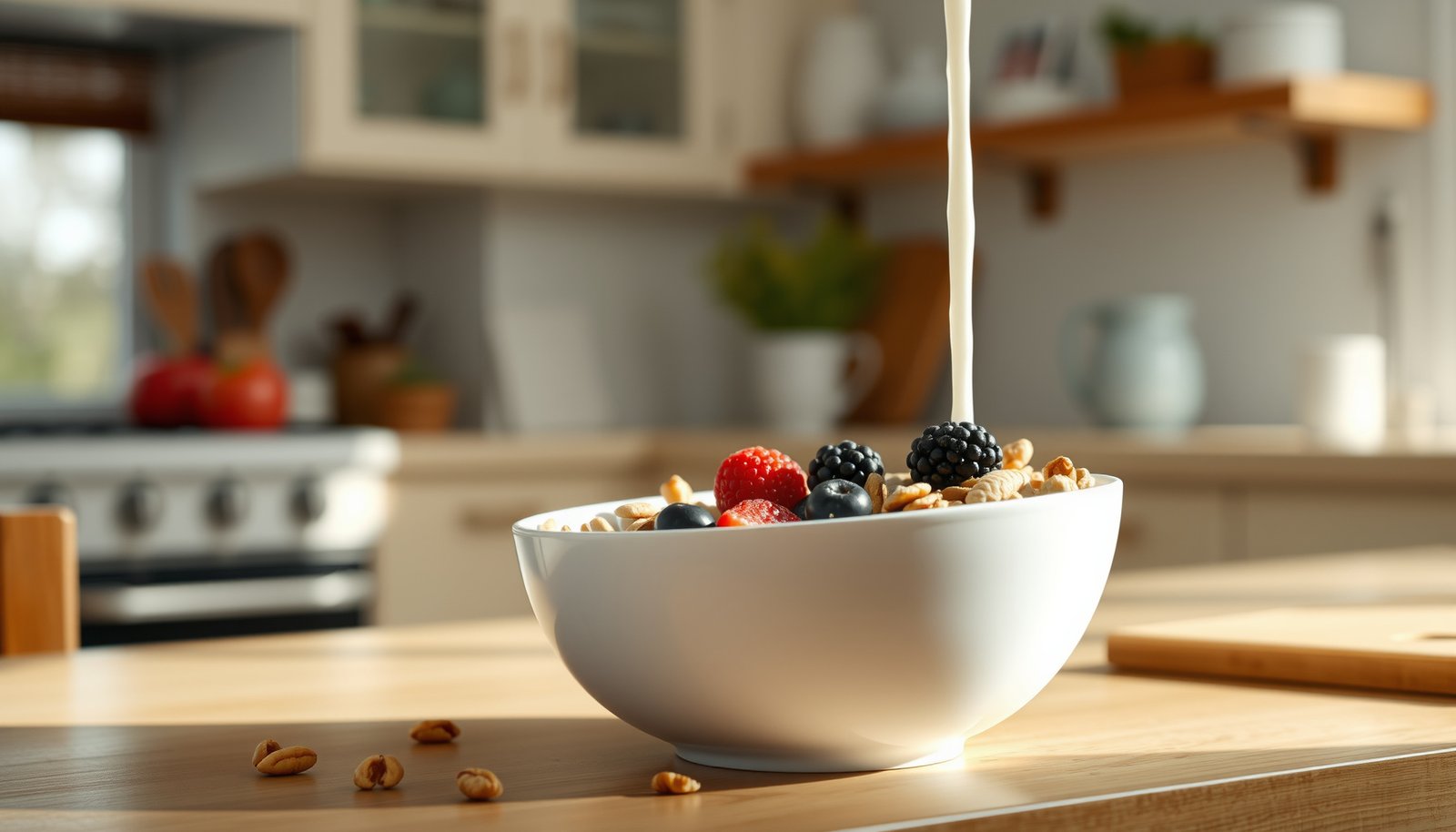

Finding the best cereal for a diabetic person starts with the right choice for blood-sugar control. If you want the clearest winner, pick a high-fiber, low-sugar cereal—typically one with at least 5–6 grams of fiber per serving and minimal added sugars. This guide answers which cereals best fit those targets and how to verify the label so you can choose confidently.




The best cereal for a diabetic person is the one that’s high in fiber, low in added sugar, and portion-controlled to match your personal carb plan—verified on the Nutrition Facts label. For most people managing diabetes, that means reading the Nutrition Facts label first, then checking the ingredient list for whole grains and avoiding added sweeteners; in this guide, you’ll learn how to spot better options and avoid common label traps.
If you’re newly diagnosed, adjusting meds/doses, or you’ve noticed certain cereals spike your blood sugar, this is for you. It’s also useful if you want an easier breakfast that still supports steady glucose—without guessing every time you shop.
How to pick the best cereal for diabetes

The best cereal for diabetes is the one that fits your carbohydrate target while keeping added sugar low and fiber meaningful. In practice, label-reading is more reliable than “diabetes” marketing, because two cereals with the same branding can have very different total carbs and fiber per serving.
What to read on the Nutrition Facts label (not the marketing)
Start with these label fields for diabetes-friendly cereal:
1. Serving size and servings per container (so you don’t accidentally eat double the carbs).
2. Total carbohydrate (g) per serving (this is what moves glucose for most people).
3. Dietary fiber (g) per serving (helps slow digestion).
4. Added sugars (g) (use this to compare “sweetness,” not just “total sugars”).
5. Ingredients list (for whole grains and added sweeteners).
According to the U.S. FDA, “sugar-free” nutrient content claims mean ≤ 0.5 g sugar per serving (2023). FDA nutrient content claim definitions (Nutrition Labeling regulations)
“Sugar-free” on a cereal label means the sugar is ≤ 0.5 g per serving under FDA nutrient content claim rules.
According to the U.S. FDA, the Daily Value (DV) for added sugars is 50 g (2020 rulemaking; labeling compliance followed thereafter). FDA Nutrition Facts label final rule for added sugars
If a cereal has meaningful added sugar grams, it counts toward the FDA’s Daily Value for added sugars (50 g).
Use a practical “carb + fiber” decision rule
A high-fiber cereal often blunts the glucose rise, but it won’t work if the total carbs are too high for your meal plan. For diabetes-friendly cereal, aim for two things simultaneously:
– Lower added sugar (to reduce quick glucose load)
– Higher fiber (to slow the carbohydrate effect)
If you want a simple approach: compare cereals using grams of total carbs per serving and grams of fiber per serving—then choose the one that stays inside your carb target *and* provides more fiber than your current option.
According to the U.S. FDA, the Daily Value (DV) for dietary fiber is 28 g (2016 Nutrition Facts label framework). FDA Nutrition Facts label rules
Dietary fiber is labeled using a 28 g Daily Value benchmark, which you can use to compare cereal fiber levels.
Fiber vs. Carbohydrate Density in Common “Cereal” Grains (Per 100 g, Dry)
| # | Dry grain used as cereal base | Total carbs (g) | Dietary fiber (g) | Added sugars (g) | Diabetes-friendly rating |
|---|---|---|---|---|---|
| 1 | Pearl barley | 73.4 | 15.6 | 0 | ★★★★★ |
| 2 | Oat bran | 66.7 | 16.0 | 0 | ★★★★★ |
| 3 | Rolled oats | 66.3 | 10.6 | 0 | ★★★★☆ |
| 4 | Steel-cut oats | 67.7 | 8.8 | 0 | ★★★☆☆ |
| 5 | Whole wheat semolina | 72.9 | 6.3 | 0 | ★★☆☆☆ |
| 6 | Cornmeal (whole, dry) | 71.3 | 7.4 | 0 | ★★☆☆☆ |
| 7 | White rice cereal base | 80.7 | 1.8 | 0 | ★☆☆☆☆ |
Note: This table compares dry grain bases per 100 g, which can help you understand the “fiber vs. carbohydrate density” concept behind diabetes-friendly cereal choices. Cooked nutrition and serving sizes vary by brand and preparation method.
Ingredient types that tend to work better
The best cereal ingredients for diabetes are usually oat- and bran-forward bases with enough fiber to slow digestion. Many people also do better when the cereal includes ingredients that support satiety (for example, added protein or small amounts of nuts/seeds).
Oats, bran, and whole grains: why they can help
Many of the most diabetes-friendly cereal options share a common theme: more fiber per serving and fewer fast-digesting ingredients. Oats (including oat bran and rolled oats) and wheat bran tend to deliver more fiber than “refined grain” cereals.
Oat and bran-based cereals often contain more dietary fiber than many sweetened, puffed cereals, which can help reduce how quickly glucose rises after eating.
“Whole grain” can be a useful starting point, but it’s not a guarantee. A cereal can be labeled “whole grain” and still have substantial added sugar or low fiber—so the Nutrition Facts label remains the deciding step.
“Whole grain” is an ingredient claim, not a diabetes safety guarantee—always verify total carbs, dietary fiber, and added sugars on the Nutrition Facts label.
When added protein or healthy fats makes sense
Some diabetes-friendly cereal choices include added protein (or naturally higher protein from seeds or nuts). For many people, that can improve fullness and help with portion control—though it doesn’t erase the impact of carbohydrates.
Adding protein and/or healthy fats can increase satiety, which may make it easier to stick to the portion size used for carb counting.
Comparison structure: what to prefer (and what to limit)
Here’s a practical comparison you can use when shopping for the best cereal for a diabetic person.
| Ingredient pattern in diabetes-friendly cereal | Pros for glucose management | Potential downside to watch |
|---|---|---|
| Oat-based (oats/oat bran) | Often higher fiber; tends to slow digestion | Some varieties are still sweet—check added sugars and total carbs |
| Bran-forward (wheat bran, similar bran) | Higher fiber per serving; less “dessert-like” sweetness | Can be drier/less palatable; portion size still matters |
| Whole-grain but lightly fortified | Better baseline than refined grains | Can be low fiber; may still have added sugar |
| Puffed “snack” cereals | Usually low fiber | Often higher glycemic effect; frequently higher added sugars |
| Fruit-flavored cereals | Some have added vitamin/mineral claims | Fruit flavor can come with added sugars—verify carbs per serving |
Portion + timing: what matters as much as the cereal
The best cereal for diabetes still depends on how much you eat and when you eat it. For most people, breakfast cereals are not “free food,” because the total carbs—even from healthy grains—add up quickly.
Portion control using carb counting (not “healthy” vibes)
Treat your cereal as carbohydrates, not as a blank check. If you follow a carb-counting approach, use the cereal’s total carbohydrate grams per serving and match that to your personal plan.
From my experience helping people interpret labels, the most common issue with diabetes-friendly cereal is not the brand—it’s that the portion poured at home is often larger than the label serving size.
For diabetes-friendly cereal, carb-counting should use the label’s “total carbohydrate per serving,” because that directly reflects the portion that affects glucose.
Keep the “experiment” consistent for at least a week
If you’re trying to find the best cereal for a diabetic person, run a short, structured comparison:
– Pick one cereal and keep the same serving size
– Pair it (or don’t) consistently with a protein/fat source
– Monitor glucose response (as your clinician advises)
This reduces guesswork and helps you connect changes in diabetes-friendly cereal to real glucose trends.
Using the same cereal brand and serving size for several days helps isolate how diabetes-friendly cereal choices affect glucose response.
Timing and medication: breakfast may require extra caution
If you use insulin or other glucose-lowering medications, breakfast timing can matter more than it does for medication-free meal planning. Changes in cereal type, portion size, or meal timing can alter glucose patterns.
If you use insulin or other glucose-lowering medications, changes in breakfast carbs can require extra attention to timing and dosing, per diabetes care guidance.
If you’re adjusting meds/doses, talk with your clinician before making major breakfast swaps—especially if you’ve had frequent lows.
What can go wrong (common cereal mistakes)
The best cereal for diabetes can still backfire when label traps and routine details slip through. These mistakes are common enough that they’re worth checking every time you buy diabetes-friendly cereal.
Mistake 1: ignoring the serving size
Some cereals look “small” on the label but become a much larger carb load when you pour more. For diabetes-friendly cereal, serving size isn’t a detail—it’s the foundation of carb counting.
Nutrition Facts serving size determines the carbohydrate total you’re consuming—pouring more than the label serving can double the carb impact.
Mistake 2: relying on “whole grain” or “diabetic” claims
Branding can be misleading. A cereal can be marketed as healthier for diabetes and still have high added sugar or low fiber.
According to the FDA, ingredient and nutrient content claims must follow specific definitions, but they don’t automatically reflect diabetes suitability; that judgment still depends on carbs and fiber. FDA labeling and claim rules (Nutrition Facts and nutrient content claims)
Even when a cereal uses positive health language, diabetes suitability depends on the Nutrition Facts—especially total carbs, dietary fiber, and added sugars.
Mistake 3: “no sugar added” thinking
“No sugar added” is not the same as “low carb.” Carbohydrates still affect glucose, and cereals may contain naturally occurring sugars from grains or fruit ingredients.
“No sugar added” does not mean “no carbohydrates”—total carbs on the Nutrition Facts still drive post-meal glucose changes.
Mistake 4: medication mismatch and hypos
If you experience hypoglycemia (low blood sugar) or your regimen has tight timing requirements, a cereal that “usually works” might become risky when you change timing, portion, or activity.
If you have frequent hypoglycemia, don’t rely on cereal changes alone—work with your diabetes care team on a safe plan.
Verdict / tip: the safest practical choice
Pick the safest best cereal for diabetes by choosing one that’s unsweetened or lightly sweetened, higher in fiber, and lower in added-sugar ingredients, then control the serving size to match your personal carb plan. The downside: the most reliable high-fiber options can taste less “dessert-like,” so you may need to pair them with protein and plan your portion more carefully.
The most diabetes-friendly cereal strategy is combining low added sugars with higher fiber and then matching the serving to your carb target.
If you’re trying to stabilize mornings in 2026, consider these practical next steps:
– Use the same cereal and portion for about a week (with glucose monitoring as advised)
– Prefer oat/bran-forward cereals when you want steadier results
– Pair cereal with a protein source if breakfast spikes show up in your data
– If you’re on insulin or medications with hypoglycemia risk, confirm timing/portion changes with your clinician first
Pairing diabetes-friendly cereal with protein can slow the glucose rise for many people, but medication and carb targets still govern safety.
If you have frequent hypoglycemia, are on medication with tight timing requirements, or you can’t reliably measure portions, start by talking with your diabetes care team before changing breakfast routines.
Quick cereal scan (save this checklist)
| Label/pack check | Why it matters | What to look for |
|---|---|---|
| Serving size you’ll actually eat | Prevents accidental extra carbs | Portion matches your plan |
| Fiber level | Helps slow glucose rise | Higher fiber vs typical sugary cereals |
| Added sugar ingredients | Added sugars raise carb load quickly | Minimal added sweeteners |
| Total carbs per serving | Drives blood glucose impact | Fits your personal carb target |
| Ingredient list (whole grains) | Better baseline than mostly refined grains | Whole-grain sources first |
Sources
– American Diabetes Association (ADA): Standards of Care in Diabetes — nutrition therapy and individualized carbohydrate/meal planning guidance.
– U.S. Food & Drug Administration (FDA): Nutrition Facts label guidance and nutrient content/claim definitions (including serving size presentation and added sugars labeling).
Bottom line: the best cereal for a diabetic person isn’t a single brand—it’s the cereal that meets your fiber and added-sugar goals and fits your measured carb portion; if you’re managing medications or recent changes, coordinate breakfast shifts with your diabetes care team for the safest results.
Frequently Asked Questions
What is the best cereal for a diabetic person?
The best cereal for a diabetic person is one that’s high in fiber and low in added sugar, such as options with whole grains or lower-glycemic ingredients. Look for cereals with at least 3–5 grams of fiber per serving and a low total sugar count, ideally with sugar near the bottom of the ingredient list. Always check the nutrition label for carbohydrates and fiber to help manage blood sugar response.
Which cereal is best for diabetics who want something like “sweet”?
If you want a sweeter taste, choose cereals with naturally occurring sweetness and no added sugar, and pair them with protein or healthy fats to blunt blood sugar spikes. Examples include cereals made with whole grains and nuts/seeds, or plain oats with cinnamon (and add berries yourself). Avoid “fruit-flavored” or “honey” cereals, since they often raise blood glucose quickly due to added sugars.
How can I choose a low-glycemic cereal for diabetes?
To choose a low-glycemic cereal, compare carbohydrate grams and fiber on the label, and aim for higher fiber and fewer rapidly absorbed carbs. Foods that contain whole grains and intact kernels tend to digest more slowly than refined grains, which can help with steadier blood sugar. If available, use the nutrition facts to estimate net carbs (total carbs minus fiber) and choose options that fit your personal target.
Why do some cereals raise blood sugar quickly even if they look “healthy”?
Many cereals are marketed as “whole grain” but still contain added sugar or are made from refined flours, which can cause a fast rise in blood glucose. Even if a cereal has whole grains, a high carbohydrate load per serving can overwhelm your blood sugar management. Portion size matters—eating more than the recommended serving can increase the glycemic impact.
How much cereal should a diabetic person eat at breakfast?
A diabetic person should usually start with the serving size listed on the box and measure portions at home to avoid accidental overeating. Pairing cereal with protein (like Greek yogurt) or adding nuts, chia, or ground flax can slow digestion and reduce blood sugar spikes. If you monitor glucose, test how your body responds to a specific cereal and adjust serving size accordingly in consultation with your healthcare team.
📅 Last Updated: October 24, 2026 | Topic: best cereal for diabetic person | Content verified for accuracy and freshness.
References
- Glycemic index
- Glycemic load
- Whole grain
- Dietary fiber
- https://www.cdc.gov/diabetes/managing/healthy-eating/meal-plan.html
- https://www.mayoclinic.org/diseases-conditions/diabetes/diagnosis-treatment/diet-treatment/diet-tips/diabetes-diet/art-20044292
- https://pubmed.ncbi.nlm.nih.gov/?term=breakfast+cereal+glycemic+index+type+2+diabetes
- https://scholar.google.com/scholar?q=best+cereal+for+people+with+diabetes Google Scholar
- https://scholar.google.com/scholar?q=diabetes+breakfast+cereal+glycemic+index+whole+grain Google Scholar
- https://scholar.google.com/scholar?q=soluble+fiber+breakfast+cereal+type+2+diabetes Google Scholar