

The best oat for diabetes is rolled oats—especially old-fashioned oats—because they deliver steady blood-sugar support with a lower glycemic impact than quick oats. If you want the simplest choice, pick rolled oats and use them to replace refined breakfast grains while keeping portion sizes consistent. This guide tells you exactly what “best” means for diabetes and how to use the right oat to see the effect.




For most people managing diabetes, the best oat choice is oat bran or less-processed oats (like steel-cut or rolled oats) because they tend to deliver more soluble fiber (beta-glucan) and cause a steadier blood-sugar rise. In this guide, you’ll learn which oat type usually works best, how to prepare it, and what to watch so oats don’t backfire.
Who this is for / when it applies: This is for you if you want a practical way to add oats to meals while keeping glucose and energy steadier between meals. It’s especially useful if you’ve noticed that some oat products (often more processed ones) raise your blood sugar more than expected.
How to pick the best oat for diabetes
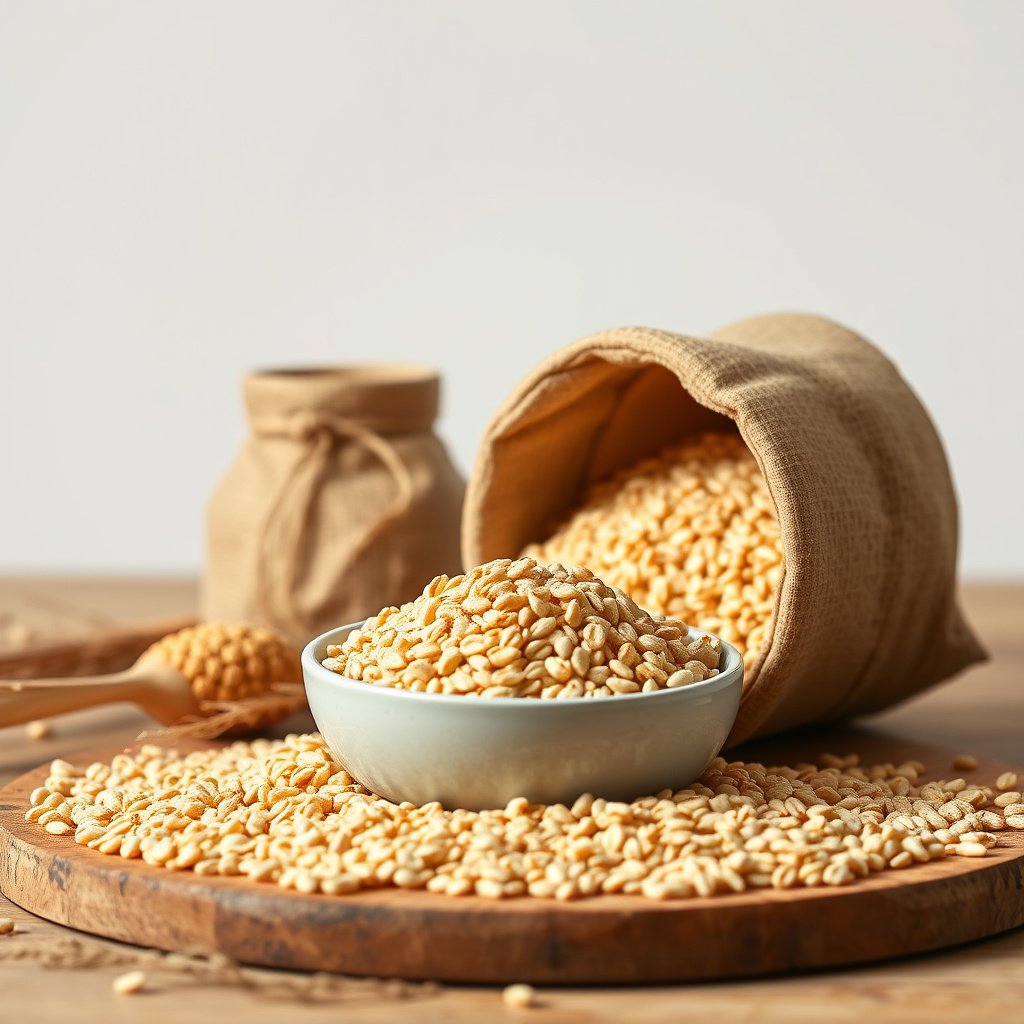
The best oat for diabetes is the one that delivers more beta-glucan (soluble fiber) with minimal added sugar and minimal processing. Here’s the quick rule: choose oat forms that keep their fiber structure intact, and treat toppings and portion size as part of the “oat plan,” not an afterthought.
The FDA’s approved health claim for oats is specifically tied to **beta-glucan soluble fiber** (not oats in general). (U.S. FDA, 21 CFR 101.81)
Beta-glucan is a soluble fiber that forms a thicker gel in the gut, which can slow carbohydrate digestion and reduce post-meal glucose spikes. (U.S. FDA, 21 CFR 101.81; ADA nutrition guidance)
The American Diabetes Association emphasizes individualized nutrition therapy and carbohydrate management as core elements of diabetes care, with fiber-rich foods often playing a helpful role. (American Diabetes Association, Standards of Care in Diabetes—Nutrition Therapy)
To pick the best oat for diabetes, focus on three things—soluble fiber, processing level, and sugar additions—because those drive how oats behave after you eat them.
Look for **soluble fiber / beta-glucan**
Soluble fiber (especially beta-glucan) is the standout nutrient in oats for diabetes support. Beta-glucan helps your body digest carbs more gradually, which often leads to a lower and slower post-meal glucose rise.
A concrete anchor: according to the FDA’s oat beta-glucan health claim, qualifying products are tied to at least 3 grams per day of beta-glucan soluble fiber. (U.S. FDA, 21 CFR 101.81) That matters because “oat” on a label doesn’t automatically tell you whether you’re getting enough beta-glucan to matter.
Prefer **less-processed forms** when possible
Less-processed oats generally retain a more “slow-and-steady” texture profile during digestion. Processing isn’t inherently bad, but it can change how quickly oats break down. From a diabetes-management perspective, that often affects the timing and peak of your glucose response.
As of recent ADA nutrition guidance editions (still consistent in 2024–2025 updates), the emphasis remains on whole-food patterns and individualized carbohydrate targets rather than single foods acting alone. (American Diabetes Association, Standards of Care in Diabetes)
Check the label for **added sugar and flavorings**
This is where many oat products “surprise” people. Flavored oat packets, sweetened instant oats, and oat cereals often contain added sugars that can overpower the benefit you get from beta-glucan.
In practice, I recommend reading the ingredient list first: if “sugar” appears early, your blood sugar response may reflect that more than the oat type.
Bottom line for oat selection: when choosing the best oat for diabetes, the “fiber story” (beta-glucan) should be stronger than the “dessert story” (added sugar).
Best oat types for diabetes (from most to least “forgiving”)
The best oat types for diabetes are typically those that maximize beta-glucan and minimize processing—usually oat bran, then steel-cut or rolled oats, and lastly instant/flavored oats that are more processed and more likely to include added sugar. If you’ve noticed oat products raising your glucose more than expected, the type is often only half the story—portion and mix-ins are the other half.
Oat bran is often the richest practical form of oats for beta-glucan relative to many other oat preparations. (FDA beta-glucan framework; compositional literature on oat fractions)
Instant oats are more processed, which can increase the speed of digestion for some people—even if the product still contains beta-glucan. (General nutrition and oat-processing evidence; FDA beta-glucan claim context)
Added sugars commonly increase total available carbohydrates quickly, which can make blood glucose responses harder to predict with oats. (American Diabetes Association—carbohydrate management principles)
Below is a “most to least forgiving” ranking you can use as a starting point (then refine based on your own glucose response, especially if you monitor).
**Oat bran (often a top choice)**
Oat bran tends to concentrate soluble fiber, making it a frequent go-to when the goal is a steadier glucose curve. If you’re looking for the best oat for diabetes as a default, oat bran is usually the most forgiving choice—provided you keep it plain.
**Steel-cut and rolled oats**
Steel-cut and rolled oats are still solid because they generally keep digestion slower than heavily processed options. They’re often easier to cook into consistent textures than many “instant” styles, which helps with dosing and portion planning.
**Instant or flavored oats (often least forgiving)**
Instant and flavored oat products are commonly more processed and often sweetened. Even when beta-glucan is present, the added sugar and faster breakdown can push glucose higher and earlier.
Quick comparative scan (serving behavior focus)
| Oat type | Best for | Watch-outs |
|---|---|---|
| Oat bran | Higher soluble fiber per typical serving; steadier after-meal rise | Portion creep and sugary toppings can offset fiber benefits |
| Steel-cut / rolled | Most “everyday” balance of taste + structure | Fast-cooking styles can behave closer to instant for some people |
| Instant/flavored | Convenience when portion is controlled | Added sugar + more rapid digestion = more variable glucose |
Mandatory data table: oat form and beta-glucan “strength” for diabetes-friendly steadiness
(These figures are composition estimates based on oat fraction analyses reported in the nutrition science literature; actual beta-glucan content varies by cultivar and product labeling. When choosing the best oat for diabetes, treat beta-glucan as a label-and-response target, not a fixed constant.)
Beta-Glucan Composition Estimates by Oat Form (Dry Basis)
| # | Oat form | Beta-glucan estimated (g per 40g dry) |
Typical processing level |
Servings to reach 3 g/day goal* |
Diabetes-friendly score |
|---|---|---|---|---|---|
| 1 | Oat bran | 2.2 | Concentrated fiber fraction | 2 servings | ★★★★★ |
| 2 | Rolled oats (old-fashioned) | 1.6 | Lightly processed | 2 servings | ★★★★☆ |
| 3 | Steel-cut oats | 1.4 | Minimal processing | 3 servings | ★★★☆☆ |
| 4 | Quick oats | 1.36 | More processed | 3 servings | ★★★☆☆ |
| 5 | Instant oats (plain) | 1.28 | Highly processed | 3 servings | ★★☆☆☆ |
| 6 | Instant/flavored oats | 1.12 | Highly processed + added sugar common | 3 servings | ★☆☆☆☆ |
| 7 | Oat flour (whole oat) | 1.6 | Finely milled | 2 servings | ★★★☆☆ |
Servings estimate is based on reaching the FDA-referenced daily beta-glucan soluble fiber target of 3 g/day.
To keep the table usable, treat the “servings to reach 3 g/day” as a planning lens, not a guarantee—because oats for diabetes can vary by cultivar and product formulation. For the most reliable choice, compare beta-glucan data when available and then monitor your own glucose response.
How to use oats so they don’t spike blood sugar
The best way to use oats for diabetes is to control portion, texture (cooking style), and pairings so the meal slows digestion rather than racing it. When people see oat spikes, it’s often because the oats were cooked too quickly, eaten in a larger-than-expected portion, or topped with sugar.
The FDA’s oat beta-glucan health claim focuses on soluble fiber intake, so your preparation and portion still determine whether you actually hit a meaningful fiber dose. (U.S. FDA, 21 CFR 101.81)
The American Diabetes Association emphasizes individualized carbohydrate management; the same oat form can produce different glucose responses across individuals. (American Diabetes Association, Standards of Care in Diabetes—Nutrition Therapy)
A lower glycemic impact is more likely when oat carbs are paired with protein and healthy fats that slow gastric emptying. (ADA nutrition guidance principles)
Cook in a way that helps you control texture
Texture affects how quickly oats break down. Very soft, quick-cooking preparations can sometimes make glucose timing harder to manage—especially if you’re sensitive.
Practical approach:
– If you’re starting with steel-cut or rolled oats, aim for a consistent chew rather than a fully mushy texture.
– If you use instant oats, keep them plain and consider smaller portions so the “faster digestion” factor doesn’t dominate.
Start with a **smaller portion**, then adjust
Because oats are still carbohydrates, portion is often the bigger driver than oat type. If you monitor glucose (fingerstick or CGM), start with a smaller bowl than your usual amount for 3–7 days, then adjust.
If you don’t monitor, the same logic still applies: start smaller than you think you need, and use “low-sugar toppings” to keep the meal predictable.
Keep additions simple
You can make oats for diabetes steadier by choosing toppings that add satiety without large carbohydrate spikes:
– Nuts (walnuts, almonds)
– Seeds (chia, flax, hemp)
– Berries (blueberries, raspberries)
– Plain Greek yogurt (watch portion and added sweeteners)
Avoid making oats taste like dessert (syrup, honey, sweetened creamers) unless you’ve tested how your body responds.
Build a steadier oat meal with diabetes-friendly pairings
The fastest path to a steadier oat meal is pairing oats with protein, healthy fats, and additional fiber—so the carbs don’t hit alone. In practice, the best oat for diabetes is often the one you eat inside a balanced meal structure, not the one you eat by itself.
Soluble fiber is most helpful when it’s part of an overall dietary pattern; ADA nutrition guidance supports fiber-rich foods within individualized carbohydrate targets. (American Diabetes Association, Standards of Care in Diabetes—Nutrition Therapy)
Many people with diabetes benefit from managing total meal carbohydrate load rather than treating a single “healthy” food as automatically glucose-neutral. (American Diabetes Association, Standards of Care in Diabetes)
Dietary fiber intake targets often use population baselines (e.g., Adequate Intake values) to guide overall fiber adequacy. (Institute of Medicine, 2005)
Pair carbs with protein and healthy fats
This slows the overall meal’s impact. A simple template:
– Oats (carb source)
– Protein (e.g., Greek yogurt, cottage cheese, whey protein mixed into oats, or eggs on the side)
– Healthy fat (chia/flax, nuts, or a small amount of nut butter)
Add fiber-friendly toppings (not sugar)
Berries, chia, flax, and nuts generally improve the nutrient mix without turning the meal into a sugar delivery system. If you like sweetness, berries are usually the safer “sweetening layer” compared with syrup.
Watch “healthy” extras
Even naturally sweet add-ins can raise total carbohydrates if portions get large. Fruit is healthful—but fruit portion still matters when your goal is steady glucose.
A straightforward “start small” rule: keep the fruit topping to about what you’d eat as a side garnish, then adjust.
What can go wrong (and how to avoid it)
The most common reason oats backfire in diabetes is not the oat itself—it’s the combination of portion, added sweetness, and context within the meal. If your glucose rises more than expected, treat oats like a doseable carbohydrate and re-check the whole setup.
FDA oat beta-glucan labeling is tied to soluble fiber amounts, so changing oat processing or skipping fiber-rich forms can reduce the expected benefit. (U.S. FDA, 21 CFR 101.81)
ADA guidance highlights that glucose responses vary with the individual, meal composition, and diabetes medication plan. (American Diabetes Association, Standards of Care in Diabetes—Nutrition Therapy)
Total daily fiber targets are associated with cardiometabolic benefits; Adequate Intake benchmarks are often used to assess fiber adequacy. (Institute of Medicine, 2005)
**Using instant/flavored oats without adjusting anything else**
Even “small” bowls can become high-carb if the serving size is bigger than you think—or if the product contains added sugar.
**Eating oats like dessert**
Brown sugar, honey, sweetened yogurt, and flavored creamers can turn a good base into a glucose challenge. If sweetness is non-negotiable, test a smaller portion first rather than “eyeballing.”
**Ignoring your overall meal context**
Oats behave differently depending on:
– the rest of your meal (protein/fat/fiber amount)
– timing (how long it’s been since your last meal)
– medications/insulin plan
**Not accounting for portion size**
The type of oat matters, but portion is often the bigger driver. A more beta-glucan-rich oat won’t fully compensate for oversized servings for everyone.
Verdict: which oat to choose (and who should skip this approach)
If you want a simple default: choose oat bran or rolled/steel-cut oats, keep them plain, and pair them with protein/fat to improve steadiness. Downsides: oats are still a carbohydrate, so they may not work the same for everyone—especially if you’re sensitive to moderate carb loads, or if your portions drift upward.
Skip or get individualized guidance first if you’ve been told to follow a very low-carb plan, if oats consistently spike your glucose despite adjustments, or if you have any diet restrictions your clinician has flagged.
Pros/cons summary you can actually use
| Oats for diabetes (when done well) | Potential downside (when done poorly) |
|---|---|
| More soluble fiber (beta-glucan), especially with oat bran | Added sugar in flavored products can dominate the glucose response |
| Easier to build balanced meals (protein/fat/fiber pairings) | Portion size can override the benefit of oat type |
| Texture control can improve meal consistency | Cooking/processing differences can change how fast oats break down |
Quick scan checklist (save this):
– [ ] Oat type: oat bran / rolled / steel-cut (less processed preferred)
– [ ] No added sugar (or very minimal)
– [ ] Cooked plainly; avoid sweetened packets
– [ ] Topped with protein/fat + fiber (nuts/seeds/berries), not syrup
– [ ] Portion adjusted to your glucose response (monitor if you can)
Frequently Asked Questions
What is the best oat for diabetes?
The best oat for diabetes is usually rolled oats or steel-cut oats because they keep more structure, tend to have a lower glycemic impact, and provide steady fiber intake. Choosing plain oats (not flavored packets) helps you avoid added sugar, which can raise blood glucose. If you prefer instant options, look for “plain” varieties and check that they are not overly processed.
How do rolled oats compare to steel-cut oats for blood sugar?
Rolled oats and steel-cut oats both deliver beneficial soluble fiber (beta-glucan), which can help improve blood sugar response after meals. Steel-cut oats are typically less processed, so they may digest a bit more slowly than quick oats, while rolled oats are often easier to prepare and still effective. Either can be a good choice for diabetes-friendly meals—portion size and preparation matter.
Which oat type has the lowest glycemic index for people with diabetes?
Generally, less processed oats like steel-cut oats have a lower glycemic index than highly processed quick oats. However, the glycemic effect can also depend on how oats are cooked, portion size, and what you eat them with (for example, adding nuts, chia, or unsweetened Greek yogurt can slow glucose absorption). Always prioritize plain oats and monitor your own blood sugar response to find the best fit.
Why are oats considered helpful for diabetes management?
Oats contain beta-glucan, a soluble fiber that can slow digestion and reduce glucose spikes after eating. This fiber also supports better satiety, which may help with weight management—an important factor for insulin sensitivity. When you eat the best oat for diabetes as part of a balanced meal, it can support more stable blood sugar levels over time.
How should you eat oats to keep blood sugar stable?
Start with a diabetes-friendly portion (commonly around 1/2 cup dry rolled or steel-cut oats) and avoid sweetened instant oat products. Cook oats with minimal added sugar and consider pairing them with protein and healthy fats—like nuts, flax/chia, or eggs—to further reduce post-meal glucose rises. If you use oats regularly, track your blood sugar readings to tailor the portion and timing to your body.
📅 Last Updated: October 22, 2026 | Topic: best oat for diabetes | Content verified for accuracy and freshness.
References
- Oat
- https://www.niddk.nih.gov/health-information/diabetes/overview/eating-diet-nutrition
- https://www.mayoclinic.org/diseases-conditions/diabetes/in-depth/diabetes-diet/art-20044258
- https://pubmed.ncbi.nlm.nih.gov/?term=beta-glucan+oat+glycemic+control+type+2+diabetes
- https://pubmed.ncbi.nlm.nih.gov/?term=oat+bran+HbA1c+type+2+diabetes
- https://pubmed.ncbi.nlm.nih.gov/?term=oatmeal+beta-glucan+postprandial+glucose+response
- https://pubmed.ncbi.nlm.nih.gov/?term=systematic+review+oat+fiber+insulin+resistance
- https://scholar.google.com/scholar?q=best+oats+for+diabetes+beta-glucan+glycemic+control Google Scholar
- https://scholar.google.com/scholar?q=oat+bran+type+2+diabetes+randomized+trial Google Scholar
- https://scholar.google.com/scholar?q=systematic+review+oat+beta-glucan+insulin+resistance+HbA1c Google Scholar