
If your goal is weight loss with diabetes, the most effective recipes prioritize steady blood-sugar impact: high-fiber vegetables and whole-food carbs, lean protein, healthy fats, and portion control with minimal added sugar. Our recommendations are judged on satiety, balanced macros, simple diabetic-friendly ingredients, and practical meal planning for repeatable results. Expect sheet-pan and bowl-style meals to stand out for their consistency and easy customization.




If you want weight loss with diabetes, the “best” recipes are the ones built around high-fiber carbs, lean protein, and lots of non-starchy vegetables—so meals keep blood sugar steadier while still leaving you in a calorie deficit. Use this guide to pick diabetic-friendly recipe types, learn smart ingredient swaps, and avoid common portion and carb-counting mistakes.
This is for people with type 1 or type 2 diabetes (or caregivers) who want practical, repeatable meal ideas for losing weight—without turning every dinner into a complicated nutrition project. If you use insulin or diabetes meds, plan to monitor your glucose and adjust with your clinician’s guidance.
Build a diabetic weight-loss plate (the recipe “rules”)
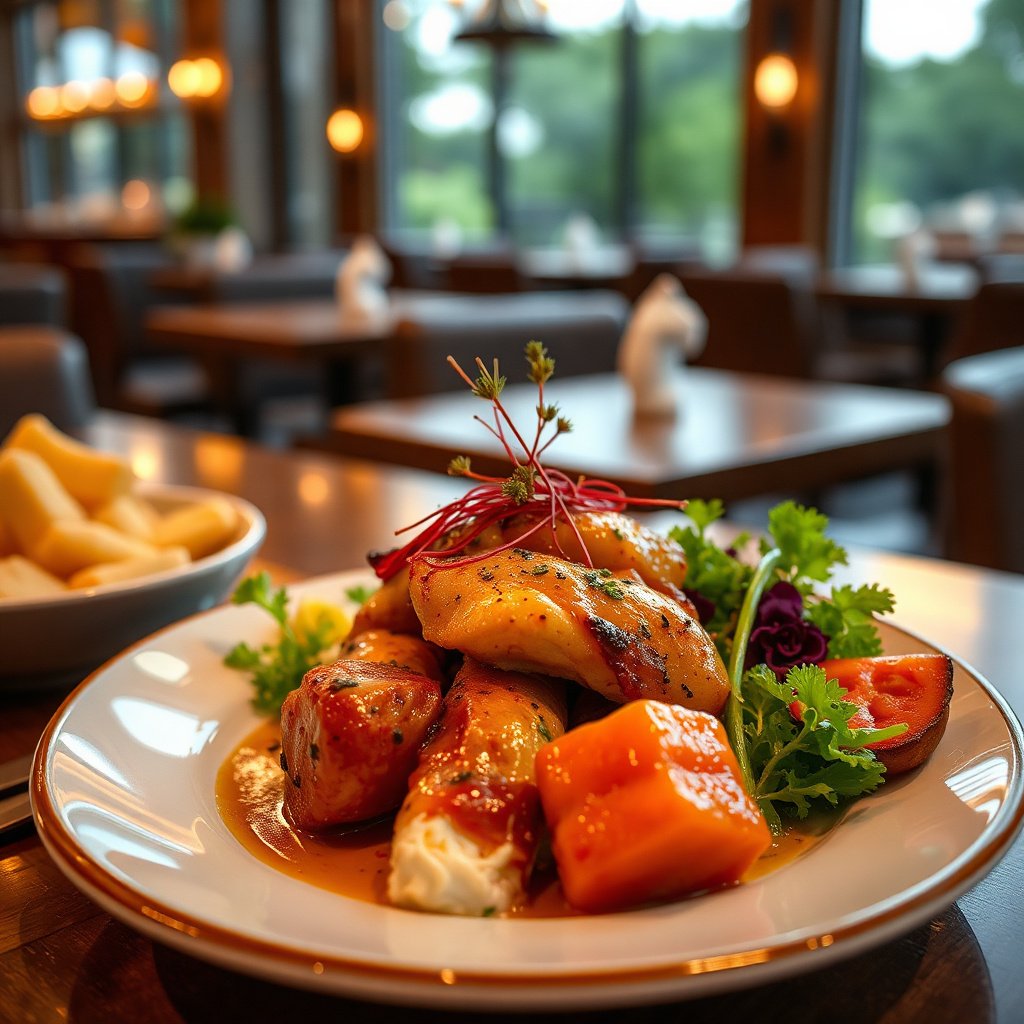
The fastest way to make diabetic recipes for weight loss “work” is to build each meal on a repeatable plate structure, not a one-off perfect recipe. When you consistently emphasize vegetables, you naturally increase volume and fiber, which supports fullness without spiking blood sugar as dramatically as refined carbs.
The “diabetic weight-loss plate” is based on the same logic used in diabetes nutrition education: spread carbs across the meal, pair them with protein, and choose carb sources that digest more slowly. According to the National Academies of Sciences, Engineering, and Medicine, recommended adequate intake (AI) for total fiber is 25 g/day for women and 38 g/day for men (2005), and most people with diabetes fall short—so these meals help close that gap in a realistic way.
– Prioritize non-starchy vegetables (salads, roasted broccoli, zucchini, peppers) as the bulk of the plate
Non-starchy vegetables add bulk and micronutrients with relatively fewer digestible carbs. As of the latest ADA Standards of Care updates in 2024, vegetable-forward eating remains a cornerstone for improving post-meal glucose patterns and supporting healthy body weight American Diabetes Association (ADA). For diabetes meal planning, “non-starchy” generally includes leafy greens and cruciferous vegetables, while starchy vegetables (like potatoes) are treated more like carbs.
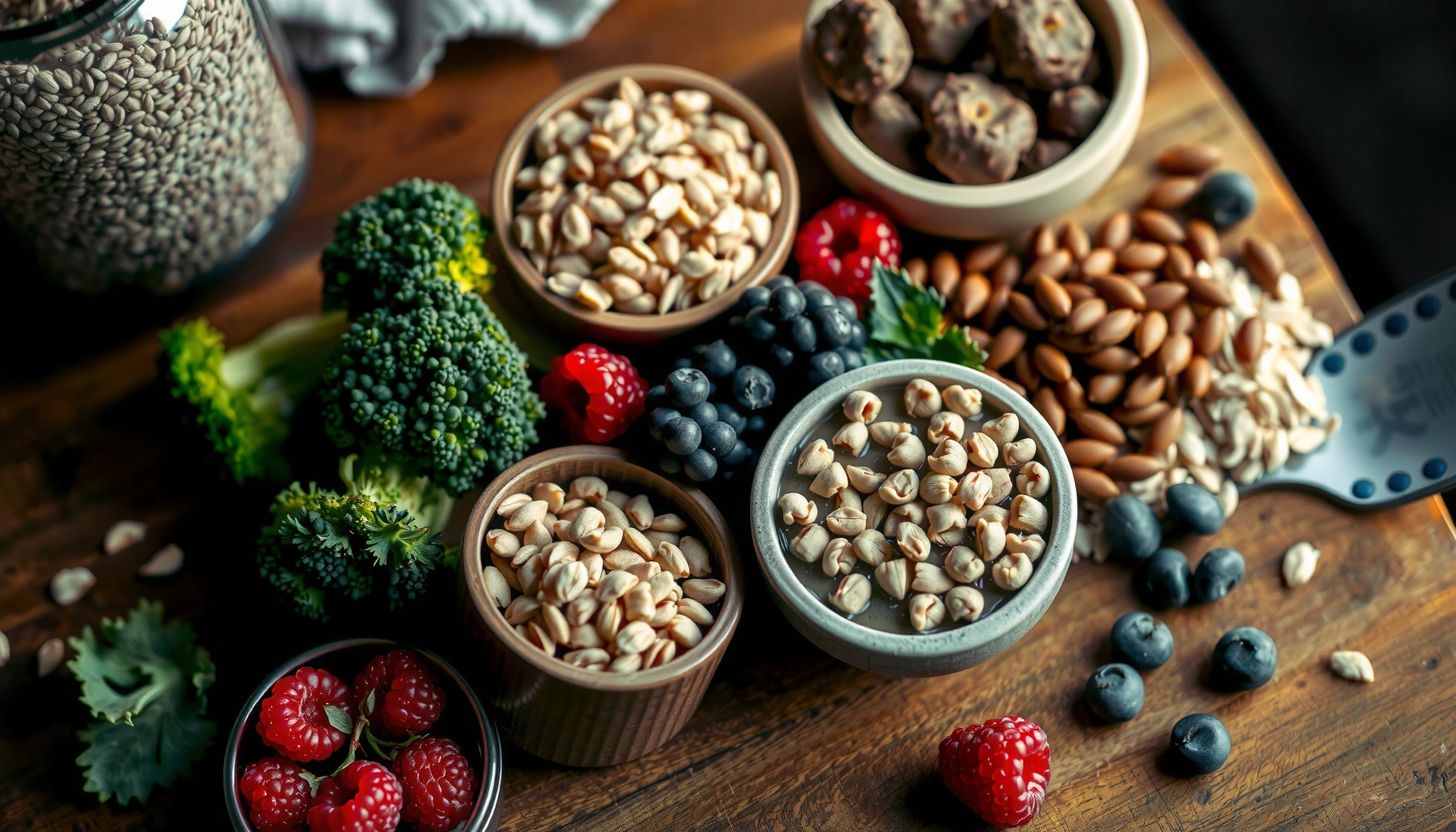
– Choose carbs that digest slower: beans/lentils, whole intact grains (when appropriate), and fruit in measured portions
Slow digestion doesn’t mean “no impact”—it means the rise is typically less abrupt and may be easier to match with your medication regimen. If you use carbohydrate counting, you’ll still count beans, grains, and fruit; the difference is that fiber-rich carbs often come with more satiety per gram of carbohydrate.
– Pair carbs with protein (fish, chicken, tofu, eggs, Greek yogurt) and add healthy fats in controlled amounts
Protein and healthy fats can blunt the speed of digestion and improve fullness. They also give meals staying power—one reason diabetic recipes for weight loss don’t feel like constant restriction.
High-Fiber Carb Choices Common in Diabetic Weight-Loss Meals (USDA, per 1 cup cooked)
| # | Carb choice | Portion used | Fiber (g) | Diabetic weight-loss “steadiness” |
|---|---|---|---|---|
| 1 | Lentils (cooked) | 1 cup | 15.6 | ★★★★★ |
| 2 | Black beans (cooked) | 1 cup | 15.0 | ★★★★★ |
| 3 | Chickpeas (cooked) | 1 cup | 12.5 | ★★★★★ |
| 4 | Kidney beans (cooked) | 1 cup | 13.1 | ★★★★★ |
| 5 | Quinoa (cooked) | 1 cup | 5.2 | ★★★☆☆ |
| 6 | Oatmeal (cooked) | 1 cup | 4.0 | ★★☆☆☆ |
| 7 | Brown rice (cooked) | 1 cup | 3.5 | ★★☆☆☆ |
Best diabetic recipes to start with (simple, repeatable)
The best diabetic recipes to start with are the templates you can cook reliably while keeping carbs measured and vegetables plentiful. If a meal is too complex, you’ll either portion it inconsistently or skip it when life gets busy—both make diabetes weight loss harder.
To keep diabetic recipes for weight loss practical, begin with formats that naturally include fiber-rich carbs and a built-in veggie base. As of 2024–2025, clinicians commonly recommend structured meal patterns (plate method or consistent carb distribution) because they reduce decision fatigue and support glucose stability American Diabetes Association (ADA).
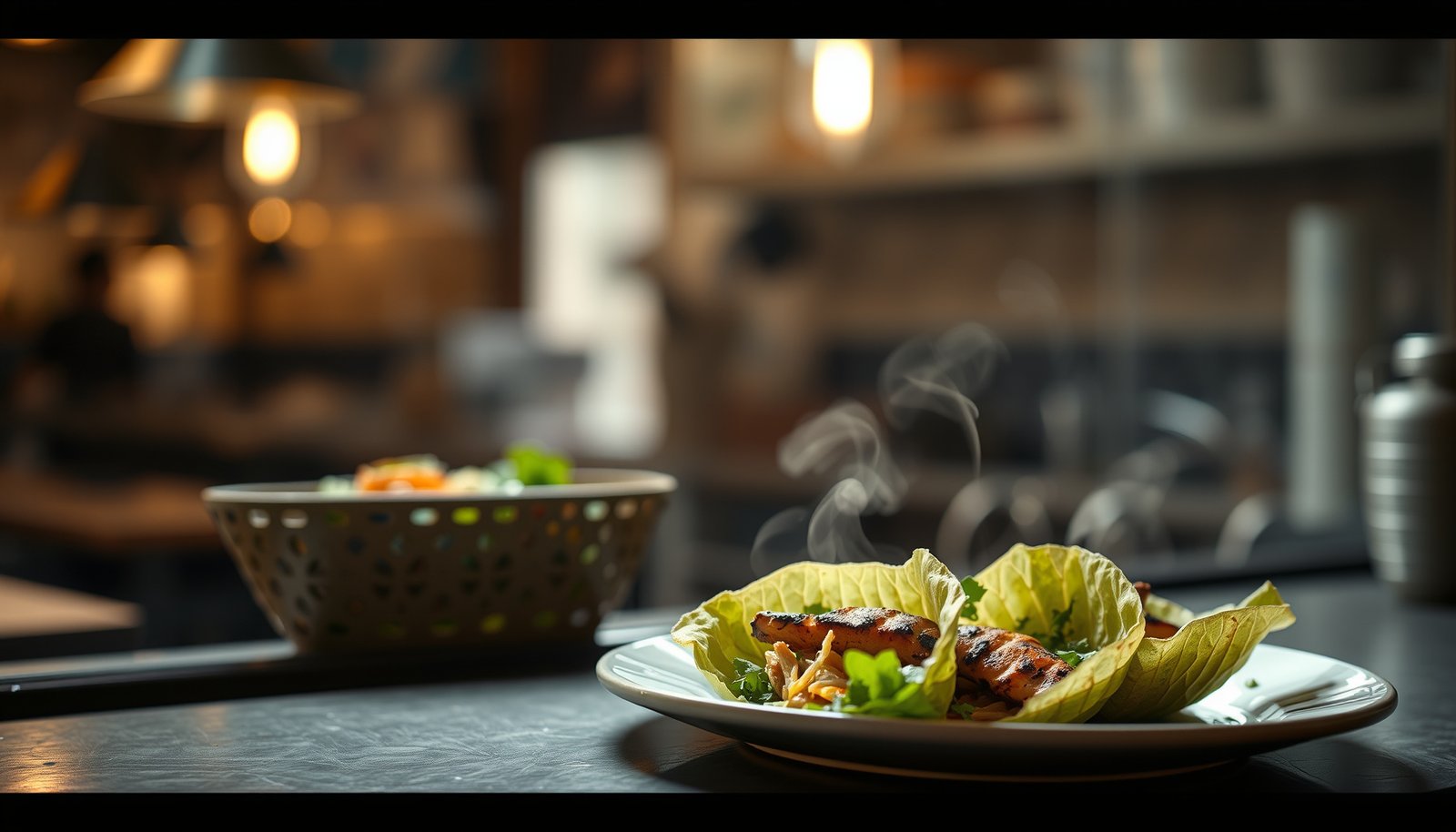
– One-pan lean protein + veggie recipes: sheet-pan chicken or salmon with Brussels sprouts and olive-oil + herb seasoning
Sheet-pan dinners work because they minimize extra starch “add-ons” and make it easy to keep vegetables occupying most of the tray. For diabetes meal planning, consider using chicken thighs or salmon portions that match your protein goal, then fill the remaining space with non-starchy vegetables.
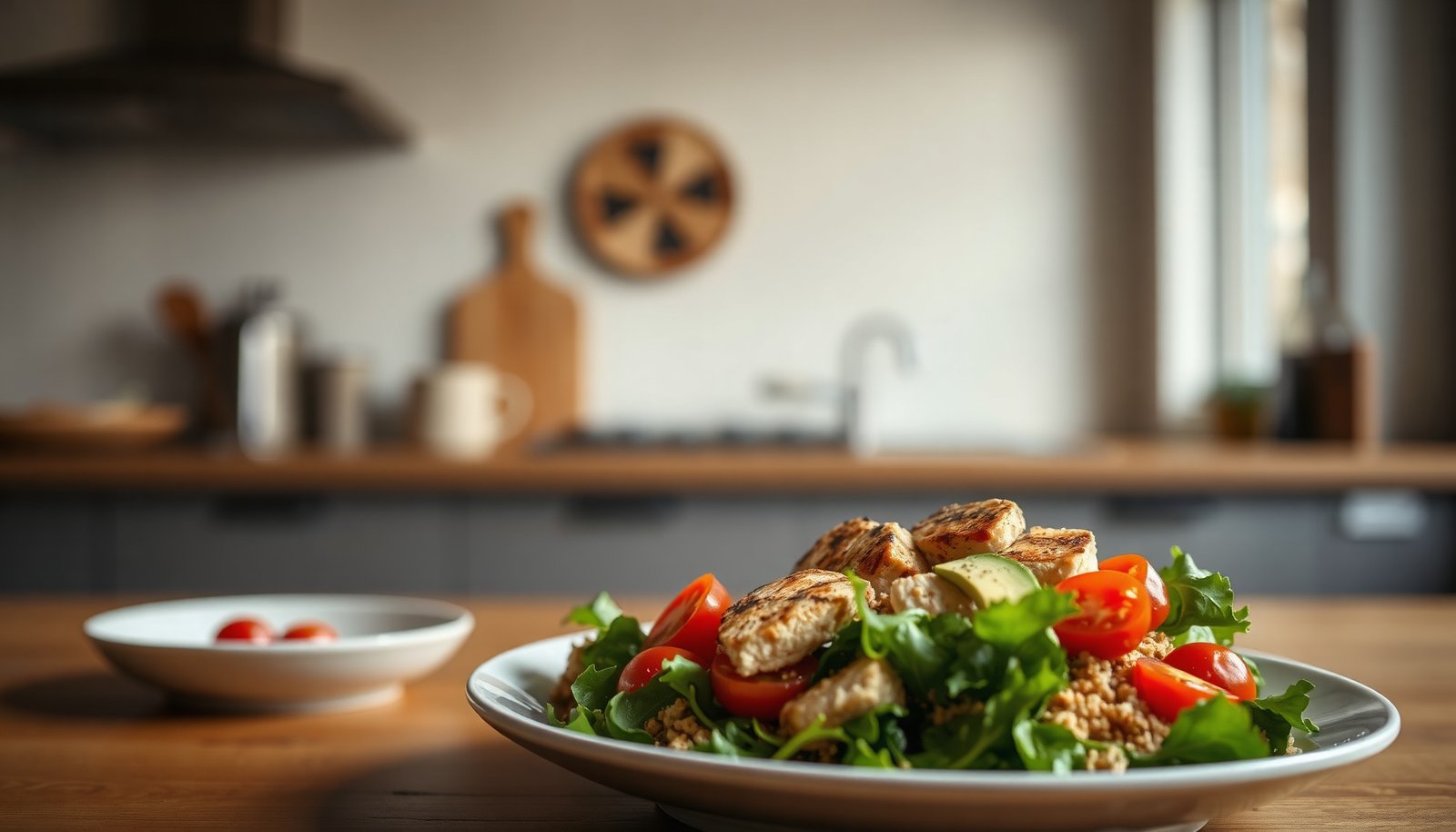
– High-fiber bowls: lentil or bean chili, or chicken-and-black-bean bowls with salsa, avocado (measured), and a side salad
Bowls are excellent for portion control because you can portion each component: protein, measured beans or grains, salsa, and vegetables. Keep avocado measured if weight loss is the goal; it’s heart-healthy, but calorie-dense.
– “Stir-fry without the sugar” options: tofu or shrimp stir-fries using low-sodium sauce + lots of vegetables over cauliflower rice or small portions of brown rice
Stir-fries help you increase vegetable volume fast. For a “without the sugar” approach, use a low-sodium stir-fry sauce or build your own with garlic, ginger, vinegar, and chili—then taste before adding any sweeteners.
Here’s a quick way to choose between three recipe templates based on your lifestyle:
- Sheet-pan dinners (protein + vegetables on one tray)
- Pros: low prep, predictable portioning, easy cleanup. Cons: can feel repetitive if you never rotate seasonings and veggies.
- Bowl meals (chili or mixed bowls)
- Pros: highest “build-your-own” flexibility; great for meal prep. Cons: toppings (cheese, avocado, crunchy chips) can quietly expand calories.
- Stir-fries (tofu/shrimp + vegetable volume)
- Pros: quick and high-volume; helps you get non-starchy vegetables in. Cons: noodle or rice portions can drift unless you measure.
Smart swaps that help with weight loss and glucose
The most effective swaps for diabetic recipes for weight loss are the ones that improve flavor without increasing sugar or refined starch. When you change sauce and cooking choices, you often reduce calories without making meals feel “diet-only.”
In research and guidelines, the consistent theme is carb quality and meal composition. For example, weight-loss strategies in diabetes-related lifestyle programs routinely use lower energy intake plus higher fiber and improved food choices American Diabetes Association (ADA). You don’t need to go extreme—just get your defaults right.
– Skip liquid sugar and sweetened sauces; flavor with garlic, ginger, vinegar, lemon, chili flakes, or sugar-free seasoning blends
Many sweet sauces spike glucose quickly even when they don’t look “dessert-like.” If you’re using jarred sauce, check labels for added sugar and measure oil and sauce because both contribute calories.
– Use Greek yogurt, avocado, or olive oil-based dressings instead of creamy “regular” sauces when possible—watch portions either way
“Healthier” fats still raise calories. A practical approach is to measure dressing using tablespoons, or switch to yogurt-based sauces with herbs, lemon, and garlic for the same creamy effect with less calorie density.
– Balance carb timing: keep starchy sides (rice, pasta, potatoes) smaller and add more vegetables to increase fullness
In carbohydrate counting, the starchy side is often the biggest lever. If you reduce portion size of the starch and replace the space with non-starchy vegetables, many people see steadier post-meal glucose responses. According to the ADA, A1C reflects average blood glucose over roughly the prior 3 months American Diabetes Association (ADA); consistent meal patterns contribute to that overall trend.
Portion and carb-counting tips that make recipes actually work
The best diabetic recipes only help with weight loss if portions match the carb counts you’re planning for. The “secret ingredient” in diabetic recipes for weight loss is measurement consistency, not special ingredients.
Portion drift is common: people estimate rice, beans, pasta, and fruit portions differently over time, even when they feel confident. That’s why measurement for a short ramp-up period can make recipes suddenly “predictable.”
– Measure at least for a few weeks (especially rice/pasta/beans) so your “recipe calories” match your real life
Pick one or two templates, weigh or measure the carb parts, and repeat them. This is also the fastest way to learn what a “small portion” actually looks like for you.
– Keep a consistent method for tracking carbs (apps, labels, or clinician-provided ranges)—don’t rely on eyeballing alone
Carbohydrate counting accuracy matters more when you use rapid-acting insulin around meals. If you use insulin or medications, coordinate any carb changes with your clinician’s guidance to avoid hypo- or hyperglycemia American Diabetes Association (ADA).
– Build meals with a predictable structure: “protein + veg + controlled carb + flavor,” so you can repeat what works
Think of this as a repeatable blueprint: protein provides satiety, vegetables fill volume, fiber-rich carbs provide energy, and flavor makes it sustainable. That structure turns “diabetic recipes” into habits, which is what supports weight loss.
What can go wrong (and how to avoid it)
The most common failures with diabetic recipes for weight loss aren’t caused by “bad” ingredients—they’re caused by portion sizes, hidden sugars, and medication mismatch. Even healthy recipes can raise glucose or stall weight loss if carbs or calories drift upward.
When weight loss isn’t happening, it’s usually because the meal’s energy density is higher than expected, not because vegetables weren’t included. Also, some people interpret “low-carb” as “unlimited” protein or beans; those misunderstandings can still derail results.
– “Healthy” doesn’t mean low-carb: large portions of beans, grains, or fruit can still raise glucose—portion sizes matter
Beans and lentils are excellent for fiber, but they still contain carbohydrates. If you don’t count them (or undercount them), you can overshoot your meal’s carb target.
– Cooking methods can sabotage the plan: breading, deep-frying, or adding extra oils can push calories up fast
The difference between “sheet-pan” and “fried” versions can be large enough to affect both weight and glucose patterns.
– Medication mismatch: if you change carb amounts without coordinating with your diabetes care plan, you risk hypo- or hyperglycemia
Weight loss is a goal, but safety comes first. If you use insulin or medications, adjust only with your clinician’s plan.
– Sauce traps: even without sugar, high-sodium or calorie-dense sauces can make meals less filling and harder to control
High sodium can sometimes increase cravings and fluid retention, and calorie-dense sauces can add energy without adding volume.
Verdict / tip (honest recommendation)
Start with recipes that repeat the same template: high-veg base, lean protein, and carefully portioned carbs. This approach usually supports weight loss and steadier blood sugar—but it’s not a free pass. If you’ve been told to follow a specific carb target, use insulin with variable dosing, have kidney disease, or struggle with frequent lows, don’t overhaul your diet based only on recipes—review your plan with your clinician first.
Also, set expectations realistically: weight loss efforts don’t need to be perfect to be effective. For example, the Diabetes Prevention Program found that a lifestyle approach targeting 5–7% weight loss and physical activity reduced progression to diabetes by 58% over 3 years Diabetes Prevention Program Research Group, NEJM—and while that study focused on prediabetes, it illustrates how even moderate weight changes can matter. For people with type 2 diabetes, Look AHEAD reported substantial early weight loss under intensive lifestyle intervention, reinforcing the value of practical, repeatable meal patterns Look AHEAD Research Group, NEJM (2013).
Quick checklist: save this before you cook
| Recipe Type | Choose More Of | Watch/Limit |
|---|---|---|
| Chili / bean bowls | Beans/lentils, veggies, salsa, spices | Large scoops of rice, sugary sauces |
| Sheet-pan dinners | Lean protein + roasted non-starchy veg | Added breading, extra oil, creamy toppings |
| Stir-fries | Vegetables + lean protein | Sweetened sauce, big portions of noodles |
– ✅ Non-starchy vegetables at least half the plate
– ✅ Protein in every meal
– ✅ Carbs measured (especially rice, pasta, potatoes, fruit)
– ✅ Flavor comes from herbs/acid/spices, not added sugar
Frequently Asked Questions
What are the best diabetic recipes to lose weight without spiking blood sugar?
The best diabetic weight-loss recipes focus on high fiber, lean protein, and healthy fats while keeping carbohydrates controlled. Look for meals like Greek chicken bowls, zucchini noodle stir-fries, lentil soups, and veggie-packed salads with olive oil and avocado. Pair carbs with protein (e.g., beans with chicken or tofu) to help reduce post-meal glucose spikes.
How can I build a diabetic-friendly meal plan for weight loss using simple recipes?
Start by planning each meal around a “plate method”: non-starchy vegetables, a palm-sized portion of lean protein, and a controlled serving of whole-food carbs. Choose repeatable recipes such as sheet-pan salmon with roasted broccoli, turkey chili, cauliflower rice bowls, and bean-and-vegetable stir-fries. Prep components ahead of time (chopped veggies, pre-cooked proteins, portioned beans) so you can assemble balanced diabetic recipes quickly.
Which carbohydrates are best for diabetes and weight loss in recipes?
For diabetic recipes to lose weight, prioritize low-glycemic, high-fiber carbs like non-starchy vegetables, lentils, chickpeas, beans, and small portions of minimally processed whole grains. If you use starchy foods, opt for controlled portions of quinoa, barley, sweet potato, or brown rice and combine them with protein and fiber-rich veggies. Avoid or limit refined carbs like white bread, sugary sauces, and desserts, as they can raise blood sugar and add unnecessary calories.
Why do high-protein and high-fiber diabetic recipes help with weight loss?
High-protein meals increase satiety, helping you feel full longer and reducing cravings, which supports calorie control for weight loss. Fiber slows digestion and can blunt glucose spikes, making diabetic recipes more glucose-friendly. Recipes like salmon with leafy greens, Greek yogurt bowls (unsweetened), and bean-based salads are especially helpful for steady energy and improved appetite management.
Best way to choose the right diabetes-friendly desserts and snacks for fat loss?
The best diabetic snack and dessert recipes use controlled portions of carbs and avoid added sugars, focusing instead on protein, fiber, and healthy fats. Try snacks like cinnamon Greek yogurt, chia pudding made with unsweetened milk, nuts in measured portions, or berries with cottage cheese. If you want something sweet, choose recipes that rely on fruit, cocoa, vanilla, and portioned nuts—then keep servings small to support weight loss and stable blood sugar.
📅 Last Updated: November 09, 2026 | Topic: best diabetic recipes to lose weight | Content verified for accuracy and freshness.
References
- Healthy Eating | Diabetes | CDC
- https://www.niddk.nih.gov/health-information/diabetes/overview/eating-diet-nutrition
- Diabetes
- Diabetes diet: Create your healthy-eating plan – Mayo Clinic
- Diet in diabetes
- https://pubmed.ncbi.nlm.nih.gov/?term=type+2+diabetes+nutrition+therapy+weight+loss+systematic+review
- https://pubmed.ncbi.nlm.nih.gov/?term=carbohydrate+restriction+type+2+diabetes+weight+loss+randomized+trial
- https://scholar.google.com/scholar?q=best+diabetic+recipes+weight+loss+type+2+diabetes+meal+planning Google Scholar
- https://scholar.google.com/scholar?q=type+2+diabetes+nutrition+therapy+weight+loss+systematic+review Google Scholar
- https://scholar.google.com/scholar?q=low+carbohydrate+diet+type+2+diabetes+weight+loss+randomized+trial Google Scholar