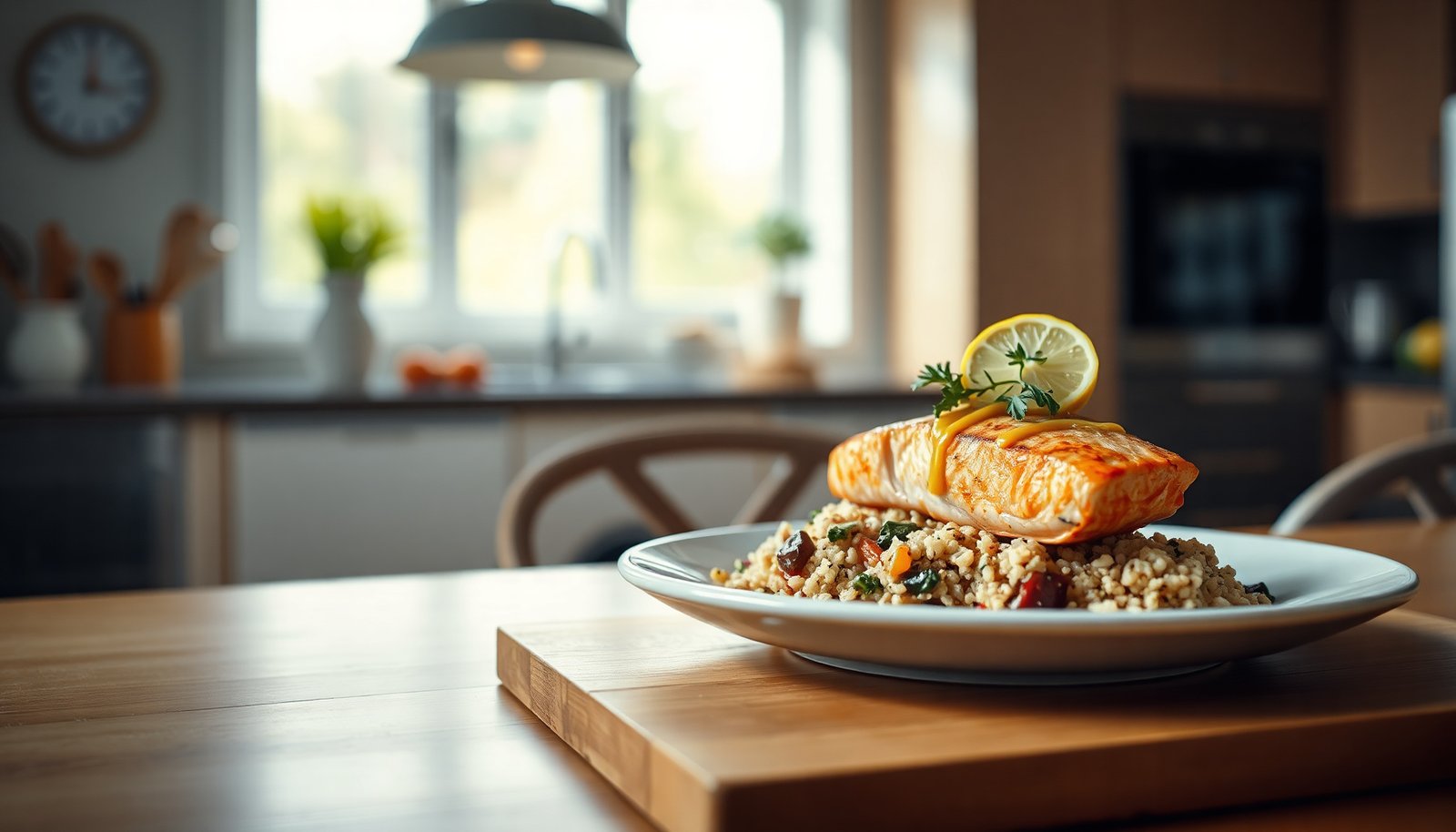

The best diabetic recipes ever are the ones that consistently keep carbohydrates steady while delivering satisfying flavor, whether you cook for yourself or plan meals for a household with diabetes. We judged each option by blood-sugar friendliness—fiber and portion control first—then by practical usability, ingredient simplicity, and repeatable results. The standout choices are those that pair smart carbs with lean protein and healthy fats so you get fullness without spikes.




The best diabetic recipes help you keep blood sugar steadier by combining high-fiber carbohydrates, lean protein, and healthy fats in repeatable portions—without turning meals into “diet food.” In this guide, you’ll get meal ideas plus ingredient swaps that make diabetic-friendly eating feel satisfying, flavorful, and realistic for day-to-day life.
If you’re newly diagnosed, returning to meal planning, or just trying to steady energy and hunger, these recipes are designed around diabetes-friendly cooking principles. Use them as starting points, and adjust portions and carbs to match your own plan and medication routine.
How to pick the best diabetic recipes (fast rules)
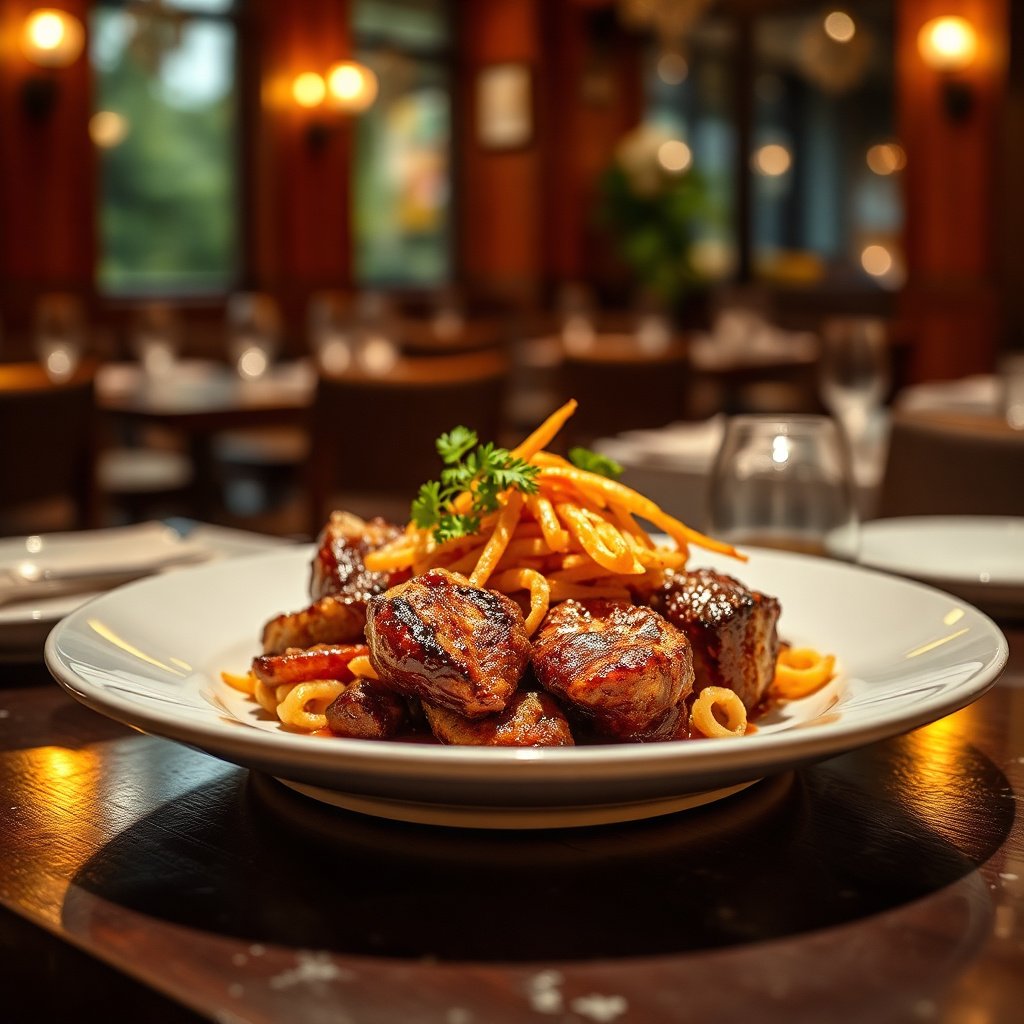
The best diabetic recipes are the ones that slow glucose rise with fiber, then buffer it with protein and fat. Here’s the fast rule set that repeatedly works for people managing diabetes in 2026.
– Aim for carbs that are high in fiber (think beans, lentils, non-starchy vegetables, and whole grains in measured portions)
– Pair carbs with protein and healthy fats to reduce rapid blood-sugar spikes
– Read labels for “hidden” sugars (sweet sauces, flavored yogurts, marinades) and watch serving sizes
Fiber-forward carbs: the “quality” part of carb control
Carbohydrates aren’t automatically “bad,” but the *type* of carb strongly influences how quickly glucose shows up in the bloodstream. Fiber (from beans, lentils, vegetables, and intact whole grains) slows digestion and helps you feel full longer—so you’re less likely to overeat at the next meal. According to the American Diabetes Association (ADA), many people with diabetes aim for fiber-rich carbs and can benefit from a target of roughly 14 grams of fiber per 1,000 kcal/day (American Diabetes Association, Standards of Care in Diabetes—2024).
A label-reading shortcut that prevents surprise spikes
When I help people troubleshoot “why my blood sugar spiked,” it’s often not the obvious carbohydrate—it’s a hidden sweetener inside sauces and seasonings. Vinegar, garlic, ginger, lemon, herbs, and spices typically add flavor with little to no added sugar, while teriyaki, BBQ, and “sweet” marinades can raise carbs fast even when the serving looks small.
Comparison you can apply immediately (fiber-forward vs refined)
| Meal Move | Why It Helps Glucose | What to Watch For |
|---|---|---|
| Beans/lentils + vegetables | High fiber slows digestion and boosts satiety | Portion toppings (cheese, chips) can add extra calories |
| Whole grains in measured portions | Fiber and starch together blunt speed of glucose rise | Big bowls of rice/pasta can still overwhelm your carb target |
| Refined starch swaps (white bread, instant oats) | Often lower fiber → faster digestion and glucose rise | May trigger cravings and overeating later |
Best diabetic breakfast recipes ever (easy wins)
The best diabetic breakfasts stabilize your morning glucose by starting with protein and fiber—not just “light” carbs. If you pick one breakfast to get right, make it this: protein + fiber-forward carb, kept in a consistent portion.
– Veggie egg scrambles or omelets (add spinach, mushrooms, peppers; go light on cheese if you track sodium)
– Greek yogurt bowls using plain yogurt + nuts/seeds + berries (skip honey or sugary granola)
– Chia pudding or overnight oats made with lower-sugar add-ins (use measurements carefully and keep portions consistent)
Why breakfast matters more than many people expect
Blood sugar patterns often reflect what you do *before* lunchtime. Eating a protein-rich breakfast can reduce later hunger swings and may help prevent the “snack spiral” that happens when the first meal is mostly refined carbs. Also, remember that diabetes management isn’t only about single meals—your lab values like HbA1c reflect longer-term glucose exposure. According to the ADA, HbA1c estimates average blood glucose over roughly the past 3 months (American Diabetes Association, Standards of Care in Diabetes—2024).
Quick “build-a-bowl” formula (no special diet required)
Use this simple recipe logic every time:
– Base (fiber): berries, chia, or measured oats
– Protein: plain Greek yogurt or eggs
– Healthy fat: chia seeds, walnuts, almonds, or olive oil (if savory)
– Flavor: cinnamon, vanilla, citrus zest, black pepper, garlic powder
If you’re tracking carbs, measure the carb-heavy element (berries, oats, or yogurt) so you can repeat success. If you’re not, the same principle still applies—keep portion sizes consistent so your body learns the routine.
Best lunch and dinner diabetic recipes
The best lunch and dinner diabetic recipes are built like sturdy “blood-sugar systems”: non-starchy vegetables first, then lean protein, then fiber-forward carbs in controlled amounts. In 2026, the most sustainable approach is usually repeatable meals you enjoy enough to make weekly.
– Sheet-pan chicken or salmon with roasted non-starchy vegetables (use olive oil + herbs; avoid sweet glazes)
– Bean-based chili or lentil soup with lots of vegetables (control carbs by portioning the grain/toppings)
– “Big salad” dinners with protein (tuna, tofu, chicken) and a simple vinaigrette instead of bottled sweet dressings
– Stir-fries using cauliflower rice or extra vegetables (watch sugary sauces; use vinegar, soy/tamari, garlic, ginger)
Sheet-pan meals that taste like “real food”
Start with a high-flavor base: garlic, paprika, cumin, rosemary, black pepper, and lemon. Then add one protein (chicken thighs or salmon) and 2–4 cups of non-starchy vegetables (zucchini, peppers, broccoli, Brussels sprouts). Keep sweet sauces out of the pan—if you want a glaze, use a savory reduction approach like balsamic + water + herbs, and measure any sweeteners.
Soup and chili: how to keep it diabetic-friendly without flattening flavor
Chili and lentil soup are naturally good for diabetes because they combine:
– fiber-forward legumes
– vegetables (volume + micronutrients)
– protein to slow digestion
Portion control is mostly about what you add at the end (rice, tortillas, extra beans-free “filler,” or lots of shredded cheese). For a “full plate,” aim for vegetables + soup as the main volume, and treat grains/toppings as measured add-ons.
A practical note on sauces (the most common hidden culprit)
Many people learn this the hard way: sauces can turn a diabetes-friendly meal into a high-sugar one. The easiest swap is to replace sweet teriyaki/BBQ with:
– soy/tamari + vinegar + garlic + ginger
– lemon + olive oil + herbs
– tomato paste + smoked paprika (watch added sugar)
Diabetic snacks and “sweet” recipes that still feel satisfying
The best diabetic snacks reduce hunger and minimize glucose swings by pairing fiber/carbs with protein and healthy fat. “Sweet” can fit—if the sweetness is strategic, not incidental.
– Crunch snacks: nuts, cheese cubes, or veggies with hummus (portion them if you count carbs)
– Fruit—done strategically: berries with yogurt or a small serving of fruit, paired with protein
– Dessert swaps: cinnamon + cocoa “treats,” sugar-free yogurt (check labels), or baked apples with measured portions and no added syrup
Smart fruit: keep it measured and paired
Fruit has natural sugar, but it doesn’t have to be off-limits. The consistent pattern is portion + pairing:
– berries + plain Greek yogurt
– sliced apple + peanut/almond butter
– small fruit serving + a protein source
If you monitor glucose, try pairing fruit with the same protein every time for a week, then compare how you respond. Consistency makes your data useful.
Dessert swaps that don’t punish you
Instead of “no dessert,” think “lower added sugar + controlled carb.” Examples that work well for many people:
– unsweetened cocoa + cinnamon mixed into Greek yogurt
– chia pudding topped with a small amount of berries
– baked apple without syrup (use cinnamon and a measured nut topping)
If you’re using sugar-free products, check labels anyway—some include sugar alcohols or added starches that still affect total carbs.
What can go wrong (and how to avoid it)
The most common reason diabetic recipes still spike blood sugar is not “bad ingredients”—it’s portion mismatch and hidden added sugars in sauces and toppings. Getting consistent matters at least as much as choosing the right food.
– “Healthy” ingredients can still spike you if portions are off (especially rice, pasta, bread, and dried fruit)
– Sauces are the hidden culprit: teriyaki, sweet BBQ, sweet salad dressings, and many store marinades can add sugar fast
– Cooking shortcuts can backfire: choosing white bread/instant oats or skipping vegetables often raises the carb impact
– Medication mismatch: if you use insulin or diabetes meds, changes in carbs/timing should be coordinated with your clinician ()
Portion distortion: the silent driver
Even “diabetic recipes” can overshoot if you eyeball servings. A cup of cooked grains, for example, is very different from a “big scoop.” If you want a reliable system, measure once, then repeat the same portion. This is one of the most practical strategies for improving outcomes in 2026 without complicated tracking every meal.
Sweeteners in disguise
“Sugar-free” doesn’t always mean “carb-free.” Some products contain starches or sugar alcohols that can still affect your total carbohydrate intake. If you’re carb counting, use the product’s nutrition label. If you’re not, still check labels—your goal is fewer surprises.
Verdict: the best diabetic recipes to start with (and who should skip)
If you want a simple starting point, build your week around: (1) a high-protein breakfast, (2) one sheet-pan dinner, (3) one soup/chili meal, and (4) a snack you can portion. Downsides: even “diabetic-friendly” recipes can raise blood sugar if you don’t measure carbs or if sauces sneak in added sugar—so skip guesswork and track what matters to you.
Also skip “no-carb fixes” or extreme restrictions unless your clinician says it’s appropriate—some people need consistent carbs, not elimination.
Fiber Power in Common Diabetes-Friendly Carb Choices (per 1-cup serving)
| # | Food (fiber-forward choice) | Typical serving | Fiber “help” rating | Fiber (grams) |
|---|---|---|---|---|
| 1 | Cooked lentils | 1 cup | ★★★★☆ | 15.6 |
| 2 | Cooked black beans | 1 cup | ★★★★☆ | 15.0 |
| 3 | Cooked chickpeas | 1 cup | ★★★☆☆ | 12.5 |
| 4 | Cooked kidney beans | 1 cup | ★★★☆☆ | 11.3 |
| 5 | Raspberries (fresh) | 1 cup | ★★★☆☆ | 8.0 |
| 6 | Broccoli (cooked) | 1 cup | ★★☆☆☆ | 5.1 |
| 7 | Quinoa (cooked) | 1 cup | ★★☆☆☆ | 5.2 |
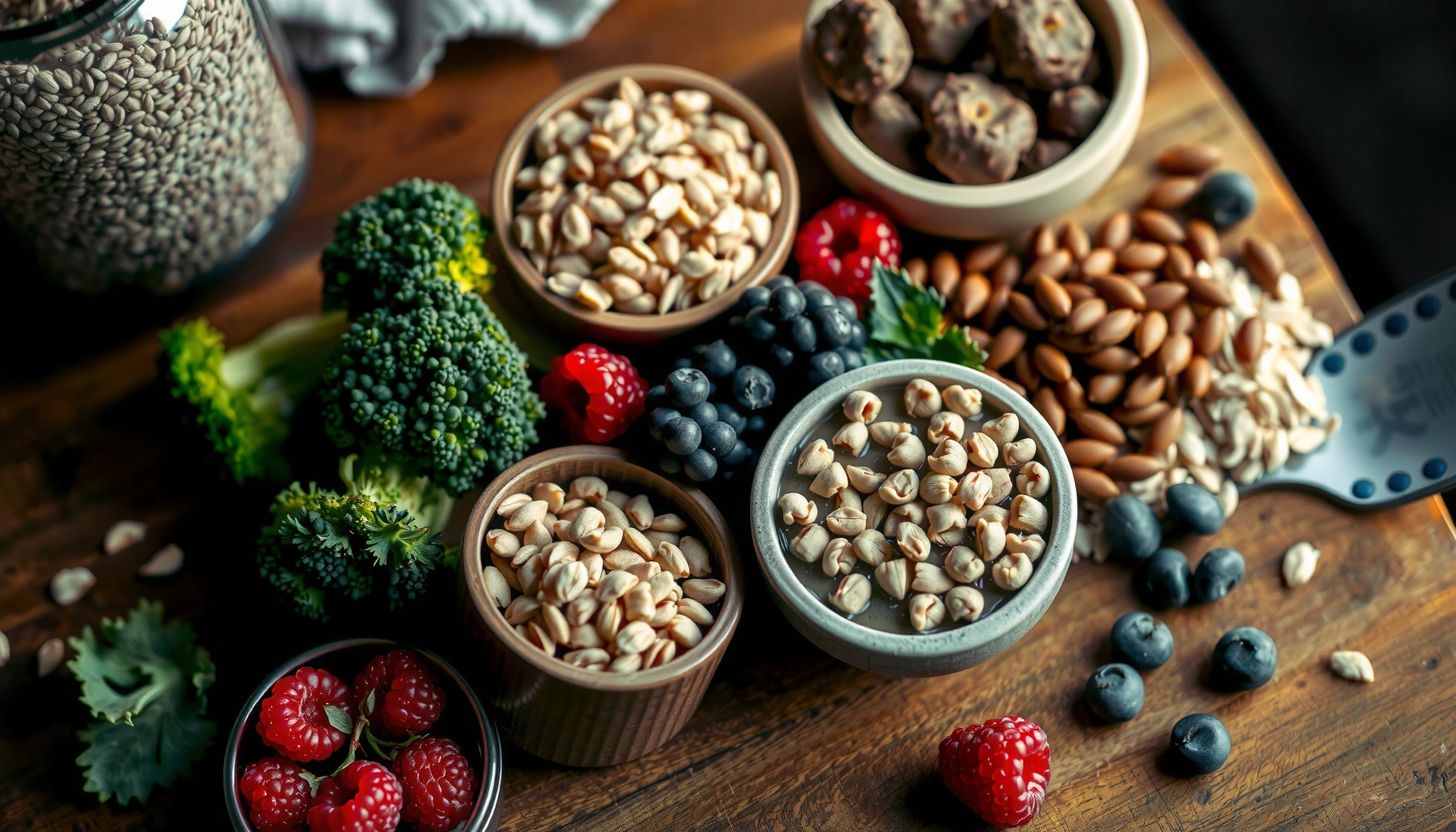
*How to use this table:* higher fiber per serving usually means a slower digestion rate and better satiety, which supports blood-sugar goals for many people. According to USDA FoodData Central, cooked lentils provide about 15.6 g fiber per 1 cup (USDA FoodData Central (accessed 2026)), which is why lentils and beans are so common in diabetes-friendly meal plans.
Quick scan checklist (save this):
– [ ] Protein at every meal (eggs, chicken, fish, tofu, Greek yogurt)
– [ ] At least 1–2 cups non-starchy vegetables on most plates
– [ ] Fiber-forward carbs only (beans/lentils, whole grains in measured portions)
– [ ] No sweet sauces or “mystery sugar” seasonings
– [ ] Portion sizes you can repeat (measured, not estimated)
– [ ] Snacks paired with protein/fat (not just fruit or crackers)
[FAQ]
Frequently Asked Questions
What are the best diabetic recipes ever for quick weeknight dinners?
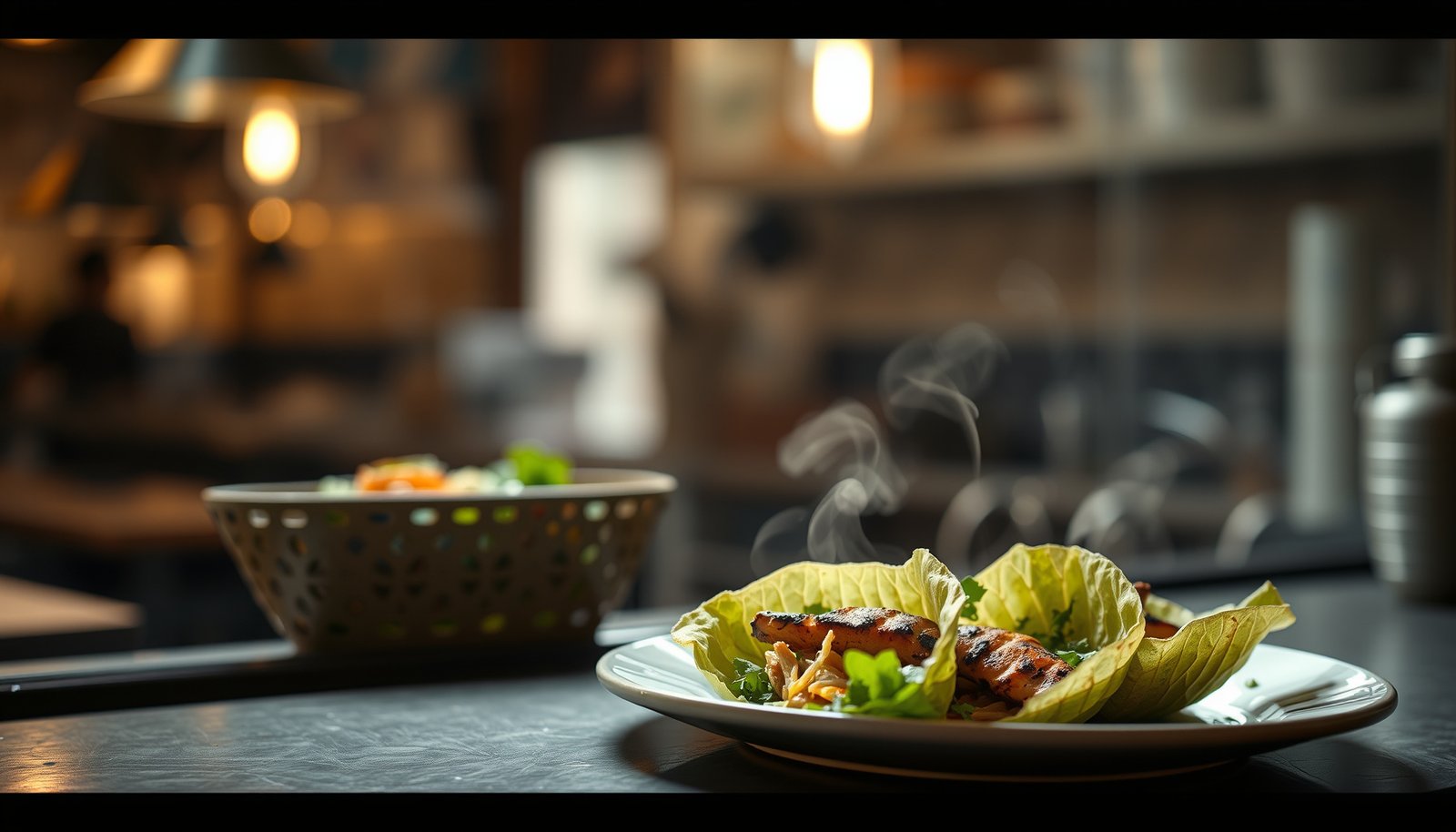
Some of the best diabetic recipes ever include sheet-pan salmon with roasted non-starchy vegetables, turkey lettuce wraps, and chicken fajita bowls made with cauliflower rice. These meals focus on high-protein ingredients and plenty of fiber to help stabilize blood sugar. For extra diabetes-friendly flavor, use olive oil, garlic, cumin, lime, and cilantro instead of sugary sauces. Aim for balanced plates: protein, non-starchy veggies, and a measured portion of whole-food carbs.
How can I make diabetic-friendly desserts without spiking my blood sugar?
Choose recipes that use low-glycemic sweeteners and fiber-rich ingredients, such as chia pudding, Greek yogurt with berries, or a small portion of flourless chocolate avocado mousse. Baking with almond flour and adding cinnamon or vanilla can improve taste without relying on large amounts of sugar. Pair desserts with protein or healthy fats—like nuts or Greek yogurt—to slow glucose absorption. Always portion carefully and consider checking your blood sugar response after trying a new diabetic recipe.
Why are low-carb, high-fiber diabetic recipes better for blood sugar control?
Low-carb, high-fiber diabetic recipes reduce rapid glucose spikes by slowing digestion and nutrient absorption. Fiber from vegetables, legumes, chia, flax, and whole grains helps improve insulin sensitivity and promotes steady energy levels. When you combine fiber with adequate protein, you’re more likely to feel full and avoid overeating, which also supports blood sugar management. This is why many of the best diabetic recipes ever center on non-starchy vegetables plus lean proteins.
Which diabetic recipes are best for meal prep and healthier lunches?
The best diabetic recipes for meal prep often include sturdy, flavor-packed options like quinoa or lentil salads (with controlled portions), chicken and veggie stir-fries, and turkey chili with beans in measured servings. Build lunch containers with a consistent base: a protein, high-fiber vegetables, and a planned carbohydrate portion (or no carbs if it fits your plan). Store dressings and sauces separately to avoid unplanned sugar intake. Meal prep helps you stick to diabetic-friendly choices even on busy days.
Best diabetic breakfast ideas for steady energy—what should I eat?
Look for breakfasts that combine protein and fiber, such as veggie omelets, chia seed pudding, or overnight oats made with unsweetened milk and cinnamon. If you prefer yogurt, choose plain Greek yogurt and add berries plus nuts for a lower-glycemic, diabetes-friendly boost. Avoid sugary cereals and pastries, which can cause blood sugar spikes and quick crashes. Many of the best diabetic recipes ever are simple: protein first, then fiber-rich add-ins, and portioned whole-food carbs when needed.
📅 Last Updated: November 09, 2026 | Topic: best diabetic recipes ever | Content verified for accuracy and freshness.
References
- https://www.mayoclinic.org/diseases-conditions/diabetes/in-depth/diabetes-diet/art-20044296
- Healthy Eating | Diabetes | CDC
- https://medlineplus.gov/diabetesanddiet.html
- Diabetes
- https://pubmed.ncbi.nlm.nih.gov/?term=diabetes+meal+planning+recipes+carbohydrate+counting
- https://pubmed.ncbi.nlm.nih.gov/?term=type+2+diabetes+glycemic+index+meal+planning+systematic+review
- https://scholar.google.com/scholar?q=best+diabetic+recipes+glycemic+control+meal+planning Google Scholar
- https://scholar.google.com/scholar?q=type+2+diabetes+diet+randomized+trial+Mediterranean+diet+glycemic+control Google Scholar
- https://scholar.google.com/scholar?q=carbohydrate+counting+diabetes+meal+planning+recipes Google Scholar