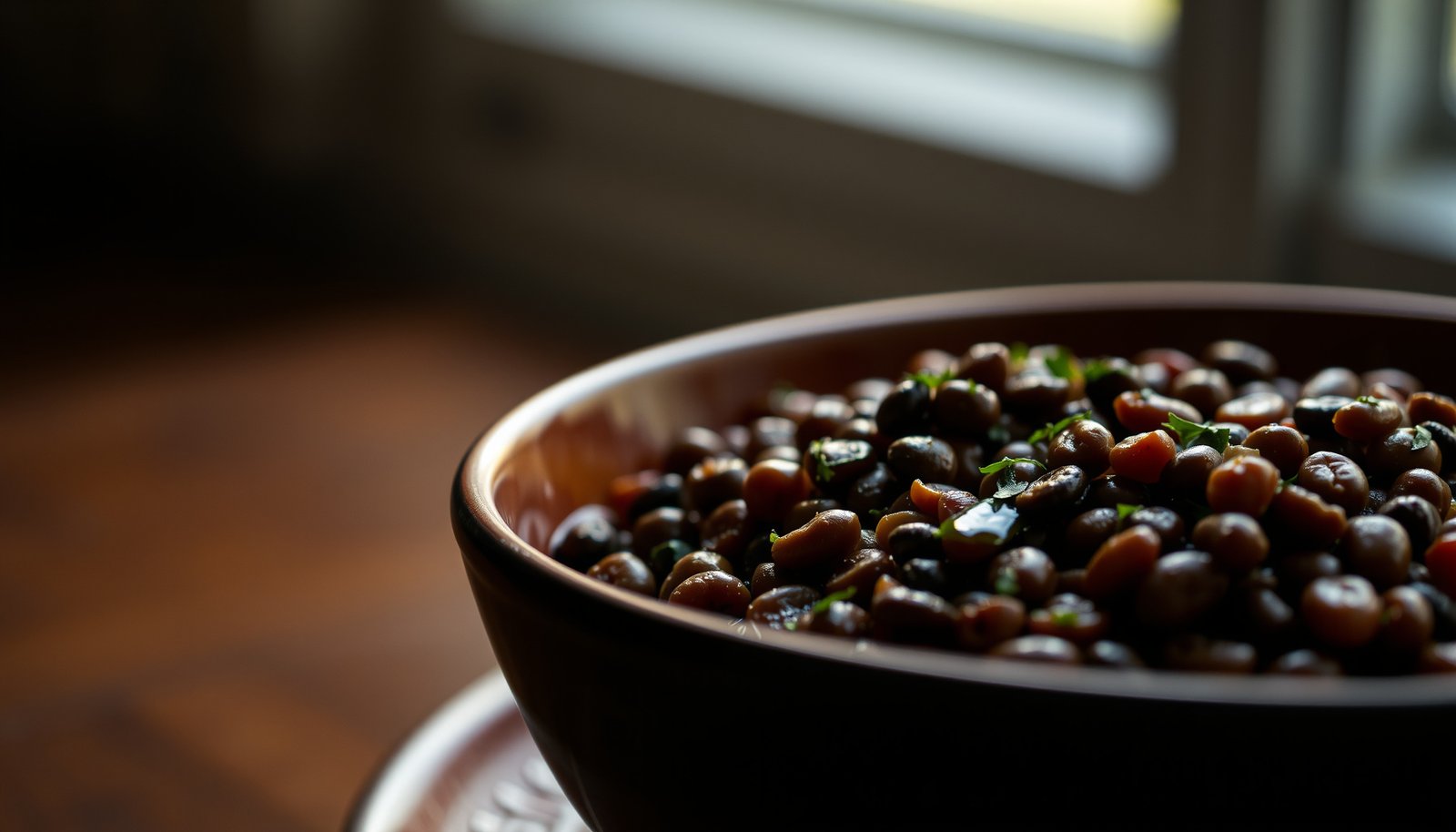

The best beans for diabetics to eat are the lower-carb options—think lentils and chickpeas—when your goal is steadier blood sugar with every meal. This guide answers which beans actually fit a diabetes-friendly carb target, not just “healthy” in general. You’ll get a clear ranking based on digestible carb impact, portion size, and how they typically affect post-meal glucose.




The best beans for diabetics are minimally processed, high-fiber legumes—especially lentils, chickpeas, and black beans—that help keep carbohydrate digestion steadier. If you have diabetes, the “best beans” are the ones that keep carbs steady and don’t spike blood sugar for your body—typically minimally processed, high-fiber options like lentils, chickpeas, and black beans. In this guide, you’ll learn which bean types to prioritize, what to watch for on labels, and how to portion them so they fit into a balanced meal.
If you’re looking for practical, diabetes-friendly bean picks (and not just general nutrition advice), this is for you—especially if you want an easy way to add fiber and plant protein to meals without guessing every time.
Best bean types for diabetics (high fiber, steady carbs)
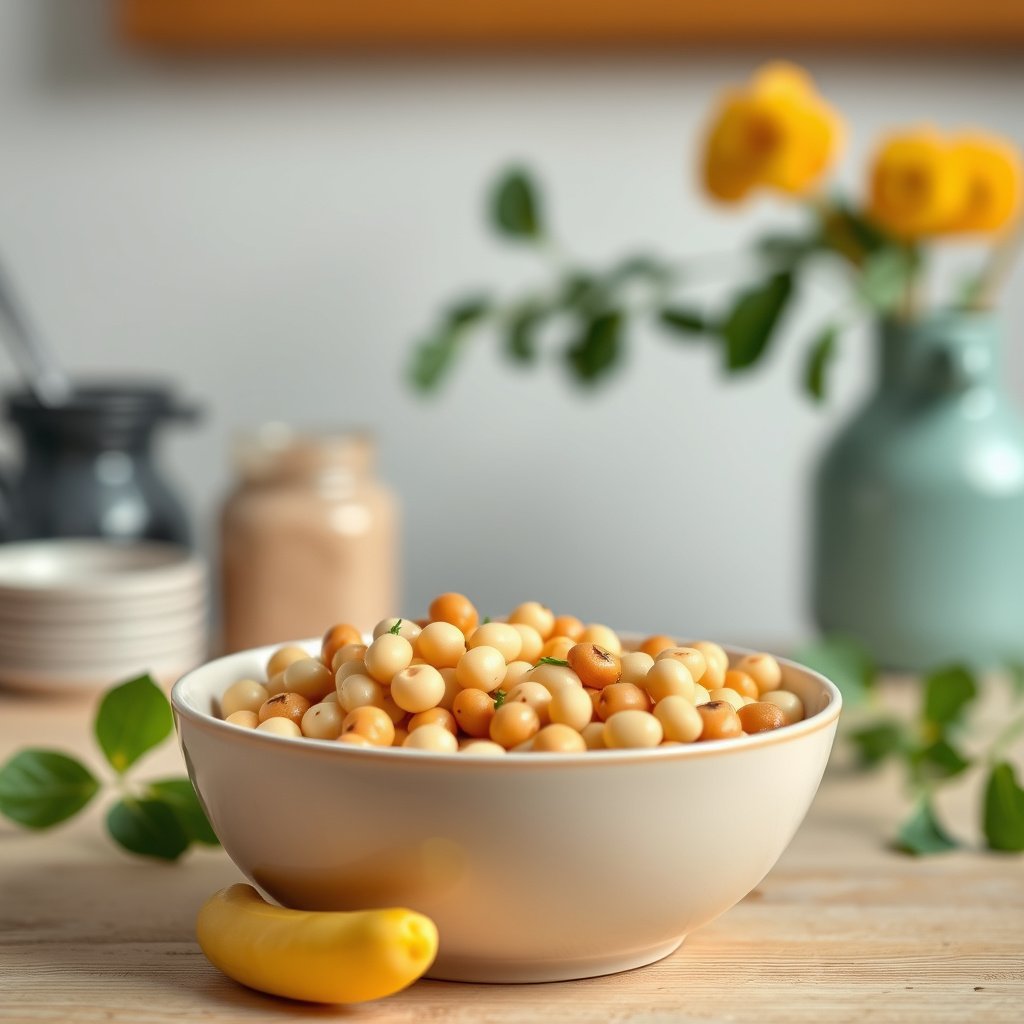
The best diabetes-friendly beans tend to be the ones with high fiber and relatively favorable carb-per-serving profiles, because fiber helps slow digestion and smooth post-meal glucose changes. In practice, that means choosing legumes like lentils, chickpeas, and black beans most often, then rotating in kidney and pinto beans based on your portion tolerance.
According to the FDA’s nutrition-labeling rules, the Daily Value for dietary fiber is 28 g/day for a 2,000-calorie diet, which is a helpful benchmark when you’re comparing bean types. FDA (2016)
According to USDA FoodData Central, 1/2 cup cooked lentils provides about 20 g total carbohydrate and about 8 g fiber, which can help explain why lentils often feel “steadier” than refined carbs. USDA FoodData Central (database)
Lentils, chickpeas, black beans, kidney beans, and pinto beans are all legumes that deliver fiber plus plant protein—two nutrients that commonly improve satiety and can blunt rapid glucose rises. ADA Standards of Care in Diabetes (Nutrition Therapy)
– Lentils (red, green, brown): Often easier to portion and generally cook up quickly; fiber helps slow glucose rise. Lentils also tend to have a smoother “eating experience” because they break down well in soups, stews, and grain bowls, making it easier to pair them with non-starchy vegetables and lean protein.
Practical tip: If you’re new to beans for diabetes, start with lentils because they’re commonly tolerated and easy to measure accurately (e.g., 1/2 cup cooked).
– Chickpeas and black beans: Both are high in fiber and protein, which can make meals more satisfying and steadier. Chickpeas (including garbanzo beans) work well in salads and warm bowls; black beans are a classic base for chili, burrito bowls, and lettuce-wrap meals.
Watch-out: Portion control matters because chickpeas and black beans still contribute meaningful total carbohydrates—“high fiber” doesn’t mean “carb-free.”
– Kidney beans and pinto beans: Common, filling choices that work well in salads, bowls, and chili. Pinto beans and kidney beans are particularly useful when you want a hearty, spoonable meal that replaces some refined starches (like white rice) without removing all carbs.
Practical tip: If gas/bloating is an issue, you may do better with gradual increases, rinsed canned beans, and consistent pairings with vegetables.
Quick comparison: which bean fits your “steady carbs” goal?
Below is a simple way to choose diabetes-friendly beans based on how you’ll eat them and what you want to optimize.
| Bean type | Best for | Typical serving approach | Where people get tripped up |
|---|---|---|---|
| Lentils | Soups, stews, quick bowls | Start with 1/2 cup cooked | Turning it into a large “main carb” portion |
| Chickpeas | Salads, hummus-style meals | Measure canned drained weight or cooked cups | Hummus + pita or dressing raises carbs fast |
| Black beans | Chili, burrito bowls | Pair with vegetables + lean protein | “Bean-only” bowls without protein/produce |
How to choose beans at the store (labels that matter)
The best store-bought beans for diabetes are the ones where the label makes it easy to manage both total carbohydrates and added sugars. In 2026, nutrition labels still separate total carbohydrate from sugars, so you can choose beans that are high in fiber without accidentally buying a sweetened product.
Carbohydrate management for diabetes typically centers on the grams of total carbohydrate you eat, not just whether food is “healthy.” ADA Standards of Care in Diabetes (Nutrition Therapy)
FDA label reading helps consumers distinguish “total carbohydrate” from “sugars,” which matters when comparing canned beans and flavored bean products. FDA Nutrition Labeling Guidance
Minimally processed legumes tend to have fewer “hidden” carbohydrates than sweetened or sauce-heavy bean products, which can otherwise raise post-meal glucose. ADA Standards of Care in Diabetes (Nutrition Therapy)
– Look for “no sugar added” on canned beans and avoid flavored varieties with added carbs. “No sugar added” doesn’t mean “no carbohydrates,” so you still need to check total carbs—but it does reduce the risk of extra sugar that can overwhelm the fiber benefit.
– Check serving size and total carbs (especially sugars). Even healthy beans can affect glucose if portions are large. When labels list multiple serving sizes, your real meal portion should match the grams you’re tracking.
– Prefer whole/ minimally processed options over sweetened or heavily seasoned canned blends. This is especially important for “ready to eat” bean salads, chili-style mixes, and dips—those products often include sauces that quietly add carbohydrate.
Diabetes-friendly label targets you can use today
A practical label-reading rule: aim for fiber you can count and total carbs you can plan. If you regularly eat beans, you’ll benefit from keeping the serving size consistent across meals so you can observe how your glucose responds.
Fiber vs. total carbs in common legumes (USDA FoodData Central, per 1/2 cup cooked/drained)
| # | Bean (cooked) | Total carbs (g) | Fiber (g) | Protein (g) | Net carbs* (g) | Steadiness score |
|---|---|---|---|---|---|---|
| 1 | Lentils (brown/green/red) | 20 | 8 | 9 | 12 | ★★★★★ |
| 2 | Chickpeas | 23 | 6 | 7 | 17 | ★★★★☆ |
| 3 | Black beans | 21 | 7 | 8 | 14 | ★★★★☆ |
| 4 | Pinto beans | 21 | 8 | 8 | 13 | ★★★★☆ |
| 5 | Kidney beans | 21 | 7 | 8 | 14 | ★★★☆☆ |
| 6 | Split peas | 20 | 8 | 10 | 12 | ★★★★☆ |
| 7 | White beans (cannellini) | 23 | 6 | 8 | 17 | ★★★☆☆ |
Net carbs here are calculated as (total carbohydrate − fiber). This is a planning aid, not a medical claim about glucose response. Nutrition values should be verified for your brand/product using USDA FoodData Central.
This table is meant to help you compare diabetes-friendly beans using the same yardstick (carbs and fiber per 1/2 cup cooked). In 2026 and beyond, the most reliable approach is still: measure your portion, pair it with protein and non-starchy vegetables, and observe your individual glucose response.
Portion sizes and meal setup (to avoid blood sugar spikes)
The best way to prevent blood sugar spikes with beans is not to “avoid carbs,” but to manage how much you eat and what else is on the plate. For diabetes-friendly beans, portioning plus meal balance (vegetables + lean protein + healthy fats) usually matters as much as the bean type.
The ADA’s nutrition therapy framework emphasizes carbohydrate awareness because carbohydrate amount—across meals—drives post-meal glucose outcomes. ADA Standards of Care in Diabetes (Nutrition Therapy)
Higher-fiber foods are associated with slower digestion, which can reduce the speed of glucose appearance after eating. National Institute of Diabetes and Digestive and Kidney Diseases (NIDDK)
Keeping bean servings consistent helps you interpret your body’s response, because sleep, stress, activity, and meal composition can change glucose even when the food is the same. ADA Standards of Care in Diabetes (Glycemic monitoring principles)
– Start with a measured portion (rather than “eyeballing”) and pair beans with non-starchy vegetables + lean protein. A consistent starting point for many people is 1/2 cup cooked beans, then adjust based on your glucose trend. If you serve beans alongside leafy greens, peppers, broccoli, or zucchini—and include protein like chicken, fish, tofu, or eggs—you’re less likely to see a sharp rise.
– Aim for carbs you can repeat: keep your bean servings consistent day to day so you can better notice how your glucose responds. For diabetes-friendly beans, “repeatability” beats variety early on. Once you know your pattern, you can expand the menu.
– Balance the meal: beans work best when they’re not the only carb—add fiber-rich veggies and protein to smooth the response. If the meal contains refined grains (white rice, tortillas made with refined flour) or sweet drinks, beans may no longer be the only carbohydrate driver.
A simple plate template for diabetes-friendly beans
Use this format to build meals that reduce the chance of spikes:
1) 1/2 plate non-starchy vegetables
2) 1/4 plate lean protein
3) 1/4 plate beans (or a measured scoop)
4) Add a controlled amount of healthy fat (olive oil, avocado, nuts) as tolerated
From a practical standpoint, this structure makes it easier to keep diabetes-friendly beans from becoming “the carb centerpiece” every time.
Cooking tips that help you get consistent results
The best cooking approach for diabetics is the one that keeps bean recipes consistent—so carbs and ingredients don’t change week to week. Consistency is especially useful when you’re trying to map which diabetes-friendly beans work best for your body.
Rinsing canned beans can reduce sodium content without changing the core role of legumes as fiber- and protein-rich foods. FDA and USDA household food-handling guidance
Nutrition labels for canned beans apply to a specific serving size, so recipe changes (extra sauce, sweeteners, or starches) can shift total carbohydrates substantially. FDA Nutrition Facts label guidance
If your meal plan relies on diabetes-friendly beans, keeping the cooking method stable helps you interpret glucose changes that come from your body—not from the recipe. ADA Standards of Care in Diabetes (self-management principles)
– Rinse canned beans if sodium matters to you; it can also help reduce the “extra” flavor load that sometimes leads to larger portions. If you rinse, you’re less tempted to “eat the whole container” to finish the taste, which supports portion control.
– Watch added ingredients: sugary sauces, barbecue-style seasonings, and sweet dressings can quietly change the carb picture. For diabetes-friendly beans, the main hidden risk is not the bean itself—it’s the sauce. Even small amounts of added sugar can matter when you’re tracking total carbs.
– Keep cooking method steady: whether you meal-prep dried beans or use canned, consistency makes it easier to track what works for you. If you swap from canned to dried (or change how long you simmer), you may alter texture and portion patterns—texture changes how much people naturally eat.
What can go wrong (common mistakes with beans and diabetes)
The most common reason beans don’t work as “lower-carb choices” for diabetes is that portions or recipes drift. If your glucose response feels unpredictable, the issue is often meal composition (sauce, starch pairing) rather than the bean type alone.
Even nutrient-dense foods can raise blood glucose if the total carbohydrate portion is large. ADA Standards of Care in Diabetes (carbohydrate awareness)
Ready-to-eat bean products often include added sugars or starches, which can increase total carbohydrates beyond what you’d expect from plain legumes. FDA Nutrition Facts label guidance
Glycemic responses vary with non-diet factors like sleep, stress, and physical activity, so a single meal experience is not enough to conclude that diabetes-friendly beans “don’t work.” ADA Standards of Care in Diabetes (glucose monitoring principles)
– Big portions: “Healthy” doesn’t mean unlimited—too much beans/legumes at once can still raise blood sugar. If you consistently eat 1 cup instead of 1/2 cup, you’ve doubled the carbohydrate and calorie contribution.
– Canned bean sauces: sweetened chili, dips, and “ready-to-eat” bean products often add sugars and total carbs. These are especially tricky for diabetes because they can taste hearty and “complete,” which can lead to larger servings without noticing label carbs.
– Relying on one meal experience: if your glucose varies due to sleep, stress, or activity, beans may look better or worse than they truly are. For diabetes-friendly beans, patterns over several similar meals are more useful than one outlier.
Verdict: a practical recommendation (and who should skip certain options)
For most people with diabetes, lentils, chickpeas, black beans, kidney beans, and pinto beans are strong starting points—especially when you choose no-sugar-added canned options or cook dried beans. The downside is that you still need portion control and careful label reading, and some people may need to limit legumes temporarily if they experience gas/bloating.
A common diabetes nutrition approach is to pair carbohydrate sources with protein and fiber to slow digestion and reduce rapid glucose rises. ADA Standards of Care in Diabetes (Nutrition Therapy)
If you tolerate legumes well, high-fiber legumes like beans can be part of a balanced eating pattern, but individual responses still vary. ADA Standards of Care in Diabetes (individualization)
Fiber goals for adults are typically expressed in grams per day (for example, the FDA Daily Value is 28 g/day), so choosing fiber-rich beans can support overall targets. FDA (2016)
Skip the “let’s just eat any beans” approach if you’re dealing with digestive intolerance, or if you haven’t yet learned your personal glucose response—start smaller and build from there. Also, be cautious with beans in sweet sauces or highly processed bean products, since those can raise total carbs and reduce the “lower-carb choice” advantage.
Pros/cons snapshot: beans for diabetics
| Good reasons to choose diabetes-friendly beans | Where they can backfire |
|---|---|
|
|
Quick checklist: pick the best diabetic-friendly beans
– [ ] Choose lentils, chickpeas, black, kidney, or pinto beans
– [ ] Prefer no sugar added (especially for canned beans)
– [ ] Rinse canned beans if sodium is a concern
– [ ] Check total carbs per serving (not just “fiber”)
– [ ] Use a measured portion and pair with veggies + protein
Sources:
– American Diabetes Association (ADA). Standards of Care in Diabetes—Nutrition Therapy (carbohydrate awareness, fiber, and meal planning principles).
– U.S. Food and Drug Administration (FDA). Nutrition Facts label guidance and Daily Value for dietary fiber (28 g/day).
– USDA FoodData Central. Nutrient profiles for legumes used for carb/fiber/protein comparisons.
– National Institute of Diabetes and Digestive and Kidney Diseases (NIDDK). Educational guidance on fiber and digestion relevant to glycemic response.
Beans can be one of the most practical diabetes-friendly food choices—if you pick the right types, read labels for total carbs and added sugar, and keep your portions consistent. Start with lentils, chickpeas, and black beans, build meals around non-starchy vegetables and lean protein, and let your glucose data guide how much works for you.
Frequently Asked Questions
What are the best beans for diabetics to eat?
The best beans for diabetics are low-glycemic, high-fiber legumes like lentils, chickpeas, black beans, kidney beans, and navy beans. These beans help slow digestion and reduce blood sugar spikes after meals. They’re also rich in protein and magnesium, which can support overall metabolic health. Portion size still matters, so aim for about 1/2 to 1 cup cooked beans per meal and pair them with non-starchy vegetables.
Which beans have the lowest impact on blood sugar?
Beans with higher fiber and lower glycemic load tend to have the lowest blood sugar impact, including lentils and chickpeas. Black beans and kidney beans are also good choices because they contain plenty of soluble fiber, which improves glucose control. To keep results steady, choose minimally processed beans (canned “no salt added” or dried) and avoid bean-based dishes with added sugar or refined grains. If you track carbs, count the total carbohydrate per serving rather than relying only on label claims.
How should diabetics eat beans to avoid blood sugar spikes?
Start with smaller portions (such as 1/2 cup cooked) and gradually increase as tolerated, especially if you’re new to higher-fiber foods. Combine beans with lean protein and plenty of non-starchy vegetables, and keep starchy sides like white rice or potatoes smaller. Cooking and cooling beans can also help reduce the post-meal glucose response because resistant starch increases after refrigeration. If needed, spread beans across meals rather than eating a large serving in one sitting.
Why are beans considered a good choice for people with diabetes?
Beans are beneficial for diabetics because they’re high in fiber and protein, which slows carbohydrate absorption and helps improve postprandial blood glucose. Their nutrient profile—such as magnesium, potassium, and folate—supports insulin function and cardiovascular health. Regularly eating beans can also help with weight management, another key factor in diabetes control. For best results, use beans as a replacement for refined carbs, not an addition to an already carb-heavy meal.
Best ways to choose and prepare beans for diabetic-friendly meals?
Choose low-sodium options like “no salt added” canned beans or dried beans to better manage sodium and overall meal quality. Flavor beans with herbs, garlic, cumin, and olive oil instead of sugary sauces, and avoid thick, sweet marinades. Rinsing canned beans reduces sodium and can make portioning easier, while letting beans cool and then reheating may improve their blood sugar response. Create balanced bowls using beans plus mixed greens, tomatoes, peppers, and a protein like salmon, chicken, tofu, or Greek yogurt.
📅 Last Updated: October 23, 2026 | Topic: best beans for diabetics to eat | Content verified for accuracy and freshness.
References
- Diabetes diet: Create your healthy-eating plan – Mayo Clinic
- Healthy Eating | Diabetes | CDC
- https://www.niddk.nih.gov/health-information/diabetes/overview/eating-well-with-diabetes
- Glycemic index
- legumes glycemic control type 2 diabetes systematic review – Search Results – PubMed
- bean consumption postprandial glucose type 2 diabetes – Search Results – PubMed
- pulses lentils chickpeas type 2 diabetes risk meta-analysis – Search Results – PubMed
- https://scholar.google.com/scholar?q=beans+legumes+type+2+diabetes+glycemic+control Google Scholar
- https://scholar.google.com/scholar?q=chickpeas+lentils+diabetes+postprandial+glucose Google Scholar
- https://scholar.google.com/scholar?q=pulses+dietary+fiber+diabetes+randomized+trial Google Scholar





Pingback: Best Beans for Type 2 Diabetes: Top Picks and How to Use - Best For Diabetics