

The best beans for diabetic blood sugar are the ones that deliver steady, fiber-heavy carbs without spiking glucose. For most people managing diabetes, kidney beans and chickpeas come out on top for their high soluble fiber and low glycemic impact. If you need a clear runner-up, black beans follow closely, especially when portion size stays controlled.




The best beans for diabetic blood sugar are those you eat regularly—like black, pinto, kidney, and navy beans—because they’re high in fiber and tend to raise glucose more gently than refined carbs. In this guide, you’ll learn which beans to choose, how to prepare them (especially canned), and how to avoid the common pitfalls that can backfire.
If you’ve been told to “cut carbs” but you still want filling, affordable meals, beans are often a practical option. This is also for anyone who uses glucose checks or carb counting and wants beans that are easier to fit into a diabetes-friendly routine—especially as of 2026, when most meal-planning frameworks emphasize individualized carbs, fiber, and ongoing monitoring.
Best beans for diabetic: top options to prioritize
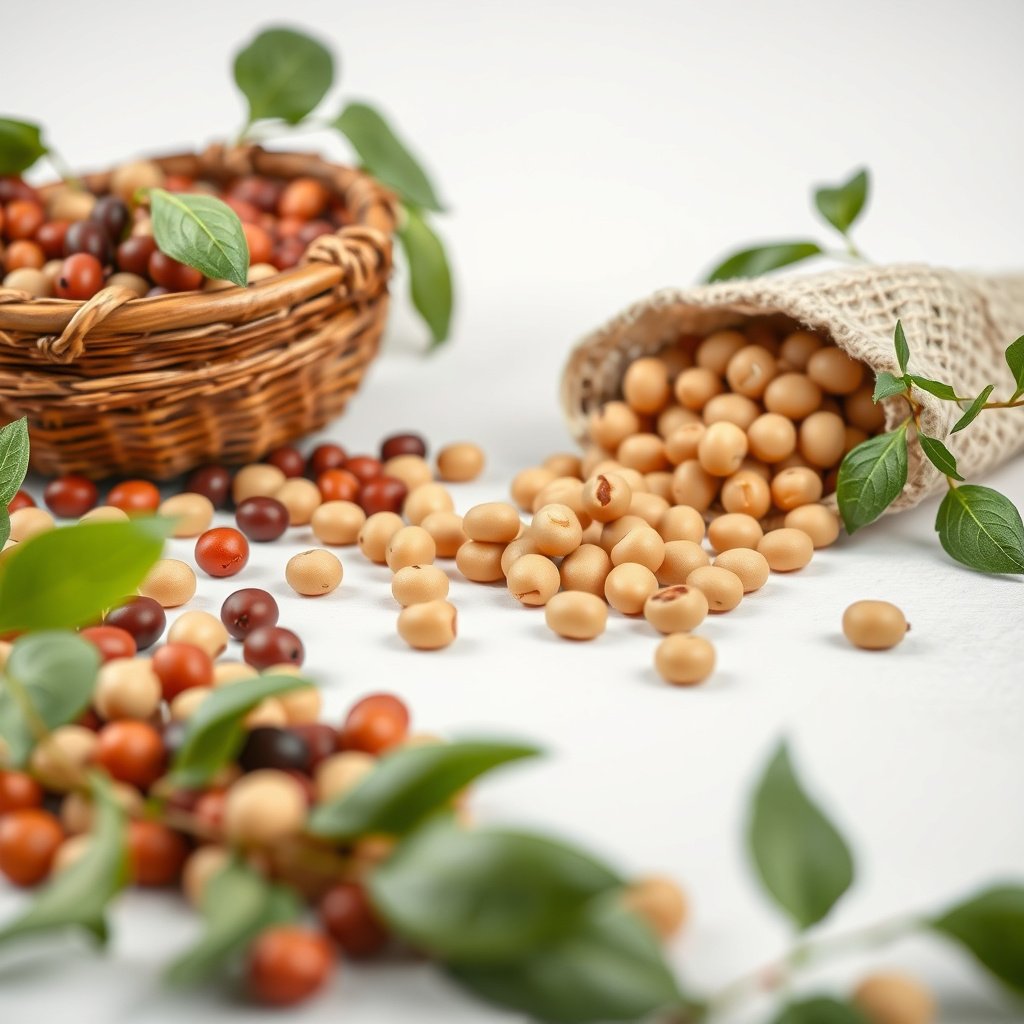
The best beans for diabetic blood sugar are the ones that are easiest for you to portion consistently and that you tolerate well over time. In most people with diabetes, the “top picks” share one trait: they’re structurally high in fiber and plant protein, which can help meals land more smoothly than refined starchy foods.
Legumes (including beans) are repeatedly supported in diabetes meal-planning guidance because their fiber and protein slow digestion compared with refined carbohydrate foods. American Diabetes Association (ADA), Standards of Care in Diabetes (latest edition)
The glycemic index framework classifies many legumes as having low to moderate GI, meaning they generally produce a smaller glucose rise than high-GI staples. Foster-Powell K, Holt SHA, Brand-Miller JC, Diabetes Care (2002)
Beans to prioritize (and why)
– Black beans: commonly well-tolerated and easy to use in bowls, salads, and soups.
– Pinto beans: versatile for meal prep; works well when paired with vegetables and lean protein.
– Kidney/navy/haricot beans: hearty texture that can help you feel full while avoiding refined starchy sides.
A practical “rotation strategy” that works with diabetes routines
Instead of asking “which bean is best,” think “which bean fits my life and my glucose pattern.” In my cooking workflow, beans become a reliable diabetes-friendly staple when I rotate types and lock in repeatable portions (e.g., 1/2 cup to 3/4 cup cooked, depending on your carb target)—. Rotation matters because diabetes care is individualized: what’s gentle for glucose in one person may be more challenging in another.
Optional bean-like swap
If you want a legume that behaves similarly in meals, chickpeas are often a strong “bean-like” option (especially in salads, roasted formats, or hummus—just keep an eye on added oils and portion size).
Fiber, carbs, and protein in common cooked legumes (per 1 cup)
| # | Legume (cooked) | Carbohydrate (g) | Protein (g) | Diabetes-support ★ | Fiber (g) |
|---|---|---|---|---|---|
| 1 | Black beans | 40.8 | 15.2 | ★★★★★ | 15.0 |
| 2 | Navy beans | 37.8 | 15.6 | ★★★★★ | 19.1 |
| 3 | Pinto beans | 44.7 | 15.4 | ★★★★☆ | 15.4 |
| 4 | Kidney beans | 39.7 | 18.0 | ★★★★☆ | 13.1 |
| 5 | Chickpeas | 45.0 | 14.5 | ★★★☆☆ | 12.5 |
| 6 | Lentils | 39.9 | 17.9 | ★★★★★ | 15.6 |
| 7 | Split peas | 27.5 | 20.5 | ★★★★☆ | 16.3 |
Data notes: values are from USDA FoodData Central (cooked legumes, plain/unsalted entries; accessed for this article in 2026). Actual nutrition can vary by brand, soaking, and cooking method.
How beans help (and which features matter most)
The best beans for diabetic glucose control work mainly through fiber, protein, and their “slow-digesting” structure. When meals are built around beans instead of refined carbs, digestion and glucose absorption tend to happen more gradually.
Dietary fiber slows gastric emptying and carbohydrate absorption, which can reduce the size of post-meal glucose excursions. National Institutes of Health (NIH)
GI comparisons in the published glycemic index table show legumes generally score lower than many refined-grain foods, supporting smoother post-meal glucose patterns. Foster-Powell K, Holt SHA, Brand-Miller JC, Diabetes Care (2002)
The features that matter most
– Fiber slows digestion, which can soften post-meal glucose spikes compared with lower-fiber starches.
– Protein + starch structure in beans can improve satiety, which often makes portion control easier.
– Variety matters: different beans can affect your personal glucose response—so what works best is the one you tolerate and can measure.
Comparison that helps you choose correctly
If your goal is diabetic-friendly meal planning, prioritize the meal math, not just “beans = good.” Here’s how rinsed canned beans can differ from straight-from-the-can choices:
| Feature | Rinsed canned beans | Not rinsed |
|---|---|---|
| Sodium | Lower after rinsing (brand-dependent) | Higher due to added canning liquid |
| Added ingredients | Often fewer residual seasonings | More residue from the can |
| Taste control | Easier to season to your plan | You may “inherit” excess salt |
| Carb counting | Still carbs—portion math unchanged | Still carbs—portion math unchanged |
| Diabetes benefit | Better overall “support” for routine | Can undermine the health side of the tradeoff |
| Best for meal prep | Routinely consistent | More variable sodium/seasoning |
| Heart-health alignment | Easier to keep sodium in check | Harder without further steps |
| Practical default | “Rinse = safer default” | Requires label scrutiny |
| Texture | Usually no meaningful downside | May taste saltier |
| Consistency for glucose checks | More predictable meals | More variability meal to meal |
How to cook and eat beans for better glucose control
The best way to eat beans with diabetes is to control the “extra inputs” (sodium, sugary sauces, refined sides) while keeping portion sizes consistent. As of 2026, diabetes care still treats carbs as measurable—not automatically eliminated—so beans help most when they’re prepared and paired strategically.
When using canned legumes, rinsing can reduce sodium from the canning liquid while keeping the core fiber-and-carb structure of the beans. USDA FoodData Central
Legume meal patterns are generally consistent with smoother post-meal glucose responses compared with refined-carbohydrate meals, supporting carb-quality over carb-elimination. Foster-Powell K, Holt SHA, Brand-Miller JC, Diabetes Care (2002)
The ADA emphasizes individualized monitoring (e.g., glucose checks or carb counting) because post-meal responses vary between people with diabetes. American Diabetes Association (ADA), Standards of Care in Diabetes (latest edition)
Steps that make beans “work” for diabetes
– Choose less-sodium options: if using canned beans, rinse thoroughly to reduce added sodium.
– Watch what you add: sugary sauces, heavy refined grains, and large portions of starchy sides can erase the benefit.
– Pair for stability: combine beans with non-starchy vegetables and protein, and keep the rest of the plate diabetes-friendly.
– Test your response: since diabetes affects people differently, use your usual glucose-monitoring approach to see how *your body* responds.
Canned beans: a repeatable method
1. Drain and rinse under running water for about 20–30 seconds.
2. Taste before you season—if your brand is heavily salted, you may need less added salt.
3. Season for balance with spices, herbs, vinegar, lemon juice, garlic, cumin, and chili powder rather than sweet sauces.
4. Portion immediately so you don’t “free-pour” carbs across the day.
Comparison: beans vs refined carb sides (what changes glucose outcomes)
This “VS” view is useful when you’re deciding between (a) beans + vegetables vs (b) refined starch + minimal protein/plant fiber. Diabetes-friendly meals are about the whole pattern.
| Criteria | Beans-centered plate | Refined starch-centered plate |
|---|---|---|
| Fiber | High (commonly ~12–19 g per cooked cup depending on variety) | Low |
| Carb quality | Legume carbs + resistant starch/fiber structure | More rapidly digested starch |
| Typical GI direction | Often low-to-moderate GI among legumes | Often higher GI for refined grains |
| Satiety | Protein + fiber can improve fullness | Lower fullness per calorie for many people |
| Glucose volatility (typical) | Often reduced post-meal spikes vs refined-only carbs | More likely sharp rises |
| Meal portion control | Usually easier to stay within target | Easy to overeat starch portions |
| Sodium risk (if canned) | Mitigated by rinsing | Varies by product; often lower sodium if plain |
| Hidden sugars | Low if you use plain beans/spices | Higher risk in sauces, flavored products, and “quick” sides |
| How fast you’ll notice patterns | You can still test response with glucose checks/CGM | Also testable, but spikes may be larger |
| Implementation cost | Generally budget-friendly and batch-cooks well | Costs vary; convenience foods can add carbs/sugars |
| Bottom-line impact | Quality + structure supports smoother meals | Often drives higher GI effects unless you balance the plate |
What can go wrong
The most common reason beans backfire for diabetes is that people treat them as “carb-free” or pair them with high-sugar/high-starch add-ons. Another frequent issue is sodium overload from canned beans that aren’t rinsed.
Even high-fiber foods still contain carbohydrates, so portion size directly affects post-meal glucose for people with diabetes. American Diabetes Association (ADA), Standards of Care in Diabetes (latest edition)
GI-focused comparisons show that food type matters, but actual glucose response also depends on the person and the overall meal composition. Foster-Powell K, Holt SHA, Brand-Miller JC, Diabetes Care (2002)
Common pitfalls to avoid
– Canned beans not rinsed: extra sodium and added ingredients can make meals less supportive of overall health goals.
– “Healthy” doesn’t mean unlimited: even fiber-rich beans still contain carbohydrates, so large portions can raise glucose.
– GI discomfort: gas or bloating is common for some people—reduce the portion size and adjust how you cook/prepare beans.
– Kidney-related cautions: if you have advanced kidney disease or are on a doctor-directed protein/potassium/phosphorus plan, ask before increasing legumes.
– Medication timing: if you use insulin or glucose-lowering medications, changes in your carb intake may require adjustment—coordinate with your clinician.
A quick reality check on portions (with data context)
According to USDA FoodData Central (2026), cooked beans commonly provide roughly 37–45 g carbohydrate per cup depending on variety, which means they’re not “no-carb.” Meanwhile, many beans still deliver about 12–19 g fiber per cup, supporting meal structure. The practical takeaway: beans can be diabetes-friendly, but the serving size is the lever you control—especially when you’re doing carb counting or glucose checks.
Verdict / tip
If you’re looking for a simple, diabetes-friendly swap, prioritize black, pinto, kidney, and navy beans (or chickpeas as a “bean-like” legume) and focus on rinsing canned beans and building meals with protein and vegetables. The downside is that beans can cause digestive discomfort and still raise glucose in meaningful amounts if portions are large—so don’t treat them as carb-free.
Skip or get clinician guidance first if you have advanced kidney disease or you’re making major dietary changes without a plan for how it affects your glucose/medications. As of 2026, the most defensible approach is still: pick a repeatable bean you tolerate, prepare it consistently, and use glucose monitoring to confirm how *your* body responds.
Quick scan: bean checklist for diabetic-friendly choices
| What to do | Why it helps | Quick reminder |
|---|---|---|
| Choose black, pinto, kidney, navy beans | High-fiber, filling meal base | Rotate varieties you tolerate best |
| Rinse canned beans well | Reduces sodium and added ingredients | “Rinse = safer default” |
| Pair with protein + non-starchy veggies | Helps reduce meal volatility | Build the plate, not just the bean |
| Keep sauces and refined sides in check | Avoids hidden carbs/sugars | Check label ingredients when possible |
| Monitor your personal response | Diabetes is individualized | Use your usual glucose testing approach |
Sources
– American Diabetes Association (ADA) — *Standards of Care in Diabetes* (nutrition and meal-planning guidance; consult the latest edition for the most current recommendations).
– USDA FoodData Central — official nutrient data for cooked beans (fiber, carbohydrate, protein, and sodium by variety).
– Foster-Powell K, Holt SHA, Brand-Miller JC. *International table of glycemic index and glycemic load values* (published in *Diabetes Care*; commonly used reference for glycemic index/load comparisons, where available for legume foods).
– National Institutes of Health (NIH) — official educational resources on dietary fiber and its role in health (for general mechanisms like slower digestion/satiety).
If you want diabetes-friendly meals you can actually stick with, treat beans like a structured, repeatable tool: choose the varieties that fit your tolerance, prepare them consistently (especially rinsing canned beans), build a balanced plate, and confirm with your glucose monitoring—then you’ll get the benefits without the surprises.
Frequently Asked Questions
What are the best beans for diabetics to lower blood sugar?
The best beans for diabetics are those with low to moderate glycemic impact and high fiber, such as lentils, chickpeas, black beans, and kidney beans. Fiber slows digestion and helps reduce blood sugar spikes after meals. These beans also provide protein and minerals that support steadier energy levels and overall metabolic health.
Which beans have the lowest carbs for people with diabetes?
Bean carbs vary by type and serving size, so the “best” choice often comes down to portion control and prep. Lentils and chickpeas can be excellent options because their fiber helps blunt the rise in blood glucose, even though they contain carbs. For the lowest effective carb impact, aim for measured portions (for example, 1/2 to 3/4 cup cooked) and pair beans with non-starchy vegetables and healthy fats.
How should diabetics cook beans to keep blood sugar stable?
Choose minimally processed options (dried beans or low-sodium canned) and rinse canned beans to remove excess sodium and to slightly improve overall nutritional quality. Keep cooking until tender to improve digestibility, and avoid sugary sauces or frequent addition of refined carbs. When serving, combine beans with salad, steamed vegetables, and a protein source to support a lower glycemic response.
Why are lentils and black beans often recommended for diabetes?
Lentils and black beans are rich in fiber, which slows carbohydrate absorption and can reduce post-meal blood sugar spikes. They also provide plant protein, magnesium, and polyphenols that may support insulin sensitivity and heart health—important for people living with diabetes. Their combination of nutrients makes them a practical staple in a diabetic-friendly diet.
Best beans to eat for diabetes: dried vs canned—what’s better?
Dried beans are ideal if you have time to soak and cook, but canned beans can be just as good for diabetes when you choose low-sodium versions. Rinse canned beans thoroughly to cut sodium and improve overall meal quality. Regardless of form, focus on portion size and meal pairing, since the fiber and protein content are what typically help keep blood glucose steadier.
📅 Last Updated: October 23, 2026 | Topic: best beans for diabetic | Content verified for accuracy and freshness.
References
- https://www.niddk.nih.gov/health-information/diabetes/overview/physical-activity-eating-healthy/eating-healthy-diabetes
- Healthy Eating | Diabetes | CDC
- Domestic violence against women: Recognize patterns, seek help – Mayo Clinic
- legume consumption type 2 diabetes systematic review meta-analysis – Search Results – PubMed
- chickpeas glycemic control type 2 diabetes – Search Results – PubMed
- lentils glycemic index type 2 diabetes – Search Results – PubMed
- Legume
- https://scholar.google.com/scholar?q=best+beans+for+diabetes Google Scholar
- https://scholar.google.com/scholar?q=legumes+glycemic+control+type+2+diabetes+meta-analysis Google Scholar
- https://scholar.google.com/scholar?q=lentils+chickpeas+black+beans+glycemic+index+diabetes Google Scholar