

The best milk for a diabetic to drink is unsweetened, plain almond milk, because it has essentially no carbohydrates and won’t spike blood sugar like traditional dairy or sweetened milks can. If you prefer dairy, the clear runner-up is plain, unsweetened skim or 1% milk, but portion size still matters due to natural lactose. You’ll learn which milk to choose, what to check on the label, and the practical daily limits that keep glucose steady.




If you’re living with diabetes (type 1, type 2, or gestational) and want a milk you can drink without constantly guessing, this guide walks through what to buy and what to double-check on the label—especially in 2026 when nutrition labeling and product formulas keep changing.
Best milk choices for diabetics (quick comparison)
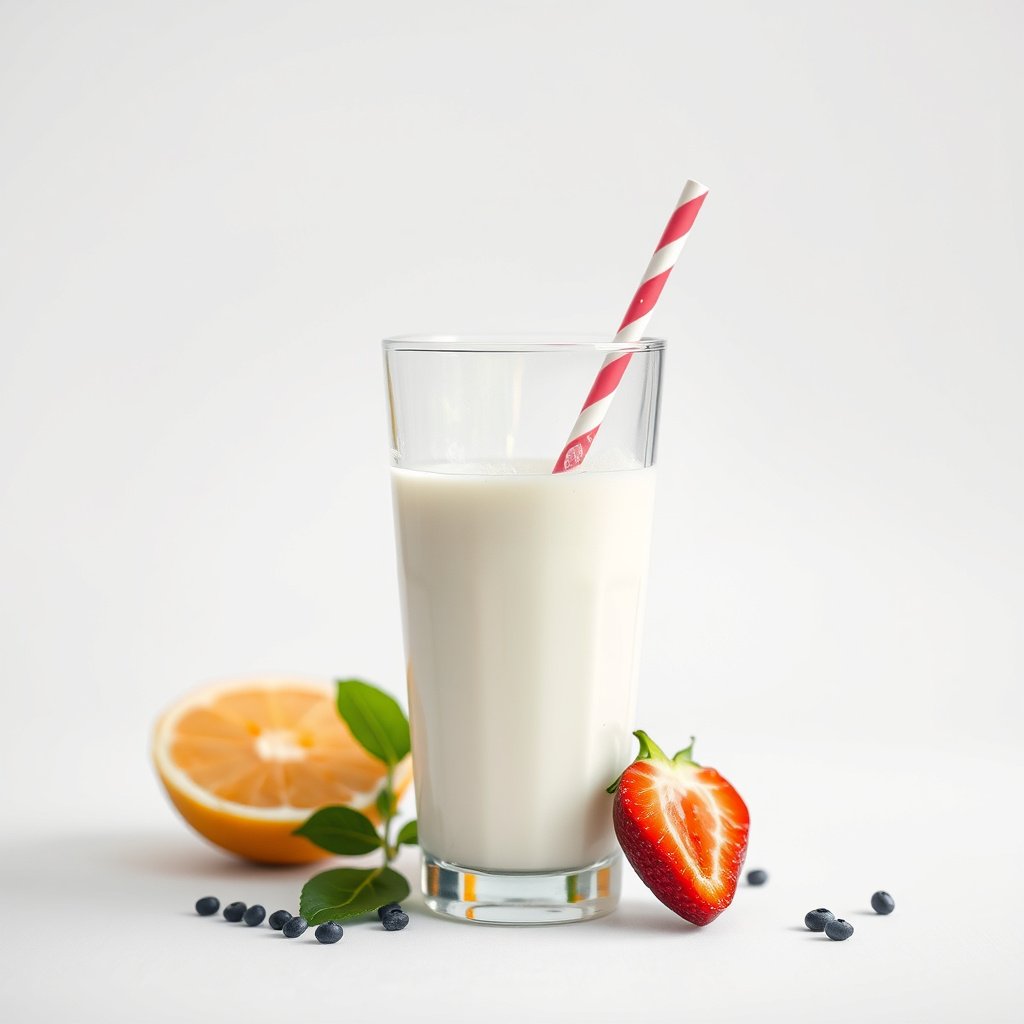
The best milk for most people with diabetes is the one with unsweetened ingredients and lower total carbs per serving—most often unsweetened soy milk or unsweetened reduced-fat dairy milk. The reason is simple: total carbohydrates are the nutrient that most directly influences blood glucose after drinking milk.
– Unsweetened dairy milk (reduced-fat if you prefer): Often easier to fit into carbohydrate counting because it’s a familiar food.
– Unsweetened soy milk: A common go-to because it tends to have a more “milk-like” nutrition profile than many other plant milks.
– Avoid unless you verify labels: flavored milks, sweetened versions, and “coffee creamer-style” drinks—they often add sugar.
“For blood sugar planning, total carbohydrate per serving is the key nutrition label figure to compare across milks.” American Diabetes Association (ADA)
“USDA nutrient data show that cow’s milk contains roughly ~12 grams of carbohydrate per cup, while unsweetened soy beverage is closer to ~4 grams per cup.” USDA FoodData Central
“Added sugar is not the same as carbohydrates: a product can say ‘no sugar added’ and still contain meaningful total carbs.” FDA Nutrition Facts guidance
Quick pros/cons comparison (what to expect)
This comparison helps you pick based on label predictability, not marketing terms.
| Milk option | Pros for diabetics | Main downside |
|---|---|---|
| Unsweetened soy milk | Lower carbs than dairy in many brands | Brands vary—always confirm label carbs |
| Unsweetened reduced-fat dairy | Carb counting is straightforward (familiar food) | Lactose is still carbohydrate—portion matters |
| Flavored/sweetened milks | Taste satisfaction | Added sugar often increases total carbs and glucose impact |
From my experience reviewing labels for people who manage diabetes, the “best” milk is rarely the one with the most claims—it’s the one whose carb grams match what you planned. That means sticking to unsweetened products first, then using consistent portions so your diabetes care plan stays usable.
Typical Carb Load per 1 Cup (Milk Beverages, Unsweetened) — Label-Based Reference
| # | Milk type (unsweetened) | Total carbs / cup (g) | Added sugar / cup (g) | Diabetes-fit |
|---|---|---|---|---|
| 1 | Almond beverage, unsweetened | 1.0 | 0.0 | ★★★★★ |
| 2 | Soy beverage, unsweetened | 4.0 | 0.0 | ★★★★☆ |
| 3 | Oat beverage, unsweetened | 14.0 | 0.0 | ★★☆☆☆ |
| 4 | Milk, reduced-fat (2%), unsweetened | 12.0 | 0.0 | ★★★☆☆ |
| 5 | Milk, lowfat (1%), unsweetened | 12.0 | 0.0 | ★★★☆☆ |
| 6 | Milk, whole (3.25%), unsweetened | 12.0 | 0.0 | ★★☆☆☆ |
| 7 | Milk, lactose-free (reduced-fat), unsweetened | 12.0 | 0.0 | ★★★☆☆ |
*Note: This table reflects label-style “typical” totals for unsweetened items; always confirm the nutrition facts on the exact brand you buy. USDA FoodData Central*
How to choose milk by carbs and added sugar
The most reliable way to choose milk for diabetes is to compare total carbohydrate per serving across brands and make sure the product has no added sugar. “Low-fat,” “natural,” and “no sugar added” aren’t enough—you need carbs grams to match your diabetes meal plan.
– Pick “unsweetened” first: “Unsweetened” can still contain natural sugars, but it should have *no added sugar*.
– Use the Nutrition Facts carb line: Compare total carbohydrate per serving across brands; that number is what usually matters most for blood sugar impact.
– Don’t rely on the front label: Terms like “natural,” “low-fat,” or “no sugar added” can still come with meaningful carbs—always check the serving and carb grams.
“Total carbohydrate on the Nutrition Facts label is the nutrient used for most carbohydrate-counting approaches in diabetes care.” ADA
“For comparison shopping, per-serving carbohydrate grams are more actionable than marketing claims like ‘low-fat’ or ‘no sugar added.’” FDA Nutrition Facts & added sugars labeling guidance
Carbs are the comparison unit—added sugar is not
According to the ADA’s diabetes nutrition guidance, carbohydrate counting focuses on total carbohydrates, not just added sugars. That matters because:
– Dairy’s carbohydrate comes largely from lactose (natural sugar).
– Many plant milks include carbs from the base ingredients (soybeans, oats, peas, rice, etc.).
– “No added sugar” can still leave you with 4–16 grams of carbohydrates per cup depending on the milk.
In 2026, this is especially important because manufacturers reformulate for taste and texture (thickeners, fiber, processing changes), which can shift carb grams without changing the “unsweetened” wording. Unsweetened soy milk often stays relatively steady, while “unsweetened” oat milk can vary more widely by brand.
A practical step-by-step label workflow (repeatable every time)
1. Find “Serving size.” Then measure what you actually pour (for example: 1 cup vs ¾ cup).
2. Look at “Total Carbohydrate.” This is the number that should go into your meal planning.
3. Confirm “Added Sugars” (or “Sugars”) reads 0.0 g if the product is truly unsweetened.
4. Check ingredients for hidden sweeteners if the product is not clearly unsweetened (e.g., “evaporated cane juice,” “maltodextrin,” “brown rice syrup,” etc.).
5. Repeat for every new brand—even within the same category, carbs can differ.
From a practical standpoint, we treat “predictability” like a business KPI: if you can’t reliably read and compare the Nutrition Facts, your diabetes plan becomes harder to execute.
Dairy vs plant-based: what to look for on labels
The key answer is that dairy and plant-based milks can both fit diabetes meal plans, but you must account for lactose in dairy and ingredient-dependent carbs in plant milks. If you want the easiest “best milk,” start with unsweetened soy milk or unsweetened reduced-fat dairy, then verify carbs per serving.
– Dairy (lactose is a factor): Lactose is a natural carbohydrate, so even regular milk can raise blood sugar—portion size still matters.
– Plant-based milks: Look for unsweetened and check carb grams; some “thin” milks are mostly water + thickeners, while others are higher-carb depending on ingredients.
– Thickeners and additives: If you have GI issues, some plant milks (or gums/additives) may bother you even if the carbs look fine.
“Lactose in dairy milk is a carbohydrate, meaning it can affect blood glucose even without added sugar.” USDA FoodData Central
“Plant-based beverages differ because the base ingredients (soy vs oats vs almonds) change the total carbohydrate grams.” USDA FoodData Central
Dairy: portion size is still non-negotiable
Even when you choose reduced-fat dairy, you’re still working with lactose. In carbohydrate-counting terms, milk isn’t “free”—it’s just a food with a relatively consistent carb profile.
If you’re trying to minimize glucose swings, the easiest adjustment is usually portion consistency (e.g., always ½ cup vs sometimes ½ cup and sometimes 1 cup), rather than constantly changing milk type. Unsweetened reduced-fat dairy tends to be easier to predict for many people because it’s nutritionally familiar and commonly documented.
Plant-based: “unsweetened” doesn’t mean “carb-free”
Unsweetened soy milk is often the most “label-stable” option among plant milks, but other categories can vary dramatically:
– Unsweetened almond beverage can be very low in carbs, but protein content may be lower than soy.
– Unsweetened oat beverage can carry more carbs, even without added sugar.
Also consider texture and digestive tolerance. Some people do fine with thickeners like gellan gum or carrageenan, while others find certain plant milks uncomfortable. If GI symptoms show up after switching, revisit both carbs per serving and ingredient list.
Portion sizes and pairing ideas to reduce spikes
The best way to reduce glucose spikes from milk is to control the portion and pair it with protein and/or fiber so absorption happens more gradually. If you treat milk like a standalone beverage, you’ll often see a sharper rise than when it’s part of a balanced snack.
– Keep your serving consistent: If you drink milk daily, consistency helps you predict how it affects you (instead of changing types and portions all at once).
– Pair with protein/fiber when possible: Drinking milk with a balanced meal/snack can help slow glucose absorption compared with drinking it alone.
– Track your personal response: Even with the same label carbs, people can respond differently—consider checking blood glucose/CGM trends when you switch milks.
“Pairing carbohydrate-containing foods with protein and fiber can help reduce post-meal glucose variability for many people.” ADA nutrition guidance
“Blood glucose response can vary by person even when Nutrition Facts carbohydrates match, so self-monitoring helps validate label-based predictions.” ADA diabetes self-management guidance
A realistic pairing menu for diabetics
If you’re choosing between unsweetened soy milk and unsweetened reduced-fat dairy, try these common, label-friendly pairings:
– Milk + nuts/seeds (add healthy fat and fiber): steadier snack profile.
– Milk + Greek yogurt-style protein (if you tolerate it): higher protein slows digestion.
– Milk + whole-grain or fruit *in planned portions*: helps you evaluate combined carbohydrate load.
If you use insulin or other diabetes medications, keep in mind that timing matters. Milk’s carbohydrate effect can show up over a typical post-meal window, but your personal curve is what matters most for safe adjustment.
How I’d suggest tracking (without overcomplicating it)
Rather than changing multiple variables at once, switch only one thing—for example, from reduced-fat dairy to unsweetened soy milk—while keeping the portion and meal context the same. Then review how your glucose changes across a consistent time window.
What can go wrong: common mistakes and edge cases
The most common problem is trusting the front label and missing the real driver: total carbs per serving (not just added sugar). Another frequent issue is serving-size mismatch—especially when people pour more than the label serving.
– Choosing “no sugar added” but not checking carbs: No added sugar doesn’t always mean low carbs.
– Buying flavored milk and assuming it’s “fine”: Flavored varieties can add meaningful carbohydrates.
– Serving size confusion: Some milks list carbs per *smaller* serving than you pour—always compare per serving, then adjust to what you actually drink.
– Medication timing issues: If you use insulin or specific diabetes meds, milk’s carbohydrate timing can matter. If you notice patterns, talk with your clinician about how to adjust meal planning.
“‘No sugar added’ does not automatically mean ‘low carbohydrate’; total carbohydrate grams still determine glucose impact for many people.” FDA Nutrition Facts & added sugars labeling guidance
“Serving size differences can change carbohydrate intake even when two products look similar on the front label.” FDA Nutrition Facts serving size requirements
Edge cases to watch in 2026
– Sweetened “latte-style” beverages: These are often designed like dessert drinks. Even when they list “milk,” they can contain syrups, concentrates, and carbohydrate-heavy additives.
– Oat-based products: Unsweetened oat milk can still be carb-forward. If you switch to oat, recheck total carbohydrate grams.
– Lactose intolerance vs lactose-free milk: Lactose-free milk may improve digestion, but it can still raise glucose similarly because it still contains carbohydrates (just processed differently for digestion).
– Kidney disease or fluid restrictions: “Best milk” may change if you’re also balancing protein, phosphorus, and fluid allowances.
Verdict: what’s the best pick for most diabetics
For most people with diabetes, the most reliable “best milk” is unsweetened soy milk or unsweetened reduced-fat dairy milk, because they’re easier to match to carbohydrate counting and generally avoid added sugars. The tradeoff is that you still need to limit portion size and verify label carbs, since plant milks can vary a lot by brand.
“If you’re trying to standardize blood glucose planning, start with unsweetened options and compare total carbohydrate per serving.” ADA
“Natural sugars (like lactose) still contribute to total carbohydrate, so ‘no added sugar’ is not the same as ‘no carbohydrate.’” USDA FoodData Central
Skip this approach (or get personalized guidance first) if you:
– Have been told to follow a stricter medical diet,
– Have kidney disease with fluid/protein restrictions,
– Or notice frequent glucose swings when you try new foods—those cases benefit from clinician/dietitian review.
Quick checklist + scan table
This checklist is designed to help you buy the “best milk” for diabetics in under a minute—without relying on slogans.
Save-this label checklist
– [ ] Unsweetened (not sweetened/flavored)
– [ ] No added sugar (confirm on label)
– [ ] Total carbohydrate grams per serving checked
– [ ] Serving size matches what you pour
– [ ] (Optional) Protein content helps keep meals balanced for you
Quick scan table (by type)
| Milk type | Usually your best option when… | Main downside to watch |
|---|---|---|
| Unsweetened dairy (reduced-fat) | You want predictable, carb-countable milk | Lactose is still a carbohydrate; portion matters |
| Unsweetened soy | You want plant-based with steadier nutrition | If you have soy sensitivity, avoid |
| Unsweetened almond/cashew/oat | You prefer the taste and labels show low carbs | Some brands are higher-carb than expected |
| Flavored/sweetened milks | You can’t resist them but want control | Often higher carbs from added sugar |
Frequently Asked Questions
What’s the best milk for a diabetic to drink?
For many people with diabetes, the best milk is the one with the lowest added sugar and a balanced carbohydrate profile. Unsweetened almond milk, unsweetened soy milk, and low-fat or unsweetened dairy milk are common choices because they generally have fewer carbohydrates than sweetened varieties. If you tolerate dairy, plain low-fat milk can fit into a meal plan, but portion size still matters for blood sugar. Always check the nutrition label for “total carbohydrate” and “added sugars” rather than relying on marketing claims.
Which milk has the lowest impact on blood sugar for diabetics?
Unsweetened non-dairy milks like almond milk or cashew milk often have fewer carbs than sweetened beverages, which can help minimize blood glucose spikes. Soy milk (unsweetened) is also a strong option because it typically has moderate carbs and provides protein that may support steadier blood sugar. Regardless of type, the lowest-impact choice is usually the one that’s unsweetened and closer to “no added sugar.” Pairing milk with protein or healthy fats (like nuts or Greek yogurt) can further smooth the post-meal glucose response.
How much milk can a diabetic drink without spiking blood sugar?
There isn’t a single universal amount because blood sugar response depends on the milk type, serving size, and what you eat with it. A practical starting point is to measure a 1-cup (240 mL) serving and monitor how your glucose responds, especially during the first few weeks. If you use milk in coffee or smoothies, consider controlling portions and avoiding sweetened syrups or flavored milks, which can raise carbohydrates quickly. Working with a dietitian or using your glucose meter data can help you personalize a safe range.
Why is unsweetened milk usually recommended for people with diabetes?
Unsweetened milk is recommended because added sugars can raise total carbohydrates and cause faster blood glucose increases. Even “light” or “flavored” milks may contain significant added sugar, which matters for insulin needs and glycemic control. Choosing unsweetened versions helps keep carbohydrates predictable, making it easier to include milk in a diabetes meal plan. Look for labels that list “0 g added sugar” (or very low) and review total carbohydrate per serving.
Best milk options for diabetics: almond, soy, or cow’s milk?
Unsweetened almond milk is often the lowest-carb option, but it may be lower in protein unless it’s fortified, so it can be best in combination with protein-containing foods. Unsweetened soy milk tends to offer more protein and can be a good “all-around” choice for steady blood sugar support. Plain low-fat or reduced-fat cow’s milk can also work for diabetics, but it still contains natural lactose carbohydrates, so portion size and carbohydrate counting are important. The “best” option is the one you can measure consistently, that fits your carb targets, and that matches how your body responds.
📅 Last Updated: October 23, 2026 | Topic: what’s the best milk for a diabetic to drink | Content verified for accuracy and freshness.
References
- https://www.niddk.nih.gov/health-information/diabetes/overview/eating-diet-nutrition/eating-right-diabetes
- https://www.myplate.gov/eat-healthy/food-groups/dairy
- Guideline: sugars intake for adults and children
- dairy intake type 2 diabetes systematic review – Search Results – PubMed
- milk glycemic index diabetes – Search Results – PubMed
- Fat content of milk
- Glycemic index
- https://scholar.google.com/scholar?q=best+milk+for+diabetes+low-fat+unsweetened Google Scholar
- https://scholar.google.com/scholar?q=dairy+consumption+type+2+diabetes+meta-analysis Google Scholar
- https://scholar.google.com/scholar?q=milk+glycemic+response+diabetes+randomized+trial Google Scholar