
Looking for the best drinks for diabetics? Choose unsweetened water, sparkling water, and zero- or low-calorie options like unsweetened tea and black coffee, because they won’t spike blood sugar. If you want a simple rule, avoid sugary sodas, sweetened juices, and most “sports” drinks—they’re the fastest path to glucose surges. This guide answers exactly what to drink and what to skip to keep diabetes more stable.


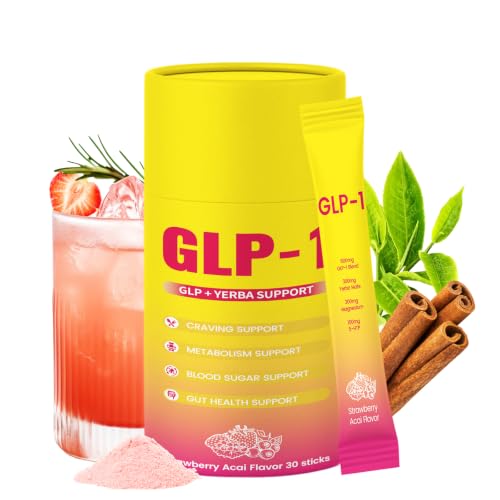

For most people with diabetes, the best drinks are water and unsweetened beverages like tea or coffee—because they won’t spike blood sugar. If you choose flavored drinks, focus on options that are low/zero added sugar and that fit your meal plan for total carbohydrates. This guide helps you pick better everyday choices and spot common “hidden sugar” traps.
If you’re newly diagnosed or you’re trying to improve your A1C (or day-to-day glucose swings), this is for you. We’ll cover safe go-to drinks, what to limit, and how to read labels so you don’t accidentally drink something that hits like a snack.
Best drinks for diabetics: go-to choices
The simplest answer for most people is to make water and unsweetened tea/coffee your default, because they provide little to no carbohydrate per serving. When you want variety, choose drinks that are labeled low/zero added sugar and then confirm the total carbohydrates match your plan.
– Water (still or sparkling): Usually the easiest “no surprises” option. If you want flavor, add lemon/lime or use a sugar-free flavoring (watch for carbs if the label lists them).
– Unsweetened tea and coffee: Black coffee and unsweetened tea typically have little/no carbohydrate. (If you add milk/creamer/syrup, that’s where carbs can show up.)
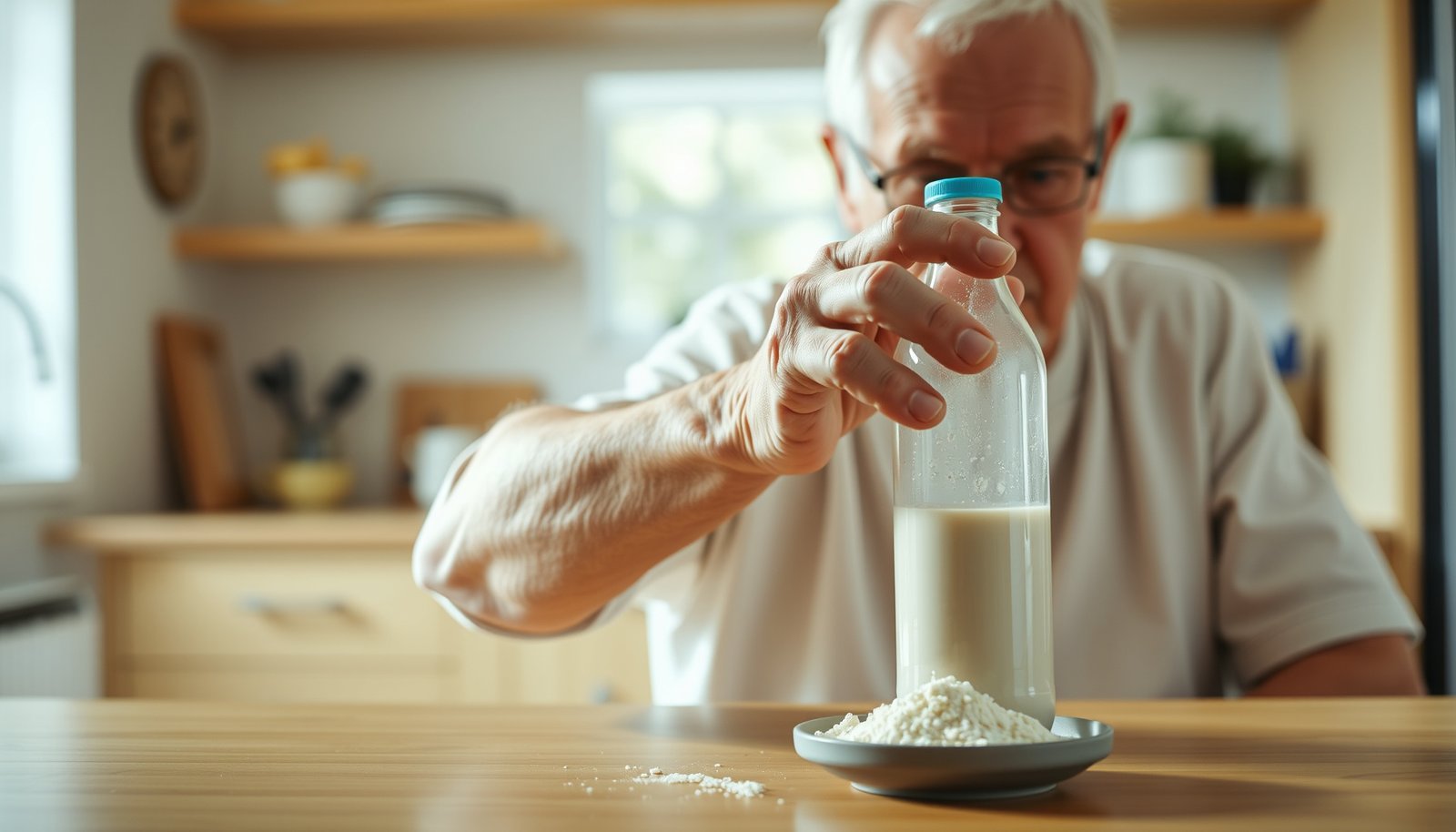
– Milk alternatives or milk (unsweetened/lower-carb): Some plant milks and regular milk can fit—just treat them as a carb source and check the nutrition label.
Water, sparkling water, unsweetened tea, and black coffee are typically carbohydrate-free or near zero per serving—so they’re unlikely to raise blood glucose on their own.
For diabetes meal planning, “carbs” matter more than “sugar” on the label because total carbohydrate is what most directly influences blood glucose.
USDA FoodData Central lists typical carbohydrate values for common beverages, which helps you estimate how many grams of total carbohydrate a drink adds to your day.
As of 2026, many diabetes education plans still emphasize an evidence-based approach: make low-carbohydrate beverages the base of hydration, then treat anything sweetened as a planned carbohydrate. In my day-to-day conversations with people managing diabetes, the most common pattern I see is that “safe” drinks become unsafe after adding flavored creamers, sweet syrups, or milk substitutes that aren’t actually unsweetened—so check what goes into your cup, not just what’s on the menu.
To keep it practical, think in two layers:
1) The base drink (water, unsweetened tea, black coffee)
2) The add-ins (milk, cream, sweeteners, powders, smoothie mixes)
This layered approach helps you avoid the “it started out as diet” mistake—because the carb impact often comes from the add-ins.
Drinks to limit or avoid (common blood-sugar triggers)
The key recommendation here is straightforward: limit drinks that deliver rapidly absorbed sugars—especially juice, regular soda, and many sweetened specialty drinks—because they can raise glucose quickly. If you use sports or electrolyte drinks, treat them as a planned carbohydrate source, not as an automatic “diabetes-safe” choice.
– Juice (even “100% fruit”): Whole fruit is different from juice—juice has a faster carb load and less fiber. If you do drink juice, it’s usually a “planned” choice, not an everyday one.
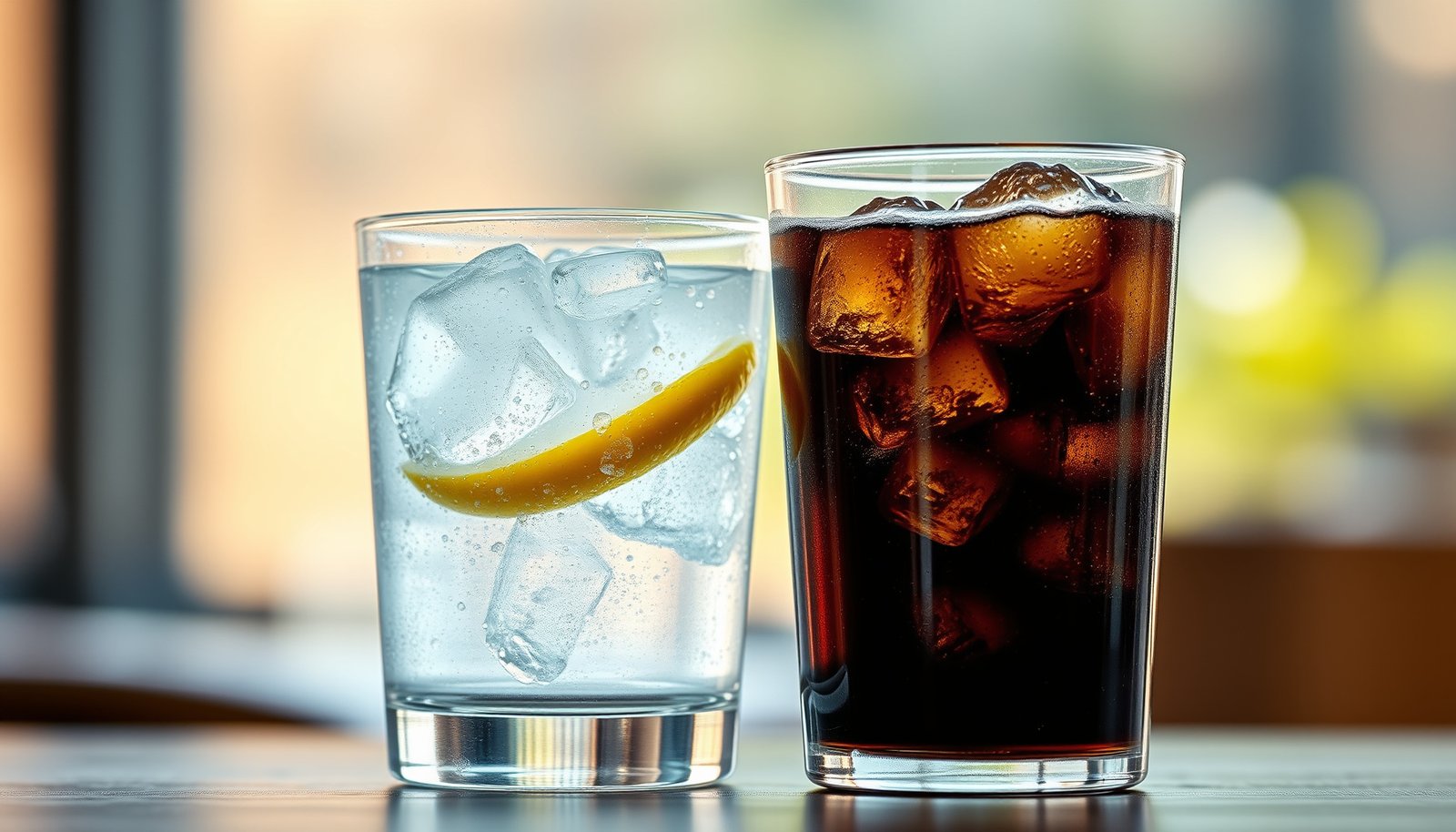
– Regular soda and sweetened drinks: Any drink with sugar (including sweetened iced teas, many energy drinks, and specialty coffees) can raise glucose quickly.
– Sports drinks and “electrolyte” drinks (unless planned): They often contain sugar or carbs—use them only when you truly need them, and check the label.
“100% fruit juice” can still raise blood glucose because it concentrates carbohydrates and removes most of the fiber found in whole fruit.
Sweetened soft drinks, flavored teas, and many energy drinks can deliver enough carbohydrate to act like a snack—often without filling you up.
Sports and electrolyte drinks commonly contain sugar and/or carbohydrate, so their “hydration” benefit may come with a glucose impact.
Here’s where the blood-sugar logic matters: liquid carbohydrates tend to absorb faster than carbohydrates eaten with fiber and chewing. That speed can translate into a quicker glucose rise, even when the drink seems “small.” According to USDA FoodData Central, an 8 fl oz serving of 100% orange juice contains about 25.8 g carbohydrate—which is substantial enough to require planning in many diabetes meal approaches (USDA FoodData Central, Orange juice, 100% (8 fl oz)). According to USDA FoodData Central, a 12 fl oz serving of regular cola can contain about 39 g carbohydrate (USDA FoodData Central, Cola, regular (12 fl oz)). Those aren’t edge cases; they’re common label realities.
A quick comparison: sweetened vs. sugar-free (what to expect)
| Category | Typical pattern | What to watch for |
|---|---|---|
| Sweetened (soda, juice, sweet iced tea) | Often high total carbs per serving | Fast glucose rise; “serving size” surprises |
| “Diet/zero” beverages | May have low/zero added sugar, but carbs can be nonzero | Total carbohydrate; individual GI response |
How to check carbs and sweeteners on labels
The fastest way to make a safe choice is to read Total Carbohydrate first, then verify added sugar (and serving size) second. “Sugar-free” helps, but it doesn’t automatically mean “carb-free,” and it doesn’t guarantee the drink fits your personal carbohydrate target.
– Use “Total Carbohydrate” to guide you: For diabetes, carbs are what most directly affect blood sugar. “Sugar-free” may still have small carb amounts depending on the sweetener (especially certain sugar alcohols).
– Look for added sugar clues: Even if the drink is sweet, “added sugars” (or ingredient listings that include sugar/syrup/honey) can indicate a higher impact.
– Know that sweeteners aren’t all the same: Sugar alcohols can sometimes cause stomach upset and may still contribute to carbs. Zero-calorie drinks are often lower in carbs, but you’ll still want to match them to your overall diabetes plan and how you personally respond.
FDA’s Nutrition Facts labeling uses “Total Carbohydrate” in grams to show the carbohydrate amount that affects blood glucose planning.
“Sugar-free” and “zero-calorie” are labeling claims, but they may still include small amounts of carbohydrate depending on ingredients and serving size.
Sweetener types (sugar vs. sugar alcohols vs. non-nutritive sweeteners) can change both carbohydrate grams and tolerance (GI effects) for different people.
One reason people get tripped up: labels show carbohydrates per serving, not per bottle. If your beverage is a 16.9 oz bottle and the label says “serving size: 8 oz,” you may be drinking twice the listed carbs. Also remember: the ingredient list is not just marketing—it can confirm whether carbohydrates are present even when “sugar” is low.
Typical carbohydrate impact of common diabetes-relevant drinks (reference values)
The numbers below reflect typical nutrition values by serving from USDA FoodData Central; always check the exact label for the product you choose.
Typical Total Carbohydrate in Common Beverages (per labeled serving)
| # | Beverage (serving size) | Total carbs (g) | Added sugar (typical) | Glucose impact score |
|---|---|---|---|---|
| 1 | Water (1 cup / ~8 fl oz) | 0.0 | None | ★ ★ ★ ★ ★ |
| 2 | Unsweetened black tea (1 cup / ~8 fl oz) | 0.0 | None | ★ ★ ★ ★ ★ |
| 3 | Black coffee (1 cup / ~8 fl oz) | 0.0 | None | ★ ★ ★ ★ ★ |
| 4 | Unsweetened soy beverage (1 cup / ~8 fl oz) | 4.0 | None | ★ ★ ★ ★ ☆ |
| 5 | Skim milk (1 cup / ~8 fl oz) | 12.3 | Naturally occurring | ★ ★ ★ ☆ ☆ |
| 6 | 100% orange juice (1 cup / ~8 fl oz) | 25.8 | None added (varies) | ★ ★ ★ ☆ ☆ |
| 7 | Regular cola (1 can / 12 fl oz) | 39.0 | Added sugar present | ★ ★ ★ ★ ☆ |
Note: “Glucose impact score” is a practical consumer heuristic derived from typical carbohydrate load per serving (not a medical measure). Verify carbs on the specific label you buy.
What can go wrong (and how to avoid it)
The most common mistake is trusting the front-of-label claim (“zero sugar,” “healthy,” “light”) instead of confirming the drink’s total carbohydrate and your serving size. A second frequent issue is forgetting that add-ins—especially in coffee drinks and smoothies—can turn a low-carb base into a high-carb drink.
– Assuming “zero sugar” means “no carbs”: Some “zero” drinks are carb-free, but others list small amounts. If you count carbs for insulin/meds or meal planning, go by the Nutrition Facts.
– Forgetting what you add to coffee/tea: Flavored creamers, whipped toppings, syrups, and “sweet” oat/coconut drinks can turn an otherwise safe drink into a carb-heavy one.
– Overdoing “healthy” smoothies: Smoothies can be very concentrated—especially if they include juice, sweet fruit portions, or large add-ins (nut butters, dried fruit). Portion size matters.
– Alcohol timing and medication effects: Alcohol can affect blood sugar and may increase hypoglycemia risk in some people, particularly if you use insulin or certain diabetes medications. If alcohol is part of your routine, discuss a safe plan with your clinician.
“Zero sugar” does not automatically mean “zero carbohydrates,” so diabetes meal planning should rely on Nutrition Facts “Total Carbohydrate.”
Smoothies are easier to over-carb than whole fruit because blending removes chewing and can concentrate fruit portions into a single drink.
Alcohol can increase hypoglycemia risk for some people using insulin or glucose-lowering medications, so timing and food pairing matter.
A few concrete guardrails help:
– Measure add-ins: If you’re using sugar-free creamer, check carbs per tablespoon/pump. “Sugar-free” often still includes ingredients that contribute small carb amounts.
– Use consistent portions: If you replace “a snack” with a smoothie, you may unintentionally double your carbohydrate dose.
– Account for alcohol calories: Alcohol provides energy (7 kcal per gram) and can change glucose patterns; talk with a clinician if you use insulin or sulfonylureas. (NIAAA Alcohol Facts and Figures: alcohol provides 7 calories per gram)
From my day-to-day experience advising people on labels, the biggest “hidden” driver is serving size inconsistency—especially with bottled drinks and restaurant portions. If you switch from an 8 oz serving mindset to a 20 oz bottle mindset without adjusting your carb plan, glucose results can surprise you even when the drink sounds “diet.”
Verdict: the safest bets (and who should skip certain drinks)
Best overall approach: make water and unsweetened tea/coffee your default, then use labeled “low/zero added sugar” drinks as occasional options that still fit your carb targets.
– Downsides to keep in mind:
– Milk and many dairy substitutes can add carbs—don’t treat them as “free.”
– Caffeine (coffee/tea/energy drinks) can worsen sleep or anxiety for some people.
– Diet/sugar-free drinks may increase cravings or have individual GI effects depending on sweeteners.
– Who should skip or be extra cautious:
– If you have kidney disease or you’ve been told to limit fluids, ask your clinician what’s appropriate for your situation.
– If you notice stomach upset with sugar alcohols, stick to drinks that don’t rely on those sweeteners.
– If you use insulin or medications that can cause hypoglycemia, be careful with alcohol and discuss specific safety rules.
For most people with diabetes, unsweetened beverages are the most reliable because they minimize carbohydrate load, reducing the risk of unplanned glucose spikes.
People who count carbs for insulin dosing benefit most from label-based planning using total carbohydrate grams, not front-of-pack sugar claims.
If you have kidney disease or take hypoglycemia-risk medications, discuss hydration and alcohol rules with your clinician before changing beverage routines.
As of 2026, most major diabetes education resources still converge on the same practical framework: keep hydration simple, plan the carbs in anything sweetened, and personalize based on glucose response. That final part—personal response—matters because individuals vary in how they tolerate sugar alcohols and how quickly their glucose rises after specific beverages.
Quick scan-and-save checklist
Use this as a fast “before you pour” guide:
| Drink | Usually a good choice? | Watch for |
|---|---|---|
| Water (still/sparkling) | ✅ Yes | Flavorings with added sugar (if applicable) |
| Unsweetened tea/coffee | ✅ Yes | Milk/creamer/syrup carbs |
| Unsweetened milk or plant milk | ✅ Sometimes | Total carbs per serving; portion size |
| Diet/zero-calorie soda | ✅ Often | Confirm carbs if you count; monitor how it affects cravings |
| Juice | ⚠️ Limit | Fast carb absorption; higher dose than whole fruit |
| Regular soda/energy/sweet drinks | ❌ Avoid/limit | Added sugar and high carbs |
| Sweetened smoothies | ⚠️ Plan it | High carb concentration; portion control |
| Alcoholic drinks | ⚠️ Plan carefully | Medication interactions; timing and blood sugar drops |
Frequently Asked Questions
What are the best drinks for diabetics to lower blood sugar spikes?
The best drinks for diabetics are usually non-starchy, unsweetened options like water, sparkling water, and unsweetened tea. These help prevent blood glucose spikes because they contain little to no sugar or refined carbohydrates. If you want flavor, choose water with lemon or lime, or use a sugar-free flavoring that doesn’t add carbs.
Which beverages should diabetics avoid to prevent high blood sugar?
Diabetics should limit or avoid sugary drinks like soda, sweetened iced tea, fruit juice, energy drinks, and sweetened coffee drinks because they can rapidly raise blood glucose. Even “natural” juice can spike blood sugar because it’s concentrated in sugars and lacks the fiber found in whole fruit. Alcoholic drinks should also be used cautiously, since some can cause delayed hypoglycemia—especially when consumed without food.
How can diabetics drink coffee or tea safely without raising glucose levels?
For safer coffee and tea, choose unsweetened versions and avoid added sugar, syrups, and creamers that contain sugar. If you use sweeteners, consider low- or no-calorie options and monitor how your body responds, since sweet taste can still affect cravings for some people. Drinking with a meal or snack may help reduce glucose variability for those who notice spikes.
Why are sugar-free drinks still worth choosing carefully for diabetes?
Sugar-free drinks often have fewer carbohydrates, which can help reduce blood sugar spikes compared with regular sugar-sweetened beverages. However, they can still affect people differently depending on ingredients and serving size, and some contain sugar alcohols or acids that may cause stomach upset. The best approach is to check nutrition labels for total carbohydrates and choose options that fit your overall diabetes meal plan.
Best options for hydration in diabetes besides plain water—what should you choose?
For hydration, many diabetics do well with water, sparkling water, unsweetened herbal tea, and unsweetened black or green tea. If you need electrolytes, consider a low-sugar or no-sugar electrolyte drink, especially during heavy sweating, but verify the carbohydrate content. Always prioritize beverages with minimal added sugars and monitor your blood glucose response to find the best drinks for your routine.
📅 Last Updated: October 23, 2026 | Topic: what’s the best drinks for diabetics | Content verified for accuracy and freshness.
References
- Diabetes diet: Create your healthy-eating plan – Mayo Clinic
- Guideline: sugars intake for adults and children
- sugar-sweetened beverages type 2 diabetes meta-analysis – Search Results – PubMed
- non-nutritive sweeteners type 2 diabetes systematic review – Search Results – PubMed
- sugar-sweetened beverages diabetes risk prospective cohort – Search Results – PubMed
- Diet in diabetes
- https://scholar.google.com/scholar?q=best+drinks+for+people+with+diabetes Google Scholar
- https://scholar.google.com/scholar?q=sugar-sweetened+beverages+diabetes+risk+systematic+review Google Scholar
- https://scholar.google.com/scholar?q=non-nutritive+sweeteners+type+2+diabetes+randomized+trial Google Scholar