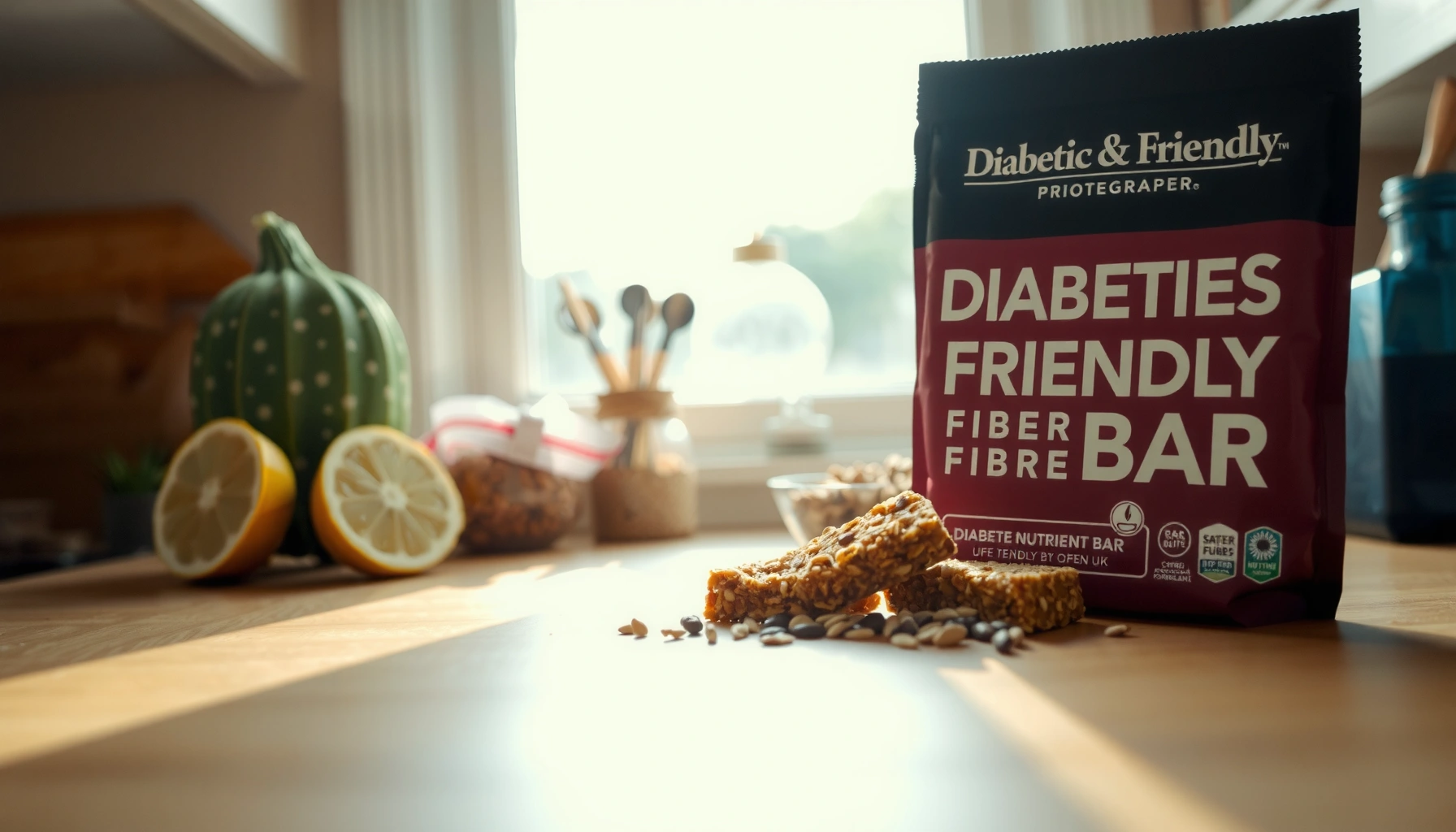

Shopping for desserts that fit diabetes-friendly eating is often harder than it sounds, because many packaged treats still spike blood sugar fast. This picks-based review helps you choose options you can buy with confidence by prioritizing lower added sugar, fiber-forward ingredients, and diabetes-friendly serving sizes that make room for real-world cravings. By the end, you will know which standouts separate “sweet but risky” from “sweet and smarter” for everyday enjoyment.
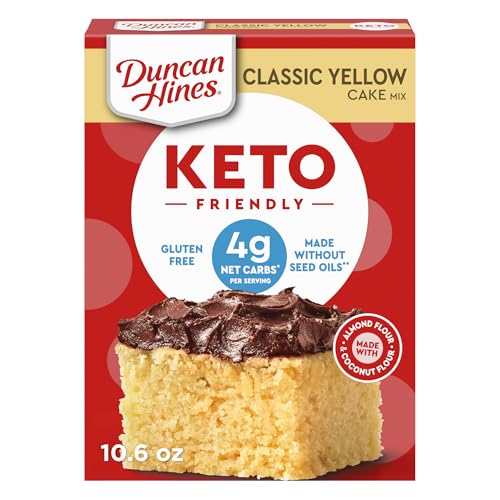

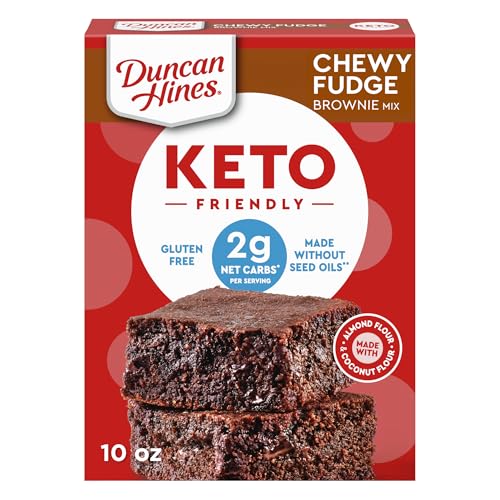

The best desserts for diabetics you can buy are the ones with low total carbs per serving and minimal added sugar. Start by choosing options sweetened with non-sugar sweeteners (or certain sugar alcohols) and check the nutrition label for what actually affects blood sugar. This guide helps you compare packaged and frozen treats without guessing—so you can satisfy your sweet tooth while staying aligned with your diabetes targets.
If you’re managing diabetes (type 1 or type 2), “diabetic-friendly” can mean different carb targets depending on your meds and your glucose response. What matters is having a practical, repeatable way to shop: focus on label math (total carbs, fiber, serving size, and added sugars) rather than marketing cues. As of 2026, more products are labeled “sugar-free,” but blood-sugar impact still varies widely—so the label-reading process is your real advantage.
How to read labels for diabetic-friendly desserts

You can quickly identify better diabetic dessert options by reading the nutrition label like a blood-sugar map, not like a branding brochure. The key is to track the nutrients that actually drive glucose (carbohydrate grams), then use fiber and serving size to predict the speed of the rise.
– Focus on total carbohydrates per serving (not just “sugar-free” on the front). Total carbs include sugars, starches, and many carb-based sweeteners; this is what most people should use when comparing packaged desserts.
– Check for fiber (higher fiber can help slow glucose impact) and scan added sugars vs. naturally occurring sugars. Naturally occurring sugars (like those in dairy or fruit) can behave differently than added sugars, but both still fall under total carbohydrates.
– Don’t ignore serving size—many “small” desserts list carbs for a portion you may not eat. If you regularly eat two servings, the label’s per-serving carbs won’t reflect your real intake.
Label Benchmarks That Matter for Diabetic Dessert Choices
| # | Label benchmark | What it means | Numeric value | Decision impact |
|---|---|---|---|---|
| 1 | Carbohydrate “choice” size | Common diabetes carb-counting unit | 15 g carbohydrate | ★★★★★ |
| 2 | Calories from carbohydrate | Energy per gram of carbs | 4 kcal per gram | ★★★★☆ |
| 3 | Daily Fiber Value (DV) | Reference intake used on labels | 28 g/day | ★★★★☆ |
| 4 | Fiber density guidance | How to target fiber using calories | 14 g per 1,000 kcal | ★★★★☆ |
| 5 | Energy from sugar alcohols | Calories per gram for many sugar alcohols | ~2 kcal per gram | ★★★☆☆ |
| 6 | Added sugar Daily Value (DV) | Reference intake used on labels | 50 g/day | ★★★★☆ |
| 7 | %DV calculation basis | Label math standard | 2,000 kcal/day | ★★★☆☆ |
These benchmarks don’t replace your diabetes care plan, but they help you interpret dessert labels consistently. According to the American Diabetes Association, carbohydrate “choices” commonly use 15 g carbohydrate as a unit ([https://diabetesjournals.org/](American Diabetes Association)). According to the U.S. FDA, the Daily Value for dietary fiber is 28 g/day and the Daily Value for added sugars is 50 g/day ([https://www.fda.gov/](U.S. Food and Drug Administration)). According to the U.S. Department of Agriculture, carbohydrate provides 4 kcal per gram ([https://fdc.nal.usda.gov/](USDA FoodData Central)).
Best desserts you can buy: top low-carb-friendly categories
The easiest way to buy diabetic-leaning desserts is to start with categories that naturally lend themselves to lower total carbs per portion. Here are practical groups that are commonly easier to portion and compare, especially when you shop by total carbohydrates and fiber.
– Greek yogurt or yogurt cups (no-sugar-added or lower-carb): often easiest to portion and pair with berries or nuts. Look for plain/vanilla yogurt with low total carbs per cup, and avoid “fruit on the bottom” cups if the carb count jumps.
– Sugar-free pudding/gelatin-style cups: typically straightforward ingredient lists, but still verify carbs on the label. Many are low in added sugar, yet you should still confirm total carbohydrates and fiber (if present).
– Dark chocolate in measured portions (when carbs fit your target): useful for cravings when you stick to the listed serving. Dark chocolate can have less sugar than milk chocolate, but it still contains carbs—so weigh or portion it rather than eating “a few squares.”
– Low-carb frozen treats (like bars or ice-cream-style products): choose options where the carbs per bar align with your plan. The “protein” or “keto” marketing angle doesn’t guarantee lower total carbs; the label does.
– Protein-based “dessert” snacks: can satisfy texture cravings, but compare carbs—not just “high protein.” Some protein desserts add fiber or fat to slow digestion, but others add starches that raise total carbs quickly.
To make category choices simpler, use this quick comparison approach:
| Category | Pros | Cons / watch-outs |
|---|---|---|
| Greek yogurt cups | Protein + portion control; often has some natural sugars but fewer total carbs than many desserts. | Flavored varieties can add carbs fast; watch for fruit syrup layers. |
| Sugar-free pudding/gel cups | Commonly low in added sugar; easy to measure. | Total carbs may still include non-sugar sweeteners and starch-based thickeners. |
| Dark chocolate (portion-controlled) | Satisfies cravings; useful as a “planned treat.” | Serving size is the whole game—carbs can add up quickly if you overshoot. |
| Low-carb frozen bars/treats | Convenient; label often lists carbs clearly per bar. | Some formulas use sugar alcohols that can cause GI symptoms; others use starches that still raise carbs. |
| Protein “dessert” snacks | Texture can feel dessert-like; may reduce cravings. | “High protein” does not automatically mean “low carb.” Always check total carbs. |
From my day-to-day experience planning dessert options for diabetes-friendly meals, the biggest win is sticking to categories with predictable portions (cups, bars, pre-measured servings). That makes it far easier to match carbs to your routine, rather than letting “I’ll just have a little” turn into an unplanned carb surge.
Sweeteners and ingredients to prefer (and avoid)
The best sweeteners for diabetic desserts are the ones that help keep total carbs low while you personally tolerate them well. As of 2026, stevia- and erythritol-based products are widely available, but your gut comfort still matters as much as the carb math.
– Prefer desserts sweetened with stevia or erythritol (often better tolerated), and look for formulas that don’t rely heavily on regular syrups. These sweeteners can reduce added sugar while keeping total carbs manageable in many products.
– Watch out for sugar alcohols you personally don’t tolerate—some can cause gas, bloating, or diarrhea, which may be a dealbreaker. This is especially common with larger servings or multiple desserts in a day.
– Avoid “diabetic” traps like high-carb bases (certain flours, crusts, or cookie-like layers) if they push total carbs up fast. A dessert may be sweetened without sugar, yet still contain significant carbohydrate from the base.
– Be cautious with products that list “no added sugar” but still contain significant carbs from other sources. “No added sugar” can be true while total carbohydrates remain high.
A practical way to shop is to scan ingredients for the “carb contributors”:
– Starches/thickeners (sometimes hidden in “sugar-free” desserts) can raise total carbs.
– Syrups (even if labeled “low sugar”) can still drive glucose quickly.
– Sugar alcohol blends can look great on paper but hit hard on digestion for sensitive people.
Also remember that “total carbs” is the safest comparison metric for packaged desserts. Many “net carbs” claims are not standardized in a way that reliably predicts individual blood-sugar response, so treat net-carb numbers as optional—not primary—when deciding what to eat.
Portion and pairing tips that help desserts fit your routine
The best way to make low-carb desserts work consistently is to pair smart and control portion size from day one. Even “low-carb” desserts can affect glucose if you eat more than the label’s serving or combine dessert with other carb-heavy foods.
– Start with a smaller portion than the label suggests, then track your glucose response so you can calibrate what works for you. For some people, the same dessert creates a mild rise; for others it’s a bigger event—especially with insulin resistance.
– Pair dessert with protein and/or healthy fat (for example, nuts or Greek yogurt) to reduce how quickly you may spike after eating. This pairing supports steadier digestion and may blunt the speed of glucose absorption.
– Plan dessert timing around your routine—if you use medication that targets carbs (like mealtime insulin), coordinate portions with your usual approach (ask your clinician if you’re unsure). Timing matters because peak glucose can align with peak medication effect.
From my experience using label-based portioning as part of my planning (not as a strict dietary rule), the first 1–3 servings of any new dessert category are the “learning curve.” People often assume “sugar-free” equals no impact; when they observe a rise, they’re more likely to adjust portion rather than give up.
If you want a simple starter process for dessert nights:
1) Pick a category you already tolerate (yogurt cups, pudding cups, measured chocolate).
2) Choose the lowest total carbs per serving option you can find.
3) Eat a half-serving first, paired with protein/fat.
4) Note your glucose response and refine next time.
What can go wrong with “sugar-free” desserts
The biggest problem with sugar-free desserts is that the label can be technically correct while still raising total carbs or affecting you differently than expected. Sugar-free doesn’t automatically mean low impact, and it definitely doesn’t guarantee no side effects.
– “Sugar-free” doesn’t always mean “low-carb.” Some products replace sugar with ingredients that still raise total carbohydrates.
– Net carbs claims can be misleading for real-life blood sugar—when in doubt, go by total carbs and your individual response. Label math doesn’t replace physiology.
– Dessert add-ons (syrups, whipped toppings, crushed cookies) can silently double the carb load. Two “small” toppings can make a snack behave like a full dessert.
– Sugar alcohol sensitivity is common—if you’ve had GI issues with these sweeteners before, you may want to skip them entirely. Gut symptoms can also disrupt your appetite and routine.
– If you have gastrointestinal conditions (like IBS) or other dietary constraints, read ingredient lists more carefully than usual. Some sweeteners act like fermentable carbs in the gut.
One more edge case: desserts marketed for “keto” or “diabetic” sometimes rely on high fat to reduce net carbs. High-fat meals can slow digestion, which can feel helpful, but it can also make glucose patterns less predictable—especially if you’re using insulin.
When you’re trying a new dessert, the safest tactic is to change only one variable at a time: keep the dessert category, stick to the serving size on the label (or smaller), and avoid stacking multiple unfamiliar ingredients.
Verdict: what to pick today—and who should skip this
Best bet: choose a dessert category that clearly fits your total carb target, then confirm it matches your tolerance for the sweeteners used. The downside is that many lower-carb desserts can taste different (aftertastes) or cause GI upset depending on the sweeteners—so “works for someone else” isn’t a guarantee.
Skip or be extra cautious if:
– You know sugar alcohols trigger stomach issues for you.
– Your diabetes plan is very sensitive to carb changes and you haven’t been able to track glucose responses before trying new desserts.
– You’re relying on “sugar-free” marketing without checking total carbs and serving size.
Here’s the honest trade-off in plain terms: low total carbs usually improves predictability, but the dessert experience (texture, sweetness, and digestive comfort) can vary by formula. If you’re new to carb counting, your first wins will likely come from simpler categories (yogurt cups, plain pudding-style cups) rather than complex frozen bars with layered crusts.
Quick scan checklist (save this for shopping):
| Check on the label | What you’re aiming for |
|---|---|
| Total carbs per serving | Fits your personal carb target |
| Fiber | Helps support a slower impact |
| Added sugar | Low (or none) |
| Sweetener type | Prefer stevia/erythritol if tolerated |
| Serving size | You can realistically stick to it |
| “Sugar-free” vs “low-carb” | Sugar-free alone isn’t enough |
Frequently Asked Questions
What are the best desserts for diabetics you can buy in stores?
Look for diabetic-friendly desserts that use sugar alternatives like erythritol or allulose, have no added sugar, and include higher-fiber ingredients. Great options you can buy include sugar-free pudding cups, Greek yogurt desserts with no added sugar, and low-carb chocolate bars labeled “net carbs” on the package. Always check the nutrition label for total carbohydrates and added sugar to confirm the portion fits your diabetes meal plan.
Which store-bought sweets are lowest in carbs for diabetics?
For low-carb desserts, choose items that specify low “net carbs” (carb minus fiber) and contain minimal added sugar. Common picks include sugar-free ice cream or frozen novelties made with low-glycemic sweeteners, chia or coconut pudding cups, and single-serve dessert packs designed for keto or diabetic diets. Confirm that the serving size matches what you’ll eat, since carbs can spike fast with larger portions.
How can I choose diabetic desserts that won’t spike my blood sugar?
Aim for desserts with fewer total carbohydrates per serving, higher fiber, and minimal added sugars. Pairing matters too—having dessert after a balanced meal (with protein and healthy fats) can reduce the blood-sugar impact compared to eating it alone. If you’re monitoring closely, test a small portion first and track how your glucose responds to different “sugar-free” treats.
Why do “sugar-free” desserts still affect blood sugar for diabetics?
Many sugar-free desserts use sugar alcohols or starch-based thickeners that can still raise blood glucose in some people, especially in larger servings. Even with no added sugar, total carbohydrates and ingredients like maltitol, tapioca, or certain fibers can contribute to glycemic response. Reviewing the carb count and watching portion size is crucial when choosing the best desserts for diabetics you can buy.
Best diabetic-friendly dessert options for cravings—what should I buy?
If you want something chocolatey, buy single-serve sugar-free chocolate mousse or low-carb bars with clear carb counts per piece. For fruity cravings, choose reduced-sugar or no-sugar-added yogurt cups and desserts made with berries plus minimal sweeteners. For “cake” cravings, consider portion-controlled options like diabetic-friendly cheesecake bites or low-carb snack cakes made with almond flour—then use label reading to keep carbs within your targets.
📅 Last Updated: November 09, 2026 | Topic: best desserts for diabetics you can buy | Content verified for accuracy and freshness.
References
- https://www.niddk.nih.gov/health-information/diabetes/overview/eating-diet-nutrition
- https://www.cdc.gov/diabetes/managing/healthy-eating.html
- Diabetes diet: Create your healthy-eating plan – Mayo Clinic
- https://www.fda.gov/food/food-additives-petitions/high-intensity-sweeteners-food
- Glycemic index
- https://pubmed.ncbi.nlm.nih.gov/?term=low+glycemic+index+diet+type+2+diabetes+randomized+trial
- https://scholar.google.com/scholar?q=diabetes+dessert+low+glycemic+index Google Scholar
- https://scholar.google.com/scholar?q=non-nutritive+sweeteners+type+2+diabetes+systematic+review Google Scholar
- https://scholar.google.com/scholar?q=carbohydrate+counting+desserts+diabetes Google Scholar