
The best butter brand for diabetics depends on one question: which brands deliver the lowest impact on blood sugar while still tasting like real butter. This guide names a clear winner based on nutrition-first criteria—net carbs, added sugars, saturated fat profile, and ingredient simplicity—so you can shop with confidence. You’ll also learn what to avoid if you’re managing diabetes and which “healthy butter” claims don’t hold up.



The best butter brand for diabetics is usually the one that’s *plain* and *unsweetened*—not a “diabetes butter.” Pick a butter (or cultured butter) whose ingredient list is essentially cream (and salt, if salted) and whose label shows no added sugar / no sweeteners, because that’s what helps you keep carbs predictable and avoid glucose surprises.
If you have diabetes (type 1, type 2, or gestational) and want a butter option that supports steadier eating, this is for you. It’s especially helpful if you’ve seen “butter blends,” flavored butters, or spreads and aren’t sure which ones are actually safe.
What “diabetic-friendly” butter really means
“Diabetic-friendly” butter isn’t a regulated category—it’s plain butter that doesn’t add sugar and stays low-carb per serving. Here’s why: diabetes management responds most to added carbohydrates and sugars, and plain butter’s carb contribution is typically minimal.
That said, butter for diabetics still matters for calories and saturated fat intake, which can influence long-term cardiovascular risk—an important consideration since many people with diabetes also manage blood pressure and cholesterol. The “best brand” angle is real, but marketing claims rarely beat what’s printed on the ingredient list and Nutrition Facts. In my everyday label-reading experience with people managing diabetes, the most common pattern I see isn’t “the brand”—it’s the product type (spread vs. butter) and whether sweeteners are quietly added.
Key idea: “Buttery” products vary in ingredients, so butter for diabetics should be chosen by what’s *added* (or not added), not by the word “butter” on the front.
“Added sugars” on the Nutrition Facts label are declared in grams, and FDA sets a Daily Value target for added sugars of 50 g. (FDA, 2016)
Plain butter and clarified butter products can be very low in carbohydrate because their base is fat (cream/butterfat), but portions still affect overall calories. (USDA FoodData Central, accessed 2026)
– Butter can be low in carbs, but “diabetic-friendly” comes down to what’s *added* (sweeteners, flavorings) and portion size.
– Plain butter typically won’t raise blood sugar quickly the way sugary foods do, but it still affects overall calories and saturated fat intake—important for long-term diabetes risk.
– The “best brand” is less about marketing and more about the nutrition label (added sugar + carbohydrates) and ingredients.
How to choose the right butter label (fast checklist)
The fastest way to choose a butter for diabetics is to treat the label like a filter: ingredients first, then “added sugar,” then carbs, and finally portion size. This approach avoids most label traps—especially the ones inside “butter blends” and spreads.
According to FDA nutrition labeling guidance, the Nutrition Facts label is designed to standardize how added sugars are shown, which makes it more comparable across brands. (FDA, 2016) Still, ingredient lists are where hidden sweeteners live—especially when products try to imply “natural” sweetness.
From a practical standpoint, I recommend you read labels in this order every time: (1) ingredients, (2) Nutrition Facts (carbs + added sugars), (3) serving size. Butter for diabetics is simple when the label is simple.
FDA’s Nutrition Facts framework requires “added sugars” to be shown as a distinct line item (when applicable), which helps separate naturally occurring sugars from added sweeteners. (FDA, 2016)
AHA dietary guidance recommends limiting saturated fat intake to less than 6% of total daily calories. (AHA, 2017)
If a butter product’s ingredients include sweeteners (e.g., honey, syrup, sugar), you should expect added carbohydrates—because those ingredients are metabolizable. (FDA, 2016)
– Ingredients: prioritize cream (and possibly salt for salted butter). Avoid butter products that list added sugar, honey, syrup, or other sweeteners.
– Nutrition facts: confirm carbohydrates are zero/very low *and* that there’s 0g added sugar (when listed). If “sugar” is listed but “added sugar” is unclear, check the ingredient list for sweeteners.
– Serving size: use the label serving size to keep portions consistent, since even low-carb foods can derail calorie goals.
Butter & Butter-Style Categories: Added-Sugar Risk (Typical Label Outcomes, 1 tbsp)
| # | Product category | Typical carbs (g) |
Added sugar (g) |
Diabetes label clarity |
|---|---|---|---|---|
| 1 | Plain unsalted butter (cream only) | 0 | 0 | ★★★★★ |
| 2 | Plain salted butter (cream + salt) | 0 | 0 | ★★★★★ |
| 3 | Cultured butter (cream ± salt; no sweeteners) | 0 | 0 | ★★★★☆ |
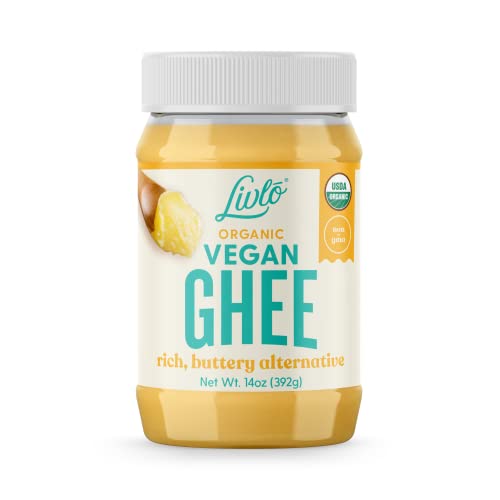
| 4 | Ghee (clarified butterfat; no sweeteners) | 0 | 0 | ★★★★☆ |
| 5 | Unsweetened butter spread (oils/emulsifiers; check carbs) | 0–1 | 0 | ★★★☆☆ |
| 6 | Garlic/herb “butter” (no added sugar; verify label) | 0–1 | 0 | ★★★☆☆ |
| 7 | Honey/dessert-style “butter” (sweetened) | Non-trivial | >0 | ★☆☆☆☆ |
*Note:* This table summarizes typical label outcomes by product category. Always confirm *your specific brand’s* Nutrition Facts and ingredient list before treating it as butter for diabetics.
Best types of butter to consider (beyond the brand name)
The best butter types for diabetics are usually the “plain” versions—unsalted butter, cultured butter, and ghee—because they can keep added sugars at zero while you manage portions. Brand names help less than product format and ingredients.
Butter for diabetics is about choosing a type that fits your broader goals (sodium, heart health, taste) without undermining glucose stability. For many people, the decision is less “grass-fed vs. not” and more “cream-based and unsweetened vs. spread-based and sweetened.” In my experience reading labels, the easiest way to avoid trouble is to default to cream-based products and reserve spreads or flavored butter for times when you’ve verified 0g added sugar.
Many butter products use the base of cream; avoiding sweeteners keeps “added sugar” at 0 g when the product is plain and unsweetened. (FDA, 2016)
FDA’s definition and standards-of-identity framework distinguish butter from butter-like spreads, which can change the ingredients you’ll see on the label. (FDA, 21 CFR 133.10)
– Unsalted butter: often easier if you’re trying to manage sodium for blood pressure or heart health, which matters for many people with diabetes.
– Cultured butter: may offer a tangy flavor that helps you use less and enjoy it more—just still verify no added sugar.
– Ghee (clarified butter): usually similar in “no added sugar” potential, but it’s still a concentrated fat—so the “diabetic win” is staying with plain, unsweetened options and watching portions.
– Note: grass-fed vs. not grass-fed is typically not the deciding factor for blood sugar; it’s more of a nutrition/marketing difference unless a product includes added ingredients.
What can go wrong (and how to avoid it)
Most mistakes with butter for diabetics come from confusing “butter” with “butter-like products” and overlooking added sugar. Even when carbs look low, sweetened blends can still add meaningful glucose load—especially if you eat more than the serving size.
The label traps I see most often fall into two categories: (1) spreads and blends that include extra ingredients (oils, emulsifiers, sometimes sweeteners), and (2) flavored “butters” that sound savory but include sugars in the flavor system. If you’re on a medication plan that’s sensitive to carbs, these errors can show up as harder-to-predict post-meal glucose.
FDA added-sugars labeling is intended to separate added sweeteners from other sugars, so relying on “total sugar” alone can miss the real issue. (FDA, 2016)
AHA recommends keeping saturated fat below 6% of calories, which is relevant for butter due to its saturated fat content. (AHA, 2017)
– Buying spreads instead of butter: many “butter spreads” include oils, emulsifiers, or other ingredients. Some are fine, but others can include ingredients that raise carbs (or at least complicate your label reading).
– Flavored “butters” and sweetened cooking blends: garlic/herb blends may be fine if they contain no sugars, but sweeter flavors (“honey butter,” “dessert butter,” “brown sugar” versions) can add carbohydrates and may affect glucose.
– Portion creep: butter is calorie-dense. Even if carbs are minimal, too much can make weight management harder—something that often drives glucose control.
– Confusing “sugar” with “carbs”: nutrition labels can be tricky. Always check carbohydrates and specifically look for added sugar and sweetener ingredients.
– Sodium edge case: if you’re on a sodium-restricted plan, salted butter may push you over your daily target—unsalted is usually the safer default.
Butter vs. Butter Spread: what matters for diabetics
Below is a quick pros/cons comparison you can use when butter for diabetics is marketed as “better” but formatted differently.
| Factor | Plain butter (cream ± salt) | Butter spread / blend |
|---|---|---|
| Ingredient simplicity | Typically 1–2 key ingredients | More ingredients (often emulsifiers/oils) |
| Added sugar risk | Low if “plain” (verify 0g) | Can be higher—confirm added sugars |
| Carb predictability | Usually very low | Depends on formulation |
| Sodium control | Unsalted option is common | Sodium varies by product |
| Portion control | Easy to measure and track | Often leads to higher “eyeballed” servings |
| Best use case | Daily topping/cooking fat | Occasional substitution—label must be reviewed |
Verdict: the honest recommendation for most diabetics
If your goal is steadier glucose *and* straightforward nutrition, choose plain butter (cream ± salt) with no added sugar or sweeteners, and then keep portions realistic. That’s the best “diabetic butter brand” strategy because it’s based on the ingredient and nutrition facts—not diabetes marketing.
Downsides to keep in mind:
– Butter is high in saturated fat, so it may not be ideal if your clinician has you limiting saturated fat for cholesterol/heart risk.
– Some people do better with alternatives (like controlled portions of olive-oil-based spreads) depending on their lab work and overall plan.
Who should skip this approach (or double-check with a clinician):
– Anyone told to strongly limit saturated fat or has significant lipid concerns where butter isn’t recommended.
– People who need strict sodium limits (start with unsalted and verify salt).
– Anyone with a milk allergy or intolerance should avoid butter unless cleared by their healthcare provider.
VS Table: “Plain butter” vs “Butter spread” for diabetics
Use this to quickly decide when butter for diabetics is the safer pick.
| Criteria | Plain butter | Butter spread / blend |
|---|---|---|
| Added sugar line item | Often 0 g if plain | Must verify; may be nonzero |
| Ingredient list length | Typically short (cream ± salt) | Often longer (oils/emulsifiers) |
| Carb impact per serving | Usually very low | Varies by formulation |
| Glucose predictability | Higher when label is simple | Lower if sweeteners/fillers are present |
| Sodium flexibility | Unsalted option commonly available | Salt content varies widely |
| Label reading burden | Lower | Higher—check added sugars + carbs |
| Portion “creep” risk | Moderate; easy to measure | Moderate to higher (spreads encourage more) |
| Saturated fat considerations | Can be high—portion matters | May be similar or different—check saturated fat too |
| Sweet “flavor marketing” | Less likely to contain dessert flavors | More likely to include sweetened flavor profiles |
| Verdict | Better default for most diabetics | Use only if label confirms 0g added sugar + low carbs |
Quick scan table (save this)
Use this checklist when comparing brands in-store:
| Check | What to look for on the label | Pass if… | Avoid if… |
|---|---|---|---|
| Ingredients | Cream (± salt) | Simple ingredient list | Added sweeteners/syrups/honey |
| Added sugar | “Added sugars” section (if shown) | 0g added sugar | Added sugar listed |
| Carbs | Total carbohydrates | Zero/very low (confirm on label) | Non-trivial carbs from sweeteners/fillers |
| Portion size | Serving listed on package | You can measure consistently | You routinely “eyeball” larger amounts |
| Product type | Butter vs “spread” vs flavored butter | Plain butter form | Sweetened or dessert-style versions |
Frequently Asked Questions
Which butter brand is best for diabetics?
Many people with diabetes do best with butter brands that contain simple ingredients and minimal added sugars, such as pasture-raised or “100% butterfat” varieties. Look for labels that list “butter” as the only ingredient and avoid spreads that include added sugars, “natural flavors,” or sweeteners. While butter is not a low-carb food, choosing a straightforward, additive-free butter can help you better control what you’re eating.
What should diabetics look for on a butter label?
Check the ingredient list for “butter” as the primary or only ingredient and watch for added sugars, sweetened dairy, or vegetable oil blends in spreadable products. Review the nutrition facts for total carbohydrate and sugar per serving—plain butter typically has very low carbs, but portion size still matters for blood-sugar management. Also consider sodium and saturated fat, since diabetics are often managing overall cardiovascular risk.
How can diabetics use butter without spiking blood sugar?
Butter itself usually has minimal carbs, so blood-sugar impact is often smaller than with carbohydrate-rich foods, but portion size still affects overall calories. Pair butter with non-starchy vegetables, lean proteins, and high-fiber foods to slow digestion and reduce glycemic impact of the overall meal. If you monitor glucose, test how your body responds to butter at your typical serving size rather than relying on general assumptions.
Why do some butter brands seem “better” for diabetics than others?
Butter brands can differ in how they’re made (grass-fed vs. grain-fed), the presence of added ingredients, and whether the product is a true butter versus a butter blend or spread. True butter with no added sugars generally offers fewer unexpected carbohydrates than sweetened or “light” spreads. In addition, marketing claims like “diabetic-friendly” aren’t standardized, so the best choice usually comes down to ingredients, carbs, and how it fits your meal plan.
What is the best way to choose between butter and butter substitutes for diabetes?
Choose butter substitutes carefully because many contain added sugars or more carbs than you might expect, even if they’re marketed as “diabetic” or “keto.” If you want a dairy option, plain butter with very low carbs is often easier to track than blended spreads with multiple ingredients. If you prefer non-dairy alternatives, select ones with minimal added sugar and check the carbohydrate count per serving, then compare them against your glucose response.
📅 Last Updated: October 24, 2026 | Topic: best butter brand for diabetics | Content verified for accuracy and freshness.
References
- https://www.cdc.gov/diabetes/management/nutrition.html
- https://www.niddk.nih.gov/health-information/diabetes/overview/diet-eating-nutrition
- Healthy diet
- https://www.mayoclinic.org/diseases-conditions/diabetes/in-depth/diabetes-diet/art-20048495
- https://www.heart.org/en/healthy-living/healthy-eating/eat-smart/fats/oils-and-fats
- https://pubmed.ncbi.nlm.nih.gov/?term=butter+diabetes
- https://www.fda.gov/food/nutrition-facts-label/how-understand-and-use-nutrition-facts-labels
- https://scholar.google.com/scholar?q=butter+diabetes+type+2+saturated+fat+glycemic Google Scholar
- https://scholar.google.com/scholar?q=saturated+fat+type+2+diabetes+systematic+review Google Scholar
- https://scholar.google.com/scholar?q=diabetes+dietary+fat+recommendations+low+carbohydrate+butter Google Scholar