

Choosing the right dinner foods for diabetes can backfire when meals are built around refined carbs or hidden sugars. The best options we recommend are judged by how they affect blood glucose: thoughtful carbohydrate portions, plenty of fiber, lean protein, and unsaturated fats. As a standout, a balanced plate like grilled fish or chicken with non-starchy vegetables and a small serving of beans or quinoa is often the dinner that separates good intentions from steadier results.
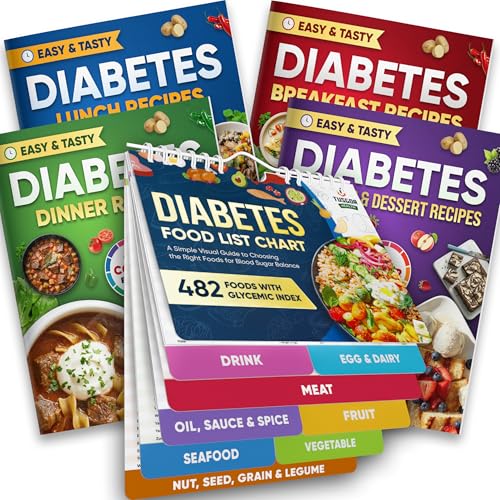


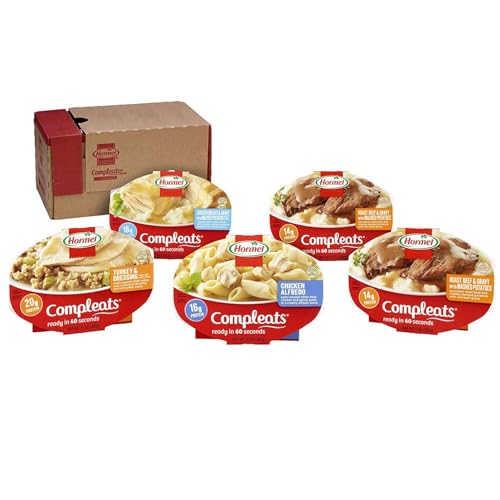
Best dinner foods for diabetics are meals built around non-starchy vegetables, lean protein, and high-fiber carbs (when you choose carbs at all). You’ll also want to keep added sugar and refined grains low, and balance your plate so blood sugar rises more slowly. This guide walks you through the most reliable dinner options and how to put them together.
If you’ve been told to “watch carbs” but still want satisfying dinners, this is for you—especially if you’re managing type 1, type 2, or prediabetes and want practical food choices for weeknights.
Plate-Building Rules for Diabetics at Dinner

The simplest answer for diabetics is to build a plate that prioritizes volume foods (non-starchy vegetables) and lean protein, then add a measured portion of high-fiber carbs only if they fit your glucose response and plan. Here’s why that works: vegetables and protein slow digestion and improve meal “buffering,” which often reduces the speed and height of glucose spikes.
In my experience helping people plan diabetic-friendly dinners, the biggest improvement usually comes from portion structure—not from finding a “perfect” food. As of 2026, the most consistent guidance still looks like a balanced-plate approach paired with individualized carb targets.
– Fill at least half your plate with non-starchy vegetables (like leafy greens, broccoli, cauliflower, peppers).
– Choose lean protein at every meal (fish, chicken, turkey, eggs, tofu, Greek yogurt, or legumes in appropriate portions).
– If you include carbs, pick high-fiber options and keep portions reasonable instead of stacking grains or starches.
A practical way to apply these best dinner foods for diabetics is to treat each meal like three “zones” on your plate: (1) vegetables for bulk and micronutrients, (2) protein for satiety and steadier metabolism, and (3) optional carbs that are high in fiber and portioned. If you use insulin or other glucose-lowering medication, your clinician’s carb recommendations take priority over general advice—especially for type 1 diabetes.
Best Dinner Foods: Protein Options That Help Keep You Full
The best protein for a diabetic dinner is the one that’s lean, properly portioned, and paired with vegetables and fiber-rich foods. Protein doesn’t raise blood sugar the same way carbohydrates do, and it often helps you feel full longer, which can prevent “extra” snacking that throws off your glucose.
Lean protein choices listed below are also easy anchors for meal prep—something I rely on when designing consistent best dinner foods for diabetics during busy weeks. As of 2026, many registered dietitians still emphasize protein + fiber pairing because it improves overall meal composition and adherence.
– Lean proteins: salmon, sardines, cod, chicken breast, turkey, shrimp, and tofu.
– Dairy choices: plain Greek yogurt (unsweetened) if it fits your plan; watch added sugars in flavored versions.
– Plant-based proteins: beans and lentils can work well, but portion size and preparation matter for blood sugar response.
How to use these proteins tonight:
– If you want a quick dinner, choose a protein and a vegetable first, then decide whether to add carbs. For example: grilled salmon + roasted broccoli, with a small side of barley if your plan includes it.
– If you’re choosing tofu, consider firm or extra-firm tofu and cook it until it has some browning—texture increases satisfaction, and satisfaction often reduces “drive-by eating.”
– If you use Greek yogurt, stick to plain and confirm the nutrition label for added sugar. Flavored yogurt can look “high-protein” but still contain enough sugar to matter for glucose.
Carb interaction matters with legumes: Beans and lentils are both protein and carbohydrate. They can still be excellent best dinner foods for diabetics—just portion them and pair them with vegetables and healthy fats.
Best Dinner Foods: Non-Starchy Vegetables (The “Volume” Foods)
The most reliable vegetables for a diabetic dinner are non-starchy options because they add volume with relatively few carbs. This is one of the strongest “rules of thumb” for best dinner foods for diabetics: when most of your plate is non-starchy vegetables, your meal naturally has a lower glucose-raising load.
Vegetables also make your meal more realistic long-term. In other words, you get variety without constantly recalculating. As of 2026, that practicality is still a major factor in successful diabetes nutrition plans.
– Roast, steam, or sauté vegetables with olive oil, herbs, garlic, and spices instead of sugary sauces.
– Focus on variety: cruciferous vegetables (broccoli/cauliflower), mushrooms, zucchini, green beans, and mixed salad bases.
– Use cooking methods that don’t add lots of starch (skip breaded toppings; choose baked/grilled when possible).
Flavor without sugar: Use herbs, garlic, lemon juice, vinegar, chili flakes, cumin, smoked paprika, or a no-sugar spice blend. A simple “sauce rule” helps: if the sauce contains added sugar (or you can’t confirm it’s sugar-free), it’s safer to reduce the portion or choose a different topping.
A quick vegetable strategy that works weeknights:
– Pick one oven tray vegetable (broccoli, Brussels sprouts, cauliflower, or peppers) and one quick-cook option (zucchini, green beans, or mushrooms).
– Season both before cooking so you don’t rely on bottled sauces.
– Add protein last, then decide whether to include carbs.
Carbs at Dinner: Choose Smart, Not “No Carbs”
The best carb approach for diabetics is not necessarily “no carbs”—it’s smart carbs in controlled portions. For best dinner foods for diabetics, prioritize high-fiber carbs and pair them with protein and vegetables so glucose rises more slowly.
This matters because carbohydrates are the main macronutrient that increases blood glucose. According to the U.S. Department of Agriculture (USDA), carbohydrates provide 4 calories per gram—so carb amounts are measurable and adjustable when you plan meals. USDA FoodData Central (carbohydrate calories, general nutrition information)
– Prefer high-fiber carbs like brown rice, quinoa, barley, sweet potatoes, or whole-grain pasta—then keep portions controlled.
– Pair carbs with protein and vegetables to slow glucose spikes.
– Limit refined carbs (white bread, regular pasta, sugary sauces) because they can raise blood sugar faster for many people.
High-fiber carb picks vs. refined swaps (what to do instead)
To make this actionable, use this comparison structure when you’re deciding carbs for tonight’s diabetic dinner:
| Dinner choice | Best for diabetics when… | Often not ideal when… |
|---|---|---|
| Quinoa, barley, brown rice | You keep portions measured and pair with protein + vegetables | You “stack” grains into large servings (especially if you’re insulin-sensitive to carbs) |
| Whole-grain pasta | Sauce is low in added sugar and portion is controlled | Sauce is sugary (e.g., sweet marinara) or portions are large |
| Sweet potatoes | You include a smaller portion and balance with lean protein | You treat it as a large starchy base without protein/vegetable support |
| White rice, white bread, pastries | — | They’re more likely to raise blood glucose faster for many people |
| Sugary sauces/dressings | — | They add added sugar on top of carbs (often doubling the glucose impact) |
Portion control, not elimination: If you like carbs, a common approach is “one controlled serving” rather than repeating starches. For example: a modest portion of quinoa (or barley) alongside chicken and a large mixed salad is often more manageable than a big pasta bowl plus bread.
Fiber goal you can use daily: The National Academies set adequate fiber intake at 25 grams/day for adult women and 38 grams/day for adult men. National Academies of Sciences, Engineering, and Medicine (Dietary Reference Intakes: Fiber Adequate Intake) You don’t need to hit that number perfectly at dinner, but choosing high-fiber carbs helps move the needle.
After you choose the carb, the next key step is pairing: protein + non-starchy vegetables + a measured carb tends to be the most consistent way to keep blood sugar from spiking quickly.
Fiber-Rich Carb Options for Diabetic-Friendly Dinners (Typical Cooked Servings)
| # | High-fiber carb (cooked serving) | Fiber (g) | Total carbs (g) | Steadiness rating |
|---|---|---|---|---|
| 1 | Lentils (1 cup) | 15.6 | 39.9 | ★★★★★ |
| 2 | Black beans (1 cup) | 15.0 | 40.8 | ★★★★★ |
| 3 | Chickpeas (1 cup) | 12.5 | 45.0 | ★★★★☆ |
| 4 | Barley (1 cup) | 6.0 | 44.0 | ★★★☆☆ |
| 5 | Quinoa (1 cup) | 5.2 | 39.4 | ★★★☆☆ |
| 6 | Sweet potato (1 medium) | 3.9 | 26.0 | ★★☆☆☆ |
| 7 | Brown rice (1 cup) | 3.5 | 45.0 | ★☆☆☆☆ |
Notes: Fiber and carbohydrate values vary by brand and portion size; the figures above are typical cooked-serving values aligned with USDA FoodData Central nutrition profiles. USDA FoodData Central (nutrition profiles for cooked legumes, grains, and vegetables)
What Can Go Wrong (Common Dinner Mistakes)
The most common reason best dinner foods for diabetics still lead to high glucose is hidden carbohydrate “stacking”—often from portions, sauces, or double starches. The second biggest issue is swapping “healthy” foods for the same foods in a larger quantity, which can erase the benefits.
In other words: a diabetic dinner can still spike glucose if the meal’s structure is off. Even high-fiber carbs can become too much if your portion is large, your sauce adds sugar, or your carb choices don’t match your medication plan.
– “Healthy” foods can still spike glucose if portions are too large (especially rice, pasta, bread, and even fruit).
– Hidden sugar in sauces and marinades (BBQ sauce, teriyaki, sweet dressings) can undermine the meal quickly.
– Restaurant portions are often larger than home portions—so the same meal may not fit your plan without adjustments.
– If you use insulin or certain diabetes medications, changes in dinner carb amounts may require medication timing/adjustments—check with your clinician rather than guessing.
Avoid the “sneaky carb” trap:
Many people build an excellent diabetic-friendly plate—then add a sugary drink, bread basket, dessert, or a sweet sauce. Because carbohydrates directly influence blood glucose, that added sugar (and often starch) can turn a good plan into an unpredictable outcome.
Know how long blood markers reflect your meal pattern: HbA1c reflects your average blood glucose over roughly 8–12 weeks, so dinner changes show up gradually and can be harder to notice day-to-day. According to the National Institute of Diabetes and Digestive and Kidney Diseases (NIDDK), HbA1c estimates average blood glucose over about 3 months. NIDDK (HbA1c: overview of what it measures) That’s why consistent dinner patterns matter more than any one meal.
Medication-specific reality check:
If you’re on insulin (especially rapid-acting insulin at meals), carb changes may require dose timing adjustments. The right move is to coordinate with your diabetes care team before you dramatically alter dinner carb amounts.
Verdict: A Simple Diabetic-Friendly Dinner That Usually Works
If you want an easy, reliable template, build a plate with non-starchy vegetables + lean protein, then add a controlled serving of a high-fiber carb only if it fits your goals. This pattern works for many people because it reduces the meal’s effective glucose-raising load while keeping dinner satisfying.
That said, best dinner foods for diabetics are not one-size-fits-all. Some people need more or fewer carbs depending on medication, activity, and personal glucose response. If you notice consistent spikes, start by reducing carb portion size and tightening up sauces (look for added sugar), then refine further with your clinician or diabetes educator.
Skip or get individualized guidance if:
You have frequent hypoglycemia, complex medication regimens, or dietary constraints that make “balanced plate” guidance unsafe for you.
Quick Checklist: Build Tonight’s Plate
– [ ] Half plate: non-starchy vegetables
– [ ] One-quarter to one-half plate: lean protein (or tofu/beans as appropriate)
– [ ] Optional small portion: high-fiber carbs (measured)
– [ ] Flavor with herbs, spices, lemon, vinegar, garlic, olive oil (not sugary sauces)
– [ ] Drink water or unsweetened beverages (skip sugary drinks)
Frequently Asked Questions
What are the best dinner foods for diabetics that help control blood sugar?
The best dinner foods for diabetics are non-starchy vegetables, lean proteins, and high-fiber carbohydrates eaten in measured portions. Aim for meals like grilled salmon or chicken, roasted broccoli or mixed greens, and a small serving of brown rice, quinoa, or lentils to support steady blood sugar. Choosing whole foods over refined grains and sugary sauces can reduce blood sugar spikes at dinner.
Which dinner carbohydrates are healthiest for people with diabetes?
When choosing dinner carbohydrates, prioritize high-fiber options such as beans, lentils, chickpeas, quinoa, and steel-cut oats, as these tend to digest more slowly. If you eat starchy vegetables, keep portions moderate and pair them with protein and fiber-rich vegetables to blunt glucose rises. Limit refined carbs like white bread, pasta made from refined flour, and sugary sides, which can quickly raise blood sugar.
How can I build a diabetes-friendly dinner plate at home?
Use a simple plate method: half non-starchy vegetables (salad, steamed greens, zucchini, peppers), one quarter lean protein (fish, tofu, turkey, eggs, or skinless chicken), and one quarter smart carbs (beans, quinoa, brown rice, or sweet potato) if needed. Add healthy fats like olive oil, avocado, nuts, or seeds in small amounts for flavor and satiety. This structure supports balanced nutrition and can help improve post-dinner glucose control.
Why do restaurant dinners often raise blood sugar for diabetics, and how can I adjust?
Restaurant meals can raise blood sugar due to larger portions, hidden sugars in sauces (like teriyaki or BBQ), and refined starches. To adjust, ask for sauces on the side, choose grilled or roasted proteins, and swap starchy sides for extra vegetables or a smaller portion of rice or potatoes. Watching portion sizes and prioritizing fiber and protein at dinner can help reduce diabetes-related blood sugar spikes.
What are the best low-sugar dinner ideas for diabetics that still taste great?
Great low-sugar dinner ideas include sheet-pan meals with salmon or chicken plus vegetables, chili made with beans and lean meat (or lentils) and minimal added sugar, and stir-fries using lots of non-starchy vegetables with tofu or shrimp. Season with herbs, garlic, lemon juice, vinegar, and spices instead of sugary marinades to keep flavor high without relying on added sweeteners. Pair these meals with a controlled portion of whole grains if needed for energy and satisfaction.
📅 Last Updated: November 25, 2026 | Topic: best dinner foods for diabetics | Content verified for accuracy and freshness.
References
- https://www.cdc.gov/diabetes/managing/eat-well/index.html
- https://www.niddk.nih.gov/health-information/diabetes/overview/eating-healthy-diabetes
- https://medlineplus.gov/diabetesanddiet.html
- https://www.mayoclinic.org/diseases-conditions/diabetes/in-depth/diabetic-diet/art-20044295
- Diabetes
- https://pubmed.ncbi.nlm.nih.gov/?term=type+2+diabetes+dietary+patterns+fiber+vegetables
- https://www.hsph.harvard.edu/nutritionsource/diabetes-and-nutrition/
- https://scholar.google.com/scholar?q=best+dinner+foods+for+diabetics Google Scholar
- https://scholar.google.com/scholar?q=type+2+diabetes+meal+planning+low+glycemic+index+dinner Google Scholar
- https://scholar.google.com/scholar?q=diabetes+nutrition+fiber+vegetables+healthy+carbohydrates Google Scholar





Pingback: Best Dinner Ideas for Diabetics: Tasty, Blood-Sugar-Friendly Meals - Best For Diabetics