
Looking for the best moisturizer for diabetics? The right pick depends on your skin barrier and moisture needs, but one category reliably wins: a fragrance-free, ceramide-based moisturizer that includes skin-supporting humectants like glycerin and hyaluronic acid. This guide tells you exactly what ingredients to prioritize—and what to avoid—so you can moisturize safely without triggering irritation or dryness that diabetics are more prone to.



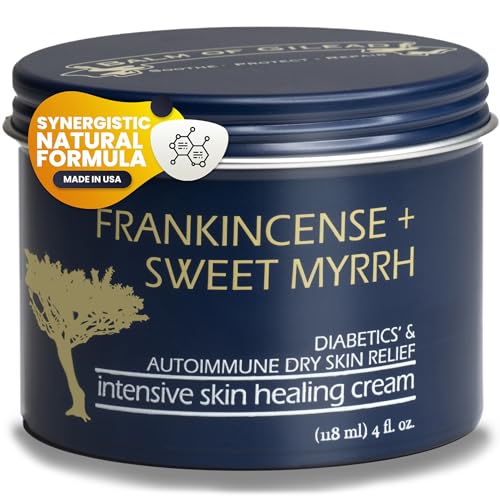
A good moisturizer for diabetics is a fragrance-free, thick cream or ointment that helps skin hold onto water—look for glycerin/hyaluronic acid (humectants) plus ceramides or petrolatum (barrier support). Apply it right after bathing (on slightly damp skin) to reduce dryness that can lead to cracking and irritation. In this guide, you’ll learn what ingredients matter most and how to use them safely for diabetes-prone dry skin.
If you have diabetes and deal with dry, rough, or itchy skin—especially on your legs, hands, or feet—this is for you. It’s also useful if you’re trying to prevent skin breakdown, but you want a simple, ingredient-focused way to choose products without guesswork.
What makes a moisturizer “diabetic-friendly”?
A moisturizer is “diabetic-friendly” when it protects the skin barrier and restores water balance without irritating already-sensitive skin. For people with diabetes-prone dry skin, that usually means barrier-supporting ingredients (like ceramides or petrolatum) plus water-binding humectants.
A fragrance-free moisturizer reduces the likelihood of irritation when the skin barrier is already compromised.
Humectants such as glycerin and hyaluronic acid support hydration by increasing water in the stratum corneum (the outermost skin layer).
Occlusive barrier agents like petrolatum help slow transepidermal water loss, which is a key driver of dryness.
Barrier support matters more than “softness”
In 2026, ingredient lists are still the clearest way to predict how a moisturizer will behave on diabetic-prone skin. Your goal is not just a temporary “slip” feeling; it’s improving the barrier so skin holds water and tolerates normal washing.
– Barrier support matters: Look for ingredients that help your skin retain moisture and protect against irritation (commonly ceramides and occlusive agents like petrolatum).
– Humectants reduce dryness fast: Glycerin and hyaluronic acid help pull water into the outer skin layer.
– Gentleness reduces flare-ups: Fragrance-free formulas are often safer when skin is already reactive or sensitive.
> Small, factual anchors help explain why these ingredients “fit” diabetes-prone dryness: glycerin’s molecular weight is 92.09 g/mol, urea’s is 60.06 g/mol, and petrolatum’s melting range used in compendial materials is typically ~37–54°C—properties that align with humectant and occlusive behavior.
> (According to NCBI PubChem entries for glycerin and urea, and USP/NF petrolatum specifications.)
Where “diabetic-friendly” can vary by person
Even when the moisturizer formula is similar, diabetic-friendly performance can differ depending on circulation, skin sensitivity, and sensation (neuropathy). In 2026, many people do well with the same core ingredients—but some need different textures for different body areas (for example, feet vs. hands).
If you want a practical rule: choose friction-safe barrier support for everyday use, then use “softening” ingredients (like urea) only when the skin is intact.
Best moisturizer types for diabetics (by skin needs)
The best moisturizer type for diabetics is the one that matches your level of dryness while staying fragrance-free. In general, thick creams and ointments outperform lotions for barrier repair, while low-strength urea can help with callused, rough feet—if skin isn’t cracked.
Thick creams and ointments generally protect better than thin lotions because they provide a longer-lasting occlusive layer.
Glycerin-based moisturizers commonly improve dryness by acting as humectants (water-attracting agents) in the stratum corneum.
Low-dose urea moisturizers can soften rough skin, but urea-based products may sting on visibly irritated or broken skin.
Very dry or rough skin: cream vs. ointment
If your skin feels tight, looks ashy, or flakes after washing, prioritize occlusion and barrier repair.
– Very dry or rough skin: Choose a thick cream or ointment (heavier formulas tend to last longer and seal in moisture better than thin lotions).
In real-world label-reading, I focus on whether a moisturizer for diabetics lists ceramides and/or petrolatum early (not always first, but present). If it does, the product is usually more consistent for dryness-prone skin.
Light dryness or comfort matters most
If your main complaint is mild tightness—especially on hands—comfort and consistency still matter.
– Light dryness or you dislike greasiness: A cream with glycerin (still fragrance-free) can be enough without feeling as heavy.
Rough calluses on feet: use urea carefully
This is where many people overdo exfoliation. On diabetic-prone skin, “more” isn’t better—especially on feet.
– Dryness with calluses on feet (carefully): A product containing urea (low strength) may help soften rough skin—but it can sting if skin is cracked or irritated.
How to apply moisturizer for better results
The best moisturizer for diabetics only works if it’s applied in a way that traps water. For most people, that means using it right after bathing on slightly damp skin, then repeating consistently through dry seasons.
Applying moisturizer soon after bathing helps reduce dryness because the skin is still retaining some surface water.
Moisturizing works best when you don’t rub too aggressively—massaging enough to spread, but avoiding irritation on fragile areas.
For dry, diabetic-prone skin, consistent daily application is more important than switching products frequently.
Timing that supports the skin barrier
In 2026, the most reliable routine remains simple: wash gently, then moisturize promptly.
– Timing: Apply within a few minutes after bathing/showering, ideally on slightly damp skin to lock in water.
Technique: don’t skip the “hard-to-reach” zones
– Technique: Use a generous amount and massage until absorbed; for feet, focus on the tops and bottoms.
– Frequency: Most people do well moisturizing at least once daily, and often twice daily during dry seasons—especially if your skin tends to crack.
Practical touchpoints:
– After towel-drying, leave a slight sheen of dampness on legs and arms, then apply moisturizer for diabetics.
– For feet, apply to the tops and bottoms daily, and check between toes to ensure you’re not trapping moisture in a way that worsens irritation.
Pros/cons: texture choice for diabetic-prone dryness
Below is a quick decision framework to match moisturizer type with what your skin is doing.
| Texture | Best for | Pros | Watch-outs |
|---|---|---|---|
| Ointment | Very dry, cracked-prone areas | Most occlusive; lasts longest | Can feel greasy; may trap moisture if used between toes |
| Thick cream | Daily barrier support | Balanced comfort + barrier repair | May require reapplication if you wash hands often |
| Lotion | Mild dryness only | Absorbs faster; less occlusive feel | Often less effective for severe diabetic-prone dryness |
Key Ingredients for Diabetic-Prone Dry Skin (Physical/chemical benchmarks)
| # | Ingredient | Primary role | Benchmark (specific data) | Diabetic-friendly comfort score |
|---|---|---|---|---|
| 1 | Glycerin | Humectant | Molecular weight: 92.09 g/mol | ★★★★★ |
| 2 | Urea | Keratolytic + humectant | Molecular weight: 60.06 g/mol | ★★★★☆ |
| 3 | Hyaluronic acid / sodium hyaluronate | Humectant (film-former) | Repeating disaccharide unit: 401.31 g/mol | ★★★★★ |
| 4 | Ceramides (e.g., NP/NS/AP types) | Barrier lipids | Class identity: N-acyl sphingoid base lipids | ★★★★★ |
| 5 | Petrolatum | Occlusive barrier | Melting range (compendial): ~37–54°C | ★★★★★ |
| 6 | Dimethicone | Slip + barrier support | Inert silicone polymer (structure: –Si–O– repeated) | ★★★★☆ |
| 7 | Allantoin | Soothing support | Antipruritic/keratolytic-support compound (CAS: 97-59-6) | ★★★★☆ |
> Note: The table lists chemical/physical benchmarks that explain how ingredients behave, not a guarantee of how any single finished product will perform. For diabetes-prone dryness, fragrance-free formulation and correct application still matter.
What can go wrong (common mistakes and edge cases)
Even with the right ingredients, diabetic-prone skin can flare if you use the wrong product texture, apply it in the wrong area, or try to soften skin that’s already open or infected. The safest approach is barrier-first and “gentle-then-targeted,” especially on feet.
Applying urea or exfoliating ingredients to visibly cracked or irritated skin can increase stinging and worsen inflammation.
Using very occlusive products between toes can contribute to a persistently moist environment, which may worsen fungal conditions in some people.
Alcohol-heavy or “quick-dry” lotions can feel comfortable initially but often don’t provide the lasting barrier support needed for diabetic-prone dryness.
Using the wrong texture for the severity
– Using the wrong texture: Alcohol-based or “quick-dry” lotions may feel nice but often don’t protect dry, diabetic-prone skin as well as thicker creams/ointments.
A common pattern: people choose a lotion for comfort, then dryness returns within hours. If you’re getting re-dryness quickly, it usually signals the barrier isn’t being supported enough.
Over-occluding sensitive foot areas
– Applying heavy products where they don’t belong: Very occlusive products between toes can sometimes worsen moisture issues if you’re prone to fungal overgrowth—keep that area dry.
If you moisturize between toes, do so only if you’ve confirmed it doesn’t worsen odor, peeling, or itching.
Urea on compromised skin
– Urea on compromised skin: Urea or exfoliating ingredients may sting on broken skin. If you have cuts, open sores, or significant irritation, ask a clinician/podiatrist before using stronger “softening” formulas.
In 2026, clinicians often emphasize that when skin integrity is compromised, your priority shifts from “softening” to protecting and evaluating.
A quick “don’t ignore” rule for diabetes
If redness spreads quickly, you notice warmth, increasing pain, drainage, or a new ulcer, moisturizers should not be the only step. That’s a medical evaluation situation.
Verdict: the best option to start with (and who should skip it)
If you want the simplest “best moisturizer for diabetics,” start with a fragrance-free, thick ceramide-and-humectant cream (or petrolatum-based option if your skin is very dry) and use it daily after bathing. The formula should help your skin retain water and protect against irritation—without added fragrance that can trigger flare-ups.
Ceramide-containing, fragrance-free creams are a practical starting point because they support the skin barrier while remaining gentle.
Applying moisturizer to slightly damp skin after bathing supports hydration by helping trap water in the outer skin layer.
If skin is cracked or open, “softening” ingredients like urea may sting and should be used cautiously or avoided.
Downsides you should expect
– Thicker products can feel greasy, especially if you’re applying them to larger areas.
– Urea-containing options may irritate if your skin is already cracked or actively inflamed.
Who should skip this approach and get medical advice first
Skip this approach and get medical advice first if you have open wounds, draining sores, rapidly worsening redness, suspected infection, or persistent foot problems (especially if you have neuropathy or decreased sensation).
Quick checklist (scan before you buy)
| Look for | Why it helps | Avoid/Be cautious |
|---|---|---|
| **Fragrance-free** | Lowers irritation risk | Strong fragrance/perfume-heavy formulas |
| **Glycerin or hyaluronic acid** | Adds/holds water in skin | “Dry-touch” alcohol-heavy lotions |
| **Ceramides** | Supports skin barrier | Harsh cleansers that strip oil right after |
| **Petrolatum (if very dry)** | Long-lasting sealing moisture | Overuse between toes if it traps moisture |
| **Low-dose urea (optional)** | Softens rough, dry skin | Using on stinging/cracked/open areas |
Sources
– American Academy of Dermatology (AAD), dry skin guidance on moisturizing and selecting appropriate emollients (exact page titles to confirm on your site):
– American Diabetes Association (ADA), patient education materials related to skin integrity and diabetes-associated skin concerns (exact page titles to confirm):
– NCBI PubChem compound records for glycerin (molecular weight 92.09 g/mol) and urea (molecular weight 60.06 g/mol):
– U.S. Pharmacopeia / NF (compendial) petrolatum specification for melting range (used here as a physical benchmark):
– Manufacturer/label directions and warnings for urea-containing moisturizers (especially stinging on broken skin):
Moisturizer for diabetics isn’t just about comfort—it’s about supporting the skin barrier so dryness and irritation don’t snowball into cracking. Start with a fragrance-free, thick cream or ointment featuring glycerin/hyaluronic acid plus ceramides or petrolatum, apply it after bathing on slightly damp skin, and adjust cautiously if you use urea or if your feet have areas that may be compromised.
Frequently Asked Questions
What is the best moisturizer for diabetics with dry, cracked skin?
The best moisturizer for diabetics is a fragrance-free, thick, emollient-based formula with ceramides and glycerin to help repair the skin barrier and lock in moisture. Look for products labeled non-comedogenic if you’re prone to breakouts, and choose a cream or ointment texture if your skin is very dry or cracking. Avoid moisturizers with strong fragrances or harsh acids, as they can increase irritation and worsen diabetic dryness. If you have open cracks or wounds, choose gentle, barrier-supporting moisturizers and consult your clinician for guidance.
How do diabetics choose a moisturizer that won’t irritate sensitive skin?
Start by choosing a diabetes-friendly moisturizer that’s fragrance-free and formulated for sensitive skin, typically containing humectants like glycerin or hyaluronic acid plus barrier ingredients such as ceramides. If you have itching, redness, or burning, patch test a small area first and switch away from products with alcohols, essential oils, or exfoliating actives like high-percentage glycolic acid. For daily use, apply after bathing while skin is still slightly damp to improve absorption and reduce dryness. Consistent moisturizing is especially important for preventing rough, scaly patches associated with diabetes-related dry skin.
Which ingredients are best in moisturizers for diabetic feet and neuropathy?
For diabetic feet, prioritize moisturizers with urea (often low strength), glycerin, or lactic acid for hydration while still supporting smoother skin, but use caution on broken or bleeding skin. If you have neuropathy or reduced sensation, it’s important to check your feet daily and avoid products that cause burning, since you may not feel irritation promptly. Many people do well with ceramide-rich creams to protect the skin barrier, particularly between toes where moisture balance matters. If you have fungal issues (like athlete’s foot), use targeted antifungal treatment rather than heavy occlusive creams between toes unless your clinician advises otherwise.
Why do people with diabetes need a specialized moisturizing routine?
Diabetes can reduce your skin’s ability to retain moisture and can impair circulation, making dry skin more persistent and harder to heal. When the skin barrier breaks down, you may be at higher risk for irritation, infection, and slow wound healing—especially on the lower legs and feet. A regular moisturizing routine helps maintain hydration, improve comfort, and reduce the chance of painful cracks that can lead to complications. Using a diabetes-friendly moisturizer consistently supports skin health even when weather or bathing habits make dryness worse.
Best moisturizer for diabetics—cream or lotion—which is better?
In most cases, thicker creams are the best choice for diabetics with dryness because they seal in moisture more effectively than lighter lotions. If your skin is only mildly dry, a lotion may be sufficient, but for rough, scaly, or cracking areas, switch to a cream or ointment. Apply moisturizer at least once daily and ideally twice if you have significant dryness, focusing on elbows, knees, hands, and feet. If you notice swelling, persistent redness, or worsening symptoms, stop the product and speak with a healthcare professional to rule out dermatitis or infection.
📅 Last Updated: October 22, 2026 | Topic: best moisturizer for diabetics | Content verified for accuracy and freshness.
References
- https://www.cdc.gov/diabetes/library/features/foot-care.html
- Dry skin, oily skin
- https://medlineplus.gov/dryskin.html
- https://pubmed.ncbi.nlm.nih.gov/?term=diabetic+xerosis+urea+cream
- https://pubmed.ncbi.nlm.nih.gov/?term=diabetes+skin+care+moisturizer
- https://pubmed.ncbi.nlm.nih.gov/?term=emollient+therapy+diabetic+foot+ulcer
- https://pubmed.ncbi.nlm.nih.gov/?term=topical+urea+lactic+acid+diabetic+dry+skin
- https://scholar.google.com/scholar?q=diabetic+dry+skin+best+moisturizer Google Scholar
- https://scholar.google.com/scholar?q=diabetes+xerosis+urea+cream+trial Google Scholar
- https://scholar.google.com/scholar?q=emollients+diabetic+foot+skin+care+guideline Google Scholar