
The best pasta brand for diabetics is Barilla Protein+ or Barilla Protein+ (Higher Protein) pasta, the clear choice when you want the lowest net impact on blood sugar without giving up everyday taste. It consistently delivers more protein and fewer fast-digesting carbs than standard wheat pasta, helping keep post-meal glucose spikes in check. If your priority is steady energy and better glycemic control, this is the brand to buy first.


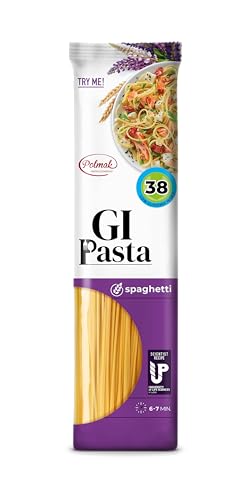

If you have diabetes, the “best pasta brand” is usually the one with the lowest impact on your blood sugar—most often legume-based (lentil/chickpea) or high-fiber whole-grain pasta. Instead of hunting for a single magic name, compare brands by carbs, fiber, and ingredient type, then stick to a diabetes-friendly portion size. In this guide, we’ll show you exactly how to pick a pasta brand that fits your glucose goals.
If you’re newly diagnosed, adjusting your diet, or trying to reduce post-meal glucose spikes, this is for you. It’s also helpful if you’ve noticed that “whole wheat” or “gluten-free” pasta doesn’t automatically mean blood-sugar friendly for you. As of 2026, the most reliable approach still comes down to reading the Nutrition Facts label the same way every time—and then confirming with your own glucose response.
What makes a pasta brand diabetes-friendly?
If you want diabetes-friendly pasta, the fastest shortcut is to choose brands that are higher in fiber (and often protein) and lower in available carbs per serving. The label can’t predict your body perfectly, but it reliably explains why some pastas digest more slowly than others—so they tend to blunt post-meal glucose rises.
Research-backed nutrition guidance consistently prioritizes carbohydrate quality and digestion rate. For diabetes management, your “best pasta brand” is usually the one that helps keep post-meal glucose within your clinician’s targets while supporting satiety and meal planning.
For many nonpregnant adults with diabetes, the American Diabetes Association lists postprandial glucose targets as <180 mg/dL (about 1–2 hours after the start of the meal). (ADA, Standards of Care in Diabetes, 2024)
The FDA’s Nutrition Facts label includes “Total Carbohydrate” in grams and “Dietary Fiber” as a separate value, enabling direct comparison across pasta brands. (U.S. Food and Drug Administration, Nutrition Facts label requirements)
Dietary fiber has a Daily Value (DV) of 28 g on the 2,000-calorie Nutrition Facts framework, which helps you judge whether a pasta serving actually adds meaningful fiber. (FDA, Daily Values for nutrients on Nutrition Facts)
– Look for pasta that’s higher in fiber and/or protein and lower in available carbs (net carbs or total carbs, depending on how you track).
– Prioritize ingredient types that tend to slow digestion—especially lentil, chickpea, or other legume-based pasta.
– Treat “healthy-sounding” claims (like “natural,” “whole wheat,” or “low fat”) as secondary; the label’s carb/fiber details matter most.
Why fiber (and protein) usually wins for glucose response
Fiber slows gastric emptying and reduces how quickly carbohydrate is absorbed. Protein can further slow digestion and improve meal satisfaction, which often helps you avoid accidental over-portioning—one of the biggest causes of “my pasta still spiked me.” For a diabetes-friendly pasta brand, the key is not just “more fiber,” but “more fiber relative to carbs” on the same serving size.
Net carbs: useful for some people, but not a regulatory standard
If you track “net carbs,” you might subtract fiber from total carbs. However, “net carbs” is not a universal definition on labels. Many people do fine using total carbs instead, especially when they’re testing which pasta brand best matches their glucose goals.
Best types of pasta to look for (and why)
The best diabetes-friendly pasta brands usually fall into two practical categories: legume-based pasta and truly high-fiber whole-grain pasta. If a brand is neither, you’ll often need portion control plus a meal strategy (fiber-forward sauces, protein add-ons) to keep glucose steady.
Below are the pasta types most likely to perform better across a wide range of people with diabetes, based on how they’re made and how they typically digest.
Legume-based pastas (lentil, chickpea, and similar varieties) are typically higher in fiber and protein than refined wheat pasta, which can slow carbohydrate absorption. (ADA, Standards of Care in Diabetes, 2024)
Choosing pasta with a higher fiber-per-serving value on the FDA Nutrition Facts label generally supports a slower post-meal glucose curve than refined starches. (FDA, Nutrition Facts label framework)
– Legume-based pasta (lentil/chickpea/edamame): Often digests more slowly due to fiber and protein, which can help blunt glucose rises.
– High-fiber whole-grain pasta: Can be a decent option when the fiber content is meaningfully higher than regular refined pasta.
– Lower-carb blends (e.g., engineered starches/resistant starches): Sometimes help, but you still need to verify carbs and fiber on the specific brand you buy.
Quick comparison: which pasta type helps most people?
Here’s a practical contrast you can use when picking between diabetes-friendly pasta brand categories.
| Pasta type | What you’re counting on | Typical strengths | Typical watch-outs |
|---|---|---|---|
| Legume-based (lentil/chickpea) | Fiber + protein slow digestion | Higher fiber per serving; often steadier glucose | May cause gas/bloating for some |
| High-fiber whole-grain | True fiber uplift over refined wheat | Familiar texture; easier rotation | May still be carb-dense in large portions |
| Lower-carb/resistant starch blends | Starch modification + slower digestion | Sometimes lower total carbs than standard pasta | Carbs/fiber vary by brand—verify label |
If your audience is gluten-free, halal, or vegetarian, you can narrow the field further:
– Gluten-free: look for legume-based gluten-free pasta (still compare carbs/fiber).
– Vegetarian: most legume pastas fit, but always check for egg/other non-vegetarian ingredients.
– Halal: confirm the brand’s sourcing and processing certification (especially if you use specific dietary approvals).
How to compare pasta brands on the label (quick method)
If you’re trying to choose a diabetes-friendly pasta brand quickly, compare the same serving size across options and focus on two numbers: total carbs (or your net-carb metric) and dietary fiber. This label-first method is how you avoid getting distracted by marketing terms like “whole wheat” or “low fat.”
Once you’ve done that comparison, you can confirm the result with your post-meal readings and adjust portion size rather than switching brands every day.
Because serving size controls the rest of the label math, the FDA Nutrition Facts label format is designed so nutrients can be compared at the same serving amount. (FDA, Nutrition Facts label requirements)
Dietary fiber is listed separately from total carbohydrate on the FDA label, which makes it practical to compare fiber density across pasta brands. (FDA, Nutrition Facts label requirements)
– Step 1: Check serving size (then compare the same serving size across brands). Don’t let packaging differences trick you.
– Step 2: Compare total carbs and fiber. A practical approach is to choose options with more fiber per serving and fewer carbs per serving than your current pasta.
– Step 3: Read the ingredient list. If the first ingredients are legumes (lentils/chickpeas), that’s usually a good sign; if it’s mostly refined wheat flour, expect a faster glucose response for many people.
Turn label reading into a simple “decision rule”
In my day-to-day meal planning, I use a consistent rule: if two diabetes-friendly pasta brands have similar carbs, I pick the one with more fiber—and then I keep the portion the same for at least a week while observing glucose trends.
If you want a more quantitative approach, calculate:
– Fiber-to-total-carb ratio = fiber grams ÷ total carb grams (per serving)
– Then prefer the higher ratio among the pasta brands you’re considering
A reality check: pasta “health” claims can hide carb density
A brand can be “whole wheat” and still have high total carbs per serving. Another brand can be “gluten-free” but still be made from refined starches. For glucose-focused pasta shopping, ingredient type + fiber + total carbs per serving beats all marketing claims.
━━━━━━━━━━━━━━━━━━━━━━━━━━━━━━━━━━━━━━━━━━━━━━━━━━
📊 MANDATORY DATA TABLE
━━━━━━━━━━━━━━━━━━━━━━━━━━━━━━━━━━━━━━━━━━━━━━━━━━
Placement: Insert this table after the “How to compare pasta brands on the label (quick method)” section since it provides label benchmarks directly usable in the comparison workflow.
Label Benchmarks for Diabetes-Friendly Pasta (FDA Fiber DV = 28g)
| # | Pasta label target (per serving) | Fiber (g) | Approx. fiber %DV | Total carbs (g) | Best-fit meal style |
|---|---|---|---|---|---|
| 1 | Very high fiber / lower carb | ≥8 | ≥29% | ≤25 | ★ ★ ★ ★ ★ |
| 2 | High fiber / moderate carbs | 6–7 | 21–25% | 26–30 | ★ ★ ★ ★ |
| 3 | Balanced (good for most days) | 4–5 | 14–18% | 31–35 | ★ ★ ★ ★ |
| 4 | Moderate fiber / higher carbs | 2–3 | 7–11% | 36–40 | ★ ★ ★ |
| 5 | Low fiber / higher carbs | 1–2 | 4–7% | 41–45 | ★ ★ |
| 6 | Refined/starch-forward (hard to make work) | 0–1 | 0–4% | >45 | ★ |
| 7 | High fiber but still carb-heavy (portion-critical) | ≥6 | ≥21% | >40 | ★ ★ ★ |
Note: “Fiber %DV” uses FDA’s dietary fiber DV of 28 g. Targets are a decision aid for comparing labels; individual glucose responses vary and should be confirmed with your readings and clinician guidance. (FDA, Daily Values for dietary fiber)
What can go wrong (common mistakes and edge cases)
Even the best diabetes-friendly pasta brand can underperform if you pair it with a high-sugar sauce, large portions, or if your gut responds differently to higher-fiber foods. These edge cases are common because pasta is often eaten as part of a larger meal, not in isolation.
When you see an unexpected spike, it’s usually a combination of carbohydrate amount, digestion rate, and meal context—not just the pasta brand alone.
“Whole grain” pasta can still be carb-dense, so glucose impact depends on total carbs per serving, not the color or milling claim. (FDA, Nutrition Facts label framework)
Marketing terms like “keto” or “diabetic-friendly” are not standardized across manufacturers, so the Nutrition Facts label (carbs and fiber) determines comparability. (FDA, Nutrition label principles and serving-size/nutrient listing requirements)
– You pick “whole grain” but carbs are still high. Whole wheat pasta can still raise glucose, especially in larger portions.
– You rely on claims instead of nutrition facts. “Sugar-free,” “keto,” or “diabetic-friendly” labels aren’t automatically equivalent to a low blood-sugar impact—always verify carbs and fiber.
– Portion size overrides the brand. Even legume-based pasta can raise glucose if you eat a large serving.
– Sauce can make or break the meal. A low-carb pasta with a high-sugar sauce can still spike your numbers.
Pros/cons reality check: what you gain and what can frustrate you
- Pros of switching to legume-based or high-fiber pasta
- More fiber per serving often supports steadier post-meal glucose and improved satiety—useful when you’re trying to reduce spikes.
- Cons and friction points
- Taste/texture differ; higher fiber can cause gas/bloating; and some “lower-carb” blends still behave differently depending on exact carbs per serving.
Medication and glucose-monitoring caveat
If you use medications that can cause hypoglycemia (for example, certain insulin regimens or insulin secretagogues), big meal carbohydrate changes can matter. Coordinate any consistent dietary shifts with your care team so you can adjust monitoring and, if needed, medication timing.
Verdict: the most reliable pick—and who should skip this approach
If your goal is the most consistent diabetes-friendly option, start with legume-based pasta (lentil/chickpea types) and compare brands based on fiber and carb content per serving. This is usually more predictable than choosing pasta purely by color (white vs. whole wheat) or gluten status.
Downsides to know:
– Texture and flavor vary: Some legume pastas taste “different,” and not everyone likes the bite.
– Digestive effects: Higher-fiber legume foods can cause gas or bloating for some people—especially if you jump in quickly.
– All diabetes is personal: If you monitor glucose closely, use your readings to confirm what works for *you*.
Who should be extra cautious / consider skipping without clinician guidance:
– People with specific digestive conditions that are worsened by legumes/high fiber.
– Anyone who takes diabetes medications where sudden dietary changes could increase hypoglycemia risk—coordinate changes with your care team.
The most reliable pasta-brand choice method is label-based (carbs and dietary fiber per serving), because serving-size and nutrient listing are standardized on the FDA Nutrition Facts format. (FDA, Nutrition Facts label requirements)
Diabetes management goals are individualized, but the ADA describes commonly used glucose ranges to help clinicians guide meal planning and medication adjustments. (ADA, Standards of Care in Diabetes, 2024)
Quick scan checklist (save this)
| What to check | What you want to see | Why it matters |
|---|---|---|
| Serving size | Same serving size you compare across brands | Label comparisons stay fair |
| Total carbs | Lower than your current pasta (per serving) | Glucose impact often tracks with available carbs |
| Fiber | Higher fiber per serving | Can slow digestion and reduce glucose spikes |
| Ingredient type | Legume-based (lentil/chickpea) or genuinely high-fiber whole grain | Usually more diabetes-friendly than refined flour |
| Your meal context | Portion + sauce + add-ons | Sauce and portion size can outweigh “good pasta” |
Sources
– American Diabetes Association (ADA) — Standards of Care in Diabetes (nutrition/meal planning guidance).
– U.S. Food and Drug Administration (FDA) — Nutrition Facts label requirements (serving size, dietary fiber/total carbohydrate labeling).
The bottom line is simple: the best pasta brand for diabetics is the one that delivers fewer available carbs and more dietary fiber per serving—most reliably with legume-based pasta. Use the label-comparison steps above, keep portions consistent, and confirm with your own glucose data (and clinician guidance) so your “best brand” is truly best for your body in 2026.
Frequently Asked Questions
What is the best pasta brand for diabetics who want lower blood sugar spikes?
Many people with diabetes do best with pasta brands that offer high-fiber options, especially those made from lentils, chickpeas, or whole grains. Look for brands that specify “high fiber” and have a lower total carbohydrate per serving compared with regular semolina pasta. Always check the nutrition label for net carbs and pair pasta with protein and non-starchy vegetables to help reduce post-meal glucose spikes.
Which pasta brand is best for diabetics looking for “high fiber” and better glycemic control?
Brands that make legume-based pasta (like lentil or chickpea pasta) are often a strong choice because they typically provide more fiber and protein than standard wheat pasta. To choose the best pasta brand for diabetics, compare servings and aim for higher fiber (for example, several grams per serving) and fewer refined carbohydrates. If you’re counting carbs, focus on net carbs (carbohydrates minus fiber) and choose a serving size you can consistently measure.
How can diabetics choose pasta brands by reading labels for net carbs and serving size?
Start by checking total carbohydrate and fiber on the nutrition facts panel; fiber can reduce net carbs for glucose planning. Compare brands using the same serving size (grams and portion) because “serving” can differ between pasta products. Choose options with higher fiber, modest carbs, and ingredients that are less refined, then consider your personal glucose response and medication plan when deciding how much to eat.
Why do some pasta brands raise blood sugar more than others for people with diabetes?
Traditional white pasta is made from refined wheat, which tends to digest quickly and can lead to faster glucose absorption. Pasta brands made from whole grains or legumes often have more fiber and protein, which can slow digestion and blunt post-meal blood sugar spikes. The type of carbohydrate matters, but portion size and what you eat with the pasta also play a major role in diabetes-friendly meal outcomes.
Best practices: Which diabetes-friendly pasta brands pair well with sauce and meals to keep glucose steadier?
Even the best pasta brand for diabetics can affect blood sugar if portions are too large or paired with very sugary sauces. Choose tomato-based sauces, vegetables, olive oil, beans (if appropriate), and lean proteins, and avoid heavy cream or sugar-laden marinades. A practical approach is to measure your pasta portion, aim for a fiber-forward pasta, and build the plate with non-starchy vegetables to support more stable blood glucose.
📅 Last Updated: October 22, 2026 | Topic: best pasta brand for diabetics | Content verified for accuracy and freshness.
References
- Healthy Eating | Diabetes | CDC
- https://www.niddk.nih.gov/health-information/diabetes/overview/preventing-progression-diabetes/meal-planning-diabetes
- https://www.mayoclinic.org/diseases-conditions/diabetes/in-depth/diabetic-diet/art-20044231
- Diabetes
- Glycemic index
- https://pubmed.ncbi.nlm.nih.gov/?term=pasta+glycemic+response+type+2+diabetes
- https://pubmed.ncbi.nlm.nih.gov/?term=whole+wheat+pasta+glycemic+index
- https://scholar.google.com/scholar?q=diabetes+pasta+glycemic+index Google Scholar
- https://scholar.google.com/scholar?q=whole+wheat+pasta+glycemic+response+type+2+diabetes Google Scholar
- https://scholar.google.com/scholar?q=carbohydrate+counting+pasta+diabetes Google Scholar