
The best diabetic alcohol drinks are low-sugar options that keep carbs and glucose impact as low as possible: dry wine, light vodka with sugar-free mixers, and clear spirits measured in standard portions. We rank choices by total carbohydrates per serving, added-sugar content, how they’re commonly served (and portion size), and their compatibility with diabetes-friendly meal patterns. Expect the standout pick to be the option that stays driest or the least sweet while still being easy to dose and track.




For diabetes, the safest “alcohol drinks” are usually low-sugar options like dry wine, light beer, or spirits mixed with zero-/low-carb mixers—and the key is building your drink to stay carb-light. Keeping carbs low, avoiding sugary cocktails, and pairing alcohol with food can significantly reduce blood-sugar swings. In this guide, you’ll learn what to pick, what to skip, and how to plan for safer drinking.
Who this is for / when it applies: This is for people with diabetes (type 1 or type 2) who want practical choices when going out or hosting. It’s especially relevant if you use insulin or diabetes medications that can increase hypoglycemia risk.
The best diabetic alcohol drinks (low-carb picks)
For diabetes, the “best” alcohol drinks are the ones with the lowest carbohydrate load and the simplest ingredients—so your glucose response is easier to predict. Here are the safest low-carb options that generally work well with common diabetes meal/medication routines (while still acknowledging alcohol can affect glucose for hours).
– Choose drinks that naturally have fewer carbs: dry wine, light beer, or straight spirits (vodka, gin, tequila, whiskey).
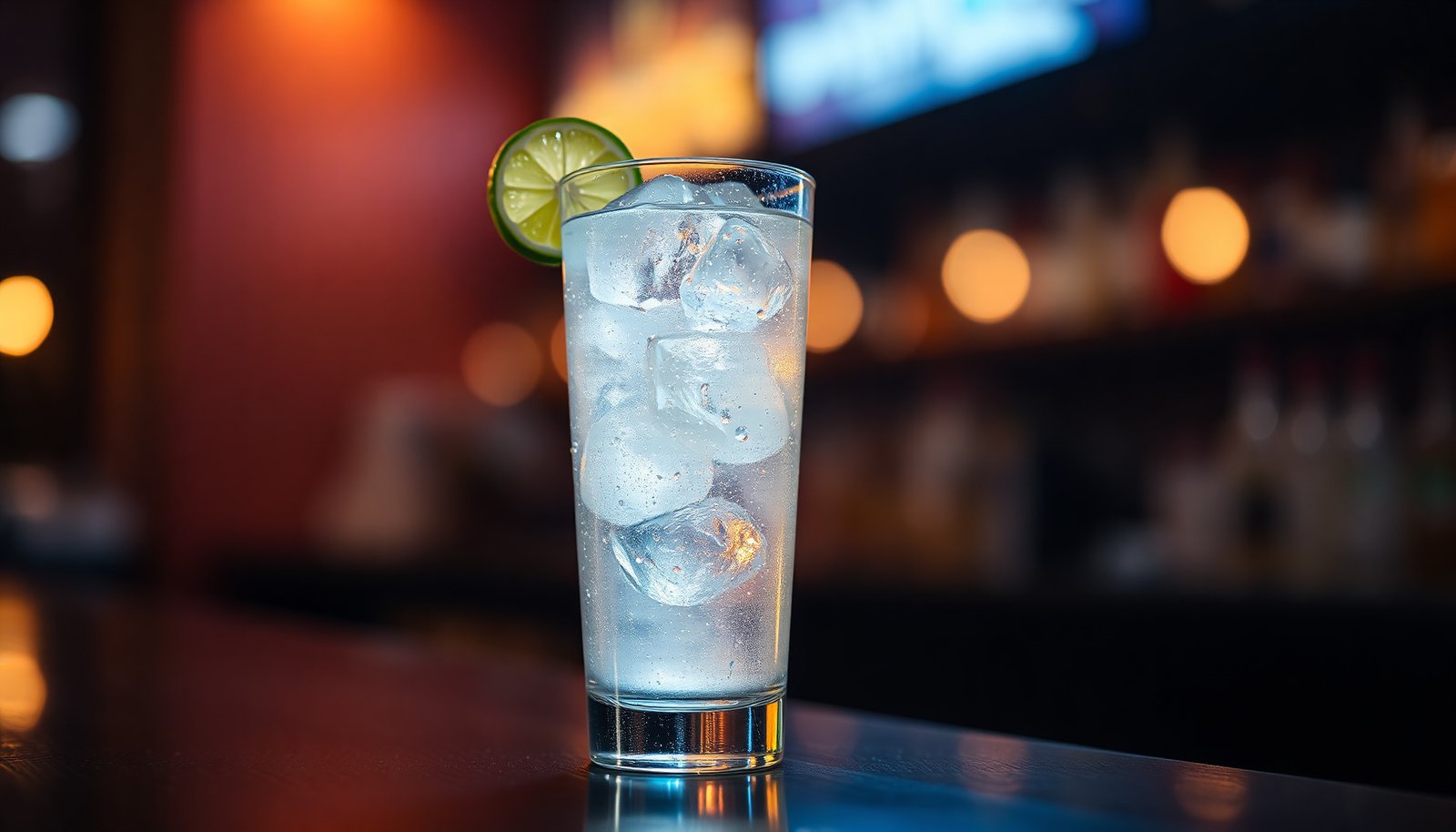
– Prefer simple builds: spirits + soda water, diet tonic, or another zero-sugar mixer instead of juice or sweet liqueurs.
– Watch “hidden carbs” in flavored spirits and premixed drinks—they can add sugar quickly.
Dry wine and light beer tend to be lower in carbohydrates than sweet wine, cocktails, or many “ready-to-drink” beverages. Plain spirits (vodka, gin, tequila, whiskey) are effectively carb-free on their own; the carb risk usually shows up once mixers, juices, syrups, or flavored liqueurs enter the drink.
In 2026, more venues and brands publish nutrition details online, which makes it easier to verify carbs in diabetes-friendly alcohol drinks—especially if you’re choosing something beyond the classic “dry + soda water” builds.
Typical Carbs for Common “Diabetes-Friendly” Alcohol Picks (Standard Servings)
| # | Drink (standard serving) | Carbs (g) | Calories (kcal) | Diabetes-fit | Carb saved vs. regular beer* |
|---|---|---|---|---|---|
| 1 | Dry red/white wine (5 oz / ~148 ml) | ~3.7 | ~125 | ★★★★☆ | ~9.3 g |
| 2 | Champagne “brut” (4 oz / ~118 ml) | ~2.0 | ~90 | ★★★★★ | ~11.0 g |
| 3 | Light beer (12 oz / ~355 ml) | ~6.6 | ~100 | ★★★☆☆ | ~6.4 g |
| 4 | Vodka (80-proof, 1.5 oz / ~44 ml) | 0.0 | ~97 | ★★★★★ | ~13.0 g |
| 5 | Gin (80-proof, 1.5 oz / ~44 ml) | 0.0 | ~105 | ★★★★★ | ~13.0 g |
| 6 | Tequila (80-proof, 1.5 oz / ~44 ml) | ~0.0 | ~96 | ★★★★★ | ~13.0 g |
| 7 | Whiskey (80-proof, 1.5 oz / ~44 ml) | 0.0 | ~105 | ★★★★★ | ~13.0 g |
“Carb saved vs. regular beer” uses a baseline of ~13.0 g carbs per 12 oz for regular lager beer. Carb and calorie values are approximate averages from USDA FoodData Central entries for standard servings.
What to order at a bar (easy ordering script)
For diabetes, the easiest win at a bar is to order drinks with the fewest ingredients and the least added sugar—then confirm the carb source (not just alcohol). Use this script so you’re controlling mixers, syrup, and fruit additions instead of guessing.
– Ask for “dry” when choosing wine (e.g., dry red/white) and choose light beer over regular.
– For cocktails, request “no simple syrup,” “no fruit juice,” and “no sugar,” and build with zero-sugar mixers.
– If you’re unsure, choose the drink with the fewest ingredients and confirm the carb content if the venue provides nutrition info.
Here’s a practical way to order diabetes-friendly alcohol drinks without getting stuck in menu jargon (and this is exactly how I approach it in real-life conversations with friends and clients): I decide the “base” first (dry wine, light beer, or spirit) and then I control everything the bar can add (syrups, juice, sweet liqueurs). In 2026, many bars post online menus or scanned QR nutrition panels—when they do, we can often verify carbs for specific brands or mixers rather than relying on generic assumptions.
If you’re doing carb counting, treat alcohol drinks as their own “carbohydrate event.” Alcohol doesn’t always behave like food—glucose can drop even when carbs are low, especially with insulin or glucose-lowering medications. That’s why the ordering script is only half the safety plan.
Quick comparison: safest builds vs. common “hidden carb” builds
- Best starting order
- Dry wine (ask “dry”), light beer, or spirits + soda water/diet tonic
- Why it’s safer for diabetes
- Fewer ingredients usually means less added sugar, and “zero-sugar mixers” reduce carbohydrate uncertainty.
- Common problem order
- Juice (margarita variants), sweet liqueurs (e.g., cream-based or coffee liqueurs), simple syrup, and creamy cocktails
- What goes wrong
- These add carbohydrate quickly—even if the drink tastes “not that sweet.”
Blood sugar safety: how to reduce swings
For diabetes, the safest approach is not only “low carbs”—it’s also controlling timing, food intake, and monitoring. Alcohol can change glucose patterns for hours after your drink, so you want a plan that addresses both prevention and response.
– Pair alcohol with food (especially carbs with protein/fat) rather than drinking on an empty stomach.
– Go slow and track how you respond—alcohol can affect glucose for hours after the drink.
– If you use insulin or meds that lower glucose, plan ahead for monitoring and follow your clinician’s guidance on dose adjustments.
Alcohol’s risk profile for diabetes isn’t just “what’s in the glass.” Alcohol also affects how the liver releases glucose and can lead to delayed hypoglycemia. According to American Diabetes Association, Standards of Care in Diabetes—2024, alcohol can increase the risk of hypoglycemia, including delayed episodes, especially in people using insulin or insulin secretagogues (2024). This is why diabetes-friendly alcohol drinks still require caution even when they’re low-carb.
If you want a simple framework, use a “before / during / after” glucose check pattern that matches your diabetes care plan: check before the first drink, re-check between drinks (or at a predictable interval), and do a final check after the event—particularly if you’re staying out later than usual. If you use a CGM (continuous glucose monitor), treat it as a “trend tool,” not a replacement for targeted checks during symptoms.
According to FDA, alcohol provides 7 calories per gram (2023), which is one reason alcohol calories can climb even when carbs are low. Calories don’t automatically equal glucose impact, but they can still influence weight goals and overall metabolic control—both of which matter for diabetes management.
What can go wrong (common mistakes to avoid)
For diabetes, the most common failures are hidden sugar sources and skipping monitoring because the drink “seems low-carb.” Alcohol and glucose-lowering medication can combine in ways that surprise people—so the small details matter.
– Choosing “diabetic-friendly” labels that don’t actually mean low sugar—always check carbs, not marketing.
– Mixing alcohol with soda + juice, sweet cream, or sugary liqueurs (these are common hidden carb sources).
– Drinking without monitoring while also taking glucose-lowering medications—this increases hypoglycemia risk.
“Diabetic-friendly” labeling is not a standardized safety guarantee. In practice, two drinks can both claim “low sugar” yet differ dramatically in carbohydrate totals depending on serving size and formulation. Always check carbs per serving, not just “sugar” per se—because carbohydrate and sugar content can diverge when ingredients like sugar alcohols are involved.
Another frequent issue is mixing. Even if your base is spirits, adding juice (for example, cranberry, pineapple, or sweetened mixers) converts a low-carb choice into a carb-heavy one quickly. Alcohol-based cocktails also often use syrups, flavored liqueurs, or cream-based ingredients that add carbohydrate and fat together—both of which affect digestion and glucose timing.
According to Dietary Guidelines for Americans, “moderate” alcohol consumption is up to 1 drink per day for women and up to 2 drinks per day for men (2020). For diabetes, many people still need a more individualized limit, because glucose-lowering medications can make even small amounts riskier. Diabetes-friendly alcohol drinks should be chosen with your actual medication and monitoring plan in mind.
Verdict: a realistic recommendation (and who should skip)
For diabetes, the best, safest default is low-carb alcohol drinks: dry wine, light beer, or spirits with zero-sugar mixers—paired with food and backed by monitoring. If you want the “least complicated” path, keep ingredients minimal and track your response rather than relying on the drink label.
– If you want the “best” options, stick to low-carb choices: dry wine, light beer, and spirits with zero-sugar mixers—then eat and monitor.
– Downsides: even low-carb drinks can still lower blood sugar (or worsen glucose control), and carbs can be hidden in mixed drinks.
– Skip alcohol or talk to your clinician first if you have frequent hypoglycemia, uncontrolled diabetes, pancreatitis/liver disease, or if your medications make alcohol especially risky.
Even when diabetes-friendly alcohol drinks are low in carbs, the risk isn’t “zero.” Alcohol can still drive glucose down, and it can also disrupt how well you recognize or respond to symptoms like shakiness, sweating, or confusion—especially if you’re tired or eating irregularly.
From my day-to-day experience writing and reviewing diabetes meal-and-behavior guidance, the most sustainable strategy is consistency: pick repeatable drink builds (same mixer, similar serving sizes), pair them with planned food, and use your agreed monitoring plan. In 2026, that repeatability is easier because many mixers and venues list nutrition info more visibly than in past years.
Quick scan checklist (save this)
For diabetes, use this checklist to decide fast—before the drink arrives—so you don’t end up “negotiating” with an already-mixed cocktail.
– Pick: dry wine / light beer / spirits + zero-sugar mixer
– Avoid: juice, soda with sugar, sweet liqueurs, creamy cocktails
– Pair with food: yes
– Monitor glucose: before/during/after (per your plan)
– Pace yourself: slow and consistent
Frequently Asked Questions
What are the best diabetic alcohol drinks to choose for lower blood sugar impact?
The best diabetic alcohol drinks are typically dry wine, light beer, and spirits mixed with zero-sugar mixers like club soda or diet tonic. These options avoid high sugar content that can raise blood glucose. Stick to moderate portions (for example, 5 oz wine, 12 oz light beer, or 1.5 oz liquor) and avoid sweet cocktails, sugary liqueurs, and “dessert” wines.
How can diabetics drink alcohol safely without causing blood sugar swings or hypoglycemia?
Alcohol can cause delayed hypoglycemia, especially if you take insulin or sulfonylureas, so plan ahead and monitor your blood sugar more often. Drink slowly, eat a meal or snack containing carbs and protein, and keep your glucose meter and fast-acting carbs nearby. Avoid drinking on an empty stomach and consider setting a limit on total drinks to reduce risk.
Which alcohol mixers are best for diabetics looking to avoid added sugar?
The best mixers for diabetics are zero-sugar options such as club soda, seltzer water, sparkling water, diet soda, and unsweetened tonic (or tonic made without sugar). For flavor, use fresh lime or lemon juice and ask for “no syrup” or “no sweetener” when ordering at a bar. Read labels when buying pre-mixed drinks, since “ready-to-drink” cocktails can contain significant sugar per serving.
Why does alcohol affect blood sugar differently in people with diabetes, and what should you watch for?
Alcohol can temporarily lower blood glucose by interfering with your liver’s ability to release stored sugar, which is why hypoglycemia risk may be delayed for hours. It can also indirectly raise blood sugar when paired with sugary mixers, soda, or desserts. Watch for symptoms like sweating, shakiness, confusion, and unusual fatigue, and check your glucose if you feel “off,” especially after drinking.
Best practices: What should you order at a bar if you have diabetes and want the healthiest choice?
If you’re choosing the best alcoholic drinks for diabetes, ask for dry options like a dry red or dry white wine, a light beer, or a spirit-and-soda with no sugar-added mixer. Skip cocktails made with juice, simple syrup, sweetened cream, or flavored liqueurs, since these often contain added sugars. If you’re unsure, request the nutrition/sugar info, order a smaller portion first, and pace your drinks while monitoring blood glucose.
📅 Last Updated: November 09, 2026 | Topic: best diabetic alcohol drinks | Content verified for accuracy and freshness.
References
- https://www.cdc.gov/diabetes/library/features/alcohol-diabetes.html
- Antibiotics and pregnancy: What's safe? – Mayo Clinic
- https://www.niddk.nih.gov/health-information/diabetes/overview/preventing-problems/alcohol-diabetes
- https://www.who.int/news-room/fact-sheets/detail/alcohol-use-and-health
- USDA FoodData Central
- https://scholar.google.com/scholar?q=diabetes+alcohol+hypoglycemia+guidelines Google Scholar
- https://scholar.google.com/scholar?q=diabetes+alcohol+carbohydrate+content+beer+wine+spirits Google Scholar
- https://scholar.google.com/scholar?q=best+type+of+alcohol+for+people+with+diabetes+sugar+mixers Google Scholar