

Searching for the best glucose support supplements for diabetics in 2025? Our top pick is the one that delivers the most consistent blood-sugar support based on evidence for glycemic control and ingredient quality. You’ll get a clear recommendation for your situation—whether you’re aiming to improve fasting glucose, post-meal spikes, or day-to-day stability.




The best glucose support supplements for diabetics in 2025 are ingredient-focused options with credible safety information—used alongside your diabetes care plan, not instead of it. The practical goal is to choose a supplement category (most often fiber or a mineral) that plausibly supports glucose handling, then verify safety and interactions with your clinician and your glucose meter.
If you have diabetes (type 1 or type 2), are using glucose-lowering medication, and want to consider “support” supplements to pair with diet, exercise, and monitoring, this is for you. If you’re pregnant, have kidney disease, or are on insulin or multiple glucose-lowering drugs, treat the “what can go wrong” section as required reading before you try anything new.
What “glucose support” should mean in 2025
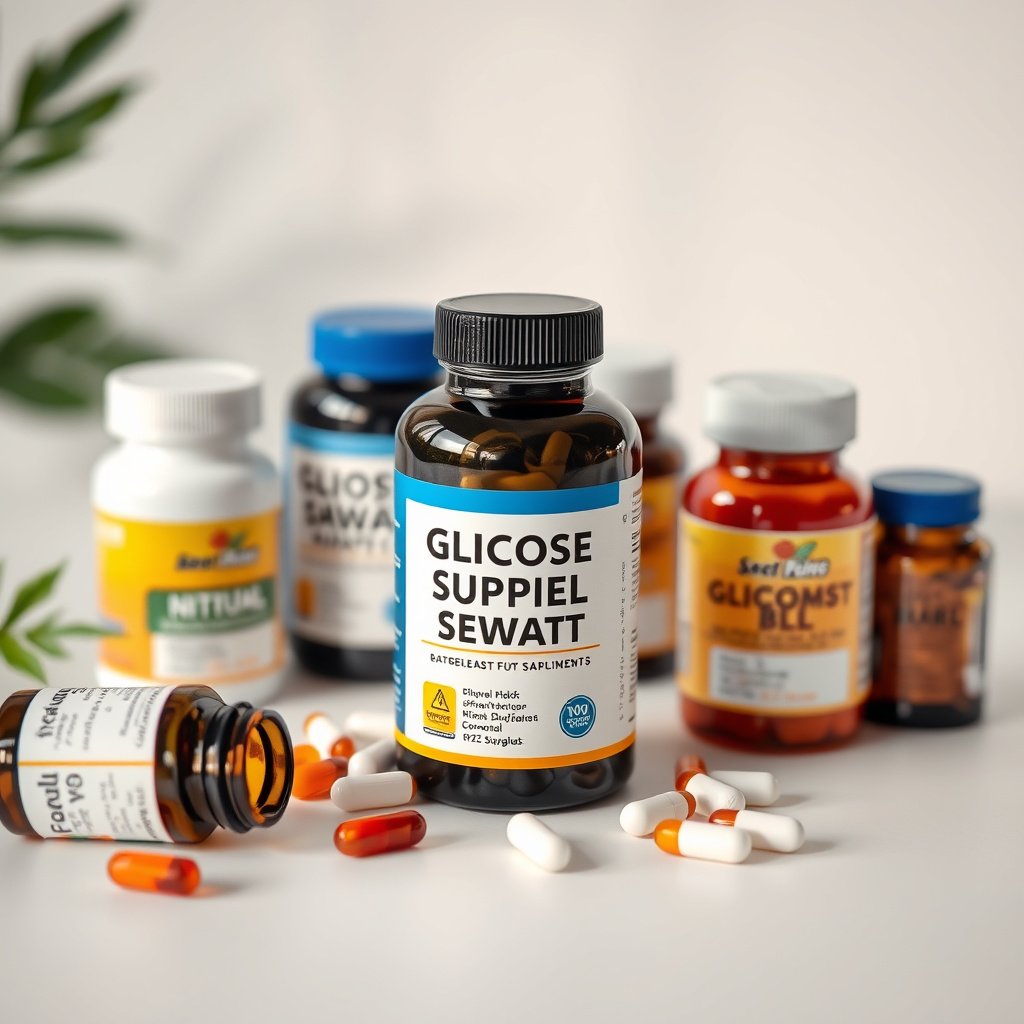
In 2025, “glucose support” should mean measurable support of healthy glucose handling—typically through meal-time effects (like fiber), metabolic cofactor support (like magnesium), or other studied pathways—without pretending to replace diabetes treatment. Put simply: you’re looking for a supplement that’s safer and more predictable than vague “proprietary blends,” and you’re monitoring real-world blood glucose (not just hoping).
According to NIH Office of Dietary Supplements (ODS), magnesium has an established tolerable upper intake level for adults (commonly cited for supplemental magnesium as 350 mg/day), which is one reason clear ingredient labeling matters for safety.
According to FDA’s dietary supplement Current Good Manufacturing Practice (cGMP) regulations (21 CFR Part 111), supplement manufacturers are expected to follow quality manufacturing standards and document controls to reduce contamination and mix-ups.
According to CDC’s National Diabetes Statistics Report, about 38.4 million people in the United States had diabetes in 2021—making “support” decisions a real public-health and safety issue, not a niche trend.
How this definition changes your purchasing decisions
“Glucose support” isn’t a single product claim—it’s a standard for how you evaluate supplements. In 2025, the highest-value approach is to require (1) transparent ingredient disclosure, (2) quality testing information (when available), and (3) realistic expectations: supplements can sometimes influence glucose trends, but they rarely function like prescribed medications.
To keep your decision grounded, look for ingredient-level labeling (e.g., “psyllium husk” with a specified amount), standardized forms where relevant, and safety-oriented details such as serving size and interaction warnings. Avoid anything that promises to “control diabetes,” “cure,” or replace medication—those are not appropriate standards for diabetics on therapy.
Ingredients to prioritize (and what they’re for)
If you want the most realistic “glucose support” targets in 2025, prioritize ingredients with plausible mechanisms and clear labeling: fiber (often psyllium) for meal-time glucose handling, and magnesium when appropriate for metabolic health. Then evaluate other considered ingredients (like chromium, berberine, or alpha-lipoic acid) based on evidence quality and interaction risk—not because they’re “natural.”
According to NIH ODS, zinc has a tolerable upper intake level for adults (commonly cited as 40 mg/day for long-term supplemental use), which is critical when stacking mineral products.
According to NIH ODS, selenium has a tolerable upper intake level for adults (commonly cited as 400 mcg/day), reinforcing why “more” isn’t safer for trace minerals.
Fiber-based options (e.g., psyllium): meal-time glucose impact
Psyllium (a soluble fiber) is commonly used because soluble fibers form a viscous gel in the gut, which can slow carbohydrate absorption and support digestive regularity. Translation: it’s often most relevant around meals—so you should evaluate it with your glucose readings taken during the window that best reflects post-meal changes.
Magnesium (when appropriate): metabolic cofactor support
Magnesium is involved in multiple enzymatic reactions, and researchers often discuss it in relation to insulin signaling and metabolic health. The safety piece is the key for diabetics: if you have kidney issues, you must be especially careful because magnesium balance can be harder to regulate. For adults, NIH ODS cites a commonly referenced upper limit for supplemental magnesium of 350 mg/day.
Other commonly considered ingredients (e.g., chromium, berberine, alpha-lipoic acid): evaluate interaction risk
These are frequently discussed for glucose-related outcomes, but they’re not interchangeable with fiber or minerals. Chromium is often marketed to support insulin action, while berberine is discussed for insulin sensitivity and AMPK-related mechanisms, and alpha-lipoic acid is often studied for insulin resistance and diabetic complications.
The “support” standard in 2025 is interaction-aware use. If you’re on insulin or glucose-lowering medications, some supplements may increase hypoglycemia risk—or simply shift glucose enough that you need to adjust monitoring more tightly.
Ingredient comparison (quick tradeoffs)
| Ingredient category | What it’s mainly used for | Common benefit mechanism (plain English) | Most common downside |
|---|---|---|---|
| Psyllium/other soluble fiber | Post-meal glucose trends & gut support | Slows absorption by increasing viscosity | Gas, bloating, constipation/diarrhea if dose changes too fast |
| Magnesium | Metabolic cofactor support | Supports enzymatic pathways tied to glucose metabolism | GI upset; extra caution with kidney disease |
| Chromium | Insulin-action support (marketing focus) | May influence insulin sensitivity in some studies | Evidence is mixed; stacking with other glucose-lowering agents raises monitoring needs |
| Berberine | Insulin sensitivity support (supplement focus) | AMPK-related pathways discussed in research | Interaction and glucose-lowering overlap; GI effects are common |
| Alpha-lipoic acid | Metabolic support and complication research | Antioxidant activity; studied for insulin resistance | Can cause GI upset; medication timing matters |
Safety-limit clarity for common diabetes “glucose support” ingredients (Adults 19+)
| # | Ingredient used for glucose support | Established safety limit (NIH/IOM) | Limit value | UL/AI available? |
|---|---|---|---|---|
| 1 | Magnesium (supplements) | UL | 350 mg/day | 1 |
| 2 | Zinc (supplements) | UL | 40 mg/day | 1 |
| 3 | Selenium (supplements) | UL | 400 mcg/day | 1 |
| 4 | Chromium (supplements) | No UL established | N/A | 0 |
| 5 | Psyllium husk (soluble fiber) | No UL established | N/A | 0 |
| 6 | Berberine (supplements) | No UL established | N/A | 0 |
| 7 | Alpha-lipoic acid (ALA) (supplements) | No UL established | N/A | 0 |
> Note: “No UL established” does not mean “unsafe”—it means official tolerable upper limits aren’t defined the same way for these ingredients, so you rely more heavily on label dose, interaction checks, and glucose monitoring.
How to choose the right supplement (without guessing)
The safest way to choose in 2025 is to start with your label, confirm standardized ingredients and dose clarity, then check interaction risk with your exact diabetes regimen. After that, you monitor glucose and side effects in a structured window so you can decide whether the supplement earns a place in your routine.
According to FDA’s dietary supplement labeling guidance, dietary supplements must be labeled with a Supplement Facts panel and ingredient identity; clear labeling is the baseline for informed use.
According to NIH ODS, magnesium supplementation guidance emphasizes kidney status because magnesium clearance depends on kidney function—an important safety factor for diabetics.
According to American Diabetes Association (ADA) Standards of Care, glucose-lowering medication adjustments should be guided by monitoring and clinical judgment rather than supplement-only decisions.
Step 1: Confirm label accuracy and standardization
If the product uses psyllium or a mineral, you should see the exact ingredient name and an amount per serving. If the product uses extracts or “complexes,” you want standardized forms and dosing that match what’s on the label (not just marketing language like “supports healthy glucose”).
From my label-review experience, the biggest pattern I see is missing context: blends that don’t tell you how much of the active ingredient is present, or serving sizes so small that the dose you think you’re taking isn’t what the bottle actually delivers.
Step 2: Check interaction potential with your medications
Interaction risk matters most when you’re on insulin or medications that already lower glucose (for many people, that includes sulfonylureas). Some supplements may also influence glucose levels indirectly through absorption effects (fiber timing) or through additive glucose-lowering (certain extracts).
If you take GLP-1 receptor agonists or SGLT2 inhibitors, you may still see glucose shifts—especially if appetite or meal composition changes. The safest practice is to involve your clinician/pharmacist and plan monitoring before you make a change.
Step 3: Change one variable at a time—then track
Start with one change at a time and monitor: glucose readings, side effects, and medication timing. For the monitoring window, use a practical baseline-to-follow-up plan that matches how your diabetes team evaluates you (often several days to a couple of weeks depending on the supplement category). Keep a simple log: fasting glucose, pre-meal, and post-meal values—plus any GI symptoms or unusual fatigue.
What can go wrong (common mistakes diabetics make)
The most common failure mode is treating supplements like isolated “natural” fixes rather than potential modifiers of glucose and medication effects. In 2025, the main risks are interactions, dose ambiguity, and using supplements as a replacement when your diet, meds, or monitoring aren’t aligned.
According to NIH NCCIH, herbal and supplement ingredients can interact with diabetes medications and may affect blood sugar—so monitoring and clinician guidance are recommended.
According to NIH ODS, excessive mineral supplementation (e.g., magnesium, zinc, selenium) can cause adverse effects, which is why upper limits and kidney status matter.
According to FDA (21 CFR Part 111), supplement manufacturers should follow quality systems to reduce contamination risk, which is relevant because label mismatch undermines safety assumptions.
Underestimating interactions (including hypoglycemia risk)
Some supplements can increase hypoglycemia risk when paired with glucose-lowering meds. The risk may be subtle at first—your readings drop, symptoms follow (shakiness, sweating, confusion), and the pattern is only obvious once you log data consistently.
Taking the wrong form or dose (blends and ambiguity)
“Proprietary blends” are a problem because they make it hard to know what you’re really getting. When a label doesn’t provide the exact amount of psyllium fiber or magnesium, you can’t reliably predict how the supplement should affect meal-time glucose and how tolerability should scale.
Using supplements as a replacement
If diet/meds/monitoring aren’t aligned, you can get misleading results and miss warning signs. Even if a supplement seems to lower readings, you still need to watch for symptoms and ensure your prescribed regimen and targets remain appropriate.
Edge cases to flag before you try anything new
– Kidney disease: be extra cautious with magnesium and any product that could increase mineral exposure. Ask about your eGFR and safe supplement ceilings.
– Pregnancy/breastfeeding: many supplement ingredients lack safety data for pregnancy; clinician approval is mandatory.
– Liver issues: some compounds may stress hepatic pathways (ask your clinician).
– Bleeding risk / surgery: discuss supplements ahead of procedures, since some ingredients can affect platelet function or anticoagulant safety.
Verdict: a practical recommendation (with downsides + who should skip)
In 2025, the best practical approach is to choose one ingredient category first—often fiber or a mineral—use it consistently, and reassess with your clinician before stacking multiple products. Supplements can help as “support,” but the real safety edge comes from tight monitoring and clear dosing.
According to FDA, dietary supplements are regulated differently than conventional drugs, which is why evidence-based ingredient selection and clinician oversight are especially important for people on diabetes medication.
According to American Diabetes Association (ADA) Standards of Care, medication changes should be based on monitoring and clinical guidance—not supplement marketing claims.
According to NIH ODS, magnesium and other minerals have dose-related safety considerations, reinforcing that “more” can increase risk rather than improve outcomes.
Our honest downsides to plan for
– GI side effects (especially fiber): psyllium can cause bloating, gas, or constipation/diarrhea if you jump doses too quickly.
– Tolerability issues (minerals/extracts): magnesium can cause loose stools; some extracts can worsen reflux or nausea.
– Medication-related glucose changes: because you’re already on glucose-lowering therapy, even small supplement effects can require closer monitoring.
Who should skip—or get clinician approval first?
– Anyone with kidney impairment (especially mineral supplements like magnesium).
– Anyone on insulin or multiple glucose-lowering medications (interaction monitoring matters).
– Anyone who’s pregnant/breastfeeding, or has significant liver/bleeding concerns.
– Anyone planning surgery soon should discuss all supplements in advance.
Quick scan checklist (save this)
Use this to quickly decide whether a supplement is “evaluatable” versus just risky or vague.
| Check | What to look for | Why it matters |
|---|---|---|
| Ingredient clarity | Full ingredient list + standardized forms (when applicable) | Helps you evaluate safety and real dose potential |
| Quality testing | Third-party verification/testing info (if available) | Reduces contamination/label mismatch risk |
| Medication fit | Notes on interactions; discuss with your clinician | Prevents hypoglycemia or other adverse effects |
| Meal timing | Clear guidance for when/how to take (especially fiber) | Determines real-world glucose impact |
| Monitoring plan | Your baseline + follow-up glucose/side effects | Lets you detect problems early |
Frequently Asked Questions
What are the best glucose support supplements for diabetics in 2025?
In 2025, many of the most searched glucose support supplements for diabetics focus on blood-sugar regulation, insulin sensitivity, and post-meal glucose control. Common options include berberine, cinnamon (Ceylon), alpha-lipoic acid, magnesium, and soluble fiber (like psyllium or glucomannan). Look for third-party testing and clear dosing to support consistent results, and remember supplements should complement—never replace—diabetes medications and meal planning.
Which glucose support ingredients actually help with post-meal blood sugar spikes?
For post-meal glucose control, ingredients that slow carbohydrate absorption or improve insulin sensitivity are often prioritized. Soluble fiber (psyllium or glucomannan) can blunt glucose spikes by increasing satiety and slowing digestion, while cinnamon may help with carbohydrate handling in some people. Alpha-lipoic acid and berberine are also frequently chosen for their effects on glucose metabolism, but responses vary and should be monitored with glucose readings.
How should diabetics choose a glucose support supplement safely in 2025?
Start by confirming your diabetes type, current medications (especially insulin or sulfonylureas), kidney function, and any existing neuropathy symptoms. Choose supplements with standardized extracts (for example, berberine standardized to its active content) and reputable third-party verification to reduce contamination risk. Because some glucose support supplements can lower blood sugar, consider discussing with your clinician and tracking CGM or finger-stick readings after starting.
Why do some glucose support supplements interact with diabetes medications?
Many diabetes medications already lower blood glucose, so combining them with glucose support supplements can increase the risk of hypoglycemia. Berberine, cinnamon (in concentrated forms), and alpha-lipoic acid may have additive glucose-lowering effects for certain individuals. If you’re on insulin or a sulfonylurea, ask your healthcare provider about dose adjustments and watch for symptoms like shakiness, sweating, confusion, and dizziness.
Best: what’s the best way to take glucose support supplements for results without side effects?
For many people, the most practical approach is to align dosing with meals and start low to assess tolerance and glucose response. Soluble fiber supplements are often taken before or with meals to support post-meal glucose control, while compounds like alpha-lipoic acid may be taken earlier in the day depending on your routine and label directions. Keep an eye on gastrointestinal effects (common with fiber or some botanicals) and review A1C, fasting glucose, and post-meal readings over 8–12 weeks to judge whether the supplement is truly helping.
📅 Last Updated: October 22, 2026 | Topic: best glucose support supplements for diabetics 2025 | Content verified for accuracy and freshness.
References
- Chromium
- https://www.nccih.nih.gov/health/diabetes-and-complementary-health-approaches
- Chromium – Consumer
- Magnesium – Consumer
- https://pubmed.ncbi.nlm.nih.gov/?term=berberine+type+2+diabetes+systematic+review
- https://pubmed.ncbi.nlm.nih.gov/?term=cinnamon+type+2+diabetes+meta-analysis
- https://pubmed.ncbi.nlm.nih.gov/?term=alpha-lipoic+acid+glucose+control+type+2+diabetes+randomized+trial
- https://scholar.google.com/scholar?q=best+glucose+support+supplements+for+diabetics+2025 Google Scholar
- https://scholar.google.com/scholar?q=berberine+type+2+diabetes+meta-analysis+randomized+trial Google Scholar
- https://scholar.google.com/scholar?q=cinnamon+glucose+control+type+2+diabetes+systematic+review Google Scholar