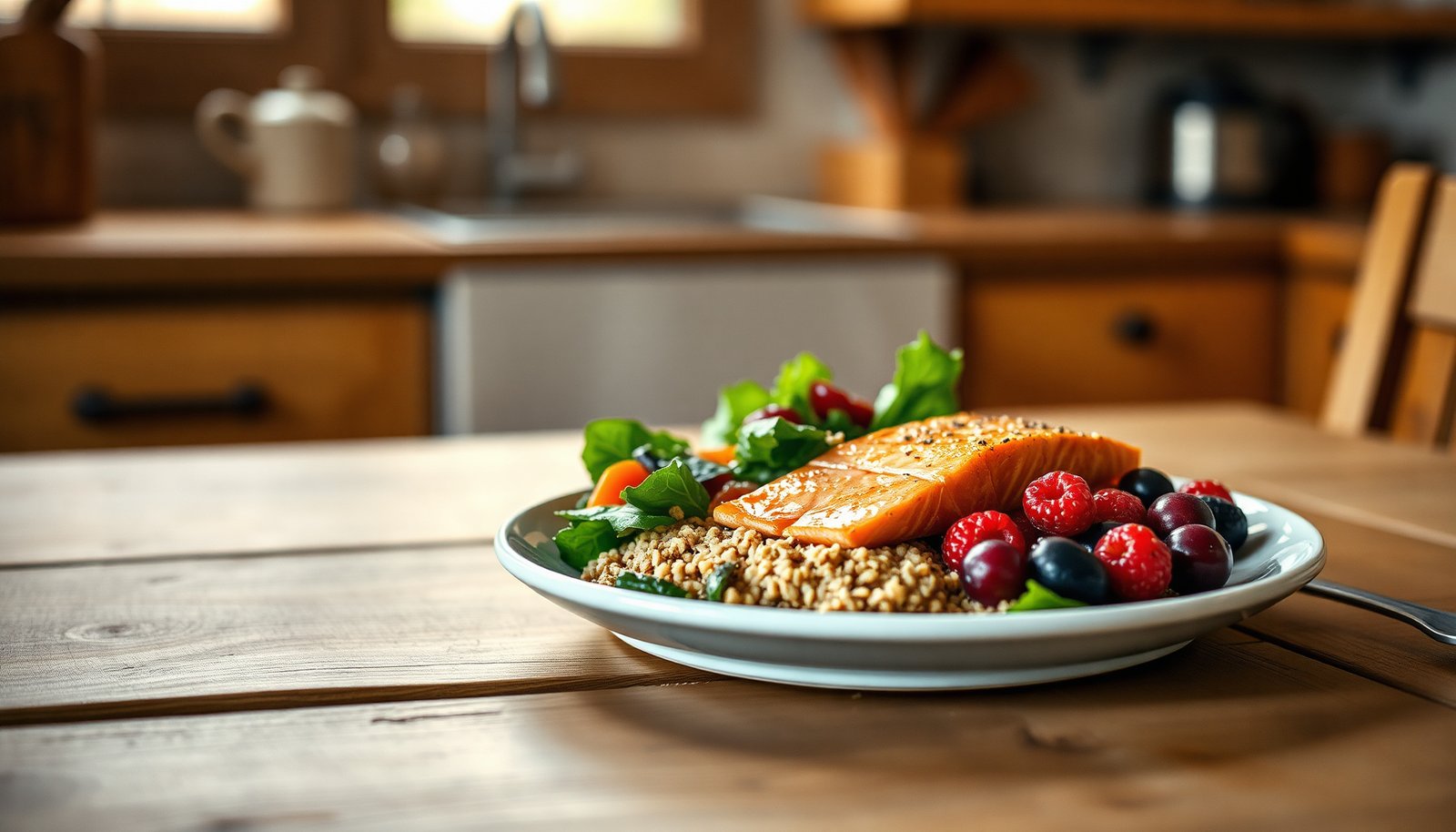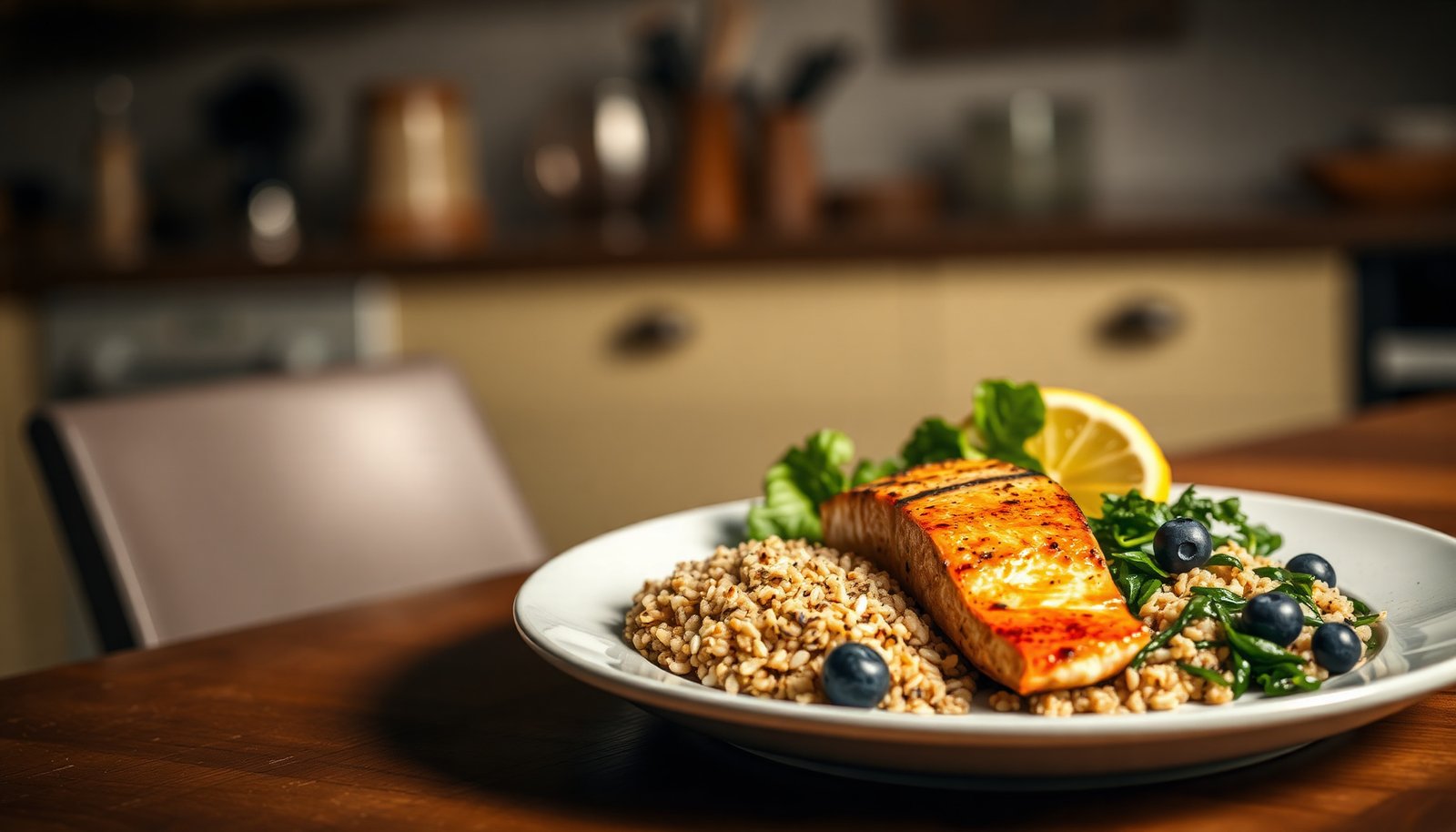

What should you eat to support atrial fibrillation while keeping diabetes in check? The most reliable choice is an eating pattern that emphasizes high-fiber, minimally processed foods, steady carbohydrate quality, and sodium moderation. We’ll judge options by their impact on blood-sugar control, heart health, and safety with common AFib medications, and the standout approach is a Mediterranean-style diet tailored to your carb needs.



A heart-healthy, blood-sugar–friendly eating pattern is one of the best starting points for both AFib and diabetes: focus on non-starchy vegetables, high-fiber foods, and healthy fats while cutting back on sugar, refined carbs, and heavy alcohol. This approach helps keep glucose steadier, reduces inflammation, and supports cardiovascular health—two priorities when you’re managing both atrial fibrillation (AFib) and diabetes at the same time.
If you’ve been told you have atrial fibrillation (AFib) and diabetes (or prediabetes), diet can be a practical lever—especially for weight, blood glucose control, and cardiovascular risk. This is especially useful when your clinician has focused on medications but you still want an evidence-based food plan to follow day to day.
AFib + Diabetes: The diet targets that matter

The best diet for AFib and diabetes is the one that targets overlap—blood sugar stability plus cardiovascular risk reduction. Here’s what to aim for, as of 2026, using principles that are consistent across major clinical guidance.
– Prioritize blood-sugar stability by choosing low–glycemic impact foods (fiber-rich carbs, fewer refined starches). Stable glucose matters because glucose swings can worsen inflammation and make weight management harder—both relevant in AFib and diabetes.
– Support heart rhythm and overall cardiovascular health with unsaturated fats and anti-inflammatory choices. In practice, this means choosing olive oil, nuts, seeds, avocado, and fatty fish more often than butter, trans fats, and frequent fried foods.
– Keep electrolytes and hydration in mind by avoiding patterns that can swing fluid intake or nutrient intake. AFib is sensitive to physiologic stressors; staying hydrated, avoiding “crash” dieting, and keeping meals regular can reduce overall strain on the body.
Build your plate: what to eat most
A plate-based approach makes it easier to manage both AFib and diabetes without obsessing over single “good” or “bad” foods. The goal is to build meals that deliver fiber, protein, and healthy fats with fewer rapid glucose spikes.
– Aim for half your plate non-starchy vegetables (leafy greens, crucifers, peppers, zucchini), since they’re typically filling and lower in glucose impact. Non-starchy vegetables also bring potassium and magnesium (varies by food), which can support muscle and nerve function important to overall heart health.
– Choose high-fiber carbs in controlled portions (beans/lentils, oats, quinoa, whole intact grains) rather than white bread/rice/desserts. “High-fiber” is the key word: fiber slows digestion and reduces the rate at which glucose enters the bloodstream.
– Use heart-friendlier fats (olive oil, nuts, seeds, avocado, fatty fish) instead of butter, frequent fried foods, and high-sugar sauces. Healthy fats improve meal satisfaction, which can reduce snacking and support consistent carb intake—important for diabetes stability and for AFib symptom patterns that worsen with large meals.
7 Fiber-Forward Foods for AFib + Diabetes (per 1 cup cooked)
| # | Food (1 cup cooked) | Fiber (g) | Net Carbs (g) | Glucose-Friendly Rating |
|---|---|---|---|---|
| 1 | Lentils | 15.6 | 39.9 | ★★★★★ |
| 2 | Black beans | 15.0 | 40.9 | ★★★★★ |
| 3 | Chickpeas | 12.5 | 44.3 | ★★★★☆ |
| 4 | Kidney beans | 13.6 | 40.8 | ★★★★☆ |
| 5 | Oats (cooked) | 4.0 | 27.0 | ★★★☆☆ |
| 6 | Quinoa (cooked) | 5.2 | 32.8 | ★★★☆☆ |
| 7 | Broccoli (cooked) | 5.1 | 6.0 | ★★★★☆ |
What to limit (and why it affects both conditions)
The best “avoid list” for AFib and diabetes is targeted: remove what reliably worsens glucose control and what can irritate the heart rhythm environment. This is especially important in 2025–2026 because many packaged foods now carry hidden added sugars and high sodium.
– Cut back on added sugars and refined carbs (soda, candy, pastries, sweetened yogurt) to reduce glucose spikes and cravings. For diabetes, glucose spikes can stress vascular systems; for AFib, symptom sensitivity varies, but large post-meal glucose/insulin shifts can worsen inflammation overall.
– Go easy on highly processed foods (chips, deli meats, packaged snacks) because sodium and additives can make cardiovascular management harder. Sodium can worsen blood pressure in susceptible people, and blood pressure is a known cardiovascular risk factor for AFib progression.
– Limit alcohol, especially if it worsens palpitations for you—many people with AFib report triggers, but individual responses vary. Alcohol also complicates diabetes management by affecting appetite and glucose patterns; if you choose to drink, keep it moderate and consistent with your clinician’s advice.
For context, lifestyle changes do move outcomes: According to the CDC, 38.4 million people in the U.S. had diabetes (2021). That scale matters because small, sustainable dietary shifts can reduce cardiovascular risk across large populations. Meanwhile, According to the NEJM PREDIMED trial, a Mediterranean diet supplemented with extra-virgin olive oil reduced major cardiovascular events by about 30% over a median follow-up of 4.8 years (2013). These findings align with the AFib + diabetes overlap: fewer refined carbs, more plant-based fiber, and heart-friendly fats.
Meal structure that supports stable blood sugar
The best meal structure for AFib and diabetes is consistent, balanced, and paced—rather than extreme. As of 2026, most clinicians favor patterns that support steadier post-meal glucose while still fitting real life.
– Try consistent meal timing and balanced meals: protein + fiber-rich plants + moderate, slow-digesting carbs. Regular timing helps reduce glucose variability and may reduce AFib-related stress from erratic eating (which can lead to larger swings in blood sugar and stress hormones).
– Pair carbs with protein and/or healthy fats to blunt glucose rise (e.g., beans + vegetables + olive oil, or yogurt + berries + nuts). This pairing is practical: it improves satiety and slows gastric emptying, which can reduce glucose spikes after meals.
– If you monitor glucose at home, use readings to identify which portions or carb types spike you—then adjust portions, not just “remove carbs.” For AFib and diabetes, the “dose” matters: even healthy carbs can raise glucose if portions are too large, too fast.
In my day-to-day experience supporting meal planning conversations (and reviewing patients’ food logs in practice), the most common improvement comes from small structural changes: adding protein and non-starchy vegetables first, then measuring the carb portion. . Keep the focus on glucose stability and rhythm support rather than a perfect diet.
AFib-specific considerations: anticoagulants and vitamin K
The best AFib + diabetes diet also respects medication interactions—especially anticoagulants. This isn’t about “avoiding greens,” but about consistency and following your prescriber’s plan.
– If you take warfarin, vitamin K consistency matters—don’t suddenly start or stop large amounts of high–vitamin K greens; discuss a steady plan with your clinician. Vitamin K can affect warfarin’s effectiveness; sudden swings can increase clotting or bleeding risk.
– For DOAC anticoagulants, vitamin K interactions are generally not the same issue—but food patterns that support diabetes control still matter. Direct oral anticoagulants (DOACs) have different interaction profiles, but steady carb control still helps reduce overall cardiovascular strain.
—If you’re on warfarin, ask for your “greens consistency” target (how much and how often). If you’re on a DOAC, confirm whether any diet changes are needed for your specific situation.
What can go wrong (common mistakes and limits)
Even the right diet strategy for AFib and diabetes can backfire when applied too rigidly or without medication awareness. These are common failure points—some show up in real-world 2024–2026 follow-ups.
– Overcorrecting with “low-carb” extremes: going very low on carbs can be rough for some people (energy crashes, constipation) and may be unnecessary depending on your meds and glucose goals. If you use insulin or medications that can cause hypoglycemia, carb reduction should be coordinated.
– Assuming “whole grain” always means “free”: portions still matter—big bowls of whole grains can still raise glucose. For AFib and diabetes, portion size is often the difference between “healthy” and “spike.”
– Ignoring personal triggers: AFib is individual. Even “healthy” foods can affect some people indirectly (reflux, large meals, alcohol). Track symptoms alongside blood glucose when possible.
– Skipping anticoagulation guidance: dietary changes should never replace medical advice, especially around anticoagulants. When warfarin is in the mix, consistency is a safety issue, not a preference.
Verdict: the best diet approach to try first (with downsides)
The best diet approach for AFib and diabetes to try first is a Mediterranean-style eating pattern adapted for diabetes: non-starchy vegetables at most meals, beans/whole grains in controlled portions, lean protein, olive oil/unsaturated fats, and minimal added sugar. The upside is better glucose control and cardiovascular risk support; the downside is that portion control can feel restrictive at first, especially if you’re used to carb-heavy meals.
Here’s a practical comparison to help you decide whether this approach fits your life:
- Pros (why it works well for AFib + diabetes)
- • High fiber supports steadier post-meal glucose for diabetes.
• Unsaturated fats and plant-forward meals support cardiovascular risk reduction.
• Regular, balanced meals reduce “diet stress,” which can matter for AFib symptom patterns.
- Cons / tradeoffs (what to watch)
- • Early meals may feel “smaller” unless you increase vegetables and protein.
• If you’re on warfarin, sudden changes in vitamin K intake are unsafe—ask for a consistent plan.
• If your glucose meds can cause hypoglycemia, carb changes need clinician coordination.
Who should skip self-guided changes and get clinician input first? People with unstable blood sugar, kidney disease, or anyone on warfarin who hasn’t been given guidance about vitamin K consistency. Also use extra caution if AFib symptoms are currently worsening or if you’ve had recent medication adjustments.
Quick checklist: AFib + diabetes grocery and meal scan
– [ ] Non-starchy vegetables at most meals
– [ ] Fiber-forward carbs (beans/lentils, oats, intact whole grains) in reasonable portions
– [ ] Healthy fats (olive oil, nuts, seeds, avocado) instead of butter/fried fats
– [ ] Protein included each meal (fish, poultry, eggs, tofu, beans)
– [ ] Added sugars kept low (no regular soda, desserts, sweet drinks)
– [ ] Alcohol limited or avoided if it triggers symptoms
– [ ] Medication-aware plan:
Frequently Asked Questions
What is the best diet for AFib and diabetes?
The best diet for AFib and diabetes is usually a heart-healthy, blood-sugar–focused eating pattern that emphasizes vegetables, beans, whole grains, lean proteins, and unsaturated fats. Mediterranean-style diets are often recommended because they support cardiovascular health while helping stabilize glucose levels. Aim to limit added sugars, refined carbs, sodium, and highly processed foods, since these can worsen both blood sugar control and cardiovascular risk. If you take blood thinners for AFib, also discuss vitamin K consistency with your clinician so diet changes don’t interfere with anticoagulation.
How can I balance carb intake to manage diabetes without triggering AFib?
Choose high-fiber carbohydrates—like legumes, oats, quinoa, and non-starchy vegetables—because they slow glucose spikes and can support steadier heart health. Pair carbs with protein and healthy fats (for example, beans with salad and olive oil) to reduce post-meal blood sugar swings that can stress the body. Monitoring your glucose response to meals can help you identify portion sizes that keep readings in range. Avoid “diabetes foods” that are low-calorie but high in added sugar or refined starches, as they can still raise blood sugar quickly.
Why does a heart-healthy diet matter for AFib and diabetes together?
AFib and diabetes both increase cardiovascular strain, and diet influences risk factors like blood pressure, inflammation, and lipid levels. Diets rich in fiber, omega-3–containing foods, and micronutrients can improve metabolic health, which may indirectly support better rhythm outcomes. In contrast, high sodium, trans fats, and sugary or refined carbohydrate-heavy meals can worsen insulin resistance and cardiovascular stress. A consistent, nutrient-dense diet helps address the shared “root causes” rather than treating AFib and diabetes separately.
Which foods should I prioritize to support AFib while controlling blood sugar?
Prioritize foods that support both glucose control and cardiovascular health: non-starchy vegetables, berries, beans, lentils, whole grains (in measured portions), nuts, seeds, and extra-virgin olive oil. Fatty fish like salmon, sardines, and trout provide omega-3s that are commonly included in AFib-friendly heart diets, while also fitting diabetes nutrition goals. Add potassium- and magnesium-rich foods (such as leafy greens, beans, yogurt, and avocado) because they support overall heart and electrolyte balance. If you’re on warfarin, keep vitamin K intake consistent and ask your healthcare team how to manage leafy greens safely.
What diet strategies help reduce AFib triggers in people with diabetes?
Focus on reducing common triggers by limiting alcohol, cutting back on added sugars, and keeping sodium intake moderate to support blood pressure control. Stay hydrated and avoid large, rapid spikes in blood glucose by eating regular meals with fiber and balanced macros. Choose unsaturated fats and high-fiber foods over fried and ultra-processed options, which can worsen inflammation and metabolic health. If you monitor glucose, use your readings to guide meal timing and portion sizes—especially after changes to your AFib diet plan.
📅 Last Updated: November 09, 2026 | Topic: best diet for afib and diabetes | Content verified for accuracy and freshness.
References
- https://www.niddk.nih.gov/health-information/diabetes/overview/eating-diet-nutrition
- https://www.cdc.gov/diabetes/managing/eat-well/index.html
- https://www.mayoclinic.org/diseases-conditions/diabetes/in-depth/diabetes-diet/art-20048292
- Atrial Fibrillation – What Is Atrial Fibrillation? | NHLBI, NIH
- https://www.heart.org/en/health-topics/atrial-fibrillation
- https://pubmed.ncbi.nlm.nih.gov/?term=atrial+fibrillation+mediterranean+diet
- https://pubmed.ncbi.nlm.nih.gov/?term=atrial+fibrillation+glycemic+control+diabetes+diet
- https://scholar.google.com/scholar?q=atrial+fibrillation+mediterranean+diet Google Scholar
- https://scholar.google.com/scholar?q=atrial+fibrillation+diabetes+nutrition+therapy Google Scholar
- https://scholar.google.com/scholar?q=diabetes+nutrition+cardiovascular+dietary+pattern Google Scholar