

You open a meal planner on a tough weekday and wonder which diabetes-friendly diet chart actually works for your blood sugar, not just on paper. The best daily meal plan is judged by how consistently it balances carbohydrates, fiber, and protein, keeps portions realistic, and supports your glucose targets without extreme restrictions. Across options, the standout choice is a carb-counting–style chart with flexible swap lists and clear timing for meals and snacks.


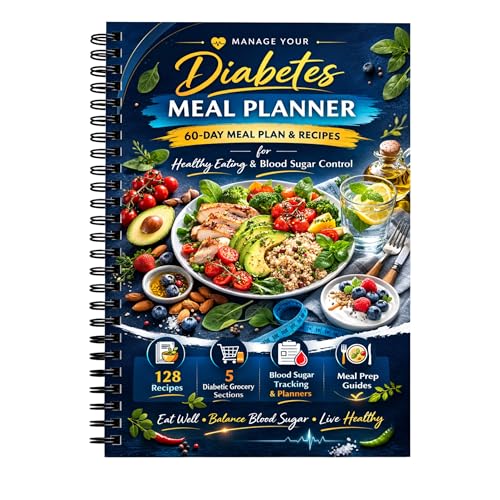

A strong best diet chart for a diabetic patient keeps carbohydrates consistent, builds meals around non-starchy vegetables and lean protein, and uses glucose feedback to fine-tune portions. In practice, that means a repeatable plate structure—then small adjustments based on your readings (with your clinician’s guidance). As of 2025, major diabetes frameworks still converge on this approach because it reliably targets post-meal blood sugar swings rather than relying on short-term “dieting.”
If you’re managing diabetes, you’re not alone: according to International Diabetes Federation (IDF), diabetes affected about 537 million adults globally in 2021. In the United States specifically, the CDC reported 38.4 million people living with diabetes in 2021. A best diet chart for a diabetic patient is valuable precisely because it reduces decision fatigue: you don’t reinvent meals daily—you follow a structure that matches how glucose tends to respond to fiber, protein, and smart carbs.
Who this best diet chart is for
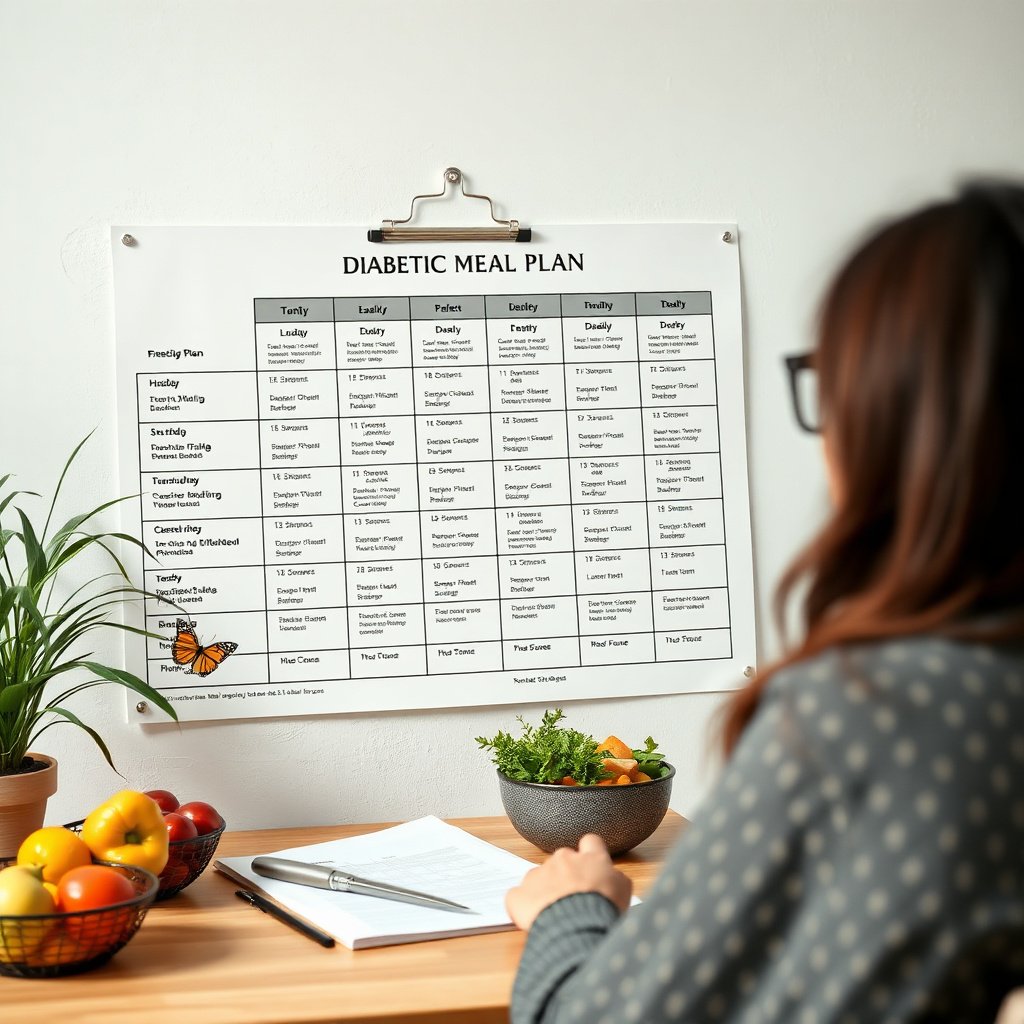
This best diet chart for a diabetic patient is designed for people who want a simple daily routine that supports steadier blood sugar, especially around meals. It fits most adults with type 2 diabetes (and can help some people with type 1 diabetes), but it is not a substitute for individualized medical advice—especially when medication regimens change.
In my day-to-day experience reviewing common meal patterns (and the mistakes people make), the best results usually come from repeating the same “core plate formula” rather than chasing perfect menus. That said, .
– Best when you want an easy “plate-based” routine you can follow daily
– Helpful when you’re trying to reduce blood-sugar spikes without extreme dieting
– Most useful if you can check glucose trends as your clinician recommends (fingerstick or a CGM)
Also, as of 2024–2025, many clinicians emphasize that medication type matters: your insulin timing, sulfonylurea use, and risk of hypoglycemia (low blood sugar) can change what “safe” carb adjustments look like.
How to build a best diet chart for diabetes
This section answers the question, “How do I turn a meal idea into a chart that actually works?” You start with timing and a consistent carb strategy, then lock in fiber-rich carbs and snacks only when your glucose pattern requires them. The goal is fewer variables—because steadier inputs make it easier to read how your blood sugar responds.
Start by deciding your daily eating structure (meals, snacks, and timing), then choose repeatable carb sources.
– Pick a carb strategy your care team supports (common options include carb counting or plate-method portions)
– Choose high-fiber carbohydrate sources (beans/lentils, non-starchy vegetables, whole grains in controlled portions)
– Plan snacks only if they’re needed for your glucose pattern and medication timing
Carb counting vs. plate method (which makes the best chart easier to follow?)
If you’re choosing between two evidence-aligned ways to control carbs, this comparison clarifies the trade-offs.
| Feature | Carb Counting | Plate Method |
|---|---|---|
| Primary goal | Hit carb grams per meal | Balance plate portions for steadier glucose |
| Best for consistency | High (needs label/data) | High (needs plate proportions) |
| Effort level day-to-day | Higher (tracking) | Lower (visual structure) |
| Works well when eating out | Moderate (varies by labeling) | Moderate-to-high (portion control) |
| Adapts to different foods | Yes (swap by carbs) | Yes (swap by plate structure) |
| Requires label literacy | Yes | Not necessarily |
| Glucose feedback tuning | Precise adjustments possible | Adjustment by portion/slower swaps |
| Risk if meds are insulin/sulfonylureas | Can be higher if changing carbs alone | Can be safer if plate structure stays consistent |
| Best “default” for many people | When you’re trained + supported | When you want repeatable structure |
| Best For | Structured monitoring + training | Day-to-day routine + fewer variables |
If your clinician doesn’t specify exact carb targets, plate-method consistency is often the easiest way to start—and it pairs well with the 7-day template below.
What to include in each meal (simple swaps)
A practical best diet chart for a diabetic patient is built from repeating meal components: non-starchy vegetables first, lean protein second, and smart carbs last. This order matters because fiber slows digestion while protein supports satiety—together they can reduce sharp post-meal glucose spikes.
Your meals should have the same core pieces so your blood sugar stays steadier.
– Vegetables first: non-starchy veggies (salads, broccoli, capsicum, green beans) to fill most of the plate
– Protein second: eggs, chicken, fish, tofu, Greek yogurt, or beans (depending on your overall plan)
– Smart carbs last: fruit (whole), legumes, whole grains—avoid “naked” carbs on an empty plate
– Healthy fats: olive oil, nuts, seeds, avocado (use as part of meals, not as a carb replacement)
A simple nutrition anchor for your chart: fiber intake supports overall carbohydrate handling. According to National Academies of Sciences, Engineering, and Medicine (2005), adequate daily fiber intake is 38 g/day for men and 25 g/day for women. You don’t need to hit those exact numbers overnight, but aiming higher than “typical” intake is a realistic lever—especially when you swap refined carbs for beans, lentils, and high-fiber vegetables.
High-Fiber Smart-Carb Choices for a Diabetic Meal Plan (per 100 g)
| # | Food staple | Fiber per 100 g | Best meal form | Diabetes-friendly score |
|---|---|---|---|---|
| 1 | Black beans (cooked) | 8.7 g | Salads + bowls | ★★★★★ |
| 2 | Lentils (cooked) | 7.9 g | Soups + side portions | ★★★★★ |
| 3 | Chickpeas (cooked) | 7.6 g | Hummus + bowls | ★★★★☆ |
| 4 | Kidney beans (cooked) | 6.4 g | Chili + salads | ★★★★☆ |
| 5 | Edamame (cooked) | 5.2 g | Stir-fries + snack bowls | ★★★☆☆ |
| 6 | Rolled oats (dry) | 10.6 g | Controlled breakfast portions | ★★★★★ |
| 7 | Broccoli (cooked) | 3.3 g | Bulk veggie base | ★★★☆☆ |
Use this data table as a planning guide (not a rigid rule): your “best diet chart for a diabetic patient” works when you pair fiber-forward carbs with consistent portions and glucose feedback.
7-day diet chart template for a diabetic patient
This 7-day template gives you a realistic starting point for a best diet chart for a diabetic patient—clear meals, repeatable structure, and snack options only when needed. Because everyone’s glucose pattern differs (and medications change risk), treat it as a template and fine-tune portions based on your readings with clinician support.
As you use the chart, remember: A1c reflects average blood sugar over roughly 2–3 months. According to American Diabetes Association (ADA), an A1c of 7% corresponds to an estimated average glucose of about 154 mg/dL. That’s why small day-to-day improvements matter over time, but they must be adjusted safely.
– Day 1
– Breakfast: veggie omelet + small serving of berries
– Lunch: grilled chicken salad + lentils
– Dinner: baked fish + roasted non-starchy vegetables
– Snack (if needed): plain yogurt or a small handful of nuts
– Day 2
– Breakfast: Greek yogurt + nuts + cinnamon + a small portion of fruit
– Lunch: tofu/bean bowl with mixed vegetables
– Dinner: lean meat or paneer (controlled portion) + stir-fried veggies
– Snack (if needed): hummus with cucumber/tomatoes
– Day 3
– Breakfast: whole-grain toast (controlled portion) + eggs
– Lunch: mixed bean soup + side salad
– Dinner: chicken/fish + cauliflower rice + vegetables
– Snack (if needed): unsweetened milk or a small fruit serving
– Day 4
– Breakfast: chia pudding (unsweetened) + berries
– Lunch: tuna (or chickpeas) salad + olive-oil dressing
– Dinner: turkey/legumes (controlled portion) + roasted vegetables
– Snack (if needed): nuts or cheese (controlled portion)
– Day 5
– Breakfast: breakfast veggie wrap (no sugary sauces)
– Lunch: quinoa (controlled portion) + grilled vegetables + protein
– Dinner: fish curry (go easy on coconut milk) + non-starchy veg
– Snack (if needed): plain yogurt or boiled egg
– Day 6
– Breakfast: eggs + sautéed greens
– Lunch: lentil/chickpea bowl + salad
– Dinner: stir-fry tofu/chicken + mixed vegetables
– Snack (if needed): hummus + carrots/cucumber
– Day 7
– Breakfast: Greek yogurt + seeds + small fruit serving
– Lunch: leftover protein + big salad + legumes (if needed)
– Dinner: grilled fish/meat + vegetables + small whole-grain portion
– Snack (if needed): nuts or unsweetened dairy
Practical tuning (what you adjust, not everything): if your glucose rises too high, reduce the smart-carb portion (or shift it earlier in the day). If you’re trending low, your clinician may adjust medication timing or reduce carb restriction—don’t make solo medication changes.
What can go wrong (common mistakes)
This section answers the implied question, “Why would the best diet chart for a diabetic patient fail?” Usually it fails not because the foods are wrong, but because timing, hidden carbs, or medication interactions change the glucose outcome. The fastest way to fix issues is to identify which variable moved.
Even a “perfect” diet chart can fail if a few key things go off track.
– Medication mismatch: If you use insulin or sulfonylureas, changing meal timing or carb intake can cause low blood sugar—don’t adjust without your clinician’s input
– Hidden carbs: sauces, sweet drinks, packaged snacks, and “healthy” desserts can spike glucose fast
– Too many carb sources at once: having fruit + juice + grains + dessert in one window often creates spikes
– No feedback loop: if you never check glucose trends (as advised), it’s harder to fine-tune your portions safely
Two additional pitfalls I see often when people try to “optimize” a best diet chart for a diabetic patient in 2025–2026:
1) Overcorrecting on the next meal. If dinner runs high, people sometimes cut carbs dramatically at breakfast, which can backfire—especially with insulin or sulfonylureas.
2) Assuming “whole grain” automatically means “unlimited.” Whole grains improve fiber and food quality, but portion size still matters for glucose.
Verdict: use this chart if—and who should skip it
Use this best diet chart for a diabetic patient if you want a structured, repeatable meal routine that supports steadier blood sugar—then tweak portions using glucose readings. The downside is that it can feel rigid, and it may not match people who need precise carb targets or who have medical conditions that significantly affect diet planning.
– Good fit if: you want a practical meal structure, can track how you feel/glucose trends, and can adjust portions
– Skip or get individualized help if: you’re pregnant, have kidney disease, a history of frequent/severe hypoglycemia, or you’re on complex insulin regimens without clinician guidance
If you’re using insulin or other glucose-lowering medication, the safest approach is to confirm your carb strategy and timing with your clinician or a registered dietitian before making sustained changes. As of 2024–2025, many diabetes care pathways also encourage integrating activity (e.g., post-meal walks) because it can lower post-meal glucose—but activity changes can be medication-sensitive, too.
Quick scan checklist (save this)
| Meal check | Yes/No |
|---|---|
| Half the plate is non-starchy vegetables | ☐ |
| You included a protein source | ☐ |
| Carb portion is controlled and high-fiber | ☐ |
| No sugary drinks or dessert “hidden” in snacks | ☐ |
| Your snack (if any) matches your glucose pattern | ☐ |
| You’re adjusting based on glucose response (with guidance) | ☐ |
Frequently Asked Questions
What is the best diet chart for a diabetic patient to follow daily?
The best diet chart for a diabetic patient usually follows a consistent carbohydrate approach with balanced meals: non-starchy vegetables, lean proteins, and healthy fats, along with portion-controlled carbs. Aim to include fiber-rich foods like legumes, whole grains in measured portions, and nuts to help control blood sugar spikes. A practical daily plan often includes 3 main meals and 1–2 planned snacks, spaced evenly to support stable glucose levels.
How can I design a diabetic diet chart for weight loss without harming my sugar control?
To design a diabetic diet chart for weight loss, reduce total calories while keeping carbohydrates consistent across meals so insulin or diabetes medications can work effectively. Focus on high-volume, low-glycemic foods (like leafy greens, cauliflower, broccoli, and salads) plus adequate protein (eggs, fish, chicken, tofu, paneer in controlled portions) to improve fullness. If you’re taking insulin or sulfonylureas, consult your clinician before cutting carbs significantly to avoid hypoglycemia.
Why do carb portions matter more than eating “only sugar-free” foods for diabetics?
Carb portions matter because carbohydrates directly raise blood glucose, even if they come from “healthy” or “sugar-free” sources. Many packaged “diabetic” foods still contain carbohydrates, which can still impact A1C and post-meal sugar. A diabetes-friendly diet chart emphasizes total carbs, fiber, and glycemic impact rather than relying only on sugar-free labeling.
Which foods should be included in a diabetic meal plan chart for better blood sugar control?
Include non-starchy vegetables (spinach, gourds, okra, capsicum), lean proteins (fish, chicken, eggs, tofu), and healthy fats (olive oil, avocado, nuts, seeds) in your diabetic meal plan chart. Carbohydrate sources should be chosen carefully, such as whole grains in measured portions, beans/lentils, and unsweetened dairy options. Spreading carbs with fiber-rich foods can help reduce glucose spikes and supports long-term metabolic health.
What is a sample 7-day diabetic diet chart (Indian or mixed) for beginners?
A beginner-friendly 7-day diabetic diet chart can follow a repeating structure: breakfast with protein + controlled carbs (eggs with veggies, unsweetened oats in portion, or idli with sambar), lunch with half plate non-starchy vegetables + measured rice/roti + dal/curd, and dinner lighter with more vegetables and protein. Snacks can include nuts, sprouts chaat, cucumber/tomato with hummus, or unsweetened curd, depending on your carb target. Always personalize portions based on your glucose readings, HbA1c, activity level, and medication—ideally with a dietitian.
📅 Last Updated: November 09, 2026 | Topic: best diet chart for diabetic patient | Content verified for accuracy and freshness.
References
- https://www.cdc.gov/diabetes/managing/eat-well/index.html
- https://www.niddk.nih.gov/health-information/diabetes/overview/diet-nutrition
- https://www.mayoclinic.org/diseases-conditions/diabetes/diagnosis-treatment/diet-nutrition
- Simple Diabetes Meal Plan: Manage Blood Glucose with the Diabetes Plate
- Diabetes
- Overview | Type 2 diabetes in adults: management | Guidance | NICE
- https://scholar.google.com/scholar?q=diabetes+meal+planning+carbohydrate+counting+guidelines Google Scholar
- https://scholar.google.com/scholar?q=diabetic+diet+chart+plate+method+glycemic+index+randomized+trial Google Scholar
- https://scholar.google.com/scholar?q=medical+nutrition+therapy+type+2+diabetes+systematic+review Google Scholar