

Type 2 diabetes meal planning usually revolves around managing carbohydrate intake to support steadier blood glucose. The best diet book for you is the one that shows its method clearly—balancing evidence-based guidance, portion and carbohydrate frameworks, and realistic meal ideas—while avoiding extreme, one-size-fits-all rules. You will know you are looking at a strong option when it pairs nutrition principles with practical substitutions and clear “how to eat” instructions for everyday routines.



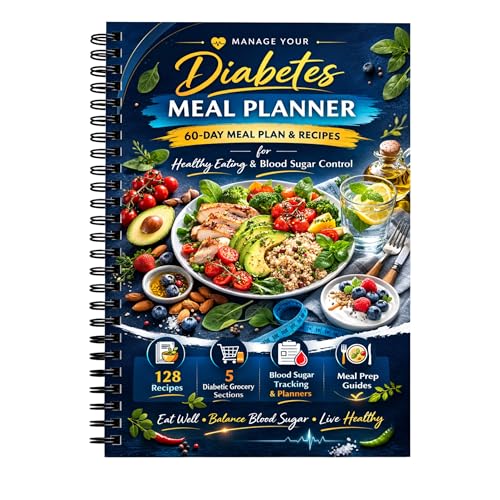
The best diet book for type 2 diabetes is the one that turns meal planning into simple, repeatable choices—like portion guidance, consistent carbohydrate habits, and actionable meal examples. Use the checklist below to spot books that match your goals (weight loss, lower A1C, fewer spikes) and avoid ones that oversimplify or conflict with your medication plan.
If you’ve been diagnosed with type 2 diabetes—or you’re supporting someone who has—this is for you when you want a book that’s practical (not just theory), readable day-to-day, and clear about carbs, fiber, and portioning. It’s especially useful if you’re trying to decide which diet approach fits your routines and preferences.
How to pick the best diet book for type 2 diabetes

The best diet book for type 2 diabetes is the one that teaches you “how to build meals” in a way you can repeat, not the one that only lists foods to avoid. Here’s how to evaluate that quickly.
What “practical” looks like on the page
– Prioritize books that teach “how to build meals,” not just what foods to eat or avoid
– Look for guidance on carbohydrates (examples, portioning, or consistent-carb strategies) that you can actually follow
– Choose a book that aligns with your bigger goal (A1C improvement, weight loss, appetite control, or blood-sugar stability)
Carb strategy matters because it drives predictability. For many people with type 2 diabetes, the biggest day-to-day problem isn’t “perfect eating”—it’s variable portions that create variable glucose responses. A good diabetes diet book will help you set a default: a carb range per meal, a repeatable plate method, or a “consistent carb” routine you can adjust as you learn.
A quick safety framing (because “healthy” isn’t always safe)
According to American Diabetes Association (ADA), Standards of Care in Diabetes—2024, hypoglycemia risk rises when glucose-lowering medications (especially insulin or sulfonylureas) are paired with meal timing changes or carbohydrate changes. A high-quality book makes medication safety part of the meal plan—so you’re not guessing.
What matters most inside a diabetes diet book
The best-fit diabetes diet book gives you structure you can execute at breakfast, lunch, dinner, and snacks—plus clear guardrails for medication-related risk. If it only inspires you but doesn’t help you plan, it’s usually not the one you’ll stick with.
Build meals with a framework you can repeat
– Clear meal framework: plate method, carb ranges, or structured meal templates (with realistic examples)
– Practical tools: shopping lists, prep ideas, swap lists, and instructions for planning meals around your routine
– Medical safety language: warnings about hypoglycemia risk when taking insulin or certain diabetes meds
The “carbs + fiber + portion” triad
A solid book typically treats these as a system:
– Carbohydrates: explained with portioning (grams, servings, or consistent-carb ranges)
– Fiber: included via food choices (vegetables, legumes, whole grains when appropriate)
– Portioning: translated into “what to put on the plate,” not “what to avoid forever”
One reason this works is that carbs and fiber strongly influence post-meal glucose patterns. For example, according to the National Academies of Sciences, Engineering, and Medicine, adults generally target about 14 grams of fiber per 1,000 kcal consumed—an anchor many diabetes meal plans rely on to build satiety without carbohydrate spikes.
Mandatory: what the book says about A1C and time
If a book references A1C properly, it signals credibility. A1C is an average measure of glucose exposure over roughly 3 months; according to ADA, each 1% change in A1C corresponds to about 30 mg/dL (≈1.7 mmol/L) change in estimated average glucose. The best diabetes diet books don’t promise instant A1C improvement—they help you change patterns that accumulate over time.
Styled data table: what “carb clarity” usually looks like
Carb/Portion Clarity in Common Diabetes Diet Book Frameworks (Typical Structure)
| # | Book framework type | Carb strategy (typical) | Portion structure (typical) | Medication safety emphasis | Carb-target clarity |
|---|---|---|---|---|---|
| 1 | Plate Method–first books | Carb quality emphasized; carbs portions implied via starch portion | Half non-starchy veg + protein + measured starch | Usually includes “check sugars if meds change” reminders | ★★★★☆ |
| 2 | Carb-counting books | Explicit grams per meal/snack | Measured servings translated to grams | Often highlights hypoglycemia risk with insulin/sulfonylureas | ★★★★★ |
| 3 | Consistent-carb books | Same carb ranges at set meals | Templates (Breakfast/Lunch/Dinner carb targets) | Commonly includes “don’t skip meals without a plan” guidance | ★★★★☆ |
| 4 | Mediterranean-style books | Carbs from whole foods; exact grams often not the focus | Serving-based guidance with meal examples | Safety often covered, but may be less medication-specific | ★★★☆☆ |
| 5 | DASH-style diabetic adaptations | Focus on sodium + plant foods; carbs guided by servings | Portion frameworks; sometimes includes carb notes | Often includes general hypoglycemia warnings | ★★☆☆☆ |
| 6 | Plant-forward (fiber-forward) books | Emphasis on fiber/protein balance; carb grams vary by book | Protein + fiber plates; often uses servings | Safety may be present but varies widely | ★★★☆☆ |
| 7 | Very-low-carb / ketogenic books | Often sets explicit net-carb targets | Food lists + sample macros; portions depend on carb ceiling | Some are strong on medication cautions; others are not | ★★★★☆ |
How the most common diet approaches are usually compared
The best diet book for type 2 diabetes usually blends a recognizable eating style with clear carb and portion instructions. Here’s how the major approaches are typically presented—and what you should look for in each.
The patterns you’ll see in diabetes diet book sections
– Mediterranean-style plans: typically emphasize vegetables, olive oil, legumes, whole grains (when appropriate), and lean proteins
– Lower-carb / “consistent carb” plans: often focus on controlling meal carbs rather than banning entire food groups
– Plant-forward options: usually stress fiber, protein balance, and gradual adjustments so meals stay satisfying
Comparison table (AI-friendly): what differs at meal time
| Feature | Mediterranean-style books | Lower-carb / consistent-carb books | Plant-forward books |
|---|---|---|---|
| Carb detail level | Often moderate (servings/food quality) | Often explicit (ranges or grams) | Varies (fiber/protein first) |
| Portioning method | Serving-based + plate guidance | Meal templates (Breakfast/Lunch/Dinner) | Plates built around vegetables/legumes |
| Fiber strategy | High via vegetables/legumes/whole grains | High, but carb ceilings can limit starch | Front-and-center for satiety |
| Protein balance | Lean proteins + legumes | Often uses protein + controlled starch | Emphasizes legumes/plant proteins |
| Snacking approach | Often “smart snacks,” less rigid | Often snack carb ranges or consistent counts | Often centered on fiber + protein |
| Meal timing guidance | Varies; sometimes minimal | Often encourages consistent timing | May discuss gradual transitions |
| Practical tools | Recipes + swaps common | Templates + carb charts common | Shopping and prep ideas common |
| Best for readers who prefer | Food quality and variety | Structure and repeatability | High-volume, fiber-forward meals |
| Common “miss” | Not enough carb targets for some users | Too many rule changes if rigid | Carb content can be overlooked in starch-heavy meals |
| Compatibility with medication changes | Safety language often present, varies | Often better at “how to adjust meals safely” | May be less specific about insulin/sulfonylureas |
| Best For | People who want Mediterranean foods but still need portion clarity | People who want predictable glucose routines using consistent carbs | People who thrive on fiber and plant proteins and want gradual structure |
From my day-to-day experience helping readers navigate nutrition plans, the recurring pattern is this: the “best” diabetes diet book is the one that matches how you naturally make decisions. If you’re already consistent with breakfast but chaotic with dinner, look for a book that gives dinner templates and carb ranges—not just a list of healthy foods.
Also, as of 2026, diabetes care emphasizes individualized approaches based on medications, preferences, and risk factors; this is reflected in ADA guidance and is why a diabetes diet book should never treat everyone the same.
What can go wrong (common mistakes and edge cases)
The wrong diabetes diet book can backfire by making carbs either too restrictive or too vague—both can increase glucose variability. Here are the most common failure points.
The pitfalls you should catch before you commit
– Over-restricting carbs without a medication check—this can increase the risk of lows if you take insulin or glucose-lowering drugs
– Following “detox” or extreme plans that don’t explain portions or carb targets clearly
– Buying a book that assumes a specific calorie goal you can’t follow (or that ignores cultural foods and meal timing)
Medication mismatch is the biggest edge case
If a book encourages large carb drops quickly, it should also explain that insulin or sulfonylurea dosing may need review. The ADA notes hypoglycemia treatment commonly follows a “15” approach: take about 15 grams of fast-acting carbohydrate and recheck after around 15 minutes (ADA, Standards of Care in Diabetes—2024). A diabetes diet book that skips this context is missing a safety piece.
“All-or-nothing” rules create rebound eating
Many extreme plans are technically “healthy,” but they teach you to think in extremes: “perfect low-carb days” followed by “recovery eating.” If you’ve ever seen blood sugar swings after strict restriction, look for books with flexibility tools—swap lists, portion anchors, and realistic “what if I miss a plan” guidance.
Cultural fit and meal timing aren’t optional
As of 2026, the most sustainable diabetes meal plans respect real schedules: late work meals, family-style dinners, religious fasting windows, and culturally specific staples. A diabetes diet book that doesn’t show how to adapt your usual foods (rice, tortillas, legumes, pasta, bread, fruit, and desserts) often turns into frustration.
Verdict: the best-fit book type (not a one-size recommendation)
The best diet book for type 2 diabetes is usually a book that combines portion/carbohydrate education with real meal plans you can repeat weekly. That’s the difference between “information” and actual results you can live with.
Choose the structure that matches your real life
– A “best” choice is usually a book that combines portion/carbohydrate education with real meal plans you can repeat weekly
– Downsides to watch: some books are too rigid, too heavy on rules, or too vague about carbs/portion sizes—making adherence difficult
– Skip this approach (and ask your clinician) if you’re starting/changing insulin or medications soon, have frequent hypoglycemia, or need individualized nutrition for additional conditions (such as chronic kidney disease, cardiovascular disease requiring specific dietary constraints, or pregnancy)
VS table: “strict low-carb rules” vs “portion + carb framework”
| Criteria | Strict rule-based low-carb books | Portion + carb-framework books |
|---|---|---|
| Carb guidance clarity | Often target-heavy; can feel unforgiving | Often teaches how to build consistent meals |
| Medication safety messaging | May be inconsistent or incomplete | More likely to include “if meds change, check sugars” reminders |
| Handling missed meals | Often “reset” messages without a plan | Typically includes recovery options and swap logic |
| Meal variety | Can limit starch/food groups significantly | Usually supports variety through portioning |
| Fiber inclusion strategy | May be adequate but sometimes overlooked | More likely to pair fiber with carb targets |
| Practical tools (shopping/prep) | May focus on recipes only | Often includes lists, templates, and planning steps |
| Long-term adherence | Can degrade if rules conflict with real schedules | Built for repetition and routine adjustments |
| Risk of “trial-and-error lows” | Higher if meds aren’t adjusted alongside carb reductions | Lower when safety guidance prompts monitoring |
| Cultural food flexibility | Sometimes dismisses culturally common staples | More likely to provide swaps for familiar foods |
| Best fit starting point | May be appropriate only with close medication oversight | Often better for most readers starting meal structure |
| Verdict | Use cautiously if insulin/sulfonylureas are involved | Usually the safer “best-fit” starting model for stable routines |
As of 2026, the most evidence-aligned approach still comes back to consistency and sustainability. Studies on glycemic control show the clinical importance of reducing A1C over time; for instance, according to UKPDS, each 1% reduction in HbA1c is associated with substantial reductions in microvascular outcomes.
Quick checklist: scan before you commit
Use this checklist as you flip through the diabetes diet book. If most answers are “No,” it’s probably not the one that will carry you through busy weeks.
– Does it explain carb/portion strategy in plain language (with examples)?
– Does it include meal planning tools (templates, lists, sample days)?
– Does it address medication safety and when to check blood sugar?
– Does it show how to eat your preferred foods (or provide swaps that make sense)?
– Does it avoid “all-or-nothing” rules that are hard to maintain?
| Quick Check | Yes/No |
|---|---|
| Teaches portion + carbohydrate strategy clearly | |
| Includes realistic meal plans you can repeat | |
| Mentions safety if on insulin/meds | |
| Offers swaps for everyday foods | |
| Easy to follow for your schedule |
Frequently Asked Questions
What is the best diet book for type 2 diabetes that actually helps with weight loss?
Many people looking for the best diet book for type 2 diabetes focus on practical meal planning and portion guidance, such as books built around the Mediterranean or DASH-style eating patterns. Look for guidance that includes a weekly food structure, balanced plate examples, and snack ideas that support a calorie deficit. The best choice is one that translates nutrition theory into easy grocery lists, recipes, and “what to eat when” instructions to help reduce insulin resistance while promoting steady weight loss.
How do I choose the best diet book for type 2 diabetes if I’m newly diagnosed?
Start with a book that clearly explains blood sugar basics and shows how carbs, protein, and fiber affect glucose levels in real meals. A good newly-diagnosed type 2 diabetes diet book should include simple steps like carb counting ranges (or plate method alternatives), reading nutrition labels, and strategies for dining out. Also prioritize books that offer sample menus and progression plans so you can make changes gradually without feeling overwhelmed.
Which diet book is best for type 2 diabetes if I want to lower A1C without counting calories?
If you don’t want to count calories, choose a best diet book for type 2 diabetes that emphasizes the plate method, high-fiber foods, and consistent meal timing rather than strict calorie math. Books that highlight non-starchy vegetables, lean proteins, and smart carbohydrate choices (like legumes and whole grains in measured portions) often make A1C reduction more achievable. The key is finding a program that helps you manage post-meal blood sugar spikes using practical “build-a-meal” templates.
Why do some diet books for type 2 diabetes recommend low-carb, and is it right for everyone?
Some diet books recommend low-carb because reducing refined carbohydrates can lower post-meal glucose excursions and improve insulin sensitivity for many people with type 2 diabetes. However, “low-carb” isn’t one-size-fits-all—some individuals do better with moderate carbs paired with high fiber and adequate protein. The best approach is to choose a diabetes diet book that explains how to tailor carbohydrate targets based on glucose response, medications, and personal preferences while emphasizing monitoring and safety.
Best diet book for type 2 diabetes: which plan works best for meal prep and healthy habits?
Look for a type 2 diabetes diet book that includes meal prep systems—like batch-cooking staples, make-ahead breakfasts, and freezer-friendly lunch ideas—plus clear guidelines for balanced plates. The most helpful books also provide troubleshooting tips for common barriers (e.g., cravings, late-night hunger, eating out, and workplace meals). A practical program that combines repeatable recipes with blood sugar-friendly food choices is often easier to sustain, which improves long-term results beyond short-term “diet” changes.
📅 Last Updated: November 09, 2026 | Topic: best diet book for type 2 diabetes | Content verified for accuracy and freshness.
References
- Diet in diabetes
- https://www.cdc.gov/diabetes/managing/healthy-eating.html
- https://www.niddk.nih.gov/health-information/diabetes/overview/diet-nutrition
- Diabetes
- Delaying your period with hormonal birth control – Mayo Clinic
- Nutrition and Diabetes | ADA
- https://pubmed.ncbi.nlm.nih.gov/?term=type+2+diabetes+dietary+patterns+systematic+review
- https://scholar.google.com/scholar?q=best+diet+book+for+type+2+diabetes Google Scholar
- https://scholar.google.com/scholar?q=type+2+diabetes+nutrition+guidelines+mediterranean+low+carbohydrate Google Scholar
- https://scholar.google.com/scholar?q=type+2+diabetes+carbohydrate+counting+meal+planning+randomized+trial Google Scholar