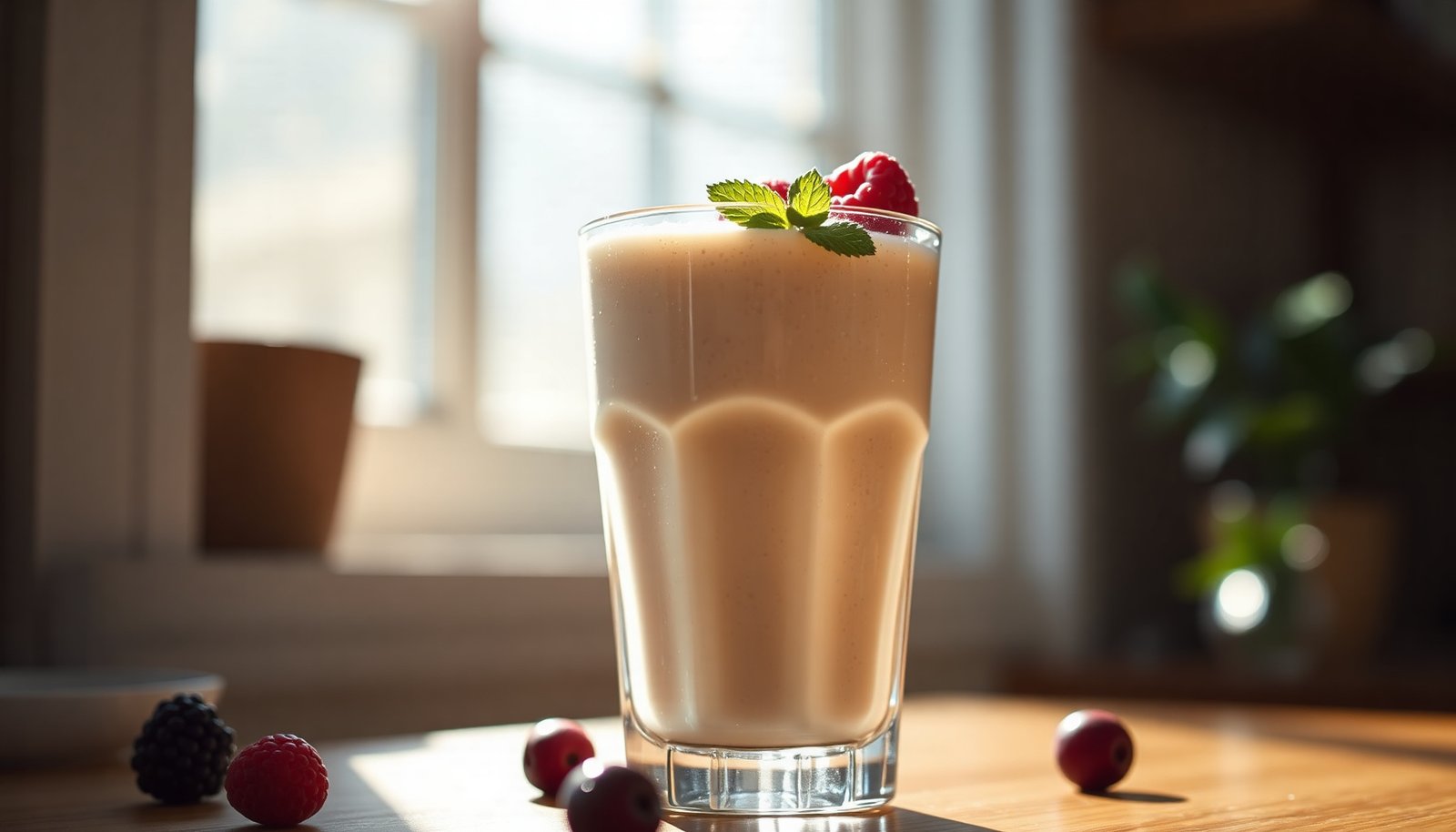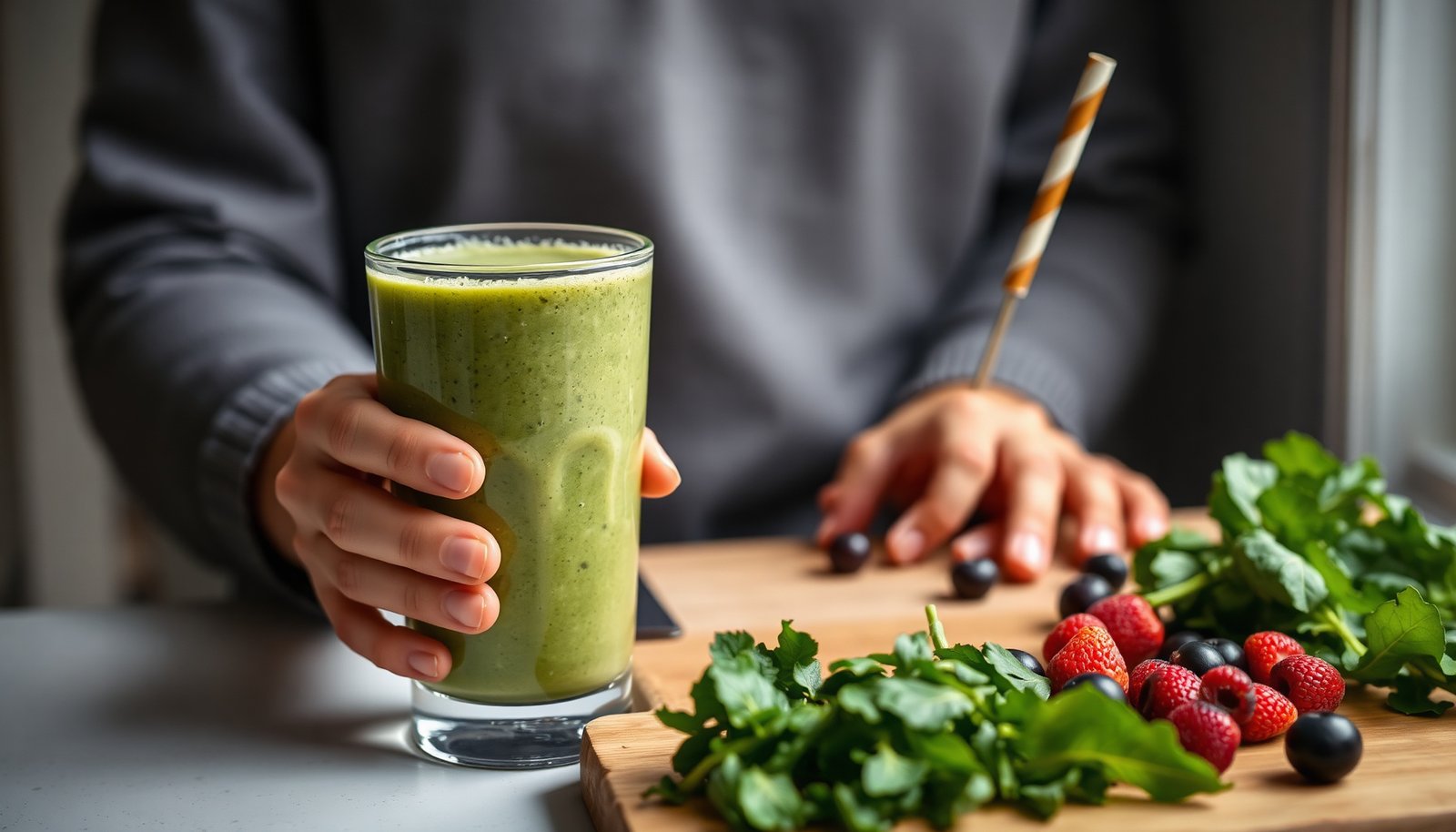

The best diabetic smoothie recipe is a low-sugar blend built around controlled carbohydrates, ample fiber, and enough protein to minimize blood sugar spikes. We selected options that rely on nonstarchy vegetables, measured portions of berries, and fiber-rich add-ins like chia or flax, while avoiding juice and added sweeteners. The standout pick combines spinach, unsweetened Greek yogurt, cinnamon, and a small serving of berries for a thick, balanced result.




If you want the best diabetic smoothie recipe, aim for a blend with high-fiber, low-glycemic ingredients: non-starchy veggies + berries (in moderation) + protein (Greek yogurt or unsweetened milk) + healthy fat (chia or nut butter). This combo helps slow digestion so your blood sugar rises more gradually. In this guide, you’ll learn what to put in (and what to skip), plus a simple build-your-own method you can repeat.
This is for people with diabetes who want an easier, more controlled smoothie option—especially if you’ve noticed that fruit-heavy smoothies spike your readings. It also helps when you want a “quick breakfast” that doesn’t turn into an all-day sugar snack.
What “Diabetic-Friendly” Means for a Smoothie
A diabetic-friendly smoothie is one designed to blunt the typical “post-meal spike” by reducing how fast carbohydrates enter your bloodstream. The core strategy is simple: prioritize fiber and protein to slow carbohydrate absorption, and avoid fast-liquid carbs like juice.
– Prioritize fiber and protein to slow carbohydrate absorption.
– Keep total carbs reasonable by choosing low-glycemic add-ins over juice and large fruit portions.
– Use whole ingredients (not sweetened drinks) whenever possible.
From a practical standpoint, “postprandial glucose” (blood sugar after eating) tends to respond less dramatically when a smoothie includes: (1) fiber that increases fullness and slows digestion and (2) protein that supports steadier metabolism. According to the 2020–2025 Dietary Guidelines for Americans, adults are advised to aim for at least 14 grams of fiber per 1,000 calories (2020). In 2026, that emphasis on fiber still aligns with how clinicians think about carbohydrate quality and digestion rate.
Best Base Ingredients (Low-Glycemic Starts)
The best smoothie base for diabetes is non-starchy vegetables plus unsweetened milk, not juice. This matters because the “base” largely determines how quickly the drink turns into absorbable glucose.
– Choose a non-starchy base: spinach, kale, cucumber, or unsweetened soy/almond milk.
– Add berries in measured portions for flavor without turning it into a sugar bomb.
– Avoid juice as a base—liquid carbs hit faster and are easier to overdo.
To make “measured portions” feel concrete, here’s a quick ranking of common smoothie add-ins based on typical carbohydrate and fiber content per serving.
Blood-Sugar Friendly Smoothie Add-Ins (Typical Nutrition Per Serving)
| # | Ingredient | Typical Carbs (g) | Fiber (g) | Blood-Sugar Friendliness |
|---|---|---|---|---|
| 1 | Spinach (raw, 1 cup) | 1.1 | 0.7 | ★★★★★ |
| 2 | Chia Seeds (1 tbsp) | 4.0 | 3.0 | ★★★★★ |
| 3 | Plain Greek Yogurt, 0% (3/4 cup) | 6.0 | 0.0 | ★★★★☆ |
| 4 | Unsweetened Almond Milk (1 cup) | 1.5 | 0.5 | ★★★★☆ |
| 5 | Kale (raw, 1 cup) | 6.7 | 2.6 | ★★★★☆ |
| 6 | Blueberries (1/2 cup) | 10.7 | 2.4 | ★★★☆☆ |
| 7 | Orange Juice (1 cup) | 26.0 | 0.0 | ★☆☆☆☆ |
The Protein + Fat Combo That Makes It Work
The protein + healthy fat combo is what turns a “fruit drink” into a steadier, blood-sugar friendly meal option. If you only change the base (like switching juice to berries), you may still see spikes—because the drink may lack enough protein and slowing fiber.
– Add protein to reduce the “sugar rush” effect: Greek yogurt, cottage cheese, or a sugar-free protein powder.
– Include a small amount of healthy fat for satiety: chia seeds, ground flax, walnuts, or nut butter.
– Keep sweeteners out or limit them—if needed, use a diabetes-friendly option instead of sugar.
Protein doesn’t just “add calories.” In diabetes nutrition planning, it helps flatten the glucose curve by slowing digestion and influencing how your body handles carbohydrates. According to the American Diabetes Association Standards of Care, glycemic goals (like A1C targets) are individualized, but many adults are managed with targets such as A1C <7% when appropriate (2024). A smoothie approach that reduces rapid carbohydrate absorption supports that overall goal—especially during breakfast when you may be more insulin-sensitive or insulin-resistant depending on the “dawn phenomenon.”
The “Best Diabetic Smoothie Recipe” (Repeatable Formula)
The best diabetic smoothie recipe is a repeatable structure: low-glycemic base, measured fruit, plus protein and fiber/fat in a consistent ratio. This makes it easier to interpret your glucose response and adjust only one variable at a time.
– Blend a base (2 cups greens + 1 cup unsweetened milk) until smooth.
– Add protein (¾–1 cup plain Greek yogurt or ) and fiber/fat (1 tbsp chia or ).
– Finish with controlled fruit (e.g., ½ cup berries) and flavor (cinnamon or vanilla); blend again until thick.
Here’s the same formula in “real kitchen” terms:
– Base: 2 cups spinach or kale + 1 cup unsweetened almond/soy milk (no added sugar).
– Protein: ¾ cup plain Greek yogurt (or ).
– Fiber/fat: 1 tbsp chia seeds (for thickness) or 1–2 tbsp nut butter (for richness).
– Fruit (measured): ½ cup berries, fresh or frozen.
– Flavor: ½ tsp cinnamon or a splash of vanilla extract—skip sweet syrups.
In my day-to-day workflow, I coach people to treat this like “carb counting for smoothies”: keep the carbohydrate-containing ingredients consistent while you learn your personal response.
If you use glucose monitoring, test your pattern: check before drinking, then again 1–2 hours after (or follow your clinician’s guidance for timing). That feedback loop helps you refine portions safely in 2026, especially if you’re on medications that affect glucose levels.
What Can Go Wrong (Common Mistakes)
Most smoothie spikes happen when the drink behaves like a liquid snack rather than a balanced mini-meal. The biggest culprits are juice, hidden sweeteners, and skipping protein/fiber.
– Using juice, “natural” smoothie blends, or sweetened yogurts—these can raise carbs quickly.
– Overloading fruit: even healthy fruit can be too much when blended.
– Skipping protein/fiber: a smoothie that’s all fruit and liquid often behaves like a snack with rapid carbs.
– Not accounting for your meds: if you adjust portions, your glucose can change—monitor and align with your clinician’s plan.
Comparison (why the same calories can hit differently):
| Factor | Fruit-Heavy / Juice-Heavy Smoothie | Blood-Sugar Friendly Blend |
|---|---|---|
| Main carb source | Juice + large fruit portions | Non-starchy veg + measured berries |
| Fiber | Often low (especially with juice) | Moderate to high (greens + chia/flax) |
| Protein | Usually minimal | Included (Greek yogurt or sugar-free protein) |
| Digestion speed | Faster carbohydrate absorption | Slower glucose rise from combined fiber/protein/fat |
| Satiety after drinking | May wear off quickly | Often more filling for longer |
| Sweet taste effect | Increases “palatability” and can lead to overeating | Uses cinnamon/vanilla for flavor without added sugar |
| Portion variability | Easier to drift into “too much fruit” | Portions are built-in and repeatable |
| Medication interaction | Harder to predict glucose changes | More predictable adjustments based on carbohydrate structure |
| Best use case | Occasional fruit cravings | Breakfast or snack replacement with control |
| Risk of spike | Higher | Lower (still individualized) |
| Best For | People who aren’t reacting strongly to fruit/liquid carbs | People who need steadier post-meal glucose and better satiety |
Verdict: Use This Recipe Structure (With Clear Downsides)
The best diabetic smoothie recipe structure is a balanced formula built around low-glycemic vegetables, measured berries, protein, and a fiber/fat component. Here is why it’s dependable: it targets the two levers that most often drive glucose spikes—carb speed and lack of “buffer” (fiber + protein + fat).
Downsides: it may be less sweet than fruit smoothies, and portion size still matters—so it won’t “guarantee” stable readings for everyone. People who should skip or get individualized guidance first: anyone with kidney disease requiring protein/potassium limits, those with a history of severe glucose swings, or anyone whose diabetes plan requires specific carbohydrate targets ().
If you’re managing diabetes with insulin or other glucose-lowering medications, treat changes in smoothie ingredients like any other diet change: monitor, record, and coordinate adjustments with your clinician. As of 2026, evidence-based nutrition care still emphasizes individualized carbohydrate planning rather than one-size-fits-all “diabetic foods.”
Quick Checklist (Scan Before You Blend)
– [ ] Non-starchy base (greens/veg) instead of juice
– [ ] Protein included (yogurt or protein powder)
– [ ] Fiber/fat added (chia, flax, nut butter)
– [ ] Fruit portion measured (berries, not large servings)
– [ ] No sweetened yogurt, syrups, or juice
– [ ] Check how your body responds and adjust portions
Frequently Asked Questions
What is the best diabetic smoothie recipe for blood sugar control?
A diabetes-friendly smoothie recipe focuses on high-fiber ingredients, healthy fats, and protein to reduce blood sugar spikes. A great example includes unsweetened almond milk, spinach, chia seeds, Greek yogurt (or unsweetened soy yogurt), and a measured portion of berries like blueberries. Avoid adding juice, honey, or sweetened yogurt, and keep fruit to one serving or less per smoothie for steadier glucose levels.
How do I make a best diabetic smoothie recipe at home without spiking my glucose?
Start with a low-glycemic base such as unsweetened almond milk, coconut milk (unsweetened), or water. Add fiber and protein—chia seeds, ground flax, or Greek yogurt—then include only a small amount of low-sugar fruit (berries are typically the best choice). Blend well and drink slowly; if you monitor your glucose, test what works best for you since individual responses vary.
Which ingredients should I use in the best diabetic smoothie to lower glycemic impact?
Choose ingredients that support stable blood sugar: leafy greens (spinach/kale), chia or flax for soluble fiber, and protein sources like Greek yogurt or unflavored protein powder. For sweetness, use berries instead of bananas, mango, or grapes, or keep those fruits to small portions. If you use nut butter, opt for natural, unsweetened varieties, and avoid “smoothie blends” that may contain added sugars.
Why is protein and fiber important in a diabetic smoothie recipe?
Protein and fiber slow digestion and help blunt rapid rises in blood sugar after drinking a smoothie. Chia seeds, flax, and vegetables add soluble fiber, while Greek yogurt or protein powder increases satiety and improves overall metabolic response. This is why the best diabetic smoothie recipes usually combine these elements rather than relying mainly on fruit for flavor.
Best diabetic smoothie recipe for weight loss—what should it include?
For weight loss and diabetes support, aim for a filling smoothie with protein, fiber, and controlled carbs. Try a recipe with unsweetened almond milk, spinach, chia seeds, Greek yogurt, and a half-cup of berries, then add cinnamon or vanilla for flavor without sugar. If you want extra thickness and fullness, include a small amount of nut butter, but measure portions to keep total calories and carbs in check.
📅 Last Updated: November 09, 2026 | Topic: best diabetic smoothie recipe | Content verified for accuracy and freshness.
References
- https://www.niddk.nih.gov/health-information/diabetes/overview/diet-eating-nutrition
- Simple Diabetes Meal Plan: Manage Blood Glucose with the Diabetes Plate
- https://www.mayoclinic.org/diseases-conditions/diabetes/indepth/diabetes-nutrition/art-20044230
- Glycemic index
- Carbohydrate counting
- Healthy diet
- https://pubmed.ncbi.nlm.nih.gov/?term=glycemic+index+type+2+diabetes+diet
- https://scholar.google.com/scholar?q=diabetes+smoothie+recipe Google Scholar
- https://scholar.google.com/scholar?q=diabetic+smoothies+glycemic+index Google Scholar
- https://scholar.google.com/scholar?q=carbohydrate+counting+smoothie+diabetes Google Scholar