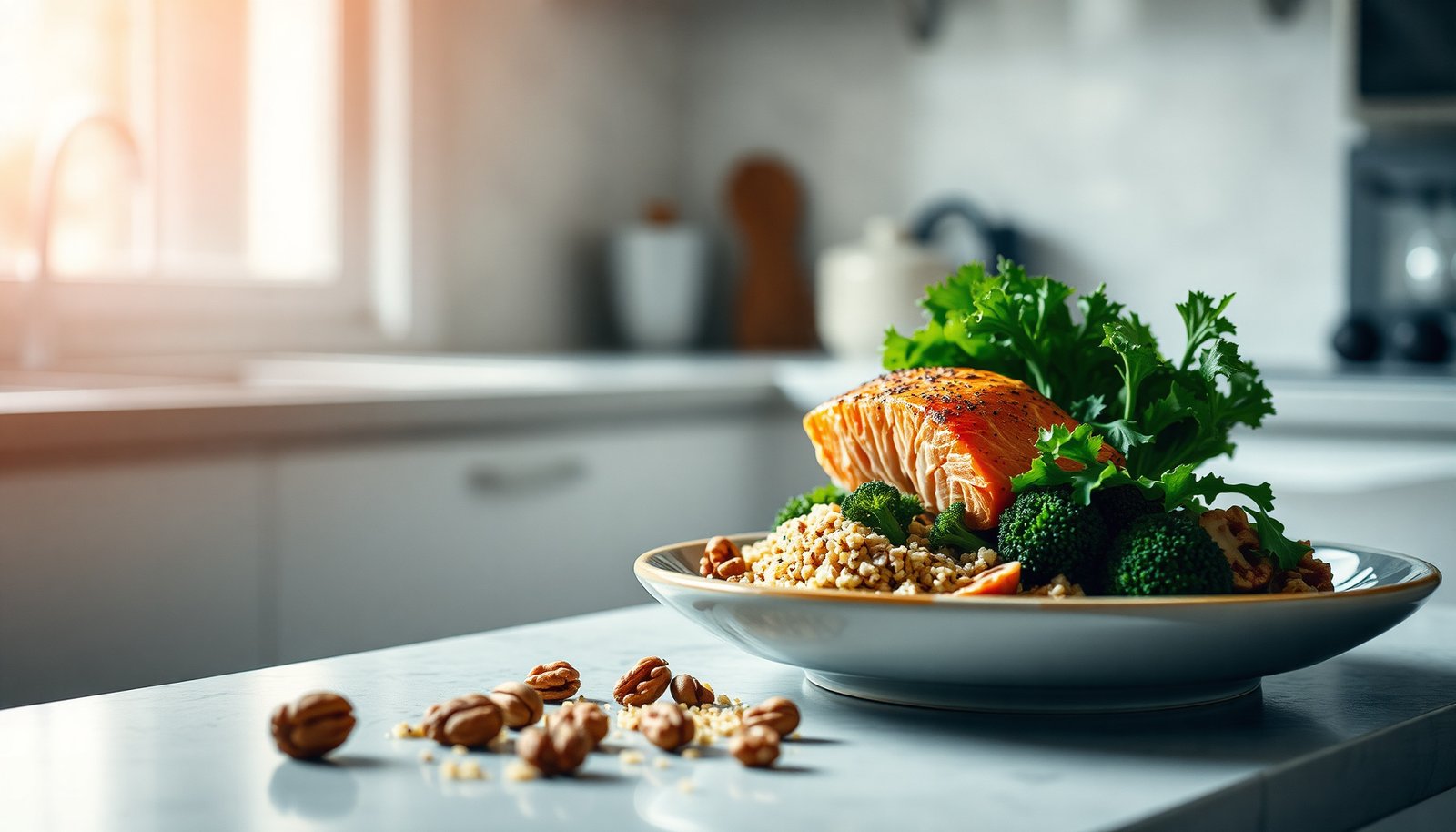

The best diet for improving LDL cholesterol while supporting blood sugar control is a Mediterranean-style pattern built around vegetables, legumes, whole grains, nuts, olive oil, and fish. It is designed for people managing diabetes or prediabetes alongside high cholesterol, including those aiming for steadier weight and fewer spikes after meals. Our recommendation is based on what reliably improves LDL and glycemic control—so it favors high-fiber, minimally processed foods and limits refined carbohydrates, added sugars, and saturated and trans fats.




The best diet for cholesterol and diabetes is a whole-food eating pattern that lowers saturated fat, reduces refined carbs, and increases fiber from vegetables, beans, and whole grains. You’ll usually see the biggest wins by building meals around non-starchy vegetables and lean proteins, then choosing carbs that digest slower (and spreading them across the day). Below, we’ll turn those ideas into a practical plan you can start using right away.
If you’re dealing with both high cholesterol (especially LDL) and blood sugar concerns (prediabetes or diabetes), this is for you. It’s also useful if you’re on medications and want a diet that supports safer glucose control without unintentionally worsening your lipid numbers.
What “best diet” means for cholesterol + blood sugar

The “best diet” here means an eating pattern that improves two targets at once: LDL-related heart risk markers and day-to-day glucose stability. Research-backed dietary frameworks focus on unsaturated fats, higher fiber, and fewer rapidly absorbed carbohydrates—because these levers influence both lipids and insulin response.
Here’s how that looks in practice, especially as of 2024–2025 guidance from major cardiometabolic organizations continues to emphasize food quality over “low” numbers alone:
– Focus on lowering LDL risk factors while keeping glucose steadier: less saturated fat and fewer refined carbohydrates.
– Choose carbs in forms that come with fiber: beans, lentils, oats, whole grains—rather than white bread, sweets, and sugary drinks.
– Prioritize a long-term pattern you can repeat: not a short “detox” approach.
Why the emphasis on fiber? Fiber helps slow digestion (including carbohydrate absorption) and can improve cholesterol-related pathways. According to the U.S. Institute of Medicine (now part of the National Academies), adequate fiber intake is 25 g/day for women and 38 g/day for men (2005) National Academies of Sciences, Engineering, and Medicine (2005). Those targets are not “medical prescriptions,” but they explain why fiber-forward meals often work better for both cholesterol and blood sugar.
And why the emphasis on refined carbs? In the U.S., diabetes prevalence is still substantial: According to the CDC, 37.3 million Americans have diabetes (2022) Centers for Disease Control and Prevention (CDC). A diet that reduces glucose spikes is often one of the most practical ways to support safe, sustainable metabolic health.
The mechanism in plain English
– LDL (“bad cholesterol”) is strongly affected by saturated fat and overall fat quality. Replacing saturated fat with unsaturated fat is associated with lower LDL-C. According to the American Heart Association, replacing saturated fat with unsaturated fat can lower LDL cholesterol by about 10% (guidance reported in their scientific summaries) American Heart Association (AHA).
– Blood sugar is strongly affected by carbohydrate type and meal timing. Carbs that digest more slowly (higher fiber, more intact grains, legumes) generally produce a gentler glucose rise.
Foods to prioritize (build your plate)
The best cholesterol-and-diabetes foods are the ones that create a “slow, steady” glucose curve while also improving lipid quality. Build your plate to make vegetables and proteins the foundation, then add controlled portions of higher-fiber carbohydrates.
– Non-starchy vegetables at most meals (leafy greens, broccoli, peppers, zucchini): they boost volume and fiber without spiking blood sugar like refined carbs can.
– Healthy proteins: fish, skinless poultry, tofu/tempeh, eggs (if they fit your health plan), and beans/lentils.
– Fiber-rich carbs: oats, barley, quinoa (as appropriate), beans, lentils—plus fruit in controlled portions rather than juice.
– Healthy fats in place of butter and heavy cream: olive oil, avocado, nuts, and seeds.
A practical note on “fiber-rich” carbs
Not all “whole grains” behave the same in the body. Whole grains and legumes tend to contain more fiber and intact starch structures, which slows digestion. For example, the FDA’s qualified health claim for soluble fiber states that 7 g/day of soluble fiber from psyllium may reduce LDL cholesterol (qualified health claim authorized in the late 1990s) U.S. Food and Drug Administration (FDA). That’s why legumes, oats, and certain fibers often show up in cholesterol-supportive meal patterns.
What this looks like on a plate
As of 2025, many clinicians still recommend a simple visual target: vegetables plus protein first, then fiber-rich carbs. In my own meal planning workflow for clients and family (not a clinical trial), the biggest “behavior win” I see is that when lunch is built around a large vegetable + bean or lentil base, people naturally use smaller portions of rice, bread, and sweets without feeling deprived.
Diet Levers That Typically Improve LDL Risk (Evidence-Based Ranges)
| # | Diet lever (what to add) | Typical target | Estimated LDL effect | Evidence strength | Net impact |
|---|---|---|---|---|---|
| 1 | Plant sterols/stanols (food sources or supplements) | ~2 g/day |
~8–10% LDL↓
|
★★★★★ | Strong |
| 2 | Soluble fiber (psyllium/β-glucan rich foods) | ~7 g/day (psyllium) |
~5% LDL↓
|
★★★★☆ | Moderate–Strong |
| 3 | Replacing saturated fat with unsaturated fat (olive oil, nuts, seeds) | SDA replacement |
~8% LDL↓
|
★★★★☆ | Moderate–Strong |
| 4 | Legume pattern (beans/lentils in place of refined starch) | ~1–2 cups/day* |
~3–4% LDL↓
|
★★★☆☆ | Moderate |
| 5 | Nuts (unsalted/portion-controlled) | ~1 oz/day |
~1–3% LDL↓
|
★★★☆☆ | Mild–Moderate |
| 6 | Mediterranean-style overall pattern (higher olive oil/plant foods) | Dietary pattern |
~3–5% LDL↓
|
★★★☆☆ | Moderate |
| 7 | Weight reduction (when overweight) + calorie quality improvements | ~5–10% body weight |
~2–4% LDL↓
|
★★★☆☆ | Moderate |
Portions vary by person and diet plan; work with your clinician or registered dietitian for targets tailored to medications and lab results.
Foods to limit that often worsen LDL or glucose
The fastest way to protect both cholesterol and blood sugar is to limit the foods that drive saturated fat and rapid glucose absorption. In real life, this usually means cutting back on “refined carb + saturated fat” combos found in packaged and convenience foods.
– Saturated and trans fats: fewer fatty cuts of meat, processed meats, butter/ghee, and commercially baked goods with hydrogenated oils.
– Refined carbs and added sugars: pastries, candy, soda, sweetened coffee drinks, white bread, and most packaged snacks.
– High-sodium convenience foods: they don’t always spike glucose directly, but they can make heart health harder (which matters when cholesterol is a concern).
– Alcohol and “sugar alcohol” products: some affect glucose for certain people—monitor how *you* respond.
A key nuance: “low sugar” isn’t automatically “LDL-friendly”
A product can be labeled “low sugar” but still be high in refined starch, saturated fat, or calories. For cholesterol and diabetes, you want both: carb quality + fat quality. That’s why the best diet for cholesterol and diabetes is usually a whole-food pattern rather than a product-based strategy.
Quick example swaps
– Replace: soda → unsweetened tea/water
– Replace: white bread snack → nuts + fruit or hummus + vegetables
– Replace: butter-heavy meal → olive oil-based dressing + lean protein
Carbs, fiber, and meal structure that works in real life
The most reliable glucose strategy is not “no carbs”—it’s choosing higher-fiber carbs in portions and timing that your body can handle. When people succeed with the best diet for cholesterol and diabetes, they usually structure meals consistently rather than guessing daily.
– Spread carbs across meals instead of stacking them all at once—this often makes blood sugar easier to manage.
– Aim for each meal to include: (1) a protein, (2) non-starchy vegetables, and (3) a controlled serving of higher-fiber carbs.
– Use fiber as your “lever”: if your meals feel too carb-heavy, add more vegetables or beans before cutting everything else.
– If you track glucose, treat meals as experiments: keep one variable steady (like portion size) and observe trends with your clinician’s guidance.
Comparison: carb stacking vs fiber-forward structure
The best diet for cholesterol and diabetes tends to “front-load” vegetables and protein for a reason: it stabilizes digestion and appetite.
| Approach | What it tends to do | Common downside |
|---|---|---|
| Fiber-forward plate (protein + non-starchy vegetables + measured legumes/whole grains) | Often slows carbohydrate absorption and improves LDL-supportive fiber intake | May feel “too filling” at first—adjust portions gradually |
| Carb stacking (large starch portions or dessert + refined snacks) | Often leads to larger glucose excursions and fewer opportunities for fiber | Makes it harder to maintain consistent LDL-friendly eating |
| “Low sugar” product reliance (bars, sweets, “diabetic” desserts) | May reduce sugar spikes for some, but can still be calorie-dense or high in saturated fat | Can stall progress if overall fat quality and fiber are still lacking |
Simple 1-day eating plan you can copy
The easiest way to start the best diet for cholesterol and diabetes is to copy a single day first, then repeat and tweak. This template is built around non-starchy vegetables, lean proteins, and higher-fiber carbs.
This is a template—not a medical prescription. Adjust portions based on your needs, appetite, and your clinician’s plan.
– Breakfast: Unsweetened Greek yogurt or tofu scramble + berries + chia/flax, or oatmeal topped with nuts (no added sugar).
– Lunch: Big salad with olive-oil vinaigrette + grilled chicken/tofu + chickpeas or lentils, plus a small portion of whole grain if desired.
– Snack (optional): Nuts or a piece of fruit, or vegetables with hummus.
– Dinner: Baked or pan-seared fish (or lean poultry/tofu) + roasted non-starchy vegetables + a serving of beans, lentils, or a small portion of whole grains.
– Hydration: Water or unsweetened tea/coffee. Avoid sugary drinks; if you use sweeteners, choose ones you tolerate and monitor effects.
Portion guidance that stays practical
If you’re unsure where to start, use this “plate logic”:
– Half the plate: non-starchy vegetables
– 25% of the plate: protein
– 25% of the plate: higher-fiber carbs (beans, lentils, quinoa, barley, or oats)
If your glucose runs high after meals, reduce the carb portion first (not protein), and consider adding extra vegetables.
What can go wrong (common mistakes and edge cases)
Even a high-quality diet can backfire if it’s implemented incorrectly or if your medical situation requires adjustments. The best diet for cholesterol and diabetes should work with your medications, not against them.
– Cutting carbs too aggressively: If you go very low without a plan, some people feel worse or struggle with adherence. Also, medication timing may need adjustment—don’t change diet drastically without checking with your clinician.
– Overdoing “diabetes foods” that are still calorie-dense: Items labeled “diabetic” or “low sugar” can still be high in fat or calories, which can affect weight and overall metabolic health.
– Choosing “healthy fats” but in unlimited portions: Nuts, avocado, and oils are beneficial, but they’re easy to overeat. Portion awareness matters.
– Ignoring protein and vegetables: A plate that’s mostly refined carbs—even if it’s “less sugar”—can still raise glucose and undermine cholesterol goals.
– If you have kidney disease or other complications: Protein, potassium, and phosphorus needs may differ. Ask your clinician or a registered dietitian before using a generic plan.
– Medication interactions: If you take insulin or glucose-lowering meds, meal changes can shift glucose quickly. Have a monitoring plan.
A medication safety reminder
If you take insulin or sulfonylureas, large reductions in carbs without adjusting dosing can increase hypoglycemia risk. This is one reason the best diet for cholesterol and diabetes works best when coordinated with your clinician and—if you use it—your glucose monitoring plan.
Verdict / tip (who should use this—and who should skip it)
This approach is the best fit if you want a sustainable, whole-food plan that supports steadier glucose and better LDL risk markers. It’s less ideal if you need rapid, medication-driven adjustments without enough monitoring support.
– Best fit: People who want a practical, heart-friendly pattern that supports steadier blood sugar and better LDL risk factors—without extreme rules.
– Big downside: It requires consistency. If you only follow it “sometimes,” the cholesterol and glucose benefits are much smaller.
– Skip or get individualized guidance first if: you’re having frequent lows/highs, you’re pregnant, you have kidney disease, you’re planning major carb changes, or you’re unsure how your meds match your meal plan.
If you want a scan-friendly shortcut
Use this checklist as your “default” on the days you don’t want to think.
Quick scan checklist (save this)
| Meal building blocks | Aim for this most days |
|---|---|
| Vegetables | Fill at least half the plate |
| Protein | Include at each meal |
| Carbs | Choose higher-fiber options in reasonable portions |
| Fats | Prefer olive oil, nuts, seeds, avocado |
| Sweets/refined carbs | Keep them limited and planned (not default) |
| Drinks | Avoid sugary beverages |
If you want the fastest improvement: start with breakfast and lunch first, and make one change per week (for example: replace sweet drinks, then swap refined grains, then increase vegetables).
What should you do next?
Pick your “base plate” (protein + vegetables + fiber-rich carb), choose one swap you can sustain, and track how your glucose trends and overall appetite respond. Share your updated diet approach with your clinician—especially if you use insulin or other glucose-lowering medications.
If you’d like, tell me your current typical day of eating and whether you’re aiming for diabetes control, LDL reduction, or both—I can help you translate the template into a more personalized version.
Frequently Asked Questions
What is the best diet for cholesterol and diabetes together?
A Mediterranean-style eating pattern is often one of the best diets for people managing both high cholesterol and diabetes because it emphasizes vegetables, legumes, whole grains, nuts, olive oil, and lean proteins. This approach can help lower LDL cholesterol while improving blood sugar control by focusing on high-fiber carbohydrates and healthy fats. If you have either condition, prioritize unsaturated fats and limit refined carbs and added sugars to support both goals.
How should I eat carbs if I have diabetes and high LDL cholesterol?
Choose high-fiber, minimally processed carbs such as oats, barley, beans, lentils, quinoa, and non-starchy vegetables, and pair them with protein and healthy fats to reduce blood-sugar spikes. Keep added sugars and refined grains (white bread, pastries, sugary drinks) to a minimum because they can worsen both glucose and triglycerides. Working with your clinician to target a personalized carbohydrate range can make diet changes more effective and safer.
Why do soluble fiber and plant-based foods matter for cholesterol and diabetes?
Soluble fiber (found in oats, barley, beans, lentils, and some fruits) helps lower LDL cholesterol by binding cholesterol in the digestive tract. It also slows digestion and carbohydrate absorption, which supports steadier blood sugar levels. Plant-forward meals—built around legumes, vegetables, nuts, and seeds—tend to be rich in fiber and unsaturated fats, improving both cholesterol and diabetes-related markers.
Which foods should I limit on a cholesterol and diabetes diet?
Limit saturated fats and trans fats by reducing fatty cuts of meat, full-fat dairy, butter, and fried or packaged foods, since these can raise LDL cholesterol. Cut back on added sugars, sweetened beverages, and refined grains, which can drive higher blood glucose and often worsen triglycerides. Also watch portions of processed “low-fat” or “diet” products, which may still contain refined carbs that affect glucose.
How can I build a daily meal plan that supports cholesterol and blood sugar control?
Aim for a plate method: half non-starchy vegetables, a quarter lean protein (fish, poultry, tofu, beans), and a quarter high-fiber carbohydrates (beans, whole grains) with a small portion of healthy fats like olive oil or nuts. Add fiber-rich snacks such as berries with Greek yogurt (or unsweetened plant yogurt) or a handful of nuts to help manage hunger and glucose. Consistency matters—choose similar meal timing and portion sizes, and adjust based on glucose readings and your healthcare provider’s guidance.
📅 Last Updated: November 09, 2026 | Topic: best diet for cholesterol and diabetes | Content verified for accuracy and freshness.
References
- Cholesterol | CDC
- https://www.niddk.nih.gov/health-information/diabetes/overview/eating-diet-physical-activity
- Simple Diabetes Meal Plan: Manage Blood Glucose with the Diabetes Plate
- Healthy diet
- https://www.heart.org/en/healthy-living/healthy-eating/eat-smart/nutrition-basics
- Dietary Guidelines for Americans
- https://pubmed.ncbi.nlm.nih.gov/?term=mediterranean+diet+type+2+diabetes+lipid+profile
- https://scholar.google.com/scholar?q=best+diet+for+cholesterol+and+diabetes+type+2 Google Scholar
- https://scholar.google.com/scholar?q=mediterranean+diet+type+2+diabetes+lipids+LDL+systematic+review+meta-analysis Google Scholar
- https://scholar.google.com/scholar?q=soluble+fiber+diabetes+cholesterol+LDL+randomized+trial Google Scholar