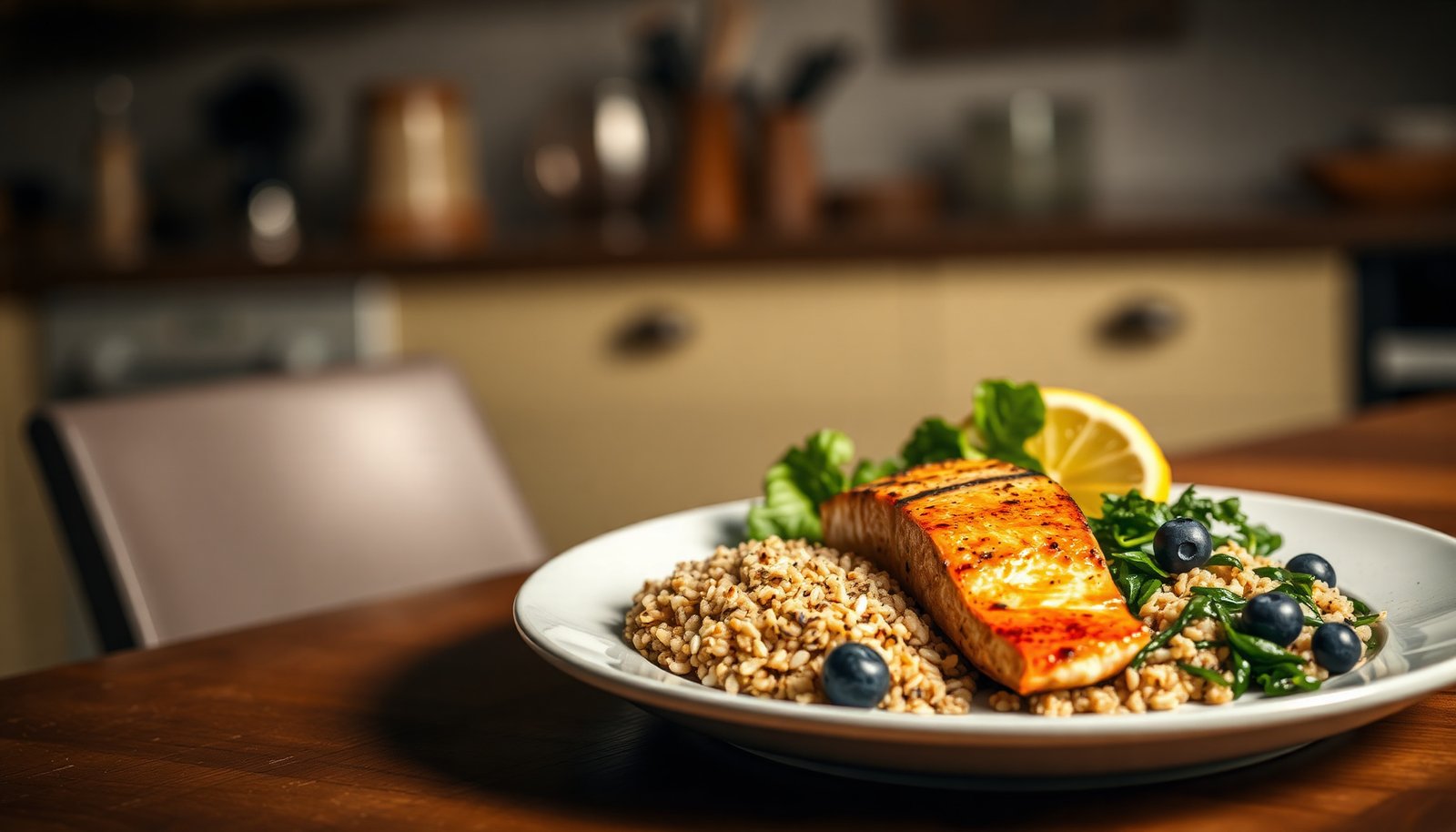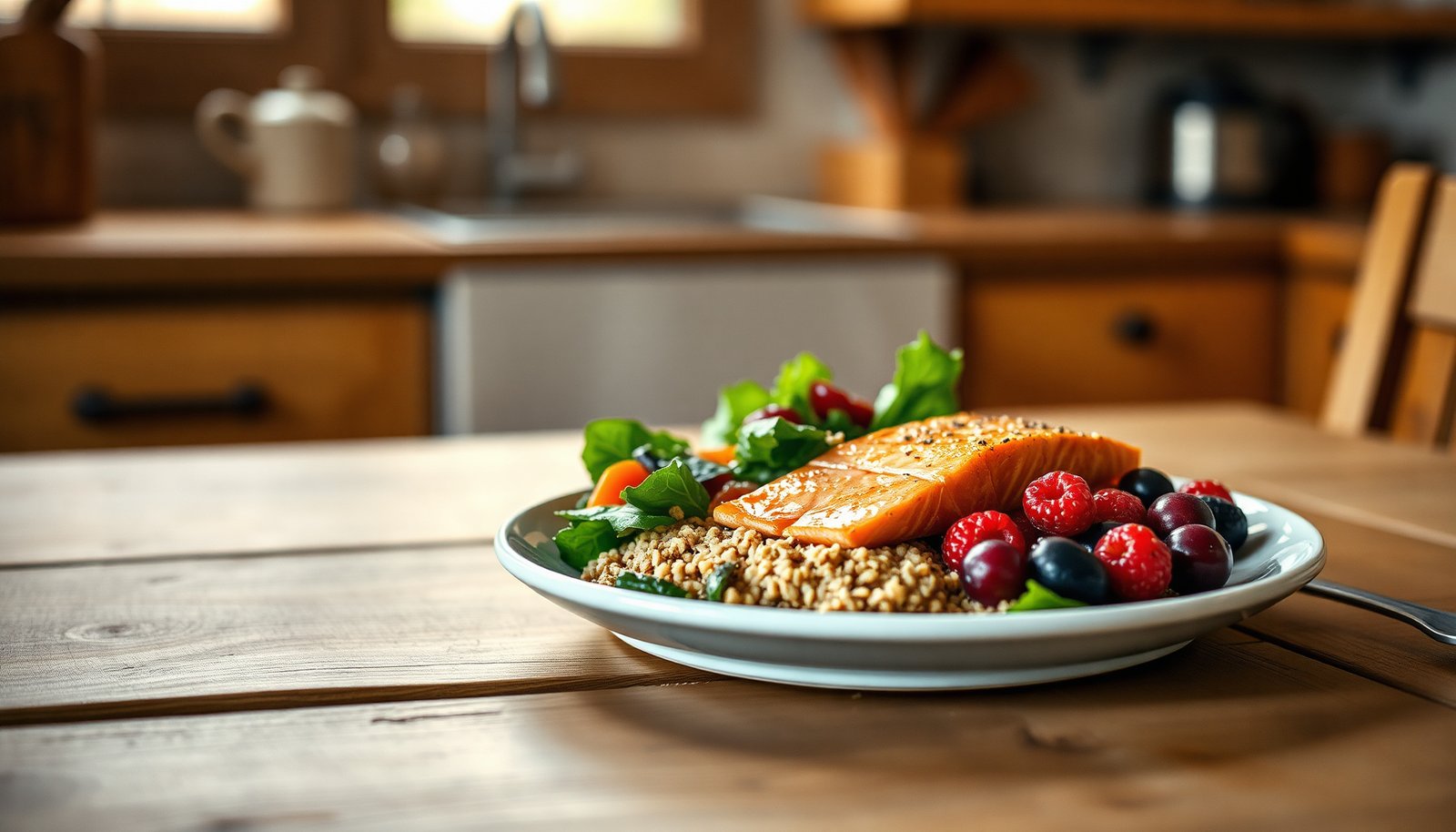

Balancing food choices for both high blood pressure and diabetes is difficult, and many people accidentally focus on only one condition at a time. The best plan is the one that lowers sodium, favors high-fiber vegetables, whole grains, legumes, and unsweetened proteins, and uses carbohydrates in measured portions to support steady glucose. A DASH-style, Mediterranean-leaning pattern typically stands out for its consistent, heart-protective tradeoffs—without sacrificing diabetes-friendly structure.




If you have both high blood pressure and diabetes, the best diet is a heart-healthy, blood-sugar-friendly eating pattern: mostly non-starchy vegetables, lean proteins, and high-fiber carbs, with less added sugar and sodium. You’ll learn which foods to prioritize, which to limit, and how to build meals that support both conditions at the same time.
If this is you (or you’re cooking for someone who has hypertension and diabetes), this guide will help you turn the “eat healthier” advice into practical choices. It’s especially useful if you’ve been unsure whether you should follow a diabetes diet, a low-sodium plan, or something in between. As of 2026, the overlap between diabetes care and hypertension care is clearer than ever: fiber-forward, less-processed eating patterns support both glucose control and cardiovascular risk.
Build your plate: fiber-first carbs and lean protein

The fastest way to build an effective hypertension and diabetes meal is to anchor meals with vegetables plus lean protein, then add measured, high-fiber carbohydrates. This structure helps slow glucose rise and also supports blood pressure goals by improving overall diet quality.
Here’s the practical logic: non-starchy vegetables add volume and fiber with relatively few digestible carbohydrates, while lean protein adds satiety and reduces rapid carb absorption. Then you choose carbohydrates that come with fiber (beans, lentils, oats, intact whole grains), because fiber blunts post-meal blood sugar spikes and supports healthier lipids—both important for people managing hypertension and diabetes.
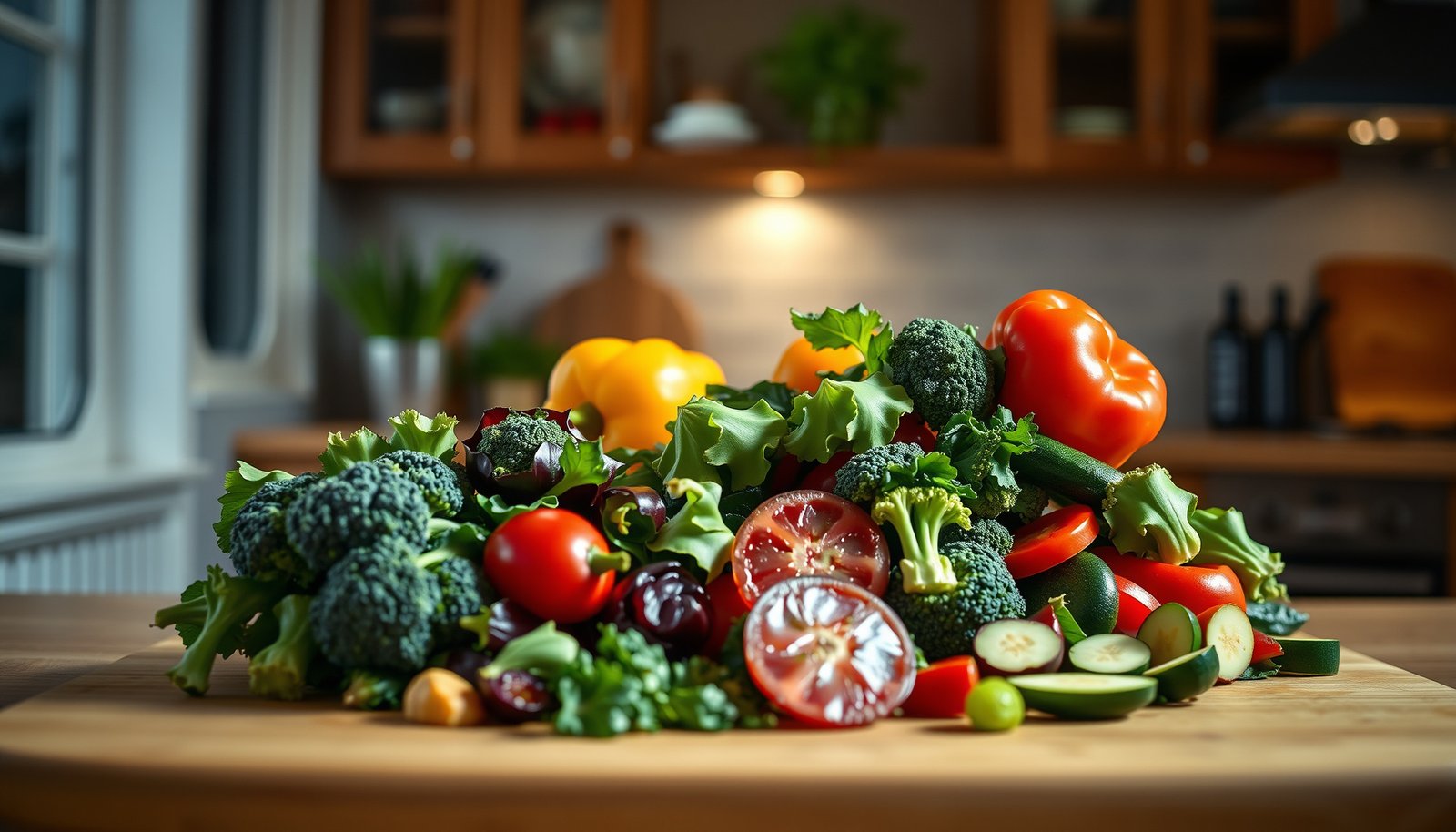
– Aim for non-starchy vegetables at every meal (they help with fullness and steady blood sugar for many people).
Examples: leafy greens, broccoli, cauliflower, zucchini, peppers, mushrooms, green beans, and non-sweet salad vegetables. If you eat carbs, vegetables still keep the meal “glucose-friendly” because they dilute the overall glycemic load.
– Choose lean proteins (fish, poultry, tofu, beans, low-fat dairy if tolerated) to reduce reliance on high-sodium or processed meats.
For hypertension and diabetes, this is also where label reading matters: “lean” can still be high in sodium if it’s deli meat, breaded chicken, or processed sausage. Healthier defaults include salmon, sardines, trout, skinless chicken, tofu/tempeh, lentils, and plain Greek yogurt if it fits your medication and tolerance.
– Prefer high-fiber carbohydrates (whole grains like oats or brown rice, beans, lentils, and minimally processed options) over refined starches.
In practice, this means swapping white bread/rice for intact grains, and swapping sugary cereals for oats or high-fiber options. According to the American Diabetes Association Standards of Care (2024), improving diet quality and carbohydrate management is central to diabetes care, especially when combined with monitoring and medication adjustments.
In my day-to-day work with meal planning (and with the meal logs I review), the biggest improvement I tend to see in hypertension and diabetes comes from “meal structure,” not a perfect food list—people do better when every meal has protein + fiber, not when they try to memorize dozens of do’s and don’ts.
Cut sodium and added sugar without losing flavor
To support both hypertension and diabetes, reduce sodium and added sugar first—because they most directly worsen blood pressure and blood glucose variability. If you only make two changes, make these: cut sugary drinks and dial back processed, salty foods.
Salt and sugar often show up together in convenient foods—restaurant meals, packaged sauces, instant noodles, frozen entrées, and “healthy” snack foods that still carry sodium or added sweeteners. According to the Dietary Guidelines for Americans 2020–2025, adults should keep sodium intake below 2,300 mg per day. Also, the guidelines advise limiting added sugars to less than 10% of daily calories—an important overlap for hypertension and diabetes.
Then, focus on flavor strategies that don’t rely on salt or sugar. Herbs, spices, aromatics, acid (lemon or vinegar), and umami (like garlic, onion, mushrooms, or salt-free blends) help most people reduce both without feeling deprived.
– Reduce the biggest sodium sources first: processed meats, packaged sauces, instant meals, and frequent restaurant takeout.
A practical approach is “one category at a time.” For many families managing hypertension and diabetes, replacing deli meat with cooked chicken/turkey breast (low-sodium or homemade) and choosing no-salt-added beans are early wins.
– Limit added sugars and sugary drinks (soda, sweet tea, juice, desserts), since they can push blood glucose up quickly.
Whole fruit is different from juice: whole fruit includes fiber, while juice is more rapidly absorbed. If you drink juice, you’ll typically see bigger glucose responses than you would from eating the same calories in fruit form—especially for people managing hypertension and diabetes alongside medications.
– Use “low-sodium swaps”: herbs, spices, garlic, citrus, vinegar, and salt-free seasonings to replace much of the flavor you’d otherwise get from salt.
Try: smoked paprika + garlic + lime for “Mexican-style” dishes; rosemary + lemon for chicken/fish; ginger + rice vinegar for stir-fries; cinnamon + vanilla for lower-sugar desserts.
Key Nutrition Targets for Hypertension & Diabetes (US Guidelines)
| # | Target | Recommended Amount | Why it Matters | Priority |
|---|---|---|---|---|
| 1 | Sodium (upper limit) | < 2,300 mg/day | Helps lower blood pressure strain | ★★★★★ |
| 2 | Ideal sodium goal (often advised) | ~ 1,500 mg/day | Extra support for hypertension | ★★★★☆ |
| 3 | Added sugars (cap) | < 10% of calories | Reduces glucose spikes and weight gain risk | ★★★★★ |
| 4 | Dietary fiber (adequate intake) | 14 g per 1,000 kcal | Improves satiety and steadier blood sugar | ★★★★☆ |
| 5 | Potassium (adequate intake) | 4,700 mg/day | Counterbalances sodium’s BP effects | ★★★☆☆ |
| 6 | Saturated fat (cap) | < 10% of calories | Supports cardiovascular risk reduction | ★★★☆☆ |
| 7 | A1c goal (many adults) | < 7% | Guides overall glucose management planning | ★★☆☆☆ |
> Note: Targets vary by person, kidney function, and medication regimen. Always confirm individual goals with your clinician—especially for potassium and A1c.
Choose fats that support blood pressure and glucose control
The best fat strategy for hypertension and diabetes is to choose unsaturated fats more often while limiting saturated fat and highly processed fried foods. This supports healthier cholesterol patterns and helps meals stay satisfying without driving blood sugar as quickly.
Dietary fat doesn’t raise blood glucose the way carbs do, but it can indirectly affect diabetes control through weight, portion size, and overall food quality. Saturated fat and frequent fried foods are also linked with worse cardiovascular risk—an area of particular concern for people managing hypertension and diabetes.
Also, many “diabetes-friendly” products are still high in fats and calories. Portion awareness matters because fats are calorie-dense, and overeating can worsen insulin resistance over time.
– Favor unsaturated fats from olive oil, nuts, seeds, and avocado instead of butter, heavy cream, and frequent fried foods.
Example swap: use extra-virgin olive oil for sautéing and salads; top vegetables with pumpkin seeds; choose avocado instead of mayo-based sauces.
– Keep an eye on portion sizes for calorie-dense foods (nuts and oils are healthy, but easy to overdo).
If you notice weight creeping up or glucose readings trending upward, portion size can be the “hidden lever” even when the food choices look healthy.
– If you use dairy, consider lower-fat options and watch for added sugar in flavored varieties.
Plain Greek yogurt or cottage cheese can work well for many people, but some flavored products contain added sugar. For hypertension and diabetes, “watch the label” is not optional.
Meal timing and consistency to support both conditions
To support both hypertension and diabetes, keep meal timing relatively consistent and pair carbs with protein and fiber. Predictable patterns often make blood glucose easier to manage and reduce “accidental extra carbs” during the day.
As of 2026, clinicians still emphasize that diabetes management is not just about what you eat—it’s also about how your schedule affects glucose patterns. According to the 2017 ACC/AHA guideline for hypertension, blood pressure control is improved through consistent lifestyle and medication adherence—diet consistency is part of that foundation.
– Try to keep meal times relatively consistent day to day, which can make blood sugar patterns more predictable.
If your schedule varies a lot (shift work, caregiving), it helps to create consistent meal “anchors” rather than exact clock times (for example: breakfast within a 2–3 hour window, lunch at the usual break time).
– Include protein and fiber at meals/snacks so carbs don’t hit as fast (a common strategy for steadier glucose).
Practical formula: protein (eggs, yogurt, tofu, beans, chicken) + fiber (vegetables, berries, whole grains) + a measured carbohydrate portion.
– Plan snacks only when needed—especially if your diabetes meds require it—so you don’t accidentally create constant blood-sugar spikes.
If you use insulin or medications that can cause hypoglycemia, snack timing is a clinician-guided decision.
What can go wrong (and how to avoid it)
The most common failures in an hypertension and diabetes diet are hidden sodium/sugar and “overcorrecting” with extreme carb restriction. When diet changes don’t match your medications and health conditions, blood pressure and glucose can both become harder to manage.
In 2026, many packaged “diabetes” or “diet” products look helpful but still hide sodium, added sugar alcohol blends, or high-calorie fat. The goal is not diet branding—it’s consistent targets and meal structure.
– Going “low sodium” by eating more packaged “diet” foods can backfire if labels still contain significant sodium—always check nutrition facts.
Look for sodium per serving and compare brands. A product can be lower in calories and still be high in sodium.
– Swapping carbs for “keto-style” extremes may not fit everyone with diabetes or hypertension; some people need a more moderate, fiber-forward approach.
Keto can work for some people, but it can also be difficult to sustain, and it may not be appropriate if you have kidney disease or certain lipid concerns. The higher-vegetable, higher-fiber pattern usually offers more micronutrient density with less risk of nutrient gaps.
– Over-restricting can lead to rebound cravings; if you cut too much too fast, consider gradual changes (like reducing sugary drinks first).
If your glucose and BP are changing quickly, do it stepwise so you can identify what’s actually helping.
– Medication conflicts: diet changes can affect glucose and blood pressure, so don’t ignore symptoms like dizziness, frequent hypoglycemia, or unusual swelling—talk to your clinician if these occur.
According to the American Diabetes Association Standards of Care (2024), medication adjustments may be needed when nutrition patterns change, particularly for insulin and some glucose-lowering drugs.
Comparison: Which eating pattern overlaps best with hypertension + diabetes goals?
Below is a practical “fit” comparison you can use when deciding how strict to be with carbs and sodium.
| Feature | Mediterranean-style (diabetes-aware) | DASH-style (carb-aware) | Lower-carb / higher-protein (moderate) |
|---|---|---|---|
| Vegetable emphasis | Very high | Very high | High (depends on plan) |
| Sodium control | Good with label reading | Built-in low-sodium focus | Can be variable (processed proteins) |
| Fiber strategy | High via beans/whole grains | High via whole foods | May drop if carbs cut too far |
| Protein quality | Lean + seafood + legumes | Lean proteins favored | Often higher; watch sodium |
| Carb flexibility | Moderate, fiber-forward carbs | Moderate, controlled portions | Lower by design |
| Added sugar reduction | Strong (practical) | Strong (practical) | Often strong, but label-dependent |
| Meal satisfaction | High (healthy fats + fiber) | High (fiber + lean protein) | High, but can feel restrictive |
| Sustainability | Often easier long term | Often easier with planning | Can be harder without diet fatigue |
| Best for glucose steadiness | Strong (fiber-forward carbs) | Strong (whole grains/legumes) | Strong if carbs are actually moderated |
| Best for blood pressure support | Good with sodium reduction | Excellent for low-sodium structure | Can be good if sodium is controlled |
| Best For | People who want balanced carbs and long-term adherence | People who need a structured low-sodium plan | People who respond well to moderating carbs (with clinician oversight) |
Verdict: a simple, doable “hypertension + diabetes” eating plan
The best overall approach for hypertension and diabetes is a Mediterranean-style pattern adjusted for diabetes: lots of vegetables, beans/lentils, whole grains in controlled portions, lean proteins, unsaturated fats, and minimal added sugar and sodium. Here’s why: it naturally builds fiber (for steadier glucose) while steering you away from the sodium-heavy foods that strain blood pressure.
The downside is that it takes planning—especially if you’re used to convenience foods—and you’ll need to read labels to keep sodium and sugar low. Also, skip or get clinician guidance first if you have kidney disease (potassium targets may change), a history of severe hypoglycemia, or you’re making major changes to insulin or other diabetes medicines.
VS: Mediterranean + DASH overlap vs “keto-style extremes”
Use this quick “which direction?” check when deciding how strict to be.
| Criteria | Mediterranean + DASH overlap | Keto-style extremes (very low carb) |
|---|---|---|
| Fiber availability | Usually higher via beans, vegetables, and whole grains | Often lower if carb foods drop too far |
| Sodium risk | Addressed by choosing whole foods and checking labels | Can rise if people rely on processed “keto” products |
| Meal pattern ease | Typically easier to repeat week to week | May require stricter planning and substitution |
| Blood sugar predictability | Often steadier due to fiber-first carbs + protein | Can improve glucose for some, but medication timing matters |
| Heart health alignment | Strong when unsaturated fats replace saturated fats | Mixed if saturated fat and processed meats increase |
| Micronutrient density | High due to vegetable and legume variety | Can be adequate, but easy to miss without careful planning |
| Weight management potential | Often supportive through fiber and satiety | May support weight loss for some, but adherence varies |
| Common pitfalls | Over-salting “healthy” convenience items | Hidden sodium in packaged meats and “keto snacks” |
| Medication sensitivity | Generally easier to adjust gradually | Higher risk of hypoglycemia with insulin/some meds unless adjusted |
| Long-term sustainability | Usually better for many adults | Can cause diet fatigue for some people |
| Verdict | Best default for most people managing hypertension and diabetes in 2026 | Consider only with clinician guidance and careful label/sodium management |
Quick checklist (save this)
Use this as a daily “pass/fail” guide for hypertension and diabetes—because small consistency beats perfect rules.
– [ ] Non-starchy vegetables at most meals
– [ ] High-fiber carbs (beans/lentils/whole grains) in measured portions
– [ ] Lean proteins each meal
– [ ] Mostly unsaturated fats (olive oil, nuts, seeds)
– [ ] No sugary drinks; minimize added sugars
– [ ] Lower sodium by limiting packaged/processed foods
– [ ] Keep meal timing relatively consistent
– [ ] Monitor glucose/BP changes after diet shifts (and adjust with your care team)
Frequently Asked Questions
What is the best diet for blood pressure and diabetes?
The best diet for blood pressure and diabetes is typically a heart-healthy, blood-sugar–supporting eating pattern like the DASH diet or a Mediterranean-style diet. These emphasize vegetables, fruit, whole grains, legumes, nuts, lean proteins, and healthy fats while limiting added sugars, refined carbs, and sodium. Choosing foods that improve insulin sensitivity and reduce inflammation can help control both glucose and hypertension. If you have diabetes and kidney disease, sodium and potassium targets may need individual adjustment—ask your clinician or dietitian.
How can I lower my blood pressure with diabetes using meal planning?
Start by building balanced plates: half non-starchy vegetables, one-quarter lean protein (fish, chicken, tofu, beans), and one-quarter high-fiber carbohydrates (brown rice, quinoa, whole-grain pasta) to support steady blood sugar. Aim for consistent carbohydrate intake at meals and pair carbs with protein and fiber to reduce glucose spikes that can worsen cardiovascular strain. Limit processed foods and use herbs, spices, and citrus instead of salt for flavor. Meal planning tools like the DASH-style “low sodium” approach can make portioning and sodium control easier.
Which foods should I avoid to manage both blood pressure and high blood sugar?
Avoid or greatly limit sugary drinks, sweets, and refined carbohydrates like white bread, pastries, and many packaged snacks because they can raise blood glucose and add calories that worsen weight and blood pressure. Cut back on high-sodium processed foods (deli meats, instant noodles, fast food, canned soups) since sodium can increase blood pressure. Also watch for high-saturated-fat foods (fatty meats, butter, certain cheeses) because they can negatively affect heart health. Reading nutrition labels for sodium and total carbohydrates helps you make consistent, diabetes-friendly choices.
Why does the DASH diet work well for people with diabetes and hypertension?
The DASH diet works because it focuses on lowering sodium and increasing potassium-rich, fiber-dense foods like vegetables, fruits, and legumes that support healthier blood pressure. It also encourages whole grains and lean proteins, which can improve satiety and help stabilize blood sugar compared with refined carbohydrates. Together, these dietary changes reduce cardiovascular risk, which is especially important for people managing diabetes and high blood pressure. Many people also find it easier to follow than restrictive diets because it includes a wide variety of nutrient-dense foods.
How much sodium and carbohydrate should I aim for if I have both conditions?
Many guidelines for hypertension recommend limiting sodium—often around 1,500–2,300 mg per day—while prioritizing potassium-rich foods, but your exact target should be individualized, especially if you have kidney disease. For diabetes, carbohydrate needs vary by medication, weight, and activity level, but a common strategy is to focus on high-fiber carbs and consistent portions at each meal. Work with a clinician or registered dietitian to determine your personal carbohydrate range and to ensure your blood pressure goals and diabetes goals align with your treatment plan. Monitoring blood glucose responses to different meals can also help fine-tune your diet for better control.
📅 Last Updated: November 09, 2026 | Topic: best diet for blood pressure and diabetes | Content verified for accuracy and freshness.
References
- https://www.nhlbi.nih.gov/health-topics/dash
- https://www.niddk.nih.gov/health-information/diabetes/overview/preventing-problems/eating-nutrition
- Healthy Eating | Diabetes | CDC
- https://www.mayoclinic.org/diseases-conditions/high-blood-pressure/in-depth/dash-diet/art-20048460
- Healthy diet
- https://www.heart.org/en/healthy-living/healthy-eating/eat-smart/dash-diet
- https://scholar.google.com/scholar?q=best+diet+for+type+2+diabetes+and+hypertension+DASH+Mediterranean Google Scholar
- https://scholar.google.com/scholar?q=DIETARY+APPROACHES+TO+STOP+HYPERTENSION+DASH+TYPE+2+DIABETES Google Scholar
- https://scholar.google.com/scholar?q=MEDITERRANEAN+DIET+blood+pressure+and+type+2+diabetes+randomized+trial Google Scholar