

The best chocolate bar for diabetics is the one with the lowest net carbs per serving and a low added-sugar count. If you want the clear winner, choose a dark chocolate bar (70%+ cocoa) that’s sweetened with minimal added sugars and keeps net carbs tightly controlled. This guide answers which bar to buy for better blood-sugar management without giving up the chocolate experience.




Choose a chocolate bar with low total carbohydrates per serving and minimal added sugar, then keep your portion small. For most people with diabetes, a measured serving of dark chocolate (or a sugar-free bar sweetened with non-sugar sweeteners) is the most practical starting point—because what matters for glucose is carbs, not marketing. This guide shows what to look for on the label so your bar fits your glucose routine.
If you have type 1 or type 2 diabetes (or gestational diabetes) and you want a chocolate bar you can plan for—not “free”—this is for you. It’s especially useful if you’ve noticed that “sugar-free” bars still seem to affect your blood sugar (often because carbohydrates can still be present).
What makes a chocolate bar diabetes-friendly?
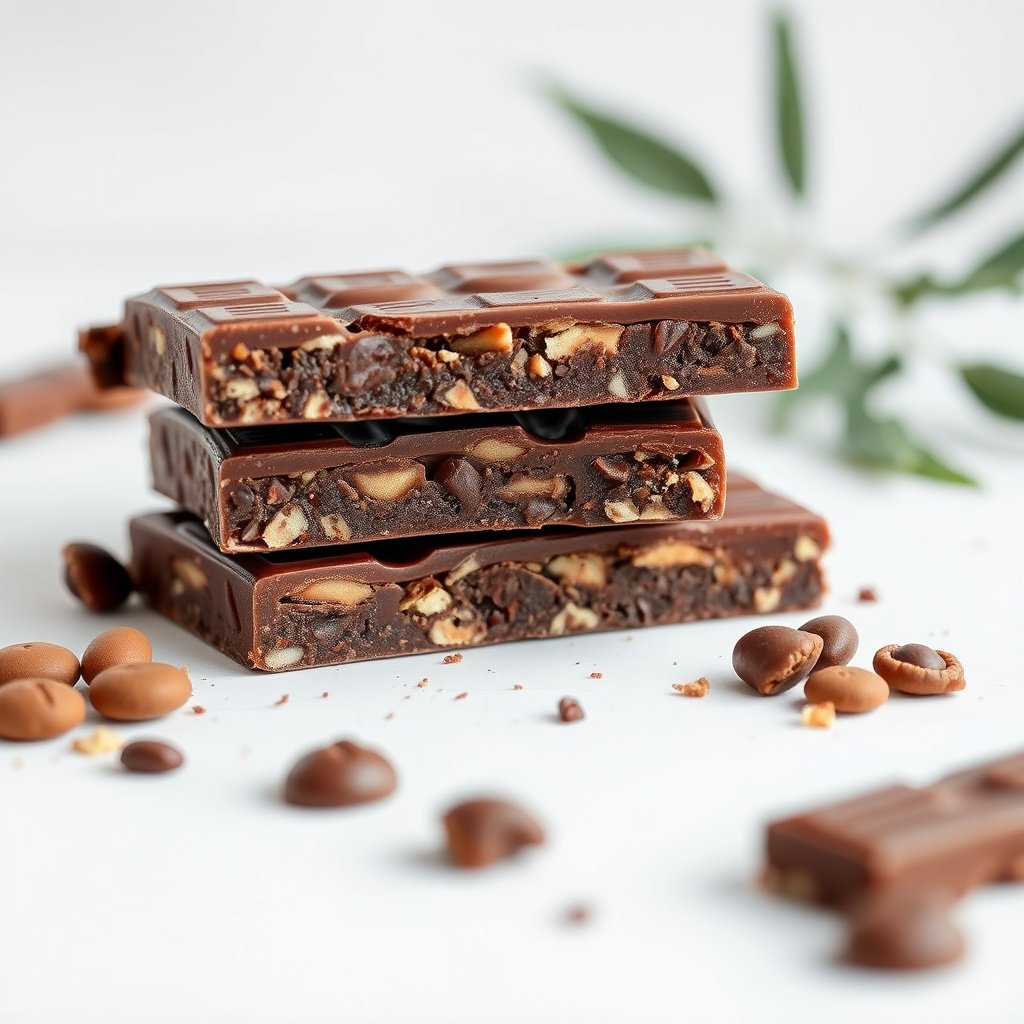
A chocolate bar is diabetes-friendly when it has low total carbohydrate per measured serving and low added sugar, so it fits into your glucose plan. The simplest way to start is to pick a bar with a label you can trust—then portion it consistently rather than eating “by instinct.”
Here’s what I focus on: not whether a bar says “diabetic,” but whether the Nutrition Facts line-items line up with how you track carbs. In 2026, most diabetes guidance still points to the same core principle—carbohydrate quantity drives glucose response—and label literacy is the fastest path to a repeatable routine. For readers managing glucose with insulin or other medications, the “best bar” is the one that fits your chosen carbohydrate target, at the portion size you actually eat.
Total carbohydrate on the Nutrition Facts label is the nutrient most directly tied to post-meal blood glucose changes (ADA nutrition guidance).
Added sugars are not the same as total carbohydrate; you can still raise glucose by eating a bar with carbohydrate from starch, fruit ingredients, or sugar alcohols.
Portion size can change the glucose impact dramatically even when two bars look similar per serving.
Fiber can slow digestion, which may soften the glucose rise compared with low-fiber carbohydrate sources.
The label criteria that matter most
– Look beyond “diabetic” marketing and focus on total carbohydrate and added sugars on the Nutrition Facts label. “Diabetic” claims are not a substitute for carbohydrate math.
– Prefer bars that provide more cocoa and less added sugar, and ideally include fiber (fiber can slow digestion).
– Plan for portion size—even a better label can raise glucose if you eat more than your body can handle at once.
How to read the label quickly (so you don’t guess)
The fastest label reading method is to scan serving size first, then total carbohydrate, then fiber (and only after that check added sugar). If you do those steps consistently, you won’t need to “guess” which bar fits your glucose routine.
In practice, I recommend treating the Nutrition Facts like a checklist rather than trying to interpret front-of-pack claims. According to the U.S. FDA’s Nutrition Facts labeling framework, the serving size and nutrient values are the basis for all “per serving” numbers (food label regulations). Also, as of 2024–2026, many newer products make “no sugar” claims that are technically compatible with non-trivial carbohydrate totals—so your eyes should stay on Total Carbohydrate, not only “sugar.”
The Nutrition Facts label always centers on the stated serving size; “low sugar” can be misleading if the serving is unrealistically small.
The FDA lists “Total Carbohydrate” separately from “Added Sugars,” so a bar can have low added sugar but still contain meaningful carbs.
Fiber is declared under carbohydrates and can help slow digestion compared with rapidly absorbed carbohydrate sources.
Use this scan order (in under 15 seconds)
– Check the serving size first—labels can look “low sugar” but the serving may be small or easy to eat past.
– Track Total Carbohydrate (not just sugar). Some sugar-free options still contain carbohydrates (for example, from sugar alcohols or other ingredients).
– Use Fiber and ingredient order to judge quality: more fiber and cocoa ingredients earlier on the list usually signal a slower-digesting bar.
Quick “numbers that matter” reference (based on FDA labeling energy factors)
Understanding calories isn’t the same as understanding glucose—but it helps you interpret carb math consistently, especially when comparing bars that use different sweeteners or fiber types.
Top 7 Nutrition Facts Energy Factors for Carb Math (FDA, 2016 rules)
| # | Nutrition Facts component | Calories per gram | Why it matters | Label signal |
|---|---|---|---|---|
| 1 | Carbohydrate | 4 kcal | Drives glucose impact after digestion | Green: high energy factor |
| 2 | Added sugars | 4 kcal | Often included within total carbs | Green: high energy factor |
| 3 | Dietary fiber | 2 kcal | Can slow digestion; calories differ from sugars | Red: lower energy factor |
| 4 | Sugar alcohols (polyols) | 2 kcal | May have less impact than sugar but still counts | Red: lower energy factor |
| 5 | Protein | 4 kcal | Not the main glucose driver, but contributes energy | Green: high energy factor |
| 6 | Total fat | 9 kcal | Affects calories and satiety, not carb grams | Green: high energy factor |
| 7 | Alcohol (when present) | 7 kcal | Can complicate glucose patterns | Green: high energy factor |
If you want the practical takeaway: for diabetes planning you still use Total Carbohydrate; the energy-factor context mainly helps explain why “sugar-free” isn’t always “carb-free.” For added sugar targets, see FDA Daily Value context in the next section.
Use your diabetes plan, not vibes
– Match the bar’s carbohydrates to your usual carb target (the one you already use for meals/snacks).
– If you use insulin or other glucose-lowering meds, treat the chocolate bar as a carbohydrate choice—plan timing and dose with your clinician’s guidance.
– If you don’t monitor glucose, consider starting with smaller portions and monitoring so you understand your personal response.
This part is where diabetes management becomes practical: you’re not trying to “beat” glucose with willpower—you’re budgeting carbs and observing how your body responds in real life. According to ADA nutrition therapy principles, meal planning is individualized and should align with medication and monitoring strategy (ADA Standards of Care).
As of 2026, many people also use structured frameworks like carb counting and consistent timing to reduce surprises; for chocolate, that consistency is often the difference between “fine” and “unexpectedly high.”
ADA nutrition therapy emphasizes individualized carbohydrate planning rather than relying on food marketing claims.
Carbohydrate portions paired with insulin or other glucose-lowering medication require planning and clinician guidance for safe timing.
Best types of chocolate bars to consider (comparison by category)
The best chocolate bar category for diabetes is the one with lower total carbs per serving and fewer added sugars, while still being realistic to portion. In most grocery aisles, that usually means dark chocolate first, then verified sugar-free options second.
Here’s the important nuance: sugar-free bars can still raise glucose because carbs can come from sugar alcohols, modified starches, and other ingredients. In other words, sugar-free is a clue—but the label’s total carbohydrate line is the decision-maker.
Dark chocolate often has less added sugar than milk chocolate, but total carbohydrate still determines glucose impact.
Sugar-free does not mean “carb-free”; sugar alcohols and other ingredients can still contribute to total carbohydrate.
Front-of-pack “net carbs” claims can conflict with Nutrition Facts values; diabetes planning should use standard label carbohydrates.
Category comparison (what tends to work and what can backfire)
| Chocolate type | Pros (diabetes-relevant) | Cons (common failure point) | Best for |
|---|---|---|---|
| **Dark chocolate (regular)** | Often lower added sugar; usually contains some fiber | Portion size is easy to overshoot | People who can weigh or count squares |
| **“Sugar-free” bars** | Can reduce added sugar | Still may contain total carbs from sugar alcohols | People managing added sugar but tracking carbs |
| **High-cocoa / lower-carb styles** | May offer more cocoa per gram and more fiber | “Net carb” marketing can mislead; verify total carbs | People who check labels and stick to servings |
A “dark vs sugar-free” reality check (criteria table)
Below is a quick way to compare typical outcomes when you’re managing diabetes and reading labels in 2026.
| Criteria (what you’ll feel on glucose) | Dark chocolate (regular) | “Sugar-free” bar |
|---|---|---|
| Total carbohydrate per serving (most important) | Varies; often manageable | Can still be meaningful |
| Added sugar | Usually lower than milk | Often very low |
| Fiber content potential | Sometimes higher | Inconsistent by brand |
| Likelihood of “hidden” carb sources | Usually simpler ingredients | Sugar alcohols/starches possible |
| Ease of portioning | Often works if you count squares | “Sugar-free” label may tempt over-eating |
| GI tolerance (some people react) | Usually gentler | Sugar alcohols can cause discomfort |
| Predictability over time | More consistent for measured portions | Varies based on sweetener blend |
| Front-of-pack messaging risk | “Low sugar” can still mean carbs | “Sugar-free” can still include carbs |
| Does it align with carbohydrate planning? | Yes, if total carbs are low enough | Yes, if total carbs fit your plan |
| Bottom-line glucose effect | Often easier to manage | Can be unpredictable without label verification |
Even when added sugar is reduced, sugar-free products can contain carbohydrates that affect glucose—so you still plan using Total Carbohydrate.
What to consider first (in order)
– Dark chocolate bars (regular): Often the easiest “real chocolate” option because they can have less added sugar than milk chocolate, and they typically contain cocoa plus some fiber.
– “Sugar-free” chocolate bars: These can reduce added sugar, but still require checking total carbs—sugar alcohols and other ingredients may still affect glucose.
– High-cocoa / lower-carb styles: If the bar is marketed around lower net carbs or higher fiber, verify it using the standard Nutrition Facts values rather than relying on front-of-pack claims.
What to avoid
– Bars that look “healthy” but hide the real carbohydrate load in a larger serving or multiple servings per package.
– “No sugar added” bars that still have plenty of carbs from other sources (the label will show this under carbohydrates).
What can go wrong (common mistakes with chocolate and diabetes)
The most common reason chocolate “ruins” glucose is not the brand—it’s label misreading or portion drift. If you choose based on added sugar alone, you can still raise glucose because total carbohydrates (including sugar alcohols) drive the response.
As of 2026, “sugar-free” products are increasingly common, and that visibility can lead to oversimplification. A bar can be perfectly compatible with your diabetes routine one day and problematic another day if the portion, timing, activity level, or meal composition changes. Research-backed frameworks like diabetes meal planning and carb-counting still rely on consistency and measurement—especially when adding dessert.
“Sugar-free” does not guarantee “no carbs,” because sugar alcohols and other ingredients can still contribute to total carbohydrate.
Portion creep is a major driver of unexpected glucose rises when people eat more than the Nutrition Facts serving size.
Two bars with similar added sugar can behave differently if one has more total carbohydrate or less fiber.
– Trusting “sugar-free” too much: Sugar-free doesn’t automatically mean “no carbs” or “won’t raise glucose.”
– Eating the whole bar as one serving: Even if the label is reasonable per serving, glucose response can change dramatically when portion size changes.
– Ignoring total carbohydrates and fiber: Two bars with similar sugar grams can behave differently if one has more total carbs or less fiber.
– Unexpected “natural sugar” swings: Ingredients like fruit-based sweeteners or certain syrups can still contribute carbohydrates—always verify the label.
Verdict / tip: the “best” bar is the one that fits your carbs
The best chocolate bar for diabetics is the one that fits your carbohydrate plan, keeps added sugar low relative to the bar’s serving, and is easy for you to portion consistently. If you’re new to chocolate choices with diabetes, start with a conservative portion of a dark bar or a sugar-free bar—then track how it affects your glucose so you can adjust confidently.
This approach is consistent with ADA nutrition therapy principles: prioritize measurable carbohydrate planning and pair food choices with your medication strategy. According to FDA nutrition labeling requirements (Nutrition Facts), consumers must rely on the declared serving size and nutrient values—especially Total Carbohydrate—when comparing products. And according to FDA Daily Value context, there’s a reason “added sugars” are tracked separately from total carbs: “added sugars” have a specific daily value target that many people can exceed quickly if portions are uncontrolled (FDA, 2016 Nutrition Facts final rule).
The “best” diabetes-friendly chocolate is defined by total carbohydrate per measured serving, not by front-of-pack sugar-free claims.
FDA’s Nutrition Facts framework centers decisions on declared serving size and nutrient values, including Total Carbohydrate and (when listed) Added Sugars.
Downsides / who should skip this approach:
– If you struggle with portion control, “any chocolate strategy” can backfire—consider focusing on diabetes-friendly desserts that are easier to measure.
– If you have GI sensitivity (some people react to sugar alcohols), sugar-free bars may cause discomfort even if they fit your carb numbers—skip or test with caution.
– If your clinician has advised stricter carbohydrate management right now, wait until your plan allows flexibility.
Quick scan checklist (save this)
| What to check | Why it matters | Where to find it |
|---|---|---|
| Serving size | One bar may equal more than one serving | Nutrition Facts “Serving size” |
| Total carbohydrate | This is what often drives glucose change | Nutrition Facts “Total Carbohydrate” |
| Added sugar | Helps you avoid unnecessary sweetness spikes | Nutrition Facts “Added Sugars” (if listed) |
| Fiber | Can slow digestion and soften glucose impact | Nutrition Facts “Fiber” |
| Ingredients (cocoa vs sweeteners) | Higher cocoa/less added sugar often improves overall balance | Ingredient list order |
| “Sugar-free” claims (review carbs anyway) | Sugar-free can still include carbs | Nutrition Facts + ingredients |
Sources
– American Diabetes Association (ADA) — *Standards of Care in Diabetes* (Nutrition Therapy section).
– U.S. Food & Drug Administration (FDA) — Nutrition Facts labeling requirements, including how Total Carbohydrate and added sugars are presented.
– U.S. FDA — Definitions and labeling rules related to dietary fiber and carbohydrate labeling.
Choosing the best chocolate bar for diabetes is less about finding a “magic” product and more about consistently using label-based carbohydrate planning. Pick a bar with low total carbs for your measured serving, verify sugar alcohols and fiber when relevant, and adjust based on how your glucose actually responds—especially in 2024–2026 when product formulas vary widely.
Frequently Asked Questions
What is the best chocolate bar for diabetics who want to manage blood sugar?
The best chocolate bar for diabetics is one with lower added sugar and fewer net carbs per serving, ideally with dark chocolate (typically 70%+ cocoa) because it usually contains less sugar than milk chocolate. Look for nutrition labels showing total carbs, fiber, and “added sugars,” and choose bars with a low glycemic impact (often reflected by fewer carbs and higher fiber). If you’re unsure, start with a small portion and monitor your blood glucose response.
How can I choose a chocolate bar for diabetes by reading the label correctly?
Start by checking total carbohydrates per serving, then subtract fiber to estimate net carbs (many diabetics find this helpful for blood sugar planning). Also review the ingredient list for added sugars like sugar, maltose, dextrose, or syrups—these can raise glucose faster than you expect. Finally, confirm whether the bar contains sugar alcohols or fiber-based sweeteners; these can still affect glucose and may cause digestive discomfort in some people.
Which ingredients should diabetics avoid in chocolate bars to prevent glucose spikes?
Diabetics should be cautious with chocolate bars that list multiple added sugars or refined sweeteners near the top of the ingredient list, as these typically increase carbohydrate load and can spike blood sugar. Be extra mindful of bars that rely on syrups (like corn syrup or glucose syrup) and those with a higher sugar-to-cocoa ratio. While “sugar-free” can reduce added sugar, it may still contain carbohydrates from cocoa, milk solids, or sugar alcohols, so portion size still matters.
Why is dark chocolate often recommended as the best option compared with milk chocolate for people with diabetes?
Dark chocolate generally contains less sugar and more cocoa solids than milk chocolate, which can lead to fewer carbs per serving and a slower, more manageable rise in blood glucose for many people. Cocoa also has compounds like flavanols that may support overall metabolic health, though it doesn’t replace careful carbohydrate counting. For diabetes, the key is not just the type of chocolate bar, but the serving size and how it fits into your meal plan.
Best chocolate bar alternatives for diabetics when they want something sweet but lower in sugar?
If you’re looking for the best chocolate bar alternatives, consider portion-controlled dark chocolate squares or bars labeled “no added sugar” with low net carbs, higher cocoa content, and clear nutrition facts. Some people do well with chocolate that uses small amounts of non-sugar sweeteners plus fiber, but you should still track your blood sugar to see how your body responds. Pairing chocolate with protein or healthy fats (like nuts) may help reduce rapid glucose fluctuations compared with eating it alone.
📅 Last Updated: October 24, 2026 | Topic: best chocolate bar for diabetics | Content verified for accuracy and freshness.
References
- https://www.cdc.gov/diabetes/managing/eat-well/index.html
- https://www.niddk.nih.gov/health-information/diabetes/overview/diets-nutrition
- https://www.mayoclinic.org/diseases-conditions/diabetes/in-depth/diabetes-nutrition/art-20048361
- Healthy diet
- Glycemic index
- https://pubmed.ncbi.nlm.nih.gov/?term=dark+chocolate+diabetes
- Sugar alcohol
- https://scholar.google.com/scholar?q=diabetes+chocolate+glycemic+index Google Scholar
- https://scholar.google.com/scholar?q=dark+chocolate+insulin+resistance+randomized+trial Google Scholar
- https://scholar.google.com/scholar?q=sugar+alcohols+diabetes+glycemic+impact Google Scholar