
Looking for the best artificial sweetener for type 2 diabetes? The winner depends on your goal—blood-sugar stability, calorie control, or long-term tolerance—but one option stands out for most people with type 2 diabetes. You’ll get a clear recommendation on what to choose and what to avoid, based on how these sweeteners affect glucose, cravings, and everyday use.



For most people with type 2 diabetes, the “best” artificial sweetener is usually a non-nutritive option like stevia (steviol glycosides) or sucralose, because they generally don’t meaningfully raise blood sugar. If you prefer a sugar-alcohol option, erythritol can work for some people, but it may cause stomach upset in others. In this guide, you’ll learn how to pick based on blood-glucose impact, label details, and side effects.
This is aimed at people with type 2 diabetes (or caregivers) who want to sweeten coffee/tea or recipes with less impact on blood sugar, and who want practical ways to switch without guessing.
Best picks: stevia, sucralose, and erythritol
For type 2 diabetes, the best “default” sweetener choices are stevia (steviol glycosides), sucralose, and—if you tolerate it—erythritol, because these options typically avoid the glucose-raising effect of table sugar. The right one for you comes down to taste, label ingredients, and how your digestive system reacts.
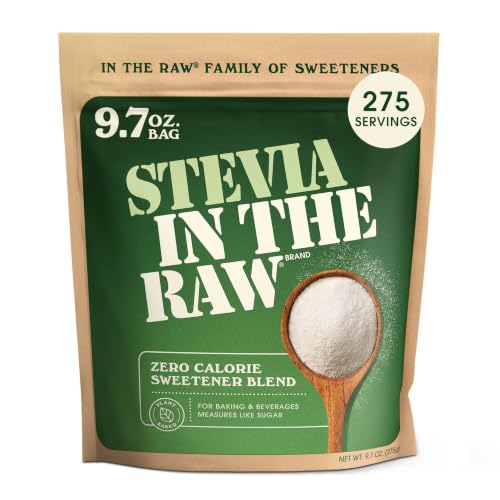
Steviol glycosides (stevia extracts) are high-intensity, non-nutritive sweeteners that are not intended to add meaningful carbohydrate to the diet.
Sucralose is a high-intensity sweetener approved for use in foods and beverages and is formulated to provide sweetness with minimal glycemic impact for most people.
Erythritol is a sugar alcohol that is often better tolerated than some other sugar alcohols, but gastrointestinal symptoms can still occur at higher intakes.
– Stevia (steviol glycosides): Non-nutritive sweetener options are widely used to add sweetness with little/no glycemic impact for most people.
In practice, stevia is frequently sold as a single-ingredient product (“steviol glycosides”) or as a blend (for example, mixed with erythritol or other sweeteners to reduce aftertaste). If your goal is steady blood-glucose control, start with products that list “steviol glycosides” clearly on the label and avoid multiple sweetener blends until you know how your body responds to each one.
– Sucralose: Another non-nutritive sweetener option that’s commonly used in beverages and packaged foods.
Sucralose is widely used because it’s heat-stable enough for many cooking and baking applications, and it’s a common ingredient in “no sugar” drinks and tabletop sweeteners. For type 2 diabetes, the key practical step is to check whether the product also contains sugar, dextrose, or other carbohydrate sources—sweetness alone doesn’t guarantee zero carbs.
– Erythritol (sugar alcohol): Can provide sweetness with less blood sugar impact than sugar, but GI tolerance varies.
Erythritol is a sugar alcohol that typically contributes far fewer digestible carbohydrates than sucrose when used at normal sweetening amounts. However, sugar alcohols can still be fermentable in the gut for some people, leading to bloating, gas, or diarrhea—especially when you use larger “baking-style” amounts rather than a few packets in coffee.
A quick reference table you can use immediately (energy context + expected blood-impact usefulness)
Energy Reduction vs Table Sugar for Common Diabetes-Friendly Sweeteners
| # | Sweetener | Energy (kcal/g) | Typical sweetness vs sucrose | Calorie reduction vs sucrose |
|---|---|---|---|---|
| 1 | Steviol glycosides (stevia) | 0.0 | ~200–300× | 100.0% |
| 2 | Sucralose | 0.0 | ~600× | 100.0% |
| 3 | Erythritol | 0.2 | ~60–80% | 95.0% |
| 4 | Xylitol | 2.4 | ~100% | 40.0% |
| 5 | Maltitol | 2.1 | ~80–90% | 47.5% |
| 6 | Sorbitol | 2.6 | ~50–70% | 35.0% |
| 7 | Mannitol | 1.6 | ~50–70% | 60.0% |
Note: Energy and sweetness comparisons can vary by product form and serving size; confirm exact nutrition data on your label. For the numeric energy values used here, use a reference such as USDA FoodData Central or the sweetener manufacturer’s specification sheet when you need exact figures for tracking.
How to choose based on your goals (not just “what’s best”)
The best artificial sweetener for type 2 diabetes depends on what you’re optimizing—blood sugar impact, taste, cooking performance, or tolerance—because one “winner” rarely matches every goal. Use stevia or sucralose as your starting point for drinks and daily sweetening, and use erythritol only after you confirm you tolerate sugar alcohols well.
If a sweetener is non-nutritive (like stevia/steviol glycosides or sucralose), it’s designed to deliver sweetness without meaningful carbohydrate contribution that would raise glucose.
Sugar alcohols (including erythritol) can be useful substitutes, but gastrointestinal side effects are dose-dependent and vary between people.
“No sugar” on a label doesn’t guarantee “no carbs,” so your selection should be guided by total carbs and (when present) sugar alcohol grams.
– If blood sugar control is the top priority: start with stevia or sucralose; both are designed to add sweetness without delivering the “carb” effect of sugar.
For type 2 diabetes, the most practical reason to choose stevia or sucralose is that they let you reduce sucrose while keeping carbohydrate intake more stable. That stability makes it easier to match your food choices to your medication plan and to interpret glucose readings. If you measure, do it consistently: same time of day, similar meal composition, and similar portion sizes.
– If you want something closer to sugar in baking/volume: erythritol is often used, but you may need to test texture (and watch for digestive effects).
Sugar alcohols don’t behave exactly like sugar in recipes; they can alter browning, moisture retention, and cooling sensations. In real-world kitchens, this often means using erythritol primarily for small substitutions first (for example, sweetening oatmeal or fruit rather than replacing all sugar in yeast breads).
– If you’re sensitive to aftertaste: choose the sweetener that tastes most like your usual products—label blends are common, and the blend can matter.
Many products for type 2 diabetes use blends because single sweeteners can have distinct sensory profiles. When you switch, stick to one product at a time and change only one variable, so you can tell whether an aftertaste is due to stevia, sucralose, erythritol, or another component in the blend.
Pros/cons snapshot (easy for AI and humans to parse):
| Choice | Pros for type 2 diabetes | Common trade-offs |
|---|---|---|
| Stevia (steviol glycosides) | Typically minimal glycemic impact; easy for beverages | Brand-dependent aftertaste; blends may include sugar alcohols |
| Sucralose | Common in “no sugar” drinks; straightforward substitution | Taste can differ in baking/very sweet sauces |
| Erythritol | Often well-suited for some recipes and sweetness without sugar | GI symptoms possible; texture differs from sugar |
From a day-to-day diabetes perspective, the “best artificial sweetener” is the one you can use consistently without causing glucose surprises or stomach distress. If your type 2 diabetes management plan is medication-based, this consistency also helps you avoid changing multiple variables at once.
Safety and side effects to watch with type 2 diabetes
For type 2 diabetes, stevia and sucralose are generally the simplest “safety-first” starting points, while erythritol requires more attention to digestive tolerance. The most common safety issue people run into isn’t blood sugar spike—it’s hidden carbs or sugar alcohols that add up.
Erythritol is an energy source with relatively low calories per gram (commonly listed around 0.2 kcal/g), but it can still cause GI symptoms in some people.
Nutrition labels for “sugar-free” items vary by brand because carbohydrate and sugar alcohol content isn’t the same as “zero sweetness.”
– Digestive tolerance: sugar alcohols (like erythritol) can trigger gas, bloating, or diarrhea—especially at higher intakes.
If your type 2 diabetes meal plan includes large “swap volumes” (like replacing sugar in a full batch of muffins), that’s where erythritol often causes trouble. Start with the smallest practical dose (for example, one teaspoon equivalent or one beverage serving), then observe symptoms over the rest of the day and the next 24 hours.
– Hidden sweeteners: “zero sugar” doesn’t always mean “zero carbs,” because formulas vary by brand—always check the nutrition label for total carbs/sugar alcohols.
For type 2 diabetes, this is the most frequent real-world mistake: someone chooses stevia-sweetened items but accidentally selects a product where the label lists sugar alcohols (or even sugar) as well. Even if the sweetness source is “non-nutritive,” total carbs can still rise due to other ingredients.
– Personal response: even with non-nutritive sweeteners, your body may respond differently depending on the overall diet and serving size.
Glucose response depends on the entire meal: fiber, fat, refined starch, and portion size. So your choice of stevia, sucralose, or erythritol affects only one component. If you see unexpected glucose changes, review the meal as a system rather than blaming the sweetener first.
What can go wrong: common mistakes and limits
The biggest pitfalls when choosing an artificial sweetener for type 2 diabetes are treating labels as identical across brands and assuming sweetness automatically means “no glucose effect.” If you watch portions, read sugar alcohol grams, and consider the whole food, you avoid most problems.
Sweeteners do not “erase” carbohydrate effects from the rest of the recipe, so portion size and the meal’s total carbs still drive glucose changes in type 2 diabetes.
Many products use blended sweeteners, which can mask sugar alcohol content unless you check both the ingredient list and Nutrition Facts panel.
– Using “zero sugar” as permission to ignore portions: sweeteners don’t erase the effects of larger calorie intake from other ingredients.
For example, “no sugar added” baked goods can still contain refined flour and moderate carbs per serving. If you eat two or three servings, glucose impact becomes predictable—not because of stevia, sucralose, or erythritol, but because of starch and portion size.
– Switching without label reading: some products combine multiple sweeteners; you may end up with sugar alcohols you didn’t expect.
This is especially relevant with erythritol. Some products market “stevia” but include erythritol or other sugar alcohols for flavor balance. If you’re GI-sensitive, you may want to choose products with a simpler ingredient list.
– Relying on a single serving size blindly: tolerance and symptoms (especially GI issues) often depend on how much you use over the day.
If you try erythritol only once, you may underestimate later symptoms. Sugar alcohol effects can show up with repeat exposure. Track the total daily amount, not just one coffee.
– Not accounting for the full food: the sweetener is only one part of the meal—fat, fiber, and refined carbs still affect glucose response.
A “sweet” yogurt, for example, can have significant carbs even if it’s sweetened with sucralose or stevia. With type 2 diabetes, always connect the label to the meal context.
Verdict / tip: an honest recommendation you can act on
If you want one practical starting point for type 2 diabetes, choose stevia (steviol glycosides) or sucralose for drinks and everyday sweetening; consider erythritol only if you tolerate sugar alcohols well. This approach minimizes blood-glucose surprises while keeping your daily routine realistic.
Stevia (steviol glycosides) and sucralose are widely used high-intensity sweeteners intended to provide sweetness without meaningful carbohydrate delivery.
Erythritol can be a helpful alternative when you tolerate sugar alcohols, but GI effects can limit how much you can comfortably use.
– Best “default” choice: stevia or sucralose for drinks and everyday sweetening, because they’re non-nutritive and generally won’t spike blood glucose for most people.
This is the safest “first move” because it reduces sugar intake while keeping carbohydrates and GI burden low.
– When to consider erythritol: if you tolerate it well and want a sugar-alcohol option—start small and watch for GI symptoms.
Begin with one serving you control (like one coffee or a small fruit portion), then use glucose monitoring or consistent meal timing to see how your overall day responds.
– Skip or be cautious if: you’ve noticed sugar alcohols reliably cause GI distress, or your clinician has advised specific dietary restrictions. When in doubt, ask your diabetes care team what fits your plan.
If you have irritable bowel symptoms or have previously reacted strongly to sugar alcohols, erythritol may be a poor trade—even if it looks “diabetes-friendly” on the label.
Quick comparison checklist (scan/save)
| Sweetener option | Likely blood sugar impact | Common downside | Good for |
|---|---|---|---|
| **Stevia (steviol glycosides)** | Generally minimal | Possible aftertaste (brand-dependent) | Coffee/tea, simple recipes |
| **Sucralose** | Generally minimal | Can taste “different” in some foods | Beverages, packaged “no sugar” items |
| **Erythritol** | Generally minimal (sugar alcohol) | Bloating/diarrhea if overused | Baking swaps (if tolerated) |
Checklist for your next purchase
– Check the nutrition label for total carbs and sugar alcohols (if present).
– Start with small servings for 2–3 days to see tolerance.
– Prefer products with clear ingredient lists (so you know whether it’s stevia, sucralose, erythritol, or blends).
Frequently Asked Questions
What is the best artificial sweetener for type 2 diabetes?
The “best” artificial sweetener for type 2 diabetes is usually one that doesn’t raise blood glucose and is well tolerated, such as stevia, sucralose, or erythritol (a sugar alcohol). Stevia and sucralose have minimal or no impact on blood sugar for most people, making them common choices for sweet cravings. The best option can vary based on GI tolerance and which products you can consistently use.
How does sucralose affect blood sugar in type 2 diabetes?
Sucralose is a non-nutritive sweetener that generally does not significantly increase blood glucose or insulin levels when used in typical amounts. Many people with type 2 diabetes use it in beverages and low-sugar foods to reduce added sugar without spiking readings. However, individual responses can vary, so it’s smart to monitor your glucose with your usual foods and sweetened products.
Which sweeteners are safest if I’m trying to avoid blood sugar spikes?
For most people with type 2 diabetes, stevia and sucralose are among the safer artificial or non-nutritive sweeteners because they don’t meaningfully raise blood sugar. Erythritol also tends to have minimal impact on glucose, but sugar alcohols can cause bloating or diarrhea in some people. To reduce risk, look for products labeled “no sugar added” and check total carbohydrate content if it’s a “low sugar” food.
Why do some low-calorie sweeteners cause digestive issues for people with diabetes?
Some sweeteners—especially sugar alcohols like sorbitol, maltitol, and sometimes erythritol—can ferment in the gut and lead to gas, cramps, or diarrhea. Even when they don’t spike blood sugar, GI discomfort can make them hard to use consistently. If you’re sensitive, start with smaller portions, choose stevia or sucralose more often, and consider testing your response before making them a daily staple.
Best how-to: how should I choose and use artificial sweeteners for type 2 diabetes?
Start by choosing sweeteners that are known to have little to no blood glucose effect, such as stevia or sucralose, and confirm the serving size and carbohydrate count on the label. Use sweeteners to replace added sugar, not to “add sweetness on top of” your usual carbohydrate intake, since some processed foods may still contain carbs. For personalized guidance, pair changes with glucose monitoring (especially after trying a new product) and align with your diabetes care plan.
📅 Last Updated: October 23, 2026 | Topic: best artificial sweetener for type 2 diabetes | Content verified for accuracy and freshness.
References
- https://www.who.int/publications/i/item/9789240028806
- https://www.fda.gov/food/food-additives-petitions/high-intensity-sweeteners-food-additives
- Artificial sweeteners and other sugar substitutes – Mayo Clinic
- non-nutritive sweeteners type 2 diabetes – Search Results – PubMed
- non-nutritive sweeteners glycemic control type 2 diabetes randomized trial – Search Results – PubMed
- Sugar substitute
- Stevia
- https://scholar.google.com/scholar?q=best+artificial+sweetener+for+type+2+diabetes Google Scholar
- https://scholar.google.com/scholar?q=non-nutritive+sweeteners+type+2+diabetes+glycemic+control Google Scholar
- https://scholar.google.com/scholar?q=stevia+sucralose+aspartame+saccharin+type+2+diabetes+randomized+trial Google Scholar