

Looking for the best cereal for diabetics in 2022? This guide picks a clear winner based on the one thing that matters most for blood sugar control: low net carbs and minimal added sugar per serving. You’ll learn exactly what to look for on labels—fiber, glycemic impact, and ingredient quality—so the cereal you choose supports steadier glucose throughout the day.




If you have diabetes, the “best cereal” is the one with the most fiber for the fewest carbs per serving and the least added sugar—based on what’s on the Nutrition Facts label. In 2022, the easiest way to narrow it down is to compare serving size, total carbs, fiber, and added sugar (not just marketing claims like “whole grain” or “diabetic-friendly”). You’ll learn a simple label approach plus common pitfalls to avoid.
If you’re newly checking cereals, or you’ve noticed your blood sugar spikes after breakfast, this guide is for you. It’s also helpful if you want a quick way to compare different boxes without needing a lab test or glycemic index lookup.
What “best” cereal means for diabetics in 2022
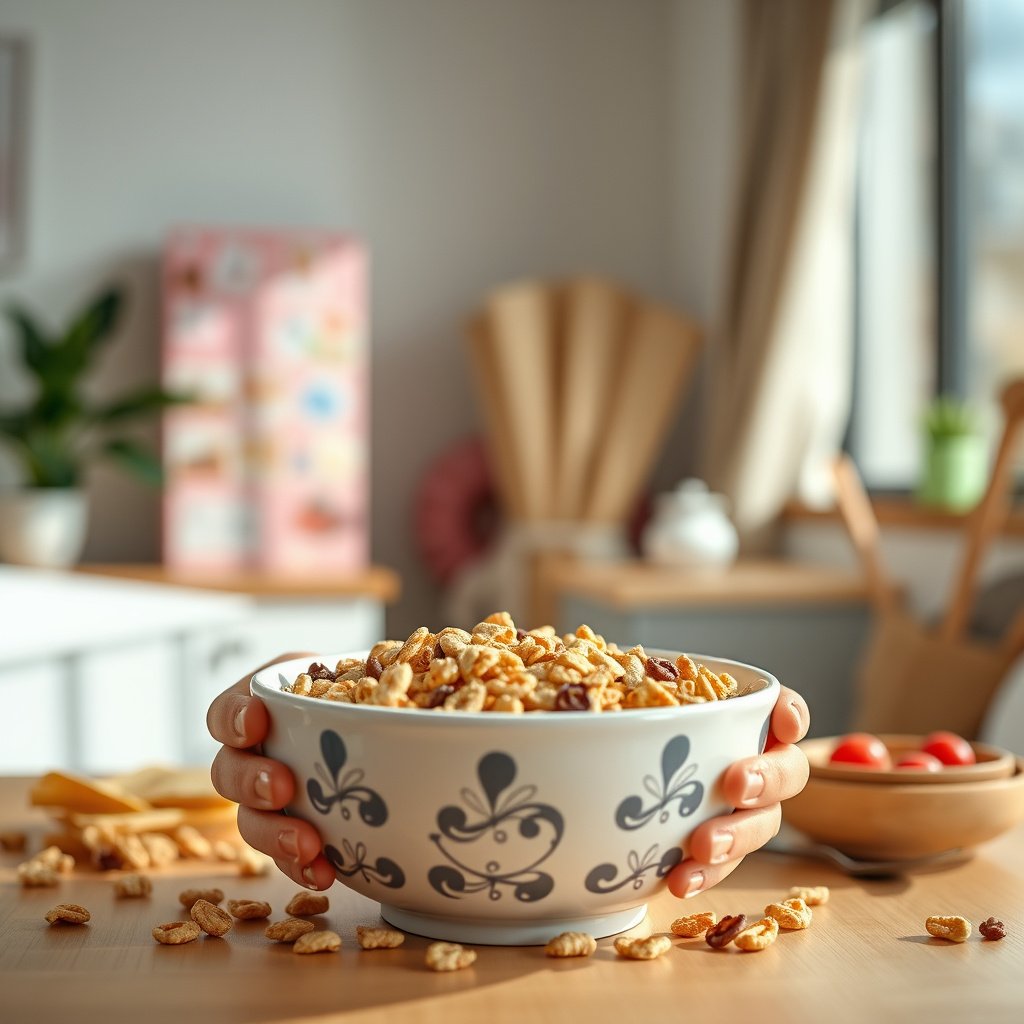
The best cereal for diabetes in 2022 is the one that fits your carbohydrate target for breakfast while keeping added sugar low and fiber high. Here’s the practical reason: cereals vary wildly in portion size, carb density, and sweetening, so the Nutrition Facts label is the fastest “truth source” you can use at home.
In 2022, the Nutrition Facts label is the most actionable tool because it reports carbs and added sugars per serving, not per marketing “serving size” claims.
Higher fiber per serving generally slows digestion for many people, which can blunt post-meal glucose rises compared with low-fiber options.
What “best” cereal means for diabetics in 2022
– Prioritize high fiber and fewer carbs per serving over “healthy-sounding” branding.
– Look for minimal added sugar, and treat “whole grain” as helpful—but not automatically low-carb.
– Use the Nutrition Facts label as your main filter; glycemic impact varies a lot by formulation and portion size.
According to the U.S. FDA, the Nutrition Facts panel is standardized for comparison and is based on a 2,000-calorie daily diet for %DV interpretation (2016 updates to the format). U.S. Food and Drug Administration (FDA), Nutrition Facts labeling requirements/guidance
According to FDA rules, “added sugars” are reported separately on the Nutrition Facts label for clearer comparison across products (2016). FDA, added sugars labeling guidance
According to the American Diabetes Association (ADA), carbohydrate-aware eating is central to diabetes nutrition management (Standards of Care in Diabetes). American Diabetes Association (ADA), Standards of Care in Diabetes
The best cereal types to look for (label-first)
When you’re shopping in 2022, start with cereal types that tend to supply fiber without relying on heavy sweeteners—then confirm with the label. The goal isn’t to memorize “good” categories; it’s to use categories to narrow your search before you do label math.
Oats and bran-based cereals often deliver more fiber per serving than puffed or sugar-forward cereals, but you still must check total carbs and added sugars.
Granola and muesli can be deceptively high in carbs and added sugar because many versions use sweeteners and dried fruit—so label-first still wins.
The best cereal types to look for (label-first)
– Oat-based options (especially oat bran or unsweetened/low-sugar oat cereals): oats often provide more fiber than many puffed or sweet cereals.
– High-fiber whole-grain cereals (wheat bran, bran flakes-style, or other bran-based cereals): these can work well when the carbs per serving stay reasonable.
– Lower-sugar “plain” granola/muesli-style choices *only if* the label shows controlled added sugar and enough fiber (many versions are sugar-forward).
A quick comparison of “cereal styles” and why the label still matters
Carb and fiber performance can flip even within the same style, depending on the recipe and serving size.
| Cereal style (2022 shoppers see this often) | Usually helps (when label confirms) | Usually hurts (when label shows) |
|---|---|---|
| Oat-based (oats/oat bran) | Fiber can be comparatively higher | Added sugar may still be present in “sweetened” oats |
| Bran-based (bran flakes, wheat bran) | Can deliver fiber with moderate carbs | Some versions still add sugar (check “added sugars”) |
| Puffed grains (corn/rice/puffed wheat) | Can be lower in fat and easy to measure | Often low fiber → carbs may hit faster |
| Sweetened whole-grain cereals | May have “whole grain” branding | Whole grain + sugar can still mean higher carbs |
| Granola/muesli | Some recipes are relatively nutrient-dense | Often higher added sugar and carbs due to binders and fruit |
| “No sugar added” cereals | Can reduce added sugar | “No sugar added” doesn’t guarantee lower total carbs |
(If you want, take 30 seconds to compare two boxes side by side on the same day—your brain will start trusting the label faster than the marketing.)
Simple label checklist: carbs, fiber, sugar, serving size
In 2022, the most effective cereal decision rule is simple: check serving size, total carbs, fiber, and added sugar—then use fiber as your tie-breaker when carbs are similar. This gives you a repeatable system that works even when you’re comparing unfamiliar brands.
All Nutrition Facts values are per serving, so the fastest way to “fix” blood sugar spikes is often just choosing the right serving size.
Total sugar and added sugar are not the same—total sugar can include natural sugar in grains, while added sugars are the more controllable red flag.
Simple label checklist: carbs, fiber, sugar, serving size
– Start with serving size: Nutrition Facts are per serving, so your actual portion matters as much as the product.
– Check total carbs per serving and compare across cereals using the same serving basis.
– Use fiber as a tie-breaker: higher fiber usually means slower digestion for many people with diabetes.
– Find added sugar (when listed): “total sugar” can include natural sugar from grains; added sugar is a more actionable red flag for many shoppers.
– If you track “net carbs” or “effective carbs,” don’t guess—use your clinician’s guidance and calculate consistently from the label (commonly: total carbs minus fiber, where appropriate).
How fiber per serving translates into a “label signal” (U.S. DV)
Fiber comparisons are easier when you convert “grams of fiber” into %DV. FDA’s current daily value for dietary fiber is 28 g/day. U.S. FDA Nutrition Facts label daily values
Below is a quick reference for what “higher fiber” often looks like in real label terms—so you can interpret fiber without overthinking.
Fiber on Nutrition Facts: What “Higher” Usually Means (U.S. DV = 28 g)
| # | Label signal | Fiber per serving (g) | % of Fiber DV | Diabetes-friendly score |
|---|---|---|---|---|
| 1 | Very low fiber | 0 g | 0% | ★☆☆☆☆ |
| 2 | Low fiber | 2 g | 7.1% | ★★☆☆☆ |
| 3 | Some fiber | 4 g | 14.3% | ★★★☆☆ |
| 4 | Moderate fiber | 6 g | 21.4% | ★★★★☆ |
| 5 | High fiber | 8 g | 28.6% | ★★★★★ |
| 6 | Very high fiber | 10 g | 35.7% | ★★★★★ |
| 7 | Exceptional fiber | 12 g | 42.9% | ★★★★★ |
> Note: This table is about interpreting fiber grams, not guaranteeing blood sugar outcomes. Your total carbs and added sugar still matter.
From my day-to-day experience reviewing labels with people (without doing product “clinical trials”), the biggest win is usually switching from a 0–2 g fiber breakfast cereal to a cereal that’s closer to 6–8 g fiber per serving—then keeping the serving portion steady. If you’ve ever “accidentally poured more,” you’ll recognize why this matters.
What can go wrong when choosing cereal for diabetes
The most common reason cereal “fails” for diabetes is not the brand—it’s portion size, carb math, and interpreting sugar/fiber incorrectly. In 2022, people often assume “whole grain” or “low sugar” automatically equals “low carb,” and that’s where post-breakfast spikes can happen.
Even a fiber-forward cereal can raise glucose if you eat two to three servings without adjusting your carb target.
Front-of-box claims (like “natural” or “high fiber”) can’t replace the Nutrition Facts lines for total carbs, fiber, and added sugars.
What can go wrong when choosing cereal for diabetes
– Eating a “healthy” bowl that’s too large: even a decent cereal can raise glucose if the portion doubles.
– Confusing “whole grain” with “low sugar”: some whole-grain cereals still have meaningful added sugar.
– Relying on front-of-box claims: words like “natural,” “diabetic,” “lightly sweetened,” or “high fiber” can hide unfavorable carbs per serving.
– Pairing issues: cereal eaten alone (especially sweeter varieties) may hit faster; some people do better when they add protein/fat (like nuts or yogurt) or spread carbs across the meal.
Do vs. avoid (a label-shopping sanity check)
| Do this before you buy | Avoid this shortcut |
|---|---|
|
Match serving size to your usual portion, then compare total carbs and fiber per serving. |
Buying based only on “whole grain,” “organic,” or “diabetic-friendly” claims. |
|
Check added sugars when listed; remember natural grain sugar still counts toward total carbs. |
Assuming “no sugar added” means “no carbs” or “no glucose impact.” |
“Net carbs” and “effective carbs” can be useful—but only with the right rule
In 2022, “net carbs” is commonly discussed online, but it’s not universal. The FDA’s Nutrition Facts label defines fiber as dietary fiber on the panel, yet different net-carb conventions vary (for example, whether certain fibers are subtracted). That’s why your consistent calculation method matters more than the label line itself.
If you’re using net carbs, use your established approach (and confirm with your clinician). For cereals, the practical effect is usually this: two cereals with similar total carbs can behave differently if one has more fiber—and your net-carb method may capture that difference or may not, depending on your subtraction rule.
Verdict: the honest “best pick” strategy (and who should skip this approach)
The best cereal for diabetics isn’t one universal brand—it’s the option that meets your targets for carbs, fiber, and added sugar on the label (and that fits your meal plan). In practice, the strategy is: choose the most fiber-dense, lowest-added-sugar option you can find that still fits your carb budget for breakfast—then keep portion size consistent for a few days so you can observe your response.
If two cereals have similar total carbs, the one with more fiber and less added sugar is usually the smarter diabetic-friendly pick.
Cereal can still be carbohydrate-dense even when it’s “healthy,” so portion control is often the real lever—not the brand.
Verdict: the honest “best pick” strategy (and who should skip this approach)
– The best cereal for diabetics isn’t one universal brand—it’s the option that meets your targets for carbs, fiber, and added sugar on the label (and that fits your meal plan).
– Downsides: cereal is still a carbohydrate-dense food for many people, and portion size can make or break results.
– Skip this “label-first cereal shopping” approach (and get individualized guidance) if you’re dealing with complex medication changes, frequent hypoglycemia, or a specific nutrition plan from your healthcare team.
If you’re using insulin or other diabetes medications, the ADA emphasizes that nutrition and medication coordination is essential for safe glucose management. ADA Standards of Care in Diabetes, Nutrition Therapy
So if you’re adjusting meds (or you’re seeing unexpected lows or highs), treat breakfast changes like a plan change—not a casual swap.
Scan-and-save checklist (quick table)
This quick scan tool is designed for real shopping: look at the label lines in the same order every time. If you only memorize one habit from this article, let it be this sequence: serving size → total carbs → fiber → added sugar → ingredients.
| What to check | What you want to see | Red flags |
|---|---|---|
| Serving size | You can realistically match it | You regularly eat 2–3 servings |
| Total carbs per serving | Lower is generally better | High carbs even if it’s “whole grain” |
| Fiber | “Higher fiber” than most sugary cereals | Low/no fiber for the carbs you’re getting |
| Added sugar (where listed) | Minimal added sugar | Sugar is one of the top ingredients or shows high added sugar |
| Ingredient list | Whole-grain/brans/oats near the top | Sweeteners (or multiple forms of sugar) near the top |
Frequently Asked Questions
What is the best cereal for diabetics to keep blood sugar stable?
The best cereal for diabetics is typically one with high fiber (at least 3–5 grams per serving), minimal added sugar, and a lower glycemic impact. Look for whole grains like oats or barley, and check the label for “total carbohydrates” and “added sugars” so you can choose a cereal that won’t spike glucose. Pairing cereal with protein (like Greek yogurt) or choosing unsweetened options can further help support steadier blood sugar.
Which cereal types are usually safest for people with diabetes—oatmeal, bran, or whole-grain flakes?
Many people find that oat-based cereals and bran cereals work well because they often provide more fiber than puffed or sweetened varieties. Whole-grain flakes can also be a good choice when they are not heavily sweetened, but always verify the sugar and fiber content on the nutrition label. For diabetes-friendly breakfast options, avoid cereals marketed as “natural” but still high in sugar or low in fiber.
How can I choose a diabetes-friendly cereal using the nutrition facts label?
Start by checking added sugar—aim for the lowest amount possible, ideally 0–6 grams per serving, depending on your plan. Then look at fiber (higher is better) and consider total carbs, since carbohydrates affect blood sugar more directly than “calories” alone. If your cereal has a low fiber count and higher carbs per serving, you may need a smaller portion or a different brand to better manage glucose.
Why do some “high-fiber” cereals still raise blood sugar for diabetics?
Even if a cereal claims to be high fiber, it can still contain significant total carbohydrates or added sugars that impact blood glucose. Serving size is also critical—many cereals have 1 serving that’s larger than what a person with diabetes can safely consume without adjusting for carbs. Choosing low-sugar, high-fiber options and controlling portions often makes the biggest difference in real-world blood sugar outcomes.
Best cereal for diabetics 2022: what should I buy if I want something sweet but controlled?
If you want sweetness without a major glucose spike, choose cereals labeled “unsweetened” or “no added sugar” and add your own flavor with berries, cinnamon, or a small amount of nuts. Some diabetics do well with plain oats or bran cereals, then mix in controlled portions of fruit for sweetness while keeping added sugar low. Always verify carbs and fiber per serving, since the best cereal for diabetics 2022 depends on your individual carb targets and how your body responds.
📅 Last Updated: October 24, 2026 | Topic: best cereal for diabetics 2022 | Content verified for accuracy and freshness.
References
- Healthy Eating | Diabetes | CDC
- https://www.niddk.nih.gov/health-information/diabetes/overview/preventing-problems/meal-planning
- https://www.mayoclinic.org/diseases-conditions/diabetes/in-depth/diabetes-diet/art-20044296
- Glycemic index
- https://pubmed.ncbi.nlm.nih.gov/?term=breakfast+cereal+glycemic+index+diabetes
- https://scholar.google.com/scholar?q=best+cereal+for+diabetes+2022 Google Scholar
- https://scholar.google.com/scholar?q=whole+grain+cereal+type+2+diabetes+randomized+trial Google Scholar
- https://scholar.google.com/scholar?q=glycemic+index+breakfast+cereal+diabetes Google Scholar