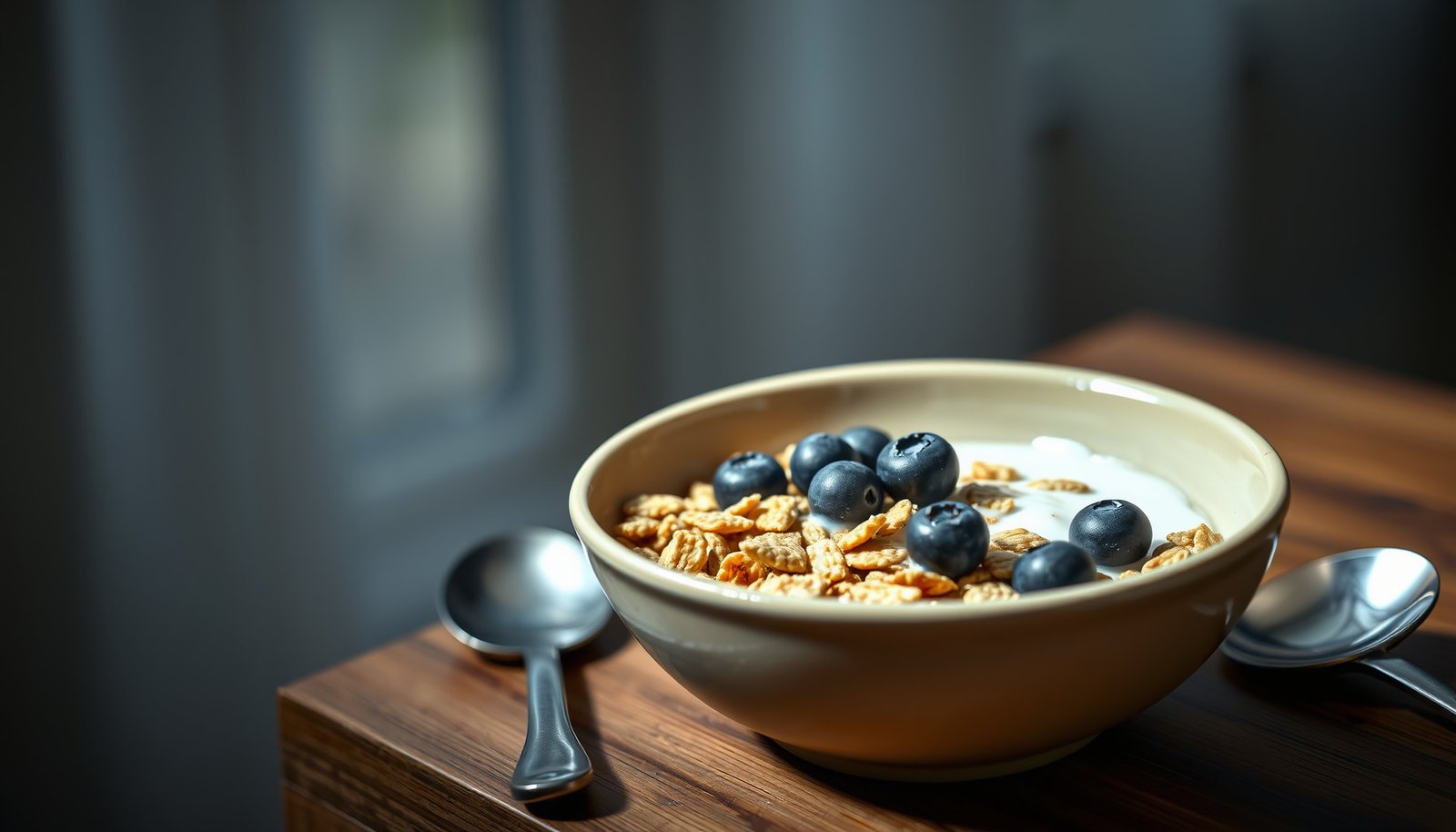

If you’re trying to pick the best cereal for diabetics and weight loss, this guide gives you a single top choice based on the most important targets: low added sugar, high fiber, and a steady—rather than spiking—blood-sugar response. You’ll learn which cereal best fits that goal and how to read labels so your portions support weight loss without sacrificing glucose control. The result: a clear winner you can shop for immediately, plus the few rules that keep it working.



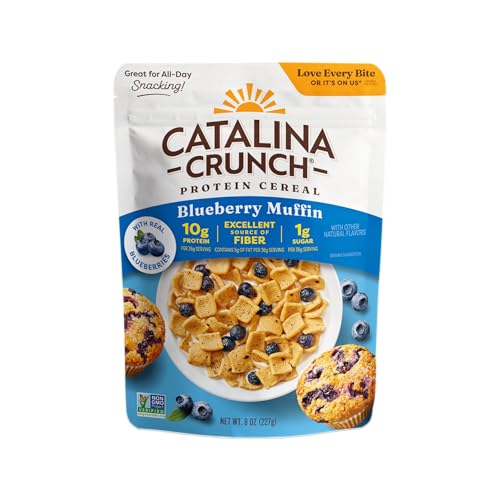
The best cereal for diabetics trying to lose weight is one that’s high in fiber, made from whole grains, and low in added sugar—then eaten in a portion that fits your carb goal. Look at the Nutrition Facts for total carbs and fiber first (not the marketing on the front of the box), and pair your cereal with protein to help you stay full. In this guide, we’ll show you exactly how to choose and use cereal so it supports both blood-sugar control and calorie control.
If you have diabetes (type 1, type 2, or gestational) and you’re aiming to lose weight, breakfast cereals can be either a helpful habit or a hidden carb-sugar trap—depending on the label and your portion size. This is for anyone who wants practical “what to look for” guidance without guessing.
What to look for on the label (so cereal helps, not hurts)
The quickest way to make cereal diabetes- and weight-loss-friendly is to shop the Nutrition Facts for total carbs, fiber, and added sugar, then confirm whole grains in the ingredients list. Here’s the logic: cereal carbs drive post-meal glucose, fiber supports fullness and slower digestion, and added sugar increases glucose “spikes” while often adding extra calories.
“On the Nutrition Facts label, total carbohydrates and dietary fiber are the key nutrients for predicting how cereal affects blood glucose.”
“A front-of-pack ‘low sugar’ claim is not a substitute for checking grams of added sugar per serving on the back label.”
“FDA’s Nutrition Facts Daily Values provide a standardized way to interpret added sugar and fiber amounts relative to a 2,000-calorie day.”
Carbs, fiber, and added sugar: the non-negotiables
Prioritize total carbohydrates and fiber on the Nutrition Facts label, because those drive most of the blood-sugar impact from cereal.
To anchor your label math with real benchmarks:
– According to the U.S. Food and Drug Administration (FDA), the Daily Value (DV) for added sugars is 50 g per day for a 2,000-calorie diet (2016). (FDA: Nutrition Facts Label & Added Sugars—DV and labeling rules)
– According to FDA, the DV for dietary fiber is 28 g per day (2016). (FDA: Nutrition Facts Label—fiber DV and labeling rules)
– According to the U.S. Department of Agriculture (USDA) Dietary Guidelines, adequate fiber intake is 14 g per 1,000 calories, which commonly works out to about 25 g/day for women and 38 g/day for men depending on calorie needs (2020–2025). (USDA: Dietary Guidelines for Americans 2020–2025, fiber guidance)
In plain terms: a “diabetic-friendly” cereal should not only be lower in added sugar; it should also provide meaningful fiber relative to its carb count.
Whole grains beat “made with grains”
Choose cereals where whole grains are clearly indicated (for example, “whole oat” / “whole grain” listed early), rather than refined grain first. If the ingredient list starts with “enriched wheat flour,” “whole wheat flour” but not clearly “whole,” or “rice flour,” you often lose the fiber benefit that helps you feel satisfied.
“Low sugar” is not “low carb”
Treat “low sugar” claims as a starting point only—always confirm added sugar and serving size on the back label. This is especially important because some cereals substitute “sweetness” with ingredients that still contribute carbs (and therefore glucose), even if they’re marketed differently.
A quick DV-based label check (use this to reduce guesswork)
Nutrition Facts Benchmarks That Matter Most for Cereal Choices
| # | Nutrition Facts metric | Daily Value (DV) on label | Direction for cereal (for diabetes + weight loss) | Goal fit |
|---|---|---|---|---|
| 1 | Added sugars | 50 g/day | Lower is better; compare cereal’s added sugar grams to your total for the day | ★☆☆☆☆ |
| 2 | Dietary fiber | 28 g/day | Higher is better; fiber can improve fullness and blunt glucose rise | ★★★★★ |
| 3 | Total carbohydrate | 275 g/day | Fit to your personal carb target for breakfast (portion matters as much as label) | ★★★★☆ |
| 4 | Saturated fat | 20 g/day | Lower is generally better for cardiometabolic risk; check toppings too | ★★★☆☆ |
| 5 | Sodium | 2,300 mg/day | Moderate is better; many cereals are fine but pairings (milk, nut butters) add up | ★★☆☆☆ |
| 6 | Cholesterol | 300 mg/day | Most cereals are low; the main issue is often what you add | ★★★★☆ |
| 7 | Protein | No DV listed | Not a DV-driven metric, but cereal + protein pairing improves satiety | ★★★★★ |
This table isn’t telling you which brand is “best”—it’s helping you standardize label interpretation so your cereal choices support both glycemic control and calorie control.
Best cereal types for diabetics and weight loss (based on typical nutrition)
The best cereal categories for diabetics and weight loss tend to share the same pattern: higher fiber per serving, whole-grain ingredients, and minimal added sugar. If you shop by label and build your bowl intentionally, you can use cereal as a practical breakfast habit—especially in 2026 when many brands now publish clearer nutrition panels and added-sugar numbers.
“Oat-based cereals often deliver more fiber than many grain-based cereals, which can improve fullness without needing larger portions.”
“Bran-forward cereals can be a strong option when the version you choose isn’t sugar-coated and has fiber listed early on the label.”
“Plain, less-sweet cereal versions are usually easier to portion correctly—an important factor for diabetes and weight loss.”
Top pick #1: Unsweetened whole-grain oats (including “plain” oat cereals)
Unsweetened whole-grain oats (rolled or “plain” oat-based cereals) can be a solid option because oats tend to provide more fiber than many grain-based cereals—especially when you skip sugary mix-ins.
What to look for in oat cereals:
– Ingredients that include whole oats (often “whole oat” or “oats” near the top)
– Added sugar that’s low enough that you’re not “spending” your carb allowance on sweetness
– A portion you can measure consistently (cereal weight matters)
If you use a measuring cup out of habit, that’s often where weight-loss plans stumble.
Top pick #2: Bran-forward cereals (avoid sugar-coating)
Bran-forward cereals (look for versions that are not sugar-coated) often deliver more fiber per serving, which can support fullness and steadier digestion.
Important nuance: some “bran” products still carry high carbs or added sugar because of how they’re sweetened or because the fiber content is relatively low compared to the carbs. So even with bran-forward cereals, the Nutrition Facts label still wins.
Top pick #3: Lower-sugar, higher-fiber whole-grain flakes/shreds
Lower-sugar, higher-fiber whole-grain flakes/shreds (e.g., “plain” versions without dried fruit or heavy sweeteners) are usually easier to fit into a weight-loss routine than typical sweetened cereal.
To make these cereals work:
– Pair them with a protein topping (more on that below)
– Keep the bowl portion consistent to match your carb goal
– Avoid “healthy-sounding” add-ons that turn cereal into dessert
Pros/cons snapshot (what tends to work best)
Use this quick comparison to decide which cereal type matches your usual breakfast behavior:
| Cereal type | Pros for diabetes + weight loss | Common downside to watch |
|---|---|---|
| Unsweetened whole-grain oats | Typically higher fiber; easy to portion with planned add-ins | Flavoring add-ons (raisins, sweet syrups) can quickly raise added sugar |
| Bran-forward cereals | Often delivers strong satiety from fiber-forward formulas | Some versions remain carb-heavy; check total carbs and serving size |
| Plain whole-grain flakes/shreds | Lower “sweet cereal” effect; easier to integrate into a structured bowl | If portion size drifts upward, calories and carbs climb fast |
How to build a breakfast bowl that supports both goals
The best cereal for diabetes and weight loss isn’t just the cereal—it’s the bowl you build around it. The fastest win is to keep your cereal portion aligned with your carb target, then add protein and non-starchy volume so you feel satisfied with fewer calories.
“Protein added to a cereal breakfast can increase satiety and reduce the ‘snack-like’ hunger that triggers overeating later.”
“Measuring the cereal portion reduces label confusion, because Nutrition Facts serving sizes are often smaller than typical household pours.”
“Non-starchy additions like berries add volume with fewer carbs than sweet cereal mix-ins.”
Step 1: Portion like it’s part of your treatment plan
Keep the cereal portion closer to what fits your carb plan (measure once, then repeat the same amount), because the “serving size” on the box is often smaller than what people pour.
A practical approach that supports diabetes management frameworks like carbohydrate counting:
– Decide your breakfast carb target (in grams), ideally with your diabetes care team
– Choose a cereal whose total carbs per measured serving fit that target
– Measure again the next day—not because you can’t learn, but because “accurate” pouring is rare without tools
Step 2: Add protein to prevent the “empty-calorie bowl” effect
Add a protein or protein-rich topping (for example, plain Greek yogurt or unsweetened milk alternative) to improve satiety and reduce the “snack-like” effect of dry cereal.
Protein also gives you a buffer against rapid re-hunger. For many people with diabetes, breakfast is when consistency matters most: if you feel satisfied, you’re less likely to compensate with higher-carb snacks later.
Step 3: Add volume with non-starchy extras (and skip dessert add-ons)
Add volume with non-starchy extras (like berries) and skip “sweet cereal add-ons” (extra syrup, honey, sugary fruit) that quietly raise carbs and calories.
A common pattern:
– “Healthy” cereal + dried fruit + sweetened yogurt = a carb-sugar combo that looks like breakfast but eats like dessert.
From a weight-loss perspective, cereal toppings often determine your total daily calories more than the cereal alone. From a blood-sugar perspective, toppings are frequently the “second carb source.”
What can go wrong with “healthy” cereal choices
Even with the right cereal type, a few label-and-behavior traps can derail blood sugar control and weight loss. Most problems come from misunderstanding label claims, overserving, or letting “healthy mix-ins” turn cereal into a high-carb, high-calorie meal.
“Marketing terms on the front of the box can’t replace the Nutrition Facts label for understanding total carbs, fiber, and added sugar.”
“Portion creep is one of the most common reasons cereal plans fail, because dry cereal expands less than people expect when measured.”
“Adding dried fruit or chocolate pieces can raise total carbs and added sugar enough to change post-meal glucose.”
Trap #1: Relying on front-of-pack labels only
“Low sugar” or “keto” branding doesn’t guarantee low carbs or adequate fiber—check the actual Nutrition Facts. This matters because diabetes outcomes depend on actual carbohydrate grams, not nutrition marketing language.
Trap #2: Overserving (even “good” cereal)
Even a relatively good cereal can derail weight loss if portions creep up, especially if you’re adding sweet toppings. If your cereal is filling you up less than expected, don’t “solve it” by pouring more—solve it by adjusting protein and fiber volume.
Trap #3: Mix-ins turning it into a dessert
Dried fruit, chocolate clusters, or flavored yogurt can turn a “diabetic-friendly” bowl into a high-sugar meal.
A straightforward rule: if your cereal bowl includes something you’d normally label “treat,” assume it has meaningful added sugar or a high carb load—then measure it like you would any other carb.
Trap #4: Ignoring medication/insulin timing
If you use insulin or meds that affect glucose, changes in breakfast carb amount may require coordination with your clinician—don’t assume cereal is automatically “safe.” Cereal can be part of a diabetes plan, but breakfast carb changes can affect glucose timing and intensity.
Verdict: the honest “best” approach (and who should skip cereal-as-a strategy)
If you want the simplest rule: choose plain, higher-fiber, whole-grain cereal with minimal added sugar, then eat it in a portion that matches your carb target and pair it with protein. The downside is that many cereals marketed for “health” still contain refined carbs or low fiber per serving, and “diabetic” labels don’t substitute for portion control—so you still have to do the label math.
Skip (or at least rethink) cereal as your default breakfast if:
– You regularly get large glucose spikes from breakfast carbs and can’t adjust portions/toppings effectively.
– You have digestive issues that worsen with higher fiber.
– You find yourself eating bigger portions than intended (dry cereal can be “easy to overpour”).
My practical takeaway for 2026: cereal works best when it’s a planned carb, not an automatic “bowl you refill.” Measuring once and building the same protein-forward bowl removes a lot of variability.
Quick scan checklist (save this)
Use this before you pour:
| Label item | What you’re aiming for | Why it matters |
|---|---|---|
| Total carbs | Fit your personal carb goal | Carbs are the main driver of post-meal glucose |
| Fiber | Higher fiber vs. typical sweet cereals | Helps fullness and slows digestion |
| Added sugar | Minimal added sugar | Less sugar usually means fewer quick spikes |
| Whole grains | Whole grain/oat/bran words show up clearly | Often better satiety than refined grains |
| Serving size | You can actually measure it | Many “healthy” cereals become calorie-heavy fast |
Fast checklist:
– [ ] Whole grain or oat/bran-based
– [ ] Fiber listed and not tiny
– [ ] Added sugar is low (confirm on back)
– [ ] You can measure the serving you intend to eat
– [ ] You added a protein or protein-rich side
Sources
– American Diabetes Association (ADA), Standards of Care in Diabetes 2024, Section “Nutrition Therapy for Adults With Diabetes” and related glycemic management guidance — .
– U.S. Food and Drug Administration (FDA), Food Labeling: Revision of the Nutrition and Supplement Facts Labels (added sugars and Daily Values framework, including fiber DV and added sugars DV) — .
– U.S. Department of Agriculture (USDA), Dietary Guidelines for Americans 2020–2025 (fiber guidance, including 14 g per 1,000 kcal framework) — .
– University of Sydney, Glycemic Index Database (GI concepts used when comparing carbohydrate foods) — .
Choosing cereal for diabetes and weight loss is less about finding a magical brand and more about using a repeatable method: read total carbs and fiber first, confirm whole grains and added sugar on the Nutrition Facts label, measure your portion, and pair cereal with protein. When you do that, cereal can be a practical, satisfying breakfast—rather than a hidden carb-sugar trap.
Frequently Asked Questions
What is the best cereal for diabetics who want weight loss?
The best cereal for diabetics and weight loss typically has high fiber, low added sugar, and a relatively low glycemic impact. Look for options with at least 3–5 grams of fiber per serving and less than 6–8 grams of added sugar, such as high-fiber bran, shredded wheat, or plain oats/cold cereals with minimal processing. Pairing cereal with protein (like Greek yogurt or nuts) can help reduce blood-sugar spikes and improve fullness.
Which cereals have the lowest sugar and best blood sugar control?
Choose cereals labeled “unsweetened” or “no sugar added,” and check the nutrition facts for low added sugars rather than relying on “whole grain” alone. Oat-based cereals, bran cereals, and high-fiber varieties usually digest more slowly, which can support steadier glucose levels. If the cereal has fruit pieces or chocolate clusters, confirm the sugar content—these additions can raise total sugar quickly.
How can I check if a cereal is diabetes-friendly before I buy it?
Start by scanning the ingredient list for added sugars (e.g., cane sugar, honey, corn syrup) and confirm the fiber content. Next, compare the nutrition label’s carbohydrate grams per serving and prioritize cereals with higher fiber and lower sugar; even “healthy” cereals can be high in carbs. If available, use tools like glycemic index/glycemic load calculators and consider your portion size, since portion control is crucial for blood sugar and weight loss.
Why do some “whole grain” cereals still spike blood sugar?
Whole grain doesn’t automatically mean low glycemic impact—processing methods like puffing, extruding, and fine milling can speed up digestion. Many cereals marketed as “whole grain” are also sweetened, which increases blood glucose and cravings that can hinder weight loss. For better results, select minimally sweetened, higher-fiber cereals and avoid large servings.
Best way to eat cereal for diabetes and weight loss—what should I add?
Keep portions moderate and add protein and healthy fats to blunt glucose rises and stay fuller longer. Good pairings include unsweetened Greek yogurt, cottage cheese, chia seeds, ground flax, nuts, or a serving of berries (watch sweetened toppings). This combination improves satiety and can make a diabetes-friendly breakfast routine more effective for weight loss while maintaining better glycemic control.
📅 Last Updated: October 24, 2026 | Topic: best cereal for diabetics and weight loss | Content verified for accuracy and freshness.
References
- https://www.mayoclinic.org/diseases-conditions/diabetes/in-depth/diabetes-diet/art-20044251
- https://www.cdc.gov/diabetes/managing/eat-well/index.html
- https://www.niddk.nih.gov/health-information/diabetes/overview/eating-healthy-diabetes
- Healthy diet
- Glycemic index
- https://pubmed.ncbi.nlm.nih.gov/?term=whole+grain+cereal+glycemic+response+type+2+diabetes
- https://pubmed.ncbi.nlm.nih.gov/?term=dietary+fiber+weight+loss+randomized+trial
- https://scholar.google.com/scholar?q=best+breakfast+cereal+for+type+2+diabetes+weight+loss Google Scholar
- https://scholar.google.com/scholar?q=whole+grain+cereal+intake+type+2+diabetes+systematic+review Google Scholar
- https://scholar.google.com/scholar?q=low+glycemic+index+cereal+satiety+weight+loss Google Scholar