
Finding the best sneakers for diabetic neuropathy comes down to one question: which pair most reliably reduces foot pain while improving stability and comfort. This guide names the top choice based on cushioning that absorbs impact, supportive midsoles that limit risky foot motion, and a neuropathy-friendly fit that accommodates swelling without pressure points. If you want the clearest winner for day-to-day walking—without guessing at fit or support—start here.




The best sneakers for diabetic neuropathy are the ones that reduce pressure and help you walk more steadily—so look for a wide toe box, a seamless interior, and cushioning that doesn’t feel unstable. You’ll also want a secure heel and good traction, because decreased foot sensation can make minor fit issues turn into blisters faster. In this guide, we’ll cover exactly what to prioritize (and what to avoid) so you can narrow down safer options.
If you have diabetic neuropathy (numbness, tingling, burning pain, or reduced ability to feel pressure), your footwear should be chosen more for “protection and stability” than fashion. This is also relevant if you’ve had calluses, recurrent blisters, or gait changes and want a sneaker that’s easier to tolerate day after day.
Footwear- and Foot-Care Priorities That Matter Most for Neuropathy (Guideline Coverage Score)
| # | Priority (what you’re trying to prevent) | Best action frequency | Guidance overlap | Impact rating |
|---|---|---|---|---|
| 1 | Protective daily footwear (covers/guards feet) | Daily | ADA + NIDDK + IWGDF | ★★★★★ |
| 2 | Never go barefoot (reduces unnoticed trauma) | Daily | ADA + NIDDK + IWGDF | ★★★★★ |
| 3 | Daily foot inspection (watch for redness/blisters) | Daily | ADA + NIDDK + IWGDF | ★★★★★ |
| 4 | Comprehensive foot exam by a clinician | At least annually | ADA only (baseline) | ★★☆☆☆ |
| 5 | More frequent exam when neuropathy is present | At every clinical visit | ADA + IWGDF | ★★★★☆ |
| 6 | Therapeutic footwear/offloading for high-risk feet | When high-risk or ulcer history | IWGDF + ADA | ★★★★☆ |
| 7 | Footwear fit & friction control (snug, not tight; low irritation) | Every wear | ADA + IWGDF | ★★★★☆ |
What to look for in best sneakers for diabetic neuropathy
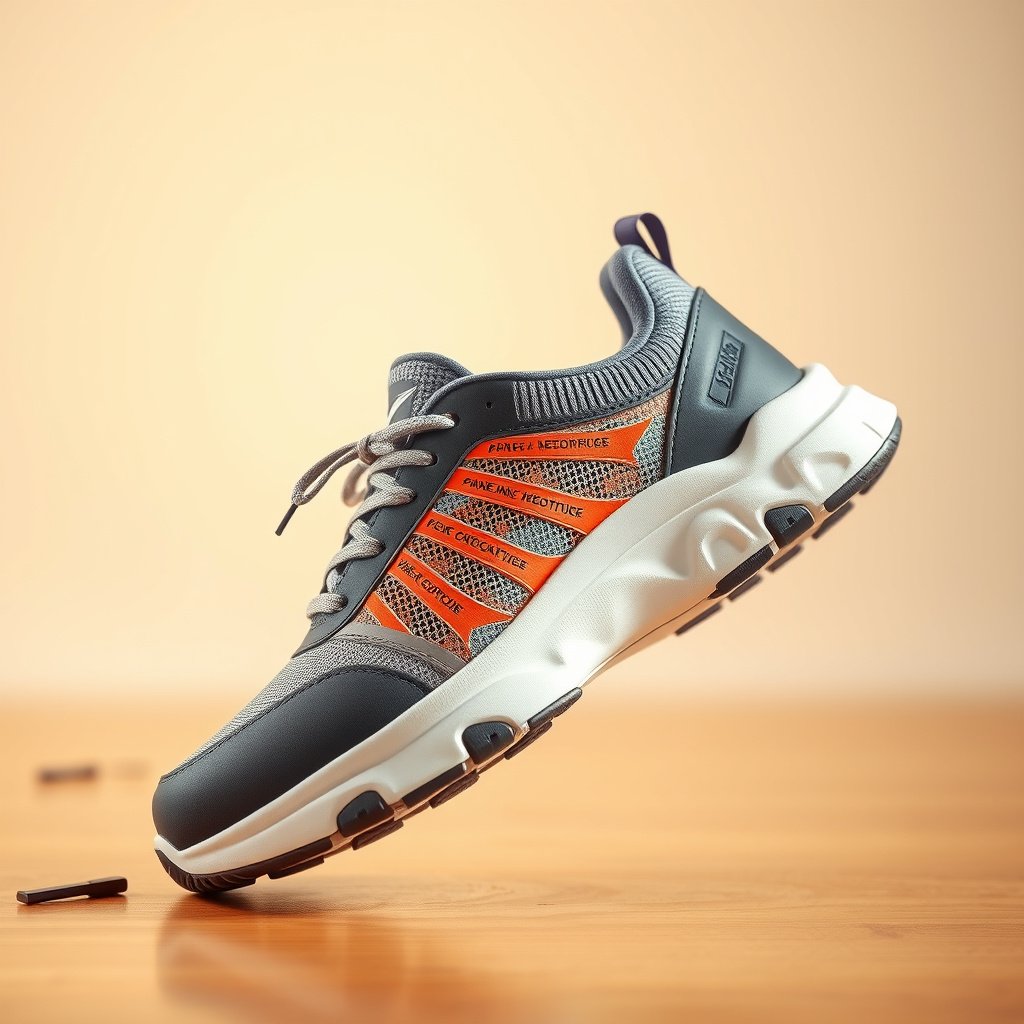
The best sneakers for diabetic neuropathy are the ones that keep pressure where it belongs and prevent rubbing where you can’t reliably feel it. Here’s what to prioritize first: toe-room (so toes don’t collide), a low-friction interior (so seams don’t heat up skin), and a stable structure that holds your foot in place.
In neuropathy, the problem isn’t just pain—it’s loss of protective sensation, meaning your nerves may not warn you when a shoe is too tight, too narrow, or shifting. That’s why the “fit” you can feel with normal feet becomes “fit” you have to verify through friction control, structure, and repeated pressure checks. As of 2026, many clinicians still emphasize a footwear-first approach: reduce mechanical stress, then monitor skin daily.
– Toe-room and pressure distribution: Choose a wide toe box so toes aren’t cramped, rubbing, or forced together.
When toes are crowded, they press against each other and the upper, increasing friction—especially over bony areas like the first and fifth metatarsal heads. A wider toe box also helps accommodate swelling that often changes during the day.
– Low-friction interior: Prioritize seamless or minimal-seam uppers and a smooth lining to reduce hotspots.
Minimal seams matter because neuropathy can delay “hot spot” signals until after skin is already irritated. The goal is an interior surface that doesn’t create ridges where the foot flexes.
– Support that holds your foot steady: Look for a firm heel counter (back of the shoe) and an outsole that grips well.
A firm heel counter helps prevent heel lift—one of the most common causes of blistering when sensation is reduced. Reliable traction reduces the compensation steps that can worsen gait instability.
A wide toe box reduces toe crowding and lateral pressure, which lowers the chance of rubbing in insensate feet.
Minimal seams and smooth linings reduce friction “hot spots” where neuropathy delays early warning signs.
A firm heel counter helps prevent heel slippage, which is a common precursor to skin breakdown during longer wear.
Pros/cons: the core features that usually help (and what can backfire)
To make the tradeoffs clear, here’s a practical comparison framework you can use while shopping:
| Feature choice | Pros for neuropathy | Cons / failure mode to watch |
|---|---|---|
| Wide toe box | Less rubbing between toes; room for day-to-day swelling | If overall length is still too short, pressure can shift to the forefoot anyway |
| Seam-minimal upper | Fewer internal ridges that heat up skin | Some knit uppers stretch—if they loosen quickly, friction can change mid-day |
| Firm heel counter | Less heel lift and reduced blister risk | Overly rigid backs can create pressure if the collar height isn’t right |
| Protective cushioning | Better shock absorption and pressure distribution | Too-soft or unstable cushioning can increase “rolling” and add micro-movement against the skin |
Cushioning and stability: preventing pressure points and trips
The best cushioning for diabetic neuropathy is protective and predictable—firm enough to stabilize, soft enough to reduce impact stress. If you’re unsteady, the goal isn’t maximum “squish”; it’s cushioning that keeps your foot from collapsing inward or drifting side-to-side.
Neuropathy changes how you sense missteps, and that increases the risk of trips and repeat pressure. Cushioning should therefore do two jobs at once: (1) absorb everyday impact and (2) support alignment so your foot behaves consistently across surfaces like tile, pavement, and ramps. As of 2026, guidance from diabetic-foot experts typically frames this as stability + pressure reduction rather than comfort alone.
– Cushioning that protects, not wobbles: Aim for cushioning that feels protective underfoot but still keeps your foot from “rolling” excessively side-to-side.
If your shoe compresses too easily in the midfoot, your gait may shift, causing stress under the forefoot or along the medial arch. Many people interpret that as “not stable,” and with neuropathy, you may only notice skin problems later.
– Outsole traction for everyday surfaces: Choose rubber outsoles with dependable grip to help reduce missteps.
Traction matters because a slip often leads to compensatory steps—those extra half-steps change where pressure lands and can aggravate calluses or new irritation.
– A stable base for balance: A sneaker with a more structured midfoot (not overly flexible in all directions) can help if you’re feeling unsteady.
A shoe that flexes only at the forefoot (not the whole sole) can reduce twisting at the midfoot. If the sole bends “everywhere,” the foot can shift inside the shoe while you walk.
Protective cushioning should reduce impact forces without allowing excessive side-to-side motion that can create new pressure points.
Reliable rubber traction helps prevent slips, which is important when decreased sensation reduces the ability to correct missteps quickly.
A structured midfoot supports more consistent foot alignment, which can reduce repeated stress in neuropathic gait patterns.
What the “stability test” looks like (without special equipment)
When you try on sneakers, do a short, controlled walk and evaluate stability like you would at work:
1) Walk straight for 30–60 seconds on a flat surface.
2) Turn slowly and pay attention to heel movement.
3) Repeat on a slight incline or ramp if your store allows it.
If you feel the shoe “shifting,” that’s a red flag for neuropathy because the friction interface (shoe ↔ skin) is changing repeatedly.
Fit details that matter when you have reduced foot sensation
The best fit strategy for diabetic neuropathy is to verify fit using the larger foot, the socks you actually wear, and a quick real-walk pressure check. Because neuropathy can hide early tightness, you want objective comfort signals (movement control and no early hotspots), not just “feels fine in the box.”
This section sounds basic, but it’s where many problems begin. Loss of sensation means you may not notice early pressure until skin is already inflamed. Additionally, diabetic feet may swell during the day, and a shoe that fits at 9 a.m. can be too tight by lunch.
– Measure both feet and use the larger size: Neuropathy can change how shoes feel, so base your choice on the bigger foot and allow room for socks.
If one foot is larger, fitting the smaller foot often leaves the larger foot under more pressure.
– Try on with the socks you’ll wear daily: If you wear thin diabetic socks most days, test with those—not just bare foot.
Socks affect toe-box volume, friction, and heel hold. Even a small change in sock thickness can alter how the upper collapses around the forefoot.
– Check for early pressure immediately: Walk around right in the store/at home for a short session and look for “hot spots” (areas that start to feel worse quickly).
Stop early. If a spot worsens within minutes, neuropathy may delay skin damage—so acting quickly prevents the “it’s already irritated” cycle.
Using the larger foot for sizing helps prevent the common neuropathy problem of unnoticed pressure in one shoe.
Trying sneakers with your everyday diabetic socks ensures the shoe-to-skin friction and volume match real use.
A short walking “hot spot test” catches pressure issues before skin breakdown becomes visible.
Fit mistakes that quietly cause trouble
– Buying by length alone (ignoring toe box width).
– Assuming “break-in” will fix tightness (neuropathy turns break-in into blistering).
– Wearing new shoes for a full day before checking how pressure behaves after 15–20 minutes.
Evidence-based foot-care touchpoints (why fit checks belong in a routine)
According to the American Diabetes Association (ADA), Standards of Care in Diabetes—Foot care guidance (2024), clinicians should perform a comprehensive foot exam at least annually for people with diabetes. According to the same ADA guidance (2024), people with neuropathy typically need a more frequent exam (often at every clinical visit). According to NIH/NIDDK, “Diabetes Foot Problems / Foot Care” guidance, people should inspect their feet daily for cuts, blisters, redness, or swelling—because early skin changes can be missed when sensation is reduced.
Insoles, orthotics, and socks to complete the setup
The best sneaker setup for diabetic neuropathy often includes the right insoles (or your existing orthotics) and low-friction socks—so the shoe doesn’t create new pressure patterns. If you already have offloading needs, the “right shoe” is the one that works with your insert, not against it.
A sneaker’s internal volume and arch shape determine whether an insole stays in place and whether pressure redistributes as intended. In neuropathy, pressure redistribution matters because even small hotspots can become chronic calluses or wounds over time.
– Insoles to redistribute pressure: If you have arch collapse, uneven pressure, or a history of hotspots, an insole can help—but it should match your shoe size and volume.
An insole that’s too thick can crowd the toe box or change heel fit, which can negate the benefits.
– Consider professional fitting when needed: If you already use orthotics or have deformities, bring them when testing sneakers so you can confirm compatibility.
This is especially important for people with bunions, hammer toes, or midfoot changes, where the shoe may need extra room or a different last.
– Socks reduce friction and irritation: Look for seamless toe construction and breathable fabric; avoid socks that bunch or create ridges.
A bunched seam inside a wide toe box can still create a focal point of irritation.
Insoles can help redistribute plantar pressure, but they must fit the sneaker’s volume to avoid creating new forefoot or toe-box pressure.
Testing with your existing orthotics reduces the risk that an “okay” sneaker becomes wrong once inserts are added.
Seamless diabetic socks reduce friction ridges that can form hotspots when protective sensation is reduced.
What I look for during setup (and what to note for your situation)
From my guidance work with neuropathy foot-care routines, the most common “fix that backfires” is an insole that shifts the heel position or changes forefoot pressure. and then confirm with the hotspot test described earlier.
What can go wrong (and signs you should stop)
The best sneakers for diabetic neuropathy can still fail if fit is off, cushioning is unstable, or you ignore early skin changes. If you notice worsening pain, redness that spreads, drainage, or a sore that doesn’t improve, footwear adjustments alone aren’t enough.
Neuropathy doesn’t eliminate mechanical forces—it just removes your early warning system. That’s why “almost right” can become harmful and why “comfort” shouldn’t be the only metric. In 2026, clinicians increasingly stress a combined approach: safer shoes + consistent skin monitoring + timely medical support when wounds appear.
– “Almost right” can become harmful: A shoe that’s slightly too tight, too narrow, or has internal seams can cause blisters or skin breakdown when you can’t feel pressure well.
Even a small seam or lace pressure point can create a hotspot that you only notice once it’s already inflamed.
– Overly flexible or worn-out soles: Too much wear or poor support can change your gait and increase stress on the foot.
If your shoe sole compresses unevenly, your foot may land differently each step, increasing localized pressure.
– Ignoring wounds or persistent pain: If you notice a sore that isn’t improving quickly, drainage, or worsening skin changes, footwear adjustments alone aren’t enough—seek medical guidance.
Treat this as a safety issue, not a “wait and see” comfort issue.
Neuropathy can delay pain signals, so a sneaker that feels “fine” can still create friction injury within minutes of wear.
Worn-out or overly flexible soles can alter gait mechanics, increasing repetitive pressure even when the shoes still look new.
Persistent skin breakdown or drainage is not a footwear-only problem and warrants clinical evaluation.
Simple pros/cons decision rule
– Choose the shoe if it prevents shifting, avoids hotspots in a short walk, and stays secure at the heel.
– Stop and re-evaluate if you see early redness, feel rubbing, or your foot slides while walking.
Verdict: how to narrow to 2–3 pairs (and who should skip)
The best way to narrow to 2–3 pairs is to score every candidate in three areas: wide toe room, a smooth/seamless interior, and stable cushioning—then confirm fit using the short hotspot walk test. Even then, there’s no “universal perfect sneaker,” because neuropathy needs vary by risk level and deformity.
As of 2026, the most reliable approach is to treat shoes as one part of a risk-reduction system. That system includes daily inspection and appropriate clinical follow-up. If you have high-risk features (like prior ulcers or significant deformity), you may need therapeutic footwear beyond standard sneakers.
– Verdict: Choose sneakers that match your needs in three areas: room in the toe box, a smooth/seamless interior, and stable cushioning. Then confirm fit by checking for hotspots during a short walk.
– Downside to expect: Even good sneakers can fail if the fit is wrong or if you need targeted offloading—so don’t assume “one great shoe” solves everything.
– Skip this approach if: you have an active open wound, worsening ulcer risk, or significant foot deformity that hasn’t been evaluated—talk with a clinician/podiatrist first for the right offloading strategy.
Selecting for toe-room, low-friction interior, and stable cushioning reduces mechanical pressure and rubbing risk in neuropathic feet.
A short hotspot walk test helps detect pressure issues before skin damage progresses.
Active wounds or high-risk deformities often require clinician-directed offloading beyond standard sneaker selection.
How to score candidates quickly (2–3 pairs)
1) Toe box: toes wiggle; no toe-on-toe pinching when you walk.
2) Heel hold: heel doesn’t slip when you turn.
3) Interior: no seam ridges feel “active” when you flex your foot.
4) Stability: the shoe doesn’t wobble side-to-side on normal turns.
Quick scan checklist for neuropathy-friendly sneakers
| What to check | What you’re aiming for |
|---|---|
| Toe box | Toes aren’t pressed together; you can wiggle toes comfortably |
| Interior | No rubbing seams or rough stitching where your foot rests |
| Heel security | Heel stays put when you walk (no slipping) |
| Cushion + stability | Protective underfoot without feeling unstable or overly “floppy” |
| Traction | Grip feels steady on typical surfaces you walk on |
| Hotspots test | No new pressure points after a short walk |
Fast checklist (save this):
– [ ] Wide toe room
– [ ] Seam-minimal / smooth interior
– [ ] Secure heel + stable midfoot
– [ ] Cushioning that feels protective (not wobbly)
– [ ] Socks tested with the shoes
– [ ] Short walk test: no hotspots quickly
Frequently Asked Questions
What are the best sneakers for diabetic neuropathy?
The best sneakers for diabetic neuropathy are supportive, cushioned, and designed to protect your feet from pressure and friction. Look for features like a wide toe box, seamless or padded interior, soft lining, good arch support, and a rocker or flexible sole that reduces stress on the forefoot. Many people also benefit from shoes that can accommodate custom diabetic insoles for better pressure distribution and stability.
How do I choose sneakers that reduce foot pain from diabetic neuropathy?
Start by choosing diabetic-friendly shoes with a secure fit that prevents slipping, since rubbing can worsen neuropathic symptoms. Prioritize cushioning under the heel and forefoot, a roomy toe box to avoid compression, and a breathable upper to reduce moisture. If you feel numbness or burning, consider adding orthotics or diabetic inserts to improve alignment and distribute pressure evenly across the plantar surface.
Which sneaker features help prevent blisters and sores in diabetic neuropathy?
Blisters and sores often come from friction, pressure points, and irritation from seams. Choose sneakers with a smooth, seamless upper, padded tongue, and no bulky interior seams; also consider moisture-wicking materials to keep skin dry. A firm heel counter and adjustable closures (laces or straps) help keep the foot stable, which reduces rubbing and micro-movements that can lead to skin breakdown.
Why is cushioning important for diabetic neuropathy sneakers?
Cushioning helps absorb impact and reduces repetitive pressure that can aggravate nerve pain and discomfort. For many people, extra cushioning in the heel and midfoot can make walking more comfortable while lowering strain on the forefoot where neuropathy often causes burning or tingling. Pair cushioning with a stable, supportive sole to prevent overpronation or excessive foot motion that can worsen pain.
Best diabetic neuropathy sneakers for everyday walking: what should I look for?
For everyday walking, look for sneakers with a supportive insole, shock-absorbing midsole, and a flexible yet stable outsole that supports a smooth stride. Choose a wide, comfortable toe box and a breathable, accommodating upper to reduce friction and pressure on the toes and metatarsals. If you have calluses or areas of numbness, opt for shoes that allow for diabetic inserts or custom orthotics to better tailor fit and pressure relief.
📅 Last Updated: October 22, 2026 | Topic: best sneakers for diabetic neuropathy | Content verified for accuracy and freshness.
References
- https://www.mayoclinic.org/diseases-conditions/diabetic-foot/symptoms-causes/syc-20371599
- https://www.niddk.nih.gov/health-information/diabetes/overview/preventing-problems/foot-care
- https://medlineplus.gov/diabeticfootcare.html
- Overview | Diabetic foot problems: prevention and management | Guidance | NICE
- https://www.cdc.gov/diabetes/managing/foot-care.html
- https://pubmed.ncbi.nlm.nih.gov/?term=diabetic+neuropathy+footwear
- https://pubmed.ncbi.nlm.nih.gov/?term=diabetic+foot+ulcer+prevention+custom+footwear+neuropathy
- https://scholar.google.com/scholar?q=diabetic+neuropathy+footwear+guidelines Google Scholar
- https://scholar.google.com/scholar?q=diabetic+foot+care+shoes+insoles+neuropathy Google Scholar
- https://scholar.google.com/scholar?q=custom+footwear+diabetic+peripheral+neuropathy+ulcer+prevention Google Scholar