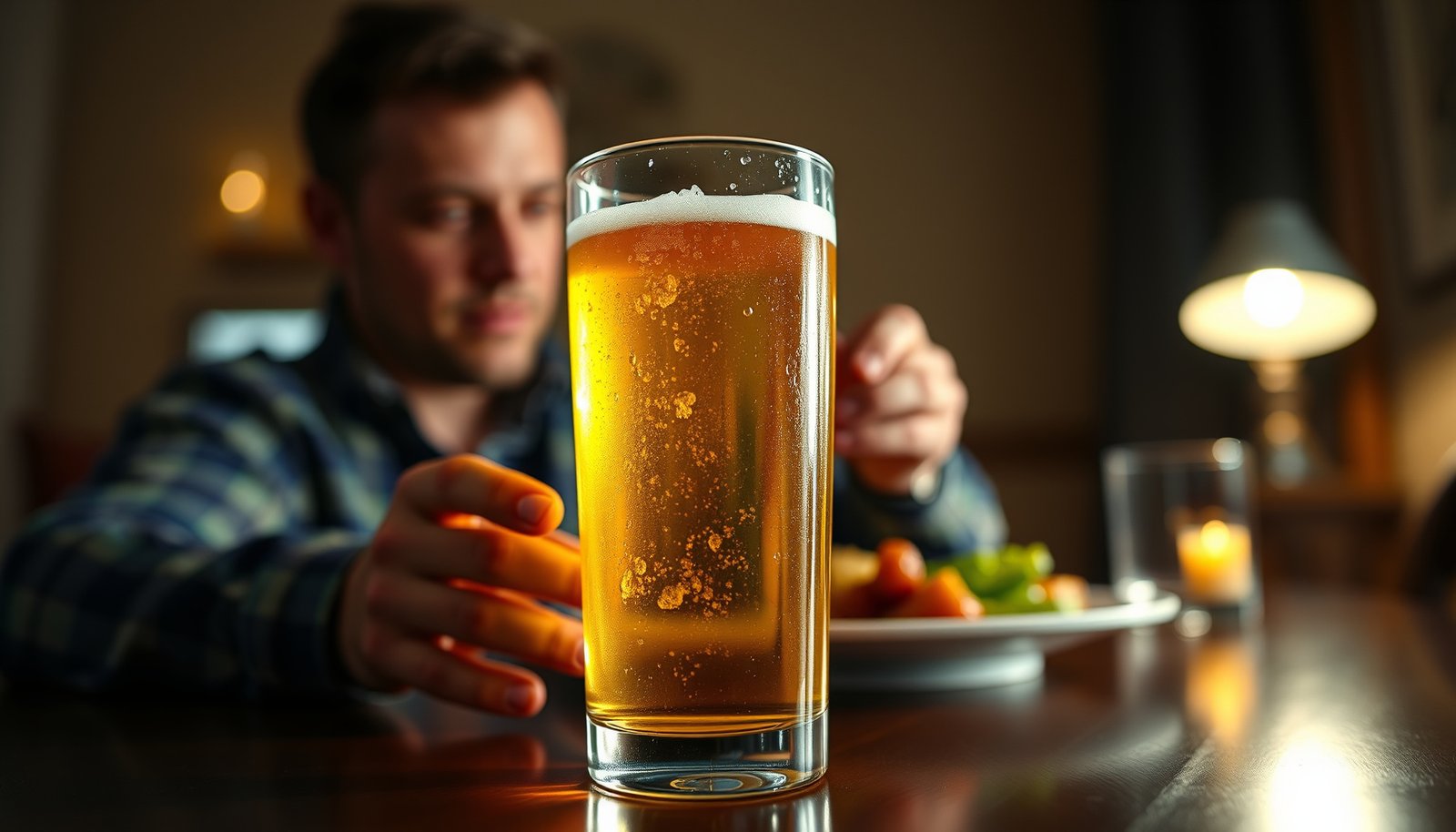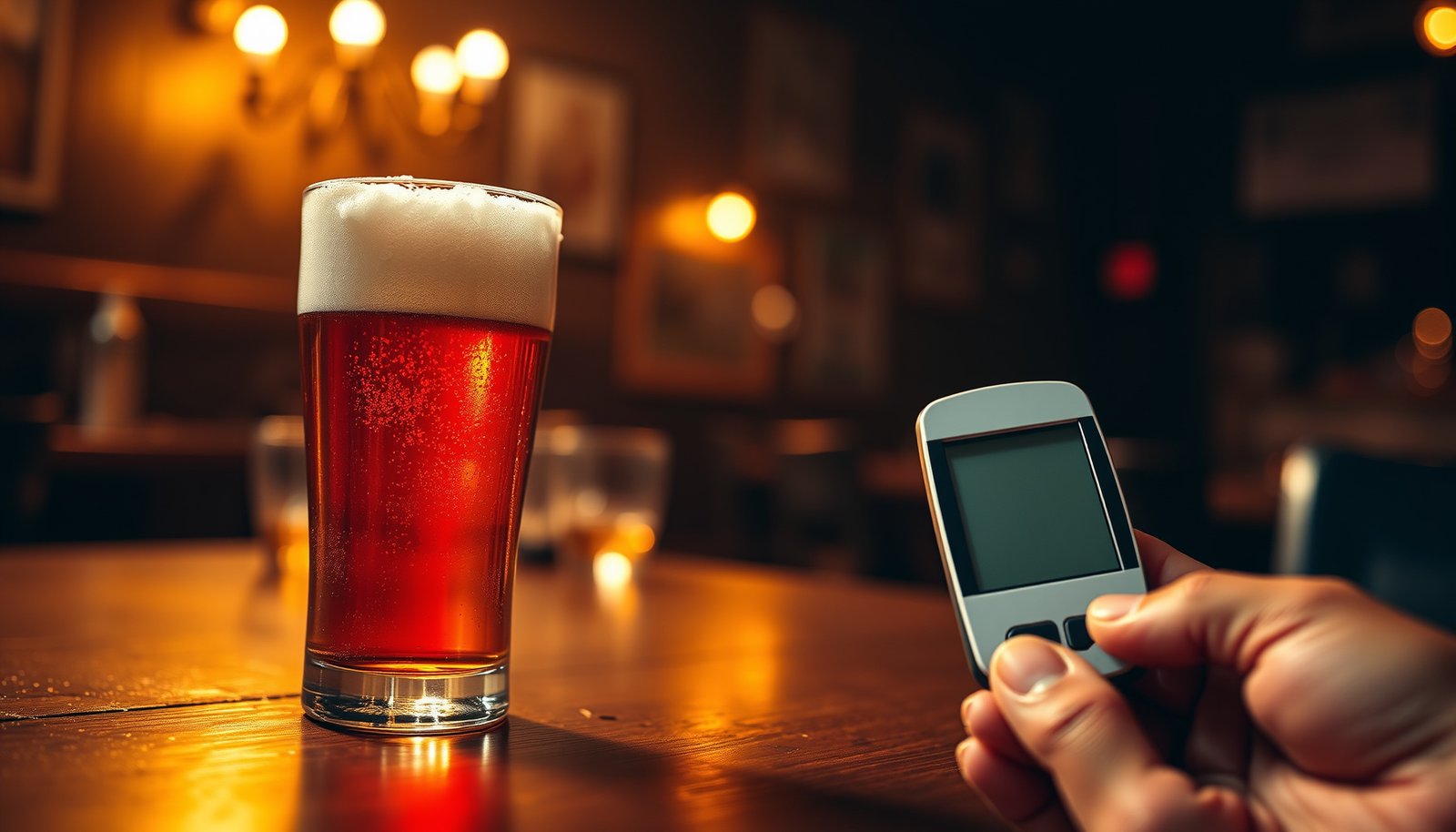

If you have diabetes and want the best beer to drink, the safest pick is a low- to no-alcohol beer paired with a measured serving and a meal. For most people, that combination causes the smallest blood-sugar spike because it lowers both the alcohol and the carbs you’ll absorb. You’ll also get clear limits on how many ounces to pour, how to read the label, and when to avoid beer entirely.




If you have diabetes, the best beer is the one that’s lowest in carbs for your portion size—it raises blood sugar as little as possible. In practice, that usually means choosing a light/low-carb beer, eating with it, and checking your glucose before (and after) you drink.
This guide is for people with diabetes who still want an occasional beer and want a practical way to pick a safer option using the nutrition label and basic alcohol-safety rules. It’s especially relevant if you use insulin or diabetes meds that can cause low blood sugar.
Who this is for (and when it matters most)
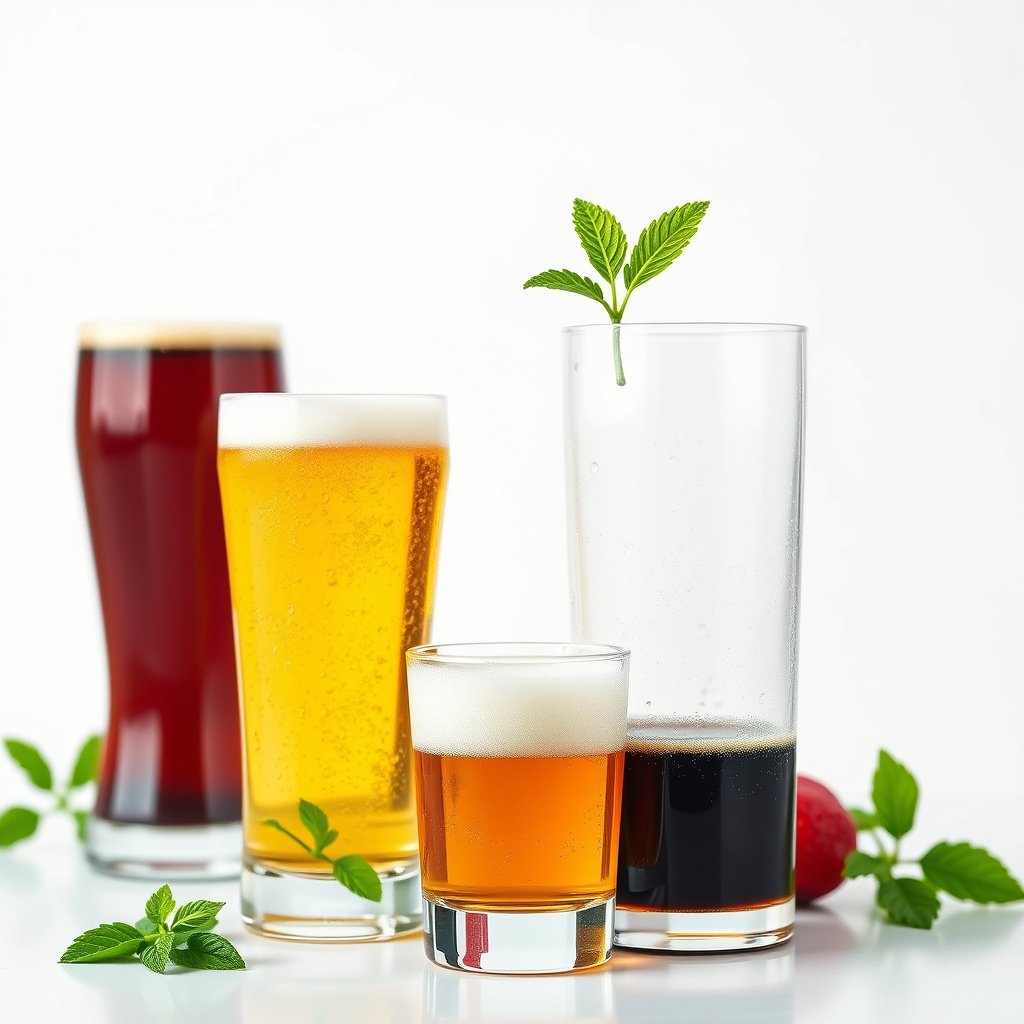
The best beer choice for diabetes isn’t determined by “beer type” alone—it’s determined by how alcohol and carbs change your glucose. Here’s when it matters most: after you drink, alcohol can delay how your liver releases glucose, and that effect can be more dangerous if you use insulin or sulfonylureas.
Alcohol-and-diabetes guidance is especially important for people trying to avoid hypoglycemia (low blood sugar), because alcohol can worsen timing and risk. The American Diabetes Association (ADA) notes that alcohol can increase the risk of low blood sugar, particularly in people using insulin or medications that stimulate insulin release (ADA). That’s why “the safest beer” still requires glucose checks, measured portions, and a plan.
The ADA highlights that alcohol can increase hypoglycemia risk, especially for people using insulin or sulfonylureas (American Diabetes Association).
NIDDK explains that alcohol can affect blood sugar by interfering with normal glucose release, which is one reason lows can be delayed (National Institute of Diabetes and Digestive and Kidney Diseases).
If your clinician has told you to avoid alcohol entirely, alcohol can’t be made “safe” by switching to low-carb beer—follow the medical restriction first.
If you’ve never noticed a problem, that doesn’t mean your body will respond the same way every time. Stress, meal timing, sleep, exercise, and alcohol intake all shift glucose patterns. As of 2026, many people also rely on Nutrition Facts labels to estimate carbs—yet brands still vary, so the label you see today is what matters for your diabetes planning.
Best beer to choose: what to look for on the label
The best beer for diabetes is the one with the lowest total carbs per measured serving—because carbs are what most directly drive blood sugar rise. Here’s why: when your Nutrition Facts label lists “Total Carbohydrate,” those grams are the nutrition target that best predicts the glucose impact of beer.
Start by prioritizing the label’s carbohydrate number. Then, compare beers using a consistent portion size (for example, a single 12 fl oz can) rather than “whole pack” impressions. Also remember that alcohol changes glucose patterns beyond carbs, so even a low-carb beer can still affect timing—especially later in the night.
The FDA’s Nutrition Facts model uses “Total Carbohydrate” as the key carbohydrate metric on labels, which is why carb grams per serving are the practical comparison point (U.S. FDA).
NIDDK emphasizes that both the meal you eat and the timing of alcohol can affect blood sugar responses, so the label alone isn’t enough (NIDDK/NIH).
In 2026, many beers provide a Nutrition Facts panel or equivalent nutrition listing per 12 fl oz serving, making per-serving carb comparisons feasible.
Below is a label-based “carb impact” table you can use as a starting reference. Treat it as an example of how to compare beers—not a substitute for checking your glucose.
Example carb-lower beer comparisons (per 12 fl oz / 355 mL)
| # | Beer (type) | Total Carbs (g) | Calories | ABV | Diabetes-friendliness |
|---|---|---|---|---|---|
| 1 | Michelob ULTRA (light lager) | 2.6 | 95 | 4.2% | ★★★★★ |
| 2 | Miller Lite (light lager) | 3.2 | 96 | 4.2% | ★★★★☆ |
| 3 | Coors Light (light lager) | 5.0 | 102 | 4.2% | ★★★★☆ |
| 4 | Bud Light (light lager) | 6.6 | 110 | 4.2% | ★★★☆☆ |
| 5 | Guinness Draught (stout) | 10.2 | 125 | 4.2% | ★★☆☆☆ |
| 6 | Heineken (lager) | 11.4 | 125 | 5.0% | ★☆☆☆☆ |
| 7 | Modelo Especial (lager) | 13.0 | 149 | 4.4% | ★☆☆☆☆ |
Note: beer nutrition values can vary by region, package size, and recipe. Use this table to understand the comparison method (carbs per serving), then confirm the “Total Carbohydrate” on the exact label you’re buying in 2026.
How to drink beer safely with diabetes
The safest way to drink beer with diabetes is to treat it like counted carbs plus monitored alcohol risk—not like an “automatic zero-impact drink.” In practice, that means portion control, food pairing, and glucose checks timed for your meds and routine.
– Start with a small portion you can track, and pair it with food to slow absorption.
– Check your blood sugar before drinking, and plan a re-check a few hours later (timing depends on your routine and meds).
– If you’re counting carbs, treat the beer as part of your total carbohydrate intake for that meal/snack.
In 2026, the most practical framework is the same whether you’re doing carb counting or using “plate method” meals: decide your portion first, then add up the carbs (beer included), then watch how your glucose actually responds. According to the ADA, alcohol intake should be approached cautiously and individualized—especially for people with diabetes and those using glucose-lowering medications (ADA).
ADA guidance emphasizes alcohol caution in diabetes, particularly with insulin or insulin-stimulating medications that raise hypoglycemia risk (ADA).
NIDDK notes that alcohol can affect blood sugar regulation, so timing glucose checks around drinking helps detect delayed lows (NIDDK/NIH).
A measured serving with a meal is a safer default than drinking on an empty stomach, because food slows absorption and reduces glucose volatility.
From a practical planning standpoint, I recommend building a “beer slot” into your meal: for example, you choose your beer first (one serving), then choose the rest of the snack/meal carbs accordingly.
What can go wrong (common diabetes-and-alcohol pitfalls)
The biggest risks aren’t only “bad beer choices”—they’re predictable patterns like delayed lows, missed carb counting, and sugary mixers. If you want safer beer with diabetes, you need to watch for what happens after the first hour, not just immediately after your first sip.
– Delayed low blood sugar: alcohol can affect your liver’s ability to release glucose later, so lows can happen after the first “peak.”
– Underestimating carbs: many people forget to count the carbs in the beer itself (especially when they have more than one).
– Mixing patterns: sugary mixers or “sweet” beer styles can push carbs up quickly—always account for what’s actually in the glass.
According to the ADA, alcohol can increase hypoglycemia risk in people using insulin or certain diabetes medications, which is why timing and medication context matter (ADA). NIDDK similarly emphasizes that alcohol affects blood sugar regulation and can contribute to low glucose events (NIDDK/NIH). That’s why a “low-carb beer” doesn’t eliminate the need for monitoring and a food plan.
Delayed hypoglycemia is possible because alcohol can interfere with glucose regulation after drinking—not just during the drinking window (NIDDK/NIH).
Many people focus on beverage type but miss the “number of servings” issue, which is the key driver of total carbohydrate intake.
Sweet mixers and high-carbohydrate styles can rapidly raise total carbs, so the safest strategy is to count what’s actually in the glass.
A specific high-risk scenario: drinking with insulin (or another strong glucose-lowering regimen) while skipping dinner, then “feeling fine” for an hour or two. The glucose dip can arrive later, when you’re distracted or asleep. If you’ve had recurrent hypoglycemia, or your clinician has adjusted your meds with strict alcohol limits, you should treat beer as a “needs explicit approval” situation—not a casual choice.
Verdict / tip: the honest “best choice” isn’t the same for everyone
The best beer for diabetes is the lowest-carb option you can measure, pair with food, and monitor—then limit the total amount you drink. The safest rule is: choose a lower “Total Carbohydrate” per serving and use glucose checks to confirm your personal response.
– Downsides: even lower-carb beer still contains alcohol (which can change glucose patterns), and “low-carb” beers can vary a lot brand-to-brand.
– Skip beer (or ask your clinician first) if you’ve had recurrent hypoglycemia, have alcohol-related restrictions, or your diabetes care team has advised you not to drink.
Here’s a simple comparison lens you can apply tonight:
A practical diabetes approach is to prioritize “Total Carbohydrate” per serving and monitor glucose before and after drinking to account for individual variation (U.S. FDA).
Both ADA and NIDDK emphasize hypoglycemia risk in diabetes with alcohol, which makes medication type and timing essential—not just beer labels (ADA; NIDDK/NIH).
- Pros of choosing lower-carb beer
- • Usually fewer carb grams per measured serving, which can reduce glucose rise.
- • Easier to count: you can measure one can/bottle and include it in total meal carbs.
- • Works well with the “eat first” strategy recommended in real-world diabetes safety routines.
- Cons (why it still isn’t risk-free)
- • Alcohol itself can still increase low blood sugar risk later, especially with insulin/sulfonylureas.
- • “Low-carb” varies by brand, serving size, and recipe—labels must be checked each time.
- • Multiple servings multiply carbs and alcohol exposure quickly, even if each serving looks “small.”
According to the ADA, standard drink guidance for beer is tied to alcohol amounts—typically 12 oz beer is considered one standard drink—so “one beer” means something specific, not just “one can you chose” (ADA). And if you follow general alcohol-limit guidance, the key diabetes takeaway is still the same: keep intake limited and individualized based on meds and glucose response (ADA).
Quick scan: diabetes-friendly beer checklist
| Check before you pour | What to do | Why it matters |
|---|---|---|
| Carbs per serving | Compare the **“Total Carbohydrate”** on labels | Carb grams are what drive blood sugar rise |
| Portion size | Stick to a measured 1 serving (can/bottle) | Easier glucose prediction and safer limits |
| Food pairing | Drink with a meal or snack | Slows absorption and reduces glucose swings |
| Glucose monitoring | Check before; re-check later | Catches both early highs and delayed lows |
| Med safety | Confirm how your meds affect hypoglycemia risk | Alcohol can worsen low blood sugar in some cases |
Sources
– American Diabetes Association (ADA): Alcohol and diabetes guidance (from ADA patient education/standards content).
– National Institute of Diabetes and Digestive and Kidney Diseases (NIDDK/NIH): Diabetes and alcohol information.
– U.S. FDA: Nutrition Facts labeling rules (why “Total Carbohydrate” is the comparison metric on beer labels).
The bottom line is that the best beer for diabetes is the lowest-carb option you can portion accurately—and the one you pair with food while monitoring glucose to catch delayed effects. Even with low-carb beers, alcohol can still shift glucose regulation, so the safest plan is measured servings, realistic limits, and glucose checks tailored to your meds and routine. If your diabetes care team has advised you to avoid alcohol or you’ve had recurrent hypoglycemia, skip the beer and follow the medical guidance instead.
Frequently Asked Questions
What is the best beer to drink with diabetes?
The best beer to drink with diabetes is typically one that is low in carbohydrates and low in added sugars, since carbs can raise blood glucose. Many people find that light beers or “dry” beers with fewer carbs are easier to fit into a diabetes-friendly plan. Always check the nutrition label for grams of carbs per serving and compare brands, because “light” can still vary. If you use insulin or diabetes medications, talk to your clinician about how alcohol affects your blood sugar.
Which beer has the lowest carbs for people with diabetes?
Look for beers marketed as “light,” “low-carb,” or “dry,” and verify the numbers on the nutrition facts panel. In practice, the lowest-carb options are often around single-digit grams of carbohydrate per serving, but exact values vary by brand and serving size. Choose beers that also avoid sweeteners and higher-sugar styles (like some flavored beers or malty/heavier lagers) when you’re trying to keep glucose steady. Pairing with non-starchy foods can further help reduce blood sugar spikes.
How can I drink beer safely with diabetes without spiking my blood sugar?
Start by limiting portion size—many people do best with one standard serving and then reassessing their glucose response. Drink slowly, eat a meal or snack containing protein and fiber, and avoid drinking beer on an empty stomach, since alcohol can still affect glucose levels unpredictably. Monitor your blood sugar before and after drinking (or per your clinician’s guidance), and be cautious with sugary beer mixers or cocktails. Be aware that alcohol can also increase the risk of delayed hypoglycemia, especially if you take insulin or medications that lower glucose.
Why does beer affect blood sugar differently than other alcohol?
Beer contains carbohydrates from malt and fermentation, so it can raise blood glucose depending on the alcohol-by-volume and carbohydrate content. Compared with spirits like vodka or gin (served without mixers), most beers usually contribute more carbs per serving, which is why choosing low-carb beer matters. Different styles also behave differently—stouts and sweeter beers often have more residual sugars than crisp, dry lagers. Your blood sugar response can vary based on your diabetes management plan and what you eat alongside the beer.
Best practices: Which should you choose—light beer, low-carb beer, or sugar-free alternatives—if you have diabetes?
If your goal is to minimize glucose impact, low-carb beer and light beer are often better starting points because they typically have fewer carbohydrates than regular beer. “Sugar-free” beers may help if the product truly has minimal carbs, but you should still check total carbohydrates rather than relying only on “sugar-free” wording. Avoid flavored beers and sweet or higher-ABV options that can add carbs and raise overall glucose load. Regardless of the type, confirm carbs on the label, keep servings modest, and consider pairing with low-glycemic foods to support stable blood sugar.
📅 Last Updated: October 23, 2026 | Topic: best beer to drink with diabetes | Content verified for accuracy and freshness.
References
- Cholesterol level: Can it be too low? – Mayo Clinic
- Alcohol
- https://medlineplus.gov/search.html?term=diabetes%20alcohol
- alcohol hypoglycemia diabetes – Search Results – PubMed
- alcohol consumption type 2 diabetes – Search Results – PubMed
- beer glycemic index – Search Results – PubMed
- Checking your browser – reCAPTCHA
- https://scholar.google.com/scholar?q=best+beer+to+drink+with+diabetes Google Scholar
- https://scholar.google.com/scholar?q=alcohol+hypoglycemia+diabetes+beer Google Scholar
- https://scholar.google.com/scholar?q=beer+glycemic+index+diabetes Google Scholar