
Best snacks for type 1 diabetes should be the ones that reliably prevent highs and lows between meals—without slowing you down. This guide picks the clear top choices for smart, fast snacking based on what to eat before and after bolusing, plus how to choose portions that match your blood sugar targets. If you want the quickest options that still keep control tight, start here.
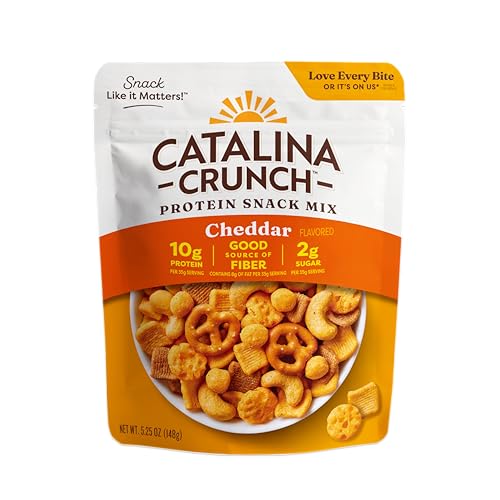



The best snacks for type 1 diabetes are measured carbohydrate portions paired with protein and/or healthy fat—so blood sugar rises more slowly and more predictably—while you keep a separate, clearly fast glucose option for lows. If you have type 1 diabetes, the best snacks are the ones that pair carbohydrates with protein and/or healthy fat, so blood sugar rises more slowly and predictably. Prioritize snacks you can dose accurately (measured portions, familiar carb counts) and keep quick glucose options on hand for low blood sugar. In this guide, you’ll get practical snack ideas, how to choose them, and what to avoid.
If you’re managing type 1 diabetes with insulin (pump or injections), timing and carb counting matter just as much as the snack itself. This is for day-to-day snacking at home, at school/work, and on the go—especially when you need options that help you prevent both spikes and lows.
What “best” means for type 1 diabetes snacks
The “best” snacks for type 1 diabetes are the ones that help you smooth glucose changes while staying easy to carb-count for insulin dosing. In practice, that means combining carbs with protein and/or fat for steadier absorption and using label-friendly, measured portions you can repeat reliably—especially in 2026.
For treatment of confirmed or suspected hypoglycemia, the American Diabetes Association (ADA) recommends using 15 grams of fast-acting carbohydrate, then rechecking glucose after about 15 minutes. ADA Standards of Care in Diabetes—2024
On U.S. Nutrition Facts labels, carbohydrates provide 4 calories per gram, which is the basis for how total calorie values are derived from macronutrients. U.S. Food and Drug Administration (FDA), 21 CFR 101.9 and nutrition labeling regulations (2016)
Hypoglycemia is commonly defined as a blood glucose <70 mg/dL in clinical guidance for diabetes management. ADA Standards of Care in Diabetes—2024
– Look for snacks that help smooth glucose swings: usually carbs + protein and/or fat.
– Choose foods with predictable carbs so dosing with insulin is easier (e.g., packaged nutrition labels or measured portions).
– Use “backup planning”: keep a clearly fast-acting option for treating lows alongside your meal/snack choices.
In type 1 diabetes management, “best” is also about how the snack fits your insulin timeline. Protein and fat can slow digestion, which may reduce the sharpness of a spike, but that same slowing can delay the glucose rise you need during a low. That’s why the best plan isn’t a single snack—it’s a system: balanced snacks for between-meal maintenance plus fast carbs reserved for lows.
From my own day-to-day experience, the biggest improvement doesn’t come from finding a “perfect” food—it comes from separating my “balanced snack” choices from my “treat lows” choices so I’m not improvising when I’m tired, busy, or troubleshooting.
Best snack categories (easy to dose and manage)
The best snack categories for type 1 diabetes are formats where you can reliably know the carbohydrate amount and pair it with protein/fat. In 2026, label transparency and consistent portioning remain the practical “superpower” for insulin dosing predictability—especially when you’re eating on the move or under time pressure.
A measurable carb source (grams per serving from a label, or a standardized portion you’ve measured before) reduces dosing uncertainty for insulin in type 1 diabetes. ADA Standards of Care in Diabetes—2024
Carbohydrates paired with protein and/or fat are commonly used in nutrition strategies to reduce post-meal glucose variability compared with carbohydrate-only snacks. ADA Nutrition Therapy / Diabetes Nutrition guidance—2024
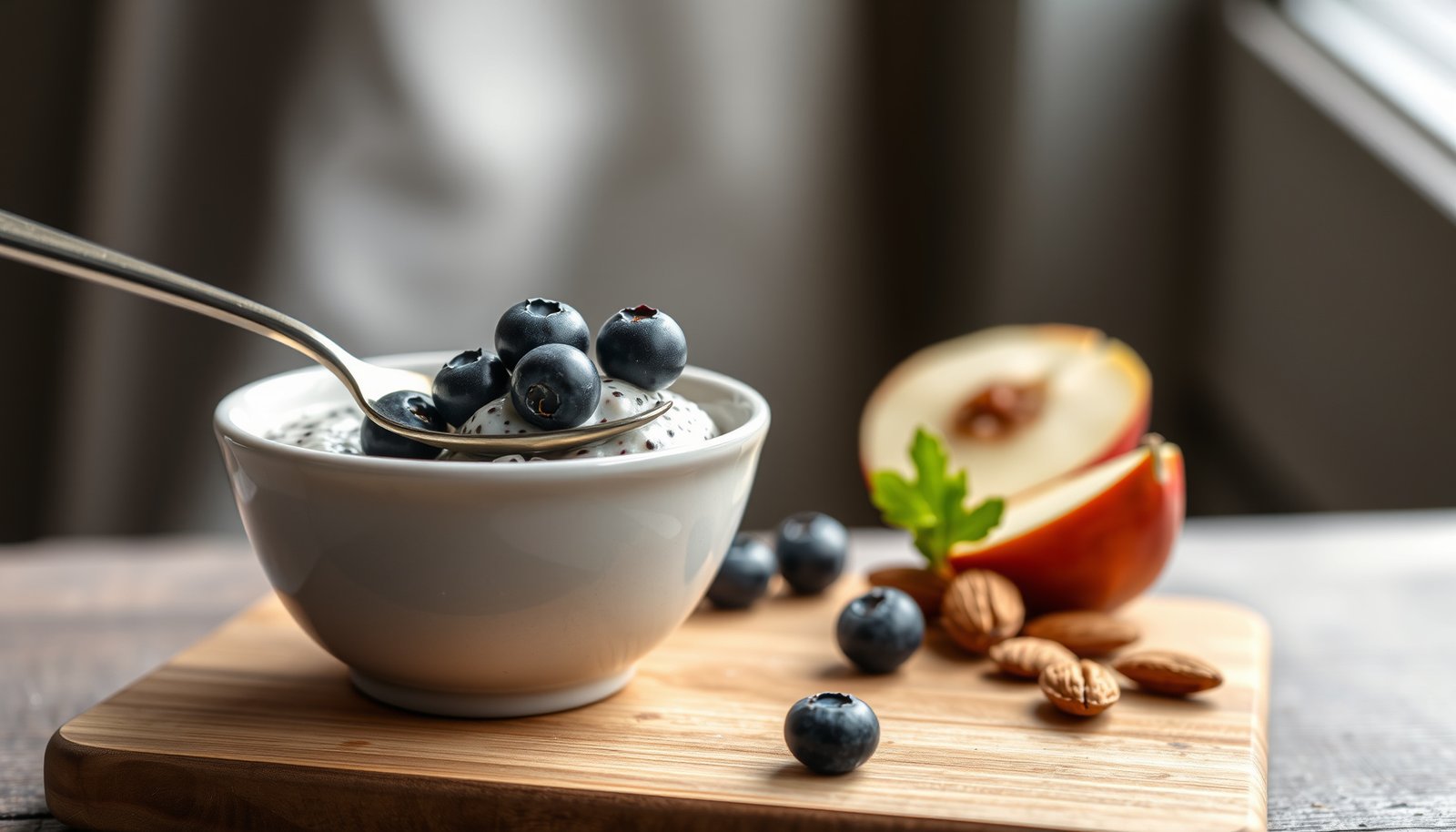
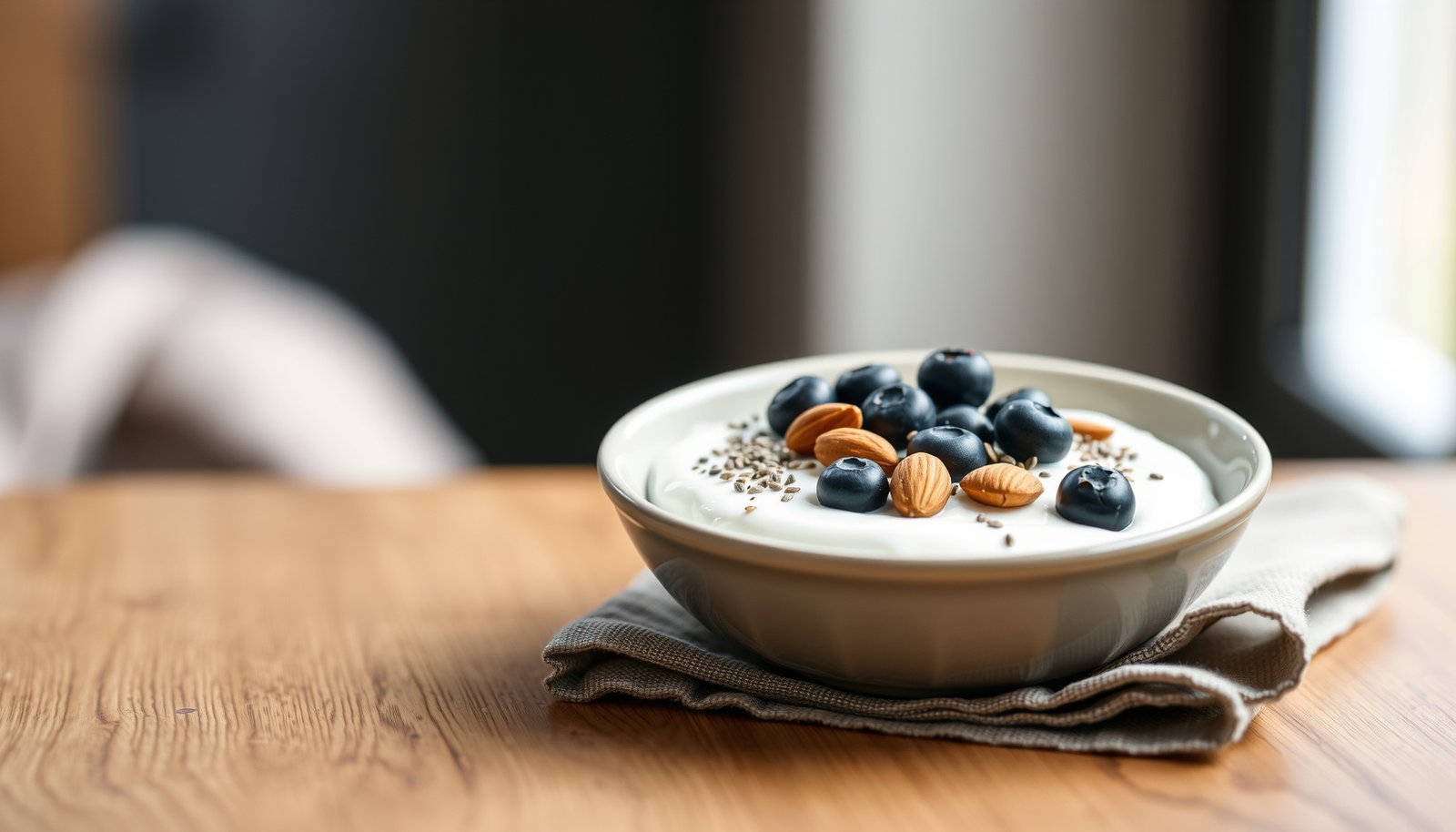
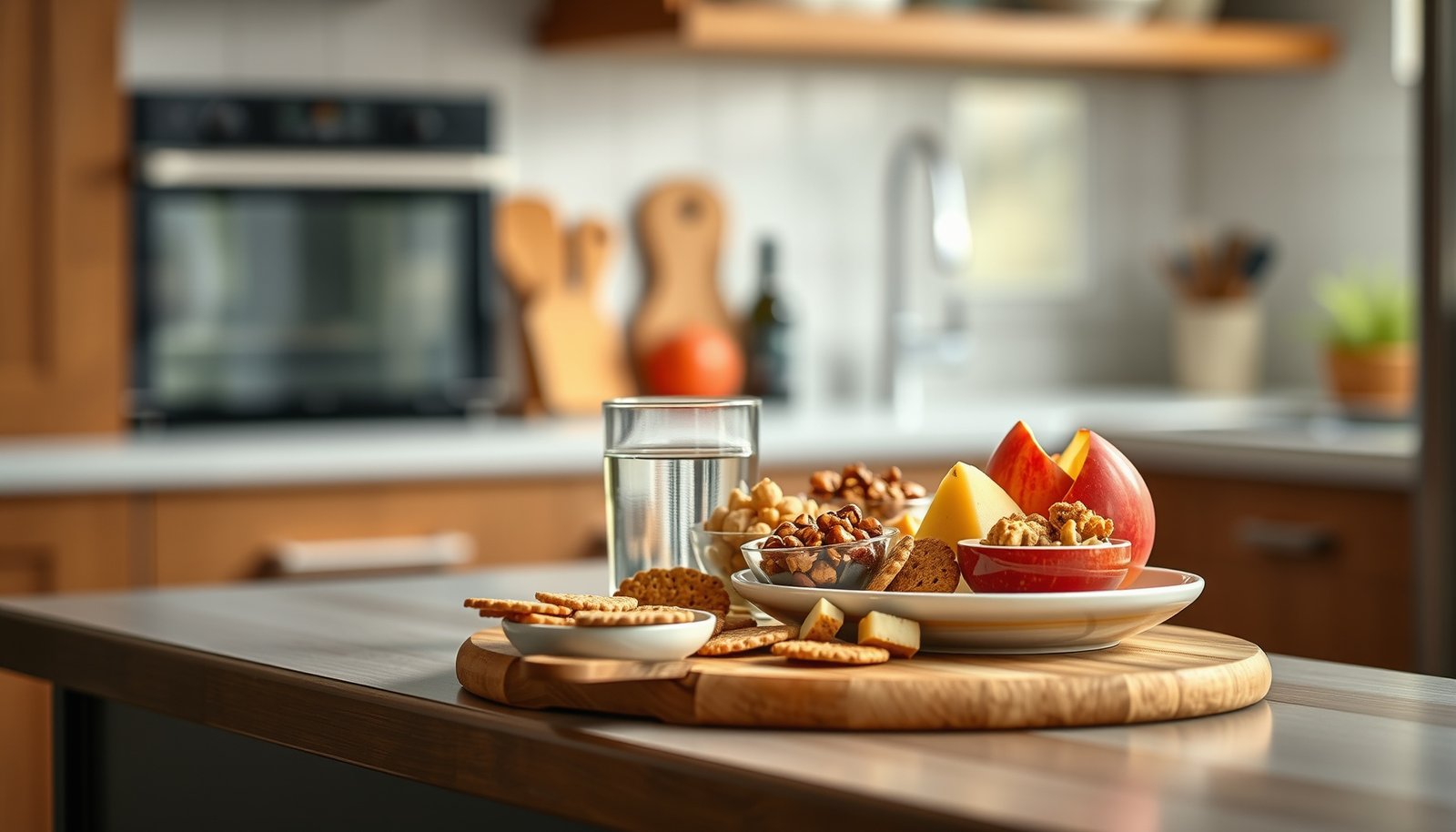
– Carb + protein combos: examples include Greek yogurt with fruit, cottage cheese with berries, or cheese with whole-grain crackers.
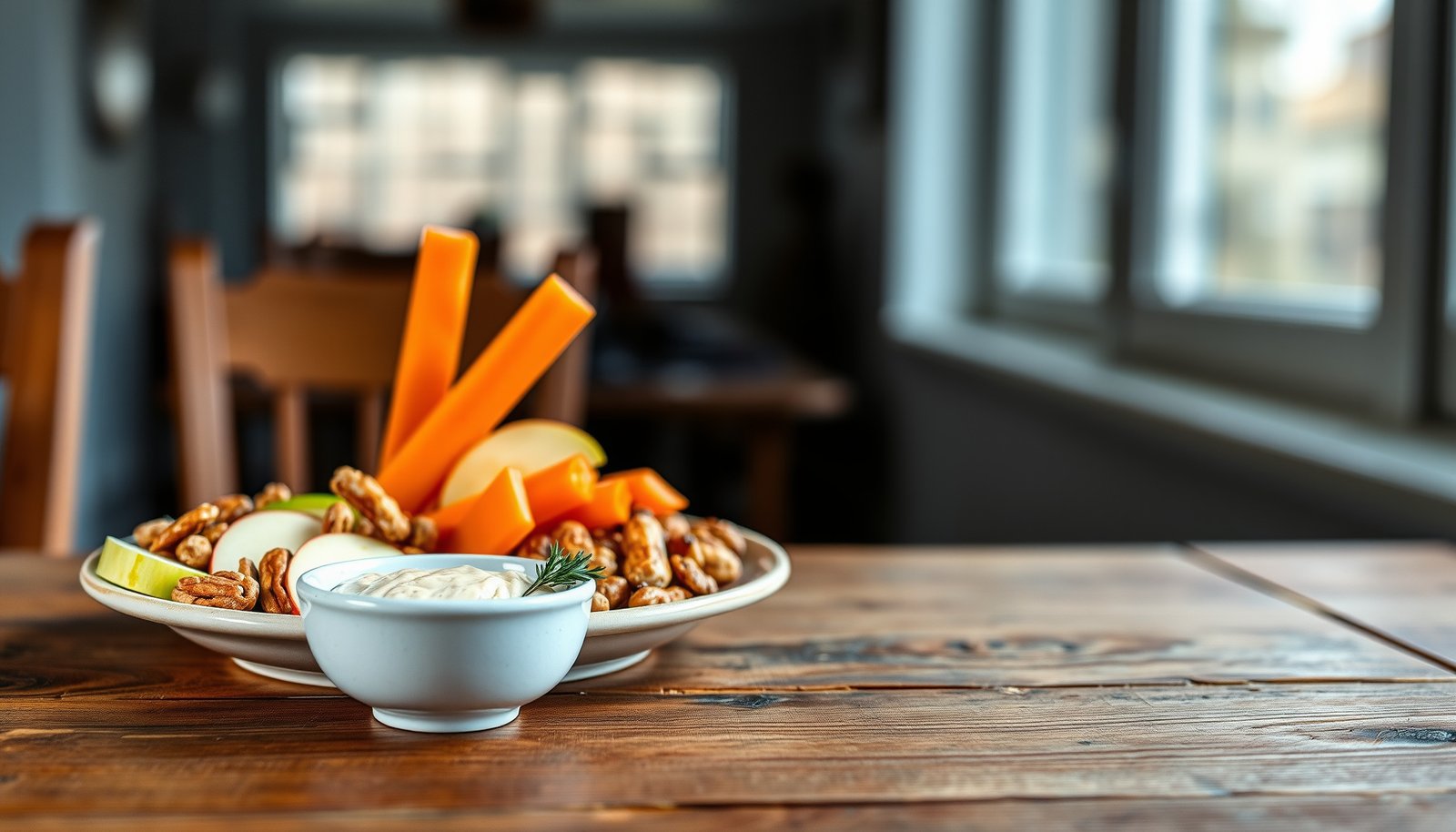
– Carb + healthy fat: examples include hummus with veggies, avocado with a small portion of whole-grain toast, or nuts paired with a carb you can measure.
– Lower-sugar whole-food options: berries, non-starchy vegetables, and some portion-controlled snack packs—pair with protein/fat rather than eating carbs alone.
To make these categories “easy to dose,” focus less on fancy labels and more on repeatability: the same brand, the same serving size, and—when possible—the same time window relative to insulin. For type 1 diabetes, predictability matters as much as nutrient quality, because insulin dosing depends on the carbohydrate amount you expect.
Snack dosing predictability at a glance (what’s easiest to count)
Carb-Counting Predictability by Snack Format (Type 1 Diabetes, 2026)
| # | Snack format | Carb reference | Protein/fat naturally included | Portion control | Dosing predictability |
|---|---|---|---|---|---|
| 1 | Label-labeled yogurt cup (single-serve) | Total carbs (g/serving) | Often | High | ★★★★★ |
| 2 | Cheese stick + measured crackers | Carbs from crackers label | Yes | Medium–High | ★★★★☆ |
| 3 | Portion-packed nuts | Total carbs on bag | Yes (fat/protein) | High | ★★★★☆ |
| 4 | Hummus cups + pre-weighed pita | Carbs from pita label | Yes | Medium | ★★★☆☆ |
| 5 | Fruit + protein (label/portion-matched) | Carbs from measured fruit | Yes | Medium | ★★★☆☆ |
| 6 | Trail mix without portion guide | Carbs vary by handful | Yes | Low–Medium | ★★☆☆☆ |
| 7 | Granola or sweet cereal “handful” bowls | Carbs drift with portion | Sometimes | Low | ★☆☆☆☆ |
This table is meant to help you think in terms of label-based dosing for type 1 diabetes—not to claim every brand matches. When you treat similar formats consistently, your insulin dosing becomes easier to review and adjust.
Quick, practical snack ideas (that fit different moments)
The most practical snack ideas for type 1 diabetes are the ones you can deploy at the right time—balanced for steadiness, fast for lows—without improvising. Here are options that work for common situations, including at school/work and during errands in 2026.
For low blood sugar, guidelines emphasize using fast-acting carbohydrate rather than a balanced snack that may slow absorption. ADA Standards of Care in Diabetes—2024
Nutrition Facts labels list “Total Carbohydrate” in grams per serving, supporting carb-counting for insulin dosing. FDA, Nutrition Facts labeling rules (2016)
– For between-meals hunger: pre-portioned nuts or nut butter on a small measured carb base (like a slice of whole-grain toast or crackers), plus water or unsweetened drink.
– For afternoon cravings: yogurt + berries or cottage cheese + fruit, where you can estimate carbs consistently from the label/portion.
– For on-the-go situations: single-serve items with clear nutrition facts (e.g., yogurt cups, snack packs, or portioned crackers) to avoid accidental carb creep.
To keep balanced snacks “safe,” pair them with an eating rhythm you can repeat. For example, start with carbs you’ve already counted, then add protein/fat right away. That’s particularly helpful in type 1 diabetes when you’re trying to avoid stacking carbs with delayed digestion that can later require insulin correction.
Relative “label-measurability” by snack moment (visual planning aid)
Snack format measurability for insulin dosing (relative)
Highest = 100% width (single-serve labels).
Use this chart as a reminder: when you’re snacking with type 1 diabetes, the “best” option is usually the one with the least guessing.
Insulin timing & carb-counting tips that make snacks work
The best snack only works if your insulin plan and carb counting align with the timing and digestion rate of the food. For type 1 diabetes in 2026, that means treating snacks as insulin-dose events—not casual bites—especially if you use a pump or multiple daily injections.
Carb counting relies on accurate “Total Carbohydrate” values in grams per serving from the Nutrition Facts label. FDA, Nutrition Facts labeling requirements (2016)
Because insulin action varies by person and timing, diabetes care emphasizes individualizing bolus timing and correction strategies rather than copying others. ADA Standards of Care in Diabetes—2024
– Aim for consistency: use measured portions and the same reference tools (labels, carb lists, or app entries) so you’re not guessing.
– Match snack timing to your insulin plan (pump settings or injection schedule)—what “works” depends on basal/bolus timing and your individual response.
– Watch for “hidden carbs” (sauces, flavored yogurts, granola, sweetened drinks). If you can’t measure, consider switching to a more label-friendly option.
Here’s a practical way to think about snack success in type 1 diabetes: carbs are the dosing input, while protein/fat affect the shape of the glucose rise. If you consistently pair carbs with protein/fat, you often need fewer “chase corrections” because the post-snack curve is smoother. If you go carb-only (or eat from a restaurant without measurable portions), your glucose response can be harder to predict—and harder to dose.
If you’re using a pump, digestion delay from fat/protein can overlap with your insulin activity window. If you’re on injections, timing matters because bolus peaks and snack absorption can either line up well or clash—leading to either late highs or unexpected drops. This is also where CGM trends (when available) help you refine the insulin timing and snack pairing.
What can go wrong (common mistakes to avoid)
The most common snack failures in type 1 diabetes come from mismatched goals: eating balanced snacks when you need fast glucose, or eating “healthy” carbs without portion control. These mistakes are preventable—especially once you treat snacks as a planned part of your insulin strategy in 2026.
Guidelines distinguish between treating hypoglycemia with fast-acting carbohydrate and managing routine meals/snacks with balanced nutrition. ADA Standards of Care in Diabetes—2024
Portion size directly affects grams of carbohydrate consumed, which directly affects insulin dosing accuracy in type 1 diabetes. ADA Standards of Care in Diabetes—2024
– Eating carbs without balancing: snacks that are mostly sugar or refined carbs can spike quickly—pair them with protein/fat when possible.
– Underestimating portions: “healthy” snacks can still be carb-heavy if portions drift (nuts, dried fruit, granola).
– No low-blood-sugar plan: even the best snack choices don’t replace keeping fast glucose available for lows.
– Assuming one-size-fits-all timing: insulin response varies by person, activity, and time of day—avoid copying someone else’s dosing.
Pros and cons: balanced snack vs. fast low-treatment (why timing matters)
- Balanced snack (measured carbs + protein and/or healthy fat)
- Pros: smoother glucose rise for between-meal hunger; easier long-term repeatability when you use label/portion tools.
- Cons: not ideal as a sole “low treatment” because protein/fat can slow absorption.
- Fast low treatment (fast-acting glucose as directed)
- Pros: targets rapid glucose correction when blood sugar is low.
- Cons: if you only do this repeatedly for cravings, you can overshoot and cause highs; requires follow-up planning to prevent repeat lows.
From a lived-practice standpoint, the biggest “oops moment” I’ve seen (and have made myself) is reaching for the wrong category during stress—e.g., grabbing a granola bar for a suspected low. If that’s a risk for you, make your backup low supplies physically distinct (different pocket, different bag compartment, different packaging) so you don’t have to think when your brain is overloaded.
Comparison table: which approach fits which goal?
| Feature | Balanced snack | Fast low treatment |
|---|---|---|
| Primary goal | Stability between meals | Rapid glucose correction |
| Carb source | Measured carbs (label/portion) | Fast-acting glucose |
| Protein/fat effect | Slows digestion (often smoother) | Avoids slowing absorption |
| CGM trend friendliness | Often easier to predict | Corrects quickly; watch rebound |
| Risk of overshoot | Lower when portioned | Higher if repeated for cravings |
| Portion control requirement | High (to dose accurately) | Moderate but must follow plan |
| Best moment | Between meals, planned snacks | During suspected/confirmed lows |
| Requires carb counting? | Yes (for dosing) | Yes, but use standard low-treatment amount |
| Impact on delayed glucose | May create later “tail” (plan it) | May require follow-up carbs per plan |
| Main failure mode | Snack creep or wrong portions | Using it when not actually low |
| Best For | Planned snacks to reduce spikes | Treating suspected/confirmed lows |
Verdict: what we’d recommend most (and who should skip)
For most people with type 1 diabetes, the strongest default approach is: measured carbohydrate snacks paired with protein and/or healthy fat, plus an emergency low-treatment option you keep separate and easy to reach. These choices are particularly practical in 2026 because they reduce guesswork and help you steer between highs and lows.
A repeatable, label-based carbohydrate strategy helps reduce insulin dosing uncertainty for people with type 1 diabetes. ADA Standards of Care in Diabetes—2024
Fast-acting carbohydrate is the recommended method for hypoglycemia treatment, rather than relying on balanced foods alone. ADA Standards of Care in Diabetes—2024
Downsides: these snacks may not be ideal when you need only fast carbs (immediate low treatment), and they require some portion awareness and carb counting. Skip or get personalized guidance if you’re dealing with frequent unexplained highs/lows, have trouble carb-counting, or have been told to follow a specific medical meal plan—work with your diabetes care team to tailor snack and insulin timing.
“Which one should I use?” (balanced snack vs. low treatment) — VS table
| Criteria | Balanced snack (carb + protein/fat) | Low treatment (fast glucose) |
|---|---|---|
| Goal alignment | Smooth glucose | Correct low quickly |
| Carb dosing | Carb-counted | Standard low amount |
| Absorption speed | Slower (often steadier) | Faster |
| Protein/fat role | Reduces spike sharpness | Avoid slowing the correction |
| Best timing | Between meals | During suspected/confirmed lows |
| CGM follow-up | Watch later tail effect | Recheck after ~15 minutes |
| Overshoot risk | Lower with portion control | Higher if used too often |
| Hidden carbs risk | Moderate (flavored options) | Low if pure glucose forms used |
| Data needed | Label grams + timing | Plan amount + recheck timing |
| When it fails | Portion creep or wrong pairing | Using it for non-lows |
| Verdict | Best default for planned snacks | Best when glucose is low |
Quick checklist: pick a “good” snack fast
– [ ] Does it include carbs you can measure (label/portion)?
– [ ] Is it paired with protein and/or healthy fat?
– [ ] Will it fit your situation (between meals vs. cravings vs. activity)?
– [ ] Do you have a separate fast-acting glucose option for lows?
– [ ] Did you check for hidden sugars (sweetened yogurt, sauces, drinks)?
If you can’t measure the carb amount, you’re more likely to miss your insulin dose—so choose options with clear carbohydrate information. ADA Standards of Care in Diabetes—2024
A dedicated low-treatment supply helps prevent delay, especially because balanced snacks can slow glucose absorption. ADA Standards of Care in Diabetes—2024
Sources
– American Diabetes Association (ADA). Standards of Care in Diabetes—2024. (Hypoglycemia definitions and fast-acting carbohydrate treatment approach, including the commonly used 15 g guidance.)
– U.S. Food and Drug Administration (FDA). Nutrition Facts labeling regulations (21 CFR 101.9) and related nutrition labeling guidance (2016). (Nutrition Facts interpretation, including carbohydrate labeling and calorie/macronutrient basis such as 4 calories per gram for carbohydrates.)
– U.S. Food and Drug Administration (FDA). Nutrition Facts label serving size and carbohydrate reporting framework (2016). (How total carbohydrate is presented in grams per serving for carb counting.)
The practical takeaway for type 1 diabetes is simple: build your snack choices around measurable carbs paired with protein and/or healthy fat for steadier day-to-day glucose, and keep a separate, fast low-treatment option you can reach instantly. If you do that consistently—especially in 2026—you’ll spend less time guessing and more time managing smoothly.
Frequently Asked Questions
What are the best snack options for people with type 1 diabetes that won’t spike blood sugar?
The best snacks for type 1 diabetes are those that combine fiber, protein, and healthy fats to slow digestion—such as nuts, cheese, Greek yogurt (unsweetened), hummus with veggies, or avocado. Choose snacks with minimal added sugar and pair any carbohydrate portion with protein or fat to reduce post-meal glucose spikes. Checking labels for total carbohydrate and added sugars can help you pick safer, more predictable options.
How can I choose diabetes-friendly snacks when I’m counting carbs for type 1 diabetes?
Start by identifying the carbohydrate content per serving and match your snack size to your insulin-to-carb ratio and correction plan. Use consistent portions—like pre-portioned nuts, cheese sticks, or a measured serving of crackers—to make carb counting easier and more accurate. Many people find it helpful to plan snacks ahead of time and verify how their body responds with glucose monitoring after eating.
Which snacks work best for preventing low blood sugar during exercise for type 1 diabetes?
For treating or preventing lows, quick-acting carbohydrates are key—such as glucose tablets, juice, regular soda, or honey—followed by a longer-lasting carb/protein snack if the activity is extended. If you’re prone to exercise-related hypoglycemia, consider timing carbs strategically before workouts and re-checking glucose during extended sessions. Always keep fast sugar within reach and discuss individualized thresholds with your diabetes care team.
Why do some “healthy” snacks still raise blood sugar for type 1 diabetes?
Even healthy foods can spike blood glucose if they contain a lot of rapidly absorbed carbohydrates or lack fiber and protein. For example, fruit juice, dried fruit, granola, and certain granola bars may be “natural” but can still deliver high sugar loads without enough fiber to blunt the rise. The key is to focus on total carbohydrates, fiber content, and pairing carbs with protein or healthy fats.
Best snack ideas for type 1 diabetes on the go (school, work, travel)?
Portable options that fit well into a type 1 diabetes snack routine include nuts, single-serve Greek yogurt, cheese sticks, jerky (watch added sugars), hummus cups with pre-cut vegetables, or whole-food snack packs. For carb-containing snacks, consider portioned whole-grain crackers with nut butter or a small apple with a handful of nuts rather than large servings of refined carbs. Keep quick glucose nearby for hypoglycemia and consider using pre-logged snack carb counts to support easier insulin dosing.
📅 Last Updated: October 22, 2026 | Topic: best snacks for type 1 diabetes | Content verified for accuracy and freshness.
References
- https://www.niddk.nih.gov/health-information/diabetes/overview/eating-nutrition/eating-healthy-diabetes
- https://www.cdc.gov/diabetes/managing/healthy-living.html
- Diabetes
- Hypoglycemia – Symptoms and causes – Mayo Clinic
- Carbohydrate counting
- https://pubmed.ncbi.nlm.nih.gov/?term=type+1+diabetes+carbohydrate+counting
- https://pubmed.ncbi.nlm.nih.gov/?term=type+1+diabetes+hypoglycemia+fast-acting+carbohydrate+treatment
- https://scholar.google.com/scholar?q=type+1+diabetes+snacks Google Scholar
- https://scholar.google.com/scholar?q=type+1+diabetes+hypoglycemia+what+to+eat Google Scholar
- https://scholar.google.com/scholar?q=best+snack+choices+for+type+1+diabetes+protein+carbohydrate+balance Google Scholar