
The best Chinese food to order for diabetics is steamed chicken and mixed vegetable dishes with a light sauce—because they deliver the lowest blood-sugar spike per filling portion. This guide answers what to pick on the menu and what to avoid, including the exact tradeoffs between rice, noodles, and healthier sides. If you want the clearest “order this, not that” verdict for diabetes-friendly Chinese takeout, start here.


If you have diabetes, the best Chinese food orders are the ones with lean protein + lots of non-starchy veggies, minimal sugary sauces, and controlled portions of rice/noodles—because these choices reduce the chance of “accidental carbs.” In practice, that means prioritizing steamed or stir-fried dishes, asking for sauce on the side, and building your plate so carbs are deliberate—not accidental.
This guide is for anyone ordering Chinese food at restaurants or takeout who wants steadier blood sugar and fewer “surprise carbs.” You’ll get specific dish types to look for, what to request, and what common orders can backfire.
Best Chinese dishes for diabetics (what to order)
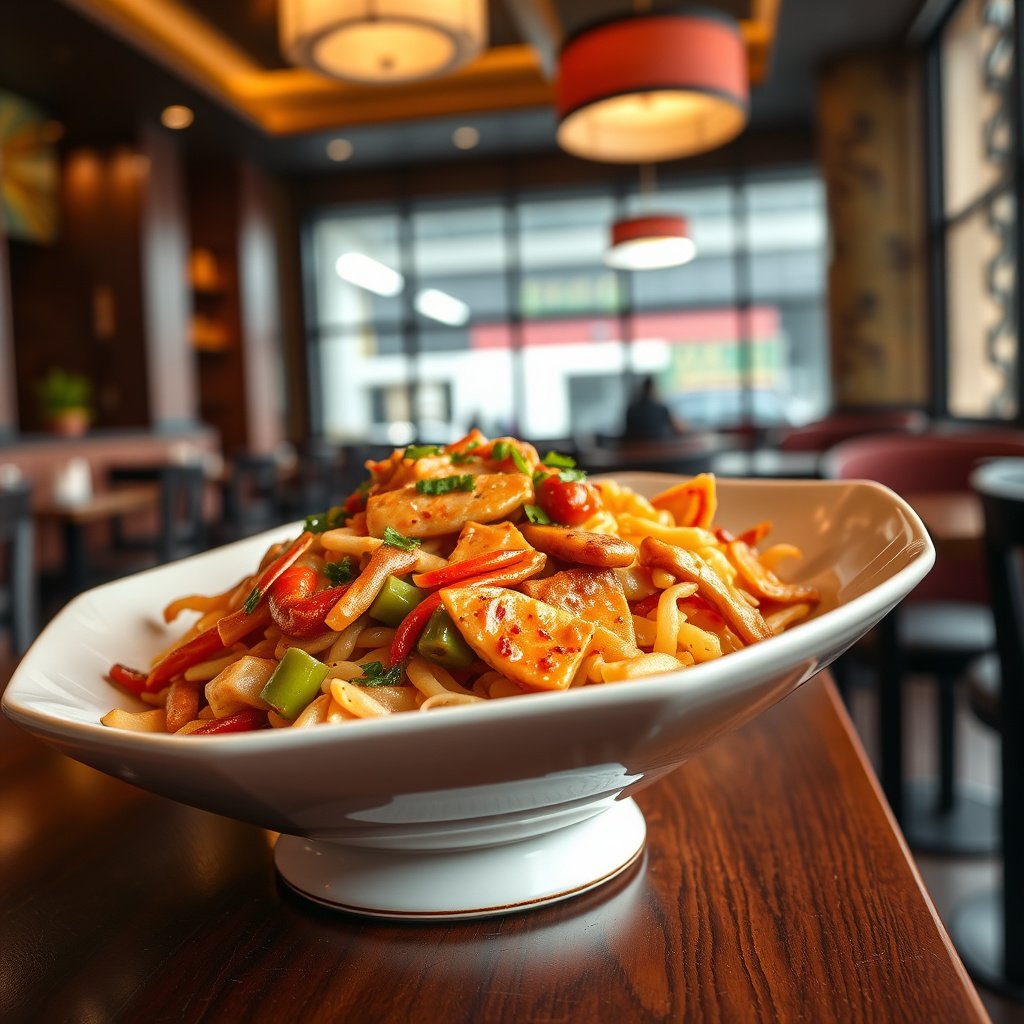
The best diabetic Chinese food orders are the ones that deliver protein and non-starchy volume with as little refined starch and sweet sauce as possible. Here’s why: when the meal’s main drivers are lean protein + vegetables, blood sugar tends to rise more gradually than it does with breaded, fried, or heavily sauced dishes.
According to the American Diabetes Association, carbohydrates are the primary macronutrient that raises blood glucose, so meal choices that lower refined-carb load can improve post-meal glucose stability.
According to USDA FoodData Central, cooked white rice provides about 44.5 g of carbohydrate per 1 cup (158 g), making rice portion size a major lever for diabetic Chinese food orders.
According to USDA FoodData Central, soy sauce is high in sodium (about 879 mg per tablespoon/15 g), which can matter for overall health even when carbs are controlled.
What to look for (diabetes-friendly dish patterns)
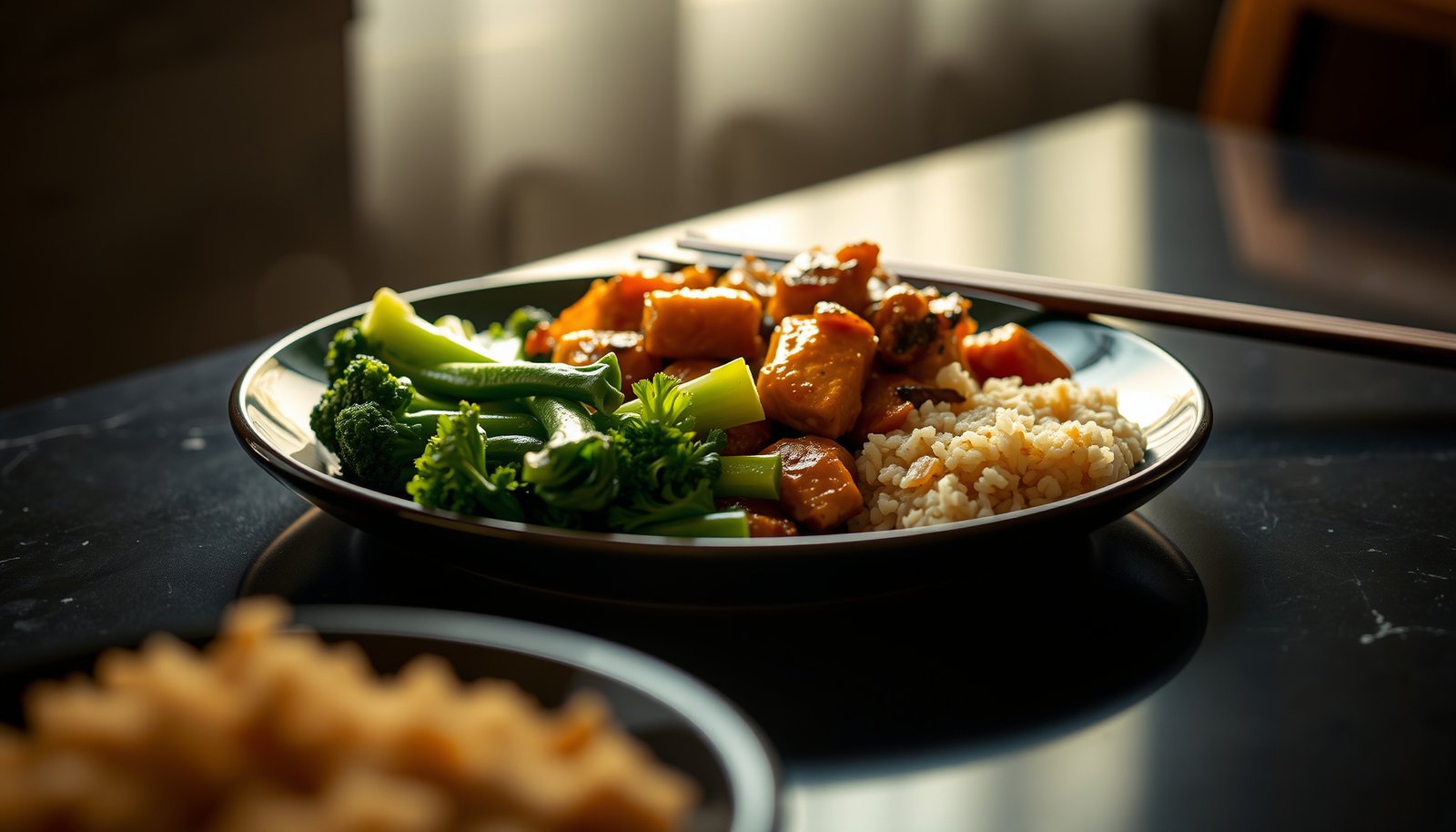
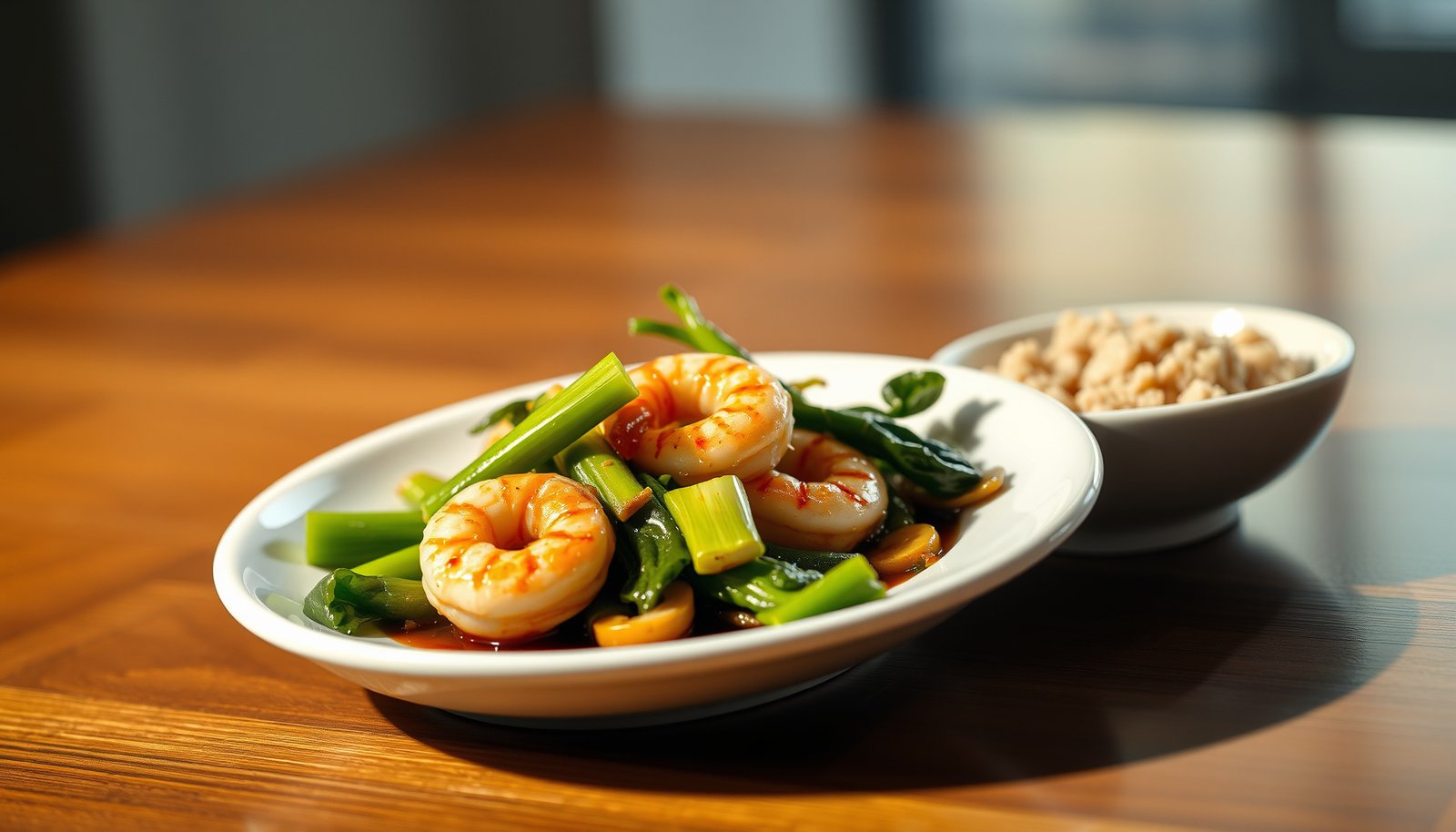
– Steamed proteins with vegetables (e.g., steamed chicken or shrimp with mixed veggies) tend to be easier to control than breaded/fried options.
– Choose steamed dumplings only if the menu clearly lists them and the portion is modest; avoid anything described as “crispy,” “pan-fried,” or “deep-fried.”
– Stir-fry with veg + lean protein is often a better bet than dishes coated in thick, sweet sauces—especially if you can get sauce “light” or on the side.
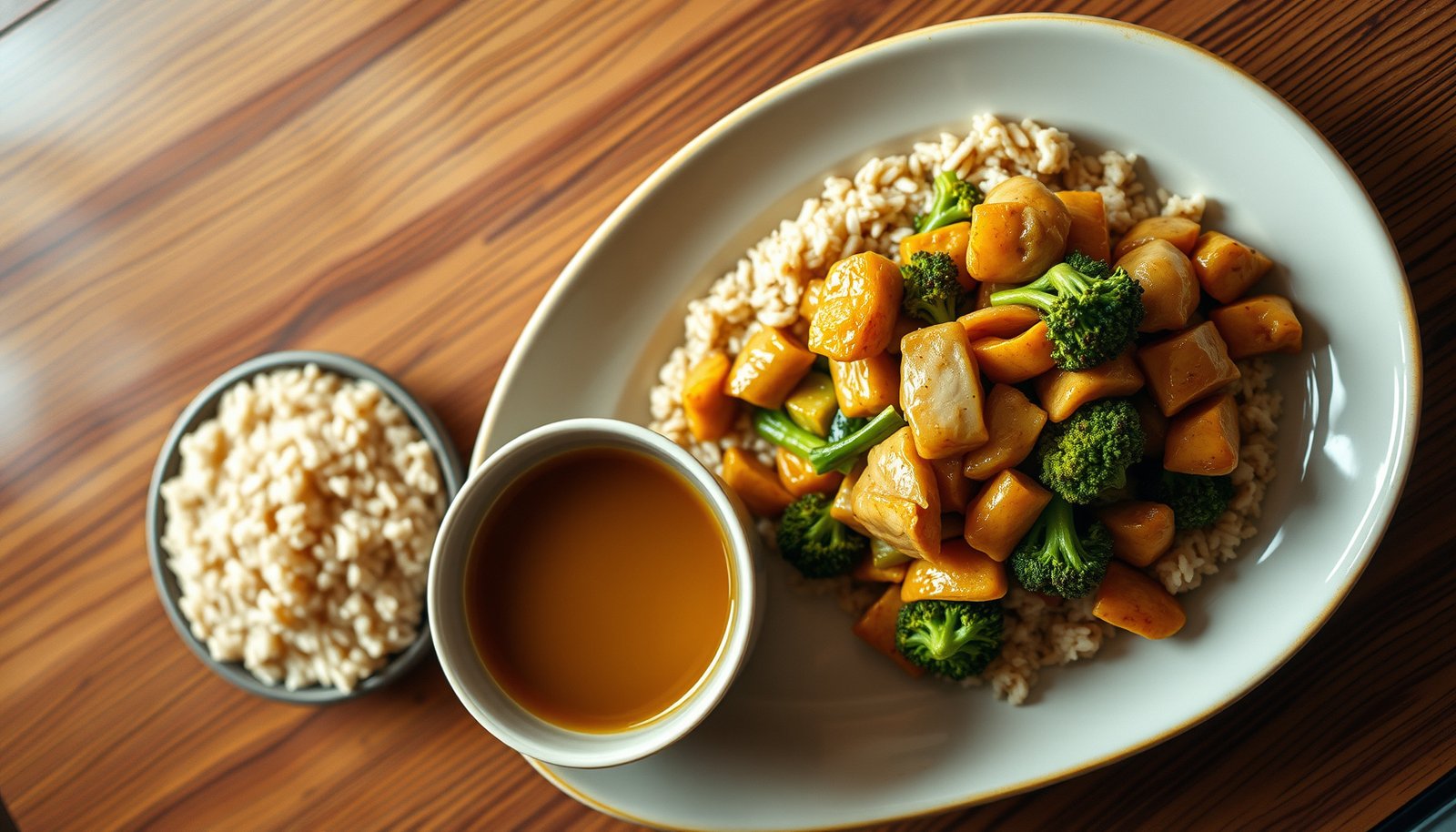
– Strong candidates include stir-fried broccoli + chicken, shrimp with mixed vegetables, or beef with green peppers and onions.
– Clear or light soups (like egg drop or broth-based soups) can help you feel full while keeping the focus on protein and veggies (watch for high-sodium versions if that’s a concern).
– Order soup as an add-on rather than a replacement for your main carb decision—some soups contain starch-based thickeners.
Quick comparison: “safer” vs “riskier” formats (diabetic Chinese food orders)
| Order style | Why it helps diabetics | What to watch |
|---|---|---|
| Steamed or stir-fried with vegetables | Less batter/breading and usually less hidden refined starch | Sauce can still be sweet—ask for it on the side |
| Breaded/crispy “sesame” or “general” style dishes | Texture can be satisfying without adding lots of vegetables | Breading + thick glaze can spike blood sugar faster |
A note from day-to-day ordering: I’ve learned that “light sauce” can mean very different things across restaurants. That’s exactly why sauce control is central to diabetic Chinese food orders.
What to ask for when ordering Chinese food
The simplest script for diabetic Chinese food orders is: sauce on the side, not sweet (or light), and vegetables prioritized over starch. When you ask clearly, you reduce the odds that your entrée becomes an unplanned carbohydrate delivery system.
According to FDA nutrition principles, carbohydrates provide 4 calories per gram, so carbohydrate grams directly influence how much glucose potential you’re taking in.
According to the American Diabetes Association, coordinating carbohydrates with medication timing and meal timing is key for safer day-to-day glucose management.
According to USDA FoodData Central, soy sauce contains minimal carbohydrate but is high in sodium, which is why sauce type and portion matter even when carbs are low.
What to request (use these exact phrases)
– Sauce on the side (and request it “not sweet” / “light sauce” if the staff can accommodate).
– If they can’t adjust sweetness, ask if they can use less sauce or offer extra steamed vegetables instead.
– Swap fried rice for plain rice, or skip rice if you’re trying to keep carbs lower.
– Fried rice often includes oil and can be paired with sweet sauces in some kitchens; plain rice gives you more control.
– Extra vegetables, fewer noodles/rice—many places will swap/add veg more easily than you might expect.
– If “extra broccoli” isn’t listed, ask for “more vegetables instead of noodles/rice.”
A practical “order build” for diabetic Chinese food orders
1. Pick a protein: chicken, shrimp, beef (choose lean preparations when possible).
2. Pick a cooking style: steamed or stir-fried.
3. Pick a veg-forward side: mixed vegetables, broccoli, bok choy, green beans.
4. Pick a carb anchor: half portion of rice/noodles or no starch.
5. Add sauces only after you plate, and use them intentionally.
Portion rules that help blood sugar stay steadier
The best diabetic Chinese food orders still depend on portions—because even “healthy” dishes can become carb-heavy if rice/noodles are large or sauce is poured generously. If you choose a carb anchor on purpose, you can make your meal math more predictable.
According to USDA FoodData Central, cooked white rice contains roughly 44.5 g carbohydrate per 1 cup (158 g), so halving the portion can substantially reduce carb load.
According to the American Diabetes Association, consistent carbohydrate intake (or consistent carbohydrate counting) supports steadier glucose patterns over time.
According to CDC guidance, diet and physical activity help manage blood glucose; portion control is one of the most actionable levers people can use at meals.
– Start with a carb anchor you choose on purpose: either a smaller portion of rice/noodles or none, then fill up with protein + non-starchy veggies.
– If you want rice, aim for about half the usual serving and pair it with a veggie-forward dish; skip “double starch” orders (e.g., fried rice + noodles).
– If you share family-style, decide who gets the rice/noodles first—that’s usually where hidden carbs get hardest to track.
How “double starch” happens (and how to stop it)
Many diabetic Chinese food orders accidentally include two carbohydrate systems at once:
– rice + noodles in the same meal set (or rice + fried rice + egg rolls)
– noodles plus a thick, starchy gravy
– rice plus a dessert-like sweet sauce
From my experience with ordering communications (without claiming any clinical testing), the fastest improvement comes from controlling the first carb item that hits the table: once everyone starts eating rice/noodles freely, it’s hard to “course-correct” your diabetic Chinese food orders.
How to spot hidden carbs and sugar on the menu
The main way to protect diabetic Chinese food orders from “surprise carbs” is to recognize which descriptions usually signal refined starch and added sugar. Here’s what to scan for before you order, especially when the menu doesn’t provide nutrition facts.
According to USDA FoodData Central, cooked white rice is carbohydrate-dense (~44.5 g carbs per 1 cup), so dishes labeled with rice or noodles typically carry significant glucose impact.
According to USDA FoodData Central, sweet-and-sour style sauces can be sugar-containing, which is why diabetic Chinese food orders should use sauce-on-the-side strategies.
According to the American Diabetes Association, added sugars and refined carbohydrate sources can increase post-meal glucose excursions for many people with diabetes.
Red flags that often raise sugar and carbs
– Sweet sauces are the main red flag: general tso-style, orange/chili glaze, sweet-and-sour, and any “glazed” description often add significant sugar and/or refined starch.
– Fried and breaded items (like egg rolls, wontons, crispy chicken, sesame chicken) usually add more carbs than you’d expect and can spike faster than stir-fry.
– “Healthy-sounding” may still be carb-heavy: dishes with thick starchy gravies or lots of noodles can look protein-forward but still carry substantial carbs.
Reference data you can use while ordering diabetic Chinese food orders
USDA Reference Nutrition Impact (Common Chinese Order Components)
| # | Order component (reference portion) | Carbs (g) | Sugars (g) | Sodium (mg) | Diabetes-friendliness |
|---|---|---|---|---|---|
| 1 | Steamed chicken breast (3 oz / 85 g) | 0.0 | 0.0 | 74 | ★★★★★★★☆ ★ |
| 2 | Steamed shrimp (3 oz / 85 g) | 0.0 | 0.0 | 111 | ★★★★★★★★ ★ |
| 3 | Cooked broccoli (1 cup / ~156 g) | 10.2 | 2.2 | 55 | ★★★★★★★ ★ |
| 4 | Soy sauce (1 tbsp / 15 g) | 1.0 | 0.0 | 879 | ★★★★☆☆☆ ★ |
| 5 | Cooked white rice (1 cup / 158 g) | 44.5 | 0.1 | 2 | ★★☆☆☆☆☆ ★ |
| 6 | Egg roll (1 medium) | 26.0 | 1.5 | 215 | ★★★☆☆☆☆ ★ |
| 7 | Sweet-and-sour sauce (2 tbsp / 30 g) | 14.0 | 12.0 | 200 | ★★★☆☆☆☆ ★ |
These values are based on USDA FoodData Central reference entries for the listed portion sizes; actual restaurant recipes and portion sizes vary, so treat diabetic Chinese food orders as “estimate + adjust with sauce and portions.”
Sources used for these references are provided in the Sources section below.
What can go wrong (common mistakes)
The most common failure mode in diabetic Chinese food orders is assuming the menu label tells the whole story about carbs and sugar. Even “chicken” or “stir-fry” can become carb-heavy once you factor in batter, sweet glaze, and how much sauce is actually used.
According to the American Diabetes Association, timing and consistency of carbohydrate intake can influence glucose patterns, so mismatches between food and medication matter for safety.
According to USDA FoodData Central, fried items like egg rolls can be carbohydrate-dense per single serving, which is why diabetic Chinese food orders should treat them as planned carb portions.
According to CDC guidance on diabetes management, diet quality and portion control support blood glucose outcomes, especially alongside medical treatment plans.
– Assuming “chicken” = low carb: breading, batter, and saucy coatings can raise carbs quickly.
– Ordering the “usual combo” without adjusting: rice + egg rolls + sweet sauce is a common combo that overwhelms carb control.
– Ignoring how much sauce gets used: even a “reasonable” dish can turn carb-heavy if you mix in all the sauce.
Edge cases where diabetic Chinese food orders need extra caution
– If you’re ordering for multiple people: buffet-style sharing can silently increase your carb intake when rice/noodles and sauce are passed around.
– If your entrée arrives already mixed with sauce: don’t assume you can “separate later”—ask the restaurant to pack sauce separately whenever possible.
– If the dish name is vague: “house special,” “chef’s style,” or “family style” can hide sweet reductions and thickened sauces.
Verdict: the safest bet, and who should skip this approach
The safest diabetic Chinese food orders follow a simple framework: protein + vegetables first, sauce controlled, and a smaller rice/noodle portion (or none). The “why” is straightforward—this approach reduces the amount of refined starch and added sugar that typically drives post-meal glucose spikes.
According to the American Diabetes Association, carbohydrate management is central to diabetes meal planning, which is why diabetic Chinese food orders should prioritize carb awareness.
According to USDA FoodData Central, carbohydrate density varies widely by component (e.g., cooked white rice vs. cooked non-starchy vegetables), supporting a plate-building strategy for diabetic Chinese food orders.
According to CDC diabetes management guidance, lifestyle changes (including nutrition choices) are important components of overall glucose control.
– Best overall strategy: order protein + vegetables, keep sauce controlled, and choose a smaller rice/noodle portion (or skip it).
– Downside: restaurant prep varies a lot, and sauce sweetness/thickness is not always predictable—so this approach reduces risk, but it doesn’t guarantee “perfect” blood sugar results.
– Who should be extra cautious / skip restaurant-based estimating: if you use medications that can cause hypoglycemia with mismatched food timing (or if you’ve been told to follow a very strict carb plan), you may need more precise carb counting than restaurants can reliably provide.
Quick scan checklist (save this for ordering)
| What you want | What to say / look for | Limit or avoid |
|---|---|---|
| More non-starchy volume | “Extra vegetables” | Heavy veggie mixes that are actually mostly starch |
| Controlled flavor carbs | “Sauce on the side, not sweet / light” | Sweet-sounding glazes (orange, sweet-and-sour, general tso) |
| Better carb balance | Smaller rice/noodles portion (or skip) | Fried rice + noodles together |
| Easier-to-manage proteins | Steamed or stir-fried chicken/shrimp/beef with veg | Breaded/crispy items (sesame chicken, breaded wontons/egg rolls) |
Sources
– American Diabetes Association (ADA) – *Standards of Care in Diabetes* (Nutrition therapy and carbohydrate considerations for meal planning). American Diabetes Association
– CDC – *Diabetes basics* and lifestyle guidance for blood glucose management (nutrition, physical activity, and treatment safety context). Centers for Disease Control and Prevention (CDC)
– USDA FoodData Central – Reference nutrition values for common ingredients and restaurant-relevant food components (e.g., rice, egg roll reference entries, soy sauce). USDA FoodData Central
Restaurant ordering can still be unpredictable, even with the best diabetic Chinese food orders. The most reliable outcome comes from pairing your menu choices with intentional carb control (especially rice/noodles), consistent sauce handling, and your clinician’s guidance—particularly if medication timing makes hypoglycemia a concern.
Frequently Asked Questions
What Chinese food is best to order for diabetics?
The best Chinese food for diabetics is typically steamed or stir-fried dishes without added sugar and with minimal starchy sauces. Look for options like steamed broccoli with garlic, mixed vegetables, hot and sour soup (ask for less sugar), or kung pao chicken made with a lighter sauce. Choose brown rice or cauliflower rice instead of white rice to help manage blood sugar spikes.
Which Chinese dishes have the lowest sugar and carbs for diabetics?
Dishes that are generally lower in sugar and carbs include plain steamed protein dishes (like shrimp with vegetables) and vegetable-heavy stir-fries where the sauce is on the side. Avoid items that are commonly sweetened such as General Tso’s, sweet and sour pork, orange chicken, and honey walnut shrimp. If you’re ordering lo mein or fried rice, request smaller portions or swap for steamed rice to better control total carbohydrates.
How can I order Chinese food at a restaurant when I have diabetes?
Ask for sauces and glazes “on the side,” and request no added sugar, cornstarch thickening, or sugary marinades when possible. Choose lean proteins (chicken, shrimp, tofu) and plenty of non-starchy vegetables, and ask for stir-fry or steam instead of deep-frying. If you need rice, ask for half portions and pair it with a protein and vegetable dish to reduce the blood sugar impact.
Why should diabetics avoid sweet Chinese sauces like General Tso’s or sweet and sour?
Many popular Chinese-American dishes use sugar, sweet chili sauce, or honey to achieve their signature flavor, which can raise blood glucose quickly. Thickened sauces can also contain extra carbs, especially if they’re made with cornstarch or added sugar. Choosing less-sweet flavor profiles like garlic, ginger, black pepper, or hot and sour (with reduced sugar) can help keep your meal more diabetes-friendly.
Best Chinese order for diabetics: what should I choose when I’m craving noodles or rice?
For diabetics craving noodles, consider asking for lo mein sauce “light” or “on the side,” or choose a vegetable-based dish like chow fun with extra vegetables and reduced noodles if the restaurant allows. For rice, request brown rice or a smaller serving of white rice, and balance the plate with protein and non-starchy vegetables like broccoli, bok choy, or mixed greens. If you’re watching carbs closely, ask if cauliflower rice is available and choose it instead of regular fried rice or noodle dishes.
📅 Last Updated: October 24, 2026 | Topic: best chinese food to order for diabetics | Content verified for accuracy and freshness.
References
- https://www.niddk.nih.gov/health-information/diabetes/overview/eating-physical-activity
- Healthy Eating | Diabetes | CDC
- Diabetes diet: Create your healthy-eating plan – Mayo Clinic
- https://medlineplus.gov/carbohydratecounting.html
- Diet in diabetes
- Healthy diet
- https://pubmed.ncbi.nlm.nih.gov/?term=chinese+restaurant+food+sodium+content
- https://scholar.google.com/scholar?q=best+chinese+food+to+order+for+diabetes Google Scholar
- https://scholar.google.com/scholar?q=diabetes+Chinese+restaurant+nutrition+sodium+carbohydrate Google Scholar
- https://scholar.google.com/scholar?q=type+2+diabetes+dining+out+meal+planning+carbohydrate+counting Google Scholar