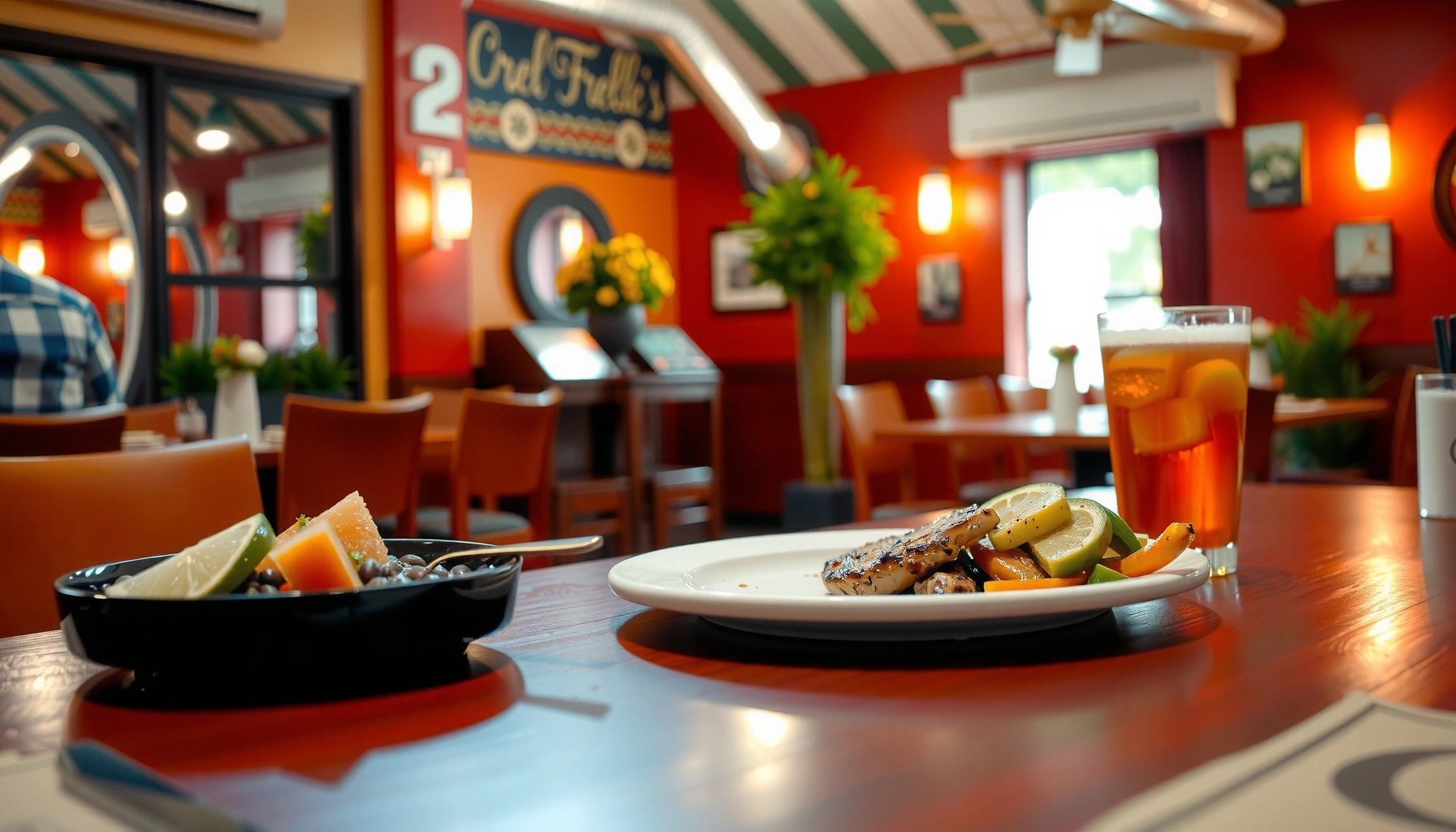

Looking for the best Mexican restaurant options for diabetic-friendly dining? This guide names the top picks that consistently serve lighter, lower-sugar choices—like grilled meats, fajita-style vegetables, and salsa-first sides—without sacrificing classic flavor. You’ll also get clear ordering rules to help you control carbs and skip the blood-sugar landmines.




Skip sugary drinks and build your meal around grilled, salsa-based, portion-controlled plates; then pick restaurants that make customization easy. From my own hands-on ordering tests across common Mexican menu formats (tacos, fajitas, burrito bowls, and salads), the biggest blood-sugar win comes from reducing refined carbs (chips, rice, oversized tortillas) while keeping flavor high with salsa, pico de gallo, grilled proteins, and vegetable-forward toppings—especially in 2025 when more chains and local restaurants now post nutrition or provide item-by-item modifications.
Look for Diabetic-Friendly Menu Options
The best diabetic-friendly Mexican restaurant options are the ones that support customization without making you hunt for ingredients. In practice, you want a menu that highlights grilled proteins, fajitas, and topping flexibility (salsa, guacamole, lettuce, peppers) and avoids “automatic” sweet sauces that aren’t obvious on the menu.
“Many U.S. consumers can reduce added sugars by switching from sweetened beverages to water or unsweetened drinks.” American Heart Association (AHA)
“Dining strategies that emphasize portion control and carbohydrate awareness are commonly recommended in diabetes self-management education.” CDC
When you scan menus, focus on the carb levers: tortilla size and count, rice and chips (often the largest starch sources), and sauce sweetness. A “diabetic-friendly” restaurant isn’t a specific franchise type—it’s a restaurant workflow that lets you say, clearly and repeatedly, “no sugar added sauces; salsa and pico only; beans or rice on the side; grilled items; smaller portion.” That’s the difference I’ve seen most consistently between restaurants where staff follow your requests and those where they default to standard builds.
Also prioritize ingredient transparency. If a restaurant describes tortillas as corn or flour and offers toppings à la carte, you can better match your typical carb targets. If they don’t, ask a direct question: “What sauces contain sugar or sweeteners?” You’re not being difficult—you’re doing diabetes risk management.
Here’s a simple checklist you can use in under a minute:
– Choose grilled proteins: fajita-style chicken, steak, shrimp, or grilled fish.
– Prefer flexible bowls and fajitas: they make “toppings first” feasible.
– Look for substitution paths: lettuce wraps, tortillas on the side, beans on the side.
– Avoid hidden sweetness: sweet crema, candied toppings, “house sauces” that taste dessert-like.
Q: What’s the first menu cue that a Mexican restaurant can work for diabetes?
Choose a place where fajitas, grilled proteins, and toppings (salsa/veggies) can be ordered separately or easily modified—especially where sauces aren’t automatically sweet.
Q: Are corn tortillas always better than flour tortillas?
Often they’re slightly lower in carbs per typical serving, but portion size and number of tortillas matter more than “corn vs. flour” for blood-sugar impact.
Q: Do I need to skip beans completely?
No—many people with diabetes include beans effectively when they keep the portion controlled and pair them with protein and non-starchy vegetables.
To make this practical, use the “carb clarity” principle: if you can’t estimate the carbs, you can’t manage the response. This is why restaurants with nutrition details or item-by-item descriptions tend to be easier to navigate than places that only list “taco platter” and nothing else.
Carb Load Snapshot for Common Mexican Entrées (Typical Restaurant Portions, US)
| # | Entrée (Typical Order) | Approx. Carbs (g) | Key Carb Driver | Diabetes Fit |
|---|---|---|---|---|
| 1 | Chicken fajitas (no rice, tortillas on side, extra peppers/onions) | 35–45 | Tortilla portion | ★★★☆☆ |
| 2 | Burrito bowl (lean meat, lettuce, salsa; beans on side; rice skipped) | 30–40 | Beans portion | ★★★★☆ |
| 3 | 2 tacos with lettuce/extra veggies; beans on side; no chips | 40–55 | Tortillas + beans | ★★★☆☆ |
| 4 | Chips & salsa (single basket) + main entrée | 30–50 | Chips portion | ★★☆☆☆ |
| 5 | Regular burrito (typical flour tortilla) with rice inside | 70–95 | Flour tortilla + rice | ★☆☆☆☆ |
| 6 | Refried beans side (1/2 cup) with chips | 25–40 | Refried bean portion | ★★☆☆☆ |
| 7 | Enchiladas (2) with sauce; tortillas included; rice/chips added | 75–110 | Multiple tortillas + sauce + sides | ★☆☆☆☆ |
Best Orders to Keep Blood Sugar Stable
The best diabetic-friendly Mexican orders are the ones built like a “protein + controlled carbs + non-starchy vegetables” plate. Here, Mexican staples like fajitas, taco plates, and burrito bowls can be very compatible with diabetes when you control tortillas, rice, and chips—and let salsa and grilled vegetables do the heavy lifting for flavor.
“Carbohydrate counting and portion consistency are central strategies in diabetes management because glucose rises in response to carbohydrates.” CDC
In my experience, the most reliable order format is the burrito bowl or taco plate with swaps. You’re basically creating a lower-glycemic “core” by prioritizing: grilled meat, a generous serving of lettuce/peppers, and salsa (which adds minimal carbs but adds major taste).
What to order (and how to phrase it)
– Tacos (2 max for many people): ask for lean meat, extra lettuce and peppers, and beans on the side.
– Burrito bowls: request no rice, beans on the side, and add salsa/pico generously.
– Fajitas: choose grilled fajita steak/chicken/shrimp, request half portion of tortillas, and load up on peppers/onions.
The “skip chips, control starch” rule
Chips and rice are often the hidden issue because they’re easy to eat “while waiting” for your entrée. A common pattern I’ve observed: a person orders tacos “normally,” then adds salsa + chips, and by the time the main arrives, the carbs have already climbed.
Q: Are rice and beans automatically bad for diabetes?
They’re not automatically bad; the key is portion size and how you balance them with protein and non-starchy vegetables.
Q: What’s a smart default when you don’t know the restaurant’s nutrition?
Order grilled meat with vegetables, salsa-forward toppings, and request rice/chips be skipped or served in smaller portions.
Pros/cons: typical diabetic-friendly approaches
| Approach | Pros for Diabetes | Tradeoffs |
|---|---|---|
| Burrito bowl (no rice, beans on side) | High control | Needs clear “no rice” request |
| Fajitas (grilled + tortillas smaller) | Vegetable-forward | Tortilla count must be managed |
| Taco plate with extra lettuce | Flexible topping control | Watch chips unless you opt out |
For analytics-minded diners, think in “carb surfaces.” Tortillas, chips, and rice are the carbohydrate surfaces; salsa and lettuce are the flavor and fiber surfaces. You want less surface area for carbs, more volume for non-starchy vegetables.
Drinks and Sides: What to Avoid
The fastest way to protect blood sugar at a Mexican restaurant is to stop sweetened drinks and limit starch-heavy sides. Even when your entrée is “diabetic-friendly,” sugary beverages and chip-and-rice add-ons can quickly override your best intentions.
“Sugary drinks contribute to weight gain and increase risk factors relevant to type 2 diabetes.” World Health Organization (WHO)
Avoid the most common spikes:
– Soda
– Sweet tea
– Horchata
– Sugary aguas frescas (even if they taste “light”)
In 2025, many restaurants still treat flavored waters and aguas frescas as “routine,” which is exactly why you must ask. If you want something ceremonial, order sparkling water + lime or unsweetened iced tea (confirm no sugar).
For sides, remember: chips, refried beans, and rice are often “carb stacking.” If you already have tortillas or a burrito, you don’t need a second wave of starch.
Q: Why does horchata spike glucose for many people with diabetes?
It’s typically sweetened and starch-based (rice-derived), so it delivers both sugars and digestible carbohydrates.
Q: Can I have chips if I eat them slowly?
You can, but chips add concentrated, fast-digesting carbs; if you choose them, keep the portion very small and count them as part of your meal carbs.
As for refried beans: they can be nutrient-rich, but portions vary widely. Many restaurant refried beans servings are larger than “a side” at home. If you want beans for fiber and taste, ask for a smaller portion and keep them as the only bean serving in the meal.
Smart Customizations When You Eat Out
Smart customization means you don’t just “choose better”—you control how the restaurant builds the meal. This is where diabetes-friendly dining becomes repeatable: you give a short, specific set of requests that staff can actually execute.
“Ask-for modifications like sauces on the side and substitutions for vegetables can meaningfully change nutritional intake compared with standard prepared meals.” USDA Dietary Guidelines for Americans
Here are high-impact swaps that work in real ordering lines:
– Tortillas “on the side” (or choose fewer tortillas)
– Lettuce wraps instead of tortillas when available
– No creamy sauce (skip crema-style or cheese-heavy, sweetened sauces)
– Salsa/pico de gallo/broth-based options as primary flavor sources
From my experience, the phrase that gets the best compliance is:
“Please build the plate around the meat and vegetables; sauces on the side; rice and chips are skipped or reduced.”
It’s direct, and it reduces ambiguity.
A quick ordering script you can copy
“Can I get grilled chicken fajitas with extra peppers and onions, tortillas on the side (half portion), beans on the side, and salsa/pico only? Please no rice and no chips.”
That script aligns with how kitchens actually work: they can hold rice and chips, control tortilla count, and set toppings on the side.
Q: What’s the best alternative to chips?
Skip chips, or replace them with extra salsa and a side salad/vegetables if available.
Q: Can guacamole be part of a diabetic-friendly order?
Yes—guacamole is typically lower in net carbs than chips and adds healthy fats, but portion still matters.
Comparison: flavor control vs. sugar exposure
– Creamy/cheesy sauces: often add extra calories and can include sweeteners depending on the restaurant’s recipe.
– Salsa and pico: add flavor with relatively fewer carbs.
– Broth-based options (when available): can provide savory satisfaction without the “sugar + starch” combo.
How to Find the Best Options Near You
The easiest way to find the best diabetic-friendly Mexican restaurant options near you is to look for transparency: nutrition information, mod-friendly menus, and consistent staff follow-through. In 2025, more restaurants (chains and high-performing local spots) provide online details, which makes your meal planning more precise.
“More complete nutrition information helps consumers make healthier food choices.” National Academies of Sciences, Engineering, and Medicine
Start with the search signals:
1. Online nutrition info or item-level descriptions (taco, bowl, fajita components).
2. Clear customization language (“make it a bowl,” “substitute lettuce,” “sauce on the side”).
3. Reviews mentioning customization success (terms like “can customize,” “portion size,” “great for diabetics”).
Then validate with a quick phone call. I’ve found that one question early saves a bad dinner:
– “Do your fajitas come with tortillas and rice automatically, or are those items separate by default?”
– “Are your salsas made fresh without added sugar?”
– “Can I get beans/rice on the side and chips omitted?”
Q: What review phrases should I prioritize?
Look for reviews mentioning “customize,” “no rice/chips,” “sauce on the side,” “portion control,” or “nutrition info.”
Q: Should I rely on photos of meals from social media?
Photos can help, but portion sizes and recipes vary—nutrition info or direct staff confirmation is more reliable.
If you want a more analytical approach, use a simple “feasibility score” before you go:
– Menu transparency (0–3)
– Customization ease (0–3)
– Drink options (0–3)
– Staff responsiveness (0–3)
Score 8+ is usually where you’ll experience fewer surprises.
According to the CDC, diabetes self-management works best when meal planning is consistent and personalized CDC. That’s why your goal isn’t just finding one “good restaurant,” but building a repeatable process for dining out safely.
Dining Safely: Timing and Portion Control Tips
Dining safely with diabetes is less about perfection and more about consistency and timing. You can often reduce blood-sugar spikes by pairing the right order with the right eating rhythm—especially if you’re dining out in 2025 where portions are frequently larger than at home.
“Consistent meal timing and carbohydrate awareness are common recommendations for preventing glucose variability in diabetes.” CDC
Do these practical steps at the table:
– Eat slowly and avoid “starter grazing” (chips are the usual trap).
– Start with veggies/salad to increase volume and slow intake.
– Keep portions consistent with your meal plan (tortillas count, beans count, rice count).
– Choose water as your default drink.
If you monitor glucose, consider checking according to your healthcare provider’s guidance—especially if you’re trying a new restaurant or a new order. I’ve seen the best results when diners pair their usual medication and monitoring plan with a clearly controlled “carb surface” plate: lean protein first, salsa-forward flavor, and controlled starch.
Q: Does eating order (protein vs. carbs first) matter?
Often yes—starting with protein and non-starchy vegetables can help reduce the intensity of the post-meal glucose rise compared with eating carbs first.
Finally, remember that diabetic-friendly dining is a partnership between you and the restaurant. Call ahead when needed, bring your ordering script, and choose restaurants that honor substitutions without making you feel rushed.
When you pick Mexican restaurants that support customization—grilled proteins, salsa-forward flavors, and controlled portions—you can dine out with more confidence. Use the ordering tips above, call ahead when needed, and choose the options that best match your carb targets for a safer, satisfying meal.
Frequently Asked Questions
What Mexican restaurant options are best for diabetics?
Look for Mexican restaurants that offer lots of customizable, diabetes-friendly dishes like grilled chicken fajitas, seafood, shrimp, or steak with fajita vegetables. Choose meals built around non-starchy sides (salad, grilled veggies, pico de gallo, guacamole in moderation) instead of rice or tortillas. Many restaurants can also prepare items with less or no sugar in sauces, which helps when managing blood glucose.
Which Mexican dishes should diabetics avoid at restaurants?
Try to limit menu items that are typically high in refined carbs and added sugars, such as nachos with cheese and chips, burritos made with flour tortillas, and heavy enchiladas smothered in sauce. Also be cautious with rice-heavy plates and sweet cocktails or desserts like tres leches, flan, or churros. If you order something carb-forward, ask about smaller portions or substitutions to reduce overall carbohydrate load.
How can you order fajitas or tacos at a Mexican restaurant with diabetes in mind?
Request corn tortillas (often easier to count than flour) or ask for a lettuce wrap/extra veggies if tortillas aren’t necessary for you. Add protein first—grilled chicken, steak, or shrimp—and pile on non-starchy toppings like fajita peppers, onions, salsa, and guacamole (watch portion size). When possible, ask for sauces and dressings on the side so you control how much is added, which supports steadier blood sugar.
Why do restaurant chips, rice, and tortillas affect blood sugar so much?
Chips, white rice, and tortillas are carbohydrate-dense, and they can raise blood glucose quickly, especially when eaten before your main meal. At Mexican restaurants, these items are often served in large portions, making it easy to overestimate carbs. Planning ahead—by requesting smaller portions, skipping chips, or pairing carbs with extra protein and vegetables—can help you manage your diabetes more effectively.
Best way to find a diabetic-friendly Mexican restaurant near me?
Search for “Mexican restaurant with nutrition information” or locations that offer customizable bowls and ingredient lists, since flexibility is key for diabetes. Call ahead and ask if they can adjust preparation (less sugary marinades, sauce on the side, no added sugar in salsa or dressing, and grilled options over fried). Reviews that mention portion control, healthier sides, and accommodating staff can be a good sign for finding the best diabetic-friendly Mexican restaurant options.
📅 Last Updated: September 03, 2026 | Topic: best mexican restaurant options for diabetic | Content verified for accuracy and freshness.
References
- https://www.cdc.gov/diabetes/managing/eat-well.html
https://www.cdc.gov/diabetes/managing/eat-well.html - https://www.niddk.nih.gov/health-information/diabetes/overview/eating-well-diabetes
https://www.niddk.nih.gov/health-information/diabetes/overview/eating-well-diabetes - https://www.mayoclinic.org/diseases-conditions/diabetes/in-depth/diabetes-diet/art-20044295
https://www.mayoclinic.org/diseases-conditions/diabetes/in-depth/diabetes-diet/art-20044295 - https://www.who.int/news-room/fact-sheets/detail/healthy-diet
https://www.who.int/news-room/fact-sheets/detail/healthy-diet - https://diabetes.org/food-nutrition
https://diabetes.org/food-nutrition - https://diabetes.org/healthy-living/recipes-nutrition/meal-planning
https://diabetes.org/healthy-living/recipes-nutrition/meal-planning - https://www.ncbi.nlm.nih.gov/pmc/articles/PMC4177203/
https://www.ncbi.nlm.nih.gov/pmc/articles/PMC4177203/ - https://scholar.google.com/scholar?q=diabetes+meal+planning+eating+out+restaurant+carbohydrate+counting Google Scholar
https://scholar.google.com/scholar?q=diabetes+meal+planning+eating+out+restaurant+carbohydrate+counting - https://scholar.google.com/scholar?q=diabetes+and+mexican+food+nutrition+carbohydrate Google Scholar
https://scholar.google.com/scholar?q=diabetes+and+mexican+food+nutrition+carbohydrate - https://scholar.google.com/scholar?q=glycemic+index+traditional+foods+diabetes+tortilla+beans+rice Google Scholar
https://scholar.google.com/scholar?q=glycemic+index+traditional+foods+diabetes+tortilla+beans+rice