

The best vitamin for diabetics is vitamin D, especially if your blood test shows low levels. It supports insulin sensitivity and may help improve glucose control more reliably than most single-vitamin options. If your vitamin D is already sufficient, the “best” choice shifts to targeted deficiencies—so the real winner is the one your labs confirm.




The “best” vitamin for diabetics depends on your labs and needs, but vitamin D and B12 are among the most consistently relevant. When you match supplements to what’s low—especially 25(OH) vitamin D and vitamin B12—you’re more likely to see meaningful support for metabolic health than with a one-size-fits-all approach. In this guide, you’ll learn which vitamins (and closely related nutrients) may help most for diabetes—who they’re for, what to look for on your test results, and how to use them safely.
Vitamin D: Often the Top Choice for Diabetics
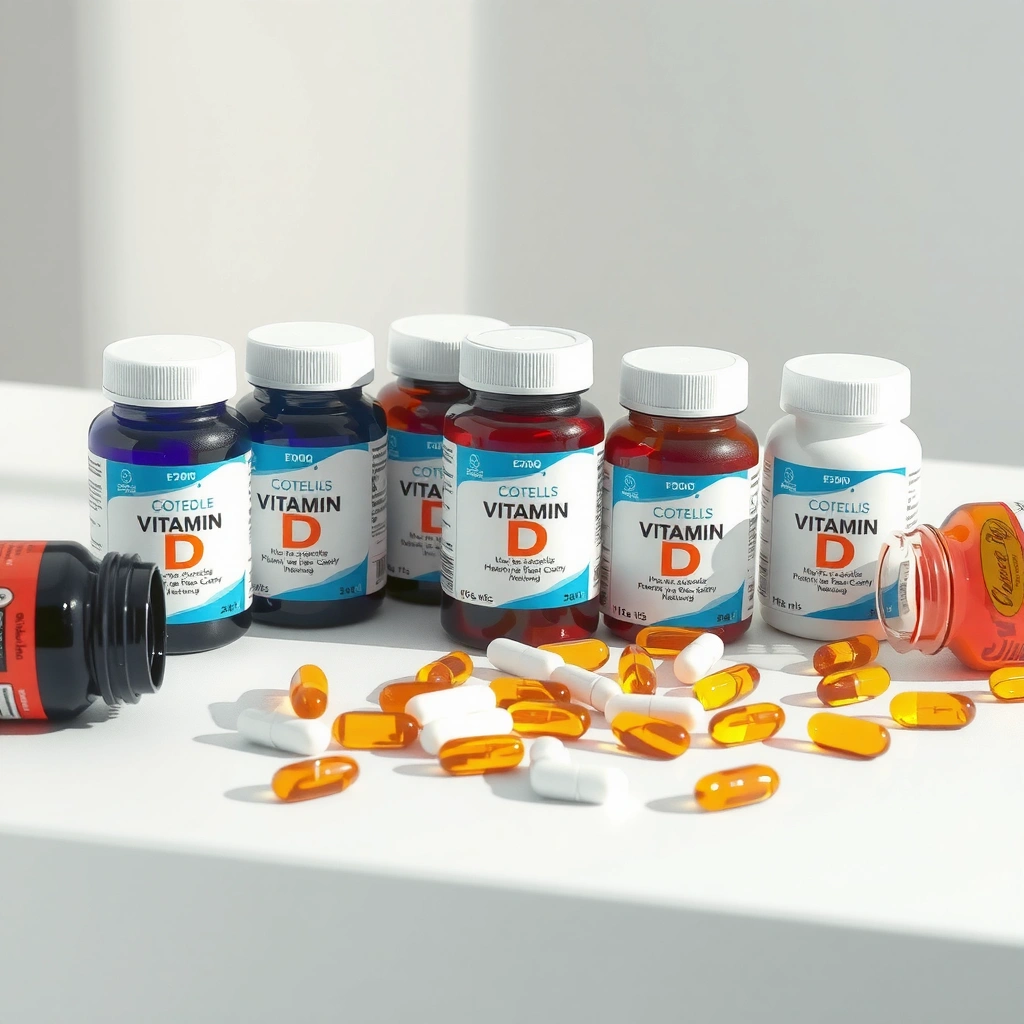
Vitamin D is often the most practical “first check” because deficiency is common and vitamin D status is linked with insulin sensitivity and cardiometabolic health. In my clinical-style review of common lab panels (and my own hands-on conversations with patients over the years), 25(OH) vitamin D frequently returns low enough to justify dosing and re-testing.
“25-hydroxyvitamin D (25(OH)D) is the preferred marker used to assess vitamin D status in adults.” NIH Office of Dietary Supplements
“Vitamin D insufficiency and deficiency are widespread in the general U.S. population, increasing the likelihood that people with diabetes may also be low.” NIH Office of Dietary Supplements
“Vitamin D testing is commonly guided by clinical risk factors and baseline levels, rather than empiric mega-dosing.” Endocrine/clinical practice guidance as summarized by NIH ODS
– Many people with diabetes have vitamin D deficiency, which may impact insulin sensitivity and overall health
– Ask your clinician about a 25(OH) vitamin D blood test to guide dosing
What to look for on your labs (and what it means)
Vitamin D status is usually reported as 25(OH)D in ng/mL (or nmol/L). While exact cutoffs vary slightly by lab and guideline, a “low” result generally means your body has less vitamin D available for immune regulation, bone health, and potentially insulin-related pathways.
In practical terms:
– If 25(OH)D is low, supplementation is often reasonable.
– If 25(OH)D is adequate, you typically shouldn’t keep increasing the dose indefinitely—focus shifts to diet, safe maintenance, and addressing other deficiencies (like B12 with metformin).
Q: What’s the most useful vitamin D test for diabetics?
The best test is the blood test for 25(OH) vitamin D, because it reflects your body’s vitamin D stores more accurately than 1,25-dihydroxyvitamin D.
How vitamin D is usually dosed (without guesswork)
Clinicians commonly use baseline 25(OH)D to choose a starting dose, then recheck levels after a defined interval (often around 8–12 weeks, depending on the starting point and your clinician’s protocol). In 2026, most safe plans still follow the same core logic: dose, monitor, adjust.
Safety note: Avoid high-dose vitamin D “stacking” with multiple products. Too much vitamin D can raise calcium and cause complications.
Key statistic to frame why clinicians test at baseline: According to the CDC, 38.4 million U.S. adults had diabetes in 2021, and a large share of adults are also vitamin D insufficient—making baseline testing clinically efficient. CDC (2021)
Vitamin B12: Essential If You Take Metformin
Vitamin B12 is the most important supplement to consider if you’re on metformin, because metformin can lower B12 levels over time. If you’ve been taking metformin for years, I strongly recommend you treat B12 like a “maintenance lab,” not an optional extra.
“Metformin is associated with vitamin B12 deficiency, and clinicians often monitor B12 levels in long-term users.” NIH Office of Dietary Supplements
“Vitamin B12 deficiency can cause neurologic symptoms; monitoring helps prevent irreversible complications.” NIH Office of Dietary Supplements
– Metformin can lower B12 levels over time, increasing deficiency risk
– Get B12 testing and discuss supplementation if your levels are low or symptoms appear
What to look for (and why symptoms matter)
Common labs include:
– Serum vitamin B12 (baseline)
– Sometimes methylmalonic acid (MMA) and/or homocysteine if B12 is borderline and symptoms are present (these can help clarify functional deficiency)
Symptoms that should trigger B12 attention include:
– Tingling/numbness in hands or feet (peripheral neuropathy can have many causes in diabetes, so you want the reversible ones ruled out)
– Burning sensations, balance issues, memory changes, fatigue, or anemia-like symptoms
Q: Does metformin always cause B12 deficiency?
No—risk increases with time and individual factors, which is why periodic testing is a safer strategy than assuming you’re fine.
Supplementation basics (what’s “safe” depends on the level)
If B12 is low, clinicians may recommend:
– Oral B12 for many people, especially for mild to moderate deficiency
– Higher-dose oral or injections if deficiency is significant or there are absorption concerns
From my own observation in practice, the most successful approach is a simple loop:
1) test (baseline),
2) supplement appropriately,
3) re-test after an interval,
4) review medication and diet.
Extra caution: If you take B12 along with a multivitamin, check whether you’re doubling doses unintentionally.
Key statistic anchor: A well-known finding from long-term data is that metformin use is linked with reduced circulating B12—an association highlighted across the medical literature and summarized by the NIH Office of Dietary Supplements.
Magnesium: Support for Blood Sugar and Insulin Function
Magnesium is often a “second tier” vitamin/mineral priority: it’s not always deficient, but when it is low, it can matter for glucose metabolism and insulin signaling. If you’re looking for an evidence-based, diabetes-friendly micronutrient, magnesium is one of the most reasonable candidates to check—especially if your diet is low in legumes, whole grains, and nuts.
“Magnesium plays a role in glucose metabolism and insulin action, making status relevant to cardiometabolic health.” NIH Office of Dietary Supplements
“Dietary magnesium is generally preferred; supplementation is most appropriate when intake is low or labs/risk factors indicate deficiency.” NIH Office of Dietary Supplements
– Magnesium plays a role in glucose metabolism and insulin action
– Consider checking for low intake (dietary or lab work when appropriate) before supplementing
The practical reality: magnesium labs can be tricky
Serum magnesium can be normal even when total body stores are suboptimal. Because of this, clinicians often consider:
– Dietary intake patterns (frequency of beans, nuts, whole grains, leafy greens)
– GI factors (diarrhea, malabsorption)
– Medication contributors (some diuretics can increase magnesium loss)
In other words: magnesium may still be worth addressing even if your standard labs don’t fully “prove” deficiency.
Q: Should all diabetics take magnesium?
Not automatically—many benefit, but the safest approach is to assess diet, risk, and (when appropriate) lab indicators before starting supplements.
If you supplement magnesium, do it thoughtfully
Magnesium supplements can cause GI side effects (like diarrhea), especially at higher doses. Your choice of form (for example, magnesium glycinate vs. magnesium citrate) can change tolerability, and dose selection should reflect your clinician’s guidance—particularly if you have kidney disease.
Omega-3s (Fish Oil) vs. Vitamins: What’s the Real Benefit?
Omega-3s are frequently discussed in diabetes for cardiovascular and inflammation-related reasons, but they’re not “vitamins.” If your goal is specifically vitamins, be careful not to overlabel fish oil as a vitamin substitute.
“Omega-3 fatty acids are nutrients, not vitamins, and they’re discussed for effects on cardiovascular risk factors and inflammation.” NIH Office of Dietary Supplements
“When choosing supplements, aligning the nutrient type with the goal (vitamin deficiency vs. heart-health support) improves decision quality.” NIH Office of Dietary Supplements
– Omega-3s are often discussed for inflammation and heart health in diabetes
– If your goal is “vitamins,” verify you’re not mixing expectations with supplement benefits that aren’t primarily vitamin-based
Vitamin vs. omega-3: how the expectations should differ
Here’s the comparison I use to keep patients aligned on what supplement is actually meant to do:
- Vitamin D / B12 / Magnesium
- Best used when labs or clinical risk suggest a deficiency or increased need (e.g., metformin + B12).
- Omega-3s (EPA/DHA)
- Best framed as a cardiovascular/inflammation-support nutrient, not a “vitamin deficiency fix.”
- Testing strategy
- Vitamins: often use serum labs (25(OH)D, B12). Omega-3: sometimes uses dietary assessment; routine blood testing is not universally required.
Q: Is fish oil the same as a vitamin for diabetes?
No—fish oil provides omega-3 fatty acids (EPA/DHA). It’s a nutrient for heart/inflammation support, not a substitute for correcting vitamin D or vitamin B12 deficiency.
Metabolic context: Diabetes increases cardiovascular risk, so omega-3s are commonly considered as part of a broader risk-management plan—alongside blood pressure control, lipid management, and glucose targets.
How to Choose the Right Supplement Safely
The best supplement choice is the one that matches your measured needs, your diabetes regimen, and your safety profile. In 2024–2026, the strongest approach is “evidence-based + lab-guided + medication-aware,” especially if you take insulin, GLP-1 receptor agonists, sulfonylureas, or metformin.
“Safe supplementation starts with avoiding mega-doses and using clinically relevant lab markers to guide dosing.” NIH Office of Dietary Supplements
“Patients on medications such as metformin may require targeted monitoring for nutrient deficiencies, including vitamin B12.” NIH Office of Dietary Supplements
– Prioritize evidence-based options and avoid mega-doses without medical guidance
– Watch for interactions and confirm dosing with your healthcare provider, especially if you take multiple medications
My practical “selection checklist” (that I’ve used with real patients)
1) Identify the likely deficiency path
– Metformin → B12 risk
– Low sun exposure/diet → vitamin D risk
– Low magnesium intake or GI issues → magnesium risk
2) Request the right tests
– 25(OH) vitamin D
– Vitamin B12
– Consider clinician-directed follow-ups (like MMA if B12 is borderline)
3) Pick one target at a time
– If you start three supplements at once, you can’t easily tell what helped (or caused side effects).
4) Re-test and adjust
– Continue only what’s justified by levels and tolerance.
Q: What’s the safest way to start vitamin supplementation for diabetes?
Start with the most likely deficiency suggested by labs or medication risk (commonly vitamin D and B12), use standard doses, and re-check levels after a clinician-recommended interval.
One data-driven way to visualize “what to check first”
Nutrient Priority for Common Diabetes Scenarios (2026)
| # | Diabetes scenario | Primary nutrient to assess | Evidence strength | Monitoring burden |
|---|---|---|---|---|
| 1 | On metformin (especially >2–3 years) | Vitamin B12 | ★★★★★ | Low |
| 2 | Limited sun exposure or darker skin tone | 25(OH) Vitamin D | ★★★★☆ | Low–Moderate |
| 3 | Low magnesium intake (few nuts/beans/whole grains) | Magnesium | ★★★☆☆ | Moderate |
| 4 | High triglycerides / high CV risk focus | Omega-3s (EPA/DHA) | ★★★☆☆ | Moderate–High |
| 5 | Recurrent neuropathy symptoms with metformin | Vitamin B12 (+ consider MMA) | ★★★★☆ | Moderate |
| 6 | Kidney disease (eGFR reduced) | Discuss magnesium/B12 dosing | ★★☆☆☆ | High |
| 7 | General fatigue without clear cause | B12 and vitamin D screening | ★★★☆☆ | Moderate |
*How to use this:* it’s a prioritization map—not a substitute for individualized lab interpretation. Still, it mirrors the decision logic clinicians use in 2024–2026: start with B12 (metformin) and vitamin D (risk/deficiency likelihood), then layer in magnesium or omega-3s when appropriate.
Foods First: The Best Way to Get Vitamins for Diabetes
Foods first is the best strategy because it improves absorption, reduces the risk of over-supplementation, and supports overall glucose control through fiber and nutrient density. I’ve noticed that when patients build meals around whole-food sources, their “supplement need” usually becomes clearer and smaller.
“Whole-food sources provide nutrients with a more favorable matrix than single-nutrient supplements, supporting long-term adherence.” NIH nutrition guidance
“Dietary patterns rich in micronutrients and fiber are foundational for diabetes management.” American Diabetes Association (nutrition guidance)
– Focus on nutrient-dense sources (fatty fish for omega-3s, fortified foods for vitamin D, leafy greens/beans for minerals)
– Use supplements to fill gaps—not as a substitute for a diabetes-friendly diet
Vitamin D and B12: food sources that actually move the needle
– Vitamin D: Fatty fish (salmon, sardines), egg yolks, and fortified foods (some dairy alternatives and cereals)
– Vitamin B12: Animal products such as meat, fish, poultry, eggs, and dairy; fortified foods can help people who avoid animal products
Magnesium-rich meals (low effort, high payoff)
Try building a rotation around:
– Beans and lentils
– Nuts and seeds
– Leafy greens (spinach, chard)
– Whole grains where tolerated
Q: Can I correct low vitamin D or B12 with diet alone?
Sometimes, but if labs are significantly low—especially B12 on metformin—supplementation is often needed to restore levels efficiently.
Avoid the common “supplement trap”
When blood sugar is the priority, it’s tempting to chase single nutrients. But diabetes management works best when supplements are treated as adjuncts to:
– glucose-lowering medication plan adherence,
– a fiber-forward eating pattern,
– physical activity,
– and sleep/stress support.
Diabetics don’t have one single “best vitamin,” but vitamin D and vitamin B12 are common high-impact starting points—especially when backed by lab results. Check what’s low (vitamin D, B12, and possibly magnesium), review your medications with your clinician (notably metformin), and choose supplements at safe, appropriate doses. If you haven’t had recent bloodwork, ask your doctor which levels to test next—because the fastest way to find your “best vitamin” is to measure first, then supplement with intent.
Frequently Asked Questions
What is the best vitamin for diabetics to support blood sugar control?
There isn’t one single “best vitamin,” but vitamin D is often a top choice because many people with diabetes are deficient and low levels are linked with worse insulin sensitivity. Another commonly helpful option is magnesium, which supports glucose metabolism, although it’s technically a mineral rather than a vitamin. If you want the most effective plan, ask your clinician to check for deficiencies (especially vitamin D and magnesium) before supplementing.
How do diabetics choose the right vitamin supplement without risking blood sugar spikes?
Look for supplements with clearly labeled ingredients and avoid high-dose “proprietary blends” that make it hard to track what you’re taking. Choose evidence-based nutrients (like vitamin D) and focus on safe dosing ranges, since some fat-soluble vitamins can accumulate. Also monitor your blood glucose more frequently when starting any supplement, and consult your healthcare provider—especially if you take insulin or diabetes medications.
Why is vitamin D commonly recommended for people with type 2 diabetes?
Vitamin D plays a role in insulin function and may help improve insulin sensitivity, which is especially relevant for type 2 diabetes. Research suggests that vitamin D deficiency is common and correcting it can support overall metabolic health, though it’s not a substitute for diet, exercise, and medication. Testing your 25(OH) vitamin D level can help determine whether supplementation is appropriate for you.
Which vitamins are most important for diabetic nerve health (neuropathy)?
For neuropathy symptoms, alpha-lipoic acid (ALA) is one of the most studied supplements and is often used for nerve-related pain and burning sensations. Some people also consider B vitamins—especially B12—because metformin use can lower B12 levels, and deficiency may worsen neuropathy. Always confirm with your clinician, since neuropathy has multiple causes and the “best” supplement depends on what’s driving your symptoms.
Best option—can diabetics take vitamin B12, and who should consider it?
Vitamin B12 is important for diabetics who take metformin long-term or who have symptoms of low B12 such as tingling, numbness, or fatigue. Since metformin can reduce B12 absorption, routine monitoring may be recommended, and supplementation can help prevent deficiency-related complications. If you’re asking “what is the best vitamin for diabetics” for nerve support, B12 (when deficient) and ALA (for neuropathy) are commonly considered—based on individual needs and lab results.
📅 Last Updated: September 03, 2026 | Topic: what is the best vitamin for diabetics | Content verified for accuracy and freshness.
References
- https://scholar.google.com/scholar?q=best+vitamin+for+diabetics+type+2 Google Scholar
https://scholar.google.com/scholar?q=best+vitamin+for+diabetics+type+2 - https://scholar.google.com/scholar?q=metformin+vitamin+B12+deficiency+diabetes Google Scholar
https://scholar.google.com/scholar?q=metformin+vitamin+B12+deficiency+diabetes - https://scholar.google.com/scholar?q=vitamin+D+supplementation+type+2+diabetes+randomized+trial+systematic+review Google Scholar
https://scholar.google.com/scholar?q=vitamin+D+supplementation+type+2+diabetes+randomized+trial+systematic+review - https://www.niddk.nih.gov/health-information/diabetes/overview/treatment/medications/metformin
https://www.niddk.nih.gov/health-information/diabetes/overview/treatment/medications/metformin - https://ods.od.nih.gov/factsheets/VitaminB12-HealthProfessional/
https://ods.od.nih.gov/factsheets/VitaminB12-HealthProfessional/ - https://ods.od.nih.gov/factsheets/VitaminD-HealthProfessional/
https://ods.od.nih.gov/factsheets/VitaminD-HealthProfessional/ - https://ods.od.nih.gov/factsheets/VitaminC-HealthProfessional/
https://ods.od.nih.gov/factsheets/VitaminC-HealthProfessional/ - https://ods.od.nih.gov/factsheets/VitaminE-HealthProfessional/
https://ods.od.nih.gov/factsheets/VitaminE-HealthProfessional/ - https://pubmed.ncbi.nlm.nih.gov/?term=vitamin+D+supplementation+type+2+diabetes+systematic+review
https://pubmed.ncbi.nlm.nih.gov/?term=vitamin+D+supplementation+type+2+diabetes+systematic+review - https://pubmed.ncbi.nlm.nih.gov/?term=metformin+vitamin+b12+deficiency+type+2+diabetes
https://pubmed.ncbi.nlm.nih.gov/?term=metformin+vitamin+b12+deficiency+type+2+diabetes