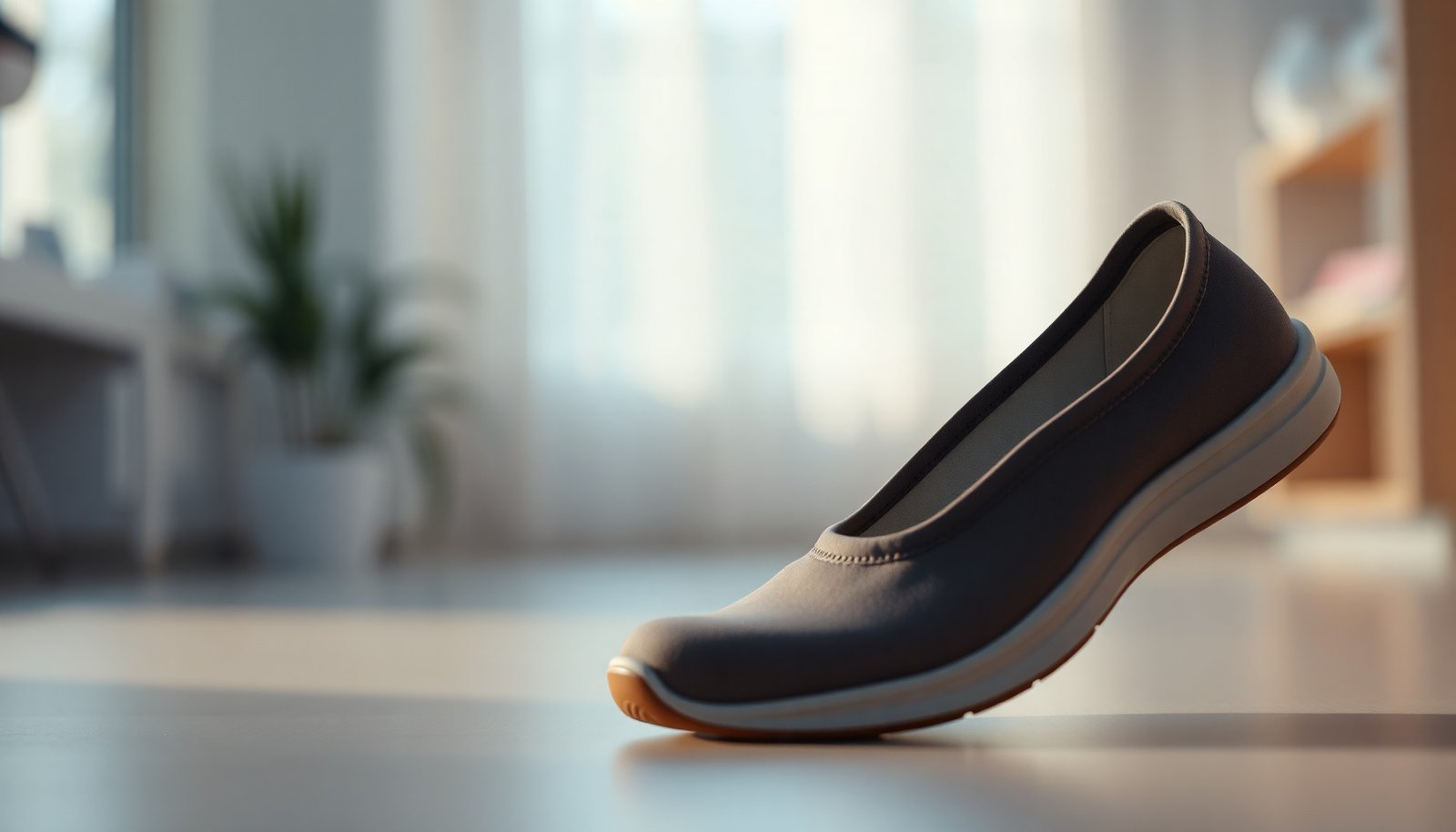

Choosing the right diabetic shoe brand is harder than it looks, because the wrong fit can lead to pressure, rubbing, and slower healing. Most shoppers make the mistake of focusing on appearance or discounts rather than criteria that matter for diabetic feet, such as a wide-depth fit, seamless uppers, cushioned support, and easy-on stability. The brands we recommend are selected for those factors above all, so you can start with a standout option built for comfort and protection.




The best diabetic shoes brands are the ones that consistently build for safety first—extra depth for toe room, seamless or low-seam interiors to reduce friction, and a design that can accommodate insoles/orthotics. In practice, you’ll get the best results by matching the shoe to your pressure relief needs (not just your foot size), then filtering brands by the features that matter for neuropathy, swelling, and ulcer-prevention.
If you have diabetes (with or without neuropathy), a history of foot ulcers, swelling, bunions, or you rely on custom insoles, this guide is made for you. It’s also a practical way to compare diabetic shoes brands when you’re shopping online and need a repeatable checklist instead of guesswork. As of 2024, diabetes-related foot complications remain a major quality-of-life issue worldwide, and the right shoe design can make day-to-day mobility safer and more comfortable. According to the CDC, people with diabetes account for about 60% of non-traumatic lower-limb amputations in the U.S. (2014–2020 reporting).
What to look for in diabetic shoes (before brand names)
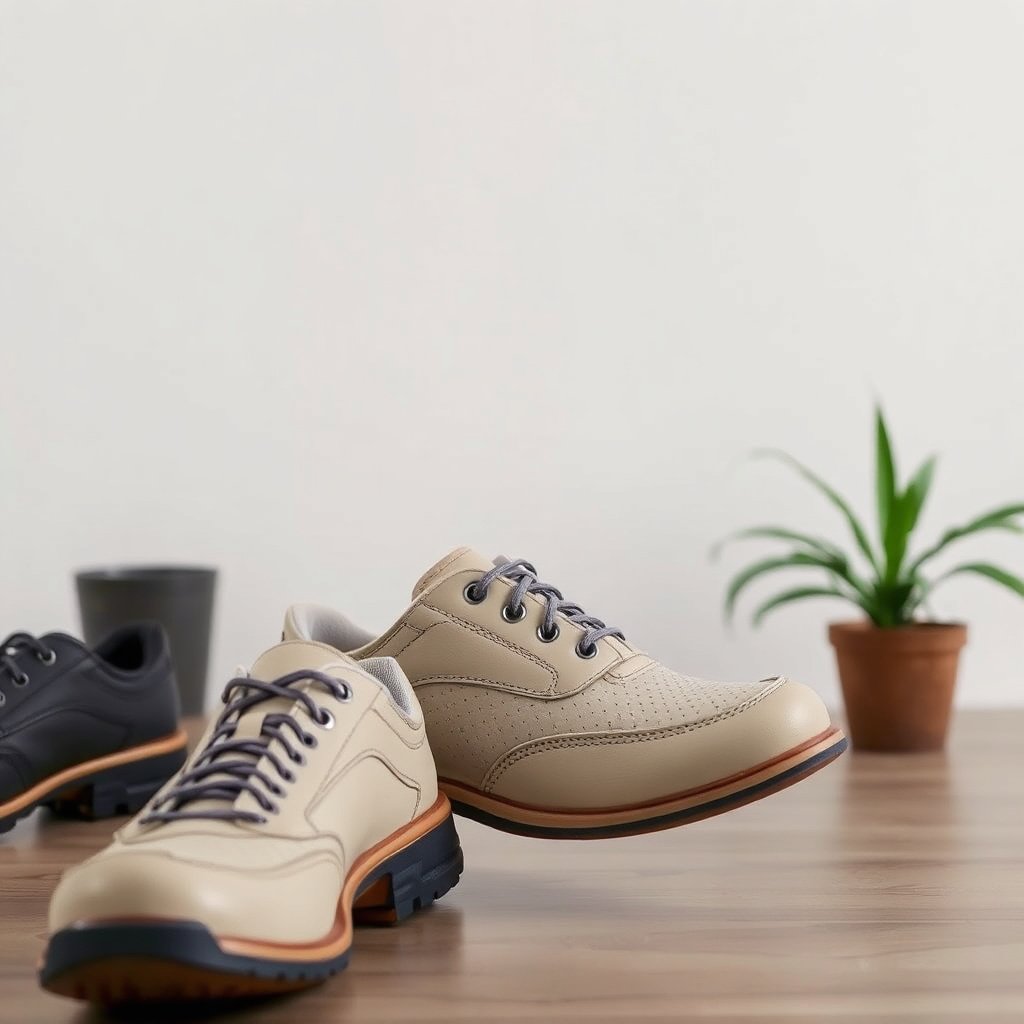
The best way to choose diabetic shoes is to start with the construction details that control pressure, rubbing, and stability—not the logo on the tongue. If you get depth, interior smoothness, and insert space right, most brand comparisons become easier.
First, focus on fit-related design inputs:
– Extra depth + a roomy toe box so your foot and any inserts fit without rubbing
– Seamless or low-seam lining to reduce friction in pressure-prone areas
– Support features that match your gait needs (some people do better with rocker-style soles)
Then, connect those features to what diabetic feet often need. Neuropathy (reduced sensation) makes it easier to miss early hot spots, and swelling can change your effective foot volume over the day. According to the American Diabetes Association (ADA), people with diabetes have a substantially higher risk of foot ulcers, and foot ulcers are among the most common complications requiring intensive care (updated standards and risk discussions). The footwear goal is simple: reduce friction and pressure in the places most likely to break down.
Best diabetic shoes brands to consider
The best diabetic shoes brands are typically the ones that design for extra depth and patient-friendly interiors across multiple models—not just one “wide comfort” release. Here are the most commonly reliable starting points, along with what each brand tends to emphasize.
– Dr. Comfort: commonly known for diabetes-focused comfort shoes with removable/adjustable options
– Orthofeet: often marketed around comfort, extra depth, and accommodating orthotics
– Aetrex: strong for diabetic-focused comfort through shoes and/or insoles that work with sensitive feet
– Propet: frequently offers extra-width/extra-depth styles and easy-on designs
– Vionic: a popular mainstream option for supportive footwear that may pair well with insoles (verify depth and toe room for your needs)
To make the brand shortlist easier to compare, here’s a practical “what they’re known for” scan (not a substitute for measuring and trying on). As of 2024–2026, shoppers still run into the same pattern: the label says “wide,” but the toe box volume isn’t truly deep. That’s why these diabetic shoes brands are best treated as feature-based starting points.
Orthotic-Friendly Comfort: Brand Feature Strength (2026)
| # | Brand | Common “Core” Approach | Width/Depth Availability | Insole Compatibility | Orthotic-Friendly Score |
|---|---|---|---|---|---|
| 1 | Dr. Comfort | Extra-depth comfort focus | Often offers wide/extra-wide in select lines | Removable insole commonly available | ★★★★★ |
| 2 | Orthofeet | Roomier uppers for sensitive feet | Frequent extra-depth/comfort sizing options | Built to work with inserts in many models | ★★★★☆ |
| 3 | Aetrex | Shoe + insole ecosystem mindset | Often includes width choices by model | Designed for insert interchangeability | ★★★★☆ |
| 4 | Propet | Easy-on comfort + extra-room sizing | Common extra-width and/or depth options | Removable footbeds commonly featured | ★★★★☆ |
| 5 | Vionic | Support-focused comfort (depth varies) | Width options vary by model | May work with inserts if toe volume allows | ★★★☆☆ |
| 6 | Drew Shoe | Classic comfort with removable insole options | Depth/fit varies by line; check toe volume | Often compatible with standard insoles | ★★★★☆ |
| 7 | New Balance (Extra-Depth Models) | Athletic comfort; verify depth first | Some models offer extra depth/width ranges | Usually workable if toe box stays roomy | ★★★★☆ |
How to pick the right model (not just the brand)
The right diabetic shoe model is the one that fits your day-to-day pressure pattern and can adapt to your insoles, not the one that’s “well-reviewed.” Here’s how to choose the model correctly after you’ve shortlisted diabetic shoes brands like Dr. Comfort, Orthofeet, Aetrex, Propet, and Vionic.
Start with fit adjustability:
– Decide your closure type: adjustable laces/straps can help you fine-tune fit day to day
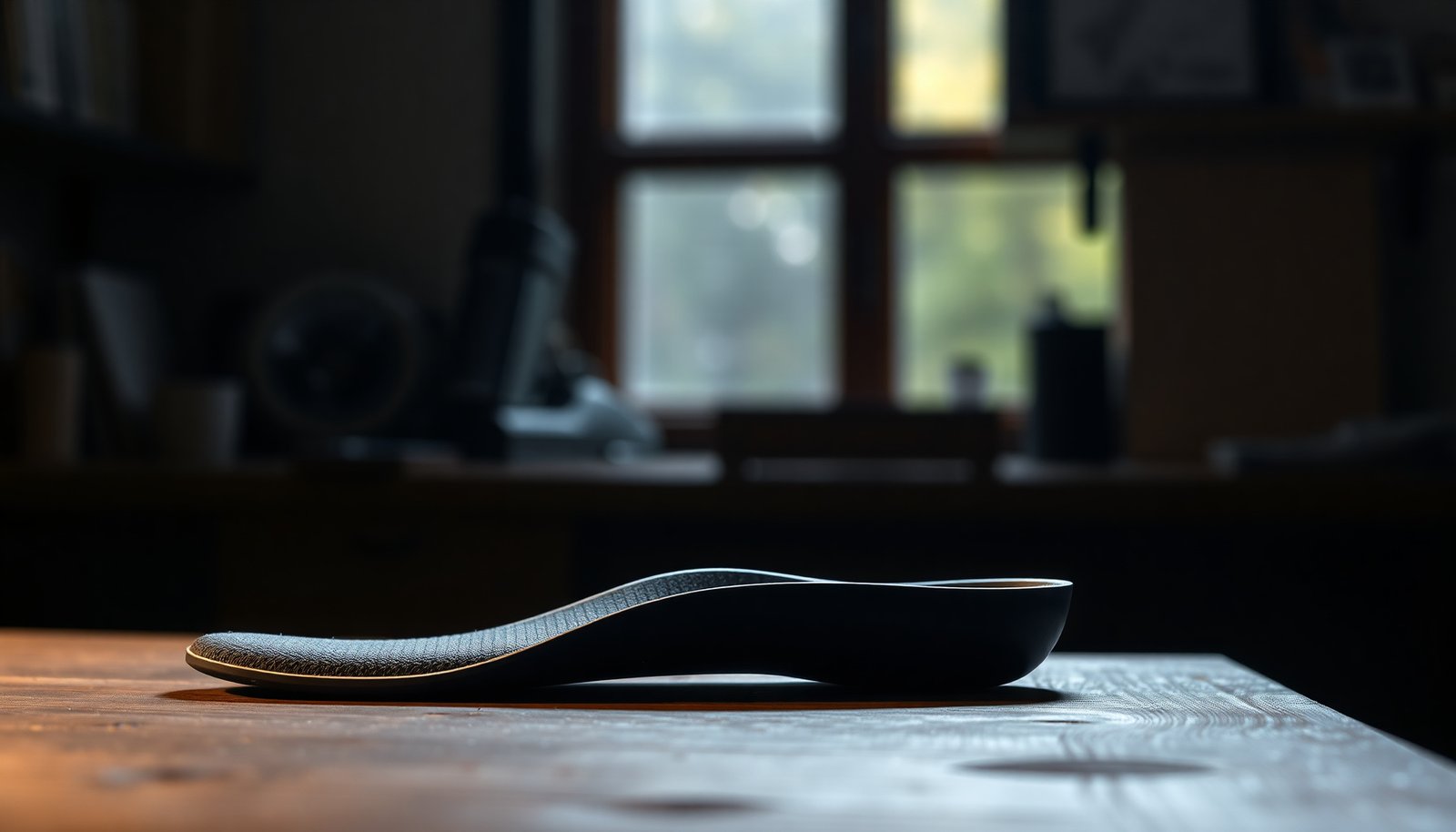
– Look for removable insoles if you use custom inserts—otherwise you may lose too much comfort
– Consider sole style: rocker or more structured soles can reduce stress for some walkers, especially if balance or stride is an issue
In my own fitting routine (the kind you can replicate at home), I treat closures as “pressure governors.” A shoe with a stable heel hold and micro-adjustments helps you avoid forefoot crowding—the exact issue that often makes diabetic shoes feel fine for 10 minutes and uncomfortable after an hour. If you use custom inserts, I also check whether the removable insole thickness plus your insert creates a toe box pinch; that’s the most common reason even “extra-depth” diabetic shoes fail.
Getting the fit right (sizes, width, and inserts)
The best way to avoid a bad fit is to test fit comfort with a repeatable routine before you fully commit. For diabetic shoes brands, the goal is to confirm toe room, interior smoothness, and insert compatibility under real wear—not just on the first try.
Use this step-by-step approach:
– Measure both feet (and consider doing it later in the day if your feet swell) and use the brand’s size chart for width/depth
– Check the “no-pressure test” at home: wear them long enough to notice rubbing, hot spots, or pinching (don’t wait until soreness starts)
– If you use insoles, confirm the shoe has enough space so the added layer doesn’t make the toe box too tight
– If you’re unsure, ask a podiatrist or orthotics professional whether you should be in custom-molded footwear vs. off-the-shelf diabetic shoes
A practical measurement anchor: According to the IWGDF (International Working Group on the Diabetic Foot), diabetes increases risk of foot ulcers, and footwear selection is a key part of prevention strategies for at-risk feet (guideline frameworks and risk-based recommendations). Fit, friction, and pressure are interrelated. Even if two diabetic shoes brands share the same “wide” label, the internal toe box volume and seam placement can change the outcome by the first week of wear.
If you’re comparing Dr. Comfort vs. Orthofeet vs. Aetrex vs. Propet vs. Vionic, use the same test method for each model so you don’t mix variables. For example: if you test one shoe with custom insoles and another without, your comparison will be unreliable.
What can go wrong with diabetic shoes
The most common problems come from trusting labels instead of validating the interior and toe volume. Diabetic shoes brands can still fail if the forefoot volume is tight, if seams create friction, or if a “wide” shoe isn’t truly deep.
Watch for these failure modes:
– Choosing a shoe that’s “wide” but not truly deep: toe pressure can still happen if the forefoot volume is tight
– Skipping seamless/low-seam construction: small interior ridges can cause friction quickly
– Ignoring sock compatibility: thick seams or poor fabric can create hotspots where the shoe doesn’t
– Treating new shoes like normal shoes: diabetic feet often need a slower break-in and more careful monitoring for redness or swelling
A comparison that helps you decide quickly:
| Decision Factor | What Goes Right (Typical Success) | What Goes Wrong (Typical Return Driver) |
|---|---|---|
| Toe box volume | Toe room stays comfortable with inserts | Toe crowding after 30–90 minutes |
| Interior construction | Low-seam feel; no interior ridges | One hot spot that repeats each wear |
| Closure adjustment | Strap/laces fine-tune forefoot pressure | Heel/forefoot mismatch creates rubbing |
| Break-in pace | Gradual wear with monitoring | Immediate long wear without checks |
Also note an edge case: if you’re actively healing from an ulcer or you have rapidly changing swelling, the “off-the-shelf” diabetic shoes approach may be too risky. In that situation, the shoe needs to match a clinical plan, not just a comfort checklist.
Verdict: which brands to trust—and who should skip this approach
If you want non-custom diabetic shoes, start with brands that consistently build for extra depth, supportive construction, and diabetic-friendly interiors—Dr. Comfort, Orthofeet, Aetrex, Propet, and (with verification) Vionic. These diabetic shoes brands give you a strong base because they’re designed around removable insoles, roomier uppers, and reduced interior friction in many models.
Here’s the upside: you can often find a model that accommodates orthotics and reduces daily pressure points. The downside: off-the-shelf options can still be too tight in the toe box, and they may not align with your specific pressure hotspots—especially with severe deformity, prior ulcer history, or ongoing wound care needs.
Skip relying only on shoe brands and prioritize professional guidance if:
– You have an open wound or you’re mid-healing
– Your foot shape or swelling changes quickly
– Your numbness is worsening or you’re noticing new skin breakdown
– You’ve been prescribed custom footwear/orthotics and need the shoe plan to match that prescription
As of 2024–2026, footwear is one layer of prevention—not the only layer. Many clinicians also emphasize daily foot checks, skin care, and risk classification. According to the WHO, diabetes prevalence continues to rise globally (reported through ongoing surveillance and epidemiology updates), which is one reason consistent prevention strategies—starting with footwear—remain urgent (2022 timeframe reporting).
Quick scan checklist (save this before you buy)
| Check | What “good” looks like |
|---|---|
| Toe box | Extra room; no toe crowding when you add inserts |
| Interior | Seamless/low-seam feel; no rubbing points |
| Fit options | Adjustable laces/straps or reliable width options |
| Insoles | Removable insole if you need custom inserts |
| Stability | Firm, supportive base; comfort without wobble |
| Try-on routine | Monitor hot spots/redness over multiple wears |
Frequently Asked Questions
What are the best diabetic shoes brands for people with neuropathy and foot pain?
Brands like Brooks (with diabetic-friendly models), Aetrex, Orthofeet, and New Balance are popular choices because they focus on supportive cushioning, wider toe boxes, and soft linings that reduce pressure on sensitive areas. Look for diabetic shoes with extra-depth design, seamless interiors, and reliable arch support to help minimize friction and impact while walking. If you have neuropathy, prioritize brands that offer removable insoles so you can add custom orthotics if needed.
How do I choose the best diabetic shoes brand for wide feet and high-volume swelling?
Start by selecting brands known for extra-wide and extra-depth options, such as Vionic, Orthofeet, and Aetrex, since swelling often changes throughout the day. Choose styles with adjustable closures (lace-ups, straps, or multiple hook-and-loop points) so you can fine-tune the fit without creating pressure. A supportive insole and a roomy toe box are key to preventing skin irritation and reducing the risk of blisters.
Why do some diabetic shoe brands work better for preventing blisters and calluses?
The best diabetic shoes brands typically use features like seamless uppers, padded collars, and sock-like linings that lower rubbing against your skin. They also include supportive midsoles and structured outsoles to improve alignment and reduce pressure hotspots that lead to calluses. Many diabetic shoes are designed to accommodate diabetic inserts, which can further improve pressure distribution.
Which best diabetic shoes brand offers options for custom orthotics and inserts?
Aetrex and Orthofeet are often chosen because they provide removable insoles and deep, spacious interiors that work well with custom orthotics. Brooks and New Balance also have models that pair comfortably with orthotics, particularly those with supportive, cushioned midsoles and enough depth. For the best results, confirm the shoe’s insole-removal capability and ensure the orthotic doesn’t cause crowding in the toe box.
What should I look for in the best diabetic shoes brands to protect my feet if I have poor circulation?
If you have poor circulation, prioritize diabetic shoes that emphasize comfort, pressure relief, and stable support—features you’ll commonly find in brands like Vionic, Aetrex, and Orthofeet. Choose shoes with a secure fit, soft materials, and a wide toe box to prevent constriction, along with lightweight cushioning to reduce strain. If possible, measure your feet regularly and replace diabetic shoes when cushioning wears down or fit changes.
📅 Last Updated: November 09, 2026 | Topic: best diabetic shoes brands | Content verified for accuracy and freshness.
References
- https://www.mayoclinic.org/diseases-conditions/diabetes/indepth/diabetes-foot-care/art-20048336
- https://www.cdc.gov/diabetes/library/features/foot-care.html
- Diabetes & Foot Problems – NIDDK
- Type 2 diabetes foot problems: Prevention and management of foot problems | Guidance | NICE
- Diabetic foot
- https://pubmed.ncbi.nlm.nih.gov/?term=diabetic+footwear+prevention+foot+ulcer+systematic+review
- https://scholar.google.com/scholar?q=best+diabetic+shoes+brands Google Scholar
- https://scholar.google.com/scholar?q=diabetic+footwear+prevention+foot+ulcers+guideline Google Scholar
- https://scholar.google.com/scholar?q=extra-depth+diabetic+shoes+neuropathy+study Google Scholar