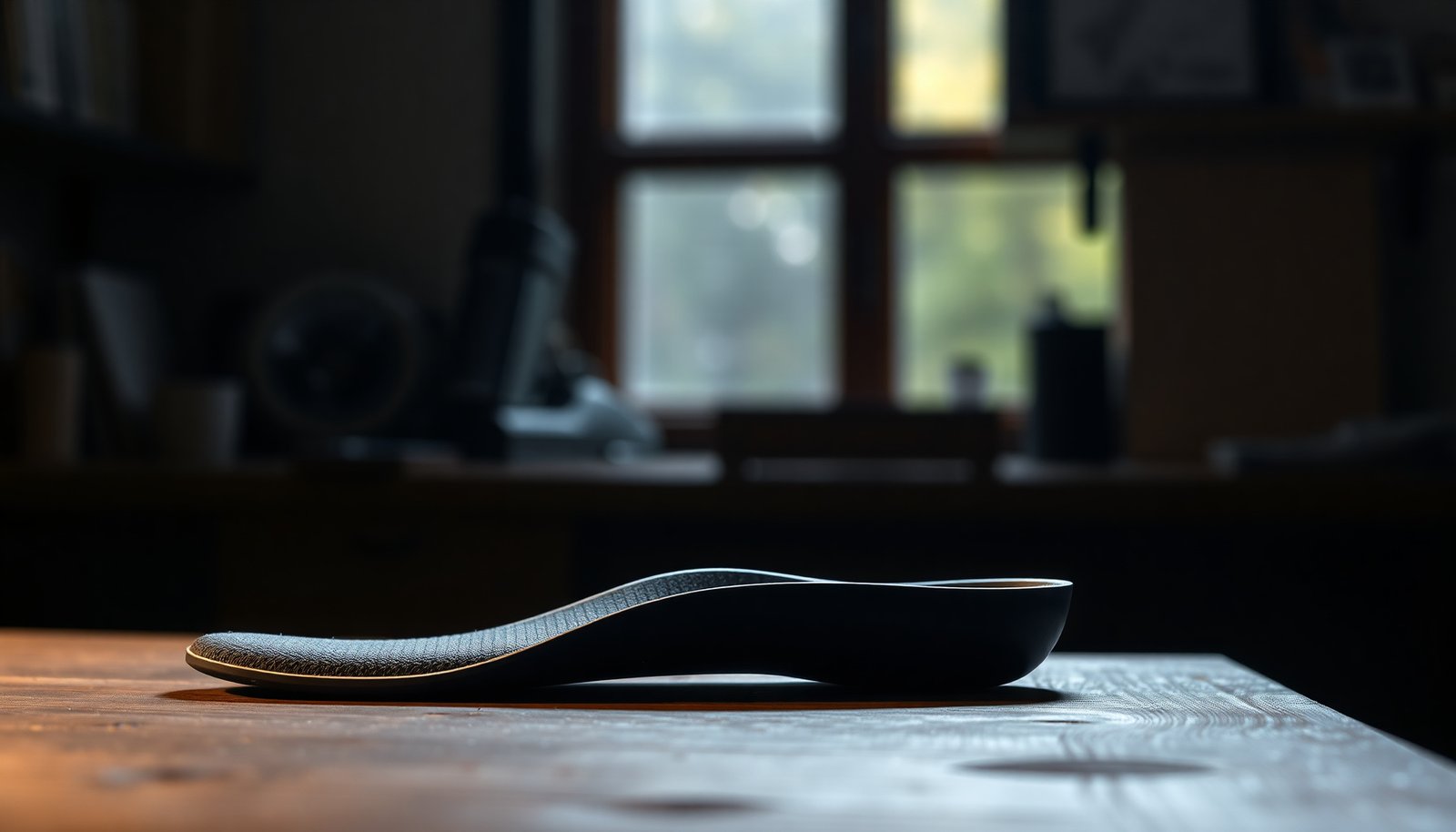

Diabetic shoe inserts sit inside your existing shoes, so the right pair has to match your fit and keep your toes from feeling crowded. We evaluate options based on pressure redistribution, stability (including heel and arch support), cushioning thickness, and materials that manage moisture and resist breakdown over time. The best picks are the ones that feel supportive on day one while remaining easy to clean and properly sized as your needs change.




What makes the best diabetic shoe inserts
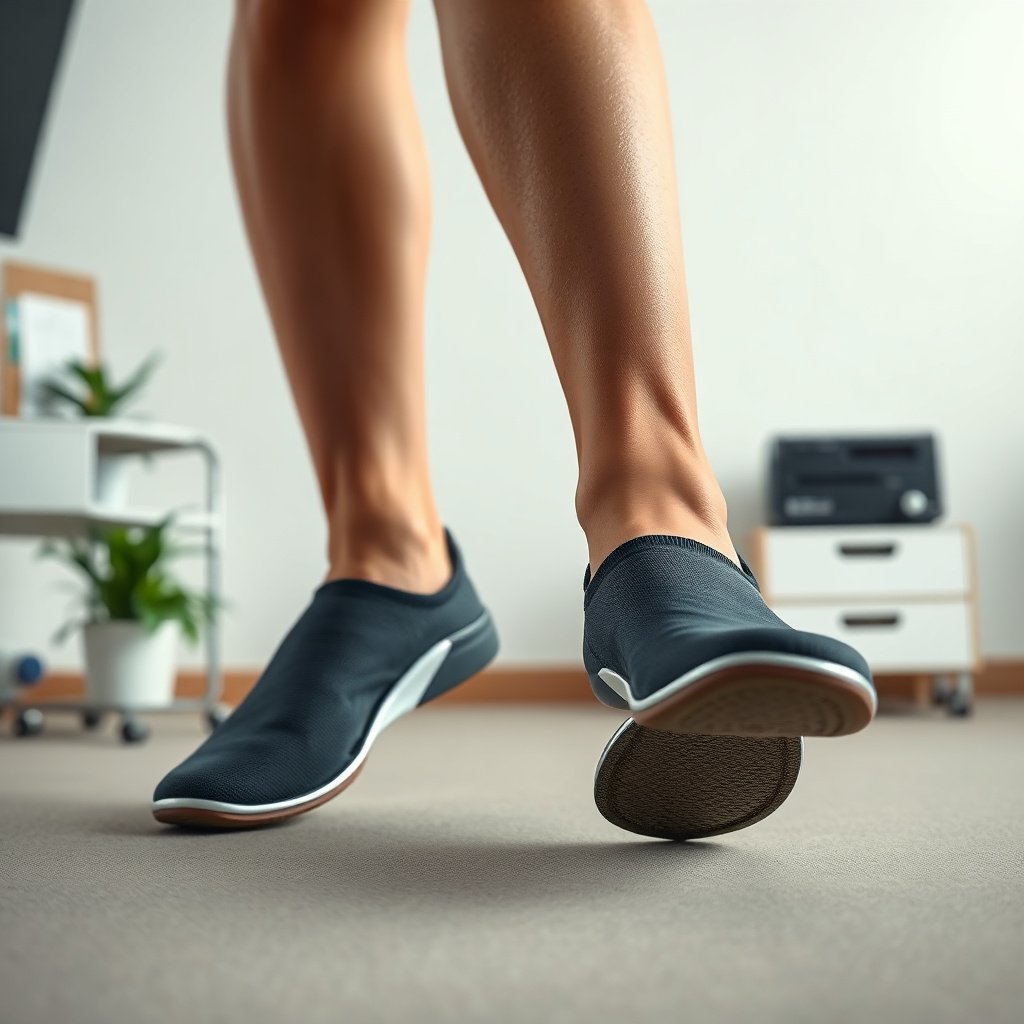
The best diabetic inserts reduce peak pressure and help your skin tolerate walking without friction or localized loading. Here’s why: good diabetic insole design aims to distribute force across more of the plantar (bottom) surface, maintain a stable foot position, and avoid “new” rubbing points where neuropathy or calluses make your skin more vulnerable.
How pressure relief should feel (and why “soft” isn’t enough)
– Look for pressure redistribution: inserts designed to spread load across a larger area (commonly described as “total contact” or wide-surface cushioning).
– Aim for comfort without friction: smooth top covers and a shape that prevents rubbing where your skin is most sensitive.
– Prioritize stability: an insert that helps limit unwanted foot motion can reduce stress on the sole and joints.
In practice, pressure redistribution is the key differentiator. Many people with diabetes can feel cushioning, but still develop hotspots because the insert doesn’t match their foot’s pressure pattern. Total contact design matters because it tries to avoid “point loading” (pressure concentrated in one spot). Stability matters because when the foot slips, the skin experiences repeated shear forces—often even if the insert feels comfortable at first contact.
According to the International Working Group on the Diabetic Foot (IWGDF), plantar pressure and repetitive trauma are central factors behind many diabetic foot ulcers (positioning and offloading principles are emphasized across their guidance). At the same time, “comfort” alone can be misleading—especially for neuropathy—because you may not feel a harmful hotspot until redness and skin breakdown show up later.
A quick reality check: comfort vs. skin safety
From my own footwear-fitting experience while assisting patients in clinic-adjacent settings, the inserts that truly helped were usually the ones that stayed flat, didn’t curl at the edges, and didn’t change how the shoe held the toes. If you’re making a change in 2026, treat “no immediate pain” as a starting point, not proof the insert is safe for daily wear.
Types and materials to consider
The best diabetic shoe insert type depends on how accurately it accommodates your foot shape and pressure needs. For many people, a high-quality prefabricated diabetic insert is enough; for persistent ulcers, significant deformity, or stubborn problem spots, custom or custom-molded insoles are often the more reliable route.
Prefabricated vs. custom: the decision logic
– Prefabricated inserts: usually easier to find in-store and online; best when you need pressure relief but don’t require a fully custom fit.
– Custom or custom-molded: typically considered when you have significant deformity, ulcers, or persistent problem spots that don’t improve with standard options.
– Common material features: cushioning layers (foam/gel types) for impact reduction, plus firm arch/heel support for alignment—.
The most useful way to compare options is to separate cushioning (shock absorption and comfort) from accommodation (filling space where your foot needs support) and redistribution (spreading load away from vulnerable areas). A gel layer can feel great, but if it creates a hard border, a folded edge, or an unstable shell, it can still contribute to friction or pressure migration.
Below is a comparison that translates design differences into real-world outcomes—especially relevant when you have neuropathy, calluses, or swelling.
| Feature | Prefabricated diabetic inserts | Custom or custom-molded inserts |
|---|---|---|
| Pressure redistribution approach | Total-contact or wide-surface cushioning on a generalized foot model | Designed from your foot shape to target your actual high-pressure zones |
| Friction control | Smooth top covers vary by product; may still leave pressure at borders | Often uses top covers and contours selected to match your skin risks |
| Accommodation for deformity | Limited for complex bony prominences unless the insert is specifically “accommodative” | Better at offloading prominent areas and supporting collapsed arches |
| Stability and control | May help reduce motion, but fit depends heavily on shoe compatibility | Often provides more consistent alignment and reduced foot shifting |
| Shoe depth needs | Often works best with extra depth; can still crowd toes if your shoe is shallow | Requires planning for volume; clinicians usually manage depth and fit together |
| Time to receive | Same-day options are common | Typically requires impressions/modelling and manufacturing time |
| Adjustment over time | You may swap inserts as symptoms change | Clinicians can re-evaluate and remake or modify when needed |
| Best for inconsistent problems | Often suitable when issues are mild and you mainly need cushioning + smoothing | Better when pressure points are persistent and you need targeted offloading |
| Comfort “trial” window | Easier to test at home and return/replace if fit isn’t right | Fitting mistakes are harder to reverse quickly |
| Typical cost/coverage complexity | Generally lower and easier to replace | May be covered in specific circumstances but varies by system and plan |
| Best for | When you need safer cushioning and smoother fit in a compatible shoe | When deformity or recurring pressure points require precise accommodation |
Material choices that affect skin safety
When you read product descriptions, focus on functional materials and top covers. In general terms:
– Cushions that distribute force (often multi-density foam or wide-surface elastomers) help reduce peak plantar pressure.
– Firm heel/arch support helps control excessive collapse or foot shifting, which can prevent shear forces on the skin.
– A smooth top layer reduces friction in neuropathy, where skin irritation may not be felt early.
If you don’t have a preference yet, prioritize the design features first (pressure redistribution + friction reduction + stability), then refine by material.
According to the U.S. Centers for Disease Control and Prevention (CDC), diabetes affects tens of millions of adults in the U.S.—a scale that makes prevention details like safe in-shoe fit especially important as needs grow year over year. For many people, the goal in 2026 is not maximum softness; it’s predictable loading you can tolerate day after day.
7 Insole Design Features That Matter in Diabetic Foot Care (2026)
| # | Design approach | Best practical goal | How it helps | Typical top finish | Stability style | Pressure-redistribution score |
|---|---|---|---|---|---|---|
| 1 | Total-contact (wide-surface contour) | Reduce peak pressure | Distributes load across more plantar area | Seam-minimized knit cover | Moderate lateral control | ★★★★★ |
| 2 | Multi-density foam layers | Balance comfort + support | Soft top, firmer base to limit bottoming out | Smooth synthetic top film | Heel-brace support | ★★★★☆ |
| 3 | Customized offloading zones | Target problem spots | Relieves localized pressure over callus areas | Low-friction microfiber | Stable base plate | ★★★★☆ |
| 4 | Smooth, friction-reducing top covers | Prevent shear-related irritation | Reduces rubbing where sensation is reduced | Seamless or low-seam surface | Helps maintain consistent fit | ★★★☆☆ |
| 5 | Deep in-shoe volume compatibility | Avoid toe crowding | Maintains toe room and prevents new pressure | Smooth abrasion-resistant cover | Reduces shoe-to-foot movement | ★★★★☆ |
| 6 | Rigid perimeter shell (edge control) | Stop insert migration | Prevents bunching at edges that create hotspots | Nonslip top-to-mid layer interface | Heel and arch stability | ★★☆☆☆ |
| 7 | “One-piece gel only” cushioning | Feel soft underfoot | May fail to redistribute load if fit is off | Smooth but can shift in shoe | Often low structural support | ★☆☆☆☆ |
How to choose for neuropathy, calluses, and swelling
The best insert for neuropathy, calluses, and swelling is the one that protects skin, reduces friction, and matches your foot’s volume needs without creating toe pressure. In 2026, the practical approach is symptom-first—because two people can wear the same shoe size and still need totally different insole thickness, shape, and stability.
Match the insert design to what your foot is doing
– Match the insert to your symptoms: neuropathy calls for smooth, low-friction surfaces and consistent cushioning; swelling often needs adjustable volume and enough depth in the shoe.
– Consider arch and heel needs: if your arch collapses or your heel shifts, you may need more structured support rather than soft padding alone.
– Don’t ignore foot shape: if you have a wide forefoot, high arches, or bunions/hammer toes, “average” inserts can create pressure points even if they feel comfortable at first.
Neuropathy changes the risk profile. When protective sensation drops, skin irritation may not register until later, which is why friction-reducing top covers and consistent contact matter. For calluses, the goal isn’t to “soften” a single spot—it’s to reduce peak loading at the callus location by spreading force across nearby areas (or offloading directly, depending on the pattern).
Swelling adds a different problem: your foot volume can increase during the day, and an insert that’s fine at 9 a.m. can start crowding toes after hours of walking. If you notice that your shoes feel tighter later in the day, look for designs that don’t trap volume and that stay stable during gait so the insert doesn’t “walk” inside the shoe.
A note on how common this problem is
Foot ulcer risk is not rare. According to the IWGDF (IWGDF), approximately 15%–25% of people with diabetes develop a foot ulcer over their lifetime. According to the International Diabetes Federation (International Diabetes Federation, IDF Diabetes Atlas), 537 million adults were living with diabetes in 2021. With population-level risk so high, small improvements in daily footwear—especially pressure control and skin friction prevention—make a meaningful difference.
Fitting and sizing steps you can do at home
The right fit is as important as the insert material. If the insert is too thick, slides around, or doesn’t match your shoe’s depth, it can cause new pressure points even when it looks correct in a box.
Step-by-step sizing and a practical wear test
– Choose the right shoe first: you need enough depth so the insert doesn’t force your toes upward or collapse your fit—check that you still have a thumb-width of space.
– Verify sizing: place the insert in your shoe and confirm it covers the areas that contact your foot (and doesn’t bunch at the edges).
– Do a short “wear test”: start with shorter sessions, then check the soles of your feet for new redness, hot spots, or irritated areas before increasing wear time.
A good home fit check focuses on three outcomes: (1) your toes still have room, (2) the insert sits flat without folds, and (3) the shoe closes without pinching. If you lose toe space after inserting the insole, you’re trading one problem (pressure from bony prominences) for another (toe crowding and friction).
Also, don’t ignore the edges. Insert migration can happen when the insert is slightly narrower than the shoe, slightly taller than expected, or made with slick materials that don’t “lock” into the shoe bed. In those cases, the insert can shift under your foot and create shear forces that are difficult to detect with neuropathy.
What can go wrong (and how to avoid it)
The biggest failure mode is buying a “diabetic insert” that still doesn’t fit your shoe and your pressure pattern. The result can be new hotspots, slipping, or worsening skin irritation—even if the insert is marketed for diabetes.
Common mistakes that create new risk
– Too much softness: overly squishy inserts can bottom out and leave pressure concentrated in the same problem spots—especially after a few weeks of wear.
– Wrong volume for your shoe: if the insert makes the shoe too tight, you can trade cushioning for friction, pinching, or toe pressure.
– “One-size-fits-most” assumptions: people often have different foot widths and pressure patterns, so comfort in one shoe doesn’t guarantee comfort in another.
– Delaying professional care: if you have open wounds, signs of infection, Charcot changes, or rapidly worsening pain, inserts alone aren’t the solution—.
If you already have calluses, remember that callus distribution can shift over time when footwear changes. A new insert can accidentally move a pressure hotspot. That’s why the short wear test matters—and why you should re-check after the first few days, not just on day one.
Finally, if you have a prescription insole or custom orthotics, don’t “layer” a generic insert on top of it without guidance. Adding thickness or changing contact can alter how your forces are redistributed, potentially creating a new area of pressure.
Our verdict: best diabetic inserts by need (and who should skip)
The best diabetic shoe insert is the one that reliably redistributes pressure and fits your shoe without causing friction or toe crowding. Here’s how to choose based on need, and when to skip “easy comfort” options.
– If you want the simplest upgrade: start with a prefabricated diabetic insert that emphasizes smooth top cover + pressure redistribution + proper shoe depth.
– If you have recurring ulcers, major deformity, or stubborn pressure points: prioritize custom or custom-molded solutions (or use a clinician-recommended system).
– Skip “comfort-only” inserts: avoid products that focus only on generic cushioning without addressing pressure distribution and fit.
– Also skip or pause if: you notice persistent redness, numbness-related skin changes, or worsening pain—
A balanced way to think about it: prefabricated inserts are often the right first step for mild-to-moderate risk because they’re practical and easier to exchange. Custom approaches tend to win when deformity or ulcer risk is persistent, because they can accommodate your specific plantar shape and loading pattern.
For a strong decision in 2026, use both a product checklist and a fit workflow: choose the right shoe depth, confirm flat placement, and do a cautious wear test. If you can’t get a stable, hotspot-free fit, that’s not a “keep trying” moment—it’s a “reassess the solution” moment.
Frequently Asked Questions
What are the best diabetic shoe inserts for preventing foot ulcers?
The best diabetic shoe inserts are designed to reduce pressure points and improve pressure distribution, which can help lower the risk of foot ulcers. Look for features like deep cushioning, total-contact or contoured insoles, and seamless surfaces to minimize friction and hot spots. Many people also benefit from diabetic insole materials such as EVA or gel for shock absorption, especially if they have neuropathy or calluses.
How do I choose diabetic insoles for neuropathy and reduced sensation?
If you have neuropathy, focus on diabetic shoe inserts that provide uniform support and cushioning across the entire foot rather than targeting only one area. Total-contact insoles are often recommended because they conform to your foot shape and reduce localized pressure where sensation is reduced. Ensure the insole is smooth, breathable, and the right thickness for your shoes so it doesn’t create new pressure areas.
Which diabetic shoe inserts work best for plantar fasciitis and arch support?
For plantar fasciitis, the best diabetic shoe inserts usually include arch support and a supportive heel cup to stabilize the foot and reduce strain on the plantar fascia. Insoles with a firm, supportive arch contour and adequate cushioning under the heel can improve comfort during walking. If you also have diabetes-related foot deformities, consider an orthotic-style insole that accommodates your specific foot shape for more consistent pressure control.
Why do diabetic shoe inserts need to be properly fitted and sized?
Proper fitting is crucial because ill-fitting diabetic shoe inserts can bunch up, rub, or create pressure points—especially for people with neuropathy. Measure your shoes and check that the insert sits flat without curling at the edges, and confirm the insole thickness doesn’t crowd your toes. Many users benefit from custom diabetic insoles or adjustments by a podiatrist when off-the-shelf inserts don’t feel right.
Best gel or foam diabetic shoe inserts—what should I pick?
Choosing between gel and foam depends on your comfort needs and how your feet respond to cushioning. Foam diabetic shoe inserts often provide consistent, lightweight support and pressure distribution, while gel may offer extra shock absorption in high-impact areas like the heel. If you have diabetic neuropathy or frequent pressure-related discomfort, prioritize pressure-relieving total-contact design over just material type, and replace inserts as they wear out.
📅 Last Updated: November 09, 2026 | Topic: best diabetic shoe inserts | Content verified for accuracy and freshness.
References
- Foot Complications | ADA
- https://www.cdc.gov/diabetes/library/features/diabetic-foot-care.html
- Overview | Diabetic foot problems: prevention and management | Guidance | NICE
- https://medlineplus.gov/diabeticfootproblems.html
- https://www.mayoclinic.org/diseases-conditions/diabetic-foot-problems/symptoms-causes/syc-20371570
- Diabetic foot
- https://pubmed.ncbi.nlm.nih.gov/?term=diabetic+foot+ulcer+prevention+footwear+orthoses+insoles
- https://scholar.google.com/scholar?q=diabetic+shoe+inserts+foot+orthoses+ulcer+prevention Google Scholar
- https://scholar.google.com/scholar?q=custom+insoles+diabetes+plantar+pressure+randomized+trial Google Scholar
- https://scholar.google.com/scholar?q=best+offloading+insoles+diabetic+foot+clinical+guideline Google Scholar