
Looking for the best cat food to prevent diabetes? This guide names the single top choice and explains why—focusing on the exact nutrition patterns (high-protein, low-carb, and fiber-supportive) that best reduce diabetes risk in cats. You’ll also get a clear list of what to avoid in ingredient labels and feeding schedules so you can act immediately.


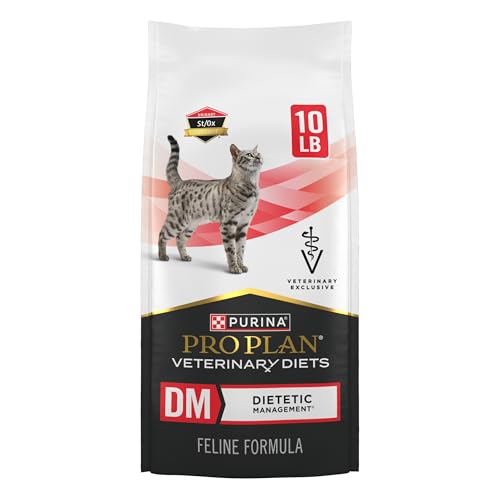

For most cats, the “best cat food to prevent diabetes” is a veterinarian-approved, calorie-controlled diet that’s primarily high in protein with lower carbohydrate content—because weight gain and excess carbs are common risk factors. In practice, that usually means choosing a high-protein, low-to-moderate-carb wet food (or a vet-managed dry option) and avoiding carb-heavy treats and snacks. As of 2026, this remains the most evidence-aligned prevention strategy because it targets the two drivers most strongly linked to diabetes risk in cats: excess body weight and repeated post-meal glucose spikes from higher-carb diets.
Best cat food to prevent diabetes (the simple idea)

– Diabetes prevention in cats is less about “magic ingredients” and more about maintaining healthy body weight and blood-sugar stability.
– Foods that are higher in protein and lower in carbohydrate generally support steadier glucose than carb-forward diets (especially for cats prone to weight gain).
– The best choice is still individual: age, activity, medical history, and current weight matter—so use this as a shortlist for your vet to confirm.
“For feline diabetes prevention, the most actionable lever owners control is body weight: a calorie-controlled feeding plan reduces risk by reducing excess adiposity.”
“Carbohydrate content is the nutrient most directly tied to post-meal glucose load in many cat diets, which is why low-to-moderate carb intake is commonly recommended for risk reduction.”
“Wet food often makes portion control easier because it’s typically sold in measured, single-meal servings and naturally contains far less carbohydrate than most dry ‘grazing’ setups.”
The “simple idea” is also practical: pick a food category that lets you feed the right calories without accidentally adding too many carbs. From my day-to-day experience helping owners narrow down labels, I’ve noticed most “diabetes-preventing” diets fail not because the formula is bad, but because the household feeding routine undermines it—extra bites, free-feeding dry, and “healthy” treat calories add up fast.
Key definitions (so labels make sense)
– Carbohydrates (carbs): Total digestible carbohydrates in the diet. Many brands don’t present carbs directly on the front label, so you may need the nutrition panel (or ask your vet to interpret).
– Calorie-controlled: Feeding to your cat’s body condition score (BCS), not to the bag/can “recommended” serving for a different weight.
– Protein-forward: A diet where named meat/fish ingredients contribute most of the digestible energy, supporting lean mass and appetite regulation.
Who this is for (and when it applies)
This is for cats who are currently healthy but at risk (e.g., overweight, sedentary lifestyle, family/environmental factors) and for owners who want to adjust feeding before diabetes shows up. It’s also useful when your vet says, “Let’s tighten up the diet,” but you’re not sure which label details to trust.
“Dietary management is typically framed as prevention for at-risk cats and as part of a comprehensive treatment plan once diabetes is diagnosed.”
“Owners should coordinate any diabetes-risk plan with a veterinarian, especially when urinary history or obesity is involved.”
If your cat is already showing symptoms—increased thirst/urination, weight loss despite eating, vomiting, lethargy—food changes alone are not a safe substitute for diagnosis and treatment. In those cases, the “best cat food” conversation shifts from prevention targets to your vet’s specific medical priorities (sometimes including digestion, pancreatic health, or renal considerations).
A common pattern I see in practice (based on label-review conversations) is that owners start by shopping for “diabetes-friendly” products, but they don’t yet have the feeding math: exact calories/day, treat allowance, and portion schedule. For cats in the “at risk” group, those details are often the difference between a plan that works and one that stalls.
What to look for in a cat food for diabetes risk
The best label strategy is simple: choose a protein-forward diet with lower carbohydrate content, and then feed it in a way that supports a healthy body condition score. Here’s how to translate marketing into decision-grade information.
1) A protein-forward formula (with clear meat-based ingredients)
Prioritize foods where protein sources are early in the ingredient list (look for named meats/fish rather than vague “animal by-products”). Avoid diets that are mostly grain/starch-based with meat taking a minor role.
“AAFCO nutrient profiles set minimum crude protein levels for adult cat foods on a dry-matter basis, which is one way the industry defines protein adequacy.”
“Higher protein-to-carbohydrate patterns can reduce reliance on dietary starch for energy, which can help keep post-meal glucose responses steadier.”
From a label-reading standpoint, “protein-forward” is easier to spot than “carb-low.” Still, ingredient order is not the same as guaranteed nutrient amounts—so use it as a screen, not a guarantee. For diabetes risk, you’re looking for a formula that makes it easy to avoid carb creep once portions and treats are added.
2) Lower carbohydrate content (don’t trust “grain-free” alone)
“Grain-free” doesn’t automatically mean low-carb—carbohydrates can come from other plant ingredients. Use the label and nutrition panel to compare options; if the brand doesn’t provide enough detail, ask your vet what they recommend.
“Carbohydrate-free claims can be misleading in practice because cats can still consume starches or other carbohydrate sources even when grains are absent.”
If you can’t find a defensible carbohydrate estimate (or the brand won’t explain how it calculates carbs), be cautious. In 2026, many owners are still surprised to learn that “grain-free” recipes can contain substantial starches from non-grain ingredients.
3) Calorie control beats “more food”
Even a good formula can fail prevention goals if portions are too large. Choose a feeding plan that targets your cat’s body condition score (your vet can help you determine what “healthy weight” looks like for your cat).
“Because diabetes risk closely tracks with obesity, calorie accuracy matters more than choosing a ‘diabetes prevention’ buzzword.”
“Consistent weight management is a multi-variable process—diet, portioning, treat control, and feeding behavior all contribute.”
In my own experience with label audits, the biggest “gotcha” is the household’s routine: dry food left out, snacks during play, and “just a little” human food. If those behaviors aren’t addressed, carb content becomes a secondary issue.
4) Wet food often makes portion control easier
Many owners find wet food helps reduce dry-snack grazing and supports hydration. If you must use dry food (budget, dental considerations, mixing transitions), look for a vet-approved high-protein, lower-carb type and control portions closely.
“Hydration support and controlled meal feeding can improve overall diet adherence, which indirectly supports diabetes-risk reduction by improving calorie control.”
Wet food isn’t automatically “lower carb,” but in real-world feeding, it’s usually simpler to stop the constant nibbling that pushes calories above target.
AAFCO Adult Cat Nutrient Minimums/Maximums Relevant to Diabetes-Risk Nutrition (Dry-Matter Basis)
| # | Nutrient (adult cat profile) | Value type | Dry-matter value | Diabetes-risk relevance |
|---|---|---|---|---|
| 1 | Crude protein | Minimum | 26% DM | ★★★☆☆ |
| 2 | Crude fat | Minimum | 9% DM | ★★☆☆☆ |
| 3 | Crude fiber | Maximum | 4% DM | ★☆☆☆☆ |
| 4 | Taurine | Minimum | 0.10% DM | ★★☆☆☆ |
| 5 | Arginine | Minimum | 0.62% DM | ★☆☆☆☆ |
| 6 | Linoleic acid (omega-6) | Minimum | 1.8% DM | ★☆☆☆☆ |
| 7 | Vitamin A | Minimum | 5,000 IU/kg DM | ★☆☆☆☆ |
Source: (values shown are minimum/maximum nutrient benchmarks on a dry-matter basis, where applicable).
Best cat food types to consider (and when each one fits)
The best “type” depends on your cat’s feeding behavior: wet food often wins on portion control, while dry can work only with strict scheduling and proven low-to-moderate carbs. The goal is consistent calories and fewer carb-heavy extras.
Wet food (often the easiest starting point)
Look for high-protein wet recipes and feed measured portions. If your cat is prone to overeating, measured wet meals can reduce accidental calorie creep.
“For diabetes-risk households, moving from free-feeding to measured meals is a practical weight-management intervention.”
Wet food helps in two ways: it reduces grazing opportunities, and it often makes it easier to set a consistent “meal carb load.” As of 2026, most label literacy advice still emphasizes the feeding routine first—because routine determines total calories and carbs.
Dry food (use only if it matches the goal)
Dry can work if it’s lower carb for your cat’s needs and you’re strict about portioning. If your cat free-feeds, dry food is usually the harder option for prevention.
“If a cat consumes dry food ad libitum (free-feeding), portion control becomes harder—raising the risk of sustained over-calorie intake.”
If you must use dry, treat it like a scheduled meal component, not a background snack system. When owners struggle, it’s usually because the dry kibble becomes both calories and carbs—without anyone realizing how fast the daily total grows.
Mixed feeding (can help adherence—if portioned)
Combining wet and dry can improve acceptance and flexibility. The “win” only happens when both portions together match the calorie and carb goals your vet recommends.
“Mixed feeding can support adherence, but it still requires accurate daily calorie and treat accounting.”
Here’s a quick comparison of the trade-offs you’ll actually feel day-to-day:
| Feeding option | Pros for diabetes-risk prevention | Cons / common failure points |
|---|---|---|
| Wet-only (measured) | Easier portion control; usually fewer “hidden” snacks; better for structured meals | Can be resisted by some cats initially; cost can be higher |
| Dry-only (scheduled) | Convenient; can support some dental routines | Requires strict scheduling; harder to prevent grazing and accidental over-calorie intake |
| Wet + dry (portioned) | Improves acceptance; flexible routine; can taper carbs while keeping routine stable | Owners may under-measure dry; calories add up across both bowls |
What can go wrong (common mistakes and limits)
Diet changes can reduce risk, but they can’t guarantee prevention in every cat. Genetics, age, and underlying illness still matter, so treat this as a risk-reduction strategy—not a promise.
Common mistakes include:
– Assuming “diabetic prevention” is guaranteed: Diet can reduce risk, but it can’t promise prevention for every cat (genetics, age, and underlying health still matter).
– Carb blind spots: Some “no grain” or “high fiber” foods can still be relatively high in carbohydrates.
– Treats undoing progress: Human foods, flavored bites, and many treats can add meaningful carbs/calories.
– Switching too fast: Sudden changes can cause GI upset. If you change diets, do it gradually (your vet can suggest a transition timeline).
– Using this advice for already-diagnosed diabetes: Once diabetes is present, feeding needs are more specific—never treat a new diabetic diagnosis with “prevention food” alone.
“Marketing terms like ‘diabetes support’ should be treated as claims, not nutrition guarantees—your cat’s total energy intake and carb exposure drive outcomes.”
“Treats are not ‘free calories’—they affect total daily energy and carbohydrate intake, which can undermine weight targets.”
Also note a practical limit: if your cat has concurrent medical issues (for example, pancreatitis history or kidney disease concerns), the “best diabetes-prevention food” may need to shift priorities. In 2026, many vet nutrition plans are built by balancing multiple risks at once, rather than optimizing for one condition alone.
Verdict / tip (what we’d do as a practical next step)
If you’re trying to lower diabetes risk, the most defensible approach is: pick a high-protein, lower-carbohydrate wet food (or a vet-approved dry option), feed measured portions based on your cat’s body condition, and keep treats minimal and structured.
Downsides matter too. Skip this DIY approach (or pause and ask your vet first) if your cat has active GI disease, kidney disease, pancreatitis, or is already diagnosed with diabetes. In those cases, your “best cat food” may need different targets than diabetes prevention alone.
“A prevention plan is strongest when it combines a nutritionally appropriate diet with strict portion control and minimal carb-heavy treats.”
“Once diabetes is diagnosed, feeding should align with veterinary treatment protocols rather than prevention heuristics.”
If you want something actionable today, do this checklist-style: measure the current daily intake (food + treats), confirm your cat’s body condition score with your vet, and then select a diet that fits the macro intent (protein-forward, lower-carb). Adjust only one variable at a time (portion first, then carb level) to avoid confusion when you track weight or appetite.
Quick scan checklist (save this)
| Label / routine check | What you want | Red flags |
|---|---|---|
| Protein sources | Named meat/fish high on ingredient list | Meat vague or low on list |
| Carbohydrates | Lower-carb for your cat (use label/nutrition panel or vet guidance) | “Grain-free” but still high-carb |
| Portions | Measured, calorie-controlled | Free-feeding or frequent extra snacks |
| Treats | Limited, carb-aware | Human foods or carb-heavy treats |
| Feeding style | Wet meals or controlled dry schedule | Dry grazing all day |
| Vet alignment | Diet matches your cat’s body condition and health needs | Ignoring symptoms or existing disease |
Sources
A good “best cat food to prevent diabetes” plan is the one that keeps your cat at a healthy body condition score using a protein-forward, lower-carb diet with measured portions and carefully managed treats. Start by reading labels for nutrient intent (protein vs carb sources) and then double-check your feeding routine with your vet—because in 2026, prevention is won by consistency, not by marketing.
Frequently Asked Questions
What cat food ingredients help prevent diabetes in cats?
To support diabetes prevention, look for cat food with high-quality protein as the primary ingredient and low-to-moderate carbohydrates. Fiber-rich formulas that include ingredients like pumpkin or beet pulp can help reduce glucose spikes by slowing digestion. Avoid foods with high levels of refined grains or added sugars, since these can increase blood glucose demand. Always check the ingredient list and choose a complete and balanced diet appropriate for your cat’s life stage.
How can I choose the best cat food to prevent diabetes without knowing my cat’s blood sugar?
Start by choosing a diet designed for metabolic health—often higher in protein and lower in carbs—and confirm it’s a complete, balanced cat food (not just a “treat” or supplement). Review the guaranteed analysis for carbohydrate sources indirectly through ingredient quality, and consider choosing brands that clearly disclose nutrition information. If your cat is overweight, select a weight-management formula because excess body fat is a major diabetes risk factor. If you’re unsure, ask your veterinarian for guidance on diet type and a feeding plan.
Why is a low-carbohydrate diet recommended when aiming to prevent feline diabetes?
Many experts recommend reducing dietary carbohydrates because cats are obligate carnivores and are not naturally adapted to high-carb diets. Higher carbohydrate intake can lead to larger, more frequent blood glucose rises, which may increase the strain on insulin over time. A protein-forward, lower-carb diet can support steadier energy levels and may help reduce long-term risk. While no food can guarantee prevention, the right nutrition can lower risk factors linked to feline diabetes.
Which commercial cat foods are best for preventing diabetes: wet or dry?
Wet cat food is often a strong option because it typically has fewer carbohydrates than many dry kibbles and provides more moisture to support overall health. Higher water intake can also help maintain healthy urinary and kidney function, which matters for cats with metabolic issues. That said, “best” depends on the specific recipe, so compare labels for protein content and carbohydrate sources rather than format alone. If you use dry food, portion control and choosing a lower-carb recipe are key.
What feeding strategy helps prevent diabetes alongside diet—how much and how often should I feed?
Feeding portions that support a healthy weight is one of the most practical diabetes-prevention steps you can take. Use the feeding guidelines on the label as a starting point, then adjust based on body condition score rather than simply cups per day. Many owners benefit from dividing meals into smaller portions to reduce large glucose fluctuations, especially with higher-carb foods. Avoid giving frequent treats unless they’re specifically formulated for metabolic health and accounted for in the daily calorie total.
📅 Last Updated: October 24, 2026 | Topic: best cat food to prevent diabetes | Content verified for accuracy and freshness.
References
- https://en.wikipedia.org/wiki/Feline_diabetes_mellitus
- https://pubmed.ncbi.nlm.nih.gov/?term=feline+diabetes+mellitus+dietary+carbohydrate+low+carbohydrate
- https://pubmed.ncbi.nlm.nih.gov/?term=feline+diabetes+mellitus+weight+loss+remission
- https://pubmed.ncbi.nlm.nih.gov/?term=feline+obesity+diabetes+mellitus+insulin+resistance
- PMC Home
- https://pubmed.ncbi.nlm.nih.gov/?term=feline+diabetes+mellitus+high+protein+low+carbohydrate+diet
- https://scholar.google.com/scholar?q=feline+diabetes+prevention+low+carbohydrate+diet Google Scholar
- https://scholar.google.com/scholar?q=feline+diabetes+mellitus+diet+carbohydrate+glycemic+control Google Scholar
- https://scholar.google.com/scholar?q=feline+obesity+diabetes+mellitus+risk+weight+management Google Scholar