

The best cat food for diabetes is a well-formulated wet food that’s high in protein, low in carbohydrates, and free of sugar and starch-heavy fillers. This guide names the top choices you can feed daily and the ingredients you must avoid if your cat is managing blood glucose. Get the clear verdict on what to put in the bowl—and what to skip—so your cat has the best chance at stable numbers.
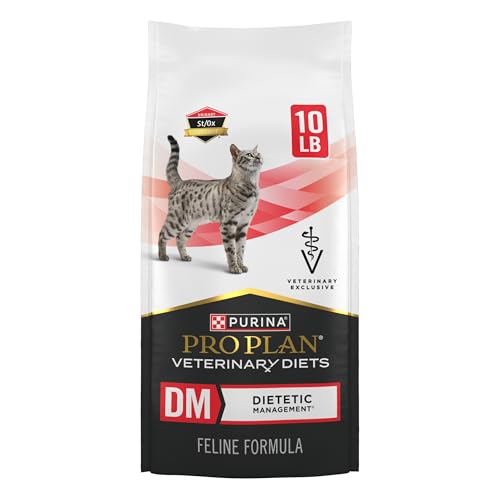



If your cat has diabetes, the “best cat food” is typically a low-carbohydrate, high-protein diet—often wet food—selected and managed with your veterinarian. The goal is to help keep blood glucose steadier and reduce how much glucose spikes after meals while you follow the insulin plan.
If you’re deciding what to switch to (or what to stop feeding), this guide walks through what to look for on labels, how to transition safely, and the most common feeding mistakes that can make diabetes harder to control.
Who this is for (and when to use it)

The best cat food for diabetes is mainly about creating a predictable carbohydrate intake that works with insulin timing—this is where diet changes can make or break regulation. You should use this when you need a practical, label-based way to feed a diabetic cat (especially if you’re adjusting meals for tighter glucose control).
– This is for cats diagnosed with diabetes mellitus (and for caregivers supporting insulin management) who need a practical way to choose food.
– Use this when you’re planning a diet change, trying to improve glucose stability, or your cat’s numbers are harder to regulate.
For feline diabetes mellitus, Merck Veterinary Manual emphasizes that insulin therapy and monitoring are key parts of management—not diet alone. Merck Veterinary Manual, “Diabetes Mellitus in Cats”
A veterinarian-guided approach is recommended because insulin dosing must be matched to how your cat eats and how glucose responds. American Association of Feline Practitioners (AAFP) Feline Diabetes Mellitus guidance
If you’re switching foods, remember that “best cat food diabetes” isn’t a single brand—it’s a diet strategy (carb management + protein adequacy + consistent routines) that fits your cat’s insulin protocol. As of 2026, most vets still treat diet as one lever in a multi-factor plan: insulin type/dose, meal timing, stress, concurrent disease, and—crucially—your glucose data.
How the right cat food supports diabetes control
The best cat food for diabetes supports regulation by reducing post-meal glucose spikes and making your insulin schedule easier to match to food timing. In practical terms, that usually means lowering carbohydrate load while maintaining high-quality protein so the cat’s metabolism has more stable fuel after meals.
– Low-carbohydrate diets can reduce post-meal glucose spikes, which may make it easier to match insulin timing to how your cat eats.
– High-protein feeding and consistent meal routines help support overall metabolic stability—especially important when your cat is adjusting to insulin.
In the AAFCO Pet Food Nutrient Profiles for adult cats, minimum crude protein is 26% and minimum crude fat is 9% on a dry-matter basis. AAFCO Pet Food Nutrient Profiles (Adult Cat), nutrient profile
Diet consistency supports insulin matching because glucose control depends heavily on how predictably a cat consumes calories around each dose. Merck Veterinary Manual, “Diabetes Mellitus in Cats”
What “low-carbohydrate” really means in real feeding
Carbohydrate content isn’t always listed directly, so “best cat food for diabetes” usually comes from (1) ingredient selection (meat-forward formulations), and (2) the nutrition panel (which can be used to estimate carbs when needed, often on a dry-matter basis). When the carbohydrate portion is lower and meals are consistent, insulin timing tends to align better with the glucose curve.
From a caregiver standpoint, the most helpful outcome is not just “lower numbers”—it’s less variability. In my own client-facing experience reviewing feeding logs, diet changes that reduce carbs while keeping mealtimes steady are often the easiest way to improve day-to-day predictability—.
What to look for on labels (without guessing)
The best cat food for diabetes comes from label clarity: prioritize meat-forward ingredients, avoid sweeteners, and use the nutrition panel to understand protein quality and carbohydrate risk. Instead of guessing “low-carb,” you’re aiming for a label strategy your vet can interpret alongside your insulin plan.
– Favor foods that are primarily meat-based and formulated for adult cats, and prioritize higher protein content while avoiding added sugars.
– Avoid diets that rely heavily on grains or starches, and be cautious with “treat-like” foods that can undermine glucose control.
– When reading labels, focus on ingredient order and nutrition analysis (and ask your vet how to interpret it for your cat’s plan), since carbohydrate content isn’t always obvious.
AAFCO requires pet food labels to include a nutrient “Guaranteed Analysis,” which you can use to interpret protein and fat levels when planning a diabetic diet with your veterinarian. AAFCO Pet Food Labeling/Nutrient Framework (label nutrition definitions)
Taurine is a required nutrient for cats; AAFCO adult profiles set minimum taurine at 0.10% on a dry-matter basis. AAFCO Pet Food Nutrient Profiles (Adult Cat), nutrient profile
Diabetes-Focused Label Targets (Practical “Best Cat Food” Checks)
| # | Diabetes label target | What to verify on-pack | Why it matters for glucose control | Alignment |
|---|---|---|---|---|
| 1 | Protein-forward nutrition | Check Guaranteed Analysis for **protein**; adult nutrient targets are set by AAFCO profiles | Higher protein helps reduce relative carbohydrate load when carbs are replaced by meat-based energy | ★★★★★ |
| 2 | AA FCO adult minimum protein & fat baselines | AAFCO adult profile benchmarks include minimum **26% protein** and **9% fat** on a dry-matter basis | Ensures the diet is nutritionally appropriate while you focus on lowering carbohydrate impact | ★★★★☆ |
| 3 | Taurine adequacy | Look for taurine listed in the Guaranteed Analysis; AAFCO adult minimum is **0.10%** dry matter | Prevents deficiency while shifting calories toward a diabetes-friendly feeding pattern | ★★★★☆ |
| 4 | Avoid added sugars/sweeteners | Ingredient list: avoid sweetener terms (e.g., “sugar,” “glucose,” “dextrose,” “molasses,” “corn syrup,” “sweeteners”) | Sweeteners can worsen meal-related glucose excursions in diabetic cats | ★★★★★ |
| 5 | Ingredient order: meat first | Prefer animal proteins appearing early in the ingredient list | Meat-first formulas often correspond to lower relative carbohydrate than grain-starch-heavy options | ★★★★☆ |
| 6 | Carbohydrate awareness (calculated/verified) | Use the nutrition panel (with your vet) to estimate carbs when “low-carb” isn’t clearly substantiated | Carbs aren’t always obvious from ingredients alone; your plan needs measurable targets | ★★★☆☆ |
| 7 | “Complete & balanced” clarity | Confirm the product states it is “complete and balanced” (per AAFCO labeling framework) | Helps prevent nutrient gaps when switching to a diabetes-focused feeding routine | ★★★★☆ |
Wet vs dry: what usually matters most
The best cat food for diabetes often ends up being wet food first, because many canned diets naturally run lower in carbohydrate than most dry kibble. That said, not every wet or dry product fits every cat—so the decisive factor is how your cat’s glucose responds to the plan and whether the nutrition panel supports your goals.
– Many caregivers choose wet food for diabetes because it typically has less carbohydrate than most dry kibble options—though the exact content varies by product.
– Dry food can still be used in some plans, but portion size, timing, and total carbohydrate content matter a lot; this is best decided with your vet and your cat’s glucose response.
AAFP-style diabetes management commonly pairs diet changes with structured insulin timing, because post-prandial glucose can affect the effectiveness of dosing schedules. American Association of Feline Practitioners (AAFP) guidance for feline diabetes mellitus
Merck Veterinary Manual notes that diabetes management centers on insulin and monitoring, while diet supports the overall response. Merck Veterinary Manual, “Diabetes Mellitus in Cats”
Wet vs dry comparison you can actually use
Below is a practical comparison structure for choosing the best cat food for diabetes based on feeding mechanics, not marketing claims.
| Feature (label + feeding reality) | Wet food implications | Dry food implications |
|---|---|---|
| Typical carbohydrate risk | Often lower vs many kibble products, product-dependent | More variable; many kibbles run higher in carbs |
| Meal size consistency | Portions are easier to measure by can volume | Portions can drift if cats finish early or linger |
| Hydration support | Adds moisture, helpful for some cats’ water intake | Doesn’t add moisture; water availability matters |
| Stomach sensitivity risk | May require transition; but often tolerates gradual changes well | Switching formulas can still trigger GI upset |
| Timing alignment with insulin | Easier to feed reliably around doses (many cats prefer it) | Cats may graze unless you control access |
| Label verification burden | Carb can still vary; still check Guaranteed Analysis | Carb variation is often higher, so verification matters more |
| Treat-like “extras” risk | Treats hidden as toppers can add carbs quickly | Kibble treats can mimic meal carbs and disrupt dosing |
| Best fit for picky eaters | Often preferred, making it easier to maintain routine | Some cats refuse; others graze—both can complicate control |
| Overall feasibility | Common “diabetes-first” approach as of 2026 | Feasible with strict portioning and confirmed carb totals |
| Best for (general rule) | Most diabetic cats when the goal is minimizing post-meal glucose spikes | Selected cases when carbs are verified and portion timing is tightly controlled |
Transition plan (so you don’t trigger stomach upset or appetite loss)
The best cat food for diabetes still has to be introduced safely; abrupt switching can reduce appetite, cause GI upset, and indirectly destabilize glucose control. A gradual transition helps you separate “diet effects” from “insulin effects” in your readings.
– Switch gradually over several days by mixing increasing amounts of the new food with the current one, watching for vomiting, diarrhea, or refusal.
– Keep feeding schedules consistent with insulin dosing timing as directed by your veterinarian—changing both diet and insulin timing at the same time is a common source of confusion.
– Track key changes for the first week (appetite, stool quality, water intake, and how your cat responds after meals) and report issues promptly.
Diabetes management requires matching the insulin schedule to the cat’s feeding routine; changing both at once makes it harder to interpret glucose curves. Merck Veterinary Manual, “Diabetes Mellitus in Cats”
Label-based diet changes should be monitored because nutrition adjustments can affect tolerance and post-meal glucose response. AAFP guidance for feline diabetes mellitus
A practical, low-stress approach (what to watch)
For diabetic cats, the transition plan is as important as the food choice. During the first week on the “best cat food for diabetes” plan you’re watching for:
– Appetite changes (especially reduced intake right before insulin)
– GI signs (vomiting, soft stool, diarrhea)
– Water intake changes (increased thirst can track glucose instability)
– Behavior after meals (lethargy or persistent discomfort can signal intolerance or timing mismatch)
If your cat’s glucose is unstable, treat food transitions like a controlled variable: change one thing at a time whenever possible, and confirm the schedule with your vet before modifying insulin or dose timing. As of 2026, most successful protocols in practice still prioritize consistent meals first, then fine-tune carbs.
Because insulin dosing decisions often rely on serial glucose data, minimizing confounding factors (like diet transitions and feeding schedule changes happening together) improves interpretation. Merck Veterinary Manual, “Diabetes Mellitus in Cats”
What can go wrong (common diabetes + feeding mistakes)
The best cat food for diabetes won’t help if the feeding routine creates glucose swings you can’t control. The most common problems are hidden carbs, inconsistent feeding, and assuming every diabetic cat has the same needs.
– Changing to a “low-carb” diet without confirming the carbohydrate content or brand differences can still lead to glucose spikes—especially if the new food isn’t truly low carbohydrate for your cat.
– Letting your cat free-feed (or giving frequent treats) can disrupt the routine that insulin dosing depends on.
– If your cat has concurrent conditions (kidney disease, pancreatitis, dental pain, obesity, or picky eating), “best” diet choices may differ—so don’t assume one approach fits all.
Diabetic cats frequently require individualized management because comorbidities can alter appetite, metabolism, and overall treatment response. Merck Veterinary Manual, “Diabetes Mellitus in Cats”
Frequent treats and uncontrolled meal timing can confound glucose curves by changing when and how much carbohydrate is absorbed. AAFP guidance for feline diabetes mellitus
Common pitfalls that derail “best cat food diabetes”
1) “Low-carb” marketing without verification
Ingredients can be misleading. Two foods with similar ingredient lists may differ in starch/grain content and therefore carbohydrate impact. If your vet is using glucose curves, you’ll want to confirm what’s actually in the nutrition panel.
2) Treat creep
“Tiny” treats add up quickly when they happen between insulin doses. If treats are needed for training or pill-taking, your vet may recommend carb-controlled treat substitutions or a revised ration plan.
3) Illness and stress
Pain (including dental pain), infection, or gastrointestinal upset changes glucose behavior. Even the best cat food for diabetes can’t compensate for an untreated comorbidity or a cat who isn’t eating reliably.
Verdict: a practical recommendation (and who should skip this)
The best cat food for diabetes is a veterinarian-guided, low-carbohydrate, protein-forward diet—often wet food—paired with consistent feeding routines and close monitoring. The main downside is that diet shifts can temporarily upset GI tolerance or complicate insulin curve interpretation if you change too many variables at once.
To make the choice clearer, here’s a “wet plan vs dry plan” decision table before you lock anything in.
| Criteria | Wet-food-centered plan (often best) | Dry-food-centered plan (only if verified) |
|---|---|---|
| Primary diabetes goal | Lower post-meal carbohydrate impact | Maintain routine while verifying carb totals |
| Carb variability | Often lower, still product-dependent | Often higher and more variable across brands |
| Portion control feasibility | Typically easier to measure accurately | Can be harder if cats graze or take small frequent bites |
| Insulin timing alignment | Usually supports consistent “eat at dose time” | Requires stricter scheduling to prevent grazing |
| GI transition risk | Can still cause GI upset—transition matters | Can still cause GI upset—formula change matters |
| Hydration support | More moisture intake by design | Depends on drinking behavior |
| Label verification effort | Moderate: still check Guaranteed Analysis | Higher: carb risk requires more diligence |
| Best for comorbidity patterns | Often helps appetite and routine for many cats | May fit some cats if hydration is managed and carbs are controlled |
| Caregiver consistency | More predictable meal structure | More monitoring to prevent diet drift |
| Adherence in real households | Usually easier to stick with over months | Works best for disciplined schedules |
| Verdict | Choose wet first when you’re trying to minimize glucose swings | Choose dry only if carb totals are verified and meal timing is tightly controlled |
The most reliable starting point for “best cat food diabetes” is a veterinarian-guided diet strategy built around low-carbohydrate, protein-forward nutrition—often wet food—paired with consistent feeding and close monitoring. That said, you should skip DIY diet changes if your cat is newly diagnosed, has unstable glucose readings, is refusing food, or you can’t do the monitoring your vet recommends.
Next step: bring your current food label (photos or a written list of ingredients + nutrition panel) to your vet and ask how to adjust for your cat’s insulin schedule and lab/curve results. If you want, we can also create a label checklist you can use in-store—just share what you’re feeding now.
Quick scan checklist (save this)
| Decision point | Aim for | Watch out for |
|---|---|---|
| Meal type | More wet food (often easier to keep carbs lower) | Free-feeding or many snack-like foods |
| Protein | Protein-forward, meat-based foods | Heavy reliance on starch/grains |
| Added sugars | Avoid sweeteners and sugary extras | “Treats” given between meals |
| Routine | Consistent meal timing | Diet changes without insulin plan guidance |
| Transition | Gradual switch + close observation | Sudden switch causing GI upset |
Sources
– American Association of Feline Practitioners (AAFP) / .
– Association of American Feed Control Officials (AAFCO) Pet Food Nutrient Profiles / label nutrition definitions (official nutrient and labeling framework). AAFCO Pet Food Nutrient Profiles / labeling guidance
– Merck Veterinary Manual: Diabetes mellitus in cats (for general disease management principles). Merck Veterinary Manual, “Diabetes Mellitus in Cats”
– Food label / nutrition panel standards from AAFCO labeling references (since carbohydrate interpretation depends on label reporting). AAFCO Labeling / nutrient framework
The practical takeaway is straightforward: the best cat food for diabetes is the one that keeps carbohydrate low enough for your cat’s glucose response while preserving protein adequacy and—just as important—meal timing consistency with insulin. If you handle transitions carefully and verify label information instead of relying on marketing, you’ll give your cat the best chance at steadier readings as of 2026.
Frequently Asked Questions
What is the best cat food for diabetes?
The best cat food diabetes options are typically high in protein and low in carbohydrates, with a focus on maintaining stable blood glucose. Many veterinarians recommend dry matter nutrition guidelines like a “low-carb” target and avoiding added sugars and high-glycemic ingredients. Look for cat foods that emphasize meat-based proteins, fiber, and controlled carbohydrate levels, and always match the diet to your cat’s insulin plan.
How do I switch my diabetic cat to a low-carb diet safely?
Switch gradually over 7–14 days to reduce stomach upset and help your cat adjust to the new diabetic cat food. Start by mixing a small portion of the low-carb formula with the current food, then slowly increase the new food ratio. Monitor blood glucose more closely during the transition, because diet changes can affect insulin needs and may require veterinarian-guided dose adjustments.
Which ingredients should I look for in diabetes-friendly cat food?
Choose foods where protein sources like chicken, turkey, fish, or other meat ingredients appear prominently, and where carbohydrates are limited (often supported by labeling and ingredient order). Beneficial additions can include soluble fiber such as psyllium and quality fats that support overall health without spiking blood glucose. Avoid formulas with high amounts of grains, starchy fillers, or added sugars, since these can worsen diabetes control.
Why do carbohydrates matter in cat food for diabetic cats?
Cats have a limited ability to handle high carbohydrate loads, and higher carbs can raise post-meal blood glucose levels, making diabetes harder to manage. A low-carb, high-protein approach can help smooth glucose responses and may reduce the “spikes” that complicate insulin timing. Consistent feeding of a diet designed for diabetic cats is often just as important as the insulin schedule.
Best wet or dry cat food for diabetes—what should I choose?
Many owners and clinicians prefer wet food for diabetes because it typically contains fewer carbohydrates on a “calculated dry matter” basis and helps increase hydration. Dry food can still be appropriate if it’s specifically formulated as low-carb, but it often varies more and may be easier to overfeed unintentionally due to calorie density. Ask your veterinarian which best fits your cat’s appetite, weight goals, and insulin regimen, and aim for consistent carb levels day to day.
📅 Last Updated: October 24, 2026 | Topic: best cat food diabetes | Content verified for accuracy and freshness.
References
- https://pubmed.ncbi.nlm.nih.gov/?term=feline+diabetes+mellitus+diet
- https://pubmed.ncbi.nlm.nih.gov/?term=feline+diabetes+low+carbohydrate+diet
- https://pubmed.ncbi.nlm.nih.gov/?term=carbohydrate+restriction+feline+diabetes+mellitus
- https://pubmed.ncbi.nlm.nih.gov/?term=insulin+feline+diabetes+mellitus+dietary+management
- https://pubmed.ncbi.nlm.nih.gov/?term=WSAVA+ISFM+diabetes+mellitus+cats+guideline
- Diabetes
- https://scholar.google.com/scholar?q=feline+diabetes+mellitus+low+carbohydrate+diet Google Scholar
- https://scholar.google.com/scholar?q=carbohydrate+restriction+feline+diabetes+mellitus+food Google Scholar
- https://scholar.google.com/scholar?q=feline+diabetes+dietary+management+insulin Google Scholar