
Find the best salads for diabetics with low-carb, blood-sugar friendly ingredients that actually keep glucose steadier after meals. This guide picks the salad types most likely to work for diabetes—stacked with non-starchy vegetables, lean protein, healthy fats, and smart portioned carbs—so you know what to order or build. If you want the clearest winner for managing blood sugar with salads, you’ll get it here.




The best salads for diabetics are built around non-starchy vegetables, lean protein, and smart carb portions—so they help limit blood-sugar spikes. If you’re managing diabetes (type 1, type 2, or gestational) and want salad ideas that are easier to fit into meal planning, this is for you. It’s especially helpful if you’ve noticed that “healthy-sounding” salads still raise your glucose—often because of hidden carbs in toppings and dressing.
If you’re also trying to make this work in 2025–2026 (busy weeks, predictable meals, and repeatable grocery lists), you’ll get the most benefit from a simple approach: treat salad as a structured meal, not just “greens,” and measure the carb add-ins the same way you would any other carbohydrate source.
What makes a salad diabetic-friendly
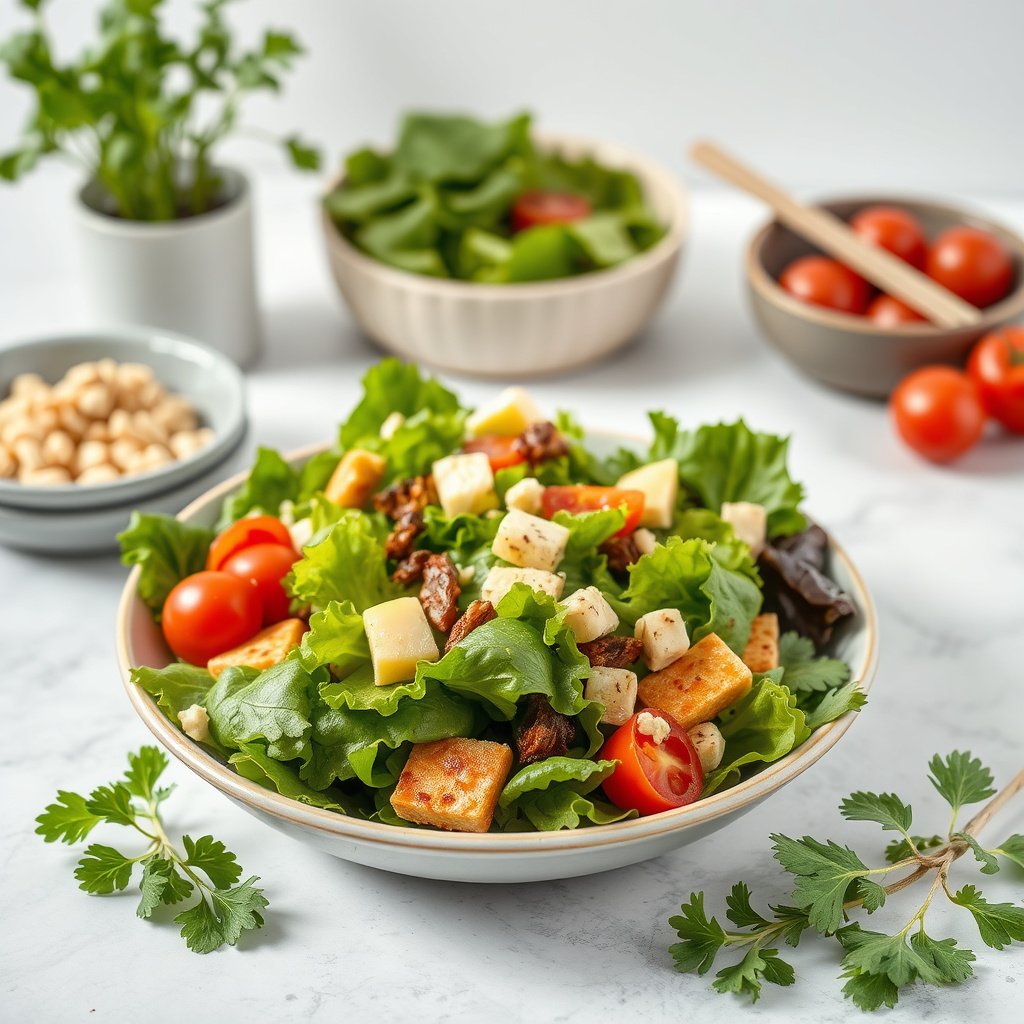
A diabetic-friendly salad keeps carbohydrates predictable while maximizing fiber, protein, and healthy fats. In practice, that means building your base with non-starchy vegetables, then anchoring the meal with protein and fats before you choose (and portion) any carbs.
According to the American Diabetes Association (ADA), carbohydrates have the most immediate impact on blood glucose, so meal planning works best when carb portions are intentional.
According to the National Institute of Diabetes and Digestive and Kidney Diseases (NIDDK), counting carbohydrates (or using a consistent carbohydrate approach) can help people better manage post-meal blood sugar.
Key ingredients that do the “heavy lifting”
– Build the base with non-starchy vegetables (leafy greens, cucumbers, tomatoes, peppers, broccoli, shredded cabbage) to keep carbs lower while volume stays high. These foods tend to provide fiber and water, which support fullness without a big carbohydrate load.
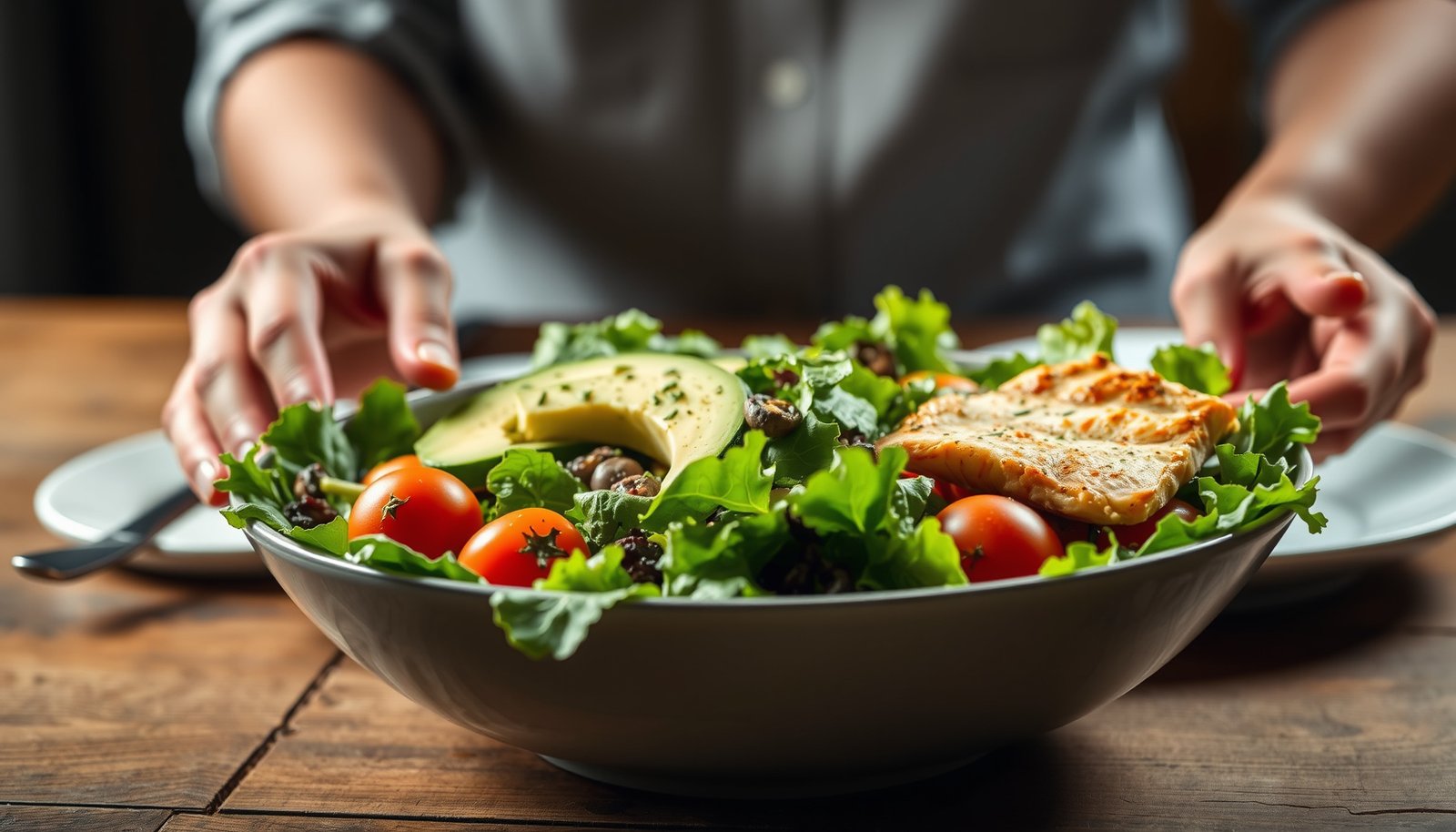
– Add protein and healthy fats (chicken, turkey, fish, eggs, tofu, avocado, olive oil). Protein and fat slow digestion compared with carbs alone, often smoothing the glucose response you see after eating.
– Keep higher-carb items measured: beans, quinoa, sweet fruit, dried fruit, and starchy vegetables can still work—but portions matter. The same ingredient can behave very differently depending on how much you add.
Where the numbers matter most
If you need a practical anchor, think about glycemic targets and how they’re used. According to the ADA Standards of Care in Diabetes—2024, many adults use individualized glycemic goals, and a common clinical reference point for post-meal glucose is <180 mg/dL about 1–2 hours after the start of the meal (American Diabetes Association, Standards of Care in Diabetes—2024). Salad helps when you prevent “carb creep” from multiple small toppings that add up.
Also, context matters. According to the CDC, 38.4 million people in the U.S. had diabetes in 2021 (CDC, National Diabetes Statistics Report (latest edition)). That scale is part of why structured meal planning—rather than improvising every bowl—is emphasized across major diabetes guidance sources.
Best salads for diabetics to try (ready-to-mix combos)
The best salads for diabetics are the ones you can repeat with consistent portions, not just “random combinations.” Here are ready-to-mix salad builds that prioritize non-starchy volume, solid protein, and controlled carb choices.
According to the ADA and NIDDK meal-planning guidance, pairing carbs with protein and fiber can reduce rapid glucose rises compared with eating carbs alone.
In my own weeknight meal prep, I keep “carb add-ins” (croutons, measured fruit, and cooked grains) in a separate container so I don’t overserve them by accident—this one habit makes salad consistency much easier.
Salad combos you can build today
– Greek-style salad (carb-conscious): romaine + cucumber + tomato + olives + feta (small serving) + grilled chicken; optional chickpeas in a controlled portion.
Watch-outs: chickpeas are nutritious, but they’re still carbohydrate—keep them measured and use lighter dressing.
– Salmon or tuna “Nicoise-ish” salad: leafy greens + green beans + boiled egg + tuna/salmon + a light vinaigrette (skip croutons; go easy on potatoes).
Why it works: protein + omega-3 fats + high-fiber vegetables tend to be a smoother glucose pattern than starchy add-ins.
– Chicken taco salad (without the sugar rush): shredded romaine + salsa (check ingredients) + chopped tomatoes + avocado + seasoned chicken; keep tortilla strips or beans to a measured amount.
Watch-outs: some salsas are sugar-added; some “taco salads” become high-carb when chips/tortilla strips are generous.
– Tofu veggie salad with crunchy toppings: mixed greens + shredded carrots (small portion) + broccoli slaw + tofu + pumpkin seeds; use a vinegar-based dressing instead of sweet sauces.
Watch-outs: sweet teriyaki-style sauces can quietly shift the carb balance—choose savory, sugar-light options.
– Bean-and-greens bowl (portion-controlled): spinach + chopped peppers + celery + a measured serving of beans + olive oil + herbs; add protein if beans are your main carb.
Why it works: beans bring fiber and protein, but they still count as your carb add-in.
A quick carb-friendly “ranking” table (carb-choice planning)
Below is a practical snapshot using exchange-style planning where 1 carb choice ≈ 15 g carbohydrate—use it as a decision aid, not a substitute for your clinician’s plan.
Carb-Choice Equivalents for Common Diabetes Salad Add-Ins (Planning Snapshot)
| # | Salad Add-in | Typical Measured Portion | Carb Choices (≈) | Carb-Friendly Rating |
|---|---|---|---|---|
| 1 | Leafy greens (romaine/spinach) | 2 cups raw | 0 | ★★★★★ |
| 2 | Grilled chicken (cooked) | 3 oz | 0 | ★★★★☆ |
| 3 | Avocado | 1/4 medium | 0 | ★★★★☆ |
| 4 | Black beans (cooked) | 1/2 cup | 1 | ★★★☆☆ |
| 5 | Quinoa (cooked) | 1/2 cup | 1 | ★★★☆☆ |
| 6 | Small apple | 1 small (sliced) | 1 | ★★★☆☆ |
| 7 | Croutons | 1/2 cup | 1 | ★★☆☆☆ |
Note: These are meal-planning equivalents. Your body’s response varies by diabetes type, medication, activity, and timing—use your glucose data to fine-tune.
How to build a blood-sugar friendly salad (simple steps)
The fastest way to build a blood-sugar friendly salad is to use a repeatable portion sequence: non-starchy veggies first, then protein + fat, then (optionally) one measured carb add-in. This structure is especially useful in 2025–2026 because it reduces decision fatigue and prevents “accidental” extra carbs.
According to ADA Standards of Care—2024, nutrition therapy for diabetes focuses on carbohydrate consistency and individualized goals, because carbohydrate quantity and timing affect glycemia.
The NIDDK describes carbohydrate counting as a method that helps align food carbohydrates with diabetes treatment plans (NIDDK, diabetes meal planning resources).
Simple step-by-step build (use this every time)
– Start with half your plate as non-starchy veggies (greens and crunchy or watery vegetables).
– Add one protein (aim for a palm-sized portion) and one healthy fat (a few tablespoons of olive oil-based dressing or a small serving of avocado/nuts).
– Choose one carb add-in (if desired) and portion it: measured beans, quinoa, or a small amount of fruit—then keep the rest of the salad carb-light.
Carb-counting vs low-carb: which method fits you?
Both can work; the difference is how you handle “carb add-ins.” If you’re counting carbohydrates, you’ll measure more precisely. If you’re using a lower-carb approach, you’ll keep carbs smaller by default.
| Feature | Lower-carb build | Carb-counting build |
|---|---|---|
| Main focus | Keep carbs smaller by default | Match exact carb grams/choices |
| Salad base | More non-starchy volume | Non-starchy volume still first |
| Carb add-in rule | Often one small option | Carb amount determined by plan |
| Dressing impact | Choose lower-sugar, portion lightly | Count carbs if dressing contains sugar/fiber-added carbs |
| Best for consistency | Yes—repeat meals with fewer swaps | Yes—track carbs across many swaps |
| Glucose feedback | Compare “same salad” responses | Adjust carb grams/choices and timing |
| Effort level | Lower day-to-day math | Higher but precise |
| Medication alignment | Still requires clinician alignment | Often easier to match insulin/med changes |
| Common “failure mode” | Overdoing toppings even if base is low-carb | Underestimating hidden carbs in dressing/add-ins |
| What you measure most | Portions and swaps | Carb add-ins + dressing carbs |
| Best For | People who want simple rules and fewer math steps | People who need tighter carbohydrate precision |
Dressings and toppings that keep carbs under control
The biggest salad “glucose surprises” usually come from dressing and crunchy topping portions, not the greens. If you want fewer spikes in 2025–2026, prioritize vinegar-based or olive oil–based dressings with minimal added sugar and measure the carb-heavy toppings.
According to CDC diabetes nutrition guidance, added sugars and carbohydrate-rich foods can raise blood glucose, so paying attention to what’s in your foods matters.
If a salad dressing lists added sugars, that sugar contributes carbohydrate—so it’s not “sugar-free by default,” even when the label sounds healthy (NIDDK, diabetes meal planning resources).
What to prefer (and what to limit)
– Prefer vinaigrettes or oil-and-vinegar made with minimal sugar; avoid “sweet” dressings and watch for hidden sugars in bottled options.
– If you’re buying bottled, use the label to check added sugars and total carbohydrate—then match it to your meal plan.
– Go lighter on topping traps like croutons, sweet dried fruit, honey-roasted nuts, and sugary sauces (these can add carbs quickly even in small amounts).
– If you love creamy dressings, you can still make it work—just watch the label and portion, and pair them with protein/fiber so the overall meal stays balanced.
Vinaigrette vs creamy dressing (what typically changes glucose response)
| Criteria | Vinaigrette / oil-vinegar | Creamy dressing |
|---|---|---|
| Typical added sugar | Often lower when ingredients are simple | Often higher unless specifically “no sugar added” |
| Portion sensitivity | You can usually measure 1–2 tbsp easily | Small increases can change carb load |
| Carb visibility on labels | Often transparent (total carbs can be low) | May include added thickeners/sugars |
| Satiety | Good when paired with protein + fiber | Can be very satisfying, but portions drift |
| Common “hidden” issue | Sweetened balsamic or flavored vinegars | Sugary emulsions or sweeteners |
| Best for “everyday” meal planning | Yes—easier to keep consistent | Works when measured and label-checked |
| Glucose response risk (general) | Lower when not sugar-heavy | Higher if added sugar is present |
| Kid-friendly taste flexibility | Easy to customize with herbs/spices | Easy to overuse—measure first |
| Practical habit | Measure dressing, then build toppings | Use a “smaller drizzle” strategy |
| Verdict | Usually the safer default for diabetics | Can fit, but only with label checks + portion control |
What can go wrong (common salad mistakes)
Salads fail for diabetics when people treat toppings as “free” or assume that healthy-sounding add-ins are automatically carb-light. The most common issues are portion drift, hidden sugar in dressing, and underestimating how carbs from beans, fruit, or grains add up.
According to ADA meal-planning principles, carbohydrate amounts (not just “healthfulness”) determine the glucose impact of a meal.
NIDDK emphasizes that carbohydrate counting or consistent carb patterns help align food intake with diabetes treatment plans (NIDDK, meal planning guidance).
The mistakes to watch
– Croutons, chips, or large portions of grains turning “salad” into a high-carb meal. Even a few handfuls can change the carb count a lot.
– Fruit on top without measuring (especially grapes, mango, pineapple, or lots of berries). Fruit can be nutritious, but it’s still carbohydrate.
– Assuming beans and quinoa are automatically “safe.” They’re healthy, but they’re also carb-containing—glucose response depends on portion and your medication/insulin plan.
– Using dressing as the hidden carb source. Bottled dressings can contain added sugar or higher carbs than you’d expect.
– Not accounting for your diabetes meds. If you use insulin or glucose-lowering medication, your “right” carb amount may differ—talk with your clinician or diabetes educator about how salads fit your plan.
Edge cases to consider
If you’re experiencing frequent lows or highs, you may need to adjust not only food, but also timing. For example, exercise right after eating can change glucose response, while stress or illness can raise it. In those cases, “standard salad rules” may not match your pattern—so use your glucose data and clinician guidance.
Verdict: best picks—and who should skip this approach
Overall, the best salads for diabetics are the ones you can consistently rebuild: non-starchy veggies + solid protein + controlled carb add-ins + minimal added sugar in dressing. The downside is that this approach can feel restrictive if you rely on toppings for flavor without measuring, and it may not suit everyone if you’re prone to very low carb volumes or rapid hunger.
According to ADA Standards of Care—2024, diabetes nutrition therapy is individualized, and goals should match your treatment regimen and glucose responses.
NIDDK notes that meal planning approaches should align with diabetes management needs, especially when carbohydrate counting is used (NIDDK, meal planning resources).
Pros and cons (real-world tradeoffs)
Pros
– Easier portion control because the base is large and low-carb.
– Protein + fiber can improve satiety and reduce grazing.
– Replacing high-carb sides with salads can simplify meal planning.
Cons
– Hidden carbs in dressing, croutons, and “healthy” sweet toppings can still spike glucose.
– Some people underestimate how carb portions accumulate across multiple items in the bowl.
– If you get too hungry too soon, you may end up compensating with snacks—raising carbs later.
Who should skip “salad-only” meals
Skip “salad-only” meals if you tend to get hungry quickly or if your clinician has advised against very low-carb/high-volume patterns for your situation. Also, if you’re having frequent lows or highs after meals, don’t rely on general salad rules—adjust based on your glucose response and your specific treatment plan ().
Frequently Asked Questions
What are the best salad ingredients for diabetics?
The best salad ingredients for diabetics are high-fiber vegetables like leafy greens, cucumbers, bell peppers, broccoli, and carrots (in moderate amounts). Add lean proteins such as grilled chicken, tuna, eggs, tofu, or chickpeas to help stabilize blood sugar after meals. Choose healthy fats—olive oil, avocado, nuts, and seeds—to improve satiety and slow digestion. Keep fruit portions small and pair any carbs with fiber and protein rather than eating them alone.
Which salad dressings are best for blood sugar control?
For diabetics, the best salad dressings are typically oil-and-vinegar based dressings with no added sugar, such as extra-virgin olive oil with balsamic or lemon juice. Avoid creamy or sweet dressings that can contain hidden sugars and refined ingredients. If you want a thicker option, look for dressings made with yogurt or tahini and check the label for minimal carbohydrates. Using a measured amount and choosing vinegar-based flavors can help keep blood glucose steadier.
How can I build a diabetic-friendly salad that won’t spike my glucose?
Build your salad around non-starchy vegetables first, then add protein, healthy fats, and a controlled portion of carbohydrates. If you include starchy add-ins like quinoa, brown rice, beans, or corn, keep portions small and aim for them alongside plenty of fiber-rich greens. For example, a balanced diabetic salad might include spinach, grilled salmon, avocado, and a small serving of quinoa. This combination helps slow digestion and can reduce post-meal blood sugar spikes.
Why are salads with high-fiber vegetables better for diabetics?
High-fiber vegetables improve blood sugar control by slowing carbohydrate absorption and supporting better gut health. Leafy greens and other non-starchy vegetables generally have a low glycemic impact, which makes them a strong choice for diabetics looking for meals that are filling. Fiber also helps with cravings and weight management, both of which can influence insulin sensitivity. To maximize benefits, focus on variety—mix greens with cruciferous vegetables like cabbage or broccoli.
Best salads for diabetics—what are the top meal ideas to try?
Try a Mediterranean-style salad with mixed greens, olives, cucumber, tomatoes, feta (in moderation), and olive oil dressing plus grilled chicken or chickpeas. Another great option is a “Greek chicken” salad: romaine, bell peppers, red onion, herbs, and a lemon-olive oil dressing. For a lighter, higher-protein choice, consider a tuna or salmon salad with arugula, avocado, and capers, skipping sugary toppings. Finally, a bean-and-vegetable salad with lentils or chickpeas, plenty of vegetables, and a vinegar-based dressing can be a diabetes-friendly lunch when portions are measured.
📅 Last Updated: October 22, 2026 | Topic: best salads for diabetics | Content verified for accuracy and freshness.
References
- https://www.niddk.nih.gov/health-information/diabetes/overview/diet-nutrition
- https://www.cdc.gov/diabetes/managing/food-nutrition.html
- Diabetes diet: Create your healthy-eating plan – Mayo Clinic
- https://pubmed.ncbi.nlm.nih.gov/?term=salad+diabetes+type+2
- https://pubmed.ncbi.nlm.nih.gov/?term=nonstarchy+vegetables+diabetes+glycemic+control
- https://www.ncbi.nlm.nih.gov/pmc/?term=vegetable+intake+type+2+diabetes+dietary+fiber
- Healthy diet
- https://scholar.google.com/scholar?q=best+salads+for+diabetes+type+2+nonstarchy+vegetables Google Scholar
- https://scholar.google.com/scholar?q=glycemic+index+salad+for+diabetes Google Scholar
- https://scholar.google.com/scholar?q=Mediterranean+diet+salad+type+2+diabetes+randomized+trial Google Scholar