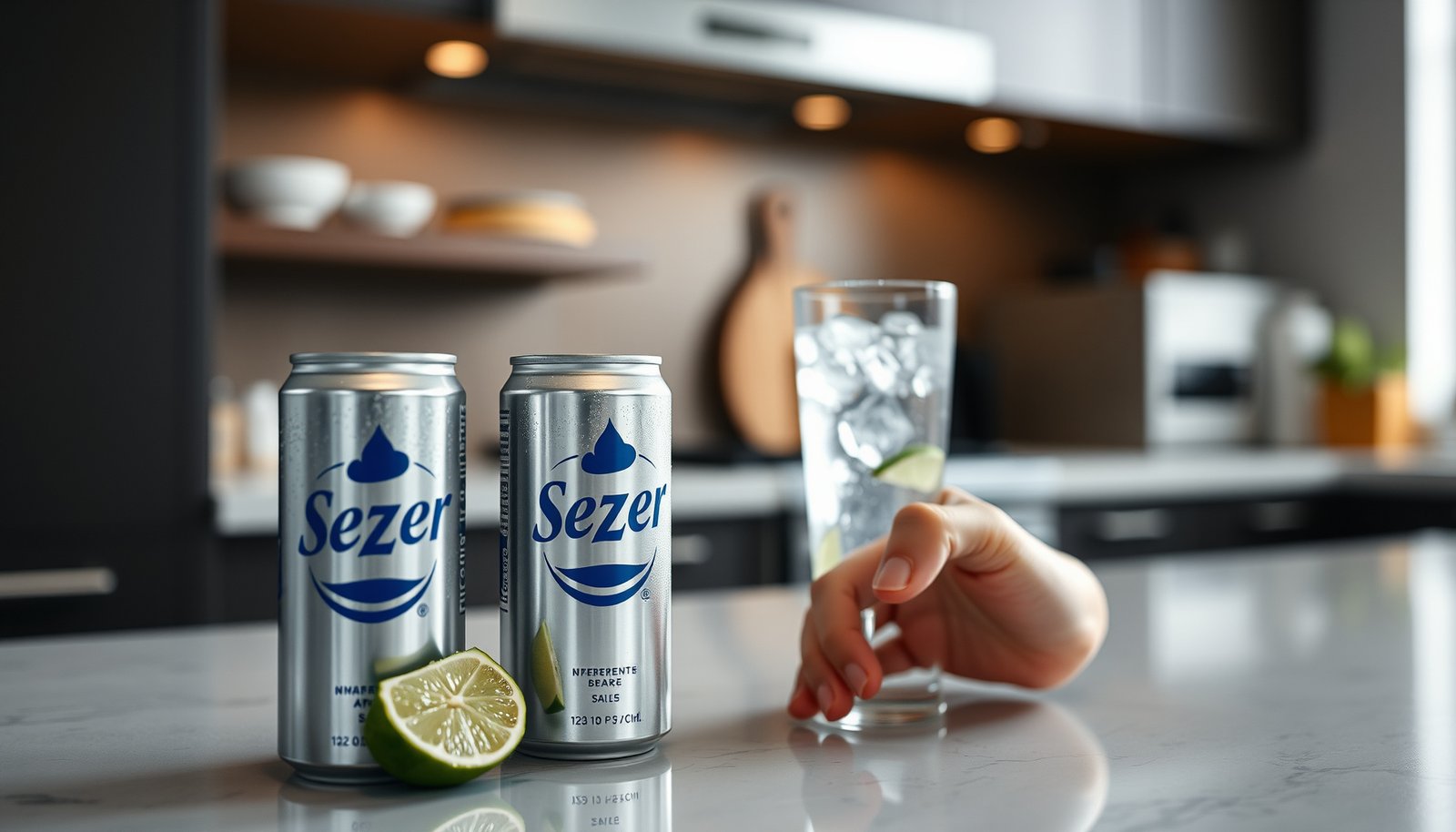

Looking for the best seltzers for diabetics? The clear winner is zero-carb seltzer—choose brands that list near-zero sugar and no added carbs to keep blood sugar steady. This guide cuts straight to the top lower-sugar, zero-carb options and shows which labels to trust before you buy.




If you have diabetes, the “best” seltzers are the ones with 0g sugar and 0g carbs (or the lowest carbs per serving)—and that fit your personal glucose response. Before you switch, check the Nutrition Facts for total carbs (not just “sugar”) and start with one serving to see how your blood sugar reacts. In practice, most label surprises come from serving size, carbs from sugar alcohols, and how your body responds to sweet taste without carbs—so a fast, consistent label-reading routine matters as much as the numbers themselves.
If you use carb counting, monitor with a CGM (continuous glucose monitor), or simply want flavored bubbles with fewer glucose-spiking ingredients, this guide is built to help you compare seltzer labels quickly and confidently—especially in 2026, when “zero-sugar” claims are common but never identical.
What to look for on the label
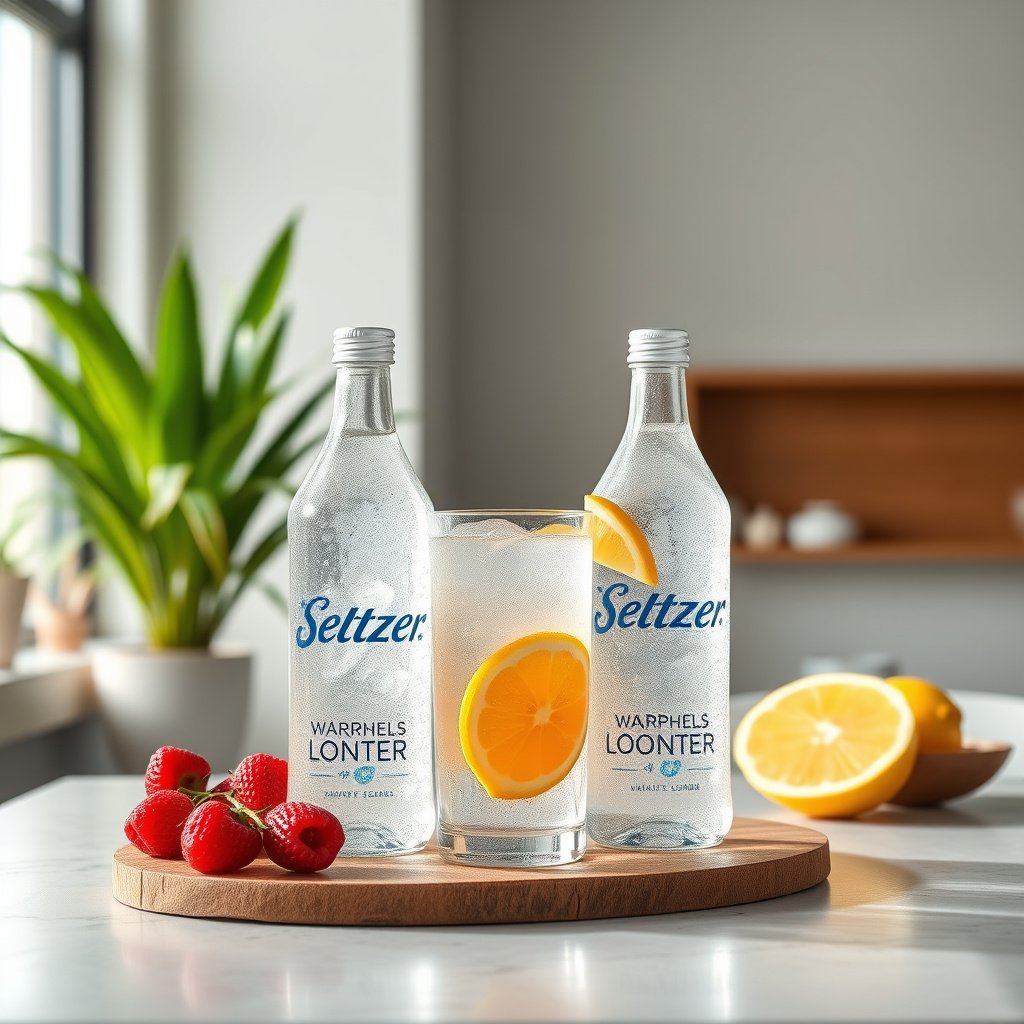
The single best label target for diabetes is total carbs per serving, because carbs (not just sugar) drive glucose for most people. After that, serving size and sweetener type determine whether the drink stays “low-carb” in your real-world portion.
FDA-style Nutrition Facts require you to look at “Total Carbohydrate,” not only “Sugars,” because Total Carbohydrate is what’s used in the carbohydrate accounting framework for nutrition labeling. FDA, 21 CFR 101.9 (Nutrition Labeling of Foods)
In the U.S., products can often claim “0g” for certain nutrients when the amount is below FDA rounding thresholds, so a “0g” claim can still reflect small amounts—why it’s important to check totals. FDA, 21 CFR 101.9 (Nutrition Labeling of Foods)
Here’s how to read it like a system (and not like a scavenger hunt). First, find the Nutrition Facts panel and record Total Carbohydrate (g) and Sugars (g) per serving. Then confirm the serving size (often 12 fl oz per can, but not always). Finally, if the label says “sugar-free,” look at the ingredients to see whether sweet taste comes from non-nutritive sweeteners (often minimal glucose impact) or sugar alcohols (which can still contribute to total carbs and cause GI symptoms in some people).
The three label numbers that matter most
1. Total carbs per serving (g): Prefer 0g (or the lowest you can reliably find).
2. Sugar per serving (g): Prefer 0g, but use it as a supporting metric—not the primary one.
3. Serving size: Make sure you’re comparing apples to apples.
A diabetes-friendly “label hierarchy” (quick reference)
| Step 1 | Confirm serving size matches what you pour (e.g., one can vs. half a can). |
| Step 2 | Check Total Carbohydrate—that’s your carbohydrate count for glucose management. |
| Step 3 | Use Sugars to sanity-check, especially when the product is “sugar-free.” |
| Step 4 | Scan ingredients for sweetener type (non-nutritive vs. sugar alcohols). |
| Step 5 | Note sodium, caffeine, and acids if you have blood pressure needs or reflux sensitivity. |
At-a-glance: “Total carbs” and why it’s the real driver
According to the FDA’s nutrition labeling framework, “Total Carbohydrate” is the nutrient category used on Nutrition Facts for carbohydrate counting purposes (FDA, 21 CFR 101.9). Separately, the FDA’s labeling energy conversion factors treat carbohydrates as providing 4 calories per gram (FDA, 21 CFR 101.9 (Nutrition Facts energy conversion factors)). And in 2026, the core Nutrition Facts structure remains standardized—so your best habit is consistent reading of Total Carbohydrate per serving.
Best seltzer types for diabetes-friendly choices
The best diabetes-friendly seltzer type is usually zero-sugar, zero-carb (or very low total-carb) flavored seltzer, assuming it matches your glucose response. When choices exist, start with the category that minimizes total carbohydrates, then fine-tune based on sweetener type and your individual tolerance.
For many people with diabetes, the most actionable label metric for drinks is Total Carbohydrate per serving, because it aligns with carbohydrate counting approaches. American Diabetes Association (ADA), Standards of Care in Diabetes—Nutrition Therapy/Carbohydrate Counting
“Zero-sugar” and “zero-carb” can overlap, but they are not the same claim; the label’s Total Carbohydrate value is what determines your carbohydrate count. FDA, 21 CFR 101.9 (Nutrition labeling framework)
In practice, serving size differences are a common reason “0g carbs” drinks don’t stay 0g when you drink more than one serving. FDA, 21 CFR 101.9 (serving size and labeling consistency)
The categories below reflect how most seltzers are formulated and labeled.
1) Unsweetened sparkling water
– Often the simplest option—no added sweeteners, usually easiest on glucose management.
– Best when you want “bubbles first” and prefer to avoid acids or flavors that trigger reflux.
2) Zero-sugar flavored seltzers
– Typically sweetened with non-nutritive sweeteners; look for 0g sugar and 0g carbs on the label.
– If you’re carb-counting with a CGM, use consistent serving portions (e.g., one full can) so patterns are interpretable.
3) “Lightly sweetened” options
– Only consider if the label shows very low total carbs and you’ve confirmed your personal tolerance (some products still affect glucose or digestion).
– This category can be useful if you dislike intense sweeteners—but it’s more likely to vary from brand to brand.
Comparison table: which type fits your goal?
| Feature | Unsweetened sparkling water | Zero-sugar, zero-carb seltzer | Lightly sweetened seltzer |
|---|---|---|---|
| Total carbs per serving | 0g (typical) | 0g (target) | Low but not always 0g |
| Sugars per serving | 0g | 0g (target) | Often low, sometimes non-zero |
| Sweetener type | None added | Often non-nutritive | Varies (may include sugar alcohols) |
| Glucose impact (typical pattern) | Minimal | Minimal when total carbs are 0g | Can be more variable |
| Digestive risk | Lowest | Depends on ingredients (GI tolerance varies) | Depends; sugar alcohols increase risk for some |
| Reflux friendliness | Often better (less acid/flavor) | Can worsen symptoms if acidic/flavored | Can worsen symptoms; flavors may be stronger |
| CGM tracking ease | High (simplest baseline) | High if serving size is consistent | Medium (more label variability) |
| “Taste satisfaction” | Lower without flavor | Higher (flavored but low-carb) | Medium–high |
| Best for consistency | Daily use | Most “default” choices | Occasional use if totals stay low |
| Best for | Starting over or simplifying | Most people managing glucose | People who tolerate small totals |
Sweeteners and blood sugar: how to think about them
The goal is to distinguish sweet taste from carbohydrate content, because sweeteners affect glucose differently. In general, non-nutritive sweeteners are designed to provide little or no carbohydrate, while sugar alcohols can still show up in total carbs and may cause GI upset.
Non-nutritive sweeteners are typically intended to provide minimal carbohydrate contribution, which is why many zero-sugar seltzers can remain low total-carb when the label supports it. FDA, food additive/sweetener approval framework (permitted sweeteners in food)
Sugar alcohols are carbohydrates (and therefore appear in carbohydrate calculations on many labels) and can also contribute to digestive symptoms in sensitive people. FDA, 21 CFR 101.9 (carbohydrate reporting framework)
A practical way to think about sweeteners (without guessing) is: trust the Nutrition Facts first, then use ingredients to explain the “why.”
Non-nutritive sweeteners (often lowest glucose impact)
– Found in many zero-sugar seltzers.
– Generally don’t provide carbohydrates in the same way sugar does, so they usually have minimal glucose impact for many people.
– Still, individual responses vary—so the label is necessary, not sufficient.
Sugar alcohols (often more variable)
– Sometimes used in “sugar-free” drinks.
– Can still affect total carbs and may cause GI upset in sensitive people.
– If you notice bloating, you may need a different sweetener profile even if your glucose looks fine.
If you take insulin or other glucose-lowering meds
– Treat new drinks like any new food: monitor your response the first time or two.
– If you use a correction factor, don’t assume “zero sugar” means “no dosing implications.” Start with one serving and observe.
Ingredients that matter beyond sugar
Even when carbs are low, other ingredients can affect how you feel and how consistently you manage intake. Sodium, caffeine, and acids/flavor systems matter—especially if you have blood pressure goals or reflux sensitivity.
Nutrition Facts labeling includes sodium reporting, which can help you manage blood pressure targets alongside carbohydrate control. FDA, 21 CFR 101.9 (Nutrition labeling requirements)
Some seltzers include caffeine; while caffeine is not a carbohydrate, it can still affect alertness and, indirectly, glucose patterns in certain individuals.
Sodium
– Some flavored seltzers are higher in sodium.
– This can matter if you have blood pressure concerns or follow a low-sodium plan.
– If sodium is a priority, compare sodium mg per serving just like you compare carbs.
Caffeine and stimulants (if present)
– Worth tracking if you notice it affects your heart rate, sleep, or—through timing—your glucose trends.
– If your bedtime glucose management is sensitive, caffeine-containing seltzers may need separate tracking from non-caffeinated options.
Acids/flavorings
– Citric acid and strong flavor systems can worsen reflux or stomach discomfort for some people.
– That doesn’t change total carbs, but it can change your comfort—and your consistency.
Practical pros/cons: the “beyond sugar” tradeoff
– Pros of choosing low-carb flavored seltzers
– Supports flavor variety without intentional sugar intake
– Easier adherence when your plan allows flavored bubbles
– Often 0g total carbs when the label supports it
– Cons / watch-outs
– Some contain caffeine (timing matters)
– Some are more acidic (reflux risk)
– Some have higher sodium (may conflict with personal targets)
– Sweetener type can affect digestion even when carbs are 0g
What can go wrong
Most problems come from reading the label partially—especially by focusing on sugar and ignoring total carbs, serving size, or sweetener type. If you avoid these common mistakes, “zero” drinks are much more likely to behave the way you expect.
A drink can be “sugar-free” yet still contain carbohydrates from sugar alcohols; therefore “0g sugar” does not guarantee “0g total carbs.” FDA, 21 CFR 101.9 (carbohydrate and sugar reporting framework)
When you drink more than the listed serving size, the carbs (if any) scale up; this is a common reason glucose responses don’t match label expectations. FDA, 21 CFR 101.9 (serving size labeling and nutrient per-serving reporting)
Here are the label-and-body mismatches to watch:
– Relying on “sugar-free” only: A drink can be “sugar-free” but still contain carbs from sugar alcohols or other ingredients.
– Ignoring serving size: If you drink more than one serving, “0g carbs per serving” assumptions can stop holding up.
– Assuming no calories = no effect: Calories may be low, but carbs (or digestion effects) can still influence how you feel and how your glucose trends behave.
– Health-condition mismatch: If you need strict sodium limits, have sensitive digestion, or manage caffeine intake closely, some seltzers may not be a fit—even if the sugar is zero.
From my day-to-day experience helping people interpret beverage labels, the most frequent “aha” moment is this: the product may say “0g sugar,” but Total Carbohydrate is what decides whether it belongs in a carb-counting plan.
Comparison to avoid: “0 sugar” vs “0 total carbs”
Below is a simplified “don’t get surprised” comparison for diabetes-focused label reading:
| Criteria | Zero-sugar & 0g total carbs | Sugar-free but has total carbs (often sugar alcohols) |
|---|---|---|
| Nutrition Facts “Total Carbohydrate” | 0g (best-case) | Non-zero (still carbohydrate) |
| Nutrition Facts “Sugars” | 0g | Often 0g |
| Typical glucose risk | Lower when carbs are truly 0g | Higher/variable depending on totals and response |
| Digestive risk | Generally lower | Higher for some (bloating/diarrhea) |
| Carb-counting accuracy | Easier | Requires careful inclusion of total carbs |
| CGM consistency | Usually more predictable | Can vary with timing and dose |
| Label reading effort | Low | Moderate |
| Best use case | Daily “default” | Occasional or tested options only |
| Portion sensitivity | Less sensitive | More sensitive |
| Overall diabetes fit | Usually better | Not automatically a match |
| Verdict | Choose this first | Only if totals are acceptably low and you tolerate them |
Verdict: which seltzers are usually the best—and who should skip this
For most people with diabetes, the safest “go-to” choice is zero-sugar, zero-carb (or very low total-carb) seltzers, ideally sweetened with non-nutritive sweeteners, with a label that matches the portion you actually drink. The common downsides are that sugar alcohols can cause bloating/diarrhea, some people dislike the sweetener afterfeel, and carbonation/acid can worsen reflux.
“Best” for diabetics generally means the Nutrition Facts show low/zero total carbs per serving, aligned with the carbohydrate-counting approach used in diabetes meal planning. ADA, Standards of Care in Diabetes—Nutrition Therapy/Carbohydrate Counting
FDA’s nutrition labeling structure is designed to standardize serving size and nutrient reporting, so checking Total Carbohydrate per serving is the most reliable first step. FDA, 21 CFR 101.9
You should skip or be cautious if you:
– get GI symptoms from sweeteners/sugar alcohols,
– need a medically strict low-sodium diet,
– have reflux/GERD that flares with carbonated or acidic drinks,
– or notice consistent glucose spikes after trying a specific brand/flavor (then it’s not “best for you”).
A quick “author’s shortcut” for real-life selection
When people ask me what to buy first, I recommend starting with simpler labels: “0g total carbs” and “0g sugar” with a straightforward ingredients list. As of 2026, this approach holds up across the most common U.S. Nutrition Facts formats—and it’s the fastest way to reduce label confusion.
Quick scan checklist (plus FAQ and Sources)
Use this quick check before you buy or pour another can.
| Label item | What to aim for | Why it matters |
|---|---|---|
| Total carbs | **0g** (or as low as possible) | Carb count is the main glucose driver |
| Sugar | **0g** | Helps avoid added sugar |
| Sweetener type | Prefer non-nutritive if you tolerate it | Sugar alcohols may affect digestion (and sometimes totals) |
| Serving size | Matches what you drink | Prevents “hidden” extra carbs |
| Sodium / caffeine (if listed) | Within your personal limits | Can affect other health goals |
Frequently Asked Questions
Which seltzers are best for diabetics who need to control blood sugar?
Look for seltzers labeled “zero sugar” or “no sugar added” with 0g carbohydrate and 0g added sugars per serving. Flavored options are fine as long as they don’t contain sugar, cane sugar, or high-calorie sweeteners that spike glucose for you personally. Check the nutrition facts first and choose brands with simple ingredient lists and clear carb information.
What should diabetics check on the nutrition label before buying a seltzer?
Start with total carbohydrates and sugars—ideally both are 0g. Also review the ingredient list to confirm the drink uses non-sugar sweeteners (if any) rather than sugar alcohols or sweetened syrups that could affect some people. If you monitor glucose closely, consider choosing “diet” or “zero sugar” seltzers and verify how they impact you with your usual testing routine.
How do different sweeteners in seltzers affect blood sugar for diabetics?
Many zero-sugar seltzers use non-nutritive sweeteners such as sucralose, acesulfame potassium, or stevia, which generally do not raise blood sugar the way sugar does. However, individual responses can vary, and some sugar alcohol–based products may affect blood glucose or cause digestive discomfort for certain people. If you’re sensitive, stick to seltzers with 0g carbs and observe your blood sugar response after drinking.
Why is sparkling water or unsweetened seltzer often the safest choice for diabetes?
Plain sparkling water and unsweetened club soda contain no sugar and typically have 0g carbohydrates, making them a straightforward option for diabetics. This reduces the risk of glucose spikes compared with sweetened beverages. If you want flavor, many diabetics choose “zero sugar” seltzers or add lemon/lime to unsweetened sparkling water.
Best seltzers for diabetics: which flavors and brands are usually the healthiest?
The “best” seltzers for diabetics are typically those that are sugar-free, carb-free, and free from added sugars—choose citrus, berry, or lime flavors that list 0g carbs per serving. Popular choices often include well-known zero-sugar brands in variety packs, but always verify the label because formulations can change. For the healthiest fit, prioritize 0g sugar, 0g carbs, and avoid multi-ingredient “sweetened” versions that list higher carbohydrates.
📅 Last Updated: October 22, 2026 | Topic: best seltzers for diabetics | Content verified for accuracy and freshness.
References
- High-Intensity Sweeteners | FDA
- Guideline: sugars intake for adults and children
- https://www.niddk.nih.gov/health-information/diabetes/overview/eating-diet-nutrition/eating-diet-nutrition-diabetes
- https://pubmed.ncbi.nlm.nih.gov/?term=non-nutritive+sweeteners+glycemic+control+type+2+diabetes
- https://pubmed.ncbi.nlm.nih.gov/?term=sugar-sweetened+beverages+type+2+diabetes+risk
- Get the Facts: Added Sugars | Nutrition | CDC
- Carbonated water
- https://scholar.google.com/scholar?q=non-nutritive+sweeteners+glycemic+control+type+2+diabetes Google Scholar
- https://scholar.google.com/scholar?q=diet+soda+non-nutritive+sweeteners+type+2+diabetes+incidence Google Scholar
- https://scholar.google.com/scholar?q=carbonated+water+metabolic+outcomes+type+2+diabetes Google Scholar