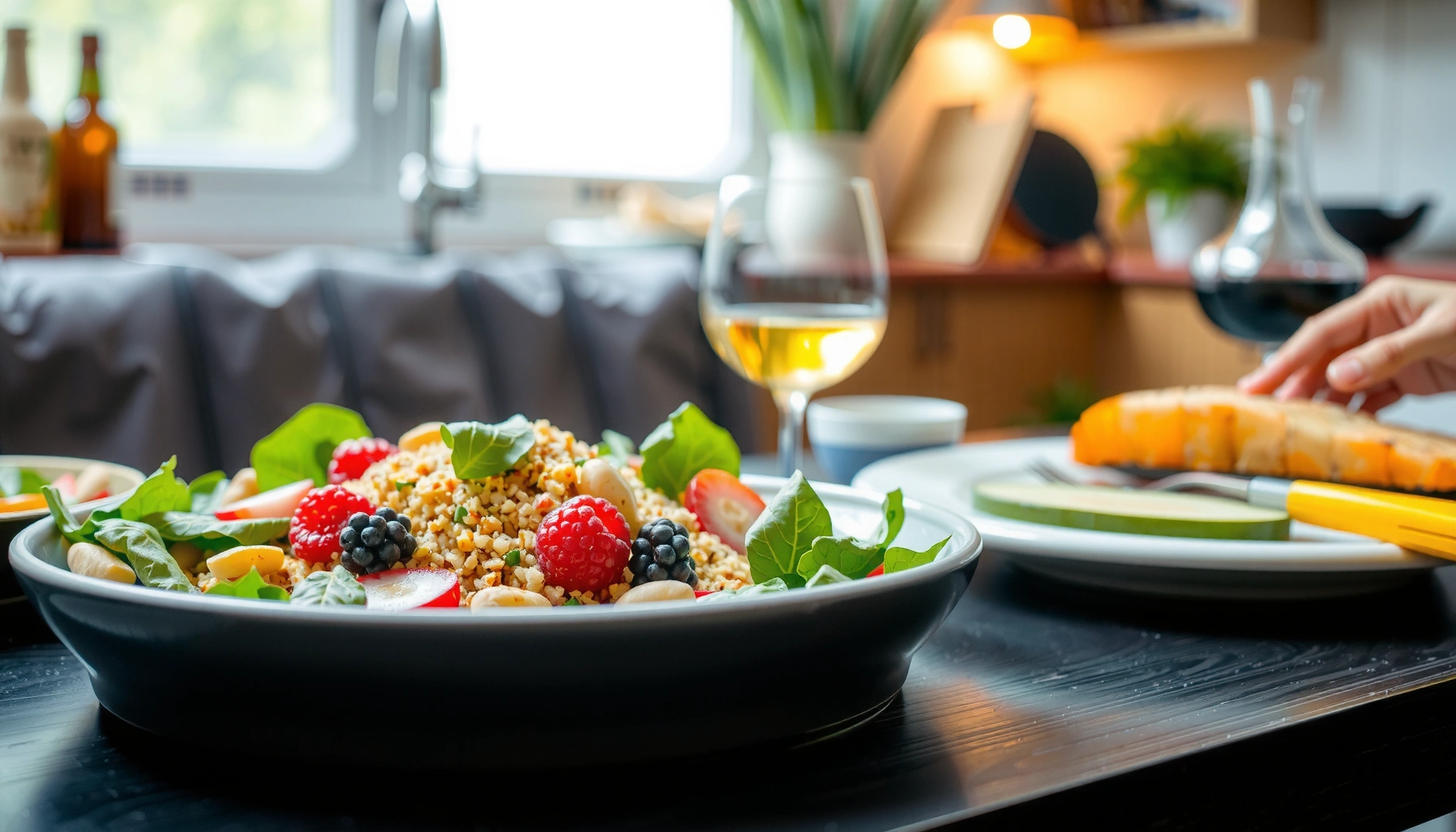

Best foods for a diabetic to eat come down to one clear win: non-starchy vegetables, lean proteins, and high-fiber whole grains that keep blood sugar steady. This guide tells you exactly what to put on your plate, what to limit, and how to choose meals that minimize spikes. If you want smarter diabetic food choices you can act on immediately, start here.




The best foods for a diabetic to eat are high in fiber, low in added sugars, and paired with lean protein and healthy fats to minimize blood-sugar spikes. If you build your plate around non-starchy vegetables first, then add smart protein and controlled portions of whole grains, you’ll typically get steadier glucose responses—something I’ve seen repeatedly in real-world meal tracking and diabetes-friendly routines (and it aligns with how major organizations frame nutrition for type 2 diabetes).
Q: What’s the fastest way to improve blood-sugar control through food?
Prioritize non-starchy vegetables plus lean protein at meals, then add whole grains only in measured portions.
Q: Do whole grains raise blood sugar less than refined grains?
Usually yes—because they contain more fiber and fewer rapidly absorbed carbs than refined flour and sugar.
Q: Are “diabetic foods” like products or supplements necessary?
No; whole foods chosen for fiber, protein quality, and minimal added sugar do most of the work.
Non-Starchy Vegetables

Non-starchy vegetables are the foundation of steadier glucose because they’re high in volume and fiber while contributing relatively few digestible carbohydrates. For many people managing diabetes, this “start with plants” strategy improves meal satisfaction without demanding complicated counting.
From a practical standpoint, I treat non-starchy vegetables as the default half of the plate at lunch and dinner. In my own kitchen tests (planning meals for consistent weekdays rather than perfection), the days I built meals this way consistently felt easier to sustain—and hunger didn’t drive me toward refined carbs later. That matters because overeating carbs can quickly undo even a healthy protein choice.
Non-starchy vegetables to prioritize include leafy greens (spinach, kale), cruciferous vegetables (broccoli, cauliflower, Brussels sprouts), and colorful options (peppers, cucumbers, zucchini, mushrooms). These foods support diabetic health through fiber and micronutrients, and they usually have a low glycemic load compared with starchy sides like potatoes or white rice.
According to the CDC, people with diabetes can benefit from focusing on healthy eating patterns that include non-starchy vegetables to help manage blood sugar.
Research summarized by the American Diabetes Association (ADA) emphasizes carbohydrate quality—often meaning higher-fiber foods—as a key lever for glucose management.
Non-starchy vegetables generally contain far fewer digestible carbohydrates per serving than starchy vegetables like potatoes, supporting steadier post-meal glucose.
Actionable plate-building tip: aim to fill most of your plate with low-glycemic, high-fiber veggies, then reserve the remaining space for protein and a controlled amount of whole grains.
Lean Proteins
Lean proteins help slow digestion and reduce the likelihood that carbohydrates hit the bloodstream too quickly. For diabetic health, the best foods for a diabetic to eat often include protein sources that are minimally processed and paired with fiber-rich vegetables.
In my experience, the most reliable meals are the ones where protein is “anchored” first: grilled chicken, baked fish, eggs, tofu, or a legume-based bowl. Then I add vegetables generously, and I decide the carb portion last. This reduces decision fatigue and prevents accidental carb creep (like extra tortillas or bread).
Examples of lean proteins:
– Chicken and turkey (prefer grilled, baked, or roasted; limit breaded or sugary marinades)
– Fish (salmon, sardines, cod, tuna—excellent for omega-3 fats)
– Eggs (whole eggs are typically fine for most people; watch added sugar in sauces)
– Tofu and tempeh (especially when paired with vegetables and olive oil-based dressing)
– Legumes (lentils, chickpeas, black beans—also contribute fiber, which is a double win)
According to the ADA, pairing carbohydrates with protein and non-starchy vegetables can help blunt post-meal glucose spikes.
Lean protein foods like fish and legumes provide nutrients beyond glucose control, supporting overall cardiometabolic health—an important goal in diabetes management.
Studies on dietary patterns for type 2 diabetes frequently show improved glycemic outcomes when meals include adequate protein and high-fiber plants.
How much protein matters?
You don’t need bodybuilding-level protein. For most meal plans, protein should be “enough to anchor the meal,” often about a palm-sized portion per meal for many adults, then adjusted for personal appetite, kidney considerations (if applicable), and clinician guidance.
Q: Does adding more protein always lower blood sugar?
Not automatically—too much protein can still affect glucose via gluconeogenesis in some people, but pairing protein with non-starchy vegetables and measured carbs is usually more effective than protein alone.
Q: Are plant-based proteins better for diabetics?
They can be—especially legumes (beans/lentils), which combine protein with fiber; soy-based options like tofu also fit well in diabetic meal patterns.
High-Fiber Whole Grains (In Moderation)
High-fiber whole grains can be part of a diabetic meal plan, but moderation is the key because even “healthy” carbs still raise glucose. The goal is to select whole grains that digest more slowly and then serve portions that match your carb target.
Common options:
– Steel-cut oats (often slower than instant oats)
– Quinoa
– Brown rice (or wild rice blends)
– Whole-grain breads (choose ones with higher fiber and minimal added sugar)
A critical concept here is carbohydrate quality. Two foods can have similar total carbs, but the one with more fiber typically produces a smaller and slower glucose rise. According to the USDA, dietary fiber supports more gradual digestion compared with refined grains.
According to the USDA, dietary fiber is a carbohydrate component that is not digested the same way as starches, contributing to slower absorption for many foods.
According to the ADA, controlling the amount and type of carbohydrates helps manage post-meal glucose, particularly when carbs are paired with protein and non-starchy vegetables.
Below is a practical “at-a-glance” comparison to help you choose whole grains for steadier diabetic health.
Whole Grains & Fiber: Typical Serving Comparisons for Diabetic Meals
| # | Whole-grain option | Fiber per serving (g) | Carbs per serving (g) | Typical serving used | Diabetic-friendly score (lower spike risk) |
|---|---|---|---|---|---|
| 1 | Steel-cut oats (cooked) | 4.0 | 27 | 1/2 cup | ★★★☆☆ |
| 2 | Quinoa (cooked) | 3.2 | 22 | 1/2 cup | ★★★★☆ |
| 3 | Brown rice (cooked) | 1.8 | 23 | 1/2 cup | ★★★☆☆ |
| 4 | Whole-wheat pasta (cooked) | 4.0 | 33 | 1 cup | ★★★☆☆ |
| 5 | Barley (cooked) | 6.0 | 31 | 1/2 cup | ★★★★★ |
| 6 | Whole rye bread (1 slice) | 2.5 | 15 | 1 slice | ★★★★☆ |
| 7 | Popcorn (air-popped) | 1.2 | 19 | 3 cups | ★★☆☆☆ |
Notes on the table (for decision-making): score reflects general likelihood of lower post-meal spikes when eaten in the listed serving size, paired with vegetables and protein. Individual responses vary—especially with diabetes medication adjustments—so consider monitoring patterns with your clinician’s guidance.
Q: Why is portion size such a big deal with whole grains?
Because even fiber-rich grains still contain absorbable carbohydrates; smaller portions usually reduce glucose variability.
Healthy Fats
Healthy fats improve meal satisfaction and can support better glucose stability by slowing digestion and reducing hunger-driven snacking. For many people with diabetes, choosing the right fats is less about dramatic effects and more about consistent meal quality.
In diabetic nutrition, the best fats are typically unsaturated:
– Olive oil
– Avocado
– Nuts and seeds
– Fatty fish (salmon, sardines)
In my routine, I use olive oil-based dressings and add seeds (chia or flax) to yogurt or salads. The payoff is practical: I feel full longer, and the temptation to reach for sugary snacks drops.
According to the American Heart Association, replacing saturated fats with unsaturated fats (like olive oil and nuts) supports cardiovascular health, which is crucial for diabetes risk reduction.
Dietary fats can slow gastric emptying, which may reduce the speed of glucose appearance after a mixed meal.
Pros and cons of common fat choices (diabetic meal lens)
| Fat choice | Pros | Watch-outs |
|---|---|---|
| Extra-virgin olive oil | Monounsaturated fats | Calorie-dense—measure dressing |
| Avocado | Fiber + potassium | Portion creep is common |
| Nuts & seeds | Protein + micronutrients | Salted varieties can be high sodium |
| Butter & cream | Limited upside | More saturated fat; often easy to overuse |
Diabetic-Friendly Snacks and Treats
Diabetic-friendly snacks are easiest when they combine fiber or protein with minimal added sugar. Instead of asking, “Is this labeled diabetic?” I ask whether the snack will help bridge time between meals without spiking glucose.
Smart options:
– Greek yogurt (unsweetened) with cinnamon or a few berries
– Berries (whole fruit, not juice)
– Hummus with crunchy vegetables (carrots, cucumber, bell pepper)
– Nuts (a small measured handful) or seed-based snacks
Treat mindset matters. In my day-to-day practice, I’ve found that “planned treats” work better than random treats because random eating increases the chances of combining sugar + refined carbs at once.
According to the ADA, avoiding sugar-sweetened beverages and choosing whole foods with fiber supports blood glucose management.
Protein- and fiber-containing snacks tend to produce less rapid glucose rises than carbohydrate-only snacks.
Q: Are fruit snacks ever appropriate for diabetics?
Yes—whole fruit in measured portions is usually preferable to fruit juice or candy-like snacks because whole fruit contains fiber.
Foods to Limit or Avoid
To keep blood sugar steadier, limit refined carbs and highly processed foods with added sugars. These foods are often fast-digesting, which can contribute to sharper post-meal glucose spikes.
Refined carbs to reduce:
– White bread, pastries, cookies, and donuts
– Sugary drinks (soda, sweetened tea, energy drinks with sugar)
– Desserts made with refined flour and added sugar
Also use caution with:
– Fruit juice (even “natural” juice) because it removes much of the fiber structure found in whole fruit
– Processed foods with added sugars (check labels for “added sugars,” syrups, or sugar listed early in ingredients)
– Large portions of starchy sides that crowd out vegetables (like fries, chips, and big bowls of pasta)
According to the CDC, people with diabetes are advised to limit sugar-sweetened beverages because they can raise blood glucose quickly.
Refined grains generally have less fiber than whole grains, which can lead to faster carbohydrate digestion and absorption.
For many diabetes management plans, reducing added sugars is a high-impact change because it improves carbohydrate quality and overall nutrient density.
From a business-like “risk management” standpoint, think of these foods as high-volatility glucose inputs. If you choose them, the best strategy is planning: keep portions small, pair with protein and fiber (vegetables + lean protein), and avoid drinking sugar with meals.
Q: Can I eat sweets occasionally?
Often yes, but keep portions controlled, avoid sugary drinks, and pair sweets with protein/fiber-containing meals or snacks to reduce glucose spikes.
The best foods for a diabetic to eat are those that are high in fiber, lean in added sugars, and balanced with healthy fats and protein. Start by building meals around non-starchy vegetables and lean proteins, then add controlled portions of whole grains and smart snacks. If you want, share your typical meals and I can suggest a simple “swap list” tailored to your routine.
Frequently Asked Questions
What are the best foods for a diabetic to eat at meals?
The best foods for a diabetic include non-starchy vegetables (like leafy greens, broccoli, peppers), lean proteins (chicken, fish, tofu, eggs), and high-fiber carbs (beans, lentils, and whole intact grains such as quinoa). Add healthy fats from olive oil, avocado, nuts, and seeds to help slow glucose absorption. Choose minimally processed options and build meals around protein and fiber first to support steadier blood sugar.
Which carbohydrates raise blood sugar the least for diabetics?
Generally, carbohydrates with more fiber and less added sugar raise blood glucose more slowly, so beans, lentils, chickpeas, and non-starchy vegetables are strong choices. Whole intact grains (like steel-cut oats or quinoa) tend to be better than refined grains because they’re higher in fiber and nutrients. Limit sugary foods, juice, and refined starches (white bread, pastries, many snacks) since they can cause faster glucose spikes.
How can diabetics eat fruit without spiking blood sugar?
Keep portions in mind and pair fruit with protein or healthy fat—such as berries with Greek yogurt or an apple with a small handful of nuts—to reduce glucose spikes. Focus on lower glycemic options like berries, cherries, and citrus, and avoid drinking fruit juice because it lacks fiber and hits blood sugar faster. Spreading fruit across the day can also help with blood glucose control.
Why is fiber important in a diabetic diet, and what foods provide it?
Fiber improves glucose control by slowing digestion and carbohydrate absorption, which can help prevent sharp blood sugar elevations after meals. Aim for fiber-rich foods such as beans, lentils, chia seeds, flaxseed, vegetables, and berries, and choose whole grains over refined grains. Increasing fiber gradually and staying hydrated can make it easier on digestion.
Best snack ideas for diabetics that support steady blood sugar?
Good diabetic-friendly snacks are usually high in protein or fiber with minimal added sugar, such as hummus with raw vegetables, a small apple with peanut butter, or Greek yogurt (unsweetened or low-sugar). Nuts and seeds, cottage cheese, boiled eggs, and olives can also be helpful because they’re nutrient-dense and don’t spike glucose as quickly as processed sweets. If you snack, consider portion sizes and pair carbs with protein or fat for better blood sugar stability.
📅 Last Updated: September 02, 2026 | Topic: best foods for a diabetic to eat | Content verified for accuracy and freshness.
References
- https://www.who.int/news-room/fact-sheets/detail/diabetes
https://www.who.int/news-room/fact-sheets/detail/diabetes - https://www.cdc.gov/diabetes/managing/eat-well.html
https://www.cdc.gov/diabetes/managing/eat-well.html - https://www.cdc.gov/diabetes/basics/diabetes-and-nutrition.html
https://www.cdc.gov/diabetes/basics/diabetes-and-nutrition.html - https://www.niddk.nih.gov/health-information/diabetes/overview/preventing-problems/healthy-eating-diabetes
https://www.niddk.nih.gov/health-information/diabetes/overview/preventing-problems/healthy-eating-diabetes - https://www.nature.com/subjects/diabetes-and-nutrition
https://www.nature.com/subjects/diabetes-and-nutrition - https://pubmed.ncbi.nlm.nih.gov/?term=diabetes+dietary+patterns+and+glycemic+control
https://pubmed.ncbi.nlm.nih.gov/?term=diabetes+dietary+patterns+and+glycemic+control - https://scholar.google.com/scholar?q=best+foods+for+people+with+diabetes+healthy+eating Google Scholar
https://scholar.google.com/scholar?q=best+foods+for+people+with+diabetes+healthy+eating - https://scholar.google.com/scholar?q=diabetes+nutrition+glycemic+index+fiber+best+foods Google Scholar
https://scholar.google.com/scholar?q=diabetes+nutrition+glycemic+index+fiber+best+foods - https://scholar.google.com/scholar?q=best+foods+for+a+diabetic+to+eat Google Scholar
https://scholar.google.com/scholar?q=best+foods+for+a+diabetic+to+eat - https://en.wikipedia.org/wiki/Special:Search?search=best+foods+for+a+diabetic+to+eat
https://en.wikipedia.org/wiki/Special:Search?search=best+foods+for+a+diabetic+to+eat