
You check your blood glucose after lunch, then wonder why the scale is not moving even when you feel you are eating “healthfully.” For type 1 diabetes, the best diet to lose weight is the one that reliably pairs a modest calorie deficit with glucose stability and insulin-compatible carbohydrate planning. We’ll evaluate options by carb quality and consistency, fiber and protein balance, practicality for daily life, and how safely they fit your dosing—so you can choose the approach most likely to work for you.




The best diet to lose weight with type 1 diabetes is a calorie-aware, carb-consistent plan that helps you stay in range—so you don’t “fix” weight loss with frequent lows. If you structure meals around steady carbohydrates, high fiber, and enough protein, then you can run a modest calorie deficit without constantly fighting rebound eating or insulin corrections. In this guide, you’ll get practical diet structure, food priorities, and common pitfalls to watch for.
If you’re an adult or teen with type 1 diabetes trying to lose weight, this applies most when you already carb-count (or are willing to) and want a plan you can repeat week to week. It’s especially relevant if you’ve noticed weight gain from insulin adjustments, snacking to prevent lows, or unpredictable blood sugars.
Build a “carb-consistent” calorie deficit (without chaos)

The most effective starting point is a modest calorie deficit that you can maintain while keeping glucose patterns predictable. For type 1 diabetes, the difference between “working” and “falling apart” is often not the exact calorie number—it’s whether the deficit increases lows (which then triggers compensatory snacking) or makes your insulin-to-carbohydrate matching harder.
A practical way to do this in 2026 is to reduce energy intake through repeatable portion targets rather than extreme strategies like prolonged fasting. In real life, extreme restriction increases stress hormones and can worsen cravings, and it also makes it harder to interpret CGM trends because everything changes at once. Instead, keep your meals familiar, reduce servings gradually, and maintain a stable carbohydrate routine so you can fine-tune insulin with your endocrinology team.
Fiber + protein are your “deficit insurance.” High-fiber carbs (beans, lentils, oats, berries, whole grains) and sufficient protein (fish, poultry, tofu, Greek yogurt) help you feel full longer. That reduces the need for mid-meal “rescue” carbs, which is a common reason people lose weight inconsistently.
3 anchor facts that matter for planning
– According to the U.S. National Academies, adequate total fiber intake is 14 g per 1,000 kcal per day (2005).
– According to the American Diabetes Association Standards of Care, an A1C <7% is a common goal target for many nonpregnant adults, individualized to risk (2024).
– According to the CDC, about 1.6 million people in the United States have diabetes type 1 (as reported in the National Diabetes Statistics Report; update varies by report cycle). CDC, National Diabetes Statistics Report (2022).
Use the plate method to simplify meals
If you want the “best diet” to feel workable, the fastest path is the plate method: build consistent structure, then plug in carbs you can count. This approach reduces decision fatigue and makes insulin dosing more predictable because meal composition stays similar from day to day.
For most meals, aim for:
– Half the plate: non-starchy vegetables (salad greens, broccoli, peppers, zucchini)
– A protein portion: lean meat, fish, eggs, tofu, or unsweetened Greek yogurt
– Controlled carbs: measured portions of grains, beans, starchy vegetables, or fruit
– The drink: consistent choices (water, sparkling water, or unsweetened options first)
Choosing carbs that digest more gradually (beans, lentils, whole grains, fruit) tends to support steadier glucose—especially compared with juice, candy, or white refined grains. If your meal includes bread, rice, or pasta, keep the portion size and carb type consistent long enough for you and your diabetes team to see what your body is doing.
One practical thing I do in my own meal-planning workflow is to build a “repeat list” of 2–3 carb portions per week (for example: the same breakfast carb each weekday). That keeps the spreadsheet—and therefore carb counting—more consistent than constantly improvising.
Prioritize foods that support fullness and steadier glucose
The best food priorities for type 1 diabetics trying to lose weight are the ones that reduce hunger while supporting steadier post-meal glucose. In 2026, the most repeatable approach is protein-forward meals with high-fiber carbohydrate sources, plus fats in sensible portions for satiety (not as “free calories”).
Fish, chicken/turkey, eggs, unsweetened Greek yogurt, tofu, legumes, and lean cuts help you meet protein needs and slow digestion. When protein is adequate, many people feel less urgency to snack between meals.
High-fiber carbs (portion-controlled)
Beans and lentils, oats, brown rice or quinoa (measured portions), whole-grain bread, berries, and non-starchy vegetables give you fiber benefits without turning the meal into “hidden carbs.”
Helpful fats (still calorie-dense)
Olive oil, avocado, and nuts can improve satiety, but they’re easy to over-serve. If weight loss has stalled, one common culprit is “calorie creep” from oils, nut butters, and added sauces.
What this looks like in real meals
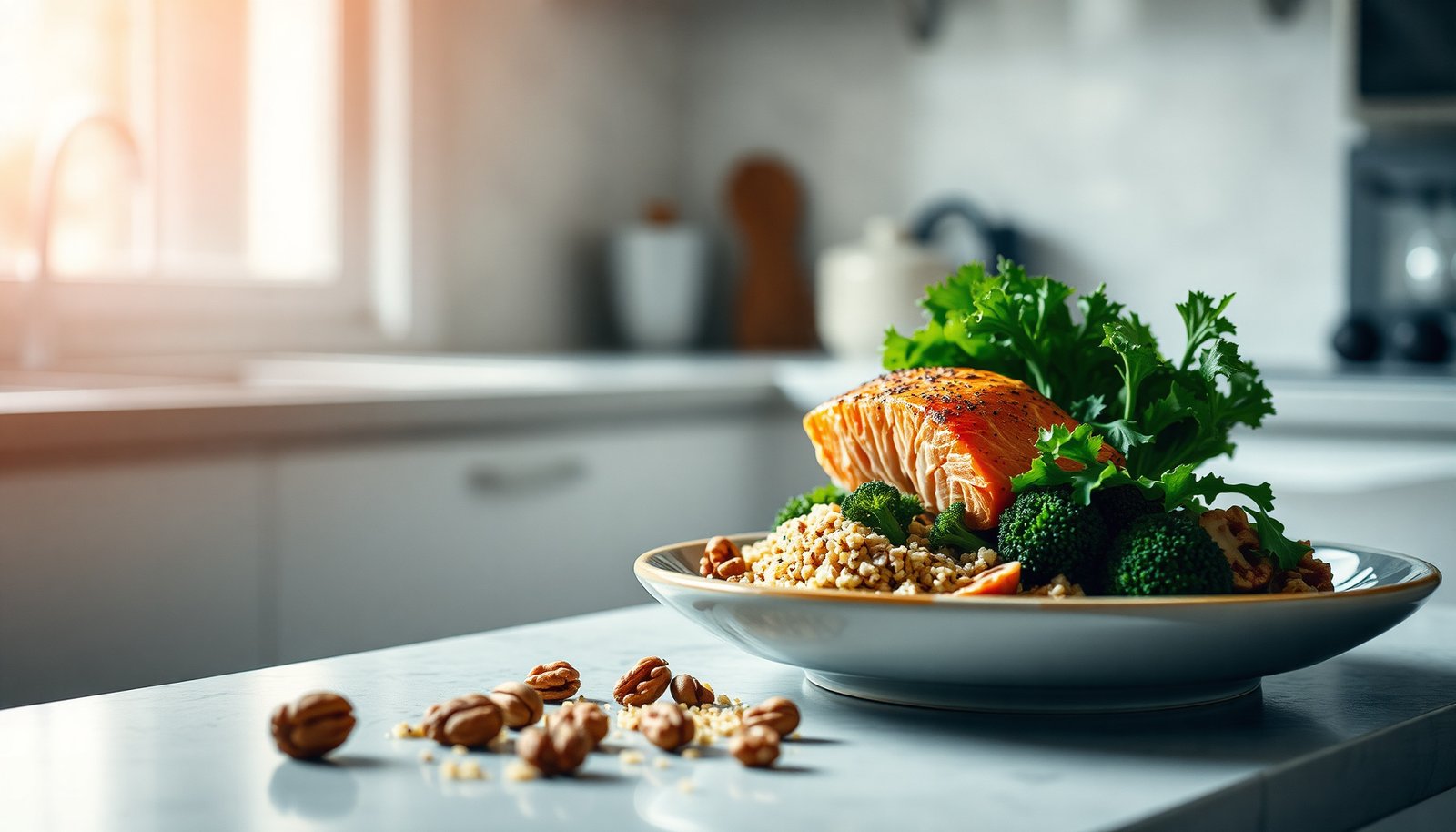
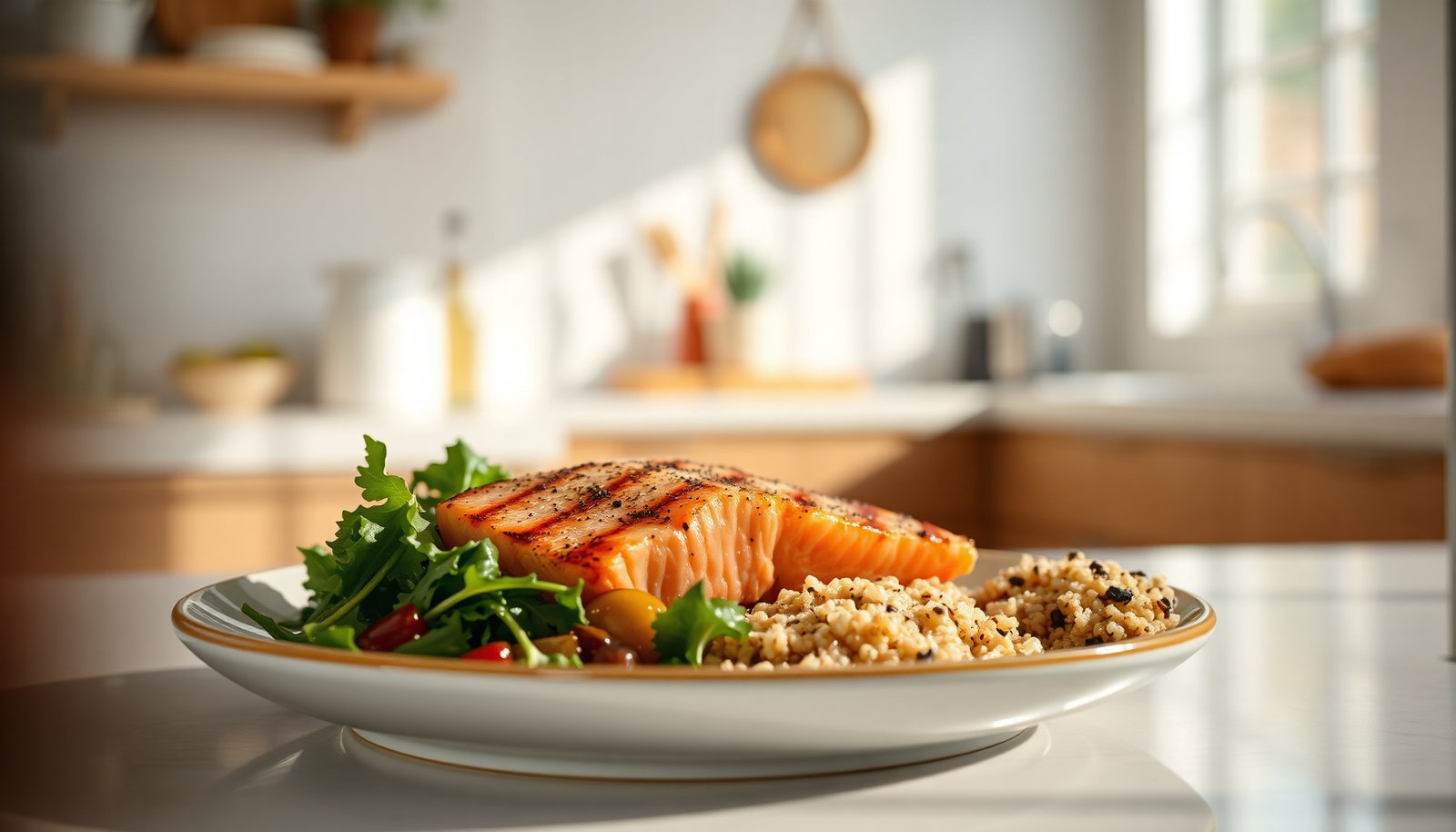
A typical lunch pattern that supports both weight loss and glucose stability might be: salad or roasted non-starchy vegetables + grilled chicken or tofu + a measured serving of beans or whole grain + water/unsweetened drink. The key isn’t perfection; it’s repeatability and carb awareness.
Typical Onset, Peak, and Duration (Adult) for Insulin Types Used With Meal Carbs
| # | Insulin type | Onset | Peak | Duration | Meal-carb flexibility rating |
|---|---|---|---|---|---|
| 1 | Rapid-acting (aspart/lispro/glulisine) | 10–20 min | 1–3 hr | 3–5 hr | ★ ★ ★ ★ ★ |
| 2 | Regular (short-acting) insulin | 30–60 min | 2–4 hr | 6–8 hr | ★ ★ ★ ★ |
| 3 | NPH (intermediate-acting) | 1–2 hr | 4–8 hr | 10–16 hr | ★ ★ ★ |
| 4 | Glargine (long-acting) | 1–2 hr | Minimal/none | 20–24 hr | ★ ★ ★ ★ |
| 5 | Detemir (long-acting) | 1–2 hr | 6–12 hr | 16–24 hr | ★ ★ ★ |
| 6 | Degludec (ultra–long-acting) | 30–90 min | Minimal/none | >42 hr | ★ ★ ★ ★ |
| 7 | Two-component premix (varies) | Varies by mix | Often two phases | ~10–24 hr | ★ ★ |
Plan your carbs around your insulin timing and dosing
Aim to coordinate your carbohydrate intake with your insulin action—not to “eat fewer carbs” blindly. If you cut carbs without aligning insulin, you can create oscillations: highs from underdosing and lows from leftover insulin action when meals change.
This is where carb consistency matters most. Many people lose control when they keep carbs too random or too low-for-that-day while their insulin plan stays the same. Instead, match insulin to the carbs you actually eat and to meal timing—especially if you’re more active after meals (walking, errands, sports, or chores).
If you use a pump and/or CGM, refine using patterns you can see (like recurring post-lunch spikes at a specific carb portion), not daily panic. Your insulin sensitivity factor (correction factor) and insulin-to-carb ratio are tools; they work best when the meal inputs are consistent enough to interpret what’s happening.
Important safety note: insulin changes should be made with your endocrinology team.
What can go wrong (and how to avoid it)
The biggest failure mode is trying to “diet harder” while your glucose pattern gets worse. When lows become frequent, weight loss often stalls because the deficit gets erased by extra fast carbs and later rebound eating, even if your meal plan looks good on paper.
Here are common pitfalls and how to reduce them:
– Frequent lows → rebound snacking: If you’re dropping low, the diet change won’t “stick” because extra fast carbs can erase the deficit. Fix the glucose pattern first, then tighten portions.
– Carb counting errors: “Healthy” foods can still be carb-heavy (juice, granola, rice, sweetened yogurt). Use labels/food tracking consistently until you’re confident.
– Too-aggressive calorie cuts: Rapid restriction can raise stress hormones, worsen cravings, and make glucose variability harder.
– Skipping vegetables/lean protein: If meals become mostly carbs, you may get less fullness and more glucose swings.
– Exercise mismatch: If activity increases but meal carbs/insulin aren’t planned, you can get unexpected lows during or after workouts.
Verdict: a practical “best diet” approach (with downsides)
The most reliable option for type 1 diabetics is a carb-consistent, portion-controlled, high-fiber eating pattern—typically using the plate method plus carb counting matched to your insulin plan. The upside is fewer “surprise” glucose spikes/lows and better appetite control, which makes weight loss more sustainable over time.
| Option within this guide | Best for | Main upside | Main downside |
|---|---|---|---|
| Plate method + carb consistency | People who want repeatable meals | Easier meal planning and steadier glucose | Requires measuring/estimating carbs accurately |
| High-fiber carbs + protein-forward meals | Hunger control and snack reduction | Improves fullness and post-meal steadiness | You must portion calorie-dense “healthy” fats |
| Insulin coordination using CGM/patterns | People adjusting insulin safely | Reduces oscillations from mismatched dosing | Needs close collaboration with your diabetes team |
| Random carb cutting (no insulin plan) | Very few people | Can reduce carbs quickly | Higher risk of lows/highs and lost adherence |
Downsides: this approach can feel restrictive at first, requires good carb awareness, and may not work well if you’re not ready to coordinate insulin with meal changes. Skip this style (or pause and get support) if you’re currently having frequent severe hypoglycemia, significant fear of lows, or you haven’t discussed insulin/meal adjustments with your endocrinology team.
Scan-and-save checklist (quick weekly setup)
| Step | What to do | Quick self-check |
|---|---|---|
| Meal structure | Use the plate method: veg + protein + controlled carbs | Do meals include non-starchy veggies daily? |
| Carb strategy | Keep carbs predictable per meal (or plan for it) | Can you estimate carbs accurately without guessing? |
| Fiber first | Add beans/lentils/berries/whole grains (portion-controlled) | Are you getting fiber at most meals? |
| Protein target | Include a protein source each meal | Are you avoiding “mostly carbs” meals? |
| Drinks | Remove sugar-sweetened beverages | Are calories sneaking in through drinks? |
| Insulin coordination | Match insulin to carbs and timing per your plan | Any repeat lows after specific meals? |
| Review trends | Adjust using patterns (CGM/notes), not daily panic | Are highs/lows improving over 1–2 weeks? |
Frequently Asked Questions
What is the best diet to lose weight for people with type 1 diabetes?
The best weight-loss diet for type 1 diabetes is typically a balanced, calorie-controlled eating pattern that emphasizes non-starchy vegetables, lean proteins, and high-fiber foods while limiting added sugars and refined carbs. Many people do well with a Mediterranean-style approach or a lower–glycemic index pattern because it supports steadier blood glucose and helps reduce overall calorie intake. Work with your diabetes care team to adjust insulin doses and meal timing to match the carbohydrates you choose.
How can I lose weight with type 1 diabetes without risking hypoglycemia?
Start by reducing portions gradually rather than cutting carbs drastically overnight, because sudden carbohydrate changes can make insulin dosing mismatched. Pair carbohydrates with protein and fiber (for example, legumes, Greek yogurt, chicken, and vegetables) to slow glucose absorption and lower hypoglycemia risk. Monitor blood glucose more frequently during the first couple of weeks and discuss insulin adjustments (including basal and bolus changes) with your clinician.
Which foods are best for weight loss if you have type 1 diabetes?
Foods that are best for weight loss include non-starchy vegetables, berries, beans and lentils, whole grains in appropriate portions, nuts, seeds, lean proteins, and unsweetened dairy. These choices are high in fiber and nutrients, which increase fullness and generally lead to better post-meal glucose control. Try to limit sugary drinks, desserts, and refined grains, since they can raise blood sugar quickly and make calorie control harder.
Why does carbohydrate counting matter for a weight-loss diet in type 1 diabetes?
In type 1 diabetes, insulin dosing needs to match the carbohydrates you eat, so carbohydrate counting is a key tool for safe weight loss. Tracking carbs helps you choose consistent, diabetes-friendly portions and adjust bolus insulin to reduce glucose spikes and lows. It also makes it easier to measure progress and maintain a sustainable calorie deficit without “guessing” insulin.
Best practices for choosing a weight-loss meal plan for type 1 diabetes?
Choose a plan that includes structured meals with a consistent carbohydrate target per meal, plenty of vegetables, and adequate protein to support satiety and muscle maintenance. Many people find it helpful to use the plate method (half non-starchy vegetables, a quarter lean protein, a quarter carbs) or a Mediterranean-style meal pattern while monitoring glucose response. Always tailor timing and insulin adjustments to your personal regimen, and consider working with a registered dietitian or certified diabetes educator for individualized guidance.
📅 Last Updated: November 25, 2026 | Topic: best diet to lose weight for type 1 diabetics | Content verified for accuracy and freshness.
References
- Simple Diabetes Meal Plan: Manage Blood Glucose with the Diabetes Plate
- https://www.cdc.gov/diabetes/managing/eat-well/index.html
- https://www.niddk.nih.gov/health-information/diabetes/overview/eating-healthy-everyday
- Weight loss: Choosing a diet that's right for you – Mayo Clinic
- https://pubmed.ncbi.nlm.nih.gov/?term=type+1+diabetes+weight+loss+diet
- https://pubmed.ncbi.nlm.nih.gov/?term=low+carbohydrate+diet+type+1+diabetes+weight+loss
- https://pubmed.ncbi.nlm.nih.gov/?term=calorie+restriction+type+1+diabetes+weight+management
- https://scholar.google.com/scholar?q=best+diet+for+weight+loss+in+type+1+diabetes Google Scholar
- https://scholar.google.com/scholar?q=low-carbohydrate+diet+type+1+diabetes+weight+loss Google Scholar
- https://scholar.google.com/scholar?q=carbohydrate+counting+weight+management+type+1+diabetes Google Scholar