
Which diet should you follow for type 2 diabetes to get steadier blood-sugar control without unnecessary complexity? The best choice is the one that consistently prioritizes non-starchy vegetables, high-fiber whole grains or legumes, lean proteins, and unsaturated fats while limiting added sugars and refined carbs. We’ll weigh options by their impact on glycemic load, satiety, practicality for everyday meals, and safety with common diabetes medications.




The best diet to follow for type 2 diabetes is one that reduces blood-sugar spikes by centering meals around high-fiber carbohydrates, lean protein, and healthy fats—while keeping refined carbs in check. In this guide, we’ll break down what to eat (and what to limit), how to plan meals that work with real schedules, and the common missteps that can quietly make type 2 diabetes harder to manage.
Who this is for / when it applies:
This is for people newly diagnosed with type 2 diabetes or anyone looking to improve blood sugar with food changes. It’s also useful if you’ve tried “low-carb” or “low-fat” approaches before and want a more practical way to build meals—always alongside your clinician’s plan and medication instructions.
Build your “diabetes-friendly plate”

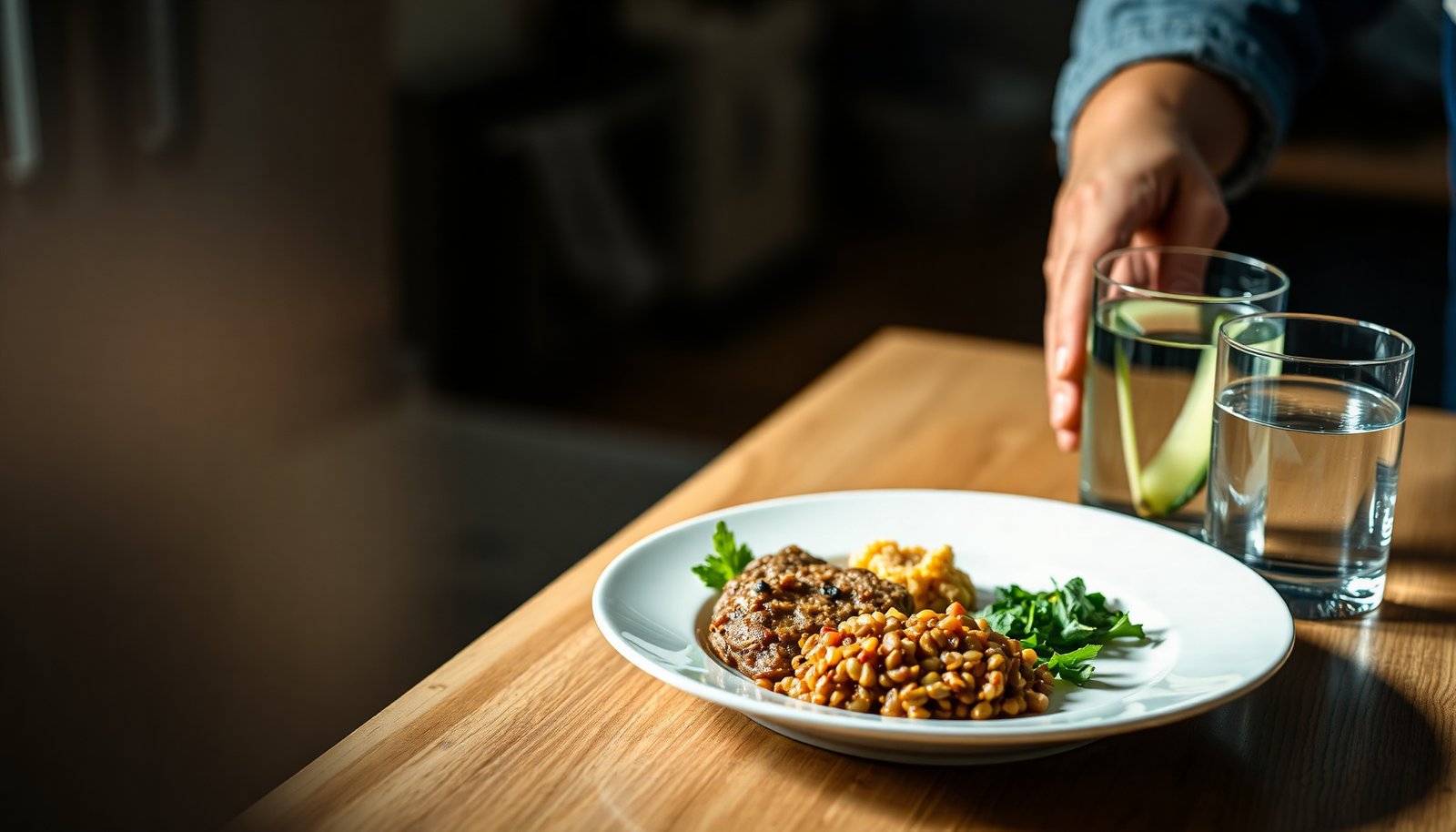
The fastest way to build a diet for type 2 diabetes that actually shows results is to use a “plate” template you can repeat, not a complicated meal plan you have to reinvent daily. Research and real-world clinical practice both support the idea that a consistent plate method improves post-meal glucose by balancing fiber, protein, and fat—and by limiting refined carbohydrate load. For type 2 diabetes, consistency is often more important than perfection.
– Aim for a plate that’s mostly non-starchy vegetables (half the plate), with protein and smart carbs covering the rest. Non-starchy vegetables (leafy greens, broccoli, peppers, cauliflower, zucchini) typically add volume and fiber without causing the same glucose rise you’d see from rice, pasta, or white bread—an effect that matters because type 2 diabetes is often driven by impaired glucose handling.
– Choose lean proteins (fish, chicken, tofu, eggs, legumes) and add healthy fats in modest portions (olive oil, avocado, nuts, seeds). Protein supports satiety and helps smooth glucose response; fat (especially monounsaturated fats like olive oil) slows digestion, which can blunt spikes for many people managing type 2 diabetes.
– Prioritize whole foods over packaged “diabetic” treats, which can still raise blood sugar depending on their carbs and ingredients. “Diabetic” labeling doesn’t automatically mean “low impact.” For type 2 diabetes, the practical question is always: how many total carbohydrates are in the portion you’ll eat, and is the rest of the meal structured to slow absorption?
Carb Choices for Type 2 Diabetes: Fiber, Total Carbs, and Glucose-Support Score (USDA-based)
| # | Food (typical serving) | Fiber (g) | Total carbs (g) | Added sugar (g) | Diabetes-support |
|---|---|---|---|---|---|
| 1 | Cooked lentils, 1 cup | 15.6 | 39.9 | 0 | ★★★★★ |
| 2 | Cooked chickpeas, 1 cup | 12.5 | 45.3 | 0 | ★★★★☆ |
| 3 | Rolled oats, cooked 1/2 cup (dry 1/3 cup) | 4.0 | 27.0 | 0 | ★★★☆☆ |
| 4 | Raspberries, 1 cup | 8.0 | 14.7 | 0 | ★★★★☆ |
| 5 | Broccoli, cooked 1 cup | 5.1 | 10.2 | 0 | ★★★★☆ |
| 6 | Plain Greek yogurt, 1 cup | 0.0 | 6.0 | 0 | ★★★★☆ |
| 7 | Orange juice, 8 fl oz | 0.5 | 25.8 | 21.0 | ★☆☆☆☆ |
This data table is meant to reinforce a practical point for type 2 diabetes: fiber and total carbohydrate quality matter. Whole foods like lentils and raspberries tend to provide meaningful fiber with carbohydrate, while juice and heavily refined options typically provide fast-digesting carbs with little fiber. (The nutrition values above are based on USDA FoodData Central nutrition profiles for commonly referenced serving sizes.)
Pick the right carbs (and control the portions)
For type 2 diabetes, the best carbohydrate strategy is not “no carbs,” but choosing carbs that digest more slowly and pairing them with protein and healthy fats while controlling portions. When carbohydrate portions rise quickly or carbs are refined, blood sugar often rises faster—especially when meals lack fiber. In 2024–2026 guidance, this “quality + quantity” framing is a common theme because it’s both medically sensible and easier to sustain than extremes.
– Choose carbohydrates that are slower to digest: beans/lentils, non-starchy vegetables, intact whole grains (like oats or barley), and fruit in controlled portions. “Slower digestion” often comes from intact cell structure (whole grains) and fiber (beans, vegetables). In type 2 diabetes, that matters because glucose enters the bloodstream more gradually.
– Increase fiber to help blunt glucose rises—look for foods that naturally contain fiber rather than relying on fiber supplements alone. Fiber supports glycemic control partly by slowing digestion and improving satiety. According to the National Academies of Sciences, Engineering, and Medicine, an adequate intake for fiber is about 14 g per 1,000 calories (2005). For type 2 diabetes, you don’t have to hit a perfect target on day one, but it’s a useful benchmark for planning.
– Don’t treat carbs as “all bad.” The goal is quality + quantity, and spacing carbs across the day if your clinician recommends it. In many people with type 2 diabetes, “spreading” carbohydrates can reduce peak glucose compared with concentrating them in one large meal.
Practical carb swaps that usually help
– White bread/rice/pasta → whole-grain versions or smaller portions of the original. Swapping to whole grains keeps fiber and micronutrients in the meal, which can reduce post-meal glucose spikes for many people with type 2 diabetes.
– Sugary drinks → water, sparkling water, or unsweetened drinks. Sugary drinks deliver carbs quickly with no fiber; that pattern is particularly unfriendly for type 2 diabetes.
– Snack bars/cookies → plain nuts, Greek yogurt (unsweetened), or a small portion of fruit with protein/fat. Pairing a carb with protein or fat can reduce speed and intensity of glucose absorption.
If you want a quick “reality check” for type 2 diabetes, read labels for total carbohydrates—not just sugar. Added fiber, sugar alcohols, and “net carbs” can complicate interpretation, and your glucose meter (paired with clinician guidance) is often the final arbiter for how your body responds.
Limit these foods that commonly spike blood sugar
For type 2 diabetes, the fastest dietary wins often come from limiting the most spike-prone foods first—especially refined grains, sweets, and sweetened beverages. This doesn’t mean you can’t ever eat them; it means your baseline plan should minimize predictable glucose surges. In 2024–2026, clinicians continue to emphasize that “carb type and meal context” are central, not just carb grams alone.
– Refined grains and sweets: pastries, candy, white bread, regular soda, sweetened coffee drinks. These foods typically have lower fiber and faster digestion, which can produce higher post-meal glucose peaks in type 2 diabetes.
– Highly processed snacks: chips, crackers made with refined flour, and many “low-fat” but high-sugar options. “Low-fat” doesn’t mean “low carbohydrate.” If the carbohydrate is refined or sugar-heavy, the blood sugar response can still be strong for type 2 diabetes.
– Alcohol without food: it can interfere with glucose control and medication effects—ask your clinician what’s safest for your situation. Alcohol can also increase calorie intake and may affect hypoglycemia risk depending on medications, which is a key safety issue for type 2 diabetes.
Watch “hidden carbs”
Even foods that don’t taste sweet can raise glucose (for example, some sauces, flavored yogurts, and sweetened condiments). When possible, check the nutrition label for total carbohydrates per serving—not just “sugar.” For type 2 diabetes, it’s very common to underestimate carbs in “savory” items like marinara sauce, teriyaki-style sauces, and creamy dressings because their sweetness comes from ingredients rather than obvious taste.
What actually works better: a “shift” vs. a “ban”
To keep this plan realistic for type 2 diabetes, focus on reducing frequency and portion size of spike foods rather than eliminating everything at once. Here’s a comparison of common strategies:
| Approach | Pros (for type 2 diabetes) | Trade-offs / risks |
|---|---|---|
| Plate method (fiber + protein + smart carbs) | Often easier to sustain; supports steadier glucose peaks; flexible across cultures and schedules. | Still requires portion awareness (especially starches) and label reading for hidden carbs. |
| Strict low-carb | Can reduce glucose excursions for some people; may work well with certain medication plans. | May increase fatigue or constipation for some; requires medication review to avoid hypoglycemia for type 2 diabetes. |
| Low-fat, higher refined-carb focus | Can reduce total saturated fat for some diets. | If carbs shift to refined grains/sugars, glucose spikes can worsen—especially in type 2 diabetes. |
Meal planning that’s realistic (without a perfect diet)
For type 2 diabetes, the best diet is the one you can repeat—because consistency reduces variability in blood sugar. Unrealistic plans fail most often due to decision fatigue (what to eat, how to portion, what to buy). Your goal is a system that keeps carbs measured, fiber emphasized, and protein included at breakfast and snacks when you need them.
– Use a simple routine: pick 1–2 breakfasts, 2–3 lunch/dinner templates, and rotate vegetables and proteins so meals don’t feel like a chore. For type 2 diabetes, fewer repeating decisions usually leads to steadier carb portioning.
– Cook carbs intentionally: measure or portion cooked grains/beans/pasta instead of eating directly from the container. This helps prevent “portion creep,” which can quietly raise glucose peaks in type 2 diabetes.
– Add protein to breakfast and snacks: it often helps reduce cravings and keeps you fuller longer. Protein is also useful for smoothing glucose responses when your carbohydrate intake is moderate but consistent.
A simple day structure you can copy
– Breakfast: protein + fiber (e.g., eggs with vegetables, or Greek yogurt with nuts/berries).
– Lunch: half plate vegetables + measured smart carbs (beans or whole grains) + olive-oil-based fat/protein.
– Dinner: similar plate method—keep starchy sides reasonable and load up on non-starchy vegetables.
– Snacks (if needed): choose something with protein/fat and minimal refined carbs.
If you struggle with planning, start with shopping lists and pre-portioning.
What can go wrong (and when to be careful)
For type 2 diabetes, the biggest diet mistakes usually involve medication safety, unrealistic restriction, or misunderstanding what “healthy” carbs really mean. Diet changes can affect glucose enough that medication adjustments may be required; ignoring that risk can lead to low blood sugar or poor control. As of 2024–2026, clinicians continue to stress monitoring and individualized adjustment rather than one-size-fits-all restrictions.
– Going too aggressive too fast: drastically cutting carbs can make some people feel tired or “off,” especially if medication isn’t adjusted. If you take glucose-lowering meds, talk to your clinician before major changes. This is particularly important for type 2 diabetes because some therapies raise hypoglycemia risk when food intake drops.
– Over-relying on “diabetic” products: many still contain carbohydrates, and some use sugar alcohols or added fibers that can cause GI discomfort. If a treat replaces a balanced meal, total carbohydrate load can creep up and disrupt glucose stability in type 2 diabetes.
– Confusing low sugar with low carbs: some foods can taste “less sweet” but still contain enough carbs to affect glucose. For type 2 diabetes, the label to watch is total carbohydrate per serving.
– Under-eating overall: if you reduce food too much, you may struggle with energy, adherence, and long-term control. Poor adherence can worsen type 2 diabetes outcomes even if the plan is “healthy on paper.”
– Ignoring personal triggers: some people notice specific foods (or meal timing) affect their readings more than others. That’s why consistent tracking—when advised—matters for type 2 diabetes.
A useful reminder for type 2 diabetes: glucose control is not only about diet, but also about sleep, stress, activity, and medication timing. Food is a major lever, but it isn’t the only one.
Verdict: the best approach to try first (and who should skip it)
The best diet to follow for type 2 diabetes is usually a Mediterranean-style, high-fiber eating pattern with smart carbohydrate portioning—because it’s balanced, sustainable, and tends to reduce blood-sugar spikes compared with refined-carb-heavy diets. The downside is that it requires consistent attention to portions and carb choices, not just “eating healthy.”
– Evidence anchor for why A1C improvements matter: According to UKPDS, each 1% reduction in HbA1c is associated with roughly a 21% reduction in diabetes-related deaths (2000). That’s why even modest improvements in glucose from smarter carbs and better meal structure can matter long-term in type 2 diabetes.
– Lifestyle impact anchor: According to Diabetes Prevention Program (DPP) Research Group, intensive lifestyle changes reduced progression to diabetes by 58% compared with placebo (2002). While DPP focused on preventing diabetes (not treating established type 2 diabetes), it supports the metabolic power of sustainable eating patterns.
– Fiber target anchor: According to National Academies of Sciences, Engineering, and Medicine, adequate fiber intake is about 14 g per 1,000 calories (2005). For type 2 diabetes, aiming for fiber-rich carbs—rather than refined carbs—is a practical first step.
Skip (or modify) this plan if:
– You’re changing diabetes medications or insulin dosages soon—get clinician guidance first to reduce hypoglycemia risk.
– You have a medical condition that requires a different nutrition strategy (for example, certain kidney conditions may change protein and potassium recommendations).
– You’re unable to monitor or track your glucose as advised and need a slower, more supervised transition.
Quick checklist (save this for grocery trips)
| What to do | Easy target |
|---|---|
| Build your plate | Half non-starchy veggies |
| Include protein | Each meal has a protein source |
| Choose smarter carbs | Beans/lentils, intact whole grains, fruit (portion-controlled) |
| Add healthy fats | Olive oil, nuts, seeds, avocado (small/moderate portions) |
| Reduce refined carbs | Skip sweets, soda, white bread/rice most of the time |
| Check labels | Look at total carbs per serving |
| Plan ahead | Rotate meals so adherence is easier |
| Adjust with guidance | Coordinate any big changes with your clinician |
Frequently Asked Questions
What is the best diet to follow for type 2 diabetes?
For many people with type 2 diabetes, the best diet is one that supports steady blood sugar levels by emphasizing non-starchy vegetables, lean proteins, and high-fiber whole foods. Eating patterns similar to the Mediterranean diet or a carbohydrate-controlled “healthy plate” approach are often effective because they prioritize fiber and limit refined carbs and added sugars. This usually helps improve A1C, reduce glucose spikes, and support healthy weight when paired with physical activity.
How many carbs should I eat on a type 2 diabetes diet?
Carbohydrate needs vary by body size, activity level, and medication, but many people do well with portion-controlled carbs spread across the day. A practical starting point is to limit refined grains and sugary foods while choosing high-fiber carbohydrates like beans, lentils, quinoa, oats, and non-starchy fruit. Monitoring your blood glucose response or working with a registered dietitian can help you personalize your ideal carb range and timing.
Why does fiber help with blood sugar control in type 2 diabetes?
Fiber slows digestion and carbohydrate absorption, which can reduce post-meal blood sugar spikes. High-fiber foods such as vegetables, legumes, chia seeds, and whole grains also improve satiety, making it easier to maintain a healthy weight—another key factor in type 2 diabetes management. In general, aiming for consistent fiber intake at each meal supports better long-term glycemic control.
Which foods should I avoid or limit on a type 2 diabetes diet?
It’s often best to limit sugary drinks, desserts, candy, and refined carbohydrates like white bread, pastries, and many snack foods because they can raise blood glucose quickly. Also watch “hidden carbs” in sauces, flavored yogurts, and processed foods with added sugars or refined flour. Instead, choose whole-food carbs with fiber (beans, vegetables, and minimally processed grains) to support more stable glucose levels.
What is a simple meal plan approach for type 2 diabetes?
A simple method is the “balanced plate” approach: fill about half your plate with non-starchy vegetables, one-quarter with lean protein, and one-quarter with smart carbohydrates such as beans, lentils, or a small serving of whole grains. Add healthy fats like olive oil, avocado, nuts, or seeds in moderate portions to improve meal satisfaction without causing large glucose swings. Consistent meal timing and pairing carbs with protein and fiber can help minimize blood sugar variability throughout the day.
📅 Last Updated: November 25, 2026 | Topic: best diet to follow for type 2 diabetes | Content verified for accuracy and freshness.
References
- https://www.niddk.nih.gov/health-information/diabetes/overview/eating-healthy-with-diabetes
- Diabetes
- https://www.cdc.gov/diabetes/managing/healthy-eating.html
- https://www.mayoclinic.org/diseases-conditions/type-2-diabetes/in-depth/type-2-diabetes-diet/art-20045909
- https://pubmed.ncbi.nlm.nih.gov/?term=Nutrition+therapy+adults+with+diabetes+Standards+of+Care
- Diet in diabetes
- https://scholar.google.com/scholar?q=best+diet+for+type+2+diabetes Google Scholar
- https://scholar.google.com/scholar?q=American+Diabetes+Association+nutrition+therapy+type+2+diabetes Google Scholar
- https://scholar.google.com/scholar?q=Mediterranean+diet+low+carbohydrate+diet+type+2+diabetes+randomized+trial Google Scholar