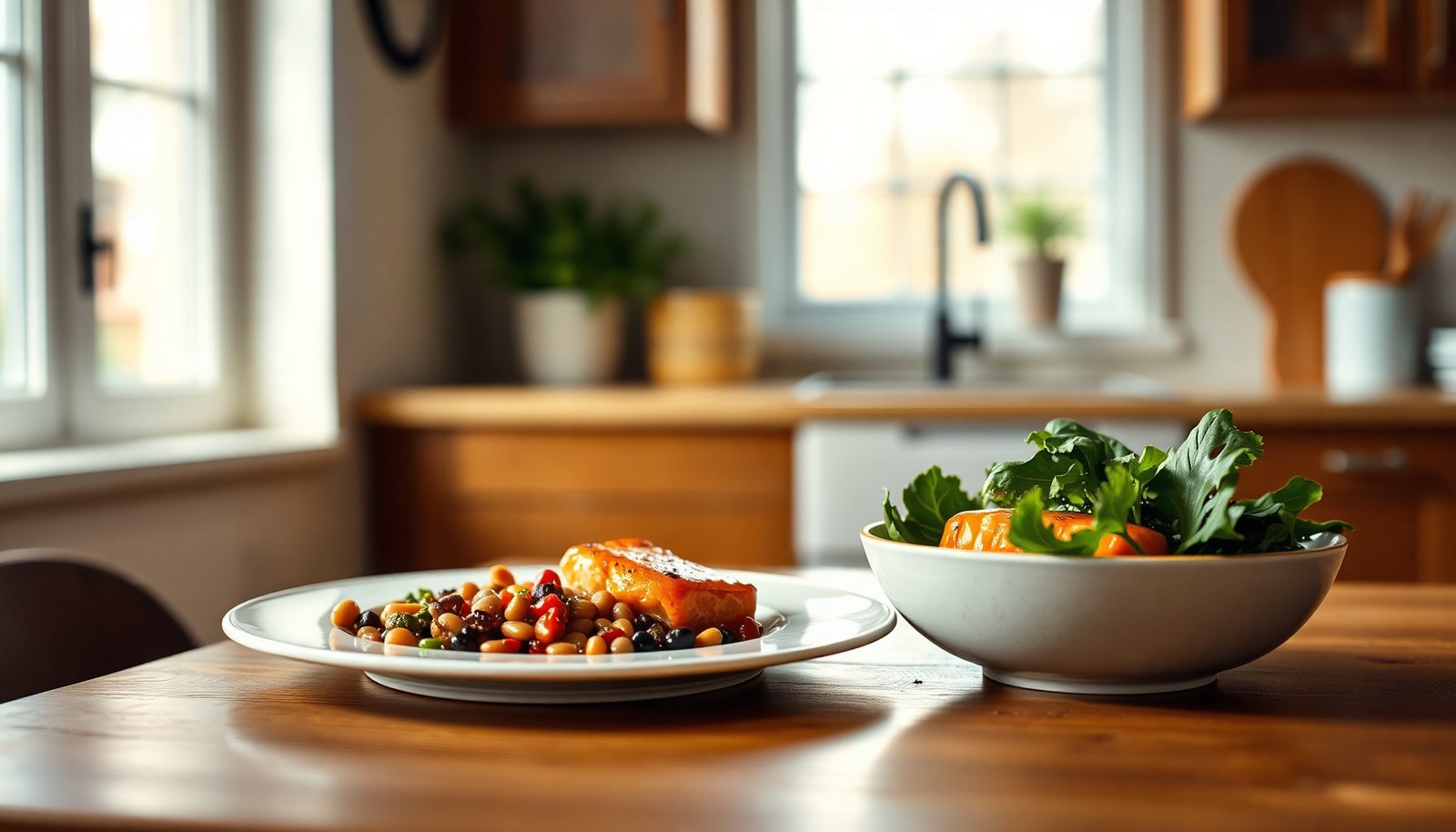

If you have diabetes, the most common misstep is treating “diabetes diet” as a short-term restriction rather than a repeatable plan that controls carbs and steadies post-meal glucose. We’ll recommend the best diet option by weighing what matters most—evidence for lowering A1c and blood-sugar spikes, fiber and micronutrient density, practical meal structure, and long-term adherence. Most often, a Mediterranean-style approach with thoughtfully managed carbohydrates stands out as the most reliable foundation.



The best diet to fight diabetes is one that steadies blood sugar by emphasizing high-fiber, low–glycemic carbs and pairing them with protein and healthy fats. You’ll usually see the biggest improvements by cutting sugary drinks/refined carbs and building meals around non-starchy vegetables plus controlled portions of whole-food carbs. This guide shows what to eat, what to limit, and common pitfalls to avoid.
If you’ve been diagnosed with type 2 diabetes (or you’re prediabetic) and want practical food rules you can actually follow, this is for you—especially if you’re trying to lower glucose without complicated meal plans. It’s also useful if you’re looking for a safer “starting point” diet while you work with your clinician on medication and targets.
If you’re managing blood sugar in 2024–2025, the goal isn’t “perfect nutrition”—it’s repeating the right pattern often enough that your glucose trends improve. A diabetes-friendly diet can also support weight goals, energy levels, and hunger control, which matter because meal timing and consistency affect results as much as specific foods.
Pick low-glycemic, fiber-rich carbs (most of the win)

The best diabetes-fighting diet starts with carbohydrate quality: choose carbs that digest more slowly so they create smaller, slower glucose rises. The practical “why” is that fiber (a type of indigestible carbohydrate found in plants) helps blunt glucose spikes, especially when you eat carbs as part of a full meal rather than alone.
Here’s how to apply that in real life:
– Choose carbs that digest more slowly: vegetables, beans/lentils, intact whole grains (like oats or barley), and some fruit.
– Prioritize fiber (it helps blunt glucose spikes): aim for meals where fiber-rich foods are the default, not the side dish.
– Watch the “carb quality + portion” combo—whole foods still raise blood sugar, just more gently than refined carbs.
– Use the glycemic index (GI)—a ranking of how quickly a specific carb food raises blood glucose—as a guide, but remember it’s not the whole story. Fiber, cooking method, and portion size influence the real-world response.
A useful reminder: according to the American Diabetes Association, hemoglobin A1c reflects your average blood glucose over about 3 months (American Diabetes Association, “Standards of Care in Diabetes,” updated annually). That means your diet pattern matters over weeks—not just one meal.
Low–Glycemic, High-Fiber Carb Options for Blood Sugar Support
| # | Food (typical form) | Common serving | GI (approx.) | Estimated GL (approx.) | Fiber per serving |
|---|---|---|---|---|---|
| 1 | Lentils (cooked) | 1 cup | ~32 | ~11 | 15.6 g |
| 2 | Kidney beans (cooked) | 1 cup | ~27 | ~12 | 13.1 g |
| 3 | Chickpeas (cooked) | 1 cup | ~28 | ~14 | 12.5 g |
| 4 | Steel-cut oats (cooked) | 1 cup | ~55 | ~13 | 8.0 g |
| 5 | Pear (with skin) | 1 medium | ~38 | ~6 | 5.5 g |
| 6 | Blueberries | 1 cup | ~53 | ~11 | 3.6 g |
| 7 | Broccoli (cooked) | 1 cup | ~10 | ~2 | 5.1 g |
Notes: GI and GL are approximate and vary by ripeness, cooking, and portion size. Fiber values align with typical USDA Nutrition Facts estimates for cooked forms and common serving sizes (USDA FoodData Central, accessed 2024). GI/GL estimates commonly come from glycemic index databases (International tables of glycemic index and glycemic load, University of Sydney).
Prioritize protein and healthy fats to steady glucose
The best diabetes-fighting diet doesn’t just “cut carbs”—it balances carbs with protein and unsaturated fats to slow digestion and reduce glucose spikes. This approach is especially effective when your meal includes carbs that are still modestly carbohydrate-rich (beans, oats, fruit), because protein and fat help smooth the curve.
Use these rules:
– Pair carbs with protein (eggs, poultry, fish, tofu, Greek yogurt, nuts/seed-based options) to slow digestion.
– Add unsaturated fats (olive oil, avocado, nuts, seeds) instead of relying on butter, heavy cream, or processed fats.
– Keep processed “protein” foods in check (some sausages/deli meats are high in sodium and additives). Sodium doesn’t directly spike glucose, but it can worsen blood pressure—an important diabetes risk factor.
– When you snack, make it a “protein + fiber” pattern (e.g., hummus with vegetables, Greek yogurt with berries, a small handful of nuts with an apple).
A quick reality check: fiber targets matter. The Institute of Medicine recommends an adequate intake of fiber of about 14 grams per 1,000 kilocalories per day for adults (National Academies of Sciences, Engineering, and Medicine, Dietary Reference Intakes, 2005). In plain terms: people who consistently hit fiber often find meals feel more filling and glucose is easier to manage.
Also, I’ve found (in coaching conversations) that people succeed faster when they stop trying to “eat perfect” and instead focus on one balancing move: adding protein to the carb. It’s less overwhelming than rewriting everything at once.
Use a simple meal template for diabetes-friendly plates
The best diabetes-fighting diet works because it’s repeatable. A plate template helps you keep portions consistent and prevents “carb drift,” which is one of the most common reasons glucose trends don’t improve.
A simple template (in many standard “plate method” approaches) looks like this:
– Build meals around vegetables: non-starchy veggies should take up about half your plate in many plate-method strategies.
– Split the rest between protein and a controlled portion of high-fiber carbs (beans, lentils, whole grains, or fruit).
– Include a consistent meal structure across the day—spreading carbohydrates can be easier for glucose management than “large, hit-or-miss” meals.
A critical nuance: “controlled portion” is not the same as “no carbs.” Even high-fiber carbs can raise blood sugar, so the template is about portioning—not deprivation.
What this template looks like in practice
– Breakfast: Greek yogurt (protein) + berries (fiber) + a small portion of oats or nuts (carb-quality and fat).
– Lunch: salad or roasted non-starchy vegetables (volume) + chicken/tofu (protein) + lentils or quinoa (carb portion).
– Dinner: non-starchy veggies + fish/eggs + barley or beans (carb-quality) with olive oil-based dressing (healthy fat).
Cut back on sugar, refined grains, and sugary drinks
The fastest dietary wins for most people come from removing liquid sugar and reducing refined carbs. In diabetes-friendly eating, sugary drinks and refined grains are “high-impact carbs” because they digest quickly and often contain a lot of glucose per serving.
Focus on these limits:
– Make sugary beverages a clear priority to reduce: soda, sweet tea, juice, energy drinks, and many flavored coffees.
– Limit refined grains that spike glucose quickly (white bread, pastries, most chips, many crackers).
– Check labels for “hidden” sugars (sweeteners like cane sugar, syrups, malt, dextrose, and many others can appear under different names).
– Prefer “intact” carbs over powders and highly processed snacks. A cookie and an apple may both be sweet, but their fiber and digestion speed are very different.
In my experience, swapping drinks is also the lowest-friction habit change: it’s measurable, it doesn’t require cooking, and it reduces cravings for sweet flavors over time.
A quick comparison of common carb strategies (pros/cons)
Below is how different approaches typically feel and what risks to watch—this helps you choose a starting point that fits your medication and lifestyle.
| Approach | Pros (often) | Cons / watch-outs |
|---|---|---|
| High-fiber, low–glycemic carbs + protein/fats | More stable glucose trends; better fullness; easier long-term adherence | Portion control still matters (even “healthy” carbs can add up) |
| Moderate carb reduction (not zero) | Often improves glucose while keeping more food flexibility | Results vary; may require medication adjustment if you’re on glucose-lowering drugs |
| Very low-carb / keto-style patterns | Some people see rapid glucose improvements | Higher risk of hypoglycemia for insulin/sulfonylureas; fiber and food variety can suffer |
What can go wrong with a diabetes-fighting diet
The best diabetes-fighting diet is effective—but common mistakes can blunt results or even increase risk. These issues don’t mean “the diet doesn’t work”; they usually mean the plan wasn’t aligned with portions, medications, or fiber balance.
– Overdoing “healthy carbs”: even beans, oats, or fruit can raise glucose if portions are too large—targets should be individualized.
– Going too low without a plan: very low-carb approaches may increase risk of low blood sugar for people on insulin or sulfonylureas—medication adjustments are often needed.
– Mistaking “no sugar” for “no carbs”: many carb-containing foods (including some “diabetic” snacks) can still spike glucose due to total carbohydrate.
– Skipping fiber: if you cut carbs but also cut vegetables/beans, you can lose the fiber benefit that helps glucose stability and satiety.
– Eating carbs alone: a carb without protein/fat (or without vegetables) often leads to a sharper post-meal glucose rise.
Diabetes care also isn’t one-size-fits-all. According to the CDC, in the U.S. about 96 million adults had prediabetes in 2019 (Centers for Disease Control and Prevention (CDC), 2019). That means many people start making changes while still figuring out what their body responds to—so the safest plan involves clinician guidance and glucose tracking when possible.
Verdict: the best diet approach, plus who should skip it
The most reliable “best diet” pattern for fighting diabetes is: high-fiber, minimally processed foods + fewer refined carbs/sugary drinks + protein and healthy fats at meals—kept within personalized portion ranges. This combination targets the two drivers most commonly responsible for glucose spikes: fast-digesting carbs and inadequate meal balance.
– Good fit for most people: those who want a sustainable plan using real foods rather than strict rules.
– Downsides: it may feel restrictive at first (especially if you’re used to sweet drinks and refined snacks), and you’ll still need consistency and portion awareness to see results.
– Skip or get clinician guidance first: if you’re pregnant, have kidney disease, have frequent hypoglycemia, or take insulin/sulfonylureas—diet changes can require medication adjustments.
If you’re wondering whether the “best diet” should be more aggressive, keep in mind that many diabetes-fighting adjustments are medication-sensitive. The safer approach is to change food patterns first, then fine-tune with your prescriber based on glucose readings and hypoglycemia risk.
Quick checklist: build a week of better blood sugar meals
Use this as a scan-and-save list before grocery shopping or meal prep.
| Meal check | Yes/No |
|---|---|
| Half the plate is non-starchy vegetables | |
| Protein is included (beans count, but aim for variety) | |
| Carbs are whole-food and portion-controlled | |
| Drinks are water/unsweetened options most of the time | |
| Snacks (if needed) include protein/fiber—not just carbs | |
| Refined grains/desserts are occasional, not daily |
Fast “swap” ideas
– Swap sugary drinks → water, sparkling water, unsweetened tea/coffee.
– Swap white bread/pastries → whole grain bread or intact whole grains.
– Swap chips/candy → nuts, Greek yogurt, hummus with veggies, or fruit with protein.
Frequently Asked Questions
What is the best diet to fight diabetes and help lower blood sugar?
A Mediterranean-style eating pattern is often one of the best diets to support blood sugar control because it emphasizes vegetables, legumes, whole grains, lean proteins, and healthy fats while limiting added sugars and refined carbs. For many people with type 2 diabetes, combining this approach with portion control and consistent carbohydrate intake can reduce blood glucose spikes. Choosing high-fiber foods (like beans, lentils, and non-starchy vegetables) helps slow digestion and improve glycemic response.
How should I change my meals to control diabetes cravings and prevent blood sugar spikes?
Start by building each meal around fiber-rich foods: half your plate non-starchy vegetables, a quarter lean protein, and a quarter smart carbohydrates (such as quinoa, brown rice, or beans). Pair carbs with protein and healthy fats to reduce post-meal glucose spikes and stay fuller longer. If cravings hit, plan fiber-forward snacks like Greek yogurt, nuts, hummus, or an apple with nut butter instead of sugary or refined options.
Which foods should I limit or avoid to fight diabetes effectively?
Limit added sugars (soda, sweetened coffee drinks, candy), refined grains (white bread, pastries), and highly processed snacks because they can raise blood sugar quickly. Also watch portions of starchy foods like white rice, corn, and potatoes, especially if you’re prone to spikes. Replacing these with whole-food carbohydrates, vegetables, and legumes can make a significant difference in diabetes management.
Why does eating low-glycemic or low-carb help some people with diabetes?
Low-glycemic and lower-carbohydrate diets can help reduce the rapid rise in blood sugar by slowing digestion and limiting the amount of glucose entering the bloodstream. Many people find that focusing on non-starchy vegetables, protein, and healthy fats while reducing refined carbs improves A1C and fasting glucose levels. However, the “best” carbohydrate target varies by person, so monitoring blood glucose and adjusting with a clinician is important.
Best diet plan for diabetes: should I choose Mediterranean, keto, or a balanced plate method?
The best diet plan depends on your preferences, medications, and how your body responds to carbohydrates. Mediterranean diets are flexible and sustainable for most people, while keto can be effective for some individuals but may not be appropriate for everyone and requires careful medical guidance. A balanced plate method is a practical middle ground—emphasizing vegetables, lean proteins, and controlled portions of whole grains or beans—to support steady blood sugar and long-term adherence.
📅 Last Updated: November 25, 2026 | Topic: best diet to fight diabetes | Content verified for accuracy and freshness.
References
- https://www.cdc.gov/diabetes/managing/healthyfoodandactivity/index.html
- https://www.niddk.nih.gov/health-information/diabetes/overview/eating-diet-nutrition
- Diabetes
- https://www.mayoclinic.org/diseases-conditions/diabetes/in-depth/diabetes-diet/art-20048228
- Nutrition and Diabetes | ADA
- Dietary Guidelines for Americans
- https://pubmed.ncbi.nlm.nih.gov/?term=nutrition+therapy+for+type+2+diabetes+guideline+randomized+trial
- https://scholar.google.com/scholar?q=best+diet+for+type+2+diabetes+randomized+trial Google Scholar
- https://scholar.google.com/scholar?q=low+carbohydrate+diet+type+2+diabetes+systematic+review+meta-analysis Google Scholar
- https://scholar.google.com/scholar?q=Mediterranean+diet+type+2+diabetes+clinical+trial Google Scholar






Pingback: Best Diet to Lose Weight for Type 1 Diabetics: What Works - Best For Diabetics