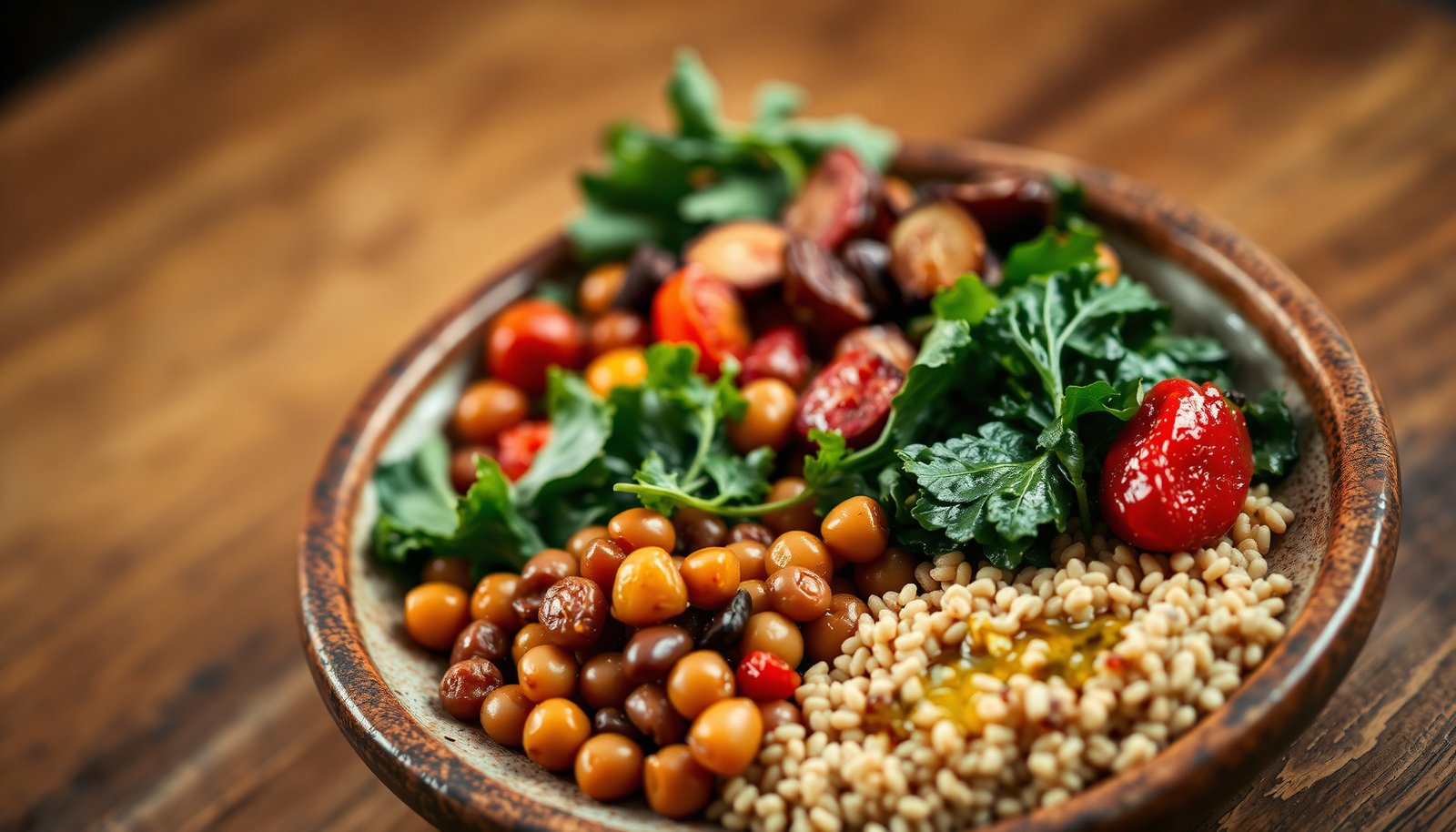

What should you eat each day to lower your risk of developing type 2 diabetes? Aim for a daily pattern built on high-fiber plant foods, thoughtful carbohydrate choices, and unsaturated fats, while keeping added sugars and refined grains to a minimum. The best recommendation prioritizes blood-sugar-friendly foods, long-term practicality, and overall nutrient quality—factors a Mediterranean-inspired approach consistently tends to meet best.




Cutting added sugars and ultra-processed carbs while focusing on high-fiber whole foods is the best diet approach to help prevent type 2 diabetes. Aim for a steady pattern like Mediterranean or DASH-style eating, with plenty of vegetables, legumes, and healthy fats. This article shows what to prioritize, what to limit, and how to put it together at meals.
If you’re dealing with prediabetes, insulin resistance, or a strong family history, this diet plan can be a practical place to start—especially if your current eating pattern is heavy on refined grains, sugary drinks, and snacks. If you take diabetes-related medications already, or you have medical conditions that affect eating (like kidney disease), you’ll want to check with your clinician before making big changes.
The best diet pattern for type 2 diabetes prevention

The best diet pattern for type 2 diabetes prevention is a whole-food approach (often Mediterranean-style or DASH-style) that reliably lowers refined carbohydrate load while increasing fiber-rich plants. Here is why it works: fiber slows glucose absorption, and healthy fats/protein reduce the speed and size of blood sugar spikes after meals—key drivers of insulin demand over time.
Research supports this “pattern, not perfection” approach. According to the Diabetes Prevention Program (NEJM, 2002), an intensive lifestyle program reduced the risk of developing type 2 diabetes by 58% over about 3 years (compared with placebo), with metformin reducing risk by 31%. Meanwhile, according to the CDC (2022), about 96 million U.S. adults are living with prediabetes—meaning the dietary approach matters at scale, not just for individuals.
– Choose a whole-food pattern (often Mediterranean-style or DASH-style) that naturally reduces refined carbs and increases fiber-rich plants.
– Build meals around vegetables, beans/lentils, intact grains (when you eat grains), nuts, seeds, fish, and olive oil—so your blood sugar rises more slowly.
– Make consistency the strategy: daily habits matter more than occasional “perfect” days.
To make this easier to apply, it helps to compare “healthy eating patterns” with extremes. In my own meal-planning experience with real schedules (work travel, family dinners, and late mornings), I’ve found that simpler pattern frameworks—vegetables + protein + smart carbs—are more sustainable than strict rules.
| Diet approach | Pros for diabetes prevention | Potential downsides |
|---|---|---|
| Mediterranean / DASH-style whole foods | High fiber from vegetables, legumes, and intact grains; includes unsaturated fats (olive oil, nuts, fish) that improve meal balance. | Needs routine grocery planning and portion awareness at first. |
| Very-low-carb or “keto-like” patterns | May reduce post-meal glucose spikes for some people by limiting carbs. | Not always ideal for everyone; fiber can drop if vegetable/legume intake isn’t carefully rebuilt; may require medication adjustment with clinicians. |
Fiber Impact of Common Swaps for Type 2 Diabetes Prevention (USDA-based serving sizes)
| # | Food swap | Typical serving | Dietary fiber (g) | Fiber advantage vs. cooked white rice |
|---|---|---|---|---|
| 1 | Lentils (cooked) | 1 cup | 15.6 | ×26.0 |
| 2 | Chickpeas (cooked) | 1 cup | 12.5 | ×20.8 |
| 3 | Black beans (cooked) | 1 cup | 15.0 | ×25.0 |
| 4 | Broccoli (cooked) | 1 cup | 5.1 | ×8.5 |
| 5 | Oats (cooked) | 1 cup | 4.0 | ×6.7 |
| 6 | Almonds | 1 oz (about 28 g) | 3.5 | ×5.8 |
| 7 | White rice (cooked) | 1 cup | 0.6 | ×1.0 |
Foods to prioritize (what to eat more of)
The best foods for preventing type 2 diabetes are those that deliver fiber, micronutrients, and meal balance—without relying on added sugars or refined grains. Here’s what consistently helps: non-starchy vegetables bulk up meals, legumes provide slow-digesting carbohydrates, and healthy fats/protein blunt glucose spikes.
– Non-starchy vegetables: leafy greens, broccoli, peppers, zucchini, cauliflower—use these as the bulk of your plate.
– Legumes: lentils, chickpeas, black beans, and kidney beans; they’re filling and usually lower-impact on blood sugar than refined starches.
– High-fiber “carb sources”: intact whole grains (like oats or brown rice) in smaller portions, plus fruit (whole fruit over juice).
– Healthy fats and protein: olive oil, nuts, seeds, yogurt/kefir (if tolerated), eggs, poultry, and fish—these help balance meals.
– Flavor and satisfaction boosters: herbs, spices, vinegar, lemon, garlic, and salt (within reasonable limits) so food stays enjoyable without relying on sugar.
Practical “daily wins” that tend to move the needle fastest:
1. Build one “legume anchor” meal per day, then expand. If you currently eat almost no beans, start with 1 serving 3–4 days per week; gradually move toward most weeks having legumes 4–6 times.
2. Use vegetables as the volume lever. Aim for a consistent portion of non-starchy vegetables at lunch and dinner so cravings don’t drive your carbohydrate choices.
3. Prefer fruit over juice, every time. Whole fruit includes fiber; juice removes much of it, allowing faster glucose absorption.
One nutrition policy angle is worth noting for decision-making around sweet taste. According to the World Health Organization (2015), free sugars should be limited to less than 10% of total energy intake (with a further reduction to below 5% for additional health benefits). For prevention goals, this guideline maps well to real-world label reading: if a product lists sugar or syrup high up in ingredients, it’s usually not worth the tradeoff.
Foods to limit (what tends to push risk upward)
The fastest way to improve diabetes risk with diet is to cut the items most likely to spike glucose quickly or displace nutrient-dense foods. This is not about fear—ultra-processed foods and added sugars are just disproportionately likely to lack fiber, micronutrients, and fullness.
– Sugary drinks: soda, sweet tea, energy drinks, and many bottled coffees—these are one of the easiest places to cut added sugar quickly.
– Refined grains and “white” carbs: white bread, pastries, many snack crackers, and white rice portions that don’t come with enough fiber/protein.
– Highly processed snacks and desserts: chips, candy, donuts, and packaged sweets—often low in fiber and high in calories.
– Large portions of starch-heavy meals: even “healthy” carbs can raise glucose when portions are too big or meals lack fiber and protein.
– “Healthy-sounding” swaps that still behave like desserts: fruit juice, sweetened yogurts, flavored coffees with added sugar—check labels.
A label-reading method that works well for prevention:
– Check added sugar (often “sugar,” “corn syrup,” “cane sugar,” “maltodextrin,” or “syrup” in ingredients).
– Check fiber per serving. For diabetes prevention, foods with very low fiber are harder to balance.
– Watch “liquid calories.” Drinks deliver sugar without the chewing and satiety of whole foods.
From a behavioral standpoint, one of the most common patterns I see (and many clinicians report in practice) is “offsetting” later: people cut sugary drinks but compensate with refined snacks when meals feel less filling. If you limit a high-sugar item, replace it with a fiber/protein anchor so your appetite stays steady.
Build a diabetes-prevention plate (simple meal structure)
The simplest way to translate the diet pattern into real meals is a consistent plate structure. The goal is not to eliminate carbs—it’s to pair carbohydrates with vegetables, protein, and healthy fats so glucose rises more slowly.
– Use the “half, quarter, quarter” layout:
– Half the plate: non-starchy vegetables
– Quarter: protein (beans count, but also consider fish/chicken/tofu/eggs)
– Quarter: smart carbs (if needed): beans, lentils, or intact whole grains in a controlled portion
– Add a fat “helper”: drizzle olive oil, sprinkle nuts/seeds, or include avocado to improve meal satisfaction and reduce the urge to snack.
– Plan for snacks like mini-meals:
– Choose fiber + protein (examples: Greek yogurt with berries, apple + nut butter, hummus + carrots).
– Drink mostly water: if you use coffee/tea, keep add-ins low-sugar; avoid sweeteners that mimic sugar too closely unless you have a reason to use them.
Meal examples that fit the plate model:
– Lunch (high-satiety bowl): mixed greens + roasted vegetables + chickpeas + olive oil/lemon dressing + a small portion of intact grain (optional).
– Dinner (classic Mediterranean pattern): salmon or tofu + broccoli/peppers + lentils or quinoa in a controlled portion + yogurt (unsweetened if possible).
– Breakfast (blood-sugar friendly): oats or high-fiber cereal + nuts/seeds + berries + plain Greek yogurt (if tolerated).
If you’re used to “carb-first” meals (pasta, rice, bread as the center), start by shifting the order: vegetables first, protein second, smart carbs last. That one change often reduces the chance of accidental portion creep.
What can go wrong (common mistakes and edge cases)
The main reason diet changes backfire is when people cut carbs without rebuilding fiber, protein, and meal satisfaction. The result can be stronger cravings, overeating later, and less consistency—especially if your meals become too repetitive.
– Cutting carbs too aggressively without replacing fiber and protein: some people feel worse or overeat later. The goal is better carbohydrate quality and balance, not just “less.”
– “Whole wheat” without portion awareness: some whole-grain foods are still calorie-dense. Pair them with protein and vegetables rather than eating them alone.
– Relying on juice “as fruit”: juice often removes the fiber that helps blunt blood sugar spikes.
– Skipping meals then compensating with late-night overeating: blood sugar and hunger cues can get out of sync.
– If you’re already on medication (metformin, insulin, or others): changing food intake can affect your overall glucose patterns—ask your clinician about how aggressive you should be.
– If you have kidney disease, a restrictive diet might need customization (especially around protein choices and certain foods). In practice, people with chronic kidney disease often need individualized targets for protein and sometimes potassium/phosphorus intake—so coordinate with a nephrologist or renal dietitian before increasing legumes or changing protein patterns dramatically.
Common “edge case” situations to plan around:
– Work travel or unpredictable schedules: keep 1–2 portable staples (e.g., plain yogurt, nuts, hummus packs, pre-washed salad kits).
– Gastroparesis or digestive limitations: some people tolerate cooked vegetables and certain legumes better than raw or large portions—opt for smaller servings and gradual increases.
– Cultural food preferences: you don’t need to abandon familiar meals. Build the plate structure with traditional ingredients (beans, vegetables, olive-oil-based sauces, grilled meats/fish, intact grains in smaller portions).
Verdict / honest tip: what to do next (and who should skip this)
The best next step is to adopt a Mediterranean- or DASH-style pattern focused on high-fiber plants, legumes, and balanced meals, while reducing added sugar and ultra-processed carbs. The downside is effort at first: label checks, portion awareness, and meal planning are real, and the “right” carb amount is individual.
This approach is usually a good fit for most people trying to prevent or reduce risk, but skip or modify it if:
– You have a condition that requires dietary restrictions (for example, certain kidney problems).
– You’re pregnant and need individualized guidance.
– You’re at risk of malnutrition or have eating-pattern concerns—get professional support before tightening food rules.
If you want a practical next step, pick one change for the next 2 weeks (for example: remove sugary drinks or add a serving of legumes 3–4 times per week), then build from there.
Quick scan checklist (save this)
| Goal | Eat more of | Limit/avoid | Quick note |
|---|---|---|---|
| Reduce blood-sugar spikes | Non-starchy vegetables, legumes, whole foods | Soda/sweet drinks, candy, packaged desserts | Pair carbs with protein + fiber |
| Improve meal balance | Nuts/seeds, olive oil, fish, tofu/eggs | “Carb-only” meals (bread/pasta without protein) | Build plates with a clear structure |
| Stay consistent | Whole-food breakfasts & planned snacks | Random high-sugar snacks | Prep 1–2 easy options ahead |
Checklist:
– [ ] Sugary drinks are off the regular menu
– [ ] Each meal includes vegetables + protein (beans count)
– [ ] You’re eating legumes several times per week
– [ ] Snacks are fiber + protein, not only refined carbs
– [ ] Carb portions are balanced, not “free-for-all”
Frequently Asked Questions
What is the best diet to prevent type 2 diabetes?
The best diet for preventing type 2 diabetes is a high-fiber, minimally processed eating pattern that emphasizes vegetables, beans, whole grains, nuts, and lean proteins. Focusing on carbs that are lower on the glycemic index—like oats, barley, brown rice in controlled portions, and legumes—helps stabilize blood sugar. Pairing those foods with healthy fats (olive oil, avocados) can improve insulin sensitivity over time.
How can I plan a meal to lower my blood sugar and reduce diabetes risk?
Build each meal around non-starchy vegetables plus a protein source (fish, chicken, tofu, eggs, or beans) and a controlled portion of high-fiber carbohydrates (such as lentils or quinoa). Add healthy fats like olive oil, nuts, or seeds to slow digestion and reduce glucose spikes. If you snack, choose options like Greek yogurt, nuts, or fruit with fiber rather than sugary drinks or refined snacks.
Which foods should I limit to prevent type 2 diabetes?
Limit sugary beverages (soda, sweetened coffee drinks, juice), desserts, and refined carbohydrates like white bread, pastries, and many packaged snacks because they can raise blood glucose quickly. Processed meats and high-fat ultra-processed foods may also worsen insulin resistance. Swapping these for whole foods—vegetables, beans, whole grains, and unsweetened dairy or fortified alternatives—supports long-term diabetes prevention.
Why does a Mediterranean-style diet help with insulin resistance?
A Mediterranean-style diet is rich in fiber, antioxidants, and unsaturated fats, which can improve insulin sensitivity and reduce inflammation. This pattern typically includes legumes, whole grains, fruits, vegetables, nuts, and olive oil while limiting added sugars and refined carbs. Consistent adherence is associated with better blood sugar control, making it a strong option for type 2 diabetes prevention.
What drinks and snacks are best for diabetes prevention?
For diabetes prevention, choose water, sparkling water, unsweetened tea, and coffee without added sugar as your main drinks. For snacks, prioritize high-fiber or protein-rich options like nuts, hummus with vegetables, chia yogurt, cottage cheese, or an apple/berries with a handful of nuts. Reducing liquid sugar and refined snack foods is one of the most practical ways to lower diabetes risk through fewer blood sugar spikes.
📅 Last Updated: November 25, 2026 | Topic: best diet to prevent diabetes type 2 | Content verified for accuracy and freshness.
References
- https://www.cdc.gov/diabetes/prevention/index.html
- Preventing Type 2 Diabetes – NIDDK
- Diabetes
- https://pubmed.ncbi.nlm.nih.gov/?term=Reduction+in+the+incidence+of+type+2+diabetes+with+lifestyle+intervention+or+metformin
- https://pubmed.ncbi.nlm.nih.gov/?term=Mediterranean+diet+prevent+type+2+diabetes+randomized+trial
- Prediabetes | Hyperglycemia | MedlinePlus
- Type 2 diabetes
- https://scholar.google.com/scholar?q=type+2+diabetes+prevention+Mediterranean+diet Google Scholar
- https://scholar.google.com/scholar?q=low+glycemic+index+diet+type+2+diabetes+prevention Google Scholar
- https://scholar.google.com/scholar?q=diabetes+prevention+lifestyle+intervention+diet+randomized+trial Google Scholar