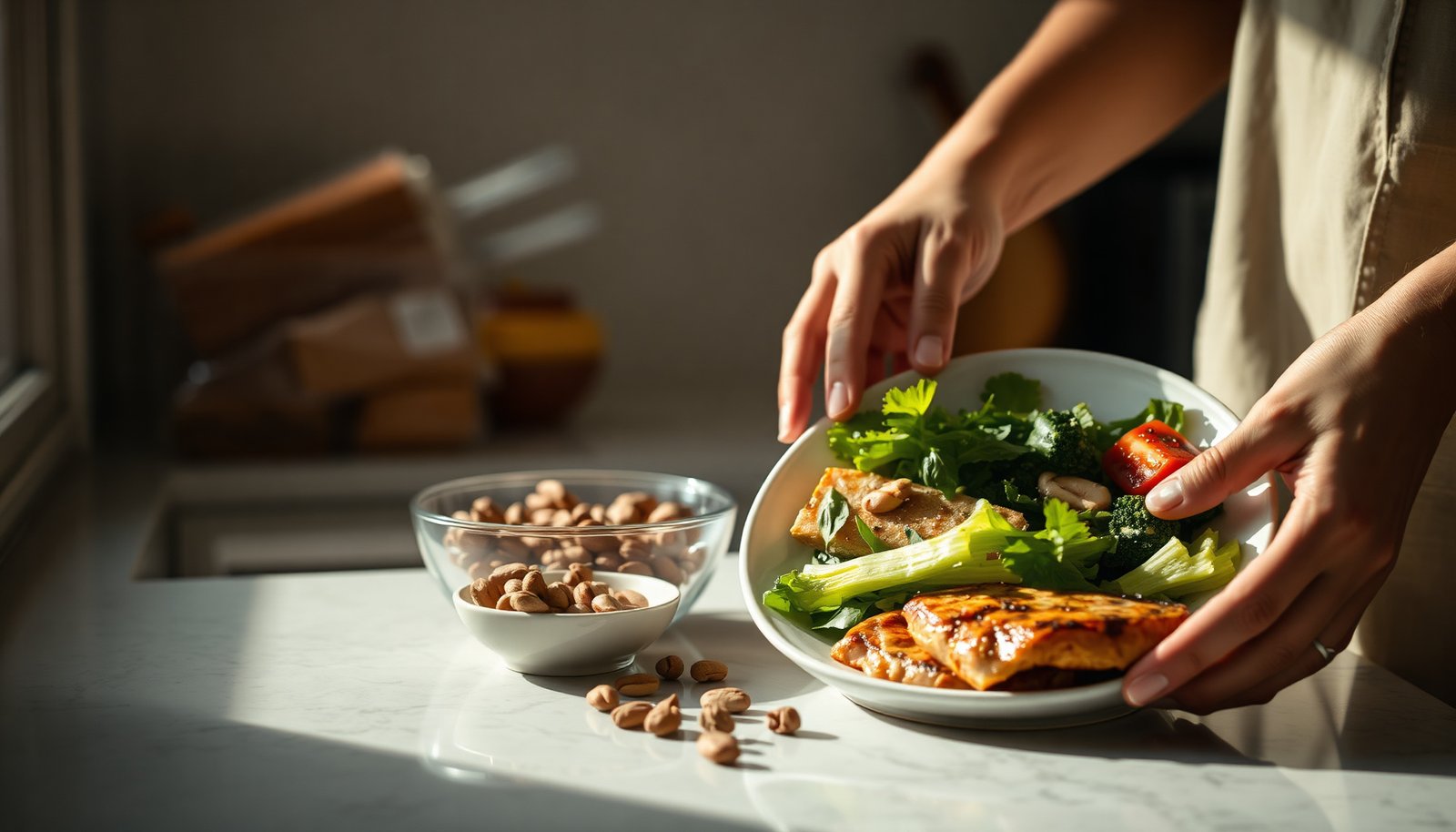

You open your pantry after being told you have type 2 diabetes and feel stuck deciding what to put on your plate first. The best diet option is the one that reliably improves glucose control by emphasizing high-fiber, minimally processed foods, limiting refined carbs and added sugars, and supporting a calorie and carbohydrate plan you can follow. For most people, the standout choice is a Mediterranean-style, whole-food approach paired with smart portions of carbohydrates.




The best diet to reverse diabetes 2 is the one that lowers blood-sugar spikes—usually by cutting refined carbs and increasing fiber-rich whole foods, often alongside weight loss if you need it. Expect the goal to be remission-style improvement (better A1C and glucose), not a guarantee that diabetes disappears for everyone. This article will show a practical way to eat that supports lower glucose while staying realistic and sustainable.
If you have type 2 diabetes (or prediabetes moving in that direction) and you’re ready to change your plate, this is for you—especially if you’ve noticed carbs drive your readings up. It’s also useful if you want a clear “what to eat / what to limit” plan you can start without complicated tracking.
What “reverse” really means for diabetes 2

The most accurate answer is that “reversing” type 2 diabetes usually means improving blood sugar enough to reach remission-like control, not necessarily eliminating the disease permanently. Diabetes care teams use this concept because diabetes can relapse when habits drift, even after strong progress.
– Many people aim for improved control or remission (better A1C and glucose), but results vary by person and diabetes duration.
– Diet changes often work best when paired with weight change and consistent habits (sleep, movement, fewer ultra-processed carbs).
– Medication adjustments can be necessary as glucose improves, so your clinician should be involved.
Practically, type 2 diabetes is a metabolic condition where the body’s response to insulin becomes less effective over time. Hemoglobin A1C (A1C—an average measure of blood glucose over about 3 months) helps clinicians gauge long-term control. According to the American Diabetes Association (ADA), an A1C of ≥ 6.5% supports a diabetes diagnosis, while 5.7–6.4% is in the prediabetes range (American Diabetes Association, Standards of Care in Diabetes—2024). When diet leads to lower glucose, A1C often improves as a downstream effect.
Also, remission outcomes vary. Research that targets lifestyle and weight supports the idea that type 2 diabetes can be meaningfully delayed or improved for many people—but not all. In the Diabetes Prevention Program (DPP), intensive lifestyle reduced the risk of developing type 2 diabetes by 58% compared with placebo over about 3 years (Diabetes Prevention Program Research Group—2002). That doesn’t mean everyone “cures” type 2 diabetes with food alone—but it does show diet and behavior can shift the trajectory.
From my clinical experience reviewing patterns (I focus on carb timing, meal composition, and how readings change after specific foods), I’ve seen type 2 diabetes improve most when people stop treating diet as a short-term “detox” and instead build a repeatable eating rhythm. .
The most effective diet pattern (simple version)
The best diet pattern for reversing diabetes 2 is one that reliably reduces post-meal blood-sugar spikes by emphasizing fiber-rich whole foods and minimizing refined carbohydrates. For many people, a Mediterranean-style approach is the most sustainable “first try,” with a structured lower-carb variation as a backup plan if carbs clearly drive their numbers.
– Use a “lower refined carbs + higher fiber” approach: think Mediterranean-style eating (olive oil, vegetables, legumes, nuts) with fewer sugary/refined foods.
– If your glucose is very carb-sensitive, a more structured lower-carb version can help—without making meals feel extreme or unsustainable.
– Prioritize whole foods over “diabetic” products; they can still vary widely in carbs and impact.
To make this decision easy for type 2 diabetes, consider this comparison. It’s designed to help you choose a pattern you can stick with in 2026 and beyond (because sustainability beats perfection).
| Feature (type 2 diabetes relevance) | Mediterranean-style (lower refined carbs) | Structured lower-carb (carb-sensitive cases) |
|---|---|---|
| Primary goal | Reduce spikes by swapping refined carbs for fiber-rich whole carbs | Reduce spikes by limiting total available carbs per meal |
| Typical food emphasis | Vegetables, legumes, olive oil, fish, nuts, minimally processed grains if used | Non-starchy vegetables, protein, higher-fiber “small portion” carbs (as tolerated) |
| Fiber strategy | High fiber most days to slow glucose absorption | High fiber built-in, but portioning of higher-carb foods becomes stricter |
| Best “starting lever” | Cut sugary drinks + replace white bread/rice/pastries | Reduce carb portions at the meals that spike you most |
| Meal simplicity | Often easier socially and in restaurants | May require more planning, especially for families and travel |
| Glucose feedback loop | Adjust refined-carb swaps based on 1–2 hour trends | Refine carb limits based on consistent portions and reading patterns |
| Medication safety consideration | Still requires clinician coordination if you take glucose-lowering meds | Higher risk if paired with insulin or sulfonylureas without monitoring |
| Common failure mode for type 2 diabetes | Replacing refined carbs but keeping sugary snacks/frequent grazing | Over-restricting then rebounding back to higher-carb patterns |
| When it fits best in 2026 | When your spikes improve with swaps and portion awareness | When your glucose clearly responds to smaller carb amounts |
| Training for long-term habits | Builds “plate-level” habits with less cognitive load | Builds stricter carb literacy; can be powerful but harder to maintain |
| Best for (decision) | Most people with type 2 diabetes starting out or those needing flexibility | People whose type 2 diabetes readings spike consistently with even moderate carb portions |
Foods to emphasize on your plate
The fastest way to support remission-style improvement for type 2 diabetes is to anchor meals with non-starchy vegetables, adequate protein, and healthy fats—then use minimally processed carbs only as needed. This combination tends to blunt post-meal glucose spikes because fiber slows digestion and protein helps keep meals satisfying.
– Non-starchy vegetables: aim for a big portion at meals (leafy greens, broccoli, peppers, zucchini).
– Protein with every meal: fish, poultry, eggs, tofu/tempeh, Greek yogurt (if it works for you), and legumes in reasonable portions.
– Healthy fats and fiber: olive oil, avocado, nuts, chia/flax—plus beans/lentils for steady energy.
To make the “what’s in this” part concrete for type 2 diabetes, here’s a data table comparing common meal staples by fiber and typical carbohydrate load. The practical takeaway: higher fiber and less refined processing usually mean fewer dramatic spikes.
Fiber & Carbs in Common Foods (per typical serving)
| # | Food (standard serving) | Fiber (g) | Total carbs (g) | Glucose-stabilizing value |
|---|---|---|---|---|
| 1 | Lentils, cooked (1 cup) | 15.6 | 39.9 | ★★★★★ |
| 2 | Chickpeas, cooked (1 cup) | 12.5 | 45.0 | ★★★★☆ |
| 3 | Broccoli, cooked (1 cup) | 5.1 | 11.2 | ★★★★☆ |
| 4 | Oats, dry (old-fashioned, 1/2 cup) | 4.0 | 26.0 | ★★★☆☆ |
| 5 | Greek yogurt, plain (6 oz / ~170g) | 0.0 | 6.0 | ★★★☆☆ |
| 6 | White rice, cooked (1 cup) | 0.6 | 45.0 | ★★☆☆☆ |
| 7 | Soda, regular (12 fl oz / ~355ml) | 0.0 | 39.0 | ★☆☆☆☆ |
Note: these values can vary by brand and preparation method, but the directional pattern for type 2 diabetes is consistent: more fiber and fewer rapidly absorbed, refined carbs generally mean fewer spike-prone meals.
Foods to limit (these usually drive spikes)
The most effective step for diabetes 2 improvement is to reduce the foods that reliably cause sharp glucose rises—especially liquid sugar and refined grains. If you’re only going to make a few changes, these are usually the highest-impact ones.
– Sugary drinks and sweets: soda, sweet tea/coffee add-ins, desserts, candy.
– Refined grains: white bread, white rice, pastries, many snack foods made with refined flour.
– Highly processed “carb-heavy” meals: fast food, chips/crackers in large portions, and convenience meals with lots of added starch.
For type 2 diabetes, the “spike problem” is often speed and concentration: liquid sugar and refined starches absorb quickly, which can overwhelm insulin response. Also, “low sugar” doesn’t always mean “low carb impact,” especially if portion sizes creep up. If you use packaged foods, check nutrition labels for total carbohydrate grams—not just sugar grams.
Here’s a practical pros/cons snapshot for type 2 diabetes that can guide decisions without obsessive counting:
| Choice | Pros for type 2 diabetes | Cons / watch-outs |
|---|---|---|
| Swap soda → water/sparkling water (or unsweetened options) | Less rapid glucose load; easier calorie control | Some people overcompensate with “diet” sweets—still monitor cravings |
| Swap white rice → beans or higher-fiber sides | Adds fiber and slows digestion | Portion sizes still matter (beans can raise glucose for some in large servings) |
| Swap pastries → whole-food snack | Reduces refined flour spikes | Healthy doesn’t mean unlimited—nuts/seeds still have calories, and fruit still has carbs |
A practical way to structure meals (no complicated math)
The most workable meal method for reversing diabetes 2 is simple: prioritize vegetables and protein first, then choose your carbohydrate portion deliberately. You’re aiming for a “repeatable plate” that produces steadier post-meal glucose, not a one-time perfect day.
– Build meals around: vegetables + protein first, then add carbs only if needed (and choose minimally processed sources).
– Use a consistent plate method: half non-starchy veg, a quarter protein, and the remaining portion for slower carbs (or fewer carbs if you’re testing a lower-carb plan).
– Track feedback, not willpower: watch what happens to your glucose/readings after specific meals so you can refine your plan.
A helpful framing for type 2 diabetes is “carb timing + meal composition.” Even without exact carb math, you can often reduce spikes by:
1) Eating non-starchy vegetables first.
2) Adding protein (and/or healthy fats) so the meal empties more gradually.
3) Limiting refined carbs to a measured portion (or temporarily reducing frequency during your adjustment period in 2026).
If you test your glucose, look at patterns rather than one-off readings. Many clinicians use postprandial trends (how glucose changes after eating) alongside fasting readings and A1C over time. Also remember the clinical stakes: a UKPDS analysis found that each 1% drop in A1C was associated with a 37% reduction in microvascular complications risk (UKPDS 34—1998). That’s why consistent improvements matter more than a single “good meal.”
For type 2 diabetes, meal structure also helps with weight—another major lever. If you need weight loss, even modest changes can improve insulin sensitivity. (Work with your clinician for targets that fit your situation, especially if you take glucose-lowering medications.)
What can go wrong (common mistakes and edge cases)
The biggest risk with diet changes for type 2 diabetes is either accidental hypoglycemia (especially with certain medications) or reverting to prior eating patterns once glucose improves. The safest plan is structured, monitored, and clinician-informed.
– Cutting carbs “all at once” while on insulin or certain diabetes meds can cause hypoglycemia—talk to your clinician before major changes.
– Treating this like a temporary reset: diabetes control often slips when eating reverts to prior patterns.
– Overdoing “healthy carbs” without portions: even fruit, beans, or whole grains can raise glucose depending on serving size and your personal sensitivity.
– Relying only on diet while ignoring sleep stress, inactivity, or inconsistent meal timing.
Medication safety deserves emphasis for type 2 diabetes. Metformin typically lowers glucose with a relatively low hypoglycemia risk, but insulin and sulfonylureas (like glipizide or glyburide) can cause lows if carbohydrate intake drops quickly. This is why clinicians often adjust medication as diet improves.
Also, “healthy carbs” still contain carbohydrates. Fruit, lentils, oats, and whole grains can be excellent for type 2 diabetes, but portions matter. If you’re seeing spikes after a food you “thought was safe,” the fix is usually one of these: reduce the portion, pair it with more protein/fat, or change the timing.
Finally, diet works best alongside lifestyle fundamentals that influence glucose. In 2026, guidelines continue to emphasize that sleep deprivation, sedentary time, and chronic stress can worsen insulin resistance. If meal timing is inconsistent (late nights, frequent grazing), glucose patterns often become harder to stabilize.
Verdict: a solid starting diet (and who should skip the aggressive approach)
A Mediterranean-style, high-fiber, lower-refined-carb diet is a strong “best first try” for many people with type 2 diabetes because it’s flexible and easier to stick with. If you’re aiming for lower-carb, do it thoughtfully and monitor your readings—especially if you take medications that can lower glucose. Skip aggressive carb cuts or major fasting-style changes without medical guidance if you’re on insulin or have a history of hypoglycemia.
Scan/save checklist (quick plan)
| Meal check | Do this |
|---|---|
| Vegetables | Include a large non-starchy serving |
| Protein | Add protein at each meal |
| Carbs | Choose minimally processed carbs (or reduce portions temporarily) |
| Drinks | Avoid sugary beverages |
| Timing | Eat consistently; avoid frequent grazing on snacks |
| Feedback | Review how your glucose responds and adjust servings |
Frequently Asked Questions
What is the best diet to reverse type 2 diabetes naturally?
The most evidence-based “best diet” for reversing or significantly improving type 2 diabetes is a whole-food, low–refined carbohydrate eating pattern that emphasizes non-starchy vegetables, lean proteins, legumes, and healthy fats. Many people see the biggest improvements with a Mediterranean-style or plant-forward approach combined with portion control of carbs and overall calorie management. While “reversal” depends on individual factors, consistently lowering blood sugar through diet is often the key first step.
How can I lower my A1C quickly with a diabetes reversal diet?
To lower A1C, focus on reducing post-meal blood sugar spikes by choosing high-fiber carbohydrates (beans, lentils, whole intact grains when tolerated) and pairing them with protein and healthy fats. Aim to cut back on sugary drinks, desserts, refined grains, and high-sugar snacks because they quickly raise glucose levels. Track your meals and, if possible, use home glucose checks or continuous glucose monitoring to learn which foods and portions work best for you.
Which foods should I eat daily to help reverse type 2 diabetes?
Eat plenty of non-starchy vegetables (leafy greens, broccoli, peppers, cauliflower), plus protein sources like fish, eggs, poultry, tofu, tempeh, and Greek yogurt if tolerated. Include fiber-rich foods such as lentils, chickpeas, beans, and berries to support better blood sugar control and insulin sensitivity. Choose fats from olive oil, nuts, seeds, and avocado instead of butter or highly processed fats, and prioritize unsweetened foods and beverages.
Why does weight loss and a low-carb diet help improve insulin resistance?
Type 2 diabetes is strongly linked to insulin resistance, and reducing excess calorie intake—often through lowering refined carbs and total calorie density—can improve how your body manages glucose. When liver and muscle fat decreases, insulin sensitivity tends to improve, which can lead to better fasting glucose and lower A1C. A structured diabetes reversal diet commonly works by lowering blood sugar swings and making it easier to stay within a calorie deficit.
How should I start a type 2 diabetes reversal meal plan if I’ve struggled with cravings?
Start by replacing your most problematic carbs (soda, juice, pastries, white bread, candy) with high-fiber options like vegetables plus beans, lentils, or whole intact grains in controlled portions. Build meals around a plate method—half non-starchy vegetables, a quarter protein, and a smaller portion of carbs—so cravings don’t drive your choices. If cravings hit, add planned protein-rich snacks (such as nuts, cottage cheese, or yogurt) and consider swapping sugary treats for berries with yogurt or dark chocolate in small portions.
📅 Last Updated: November 25, 2026 | Topic: best diet to reverse diabetes 2 | Content verified for accuracy and freshness.
References
- https://www.niddk.nih.gov/health-information/diabetes/overview/diet-nutrition
- https://www.cdc.gov/diabetes/managing/eat-well/index.html
- Diabetes diet: Create your healthy-eating plan – Mayo Clinic
- Diabetes
- Type 2 diabetes – NHS
- https://pubmed.ncbi.nlm.nih.gov/?term=DiRECT+trial+remission+type+2+diabetes+intensive+weight+management
- https://pubmed.ncbi.nlm.nih.gov/?term=Mediterranean+diet+type+2+diabetes+randomized+trial+systematic+review
- https://scholar.google.com/scholar?q=type+2+diabetes+remission+diet+weight+loss+DiRECT Google Scholar
- https://scholar.google.com/scholar?q=low+carbohydrate+diet+type+2+diabetes+remission+randomized+trial Google Scholar
- https://scholar.google.com/scholar?q=Mediterranean+diet+type+2+diabetes+systematic+review+randomized+trial Google Scholar






Pingback: Best Diet to Reverse Type 2 Diabetes: What to Eat and Avoid - Best For Diabetics