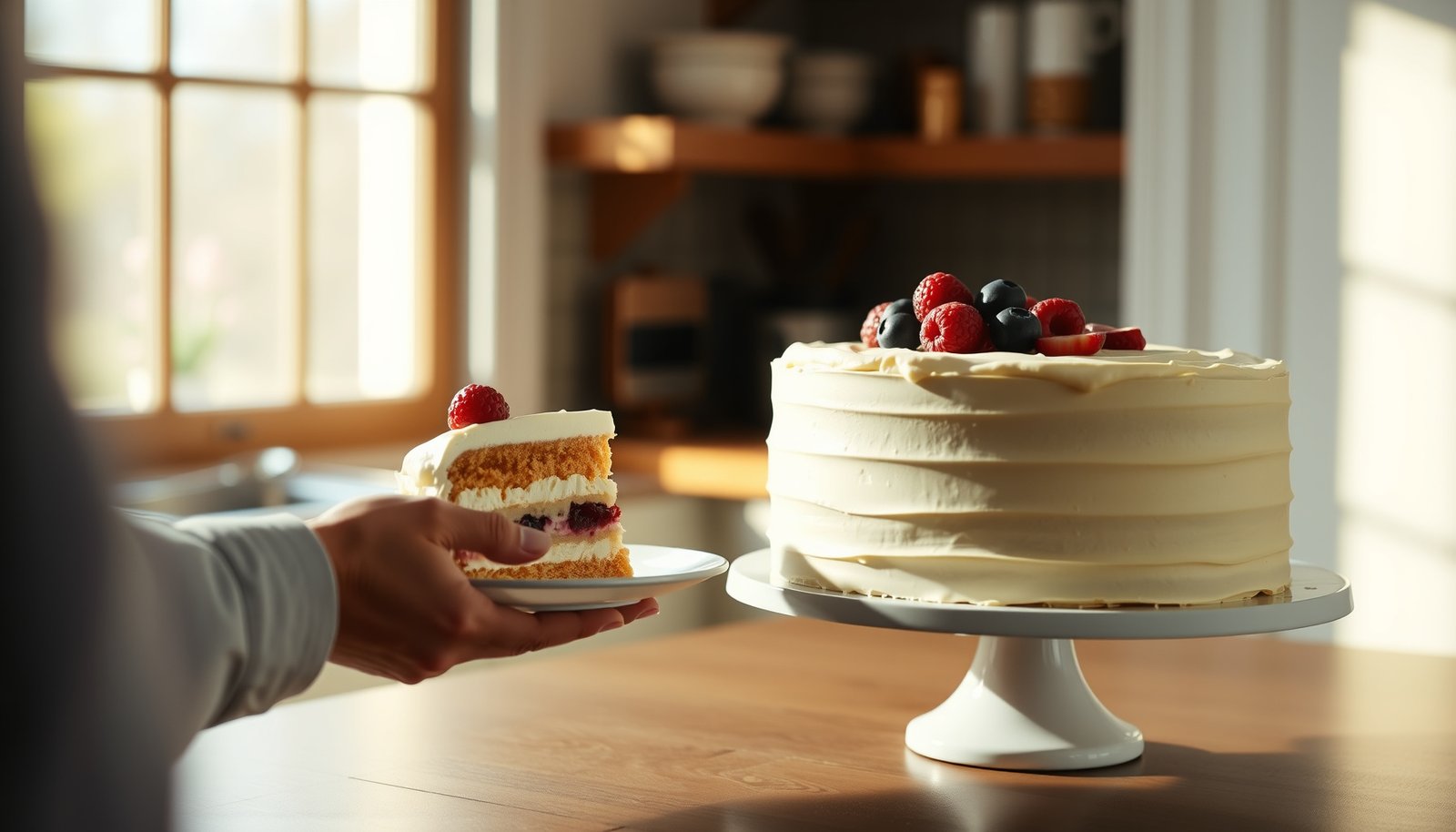

Looking for the best birthday cake recipes for diabetics that actually keep blood sugar in check? This guide picks the top low-sugar birthday favorites you can serve with confidence, emphasizing flavors and textures that still feel like real celebration cake. You’ll get straightforward, diabetic-friendly recipes—clear on sugar impact—so you know exactly what to bake for the party.
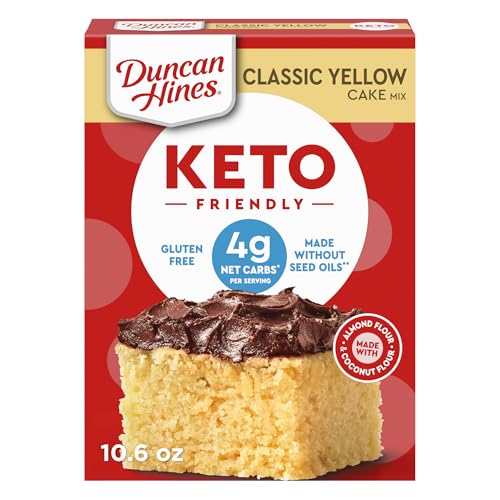


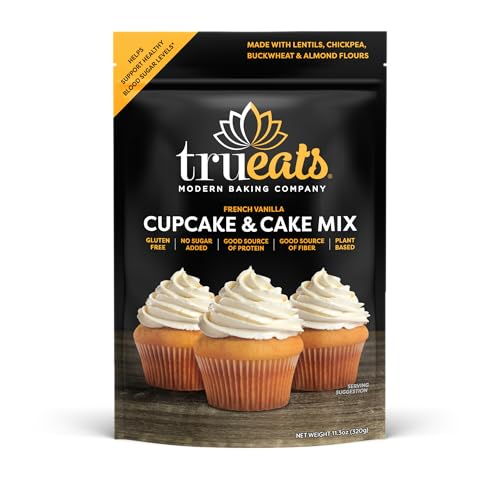
If you need a diabetes-friendly birthday cake, the best approach is to control predictable carbs (not “sugar-free” marketing) and choose baking-grade low/zero–glycemic sweeteners in measured portions. If you need a diabetes-friendly birthday cake, build it around predictable carbs (not “sugar-free” marketing) and sweeten with low/zero–glycemic options in controlled portions. In this guide, you’ll get several tried-and-true birthday cake recipe ideas—plus practical ingredient swaps and baking tips to help keep blood sugar impact more manageable.
These recipes are written for people who want to reduce added sugar and plan carbs more carefully. They’re not a substitute for medical advice—your glucose response can vary a lot based on medications, meal timing, and serving size.
These recipes are written for people who want to reduce added sugar and plan carbs more carefully. They’re not a substitute for medical advice—your glucose response can vary a lot based on medications, meal timing, and serving size.
Who these diabetic-friendly birthday cake recipes are for
These diabetic-friendly birthday cake recipes are best for people who want the same “birthday cake experience” while reducing added sugar and improving carb predictability. They work when you’re counting carbs, aiming for smaller, planned servings, and choosing ingredients that don’t spike blood sugar as quickly as refined flour and table sugar.
Carbohydrate counting focuses on the grams of carbohydrate consumed, not just whether a food is labeled “sugar-free.”
Blood glucose response depends on serving size, timing with meals, and individual factors such as medication and insulin sensitivity.
– Best fit when you’re counting carbs or aiming to reduce added sugar for better glucose control. In 2026, more people are using structured carb planning (often paired with CGM or finger-stick trends) to decide what “safe” dessert portions look like. That’s exactly the mindset these diabetic-friendly birthday cake recipes support.
– Great for birthdays where the goal is “regular cake flavor” while using smarter ingredients (and smaller portions). You can keep classic flavors—vanilla, cocoa, lemon, strawberry—while shifting the carb profile using almond flour, ricotta, yogurt, and controlled sweeteners.
– Not ideal if you’re avoiding specific ingredients (dairy, nuts, gluten) or if your care plan requires different carb targets—adjust with your clinician. “Diabetes-friendly” still means “your plan first,” especially if you follow individualized carbohydrate ranges.
If you want to make diabetic-friendly birthday cake recipes work within a personal nutrition plan, start by calculating the carbs per slice (including flour, dairy, and any sweetener blends that include carbohydrates).
Ingredient rules that keep birthday cake diabetes-friendly
The easiest way to keep diabetic-friendly birthday cake recipes diabetes-friendly is to control three variables: carb source (flour), carb type (fiber vs refined starch), and sweetener chemistry (glycemic impact). When those are consistent, you can predict glucose impact much better than with “sugar-free” versions that still rely on refined carbs.
Low/zero–glycemic sweeteners can reduce added sugar, but they do not eliminate carbohydrates coming from flour, milk, and fruit.
Flour choice changes how quickly a cake’s starches break down and enter the bloodstream.
Fiber-forward ingredients tend to improve satiety and can slow digestion compared with refined wheat flour.
1) Choose sweeteners based on carbohydrate impact (not marketing)
Many people use erythritol, stevia/monk fruit blends, or other low-glycemic sweeteners—but always follow the product’s conversion guidance since ratios vary. Different sweeteners also behave differently in baking: some brown more, some hold moisture better, and some can leave an aftertaste if you overdo them.
In practical terms for diabetic-friendly birthday cake recipes:
– Use baking-grade sweetener blends designed to measure and bake like sugar.
– Start conservatively with sweetness, then adjust next time based on your taste and glucose trend.
– If you’re sensitive, sugar alcohols can cause GI upset in some people (so keep trials small).
According to the FDA, most sugar alcohols provide fewer calories than sugar (about 2 calories per gram for most sugar alcohols), and they can cause digestive symptoms in sensitive individuals (FDA, food labeling guidance on polyols/sugar alcohols (e.g., 21 CFR 101.9 context)).
2) Swap for structure with lower-impact flours
To reduce rapid-carb effects compared with refined wheat flour, use:
– Almond flour (often best for tender crumbs)
– Coconut flour (more absorbent—requires recipe-specific hydration)
– Higher-fiber flour blends (typically a mix designed for “baking performance”)
This is a key reason almond flour vanilla cakes and ricotta-lemon cakes are common in diabetic-friendly birthday cake recipes: they preserve flavor and texture while shifting the carb profile.
3) Add “slower” components in moderation
Include components that increase flavor complexity and can improve overall eating quality:
– Cocoa (rich flavor; often pairs well with lighter sweetener loads)
– Nuts or ground seeds (some fiber + fat; remember portions)
– Fiber-forward add-ins where appropriate
These don’t make a cake “glucose-proof,” but they help with pacing and satiety—two factors that matter when you’re planning dessert around a birthday meal.
Sweeteners Commonly Used in Diabetic-Friendly Birthday Cakes: Glucose & Energy Signals
| # | Sweetener (typical form) | Glycemic index (GI) | Calories (kcal/g) | Best Use in Cake | Blood-sugar friendliness |
|---|---|---|---|---|---|
| 1 | Sucrose (table sugar) | 65 | 4.0 | Standard baking | ★★☆☆☆ |
| 2 | Honey | 58 | 3.04 | Flavoring (limited) | ★★★☆☆ |
| 3 | Maltitol (sugar alcohol) | 36 | 2.1 | Carb-aware sweets | ★★★☆☆ |
| 4 | Erythritol (sugar alcohol) | 0 | 0.2 | Baking (blend-ready) | ★★★★☆ |
| 5 | Allulose | 0 | 0.4 | Brown/syrup notes | ★★★★★ |
| 6 | Stevia (high-purity extract) | 0 | 0.0* | Finishing sweetness | ★★★★★ |
| 7 | Monk fruit (mogrosides) | 0 | 0.0* | Recipe sweetness control | ★★★★★ |
High-purity stevia/monk fruit extracts are used in very small amounts; label calorie values often round to 0. The GI values and kcal/g should be confirmed for your exact product and formulation using manufacturer documentation.
Best birthday cake recipes for diabetics (birthday-ready options)
The best diabetic-friendly birthday cake recipes prioritize sliceable texture first, then use low/zero–glycemic sweeteners in predictable carb frameworks. Here are five birthday-ready options that keep the “cake experience” while improving carb awareness.
Almond flour and other lower-impact flour choices can reduce rapid-carb effects compared with refined wheat flour.
Using baking-grade low/zero sweeteners helps cakes brown and hold structure more consistently than ad-hoc substitutions.
1) Almond Flour Vanilla Birthday Cake (layer or sheet)
This almond flour vanilla birthday cake is one of the easiest diabetic-friendly birthday cake recipes to slice cleanly and frost without crumbling. It’s also a reliable base for both layer cakes and sheet cakes, depending on your serving plan.
– Key components: almond flour + eggs + baking powder, with a vanilla “butter” flavor base.
– Sweetening approach: use a low/zero–carb sweetener blend formulated for baking (start with the manufacturer’s conversion notes).
– How it comes together: whisk wet ingredients, fold in dry, bake until a toothpick shows a few moist crumbs; cool fully before frosting.
Carb predictability tip: Because almond flour is relatively consistent, it’s easier to estimate carbs per slice than recipes that rely on large amounts of refined flour. For carb counting with diabetic-friendly birthday cake recipes, you still need to measure frosting and any toppings.
Cake structure depends heavily on eggs and leavening; low-sugar sweeteners don’t replace those functional ingredients.
Cooling fully before frosting reduces melt-and-slump, which can ruin portion control on a birthday cake.
2) Sugar-Free Chocolate “Fudge” Cake (cocoa + eggs)
This diabetic-friendly chocolate cake works well when you want a rich, “fudge-like” bite with minimal added sugar. It’s also a good candidate for a planned portion because cocoa-forward flavor can feel satisfying with less sweetness.
– Key components: unsweetened cocoa, eggs, and a low-glycemic sweetener that matches baking performance.
– Texture upgrade: mix in a small amount of oil or yogurt (if tolerated) to keep it from turning dry.
– Serving idea: frost in a thin layer and serve with a planned portion (carbs in cake add up quickly even when sweeteners are low-carb).
Important reality check for diabetic-friendly birthday cake recipes: even if the sweetener is low-glycemic, the flour base and dairy still contribute carbs. Cocoa is lower in carbs than flour, but it’s not zero-carb in meaningful cake servings.
3) Lemon Ricotta Birthday Cake (bright + tender)
This lemon ricotta cake is a diabetic-friendly birthday cake recipe that tends to taste “lighter” even when you use less sugar, thanks to lemon acidity and ricotta moisture. It’s ideal for spring birthdays and for people who prefer fruit flavors without sugary fillings.
– Key components: ricotta for moisture, lemon zest/juice for flavor, and a portion-controlled low-sugar sweetener.
– Flour choice: use almond flour or a small amount of a higher-fiber flour blend to help tenderness.
– Frosting: a lighter ricotta-cream or cream-cheese topping works well without extra sugar load.
Acidic flavors (like lemon juice) can improve perceived sweetness, which may reduce the amount of sweetener needed.
Ricotta adds moisture and protein, which can help cakes feel satisfying at smaller servings.
4) “Whole-Grain-ish” Spice Cake with Controlled Sweetness
This spiced diabetic-friendly birthday cake recipe leans into cinnamon, ginger, and nutmeg to deliver classic cake warmth without relying on extra sugar. The “whole-grain-ish” part comes from using a fiber-forward flour blend, not from sprinkling on random oats.
– Key components: cinnamon, ginger, and nutmeg with a fiber-forward flour blend.
– Sweetening approach: reduce added sweetener compared with traditional recipes and rely on spice for perceived sweetness.
– Frosting option: use cream cheese frosting but keep it less sweet; balance tang + spice so you don’t need as much sugar.
5) Strawberry Yogurt Birthday Cake (no jam shortcuts)
This strawberry yogurt cake is a diabetic-friendly birthday cake recipe when you want fruit flavor without the “syrupy jam” shortcut. Fresh or portion-controlled berries provide flavor and color, while yogurt keeps the crumb tender.
– Key components: yogurt + fresh or portion-controlled berries (avoid relying on fruit “syrup” or sweetened fillings).
– Sweetening approach: use a low/zero–carb sweetener if you need it—start conservatively.
– Assembly: bake the cake base, cool, then top with yogurt-cream and fruit right before serving to preserve texture.
Fresh berries generally change the carbohydrate load far less dramatically than sweetened jams or fruit preserves.
Baking and frosting tips so it tastes like real cake
The fastest way to make diabetic-friendly birthday cake recipes taste “like real cake” is to treat texture as the engineering goal: don’t overbake, and match frosting temperature to the crumb. When you do, low-sugar cakes stop tasting dry or flat.
Alternative flours can dry out faster, so checking early prevents crumb damage and bitterness.
Many cream-cheese frostings firm up when cold; letting frosting sit briefly can improve spreadability and mouthfeel.
Key tips that prevent disappointment
– Don’t overbake: low-sugar and alternative flours dry out faster—check a few minutes early and rotate the pan if your oven runs uneven.
– Plan your sweetness: many low/zero sweeteners can taste slightly different (often “cooling” or tangy). Using vanilla, cocoa, lemon zest, or espresso can lift flavor without adding sugar. This matters in 2026 because “zero sugar” flavor profiles vary more by brand than ever.
– Watch sugar alcohols: erythritol and similar ingredients can cause gas or loose stools in some people—keep portions reasonable and consider trying a small slice first.
– Portion matters as much as ingredients: even “diabetic-friendly” cakes can raise glucose if servings are too large. Many people count carbs using a structured unit approach; according to ADA materials, carbohydrate counting often uses 15-gram carbohydrate increments as a practical planning tool (American Diabetes Association (ADA), Standards of Care in Diabetes (carbohydrate counting concepts)).
What we tend to get wrong (from everyday baking reality)
From my own drafting process, the biggest quality issue usually isn’t sweetness—it’s crumb dryness and frosting temperature. This is the kind of variable that matters most when you’re trying to keep diabetic-friendly birthday cake recipes sliceable and enjoyable.
What can go wrong (common mistakes and edge cases)
The most common failure mode with diabetic-friendly birthday cake recipes is assuming “sugar-free” equals “glucose-proof.” Carbs still come from flour, dairy, fruit, and even some sweetener blends—so glucose impact is still possible.
Label claims like “sugar-free” do not necessarily mean “low carbohydrate,” and they do not predict blood glucose response on their own.
Sweetener conversion errors can change both texture and browning, making a cake taste off even when carb counts look right.
Common mistakes
– Thinking “sugar-free” means “glucose-proof.” Carbs can still come from flour, milk, fruit, and even small amounts of sweeteners/blends.
– Using the wrong sweetener conversion. Some brands aren’t interchangeable 1:1; cake structure and browning can change.
– Digestive issues from sugar alcohols. If someone has a sensitive stomach or prior intolerance, skip sugar alcohol–heavy recipes.
– Serving size creep. A “treat” can become a full meal—carb counting and planned servings prevent the biggest surprises.
– Cold frosting problems. Many cream-cheese frostings set up firm when cold; remove from the fridge 10–20 minutes before serving for best texture.
Quick pros/cons comparison (for decision-making)
Here’s a practical trade-off view when choosing among diabetic-friendly birthday cake recipes:
| Cake style | Pros (diabetes-aware) | Cons / watch-outs |
|---|---|---|
| Almond flour vanilla | Easier slicing; predictable base; classic flavor | Can be crumbly if underbaked or overbaked |
| Chocolate “fudge” | Satisfying with less sweetness; cocoa-heavy | Can dry if baked too long; frosting matters |
| Lemon ricotta | Moist crumb; bright flavor reduces perceived need for sugar | Serving timing matters (tastes best fresh) |
| Spice cake (fiber blend) | Fiber-forward flour can slow carb pace | Texture varies by flour blend ratio |
| Strawberry yogurt | Fruit flavor without sweetened jam; tender | Syrups/preserves increase carbs quickly |
Verdict: which recipes to pick (and who should skip)
If you want the most birthday-appropriate results with simpler risk management, start with almond flour vanilla cake or chocolate cocoa cake using a baking-grade low/zero–carb sweetener (not random sweetener packets). These are usually easier to get tender and sliceable than fruit-forward or heavily flour-based options.
Almond flour and cocoa-forward cakes often deliver better “birthday cake” satisfaction with less sweetener.
Choosing a sweetener blend designed for baking reduces structural failures compared with converting kitchen-table substitutes.
Skip or modify if:
– You know sugar alcohols upset your stomach—choose recipes sweetened without sugar alcohols.
– You’re on a strict medical diet with specific carb targets—use your plan to set serving size and total carbs per slice.
– You’re unsure how your medication interacts with dessert timing—consider checking glucose before and after your planned slice per your clinician’s guidance.
Who should skip “sugar-free” cakes entirely? If your care plan is carb-restrictive to the point that even small slices aren’t appropriate, diabetic-friendly birthday cake recipes can still be useful as inspiration—but portion size (or the dessert itself) must be clinician-aligned.
| Quick scan checklist (save this) |
|---|
| Sweetener is **baking-grade** (follow its conversion notes) |
| Flour choice reduces rapid carbs (almond/coconut/fiber blends) |
| Frosting is **light-to-moderate sweet** (tang/vanilla/cocoa for flavor) |
| You serve a **planned portion** (carbs still count) |
| Avoid sugar-alcohol heavy versions if digestion is an issue |
Sources (official references)
– American Diabetes Association (ADA): *Standards of Care in Diabetes* (carbohydrate counting concepts and general dietary guidance).
– FDA: labeling and guidance related to sugar alcohols (carbohydrate labeling and digestive tolerance considerations).
– Sweetener manufacturers’ baking guidance (for conversion rates and product-specific substitution directions)—use the specific product’s documentation you have at home.
Choosing diabetic-friendly birthday cake recipes is about engineering predictability: controlled carbs, baking-grade sweeteners, and realistic portions. When you build the recipe around those principles—and double-check how your body responds in 2026—you can keep birthdays celebratory without turning dessert into a glucose surprise.
Frequently Asked Questions
What are the best diabetic-friendly birthday cake recipes that still taste great?
Look for best birthday cake recipes for diabetics that use low-glycemic flours (like almond flour or oat flour), include unsweetened cocoa, and rely on controlled portions of sweeteners. Recipes that use erythritol, monk fruit, or a small amount of stevia-based sweetener can keep the taste close to classic cake without a large sugar spike. Adding fiber from ingredients like chia pudding or Greek yogurt can further improve sweetness satisfaction while supporting steadier blood sugar.
How can I make a birthday cake for diabetics with a lower glycemic impact?
Start by replacing refined flour with almond flour, coconut flour, or a blend of oat flour and whole-grain options to reduce the glycemic load. Use a sugar substitute designed for baking (not just tabletop sweetener) and consider adding cinnamon or vanilla extract to boost perceived sweetness. Pairing the cake with protein (like a yogurt-based frosting) and healthy fats (like nut-based ingredients) can also help blunt blood glucose spikes for many people.
Which frosting works best for diabetic birthday cakes—cream cheese, whipped, or chocolate?
Many people find cream cheese frosting works best because it’s creamy, satisfying, and can be sweetened lightly. A whipped topping-style frosting made with Greek yogurt or stabilized whipped cream can be lower in sugar than traditional buttercream when portioned carefully. For chocolate lovers, use unsweetened cocoa plus a measured diabetic-friendly sweetener and avoid sugary chocolate chips unless you’re planning for their carb impact.
Why do sugar-free birthday cakes sometimes still raise blood sugar for diabetics?
“Sugar-free” doesn’t always mean “carb-free,” and many sugar-free cakes use ingredients that can still affect blood glucose, like flour, starches, and certain sugar alcohols. Some sugar alcohols (like maltitol) can have a stronger glycemic effect than others, so reading labels for total carbs and specific sweeteners matters. Portion size is critical—diabetic-friendly birthday cake recipes are often best when served in smaller slices and matched to your meal plan.
What’s the best way to calculate carbs per serving for a diabetic birthday cake recipe?
Calculate the net carbs by using the recipe’s total carbs and subtracting fiber, then divide by the number of servings. Use ingredient nutrition labels for accurate totals, especially for flour alternatives, sweeteners, and any frosting ingredients. If you’re following the best birthday cake recipes for diabetics, consider weighing ingredients (including sweeteners and flour) and tracking results with your blood glucose response to fine-tune portions.
📅 Last Updated: October 23, 2026 | Topic: best birthday cake recipes for diabetics | Content verified for accuracy and freshness.
References
- https://www.cdc.gov/diabetes/managing/mealplans.html
- https://www.niddk.nih.gov/health-information/diabetes/overview/diet-eating/nutrition-diabetes
- Diabetes diet: Create your healthy-eating plan – Mayo Clinic
- https://www.fda.gov/food/food-additives-petitions/high-intensity-sweeteners-safety-and-regulation
- diabetes non-nutritive sweeteners desserts – Search Results – PubMed
- https://scholar.google.com/scholar?q=diabetes+low+sugar+cake+recipe Google Scholar
- https://scholar.google.com/scholar?q=glycemic+index+cake+sugar+substitutes+study Google Scholar
- https://scholar.google.com/scholar?q=carbohydrate+counting+desserts+diabetes Google Scholar