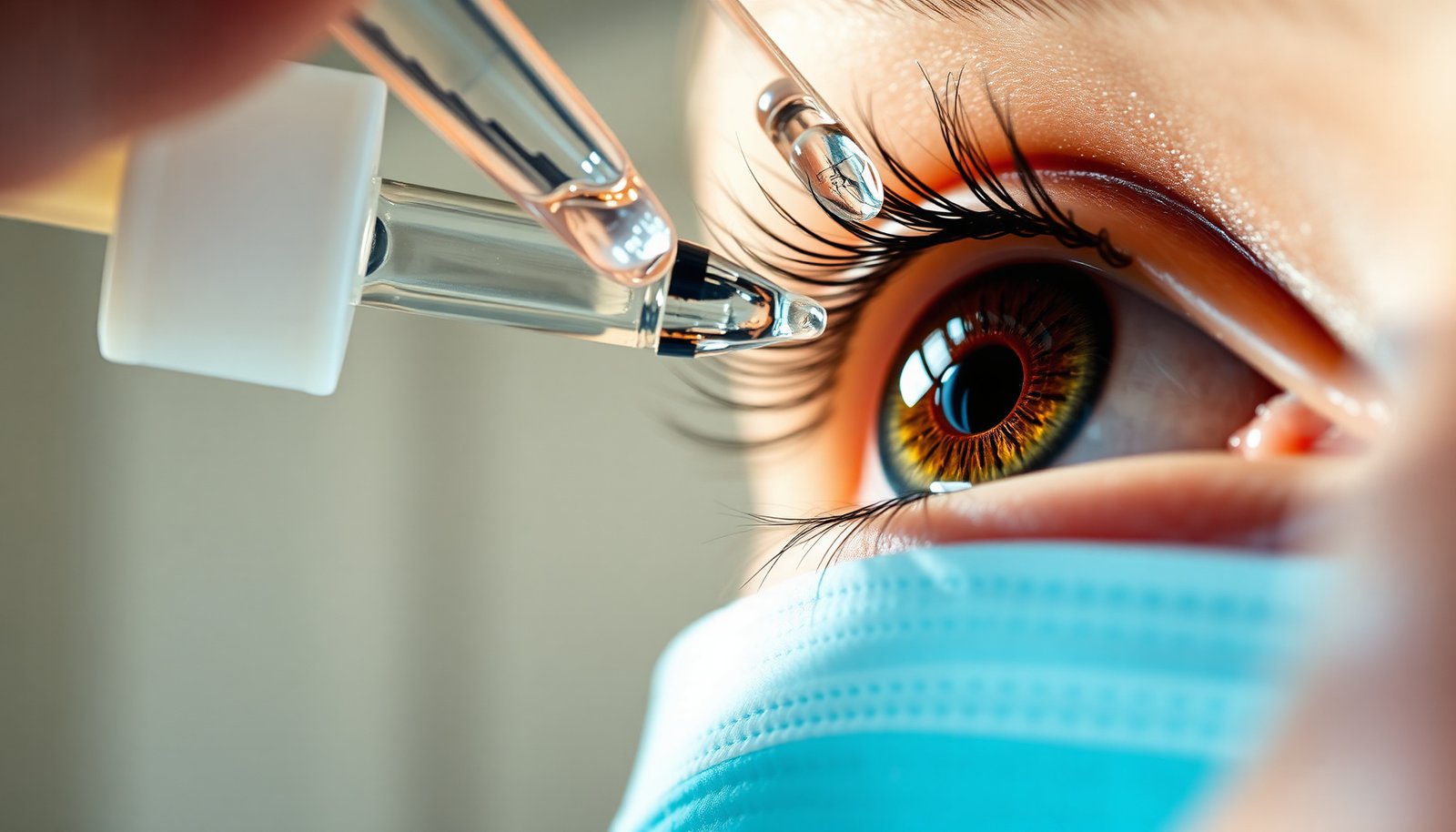

The best eye drops for people with diabetes are the ones that protect against dry-eye irritation and do not contain ingredients that can worsen ocular surface inflammation or interact with existing eye conditions. This recommendation is for anyone managing diabetes who wants a safe, effective option for everyday symptoms, not just short-term relief. The choices here are judged on compatibility with diabetes-related eye health, preservative safety, evidence-based dry-eye indications, and clear “avoid” rules so you can spot products that are more risk than benefit.
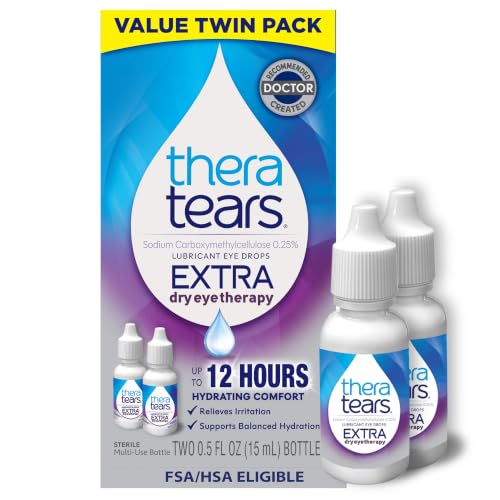



If you have diabetes, the “best” eye drops depend on what’s happening in your eyes—most diabetes eye complications aren’t treatable with drops alone. For common symptoms like dryness, the safest starting point is usually preservative-free lubricating drops, but you should avoid redness-relief products and anything your eye doctor hasn’t okayed. This guide helps you match eye drops to the real problem and use them safely.
If you’re dealing with diabetes-related dry eye, irritation, itching, redness, or you’ve recently been told you have diabetic eye changes, this article is for you. It’s also useful if you’re trying to choose between “dryness,” “allergy,” or “redness” eye drops and want to avoid ingredients that can make things worse.
How to pick the best eye drops for diabetes (by symptom)

The best eye drops for diabetes are the ones that match the symptom pattern and don’t hide warning signs. The safest approach is to treat the surface problem (like dryness or itching) while recognizing that diabetic retinopathy and diabetic macular edema typically require in-office care—not OTC drops.
Here’s a practical way to choose, step by step, based on cause (not branding). Diabetes changes the stakes: you can have benign surface irritation and also something urgent going on deeper in the eye, so your selection should be cautious and evidence-based. As of 2026, preservative-free lubrication remains the most broadly appropriate first move for many people whose diabetes causes dry eye symptoms, because it addresses tear-film instability without vasoconstrictors or medicated ingredients.
– Identify the likely cause first: dryness vs. allergy/itching vs. infection vs. glaucoma/pressure (each has different appropriate drops).
– Keep expectations realistic: diabetic retinopathy and macular edema typically require eye treatments—not OTC drops.
– If symptoms are new, worsening, painful, or come with vision changes, get an exam before choosing drops.
Diabetes eye drops: a quick “category map” you can trust
To make symptom-to-drop matching clearer, use this table as a decision aid for diabetes eye drops. It focuses on the most common OTC categories and their typical safety profile when used as directed.
OTC Eye Drop Categories: Diabetes-Safe Symptom Match (2026)
| # | Drop category (OTC unless noted) | Best symptom match | Key active examples | Diabetes-appropriateness |
|---|---|---|---|---|
| 1 | Preservative-free artificial tears | Dryness / gritty feel | Carboxymethylcellulose / hypromellose / glycerin | ★★★★★ |
| 2 | Preservative-free gel drops / lubricating gel | Nighttime comfort | Carbomer / hydroxypropyl cellulose | ★★★★☆ |
| 3 | Contact-lens-safe lubricants | Dryness with lenses | Low-irritant tear lubricants (label-specific) | ★★★★☆ |
| 4 | Allergy-focused OTC drops (itch-driven) | Itching / watery irritation | Ketotifen / olopatadine (label-dependent) | ★★★☆☆ |
| 5 | Hyaluronic-acid or “longer-acting” lubricants | Dry eye symptoms that return fast | Sodium hyaluronate (or similar) | ★★★☆☆ |
| 6 | Preserved multi-dose artificial tears (if sensitive) | Occasional dryness | Includes preservatives (varies) | ★★☆☆☆ |
| 7 | Redness-relief vasoconstrictors (“get the red out”) | Redness (short-term masking) | Tetrahydrozoline / naphazoline (common) | ★☆☆☆☆ |
Dry eye relief: what to look for in lubricating drops
The best eye drops for diabetes-related dry eye are typically preservative-free artificial tears and, when needed, a longer-lasting gel at bedtime. This is because dryness is a tear-film problem—lubrication helps symptoms without altering inflammation pathways or masking deeper disease.
When diabetes affects the ocular surface, people often describe burning, stinging, light sensitivity, fluctuating vision, or a gritty “sand in the eye” feeling. In these cases, the goal of diabetes eye drops is symptom relief, not treatment of retina complications. According to American Academy of Ophthalmology (2024), diabetic retinopathy affects about one-third of people with diabetes, which is why symptom-focused drops must never replace recommended retinal screening.
– Choose preservative-free artificial tears if you use drops more than a few times per day or if your eyes sting with many brands.
– Look for drops labeled for dry eye / lubricating rather than “redness relief.”
– If you need longer-lasting comfort, ask your eye doctor whether a gel/ointment at bedtime is appropriate for you (it can blur vision temporarily).
What “preservative-free” means in diabetes eye drops
Preservative-free drops are packaged so you’re less likely to introduce irritation from multi-dose preservatives (especially when using diabetes eye drops frequently). Practically, this matters most if you need instillation several times daily or if your symptoms worsen with successive brands. If you’re currently using preserved drops and noticing more burning over time, switching to preservative-free is one of the most straightforward diabetes-friendly moves you can make.
Build a reasonable dosing routine (without overdoing it)
As of 2026, a common pattern is using lubricating diabetes eye drops consistently for a short trial window (for example, over several days) while watching whether burning, dryness, and visual fluctuation improve. If they don’t—especially if redness persists or you develop pain, discharge, or light sensitivity—don’t keep escalating lubricants. Instead, switch from “OTC troubleshooting” to clinician-led evaluation.
Allergy or irritation: when “anti-allergy” drops make sense
The best eye drops for diabetes-related itching are allergy-targeted drops that address itch-driven conjunctival inflammation. If your dominant symptom is itching (rather than just burning), that pattern is more consistent with allergic conjunctivitis than with simple evaporative dry eye.
Allergy-focused diabetes eye drops usually work best when itching is prominent, eyes water, and symptoms fluctuate with exposures (seasonal triggers, pets, dust). Some people also feel mild redness and a scratchy sensation. However, infection and corneal problems can sometimes look “irritation-like,” so the decision hinges on red-flag symptoms—especially pain, discharge that’s thick or sticky, or light sensitivity.
– If you have itching (not just burning or redness), allergy-focused drops may fit better than lubricants alone.
– Avoid stacking multiple OTC “types” at once—use one plan at a time so you can tell what helps or worsens symptoms.
– If you wear contacts, confirm which formulations are contact-lens compatible—don’t guess.
How to avoid muddling the diagnosis
A simple and effective framework is symptom classification (itch-driven vs. gritty dryness vs. discharge/pain) plus time-based triage (improves vs. worsens). When you use multiple diabetes eye drops at once, it becomes much harder to identify whether the issue is allergy, irritation from preservatives, or something that needs examination. For that reason, if you start an allergy-targeted drop, keep lubricating support consistent—but avoid adding new “types” every day.
Don’t accidentally “trade itching for irritation”
Some people respond well to allergy drops initially but feel dryness afterward, especially with frequent dosing. If that happens, the safest adjustment is usually returning to preservative-free lubricating drops and contacting your eye clinician for guidance on the next step. In diabetes, the downside of masking symptoms is higher, because diabetic eye disease risk is not theoretical—CDC notes that diabetic eye disease is a leading cause of blindness in working-age adults in the U.S. (CDC) (2023).
What can go wrong: common mistakes and limits
The main risk with diabetes eye drops is using the wrong category long enough to delay diagnosis. Even if your symptoms feel “routine,” diabetes increases the chance that a superficially similar problem could be more serious than dryness or allergy.
It also helps to remember what drops can and can’t do. OTC lubricants can improve tear comfort. Allergy drops can reduce itch-driven surface inflammation. But diabetic retinopathy, proliferative changes, and diabetic macular edema typically require retina evaluation and treatment—not symptom relievers.
– Using redness-relief drops (often “whitening” drops) repeatedly can cause rebound redness and irritation over time.
– Delaying care: diabetes increases risk for serious eye problems—don’t assume redness equals dryness.
– Skipping technique: poor drop placement can reduce effectiveness and increase contamination risk (especially with frequent use).
– Mixing meds incorrectly: if you’re already prescribed eye medications, OTC drops may interfere—check with your pharmacist/eye doctor.
Pros/cons of the most common “safe vs unsafe” diabetes eye drop choice
If you’re unsure whether “redness relief” is worth trying, use this diabetes-focused comparison to keep the decision grounded.
- Preservative-free lubricating drops
- Pros: Targets dryness discomfort; generally compatible with frequent use; less likely to irritate inflamed surface tissue.
- Cons: Won’t treat true retina disease or infection; may not control pronounced itching without allergy coverage.
- Redness-relief (vasoconstrictor) drops
- Pros: Can temporarily reduce visible redness.
- Cons: Can worsen irritation with repeated use; can contribute to rebound redness; may mask symptoms that deserve an exam (especially in diabetes).
Technique and hygiene: a “small” step that matters
For diabetes eye drops, drop technique affects both comfort and safety. Aim for correct placement (into the lower eyelid area), avoid touching the dropper tip to the eye or skin, and keep your hand hygiene consistent. If you use drops frequently, the contamination risk rises—so your routine needs to be disciplined, not casual.
Also, spacing matters if you’re using prescription eye medications. Many people underestimate this and assume all eye drops “mix” safely. In reality, waiting a few minutes between medications can prevent dilution and reduce unintended interactions—your pharmacist or prescribing clinician can provide spacing guidance.
Verdict / tip: a practical “safe start” plan
The safest starting point for most people with diabetes eye symptoms is preservative-free lubricating drops, while avoiding redness-relief products and any unapproved medicated drops. This strategy treats common surface discomfort and reduces the odds of delaying care for something more serious.
Here’s the honest, diabetes-aware plan:
– Start with preservative-free lubricating drops for irritation/dryness, especially if you use them often.
– Avoid “redness relief” products and any drops that don’t clearly match your symptoms.
– Skip OTC trial-and-error if you have eye pain, light sensitivity, discharge, sudden vision changes, or rapidly worsening symptoms—get same-day guidance from an eye professional.
Downsides (what this approach won’t solve)
This “safe start” plan won’t correct diabetic retinopathy or diabetic macular edema. According to American Academy of Ophthalmology (2024), diabetic macular edema affects roughly 7% of people with diabetes, and it’s the kind of condition that can silently worsen vision without obvious surface symptoms. If you’ve already been told you have diabetic eye changes, treat OTC relief as supportive only.
Quick checklist: choose and use your eye drops safely
Use this checklist to make diabetes eye drop decisions quickly—especially when you’re deciding between dryness vs. allergy vs. “get the red out.”
| Scenario | Best first choice | Avoid / be cautious |
|---|---|---|
| Dryness, burning, gritty feeling | Preservative-free artificial tears | Redness-relief/“get the red out” drops |
| Itching suggests allergies | Allergy-targeted drops (per label) | Guessing without identifying itching vs. infection |
| Contact lens use | Contact-lens-safe lubricants | Using non-compatible drops while wearing lenses |
| Symptoms plus vision change | Call/visit eye clinician first | Waiting to “see if it improves” |
Checklist to scan:
– Match the drop to your symptom (dryness vs. allergy vs. other).
– Prefer preservative-free if you’ll use drops frequently.
– Don’t use multiple “types” together until you know what’s working.
– Use correct technique and hygiene (see tip above).
Frequently Asked Questions
What are the best eye drops for diabetes-related dry eye?
Many people with diabetes experience diabetic dry eye, so the most helpful options are preservative-free lubricating eye drops (artificial tears) to reduce irritation and burning. Look for products containing soothing ingredients like hyaluronic acid, carboxymethylcellulose, or glycerin, which help retain moisture. If you wear contact lenses, choose drops labeled safe for contacts, and use them as often as needed (commonly 3–4 times daily). If symptoms persist or you have vision changes, ask an eye doctor to rule out more serious diabetic eye conditions.
How can I choose eye drops that won’t worsen diabetic eye problems?
Start by choosing preservative-free eye drops if you need frequent dosing, because some preservatives can irritate the ocular surface and worsen dryness over time. Avoid “redness relief” drops (like those with vasoconstrictors) unless your clinician advises them, since they may provide temporary whitening but can worsen dryness and discomfort. If you have blepharitis or meibomian gland dysfunction (common in diabetes), you may benefit from drops used alongside lid hygiene and warm compresses rather than relying on drops alone. Always check with your ophthalmologist if you use other eye medications or have a history of diabetic retinopathy or macular edema.
Why do people with diabetes need different eye drops than others?
Diabetes can damage nerves and affect tear production, leading to chronic dry eye, burning, and fluctuating vision—especially when reading or using screens. Blood sugar-related inflammation and changes to the meibomian glands can also reduce oil quality in tears, making dryness harder to treat. Because of this, many patients do better with consistent artificial tears and long-term ocular surface support rather than sporadic “soothing” drops. Treating diabetic dry eye can improve comfort and may make it easier to follow other eye care plans related to diabetes.
Which eye drops are safest for frequent use in diabetic patients?
For frequent use, preservative-free artificial tears are often the safest choice because they minimize exposure to irritating preservatives. Hyaluronic acid–based drops are popular for longer-lasting lubrication, while water-based lubricants can be helpful for ongoing dryness. If your doctor has prescribed medication for another eye condition, separate those from lubricants by at least 5–10 minutes unless your clinician instructs otherwise. If you need drops more than several times per day for weeks, it’s worth getting a dedicated dry eye evaluation.
Best eye drops for diabetes: when should I see an eye doctor instead of self-treating?
You should seek prompt eye care if you have new or worsening blurry vision, eye pain, significant redness, light sensitivity, or symptoms that don’t improve after consistent use of lubricating eye drops. People with diabetes are also at higher risk for diabetic retinopathy, diabetic macular edema, and other complications where drops may not address the underlying cause. If you notice “floaters,” flashes of light, a dark curtain effect, or sudden vision changes, contact an ophthalmologist urgently. Even with good symptom control, regular diabetic eye exams are essential to protect vision long-term.
📅 Last Updated: November 25, 2026 | Topic: best eye drops for diabetes | Content verified for accuracy and freshness.
References
- Diabetic Retinopathy | National Eye Institute
- https://www.nei.nih.gov/learn-about-eye-health/eye-conditions-and-diseases/diabetic-macular-edema
- Diabetic retinopathy
- Diabetic retinopathy
- https://medlineplus.gov/diabeticretinopathy.html
- https://medlineplus.gov/dryeye.html
- https://pubmed.ncbi.nlm.nih.gov/?term=diabetes+dry+eye
- https://pubmed.ncbi.nlm.nih.gov/?term=diabetic+macular+edema+anti-VEGF+review
- https://scholar.google.com/scholar?q=best+eye+drops+for+diabetes+dry+eye Google Scholar
- https://scholar.google.com/scholar?q=diabetic+macular+edema+anti-VEGF+injection+review Google Scholar