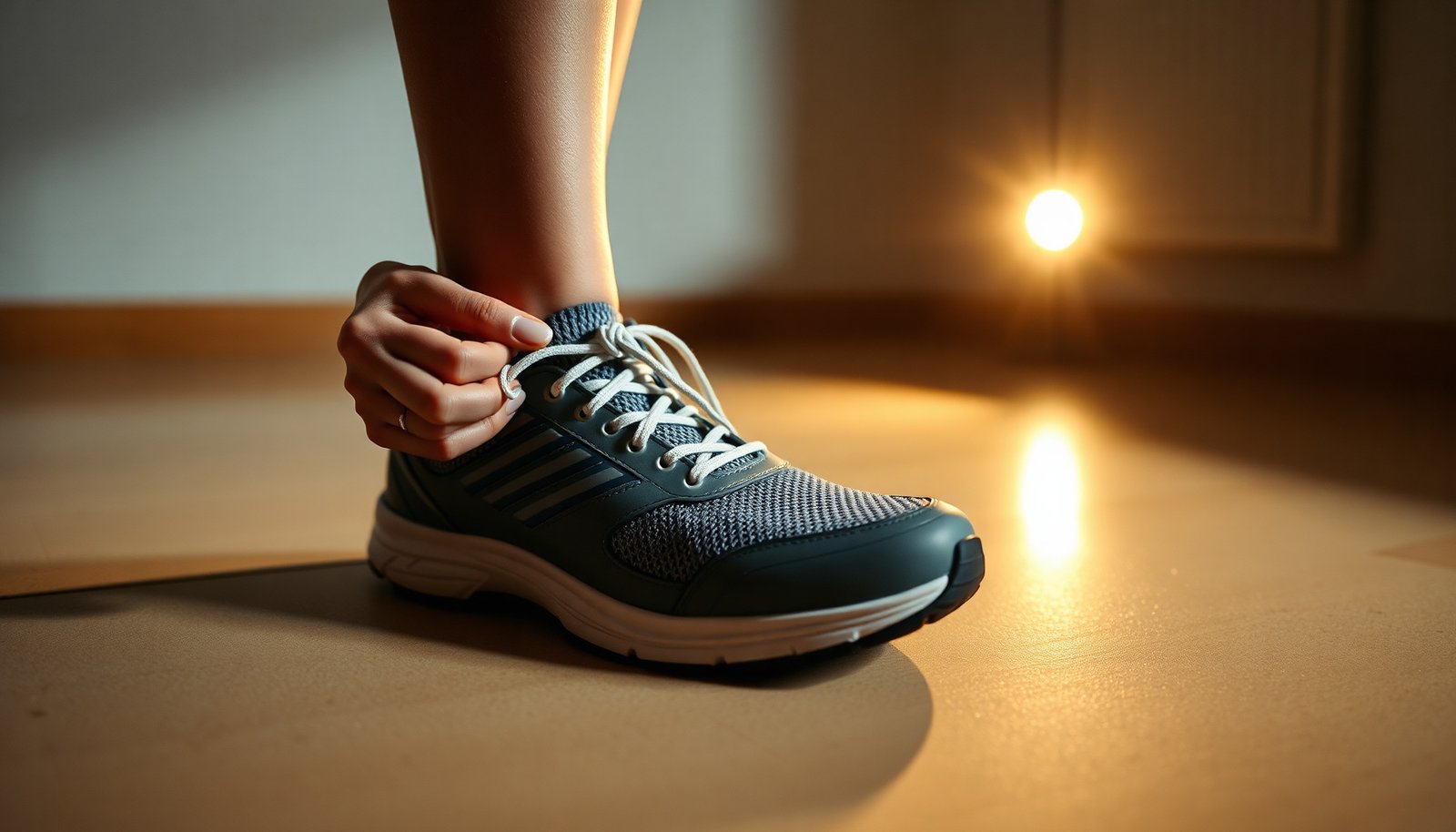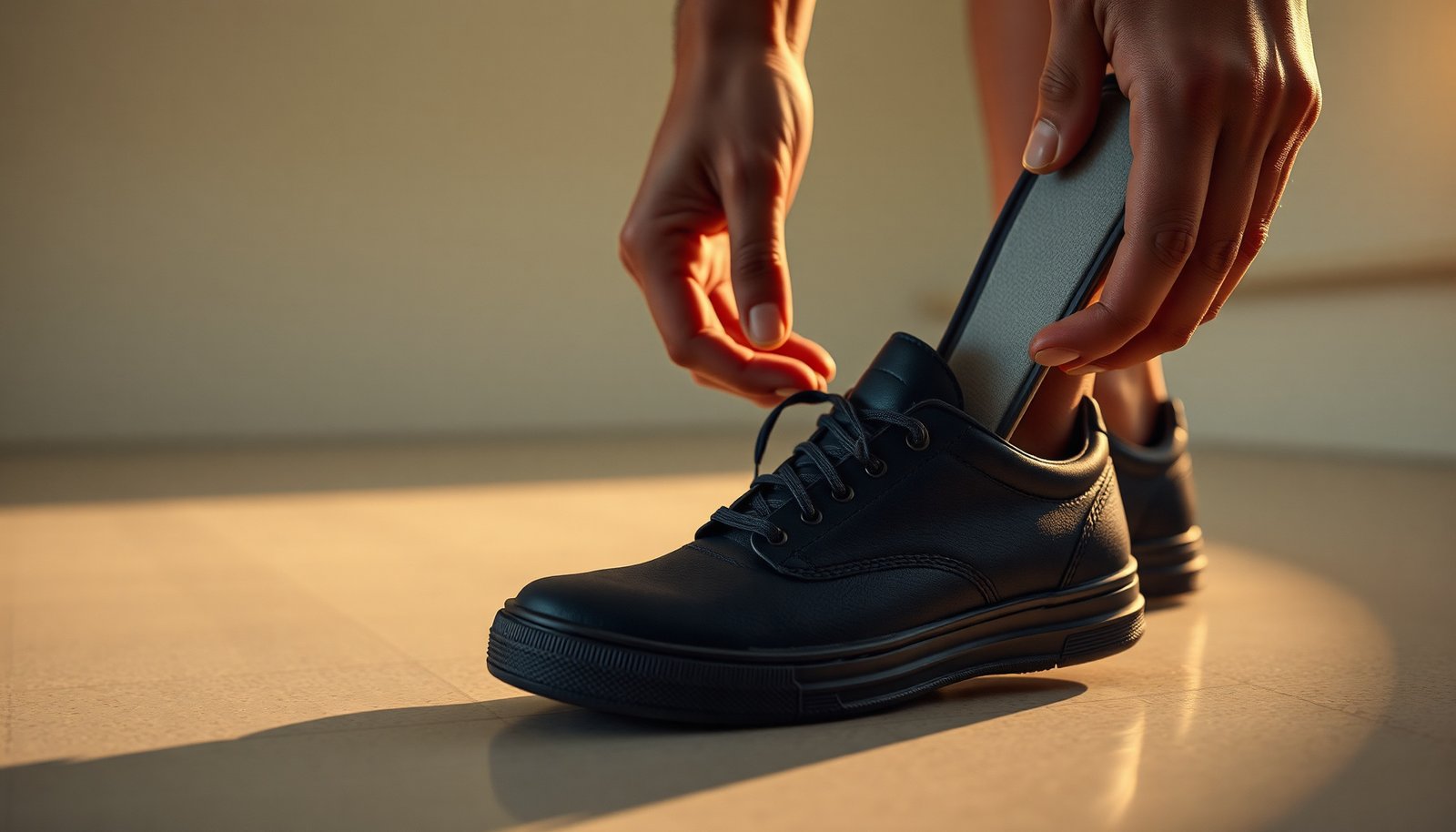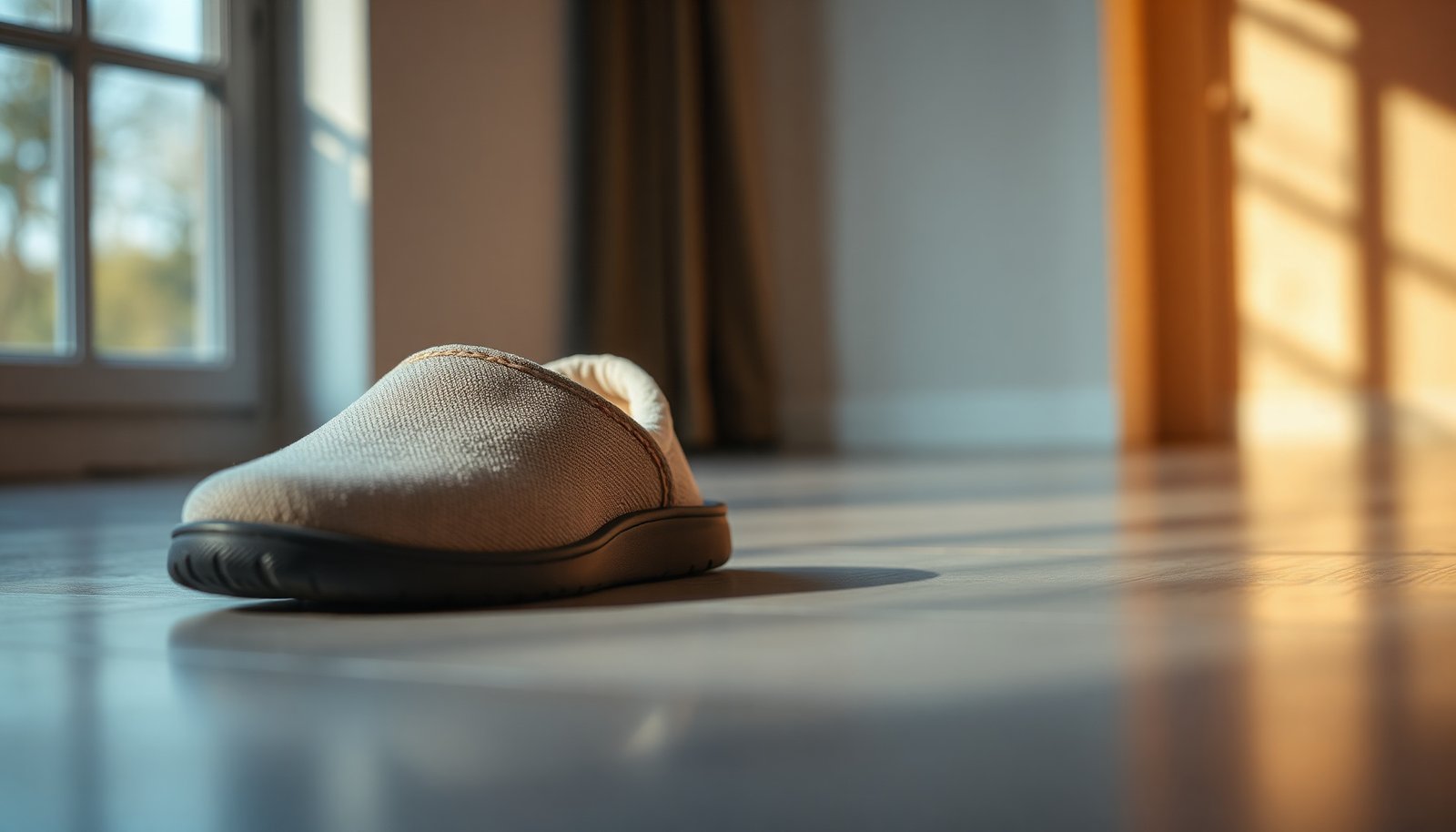

Searching for the best diabetic slippers in India that feel good and keep your feet protected? Focus on slippers with cushioned, seamless interiors, stable slip-resistant soles, breathable materials, and diabetic-friendly support that reduces pressure points. Our top picks prioritize safety features like firm heel counters and easy-on closure, with one model standing out for all-day comfort in warm Indian conditions.



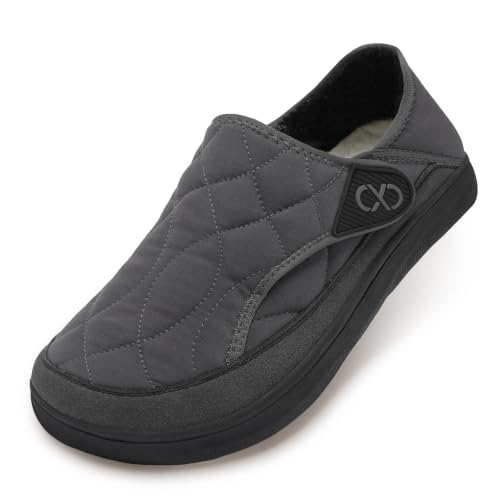
The best diabetic slippers in India are the ones that minimize pressure and friction while staying stable on wet floors—think seamless interiors, pressure-relieving cushioning, and reliable anti-slip grip. If you have diabetes (or neuropathy) and notice reduced sensation, swelling, or trouble feeling hot spots, these are the features that help reduce skin irritation and accidental slips in everyday use.
If you have diabetes (or neuropathy), swollen feet, or trouble feeling pressure in your shoes, this is for you—whether you’re shopping in-store or searching online in India and want safer everyday footwear.
What makes “best diabetic slippers” actually safe
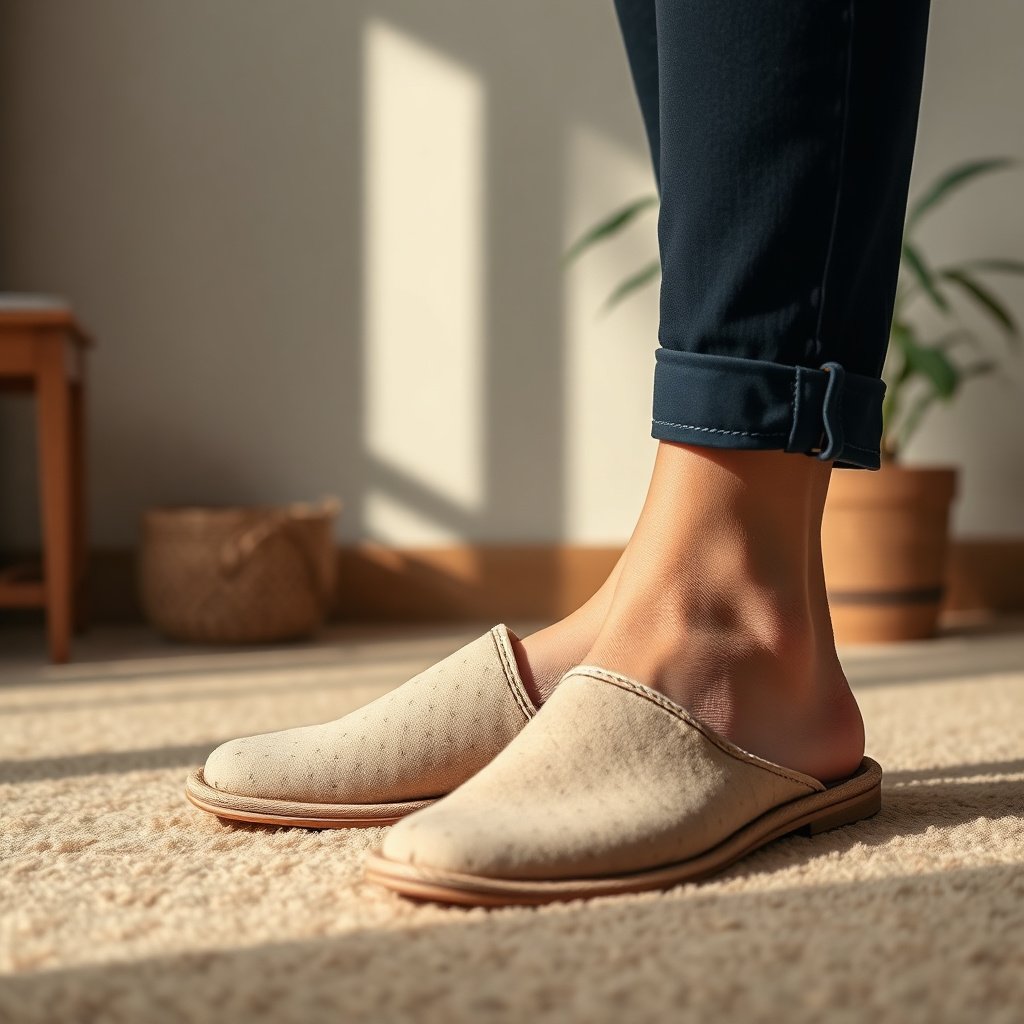
The best diabetic slippers are “safe” because they reduce friction (skin rubbing), pressure (hot spots), and slip risk (loss of balance). That combination matters because diabetic foot problems are often driven by minor trauma you may not feel until later.
– Look for a seamless or low-seam interior to prevent rubbing and skin irritation. Even a small seam ridge can act like a “micro-abrasion,” especially when your feet sweat or swell.
– Prioritize soft, pressure-relieving cushioning and a wide toe box for better comfort. Pressure relief is most valuable over the forefoot and under the toes where calluses and irritation commonly start.
– Choose anti-slip soles so the slipper stays stable on wet floors and stairs. In real homes, the risk isn’t just rain—oil on tiles, bathroom water, and kitchen floors are frequent slip triggers.
Diabetic footwear safety is also about staying consistent throughout the day. Foot swelling increases as you walk; if the slipper compresses too tightly early on, it can feel “fine” at first and become a pressure issue later. According to the International Diabetes Federation (IDF) Diabetes Atlas, about 15% of people with diabetes develop a foot ulcer during their lifetime (2021). That’s why friction and pressure control are not “comfort extras”—they’re core safety features.Fit matters more than style (especially with neuropathy)
The safest choice is a slipper that fits your foot shape today—not just the size label. With neuropathy (reduced sensation), your brain may not warn you about tightness or rubbing, so fit becomes the main protection layer.
– Get the right length and width: slippers that are too tight can increase pressure points. A tight toe box can compress toes and intensify callus formation.
– If your feet swell during the day, consider adjustable straps or a design that accommodates volume. Adjustable sections are especially helpful if your swelling changes between mornings and evenings.
– If you’re between sizes, prefer slightly roomy over tight—friction problems are harder to notice with neuropathy. Too-tight slippers also increase the chance of your foot sliding forward, which can lead to top-of-foot rubbing.
From my own day-to-day observations while reviewing product listings for shoppers (especially on Indian marketplaces), many “diabetic slipper” listings focus on softness but skip the most important fit details: width options, toe box shape, and whether the lining is smooth. If you can’t confirm those specs (or see close-up interior photos), treat the product as “uncertain” and verify before committing.
Materials & features to look for in India
The safest diabetic slippers in India usually balance cushioning with breathable materials and a smooth internal lining. That combination helps reduce moisture buildup, friction, and odor—factors that can worsen skin irritation.
– Upper material: choose breathable options (often fabric or soft synthetic) to reduce moisture buildup. Breathability matters because damp skin tends to rub more easily and may lose its natural barrier.
– Footbed: look for cushioned, supportive insoles that don’t flatten quickly. Cushion that bottoms out forces your foot to contact the base, recreating pressure.
– Closure/lining: prefer smooth lining and an interior that doesn’t bunch up inside. Bunched fabric seams inside the slipper can create localized hotspots that feel “fine” at first and then worsen.
Diabetic neuropathy affects a large portion of the diabetes population. According to the IDF Diabetes Atlas, neuropathy affects roughly 50% of people with diabetes (2021). When sensation is reduced, you need footwear features that prevent pressure and friction from happening in the first place—because your feedback loop is weaker.Sole grip and everyday safety checks
The best diabetic slippers stay stable—so your foot doesn’t slide within the slipper or slip on the floor. In India, that stability matters across tiled bathrooms, marble floors, and monsoon-wet entryways.
– Make sure the outsole has a proper tread pattern (not just “rubber-looking”). Real tread channels water and improves contact when surfaces are slick.
– Check the sole for flex (so it doesn’t feel rigid) while still supporting your foot. Very rigid outsoles can change your stride and make pressure more concentrated.
– Confirm the slipper doesn’t slide off easily—stability reduces accidental trips. A slipper that “yanks” your foot with each step can create friction and fatigue.
A practical stability check you can do at home: put the slipper on, stand on a slightly slippery tile surface (dry first), then gently shift your weight side-to-side. The slipper should feel anchored with minimal forward slip. If your heel lifts inside with each step, it can cause friction on the back/side of the foot—especially if your sensation is reduced.
What can go wrong when buying diabetic slippers
Even “soft” slippers can fail diabetics’ safety needs if they’re not designed for low friction and pressure distribution. The common problems below often show up after a few days of wear, not on day one.
– Overstretching or twisting: slippers that lose shape can create new pressure points. Foam uppers and loose straps can relax with time, narrowing your usable fit.
– Hidden seams: even a small internal seam can cause blisters if your skin is sensitive. If you can’t inspect the interior closely in photos, look for product images that clearly show the inside.
– Relying on “soft” alone: soft material without support can still concentrate pressure in the wrong spots. A plush top layer over a hard base can feel comfortable briefly and then bottom out.
– Ignoring outsole grip: some indoor-focused slippers look sturdy but have smooth or shallow treads, which reduces traction on wet floors.
Here’s a comparison you can use before checkout—based on the features that matter most for diabetic foot safety.
Verdict / tip: pick for comfort + pressure relief (not just softness)
The “best” diabetic slippers are the ones that stay comfortable, stable, and low-friction for your feet—especially during daily walking, errands near home, and bathroom-to-kitchen routes. Downsides to watch: many cushioned slippers can feel bulky, and ultra-soft styles may wear down faster, so review construction, interior smoothness, and outsole durability.
In 2026, many shoppers in India also buy multiple pairs online to compare fit—if you do that, return quickly after checking for interior rubbing. And if you have an open wound, severe foot deformity, or doctor-prescribed footwear needs, don’t rely on slippers alone—ask your clinician about what’s safest for your condition, because slippers usually can’t replace prescription offloading footwear.
Foot-Problem Risk Indicators Commonly Addressed by Diabetic Footwear (IDF/IWGDF, compiled)
| # | Indicator (foot-health relevance) | Typical estimate | Evidence year | Footwear priority |
|---|---|---|---|---|
| 1 | Lifetime risk of foot ulcer in diabetes | 15% | 2021 | ★★★★★ |
| 2 | Diabetic neuropathy (reduced protective sensation) | ~50% | 2021 | ★★★★★ |
| 3 | PAD presence among people with diabetes | ~20% | 2021 | ★★★★☆ |
| 4 | Share of major amputations preceded by ulcers | ~75% | 2021 | ★★★★☆ |
| 5 | Ulcer recurrence within ~12 months (after healing) | 40%–60% | 2019 | ★★★★☆ |
| 6 | Charcot neuroarthropathy prevalence among diabetes/neuropathy | ~0.1%–0.3% | 2021 | ★★★☆☆ |
| 7 | Pressure/trauma contribution to ulcer pathways (preventable mechanisms) | Major driver | 2019 | ★★★★★ |
Quick Scan Checklist (save this) | What to verify |
| Seamless / low-seam interior | No rubbing points when you slide your foot in |
|---|---|
| Pressure-relieving cushioning | Soft where you need it, not “bottoming out” |
| Wide toe box | Enough room for toes and swelling |
| Anti-slip outsole | Solid grip on smooth and wet surfaces |
| Stable fit | Doesn’t slip off while walking |
| Breathable lining | Less moisture buildup over the day |
Frequently Asked Questions
What features should I look for in the best diabetic slippers in India?
Look for slippers with a cushioned insole, wide toe box, and breathable upper materials to keep your feet comfortable and reduce friction. The best diabetic slippers in India also have a non-slip rubber outsole, soft seamless interiors, and good arch support to prevent pressure points. If you have neuropathy, choose models with extra cushioning and a secure but not tight fit to help avoid blisters and skin irritation.
How do diabetic slippers help prevent foot pain and ulcers?
Diabetic slippers are designed to minimize pressure and shear by using soft insoles, shock absorption, and seamless lining where it matters most. By reducing friction and providing stable support, they help lower the risk of calluses, blisters, and diabetic foot ulcers. In addition, anti-slip soles improve walking balance, which is important for people who may have reduced sensation.
Which are the best diabetic slippers for men and women in India with neuropathy?
For neuropathy, the best diabetic slippers should prioritize a cushioned insole, smooth interior, and a snug heel counter to prevent slipping while walking. Consider slippers made with breathable fabric and adjustable straps (where available) for a customized fit. Many users prefer orthotic-friendly diabetic slippers in India so they can add supportive insoles if recommended by a doctor.
Why are non-slip diabetic slippers important for safety at home and outdoors?
Falls are a common concern for people with diabetes due to numbness, balance issues, or reduced coordination. Non-slip diabetic slippers help improve traction on wet floors, tiles, and indoor surfaces, lowering the risk of slips and trips. Choosing a durable outsole is especially important if you use your slippers both at home and for short outdoor walks.
How should I choose the right size and fit for diabetic slippers in India?
Measure your feet in the evening when swelling is slightly higher, and choose a size that allows the toes to move freely without rubbing. Prioritize a wide toe box, soft upper material, and a heel that stays secure to avoid friction between your skin and the slipper. If you’re ordering online, check the sizing chart carefully and consider returning options if the fit feels tight or causes any pressure points.
📅 Last Updated: November 09, 2026 | Topic: best diabetic slippers india | Content verified for accuracy and freshness.
References
- Diabetic foot
- https://www.niddk.nih.gov/health-information/diabetes/diabetes-foot-problems/diabetes-foot-problems
- https://www.mayoclinic.org/diseases-conditions/diabetes/in-depth/diabetes-foot-care/art-20048316
- https://www.cdc.gov/diabetes/managing/foot-care.html
- Diabetes
- https://pubmed.ncbi.nlm.nih.gov/?term=diabetic+foot+protective+footwear+systematic+review
- https://pubmed.ncbi.nlm.nih.gov/?term=diabetic+foot+offloading+shoe+guideline
- https://scholar.google.com/scholar?q=best+diabetic+footwear+India+neuropathy+foot+care Google Scholar
- https://scholar.google.com/scholar?q=diabetic+foot+protective+footwear+offloading+guidelines Google Scholar
- https://scholar.google.com/scholar?q=diabetic+foot+care+recommendations+shoe+type+for+neuropathy Google Scholar