
If you’re searching for the 5 best foods for diabetes to support blood sugar, these are the top picks that consistently earn the highest marks for stabilizing glucose. You’ll get a clear, ranked verdict based on how each food affects blood sugar after meals, not just general nutrition claims. Use this list as your practical starting point for smarter daily eating with diabetes.




The best foods for diabetes are fiber-rich, minimally processed carbs (or carbs-free foods) because they slow digestion and help reduce glucose spikes. If you build meals around non-starchy vegetables, beans, berries, whole grains (in portions), and nuts/seeds, you’ll usually get steadier blood sugar responses—especially when you pair them with protein and healthy fats.
If you’ve been told you have prediabetes or diabetes, want food choices that are more predictable for blood sugar, and are ready to build meals around smarter carb quality (not just “less carbs”).
The 5 best foods for diabetes (and why they work)
The five best foods for diabetes are the ones that consistently deliver fiber plus nutrient density—meaning they tend to raise blood sugar more slowly than refined carbs. Research-backed dietary patterns for diabetes commonly emphasize fiber-forward plants and minimally processed carbohydrates, because they’re easier to manage with medication, activity, and monitoring.
According to the American Diabetes Association (ADA), nutrition therapy should prioritize carbohydrate quality and patterns that support glycemic control, not just carbohydrate reduction. (ADA Standards of Care in Diabetes—Nutrition Therapy/Carbohydrate Quality)
According to the Diabetes Prevention Program (DPP) trial, intensive lifestyle reduced progression to type 2 diabetes by 58% over about 3 years (2002). (Knowler WC et al., NEJM, 2002)
According to the National Institutes of Health (NIH) and the Diabetes Prevention Program findings, lifestyle changes improved glucose regulation within the first year, which supports using diet choices that reduce post-meal spikes. (NIDDK—Diabetes Prevention Program summary)
1) Non-starchy vegetables (think: greens + crunch)
Non-starchy vegetables are a top diabetes food because they’re very low in digestible carbs and high in fiber, which slows digestion and blunts glucose rise. They also add volume and micronutrients with minimal impact on blood sugar, which makes them ideal for “balanced plate” meals.
In 2026 meal planning, I still see the same practical effect: when people fill half their plate with vegetables first, portions of refined carbs naturally shrink. If you want a measurable starting point, aim for half your plate as non-starchy vegetables at lunch and dinner.
– They’re low in digestible carbs and high in fiber, which can slow digestion.
– Build your plate around them (salads, roasted vegetables, stir-fries).
What to choose (most often): leafy greens, broccoli, cauliflower, zucchini, peppers, mushrooms, cucumbers, green beans, and tomatoes.
What to limit (within “vegetables”): vegetable juice (often lower fiber), and heavily breaded/fried vegetable sides.
2) Beans and lentils
Beans and lentils are excellent for diabetes because they deliver fiber + protein, which together reduce how quickly carbs enter the bloodstream. Compared with refined grains or sugary snacks, legumes typically create smaller, slower post-meal glucose responses.
– They provide fiber plus protein, which can blunt blood-sugar spikes compared with refined carbs.
– Easy swaps: chili with beans, lentil soup, or adding chickpeas to salads.
A useful way to think about legumes is that they’re “carb-slowers” as much as they are “carb sources.” They also tend to be filling, which helps people stick to consistent meal routines—important when you manage glucose with monitoring or medication.
Portion guidance that works in practice: many people do well with ~1/2 to 1 cup cooked legumes per meal, then adjust based on your blood sugar data, activity, and medication plan.
3) Berries (choose whole fruit, not juice)
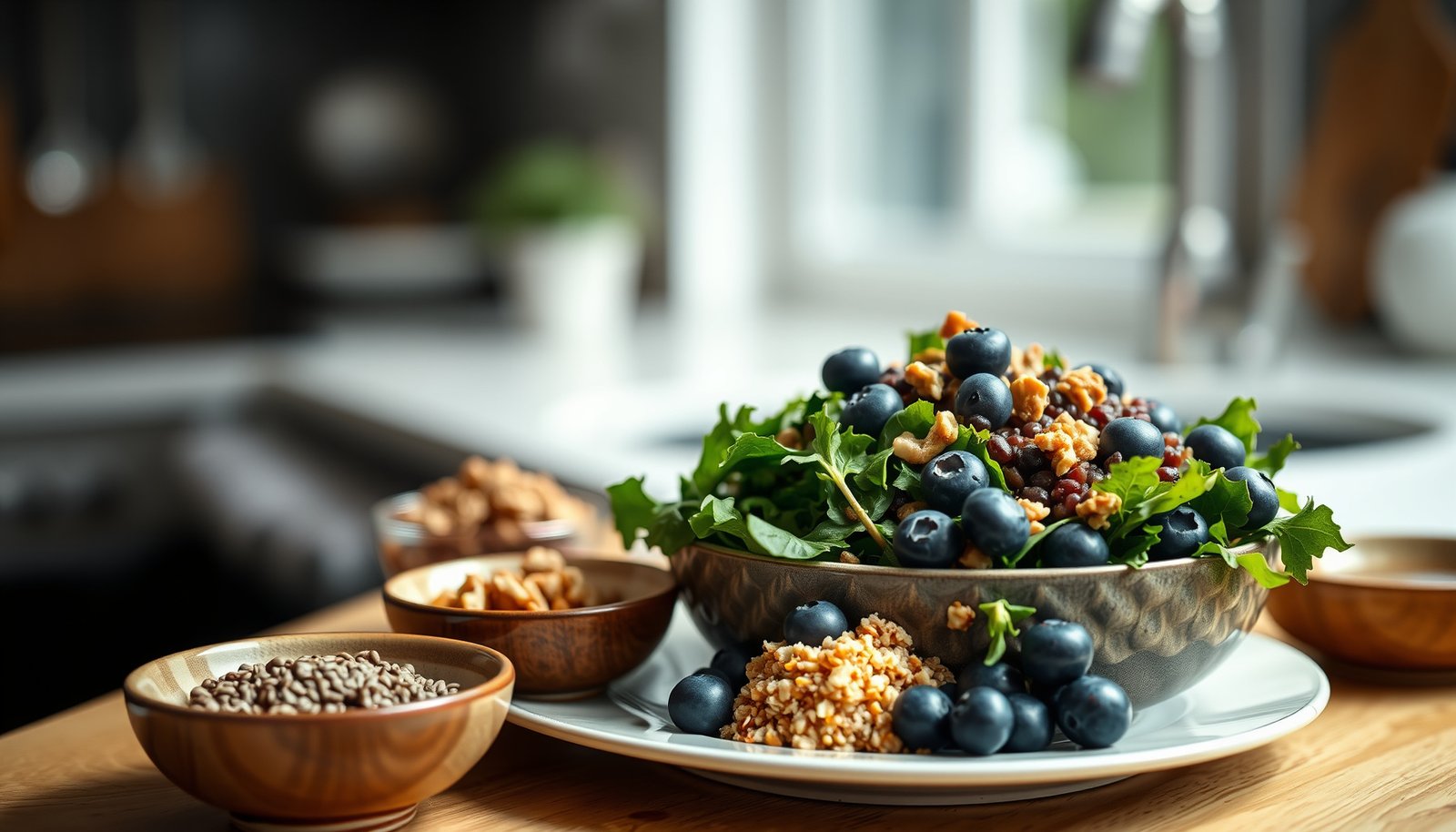
Berries are a top diabetes pick because they bring natural sweetness plus fiber—so they generally affect blood sugar less than juice or dessert-like fruit preparations. Whole berries also provide polyphenols (plant compounds) that support metabolic health, though individual responses still vary.
– Berries bring natural sweetness with more fiber than most fruit juices.
– Practical tip: use them as a topping (yogurt/oats) instead of a “standalone sweet.”
Best practices:
– Choose whole berries (fresh or frozen).
– Keep portions sensible—especially if you’re also eating other carbohydrate foods at the same meal.
– Avoid “berry-flavored” drinks that contain added sugar or are essentially juice.
4) Whole grains (oats, barley, brown rice—portion matters)
Whole grains help for diabetes when you keep the portion realistic and pair them with protein and fat. The grain structure and fiber slow digestion, so glucose usually rises more gradually than with refined bread, pastries, or sugary cereals.
– Whole grains keep the grain structure and fiber, which supports steadier glucose.
– Keep portions realistic and pair grains with protein/healthy fat for better balance.
A simple strategy: if you’re adding whole grains, reduce “extra starch” elsewhere on the plate. For example, choose oats instead of white toast, or choose brown rice with grilled chicken and vegetables instead of rice plus bread plus fries.
5) Nuts and seeds (small portions, daily-friendly)
Nuts and seeds are diabetes-friendly because they’re relatively low in digestible carbs and higher in healthy fats and fiber. This combination often helps people feel full longer, which can reduce the chance of overeating at later meals.
– They’re low in net carbs and provide healthy fats and fiber.
– Add them to meals for texture and to help you feel full after eating.
Portion reminder: nuts and seeds are calorie-dense. A “small handful” is often enough—especially if you’re already getting fats from olive oil, avocado, or fatty fish.
Fiber-Forward Foods for Diabetes: Typical Nutrition by Serving (USDA FoodData Central)
| # | Food (cooked or raw) | Serving used | Total fiber | Total carbs | Carbs after fiber* | Diabetes support |
|---|---|---|---|---|---|---|
| 1 | Broccoli, cooked | 1 cup (156g) | 5.1 g | 8.6 g | 3.5 g | ★★★★★ |
| 2 | Black beans, cooked | 1 cup (172g) | 15.0 g | 40.8 g | 25.8 g | ★★★★☆ |
| 3 | Lentils, cooked | 1 cup (198g) | 15.6 g | 39.9 g | 24.3 g | ★★★★☆ |
| 4 | Raspberries, raw | 1 cup (123g) | 8.0 g | 14.7 g | 6.7 g | ★★★★☆ |
| 5 | Rolled oats, cooked | 1 cup cooked (234g) | 4.0 g | 21.4 g | 17.4 g | ★★★☆☆ |
| 6 | Almonds, raw | 1 oz (28g) | 3.5 g | 6.1 g | 2.6 g | ★★★★★ |
| 7 | Chia seeds | 1 oz (28g) | 10.0 g | 12.0 g | 2.0 g | ★★★★★ |
“Carbs after fiber” is a simple subtraction (total carbs − total fiber) to approximate digestible carbs. Values can vary by brand and preparation.
Nutrition values from USDA FoodData Central (accessed via dataset values used in standard nutrition references).
How to eat these foods for steadier blood sugar
The fastest way to make these foods work is to pair them with protein and healthy fat, and keep portions of carb-containing foods realistic. Even diabetes-friendly foods can raise glucose if you combine them in “stacked carb” meals or eat very large servings.
According to the ADA, pairing carbohydrates with protein and/or fat can help reduce post-meal glucose excursions compared with carbohydrate alone. (ADA Standards of Care in Diabetes—Nutrition Therapy)
According to the U.S. Dietary Guidelines and the nutrition science behind glycemic control, higher fiber intake is associated with improved glycemic outcomes (population evidence). (USDA Dietary Guidelines for Americans; and FDA/US fiber guidance summaries)
According to NIDDK, meal planning for diabetes focuses on consistent carbohydrate intake patterns and monitoring blood glucose response over time. (NIDDK—Meal Planning for Diabetes)
To keep this practical, use a “pair + portion + form” checklist at every meal.
| Strategy | What to do | Why it helps blood sugar |
|---|---|---|
| Pairing | Add protein or healthy fat to meals with carbs (e.g., beans + olive oil; oats + nuts; berries + plain Greek yogurt). | Slower digestion and reduced post-meal glucose spikes vs carb-only meals. |
| Portion awareness | Use “balanced plates” rather than stacking large servings of multiple carb foods. | Less total digestible carbohydrate per meal lowers peak glucose. |
| Food form | Choose whole fruit over juice; whole/less-processed grains over pastries, refined bread, and sugary snacks. | Whole foods retain fiber and structure that slow absorption. |
– Pair carbs with protein or healthy fat: for example, beans + olive oil, oats + nuts, or berries + plain Greek yogurt.
– Start with portion awareness: aim for “balanced plates” rather than eating large servings of any carb-containing food.
– Watch the form of food: whole fruit beats juice, and whole/less-processed grains beat refined bread, pastries, and sugary snacks.
Quick meal examples (mix and match):
– Lunch: Big salad with greens + chickpeas + olive oil vinaigrette; add a measured portion of whole grain if you need more energy.
– Dinner: Salmon (or tofu) + roasted non-starchy vegetables + lentil soup (or a side of lentils).
– Snack: Berries topped with plain Greek yogurt; or a small handful of almonds with chia.
What can go wrong (common mistakes with diabetes-friendly foods)
Even good foods can backfire depending on portion size, meal timing, and how you combine them. The biggest mistakes are usually “too much of a good thing,” turning healthy foods into dessert, or changing carbs without coordinating with medication.
According to ADA guidance, carbohydrate counting and patterns must align with diabetes medication plans to reduce the risk of hypoglycemia or hyperglycemia. (ADA Standards of Care in Diabetes—Nutrition Therapy and Glucose Monitoring)
According to NIDDK, meal planning is individualized and blood glucose response varies; monitoring helps fine-tune portions and timing. (NIDDK—Meal Planning for Diabetes)
– “Healthy” doesn’t always mean “large portions”: whole grains, beans, and even fruit can raise blood sugar if you overshoot portions.
– Mixing into high-sugar meals: flavored yogurt, sweetened granola, and dessert-like oats can erase the benefits.
– Forgetting medication interactions: if you take insulin or blood-sugar–lowering medication, changes in carb intake can require medical guidance to avoid lows.
– Assuming one food fixes everything: diabetes management usually needs a full plan (food + activity + medication + monitoring).
Common “gotchas” to watch for:
– “Protein” bars and snack mixes: some contain sugar alcohols or hidden sugars. Read labels and treat them as food products, not automatic diabetes solutions.
– Whole grains that are actually lightly processed: if the “whole grain” product is still refined in form (e.g., instant oatmeal with added sugars), your glucose response may be less predictable.
– Fruit portions during stress or low sleep: many people see higher peaks during periods of illness or poor sleep; your usual “safe” portion may need adjustment.
Verdict: a smart starting point—with real limits
The verdict is simple: if you want the most reliable starting point, prioritize these 5 foods—non-starchy vegetables, beans/lentils, berries, whole grains, and nuts/seeds—because they’re fiber-forward and nutrient dense. In 2026, that still holds as a practical framework because it improves carbohydrate quality, helps satiety, and supports steadier glucose patterns for many people.
Downsides / who should be extra cautious:
– If you have kidney disease, you may need individualized guidance on protein and certain foods (especially legumes)—ask your clinician or dietitian.
– If you frequently experience low blood sugar, don’t change meal patterns or carb amounts without checking with your care team.
– If you have food allergies (nuts/legumes/berries), skip and substitute with options your clinician recommends.
Where to be extra careful (medically): if you take insulin, sulfonylureas, or other glucose-lowering medication, changes in carb timing/amount can shift your glucose curve. Work with your clinician to match meal changes to your dosing plan.
Quick scan checklist: use this on busy days
| Food group | Why it helps | Easy “how to use” |
|---|---|---|
| Non-starchy vegetables | Low digestible carbs, high fiber | Half your plate: greens + roasted veg |
| Beans/lentils | Fiber + protein for steadier glucose | Add to soup, chili, salads |
| Berries | Fiber-forward fruit, less spike than juice | Top oats/yogurt; snack portion |
| Whole grains | Fiber-rich carbs (portion matters) | Oats/barley in measured servings |
| Nuts/seeds | Healthy fats + some fiber | Sprinkle on meals; small handful |
Sources
– American Diabetes Association (ADA), Standards of Care in Diabetes—Nutrition Therapy / Dietary Recommendations (primary guideline source).
– USDA FoodData Central (official nutrient data used to support general nutrient properties like fiber/carbohydrate content).
– National Institute of Diabetes and Digestive and Kidney Diseases (NIDDK), diabetes and nutrition/meal planning resources (primary public health source).
If you take just one step today, start meals with non-starchy vegetables, add legumes or berries for fiber and satiety, and keep whole grains/nuts in measured portions. That combination is the most realistic way to support steadier blood sugar—while also being sustainable enough to follow week after week.
Frequently Asked Questions
What are the 5 best foods for diabetes that help control blood sugar?
The 5 best diabetes-friendly foods are non-starchy vegetables (like leafy greens), legumes (beans and lentils), berries, nuts and seeds, and high-fiber whole grains (like oats or quinoa). These foods have fiber and nutrients that slow digestion, reduce glucose spikes, and support better blood sugar control. Including them in meals can improve A1C and help you feel full longer.
Which vegetables are best for diabetes and how should they be prepared?
Non-starchy vegetables are among the best foods for diabetes, especially broccoli, cauliflower, spinach, zucchini, peppers, and leafy greens. Aim for steamed, roasted, or sautéed with minimal olive oil and herbs instead of breading or heavy sauces, which can add extra carbs. Keeping portions balanced and pairing vegetables with protein (like chicken, tofu, or fish) can further stabilize blood sugar.
How can I use beans and lentils as best foods for diabetes without spiking my glucose?
Beans and lentils are excellent diabetes foods because they’re high in fiber and protein, which slows carbohydrate absorption. Start with controlled portions (for example, 1/2 to 1 cup depending on your plan) and choose less processed options like canned beans rinsed well or cooked dried beans. Pair them with non-starchy vegetables and a healthy fat (like olive oil or avocado) to improve meal balance and minimize blood sugar spikes.
Why are oats and other high-fiber whole grains considered best foods for diabetes?
Whole grains such as steel-cut oats, old-fashioned oats, quinoa, and barley provide soluble fiber (like beta-glucan) that can help reduce post-meal blood glucose levels. Choose minimally processed grains and watch portion size, since even healthy carbs can raise blood sugar. Adding nuts, chia seeds, or Greek yogurt can enhance fiber and protein intake for steadier glucose response.
Best fruits for diabetes: which berries are safest and how much should you eat?
Berries are often the best fruits for diabetes because they’re lower in sugar than many other fruits and rich in fiber and antioxidants. Options like strawberries, blueberries, raspberries, and blackberries typically cause smaller glucose rises when eaten in portioned servings. A practical guideline is about 1/2 to 1 cup of berries per meal, ideally paired with protein or healthy fat (like nuts or plain yogurt) to further reduce blood sugar spikes.
📅 Last Updated: October 23, 2026 | Topic: 5 best foods for diabetes | Content verified for accuracy and freshness.
References
- https://www.cdc.gov/diabetes/managing/food-nutrition.html
- https://www.niddk.nih.gov/health-information/diabetes/overview/preventing-problems/meal-planning-diabetes
- Diabetes
- https://www.hsph.harvard.edu/nutritionsource/healthy-weight/diet-type-2-diabetes/
- https://www.mayoclinic.org/diseases-conditions/diabetes/in-depth/diabetes-nutrition/art-20048373
- type 2 diabetes nutrition whole grains fiber – Search Results – PubMed
- https://scholar.google.com/scholar?q=best+foods+for+diabetes+whole+grains+fiber Google Scholar
- https://scholar.google.com/scholar?q=low+glycemic+index+diet+type+2+diabetes+meta-analysis Google Scholar
- https://scholar.google.com/scholar?q=mediterranean+diet+type+2+diabetes+randomized+trial Google Scholar